
Image courtesy of 7Pines Resort Sardinia
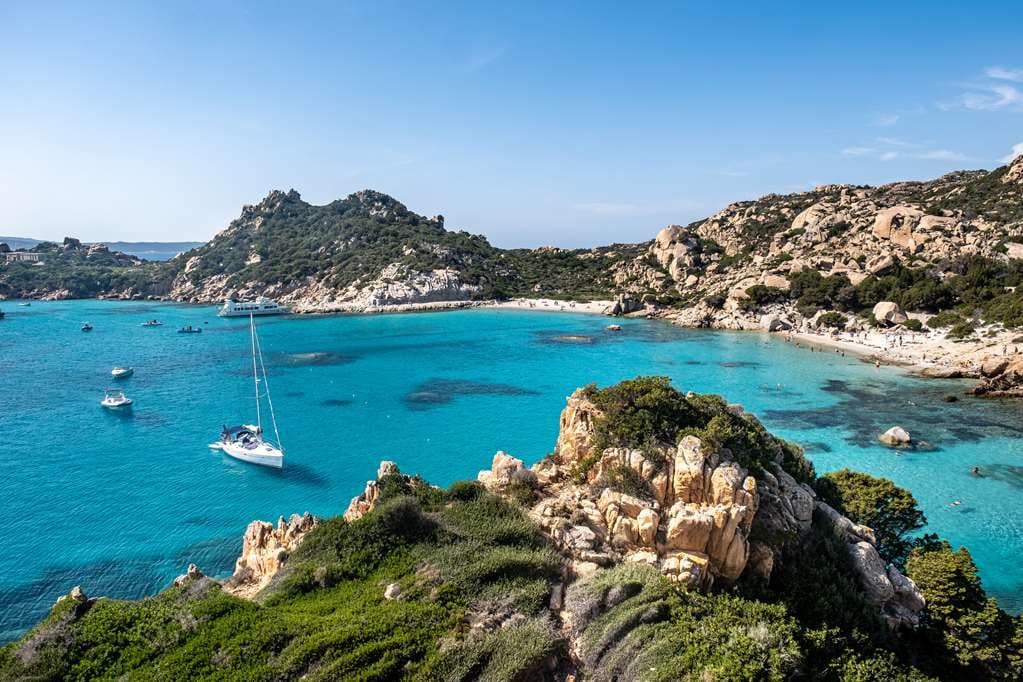
Sardinia feels like a world apart from mainland Italy, and for good reason. This Mediterranean island operates on its own rhythm, with turquoise waters and white-sand beaches that rival those in the Caribbean, and rugged hilltops dotted with ancient villages. The Costa Smeralda draws its share of luxe travelers and super yachts, but it’s Sardinia’s quiet corners that invite discovery and offer a low-key, local vibe. Inland, you’ll find family-run trattorias and mountain paths used by actual shepherds, while the coast offers secret beaches only accessible by boat.
Sardinia suits beach lovers, couples, families, and anyone curious to experience a different take on Italy. Expect beautiful coastlines, warm hospitality, and plenty of space to slow down. Read on to learn where to stay and what to do during a getaway to Sardinia.
Need to know
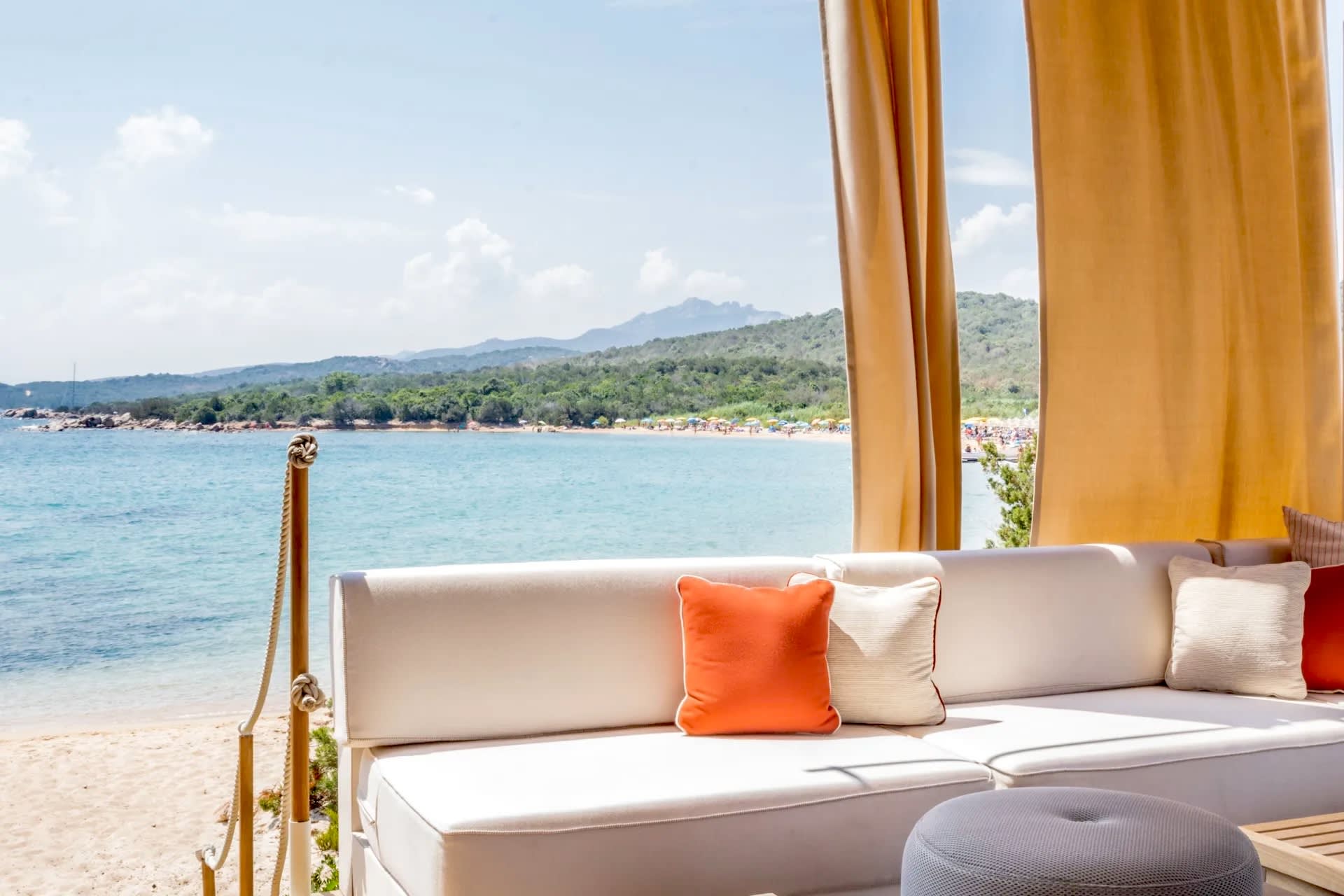
Image courtesy of Hotel Cala Di Volpe, A Luxury Collection Hotel, Costa Smeralda
Sardinia is a safe and welcoming destination, but it’s smart to plan ahead. Start by checking flight routes, as international connections can be limited. Once there, embrace the slower pace, respect local customs, and give yourself room to settle into Sardinia’s genuine sense of place.
Currency: The currency is the Euro (€). Credit and debit cards are widely accepted, but it’s a good idea to carry cash for small shops, markets, or rural areas. Tipping isn’t mandatory but rounding up or leaving around 5–10% in restaurants and for good service is appreciated.
Languages: While Italian is the official language, many people in tourist areas speak some English. In smaller towns and villages, a few Italian phrases go a long way as English is limited. Sardinian (Sardo) is also spoken locally but less common among visitors.
Key phrases: thank you (grazie), please (per favore), yes / no (sì / no), excuse me / sorry (scusi / mi dispiace), how are you? (come sta?), I don’t speak Italian (non parlo Italiano).
Airports: Olbia Costa Smeralda Airport (OLB) is ideal for visiting the north and the Costa Smeralda regions. Cagliari Elmas Airport (CAG) is best for southern Sardinia, including the capital and surrounding coast. While there are no direct flights from the US, there are plenty of connecting flights through Rome, Milan, or other major European cities.
Transportation: A rental car is essential for multiple stops or exploring inland, and make sure to get an international driving permit. Roads are scenic and winding, so expect photo-worthy landscapes and slower drives. There are no inter-island flights, and it can take four hours driving, by train, or bus end to end. Public transport is limited outside major towns, while taxis and transfers are best arranged through your hotel. In beach towns, bikes or scooters can be a fun way to get around.
Best time to visit: Sardinia is all about slow days and sun-soaked coastlines, so visit some time between April through October. Spring and early fall offer an especially sweet spot with warm weather and fewer crowds. Some resorts and businesses are seasonal.
Ideal length of stay: Four to seven nights is perfect to unwind by the sea and ease into the local rhythm. If you're craving more coastal towns, mountain drives, or a second base, it’s worth stretching the trip a bit longer.
Signature dishes and drinks:
Culurgiones: Pasta pockets filled with potato, cheese, and mint, usually served with tomato sauce or butter.
Porceddu: Roasted suckling pig with crispy skin and tender meat.
Pane Carasau: Thin, crispy flatbread often served with olive oil or cheese.
Seadas: Fried pastry filled with cheese and topped with honey.
Cannonau: A rich, local red wine made from ancient grapes.
Vermentino: A fresh white wine, perfect with seafood or as an aperitif.
Mirto: A strong, herbal liqueur made from myrtle berries, usually enjoyed after dinner.
What to wear: Coastal towns tend to dial things up a notch, while the mountain villages keep it low-key. Wear breezy layers by day and chic coverups for the beach. Evenings are polished but unfussy, with flowy dresses and crisp shirts. Pack a light jacket for cooler nights.
Local rules and travel tips:
Respect for nature: Sardinia has deep respect for its land. Stick to marked trails, avoid littering, and tread lightly in nature reserves or along the coast.
Beaches: Most beaches are public and free, but some offer beach clubs with reserved loungers for a fee. Note that nudity is only allowed in clearly marked areas.
Smoking: Smoking is banned indoors and in some outdoor spaces like parks, playgrounds, and near hospitals. Look for signs before you light up.
Timing: Midday breaks are real, with many shops and small businesses closing from around 1:00 to 4:00 PM. Plan your errands and meals with that in mind.
GPS: Remote roads and mountain villages can be tricky to navigate, so don’t hesitate to ask locals for directions as GPS isn’t always reliable here.
Cell service: Expect patchy phone coverage in the mountains or along remote coastline. Download offline maps and important info ahead of time.
Markets: Hit local markets early for the freshest produce, baked goods, and cheeses. By midday, most vendors will start packing up as well.
Northern Sardinia
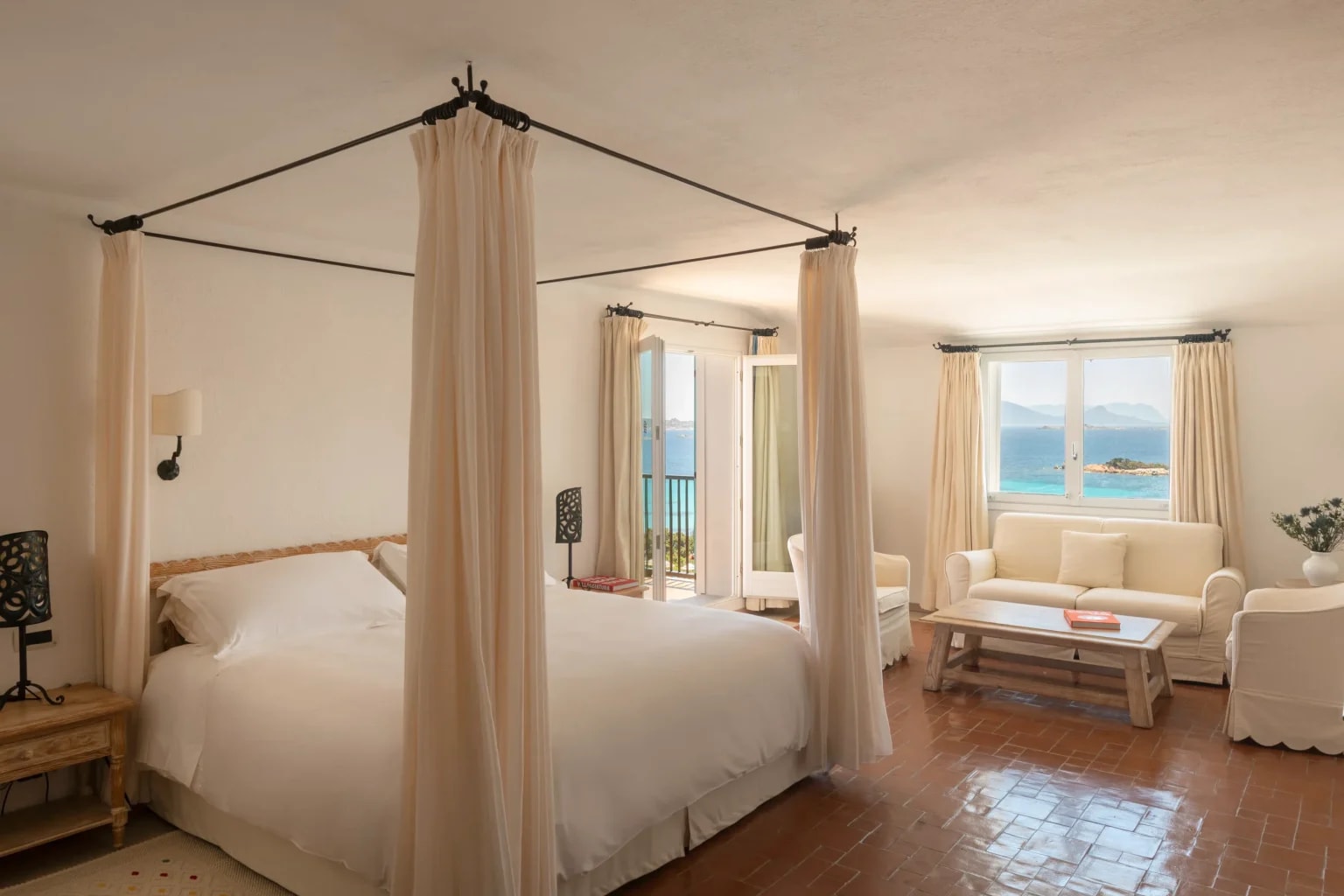
Image courtesy of Romazzino, A Belmond Hotel
Sun-drenched and sculpted, Northern Sardinia is where coastal glam meets quiet charm. Porto Cervo and the Costa Smeralda deliver sleek resorts, private beach clubs, and a signature jet-set energy. Castelsardo leans more medieval with its storybook setting and coastal cliffs. Alghero brings a Catalan twist with old city walls, cobbled lanes, and a slower character-filled rhythm.
Where to stay
7Pines Resort Sardinia: In a quiet cove near Baja Sardinia, this hideaway offers a streamlined, contemporary feel. The main side is great for families, with villa-style rooms, sea views, and easy beach access. The adults-only wing is private, but faces inward toward the pool.
Fora’s Hyatt Privé partner perks include a $100 hotel credit, welcome amenity, daily breakfast, an upgrade, and extended check-in/out whenever possible.
Romazzino, A Belmond Hotel: Originally built in the 1960s and recently renovated, the resort has a polished, whitewashed charm that made Costa Smeralda famous. Thoughtful design, a slower pace, and that feeling of stepping into a classic summer holiday make this a standout stay.
Fora’s Belmond Bellini Club partner perks include a hotel credit, daily breakfast, an upgrade, and extended check-in/out whenever possible.
Hotel Cala Di Volpe, A Luxury Collection Hotel, Costa Smeralda: Glamorous and buzzy, this recently refreshed icon blends 1970s flair with modern design. The grounds channel an upscale coastal village, and a nearby swimmable beach make it an exceptional retreat.
Fora’s Marriott STARS partner perks include a $100 hotel credit, welcome amenity, daily breakfast, an upgrade, and extended check-in/out whenever possible.
Mountain Region
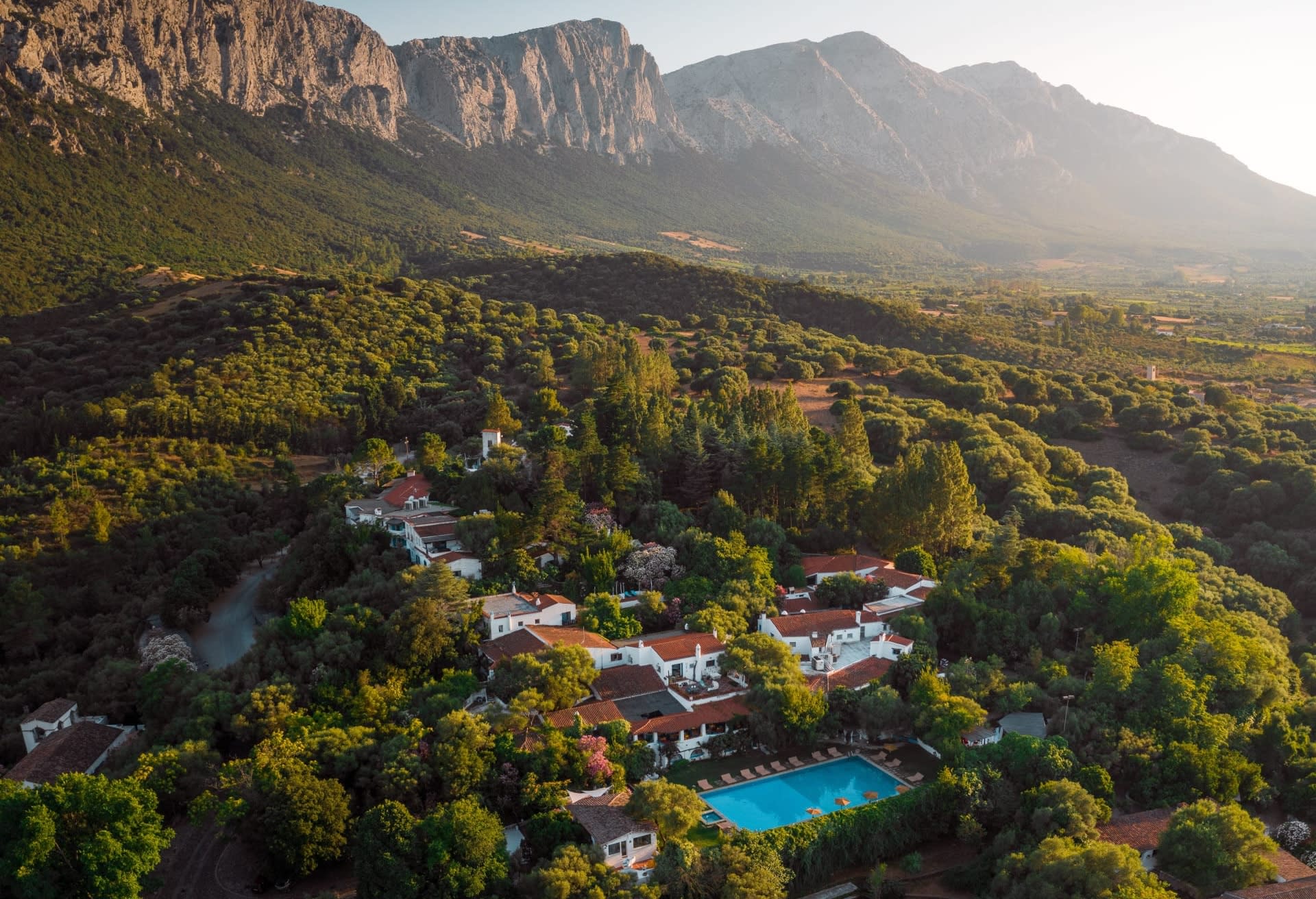
Image courtesy of Su Gologone Experience Hotel
The Mountain Region is where Sardinia gets wild and quiet. In places like Oliena, you’ll find rugged peaks, strong wine, and locals who still speak in verse and bake bread by hand. It’s a region best explored on foot, over a long lunch, or with a guide who knows the ancient trails.
Where to stay
Su Gologone Experience Hotel: Hand-painted tiles, woven textiles, and wood-burning fireplaces give this mountain retreat a deep sense of place. It’s quirky in the best way, full of color and personality, and proudly Sardinian through and through.
Fora Advisor Katy Hoogerwerf explains this is thanks to the owner, Giovanna. This is a 68-room labor of love for the artist who’s touched every single detail of the property, down to the painted rocks.
“This is where you come when you crave privacy, authenticity, and the soul of Sardinia,” adds Fora Advisor Samantha Platner. “Dinner under the stars, fresh bread from the terrace oven, and traditional Sardinian singers—it’s an experience in and of itself.”
Southern Sardinia
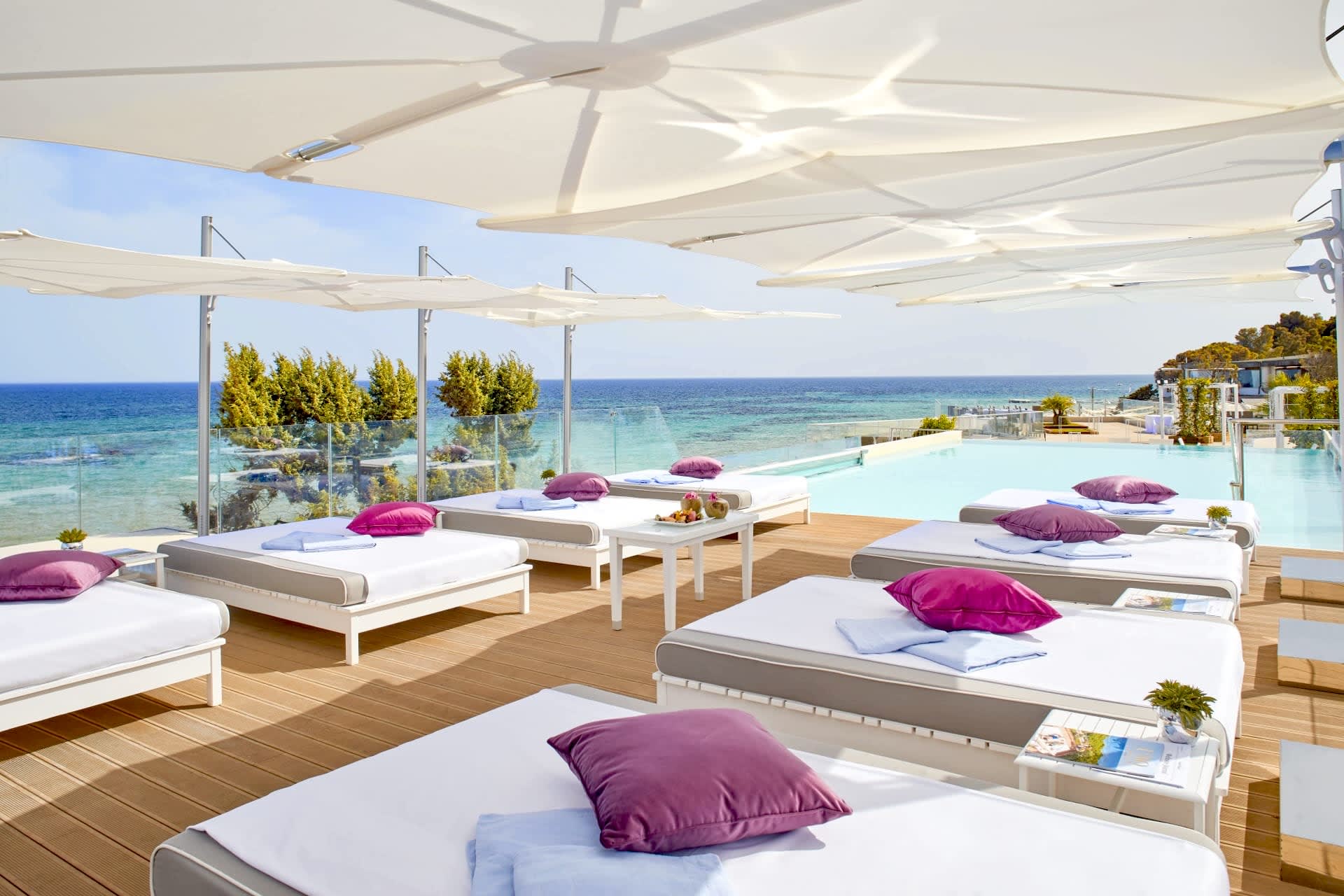
Image courtesy of Forte Village Resort - Villa del Parco & Spa pool editorial
Southern Sardinia has a softer, more grounded feel. The island’s capital, Cagliari, is filled with markets, sea views, and is vibrant without being flashy. Just outside the city, golden beaches stretch for miles, while towns like Bosa offer cafés, painted facades, and an easy pace that feels almost frozen in time.
Where to stay
Forte Village Resort Sardinia: More like a small town than resort, travelers can choose from eight different hotels on property. All stays include half-board, with à la carte lunch options and plenty of things to do, from go-karts to water slides, a petting zoo, beach access, and more.
Fora Perks include a $100 food and beverage credit, daily breakfast, an upgrade, and extended check-in/out whenever possible.
Cruising to and around Sardinia
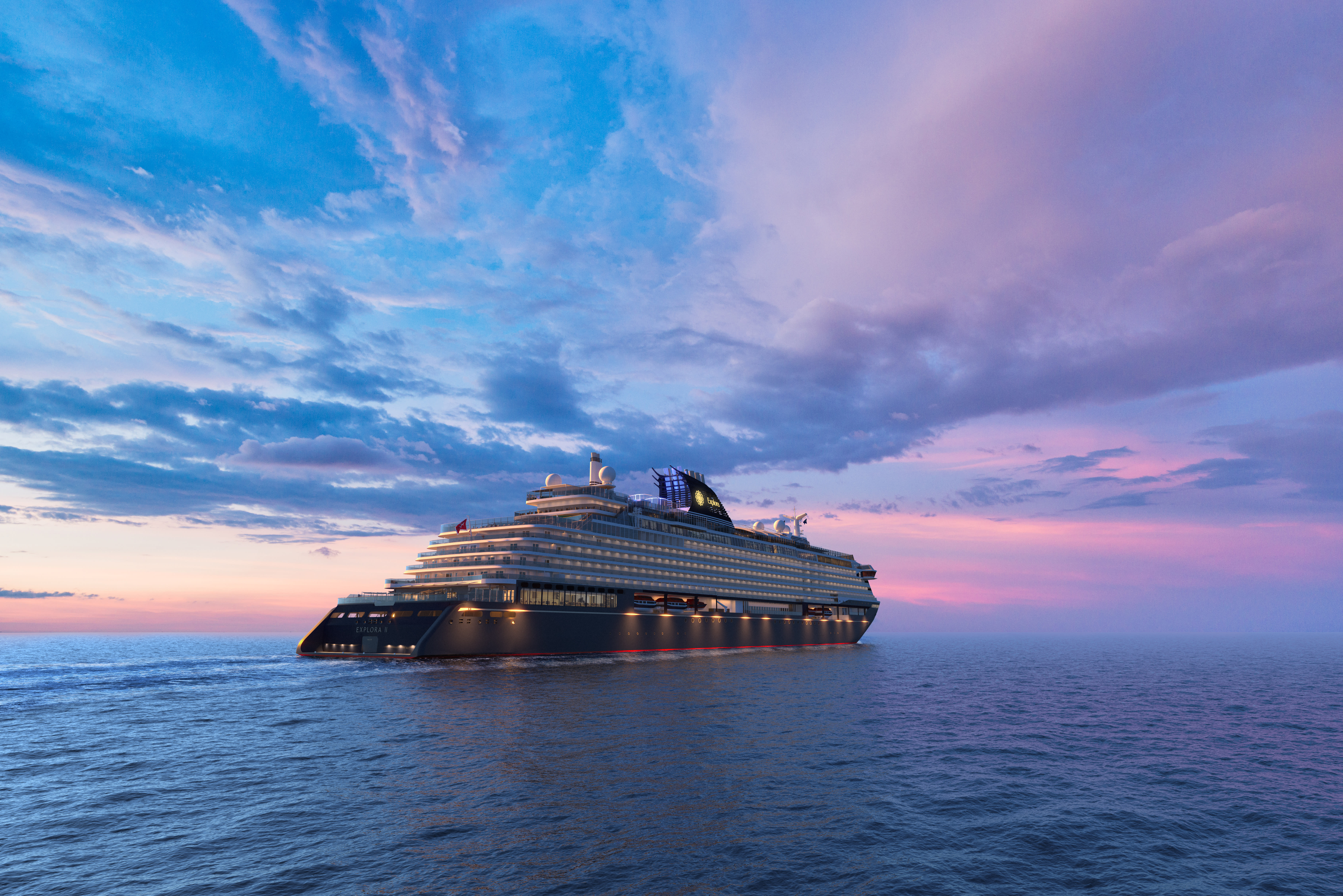
Image courtesy of Explora Journeys
Sardinia is filled with quiet coves, pastel harbors, and cliff-lined coastlines you’d never find by car. With no need to repack or rush, sailing here feels equal parts escape and immersion. Cruising Sardinia usually comes as part of a larger Mediterranean itinerary, with a stop in Olbia (for Costa Smeralda’s beachy polish), Cagliari (for southern flavor and city buzz), or Porto Torres (for a more relaxed, under-the-radar feel). Many sailings also link to Corsica, Sicily, the Amalfi Coast, or the French Riviera for a well-rounded Mediterranean getaway.
Private yachts are a great option to explore with full freedom. You can tailor routes, be pampered by dedicated crew, and access quiet corners like the La Maddalena Archipelago.
Notable cruise lines
Silversea: Intimate, ultra-luxury ships with butler service, curated shore excursions, and itineraries that reach both marquee ports and remote corners of the globe. Expect quiet sophistication, personalized attention, and a deeper dive into each destination.
When you book with Fora, you’ll enjoy exclusive benefits that vary by sailing.
Explora Journeys: A new face in luxury cruising with sleek, modern design and a focus on slow, mindful travel. Spacious suites, wellness-forward programming, and off-the-beaten-path itineraries make it perfect for travelers who want elevated comfort without the formality.
When you book with Fora, you’ll enjoy exclusive benefits that vary by sailing.
Seabourn Cruise Line: Polished yet relaxed, Seabourn offers yacht-like vessels with all-suite spaces and refined onboard service. It’s a favorite among seasoned cruisers seeking high-end amenities, cultural programming, and a social but unstuffy vibe.
When you book with Fora, you’ll enjoy exclusive benefits that vary by sailing.
Regent Seven Seas: All-inclusive luxury cruising at its finest, with roundtrip airfare, gourmet dining, shore excursions, and gratuities bundled in. Best suited for those who want ease, elegance, and a seamless, no-hidden-costs experience from start to finish.
When you book with Fora, you’ll enjoy exclusive benefits that vary by sailing.
History and culture
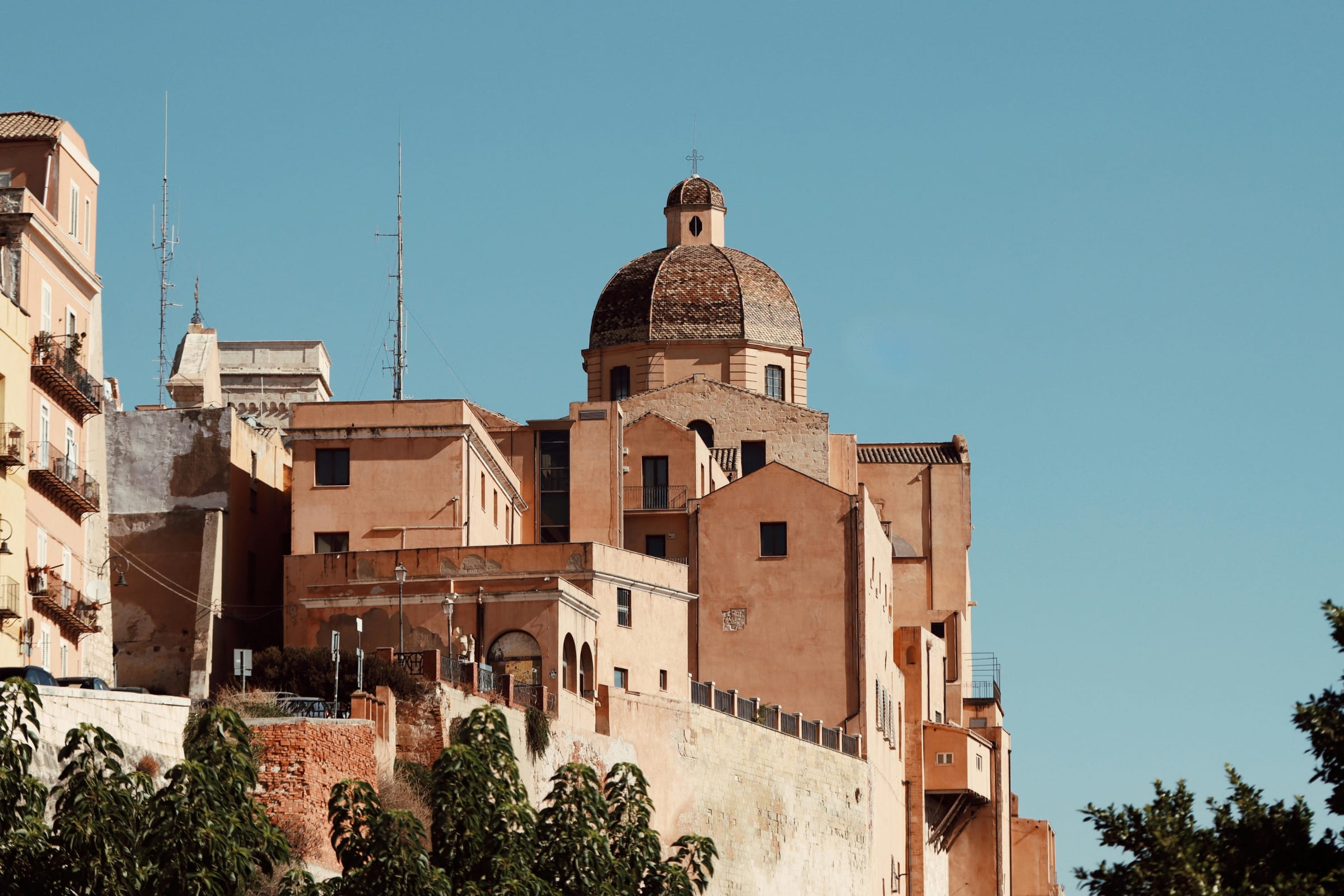
Sardinia’s history is shaped by ancient civilizations, resilient island communities, and layered cultural traditions that are still felt today. Long before the Romans arrived, Sardinia was home to the Nuragic people, whose mysterious stone towers called nuraghi still dot the landscape. The island has been touched by Phoenicians, Carthaginians, Byzantines, and Spanish, each leaving traces in its architecture, language, and cuisine. But Sardinia has always kept a strong local identity rooted in land, ritual, and resistance to outside influence.
In hill towns like Mamoiada and Bitti, you’ll find ancient mask festivals that blend pagan rites with Catholic traditions. Polyphonic singing (a haunting, throat-based vocal style) has been passed down through generations and remains a cornerstone of Sardinian expression here. Shepherding culture still plays a vital role in daily life, especially in the Barbagia region.
Cultural celebrations & events
Sant’Efisio Festival (May 1–4): Held in Cagliari, this vibrant procession winds through town with locals in full costume, ox-drawn carts, and a sea of flowers.
Cavalcata Sarda (First weekend of May): Sassari hosts this grand horseback parade, where riders in traditional dress and folk performers celebrate Sardinian heritage.
Time in Jazz (July): This mountain town festival in Berchidda mixes world-class jazz with open-air concerts, scenic backdrops, and a laid-back crowd.
Sagra del Redentore (Late July): A highland celebration in Nuoro that blends religious devotion with music, dance, and traditional dress.
Isola di Tavolara Regatta (August): A sleek sailing race off Sardinia’s northeast coast, drawing yachts and stylish spectators around Tavolara Island.
Autunno in Barbagia (September–December): A series of festivals across mountain villages where local artisans, food traditions, and rural hospitality take center stage.
What to do in Sardinia
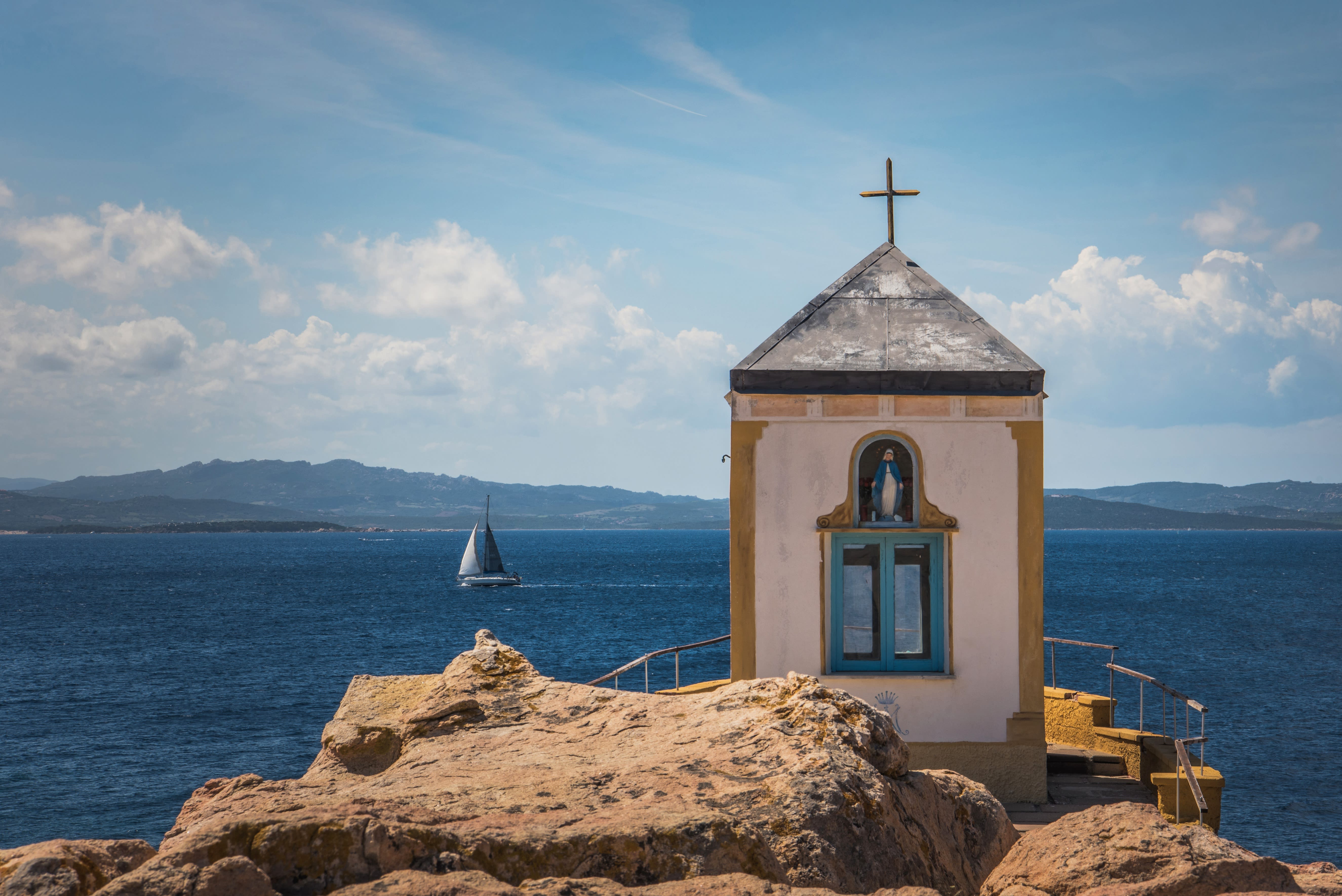
Sardinia offers more than just pretty beaches, from ancient ruins to open-air art shows and exploring small villages, here’s what to do across Sardinia.
“Definitely book boat tours, but book them for early in your stay in case weather means you have to reschedule,” recommends Fora Advisor Christie Sweaney. “La Maddelena and the Cala Gonone region have coves and award winning beaches best seen by boat.”
Northern Sardinia
Phi Beach: Toast the sunset at Phi Beach, where an old military fort turns into a front-row seat for golden hour with DJ sets, sea views, and a stylish crowd.
Porto Cervo: Wander the boutiques of Porto Cervo, where Sardinian craft meets designer labels with handwoven textiles, coral jewelry, and breezy resort wear.
La Maddalena: Charter a boat to the La Maddalena Archipelago and spend the day swimming in quiet coves or picnicking on pink sand beaches.
Wine tasting: Head to Capichera, a family-run estate known for its bold Vermentino. Intimate, scenic, and rooted in Sardinian tradition.
Hiking: Walk the Pevero Health Trail, a peaceful path with modern sculptures, sea views, and shaded spots to pause. Early mornings are best to beat the heat.
Porto Rotondo: Explore Porto Rotondo, home to a quiet sculpture garden, calm marina, and low-key charm. Expect cafés, galleries, and a slower pace than Porto Cervo.
Mountain Region
Orgosolo: Ease into the day with a stroll through Orgosolo, where striking political murals cover stone walls for a part open-air gallery, part living history experience.
Cooking class: Join a private cooking class at Su Gologone, where you’ll shape culurgiones and bake pane carasau in a rustic outdoor kitchen.
Tiscali: Hike to Tiscali, a hidden Nuragic site inside a collapsed mountain that’s remote, atmospheric, and best explored with a guide who can bring its past to life.
Museo delle Maschere: Step into the Museo delle Maschere in Mamoiada for a curated look at Sardinia’s traditional masks, rituals, and deep-rooted folklore.
Wine tasting: Taste bold Cannonau at Cantina Giuseppe Sedilesu near Oliena. Opt for a private tasting with light bites and vineyard views that stretch across the valley.
Museum of Pastoral Culture: Stop by the Museum of Pastoral Culture in Bitti for a look at Sardinia’s shepherding heritage.
Valle di Lanaitho: Drive through the Valle di Lanaitho, pausing at the vibrant natural spring of Su Gologone.
Barbagia Jazz Festival: If the timing’s right, catch avant-garde performances that light up village courtyards under the open sky.
Weaving or ceramics: Take a weaving or ceramics workshop in Oliena or Dorgali, where local artisans teach techniques passed down through generations.
Southern Sardinia
Su Giudeu: Book a private beach picnic on Su Giudeu, where soft sand and clear water meet. Go early or for sunset views.
Museum: Stroll the halls of Galleria Comunale d’Arte in Cagliari, a villa-turned-museum showcasing Sardinian and Italian modern art.
Ruins: Hire a private guide and tour the seaside Nora archaeological site for Roman ruins that feel cinematic, uncrowded, and full of history.
Cagliari: Walk the Castello District of Cagliari with a local historian or artist for insider stories, hidden alleys, and a fresh perspective on the city’s past.
Tuerredda Beach: Lounge in style at Tuerredda Beach, where reserved chairs, calm waters, and a quieter scene offer an exclusive take on Sardinia’s south coast.
Capo Spartivento: Sail toward Capo Spartivento for a cliffside swim and picnic near the lighthouse, an area that stays under the radar at any season.
Sample itinerary
Days 1–3 (Northern Sardinia): Head north for a tasting at Capichera Winery and a relaxed afternoon exploring San Pantaleo and Porto Cervo’s luxury boutiques. Check into a resort on Costa Smeralda for spa time and sea views. Make sure to take a private boat trip to La Maddalena’s hidden coves and pink-sand beaches.
Days 4–5 (Mountain Region): Settle into the artistic, mountainside retreat of Su Gologone with spa time, Sardinian cuisine, and traditional music. Spend the next day touring ancient Nuragic ruins, enjoy a countryside shepherd’s lunch, and stroll Orgosolo’s mural-covered streets. End the day with cocktails and an open-air bread oven feast.
Days 6–7 (Southern Sardinia): Wrap up at a seaside retreat with endless activities, from private beach picnics on Su Giudeu to boat charters off Capo Spartivento. Perfect for families or anyone who loves having it all at their fingertips.
Where to eat in Sardinia
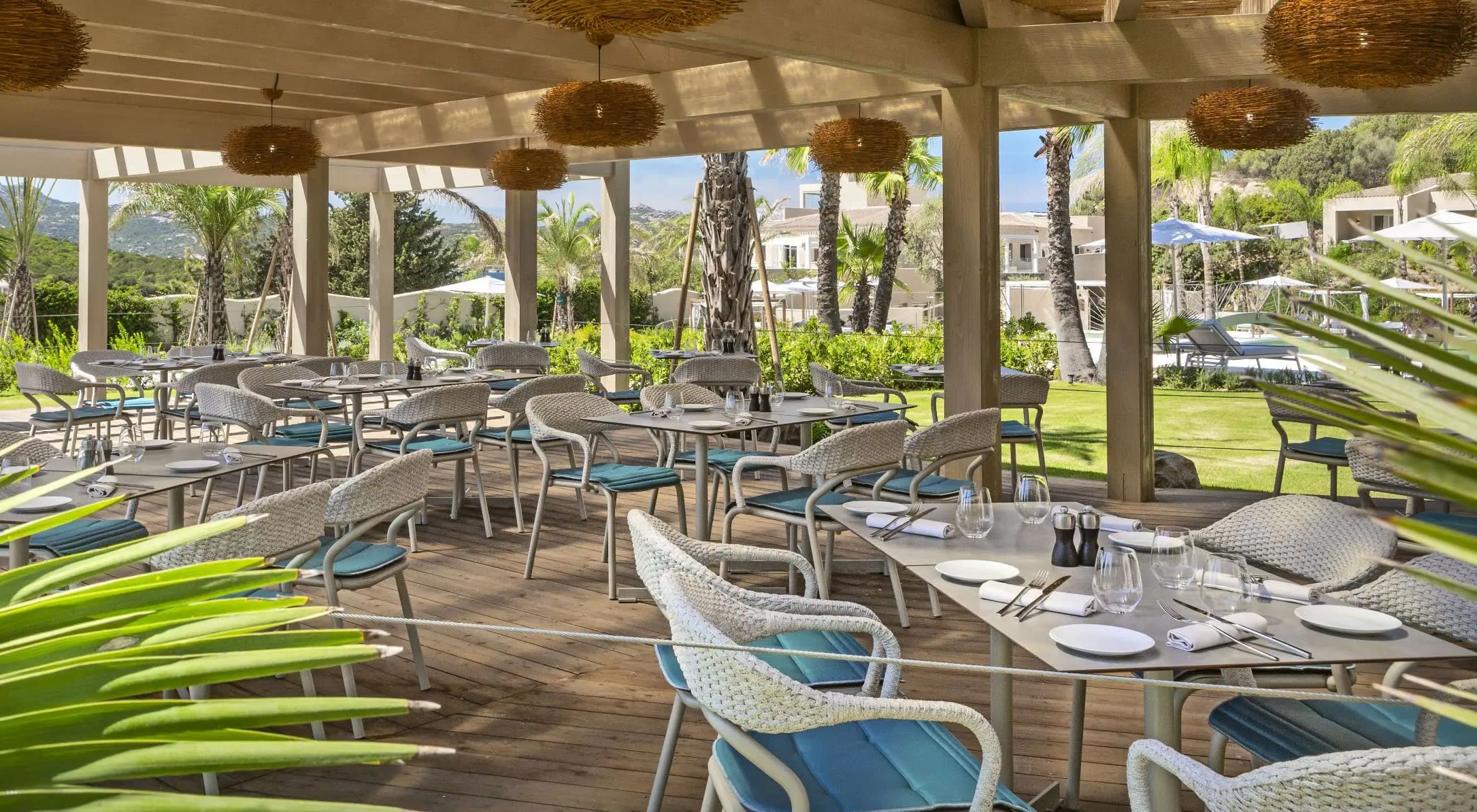
Image courtesy of Spazio by Franco Pepe at 7Pines Resort Sardinia
From beachside seafood to mountain trattorias, Sardinia’s food scene leans rustic, seasonal, and regional. Here’s where to settle in for a memorable meal.
For more restaurant suggestions, check out Fora Advisor Katerina Randazzo’s A Week in North Sardinia and Nicola Mancini’s travel guide to Sardinia.
Northern Sardinia
La Colti Farmhouse: Set in a restored farmhouse, this spot serves hearty, traditional Gallurese dishes made from family recipes in the countryside near Cannigione.
Capogiro: Fresh, modern, and right on the water in Palau. Expect seasonal ingredients, clean plating, and a Sardinian-focused wine list.
Frades La Terrazza: Located in Porto Cervo, this spot blends Sardinian tradition with a contemporary twist. Cheeses and cured meats come from the owners’ family farm.
ConFusion: Chef Italo Bassi’s Michelin-starred hideaway in Porto Cervo is inventive and intimate, with a tasting menu that plays with texture, flavor, and design.
Rocca Beach Restaurant: A sleek, toes-in-the-sand restaurant in Baja Sardinia with a great wine cellar. Come for the fresh catch of the day and sunset spritzes.
Spazio by Franco Pepe: Set beside the pool at 7Pines Resort, this laid-back, open-air spot serves up award-winning pies featured on Netflix’s Chef’s Table: Pizza.
Mountain Region
The Nest of Bread: A whimsical, open-air space dedicated to Sardinia’s ancient bread traditions located at the Su Gologone Experience Hotel.
Ristorante Sas Benas: Set in a 19th-century inn, this spot delivers local cuisine with old-world charm.
Ristorante Monti Blu: Inside a historic building in Nuoro, this cozy but contemporary spot leans seasonal and local, with a short menu and strong wine list.
Ristorante Il Rifugio: Rustic elegance just off the mountain roads, with handmade pastas, wood-fired meats, and views that stretch to the sea.
Southern Sardinia
CUCINA.eat: A casual wine bar-meets-bistro with local ingredients, a changing menu, and a creative, minimalist vibe.
Luigi Pomata: A favorite among in-the-know locals, this chef-led spot is known for its refined tasting menu and inventive takes on island classics.
Josto: This stylish and intimate staple in Cagliari features a tasting menu that leans bold, with a focus on local produce and wild herbs.
Sa Domu Sarda: Rustic but thoughtful, this traditional Cagliari restaurant feels like a dinner in someone’s country home.
Kremet: A bright, design-forward café in Cagliari known for its creative pastries, artisanal gelato, and elevated takes on local sweets.
ChiaroScuro di Marina Ravarotto: Led by one of Sardinia’s top female chefs, this cozy spot in Cagliari combines traditional island recipes with a lighter, modern touch.
Day trips from Sardinia
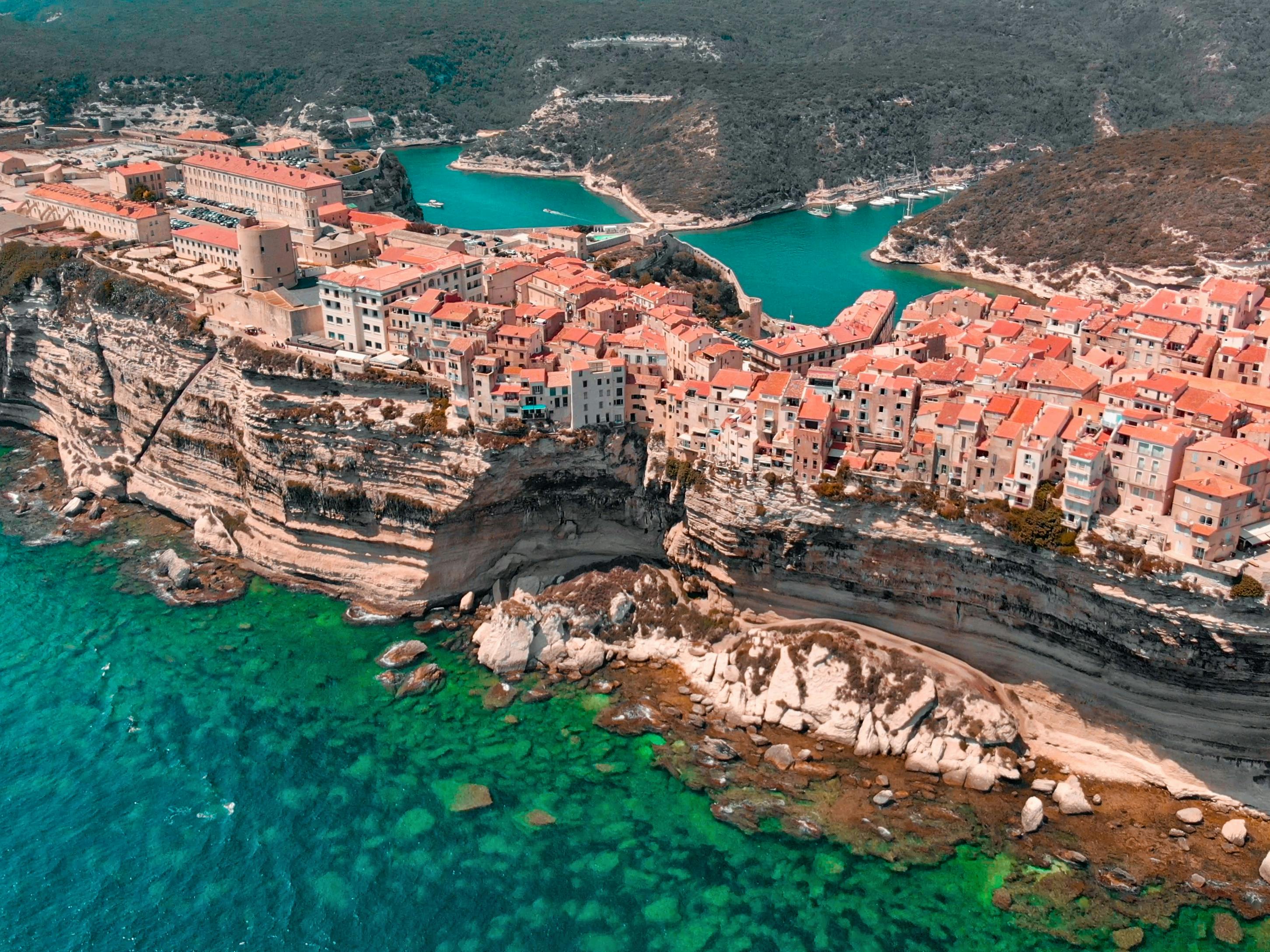
Sardinia isn’t built for fast-paced day trips, but that’s part of the charm. If you’re up for a bit of adventure or want to explore other nearby islands, these escapes are absolutely worth it.
La Maddalena Archipelago (30 minutes by boat from Palau): A protected chain of islands known for turquoise coves, sculpted granite, and hidden beaches. Perfect for private boat days, snorkeling, and lazy seaside picnics.
Corsica, France (1 hour ferry from Santa Teresa Gallura): Cross the strait to Bonifacio, a clifftop town filled with medieval charm. It’s a French-Italian mashup with hikes and old-world character, best enjoyed as a long day or quick overnight trip.
Trips to add on
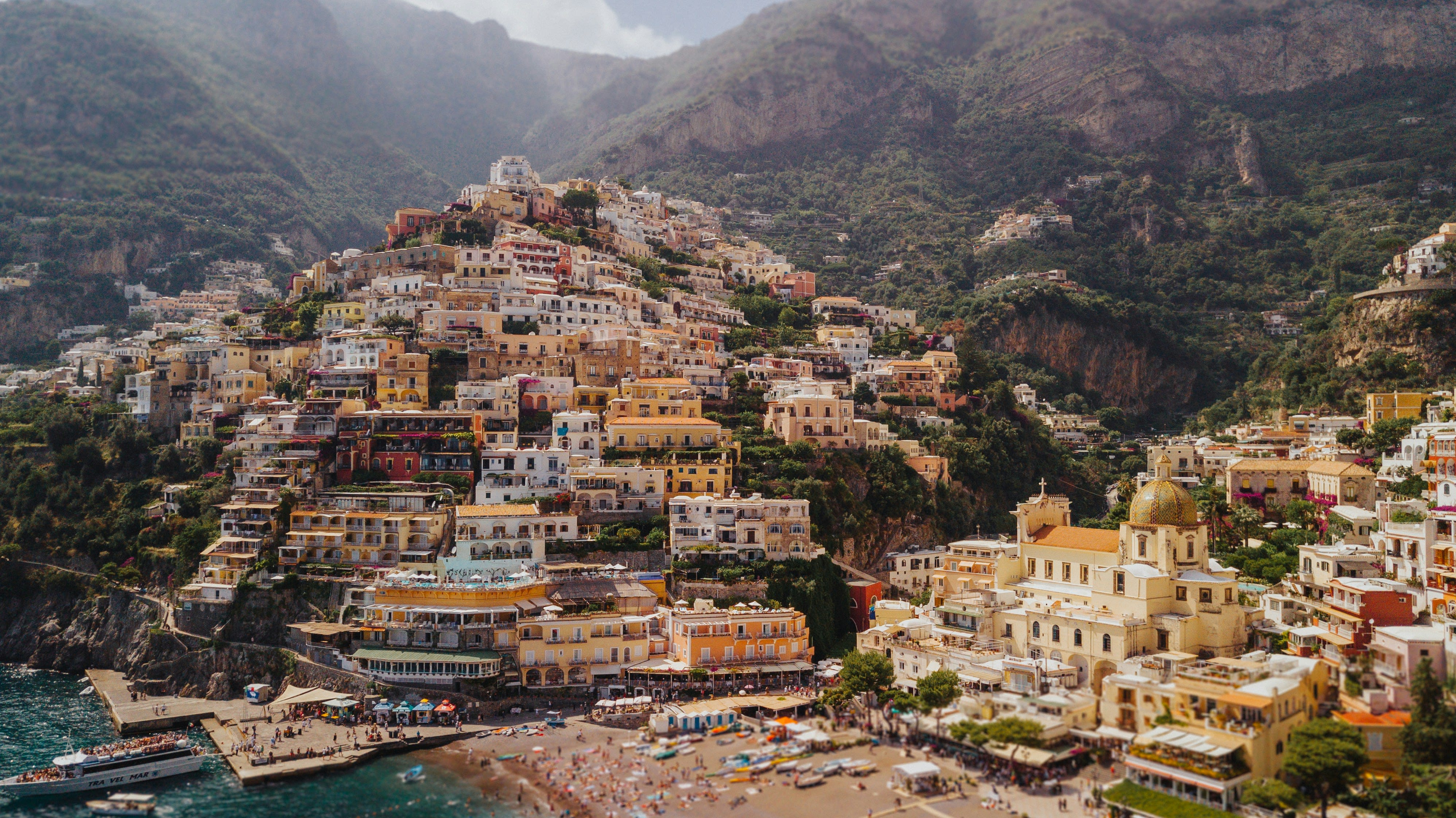
It’s easy to expand a journey to Sardinia with an add-on destination that offers culture, city energy, or Alpine views to round out this itinerary.
Rome (1 hr flight): A classic city stop before or after Sardinia. Spend a few days walking cobblestone streets, exploring ancient landmarks, and soaking up that signature Roman buzz.
Lake Como (1.5 hr flight to Milan + 1 hr drive): For water views without the beach, Como adds a layer of Alpine elegance and quiet refinement to Sardinia’s barefoot luxury.
The French Riviera (1.5–2 hr flight to Nice or Genoa): Pastel towns, scenic cliff walks, and seafood with a view. The Ligurian coast or French Riviera blends effortlessly with Sardinia’s charm.
The Amalfi Coast (1 hr flight to Naples + 1–2 hr drive): Iconic and cinematic, add on a few days in Positano, Amalfi, or Ravello for cliffside hotels, winding lanes, and signature views.
Paris (2 hr flight): A quick jump from Olbia or Cagliari lands you in the heart of the City of Light. Museums, boutiques, and just enough buzz to contrast with the Mediterranean calm.
If not Sardinia…
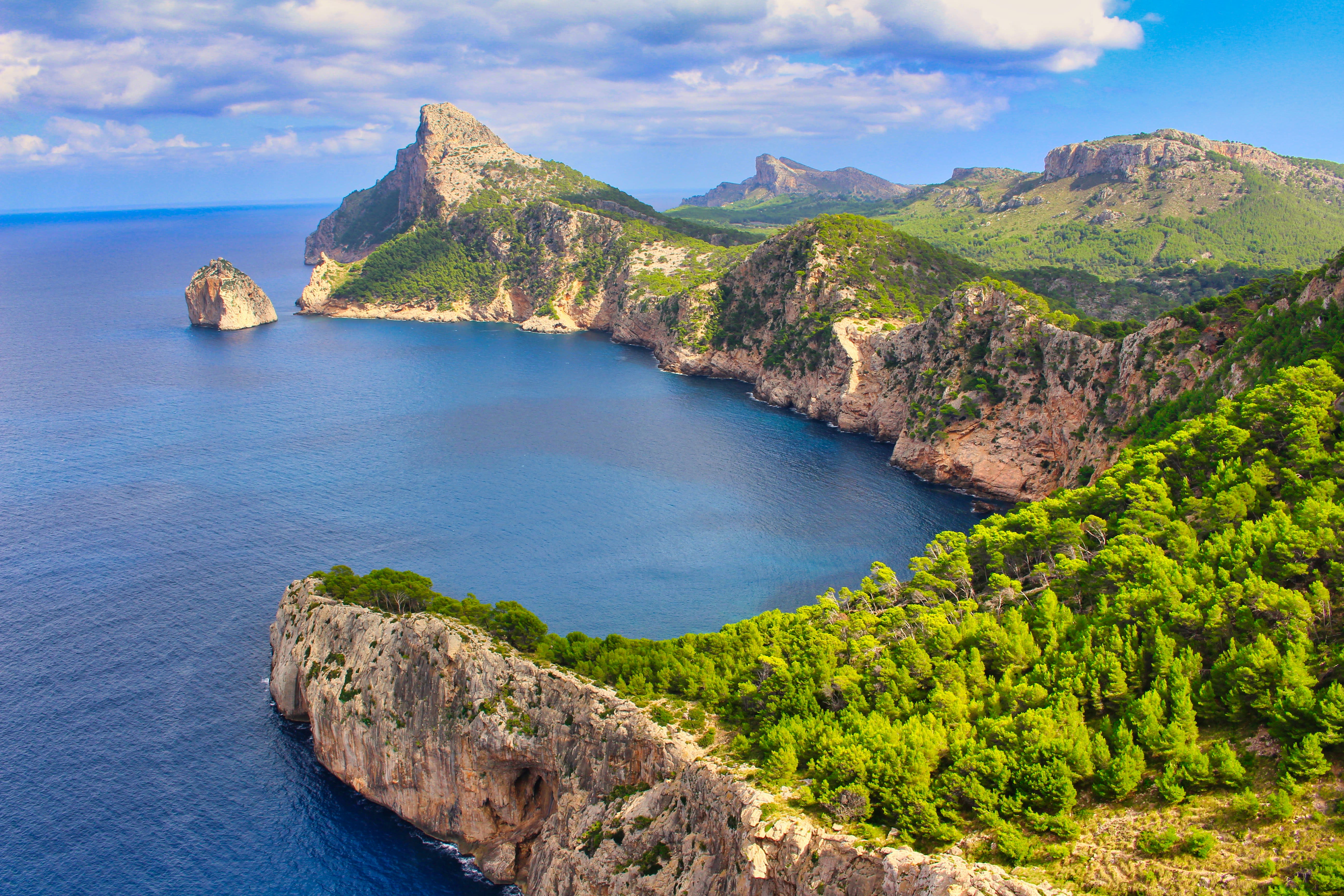
If you’re drawn to Sardinia’s coastal calm, natural beauty, and easygoing rhythm but want something a bit different, these destinations deliver in their own way:
Mallorca, Spain: A blend of beach clubs, hill towns, and standout restaurants. It’s more energetic than Sardinia, but still offers plenty of quiet corners to unwind.
The Canary Islands, Spain: Always-sunny and full of contrast, each island brings its own vibe. Black-sand beaches, volcano hikes, and luxe resort stays await.
Madeira, Portugal: Rugged and covered in greenery, this island leans more toward scenic walks and ocean views than beach lounging.
The Azores, Portugal: Remote and wild in the best way, with geothermal springs, crater lakes, and whale watching.
Crete, Greece: Greece’s biggest island serves up beaches, ruins, and family-run tavernas. Easy to explore without a set plan and some amazing road trip views.