





Curator’s statement
Hoi An is the city that sparked my love for Vietnamese culture and its culinary heritage. Once a strategic global trading port, this UNESCO World Heritage site is a vibrant melting pot where centuries of Japanese, Chinese, and French influences have shaped the regional flavors we know today. For me, it was love at first sight in the golden old Town and love at first taste in the back-alley kitchens that still hold their century old recipes.
The Fora Difference
Book with Adam Öhden to access exclusive perks and experiences on your trip.

Killer perks
Free upgrades, spa credits and more—we got you

Personalized recs
Customized travel planning for your style

Insider knowledge
Expert advice from people who’ve actually been there
Where to stay in Hoi An, Vietnam
Unlock perks by contacting Adam Öhden to book your trip.
Things to do in Hoi An, Vietnam
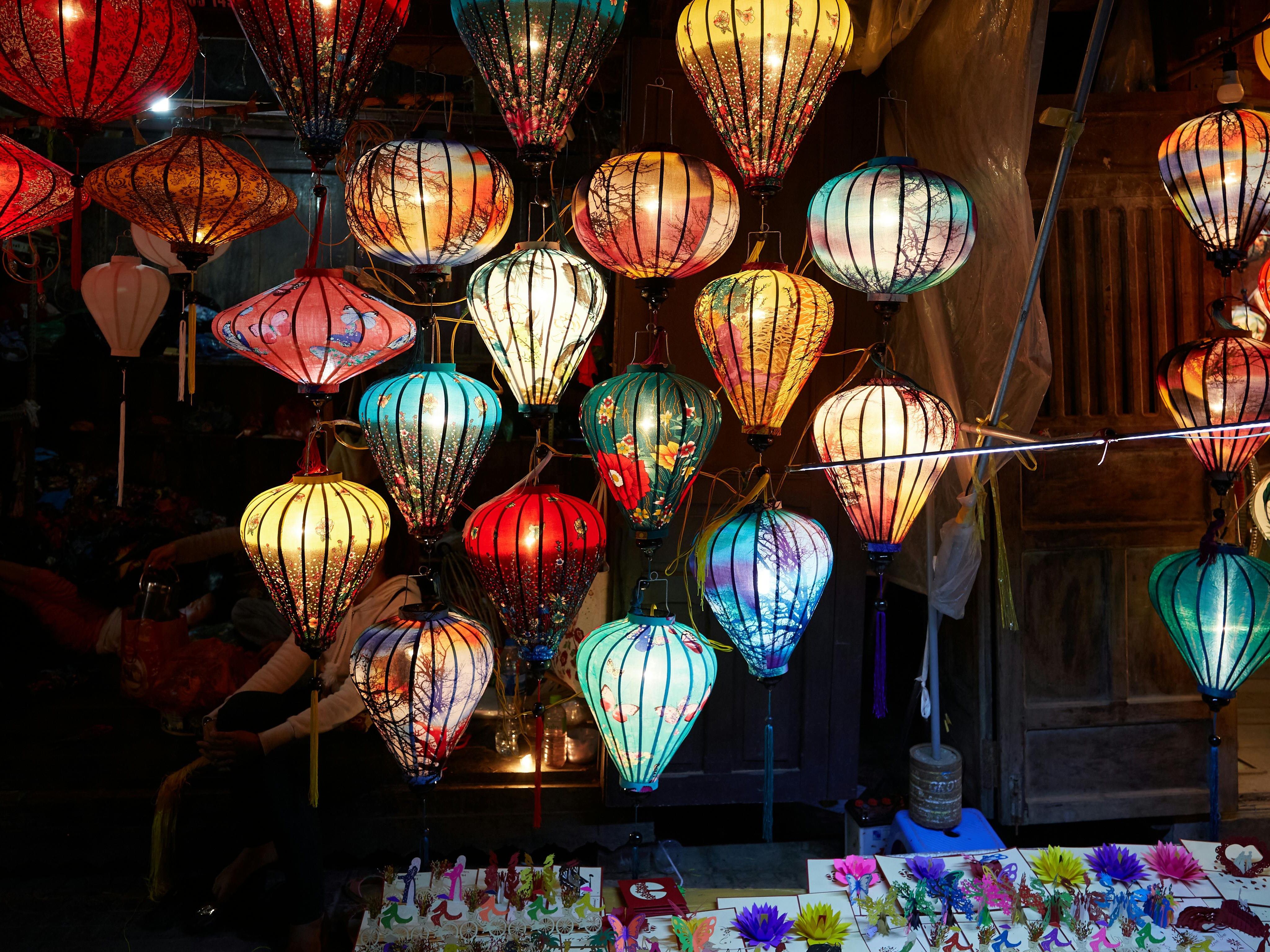
One of my favorite ways to spend an evening: wandering past the local lantern makers before heading toward the back-alley noodle stalls.
The authentic culinary hunt: The most essential experience I recommend is to wander the Old Town and allow yourself to get lost and find a vendor with low plastic stools and a single, steaming dish. It is in these unassuming, back-alley spots where I found my most memorable meals, especially the local mì quảng, cao Lầu, white rose dumplings, and the iconic bánh mì.
Market-to-table cooking class: Start your morning with a guided tour of the buzzing local market to source seasonal ingredients directly from the farmers. For me, this was the best way to truly appreciate the incredible time and effort that goes into these seemingly simple dishes, as well as the history behind the regional flavors.
The “Hoi An Memories” spectacle: This outdoor visual arts performance tells the story of the city’s 400 year history through state-of-the-art lighting and over 500 performers. It was definitely a “wow” moment that provided very interesting context into Hoi An’s identity as a former global trading port.
Tailoring experience: As one of Asia’s tailoring capitals, Hoi An offers the unique opportunity to have bespoke, high-quality clothing handmade just for you for a fraction of the price back home. I loved the process of developing a personal relationship with a local tailor, going in for three fittings, and leaving Hoi An with two bespoke suits as a great memory.
Dusk lantern procession on the Hoai River: As the sun sets, I loved taking a traditional wooden boat out onto the river to release a floating lantern amidst the city’s famous golden glow. It is a peaceful way to transition from the daytime heat into the vibrant energy of the night. (Pro tip: If your schedule allows, plan your visit during the full moon to experience the monthly Lantern Festival, where the Old Town turns off its electric lights for an extra special experience).
Conical hat and lantern making: Dive into the city’s artisan heritage by joining a craft class to hand-make your own silk lantern or a non la (the traditional rice worker’s hat). This hands-on experience connects you directly to the local makers who have kept these traditions alive for centuries.
BaNa Hills and The Golden Bridge: When I was there, the most striking thing was the incredible view from the top of the mountains with perhaps the most amazing sunset I have ever come across. This surreal bridge held up by giant stone hands is truly wonderful. I escaped the coastal heat for the day to see the views, and even though it’s part of a hilltop amusement park (which is great if you’re traveling with kids), the architectural “wow” moment of those hands is something you have to see in person. (Pro Tip: Head up in the afternoon to catch that sunset and avoid the larger morning crowds it completely changes the atmosphere of the bridge).
Traditional Vietnamese coffee workshop: If you are a coffee lover like me, you’ll want to see how the local “Phin” filter works, but be prepared Vietnamese coffee is an acquired taste. I loved learning the balance of the intense local beans, especially with the salt and egg coffee, which are famous in this region. They are polarizing and definitely not for everyone, but learning and observing the ritual of making them was a really fun group activity for a coffee lover like me.
Places to eat & drink in Hoi An, Vietnam
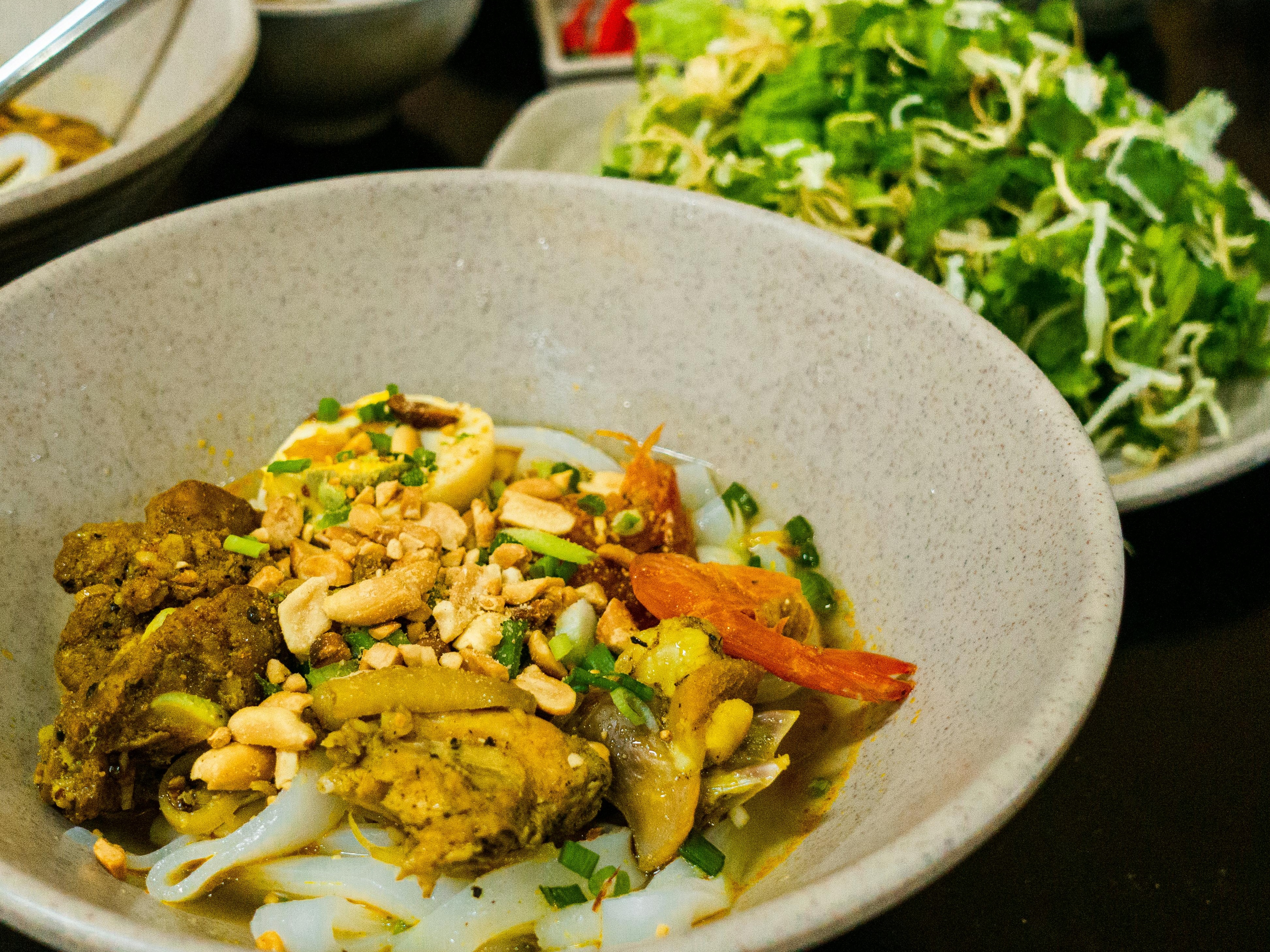
Mi Quang: The essential Central Vietnamese noodle dish. Look for the turmeric-yellow noodles and the perfect crunch of the rice cracker.
Ăn Thôi Hội An: The second location of a Michelin Bib Gourmand restaurant in Da Nang, found in the middle of the night market offering some of the best authentic Vietnamese food that I could find in Hoi An (it is usually quite busy since it is just that good, so prepare to queue for up to 20 mins or go during lunch time to skip the queue).
Quán Cao lầu Bá Lễ: I found this spot tucked away in a tiny alleyway off the main Old Town roads. It’s easily the best place I found for local cao lao. When I went during dinner time, there weren’t any other tourists, just me and a few older locals eating in silence. It’s the kind of place you only find if you’re willing to wander away from the main streets and take a risk.
Thành An Quán: This is the embodiment of Vietnamese street food, low plastic stools, tiny tables, and right on the sidewalk. I wandered past and saw a group of locals crowded around a sports game, so I took a seat. It ended up being the best meal I had in Vietnam. The mi quang noodles here are incredible, and for about $3–4 USD, it’s a place I’m still thinking about.
White Rose Restaurant: Known for inventing the iconic white rose dumplings that originate in Hoi An, still run by the same family that created the recipe centuries ago and still control the overall supply of the white rose dumplings in the city, this is a serious must-visit if you love culinary history.
The battle of the banh mi: Madam Khanh vs. Bánh Mì Phượng: Both of these places served the best banh mi I’ve ever had, hands down. They are absolute institutions in Hoi An. Madam Khanh is usually the local favorite, while Bánh Mì Phượng was famously put on the map by Anthony Bourdain. I’m not going to spoil the experience by picking a side for you; just know that both are incredible and you need to try both to decide for yourself.
Nén Danang: If you want the highest level of service and a refined take on Vietnamese food, take the taxi over to Da Nang for this place. Honestly, after eating here, I was shocked they don’t have a Michelin star yet. Out of all the upscale restaurants I tried on this trip, this one really stuck out. I can’t recommend it enough if you want to see how far you can push traditional flavors.
La Maison 1888: This is one of the only, if not the only Michelin starred spots in the area. Like Nén, it’s in Da Nang, so you’ll need to taxi over, but it’s worth the trip if you’re into high end dining that innovates and provides an amazing experience. The setting is wonderful; it’s in a beautiful mansion you have to take a cable car to reach. If you want that one big culinary experience that draws inspiration from Japan, France, and Vietnam, this is the one.
Need to know
Since Hoi An is in Central Vietnam, it has a heavy rainy season from September to January. Because the town is at sea level, it’s a high flooding risk during these months, especially October and November. I went in the middle of January and didn’t see a drop of rain, so it can be a great way to avoid the crowds, but it’s a bit of a gamble.
In my opinion, the best months for weather are February to April if you want milder temperatures around 80°F. If you prefer the heat, May to June is usually around 90°F. You can visit in July and August, but be ready for it to hit 95–100°F most days.
Pro tip: There is no airport in Hoi An. You’ll fly into Da Nang (DAD) and take a car to the Old Town. It’s about a 1-hour drive depending on traffic.


Travel Advisor
Adam Öhden

Adam Öhden

Get in touch with Adam Öhden
Did you like this guide? Reach out to customize and book your own experience. Or, just to chat about travel in general.
For more inspiration and insider recommendations, visit our Vietnam page.