


Curator’s statement
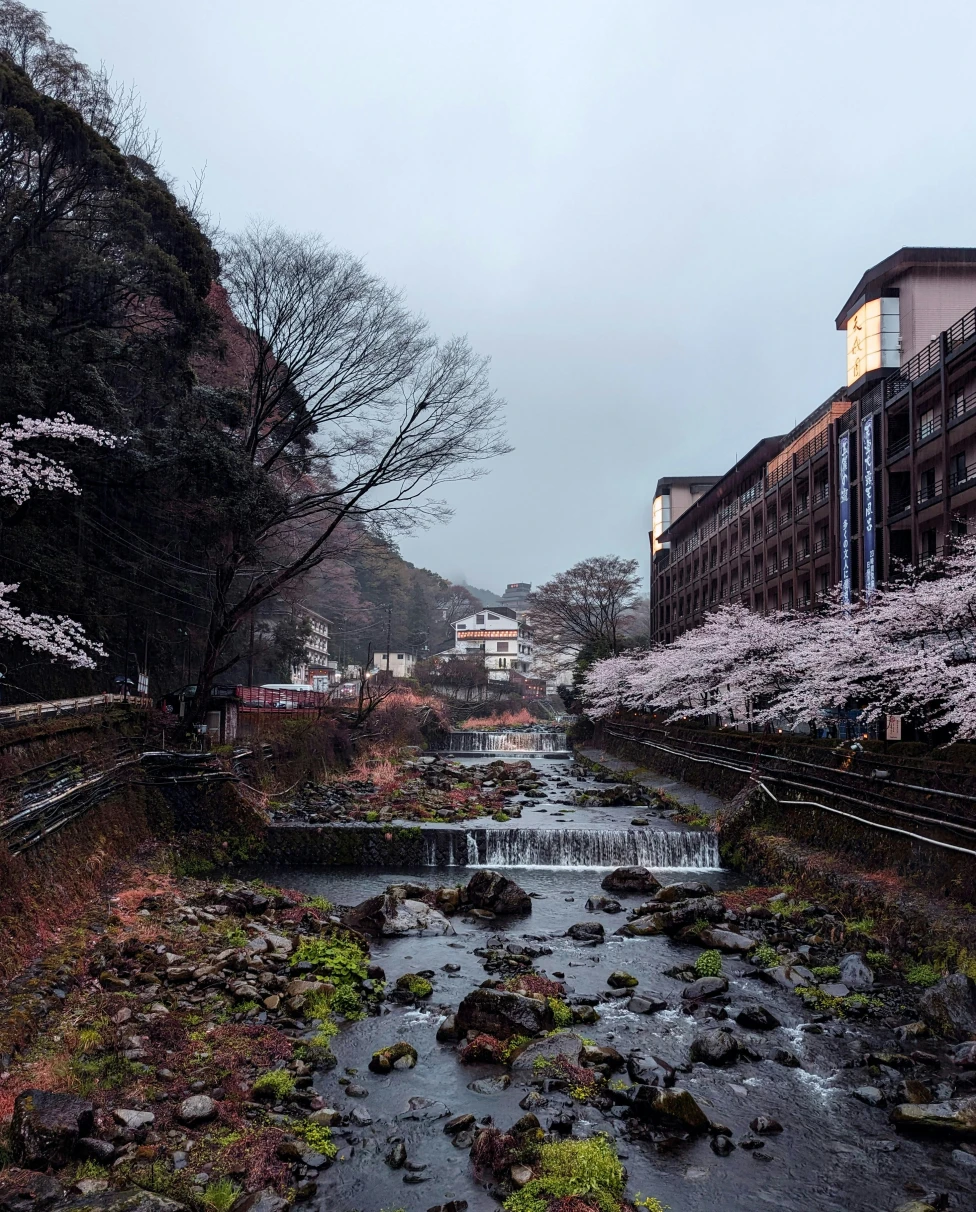
Hakone is one of the most popular side trips from Tokyo, offering a very different side of Japan: nature, onsen, mountains—and if you’re incredibly lucky, Mount Fuji. Like many destinations in Japan, it comes with a long checklist of “must-do” activities. In fact, Hakone even has its own “classic loop,” sometimes called the “round course,” which strings together five different modes of transport to circle Lake Ashi: the Hakone Tozan Railway, the ropeway, a boat across Lake Ashi, and walking sections. And finally, the Hakone Tozan bus line. That sounds great in theory—but for many of us (myself included, living with chronic illness) it’s simply not realistic. I spent three nights in Hakone and managed just one of those activities: Lake Ashi! And that was enough. Instead, I recommend setting one intention for your weekend or short stay, and letting that be your focus. Maybe it’s soaking in an onsen (if your illness allows—mine doesn’t), savoring the fresh mountain air from a terrace at a beautiful hotel, grounding your nervous system in nature, or lingering over a traditional multi-course kaiseki meal. Whatever you choose, Hakone is best experienced slowly, not by racing through a checklist.
The Fora Difference
Book with Sally Riggs to access exclusive perks and experiences on your trip.

Killer perks
Free upgrades, spa credits and more—we got you

Personalized recs
Customized travel planning for your style

Insider knowledge
Expert advice from people who’ve actually been there
Where to stay in Hakone
Unlock perks by contacting Sally Riggs to book your trip.
Things to do in Hakone
(Reminder: if you live with chronic illness, please don’t pressure yourself to “do it all.” One of these per day is more than enough to make your trip memorable.)
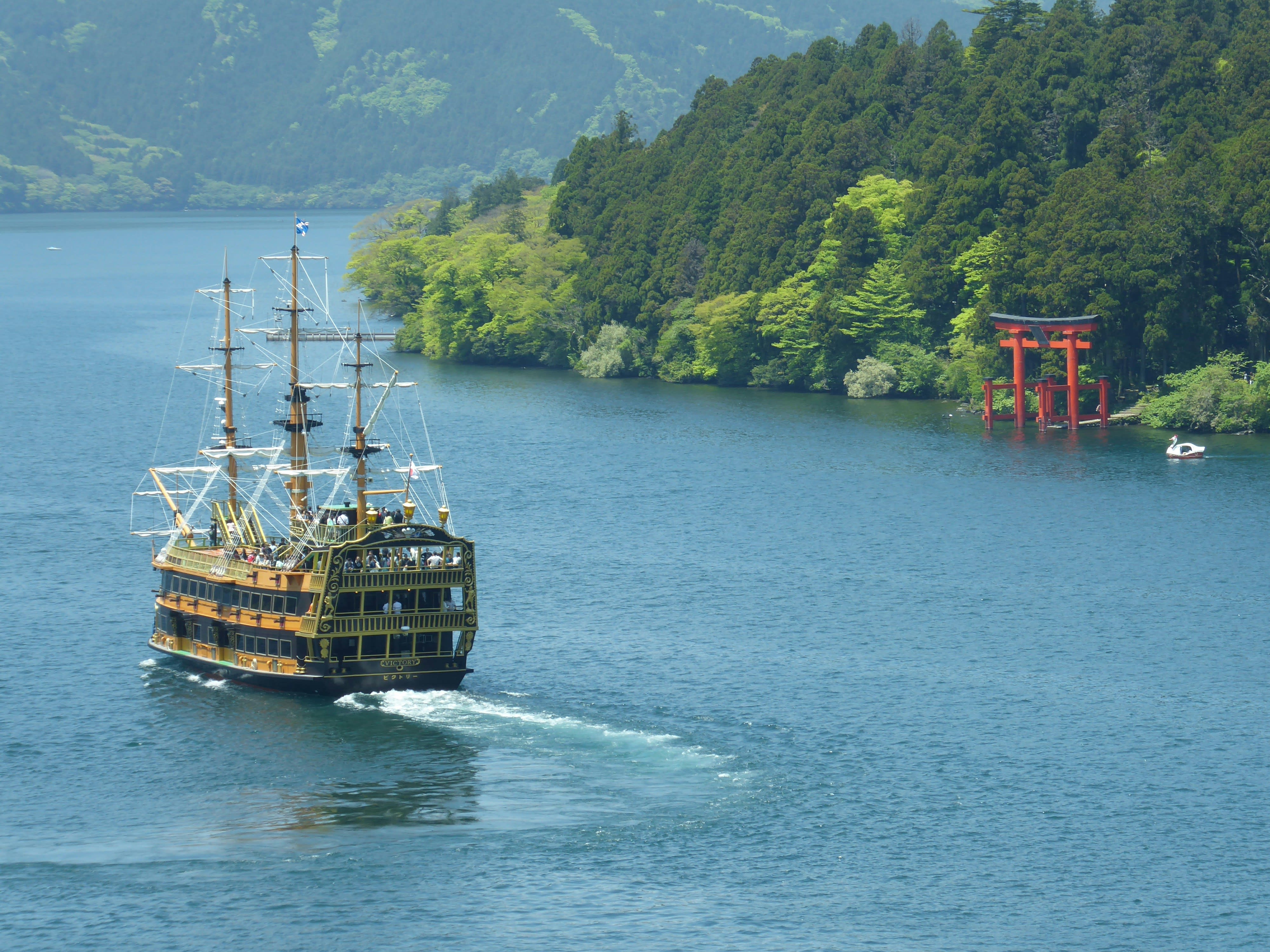
Take a boat on Lake Ashi: Cruise across Hakone’s iconic crater lake and soak up the mountain air. The boats have comfortable indoor, air-conditioned seating areas, though regular class fills up quickly. If you’re especially symptomatic, consider upgrading to first class—it’s quieter, much less crowded, and looked very comfortable.
Drive out to Mishima Sky Walk: About a 30-minute drive on easy roads from Hakone, this suspension bridge gives incredible views of Mount Fuji, Suruga Bay, and lush forests. The site is fully paved and flat, with a huge free car park. You don’t need to walk across the full bridge to appreciate the views, and there are excellent toilet facilities, snack stands, full meal options, and souvenir shops—making it an accessible and stress-free outing.
Ride the Hakone Tozan Railway: Start your journey from Hakone-Yumoto Station, where there is nearby parking if you’re driving. From there, the train zigzags up the mountainside, reversing direction multiple times on steep switchbacks. The ride itself is the highlight, winding past cedar forests and hydrangea valleys, and you can simply ride up and back down without needing to explore further.
Relax in an onsen (if your illness permits): Hakone is famous for its hot springs, many of which are in hotels or ryokan. If your condition allows, soaking in a mineral-rich bath with mountain views is a classic Hakone experience.
Stroll the Hakone Open-Air Museum: This outdoor art museum is set in a valley and features sculpture gardens, a Picasso pavilion, and wide paths. There is on-site parking, making it easy to drive straight in. The open-air setting, benches, and fresh air make it a calmer experience than a traditional indoor museum.
Stop at Owakudani on the Hakone Ropeway: This volcanic valley is famous for its steaming vents and sulfurous hot springs. It has the largest car park on the ropeway line, so you can drive directly there if the ropeway itself feels overwhelming. From the car park, it’s just a short, mostly flat walk to viewing areas, shops, and the famous black eggs boiled in the hot springs. Just avoid busy Sunday mornings when the line to even get in the parking lot is miles down the road.
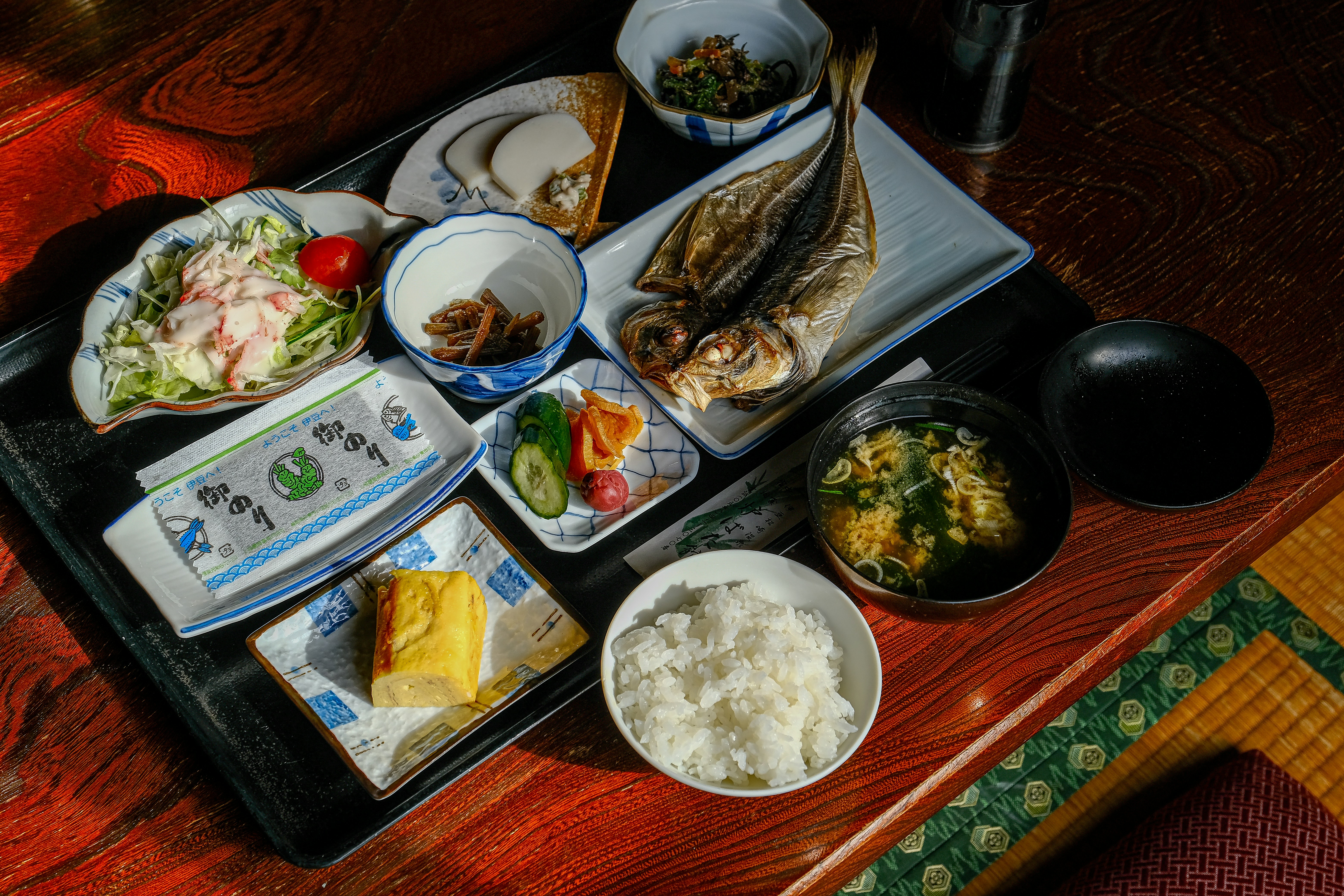
Savor a traditional kaiseki meal: Many ryokan and hotels in Hakone offer elaborate multi-course dinners, beautifully presented with seasonal ingredients. Dining this way is as much about the artistry and atmosphere as it is about the food, and it can be one of the most restorative experiences of your stay.
Places to eat & drink in Hakone
Gora Brewery & Grill: A relaxed spot near Gora Station with craft beer brewed on-site and a menu of hearty Japanese—Western fusion dishes. Spacious seating and a calm, airy setting make it an easy place to linger without rushing.
Itoh Dining by Nobu: Set in a converted traditional house, this restaurant serves beautifully prepared wagyu beef, seasonal vegetables, and Nobu-inspired flavors. It’s a good choice if you want a special meal without committing to a full kaiseki experience.
Amazake Chaya: A 400-year-old teahouse on the old Tokaido road, still serving its namesake amazake (a sweet, non-alcoholic fermented rice drink) alongside simple snacks like rice cakes. With its rustic charm and low-key menu, it’s a restful stop rather than a rushed dining experience. And perfect for those of us who can’t drink alcohol.
Tamura Ginkatsutei: Famous for its fluffy tofu—pork cutlets, this long-running spot in Gora draws both locals and visitors. The portions are generous, the food is comforting, and it’s especially good if you need something protein-rich and satisfying.
Sushi Miyafuji: A small, family-run sushi restaurant in Gora known for fresh fish and accommodating service. They are used to visitors with dietary needs and can often prepare gluten-free soy sauce on request, making it one of the easier, safer bets in Hakone.
Box Burger Hakone: A casual, modern burger spot with indoor seating and easy parking nearby. They’re known for juicy burgers (including gluten-free bun options), relaxed vibes, and being one of the more straightforward, low-effort dining choices in Hakone. (Just don’t eat the fries, sadly if you’re GF as they only have one fryer).
Gora Kadan Kaiseki: An iconic ryokan (and former imperial summer villa), Gora Kadan is known for impeccable multi-course kaiseki meals using seasonal and local ingredients. It’s luxury pricing, but the dining experience is often cited as one of the very best in Hakone.
Need to know
While Hakone is one of the most popular side trips from Tokyo, getting there isn’t exactly straightforward. If you take the Shinkansen, you’ll still need to transfer to a local train into Hakone and then usually grab a taxi to your hotel. Some properties offer a shuttle from Odawara (the Shinkansen stop), but even then the ride takes about 45 minutes.
For travelers with chronic illnesses, renting a car may save a lot of spoons. You can either rent directly in Tokyo and drive out yourself (just avoid Friday afternoons in peak season, when the trip can stretch to three hours), or take the Shinkansen to Odawara and pick up a rental car there. The drive from Odawara is straightforward, and having your own car in Hakone makes getting around much easier—especially if mobility limitations are part of your travel reality.


Travel Advisor
Sally Riggs

Sally Riggs

Get in touch with Sally Riggs
Did you like this guide? Reach out to customize and book your own experience. Or, just to chat about travel in general.
For more travel inspiration and insider recommendations, check out our Japan page.