


Sally Riggs
She/Her


Based in Houston, TX

English, very rusty Japanese
Sally Riggs
Ask me about
Specialist Distinctions

My Story
A Texas-based spoonie who loves to expand her nervous system through travel and is keen to help make that experience accessible for you too.
Travel Style
Teenage shoestring backpacker (which turns out my nervous system hated!) now luxury traveler. I love to be immersed in culture and history as long as that includes accessibility and a super comfy hotel room for rest days, plus easy access to nature for my nervous system. I am passionate about disability travel and allowing people with chronic illness and disability to enjoy the world in a nervous-system-supporting way.
Stay connected


Reviews (6)
David S.
travel to Thailand
about 2 months ago
Sally is easy to communicate with and always responds quickly.
Kimberly T.
travel to Punta Cana
3 months ago
Sally is just amazing! She was always on top of it. She even helped steer me the right way when I was getting ready to book the wrong resort. She arranged transportation that became included in the price. Super unexpected! She was with me every step of the way she even helped me figure out that my CPAP was considered a medical device and I didn’t need to check it at the airport. I will continue to be Sally for all of my travels and I hope anyone reading this will consider using Sally as well.
Veronica C.
travel to Rome
11 months ago
Sally seemed to anticipate my needs, my likes and my dislikes. That was really nice. She set up our cruise experience. She helped us decide which of the cruise excursions best suited us. After our cruise she also booked a guide for our first day in Rome.
Michael C.
travel to Rome
11 months ago
The itinerary Sally planned and booked for me and my mother, for our mediterranean cruise, was phenomenal. It was a once-in-a-lifetime trip for my mother, who is aging, vision-impaired, and hard of hearing, and Sally was full not just of thoughtful recommendations for things her limitations wouldn’t keep her from enjoying but also of excellent choices in hotels, travel, and meals. If my mother and I had tried to plan the trip ourselves it wouldn’t have been half as rewarding a journey. In fact, I don’t think I’ve ever worked with any travel agent before who could have planned the trip as well as Sally did. If you’re considering engaging Sally to plan an itinerary for you, all I can say is that you’ll have a wonderful time!
Abidali F.
travel to Morocco
about 1 year ago
Sally was absolutely fantastic at helping myself, who has Long Covid, and my family which includes a young daughter, to book a suitable holiday for us in essaouira. She essentially enabled us to have a trip that was going to minimise the probability of symptoms flare-ups and over-pushing into a boom and bust state or getting PEM. She was great at listening and asking the right questions to ensure we got what we wanted and also were able to manage traveling and holidaying with Long Covid and a young family. Sally enabled us to structure and plan a holiday that was overall, really great for all of us and which accomodated my particular needs. This simply wouldn't have been possible without Sally's input. She is very patient and understanding which made a hugely positive impact.
David S.
travel to Thailand
about 2 months ago
Sally is easy to communicate with and always responds quickly.
Kimberly T.
travel to Punta Cana
3 months ago
Sally is just amazing! She was always on top of it. She even helped steer me the right way when I was getting ready to book the wrong resort. She arranged transportation that became included in the price. Super unexpected! She was with me every step of the way she even helped me figure out that my CPAP was considered a medical device and I didn’t need to check it at the airport. I will continue to be Sally for all of my travels and I hope anyone reading this will consider using Sally as well.
Veronica C.
travel to Rome
11 months ago
Sally seemed to anticipate my needs, my likes and my dislikes. That was really nice. She set up our cruise experience. She helped us decide which of the cruise excursions best suited us. After our cruise she also booked a guide for our first day in Rome.
Michael C.
travel to Rome
11 months ago
The itinerary Sally planned and booked for me and my mother, for our mediterranean cruise, was phenomenal. It was a once-in-a-lifetime trip for my mother, who is aging, vision-impaired, and hard of hearing, and Sally was full not just of thoughtful recommendations for things her limitations wouldn’t keep her from enjoying but also of excellent choices in hotels, travel, and meals. If my mother and I had tried to plan the trip ourselves it wouldn’t have been half as rewarding a journey. In fact, I don’t think I’ve ever worked with any travel agent before who could have planned the trip as well as Sally did. If you’re considering engaging Sally to plan an itinerary for you, all I can say is that you’ll have a wonderful time!
Travel ideas (8)
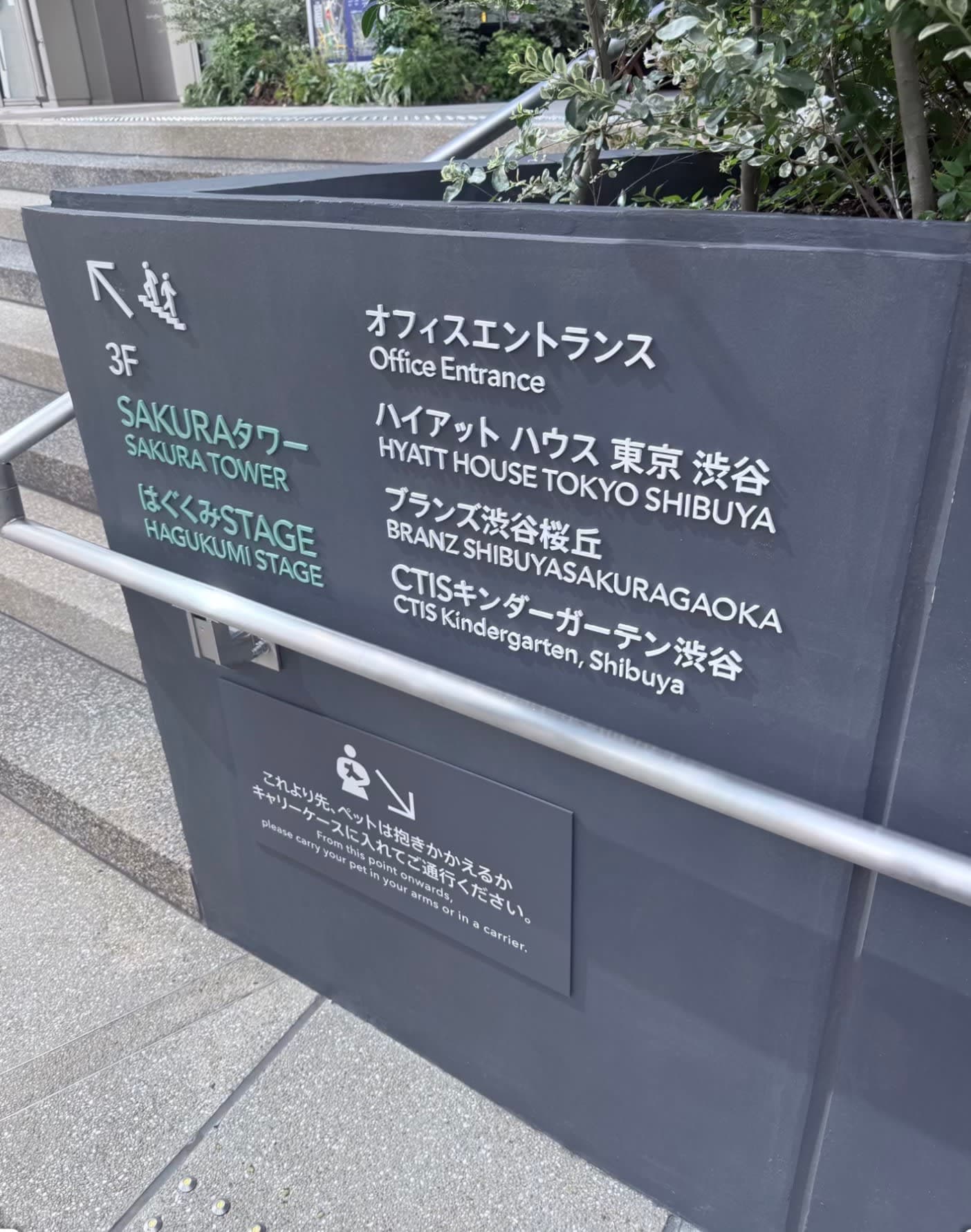
Why Hyatt House Shibuya Is One of the Best Tokyo Hotels for Chronic Illness Travelers
Located just a short, mostly flat walk from Shibuya Station, Hyatt House Tokyo Shibuya offers the convenience of being in the heart of Tokyo without sacrificing comfort or recovery time. The spacious residential-style rooms include kitchenettes, allowing travelers with dietary restrictions, MCAS, food sensitivities, or energy limitations to prepare simple meals and snacks in their room. In-room washer/dryers reduce the need to overpack and make longer stays significantly easier for those managing chronic illness. Combined with Hyatt's reliable service standards and a quieter atmosphere than many central Tokyo hotels, it provides an excellent base for pacing, resting, and exploring the city at a sustainable pace for people with chronic illness.
Why Hyatt House Shibuya Is One of the Best Tokyo Hotels for Chronic Illness Travelers
Located just a short, mostly flat walk from Shibuya Station, Hyatt House Tokyo Shibuya offers the convenience of being in the heart of Tokyo without sacrificing comfort or recovery time. The spacious residential-style rooms include kitchenettes, allowing travelers with dietary restrictions, MCAS, food sensitivities, or energy limitations to prepare simple meals and snacks in their room. In-room washer/dryers reduce the need to overpack and make longer stays significantly easier for those managing chronic illness. Combined with Hyatt's reliable service standards and a quieter atmosphere than many central Tokyo hotels, it provides an excellent base for pacing, resting, and exploring the city at a sustainable pace for people with chronic illness.

Muscat Travel Guide for Energy-Limited Travelers
I have traveled extensively in the Middle East—there is always something that pulls me back. But I think Oman is the jewel in the crown. It had been on my bucket list for many years, and I was privileged to go in March 2024, four years into my chronic illness journey, and as one of my early “back to travel” destinations. I was blown away by both the kindness of the people and the meticulous attention to detail with regard to preserving their culture. This is not the crazy modern skyscrapers of Dubai or the brand-new Disneyland feel of Qatar—this is the real deal. And nobody is there! This combination of stunning historic sites and genuinely friendly people make it a dream for those of us who need slow travel.
Muscat Travel Guide for Energy-Limited Travelers
I have traveled extensively in the Middle East—there is always something that pulls me back. But I think Oman is the jewel in the crown. It had been on my bucket list for many years, and I was privileged to go in March 2024, four years into my chronic illness journey, and as one of my early “back to travel” destinations. I was blown away by both the kindness of the people and the meticulous attention to detail with regard to preserving their culture. This is not the crazy modern skyscrapers of Dubai or the brand-new Disneyland feel of Qatar—this is the real deal. And nobody is there! This combination of stunning historic sites and genuinely friendly people make it a dream for those of us who need slow travel.
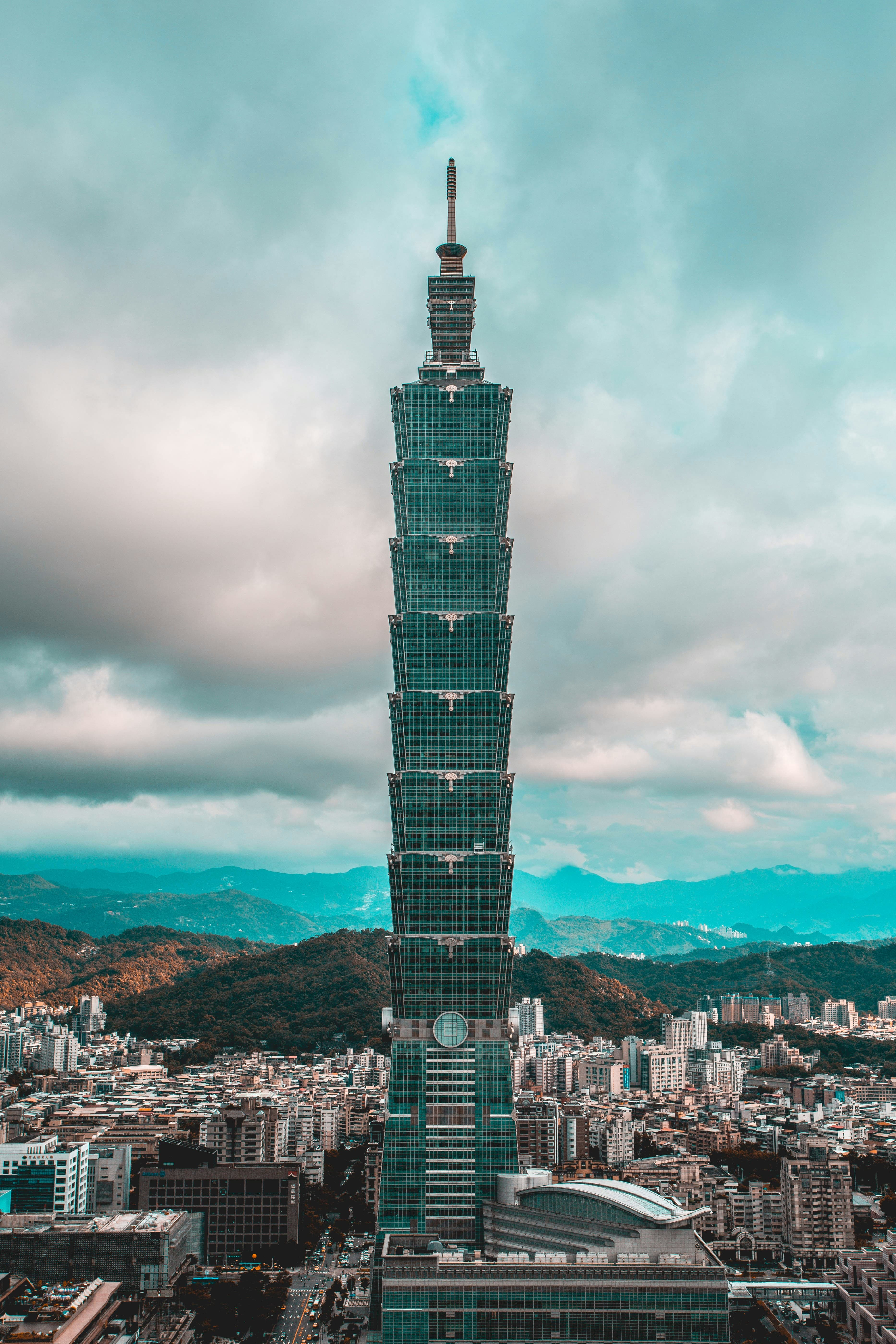
A Spoonie's Guide to Taipei, Taiwan
Taipei, Taiwan is rapidly becoming one of Asia’s most popular destinations—and for good reason. It’s warm nearly year-round, blends a modern tech-forward vibe with deep cultural history, and is far easier to navigate in English than many nearby countries (plus, no visa needed for US travelers!). With three national carriers—China Airlines, EVA Air, and Starlux—offering direct flights from the US, getting there is surprisingly easy (truly easier than Thailand). It’s also way less crowded than Japan and much more affordable, while still offering dramatic mountain scenery, beautifully restored temples, and incredible Michelin-recognized food. I watched countless YouTube travel vlogs before visiting myself in October, but none addressed the chronic-illness angle—so, spoon-permitting, my own vlog will be up soon. What surprised me is just how chronic-illness-friendly Taipei actually is: hotels won’t blink if you request an air purifier, masking is completely normalized, and the weather is comfortable if you avoid peak summer (I went in mid-October and didn’t need cooling sheets even on my “big sightseeing day”). The humidity can actually be helpful for many conditions, and avoiding gluten or dairy is very doable with Taiwanese cuisine—just watch out for soy sauce. And unlike Japan, food allergies are understood in a more American way, and takeout is widely accepted.
A Spoonie's Guide to Taipei, Taiwan
Taipei, Taiwan is rapidly becoming one of Asia’s most popular destinations—and for good reason. It’s warm nearly year-round, blends a modern tech-forward vibe with deep cultural history, and is far easier to navigate in English than many nearby countries (plus, no visa needed for US travelers!). With three national carriers—China Airlines, EVA Air, and Starlux—offering direct flights from the US, getting there is surprisingly easy (truly easier than Thailand). It’s also way less crowded than Japan and much more affordable, while still offering dramatic mountain scenery, beautifully restored temples, and incredible Michelin-recognized food. I watched countless YouTube travel vlogs before visiting myself in October, but none addressed the chronic-illness angle—so, spoon-permitting, my own vlog will be up soon. What surprised me is just how chronic-illness-friendly Taipei actually is: hotels won’t blink if you request an air purifier, masking is completely normalized, and the weather is comfortable if you avoid peak summer (I went in mid-October and didn’t need cooling sheets even on my “big sightseeing day”). The humidity can actually be helpful for many conditions, and avoiding gluten or dairy is very doable with Taiwanese cuisine—just watch out for soy sauce. And unlike Japan, food allergies are understood in a more American way, and takeout is widely accepted.

Is Sedona Chronic Illness-Friendly?
Sedona may top US wellness lists, but is it chronic-illness friendly? The 4,350 ft (1,326 m) elevation, a two-hour, mountainous drive from the airport, and a hiking-centric culture can be off-putting. Stop there, though, and you’ll miss a destination that can genuinely support recovery: glimmers from the red-rock landscape, clear air, bright but often cool sunshine, and phenomenal stargazing—before you even get to the vortexes. With a few simple tweaks, Sedona can be an accessible choice for people living with a chronic illness.
Is Sedona Chronic Illness-Friendly?
Sedona may top US wellness lists, but is it chronic-illness friendly? The 4,350 ft (1,326 m) elevation, a two-hour, mountainous drive from the airport, and a hiking-centric culture can be off-putting. Stop there, though, and you’ll miss a destination that can genuinely support recovery: glimmers from the red-rock landscape, clear air, bright but often cool sunshine, and phenomenal stargazing—before you even get to the vortexes. With a few simple tweaks, Sedona can be an accessible choice for people living with a chronic illness.
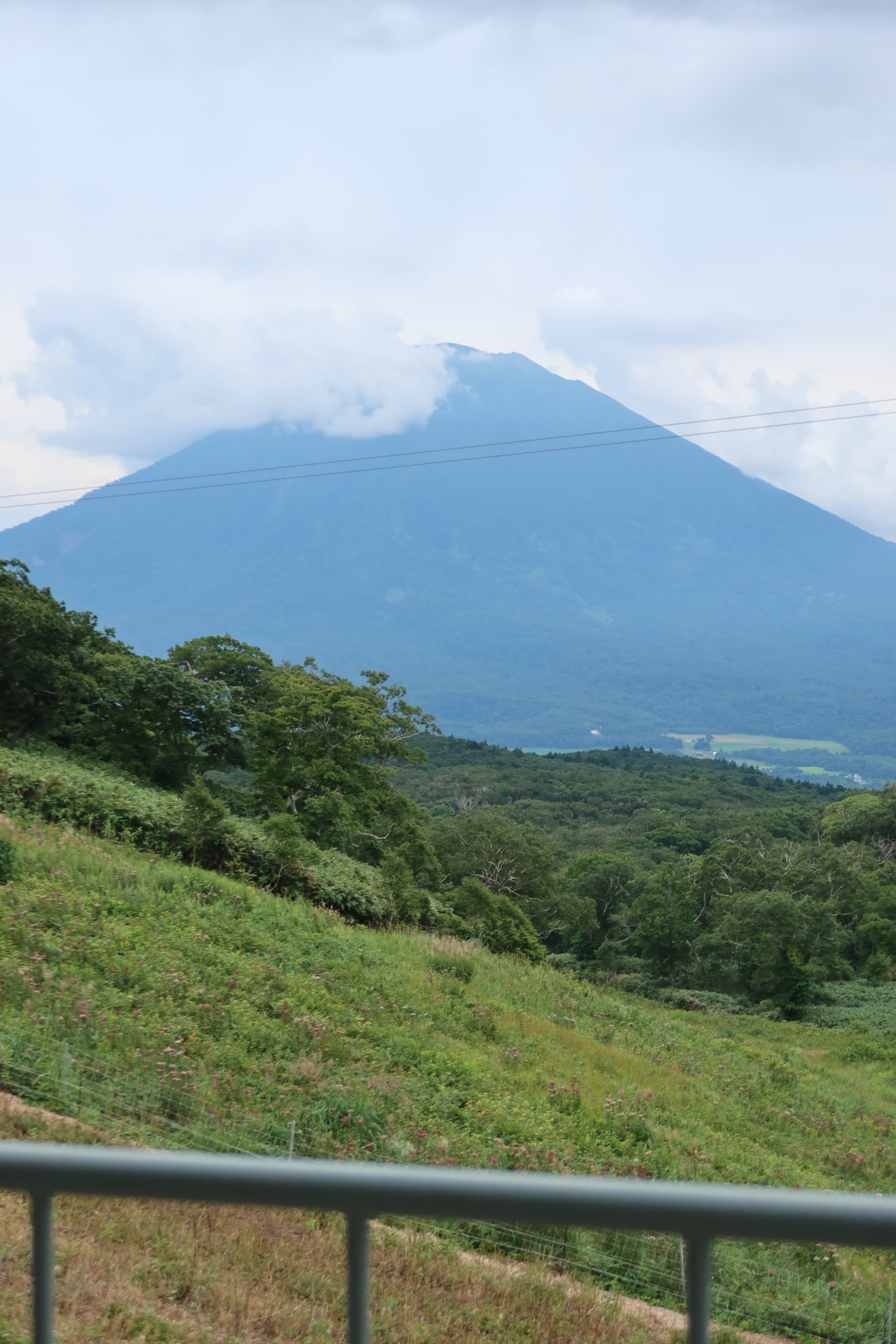
Niseko—but Make It Summer and Chronic Illness Friendly
I don’t ski and I don’t love the cold—so winter ski resorts are wasted on me. But here’s a great secret: many of the world’s top ski areas are fantastic summer bases. You get cooler air, wide paths, reliable transport, and plenty of accessible facilities. If you live with chronic illness and want a cooler summer destination that actually works, Niseko–Hanazono (one of Japan’s best ski resorts) delivers in summer too.
Niseko—but Make It Summer and Chronic Illness Friendly
I don’t ski and I don’t love the cold—so winter ski resorts are wasted on me. But here’s a great secret: many of the world’s top ski areas are fantastic summer bases. You get cooler air, wide paths, reliable transport, and plenty of accessible facilities. If you live with chronic illness and want a cooler summer destination that actually works, Niseko–Hanazono (one of Japan’s best ski resorts) delivers in summer too.
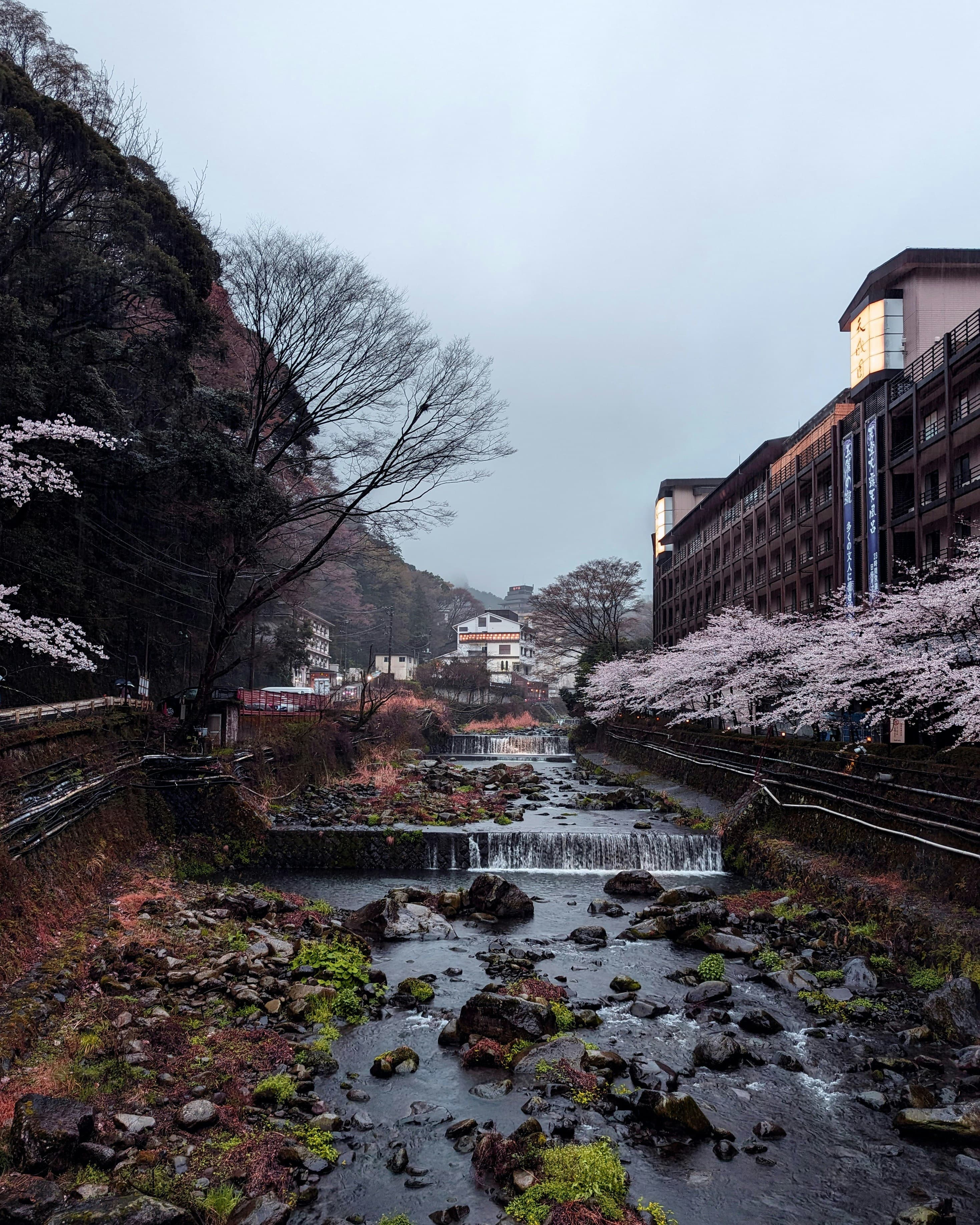
A Spoonies Guide to Hakone, Japan
Hakone is one of the most popular side trips from Tokyo, offering a very different side of Japan: nature, onsen, mountains—and if you’re incredibly lucky, Mount Fuji. Like many destinations in Japan, it comes with a long checklist of “must-do” activities. In fact, Hakone even has its own “classic loop,” sometimes called the “round course,” which strings together five different modes of transport to circle Lake Ashi: the Hakone Tozan Railway, the ropeway, a boat across Lake Ashi, and walking sections. And finally, the Hakone Tozan bus line. That sounds great in theory—but for many of us (myself included, living with chronic illness) it’s simply not realistic. I spent three nights in Hakone and managed just one of those activities: Lake Ashi! And that was enough. Instead, I recommend setting one intention for your weekend or short stay, and letting that be your focus. Maybe it’s soaking in an onsen (if your illness allows—mine doesn’t), savoring the fresh mountain air from a terrace at a beautiful hotel, grounding your nervous system in nature, or lingering over a traditional multi-course kaiseki meal. Whatever you choose, Hakone is best experienced slowly, not by racing through a checklist.
A Spoonies Guide to Hakone, Japan
Hakone is one of the most popular side trips from Tokyo, offering a very different side of Japan: nature, onsen, mountains—and if you’re incredibly lucky, Mount Fuji. Like many destinations in Japan, it comes with a long checklist of “must-do” activities. In fact, Hakone even has its own “classic loop,” sometimes called the “round course,” which strings together five different modes of transport to circle Lake Ashi: the Hakone Tozan Railway, the ropeway, a boat across Lake Ashi, and walking sections. And finally, the Hakone Tozan bus line. That sounds great in theory—but for many of us (myself included, living with chronic illness) it’s simply not realistic. I spent three nights in Hakone and managed just one of those activities: Lake Ashi! And that was enough. Instead, I recommend setting one intention for your weekend or short stay, and letting that be your focus. Maybe it’s soaking in an onsen (if your illness allows—mine doesn’t), savoring the fresh mountain air from a terrace at a beautiful hotel, grounding your nervous system in nature, or lingering over a traditional multi-course kaiseki meal. Whatever you choose, Hakone is best experienced slowly, not by racing through a checklist.
A Spoonie's Guide to Miami
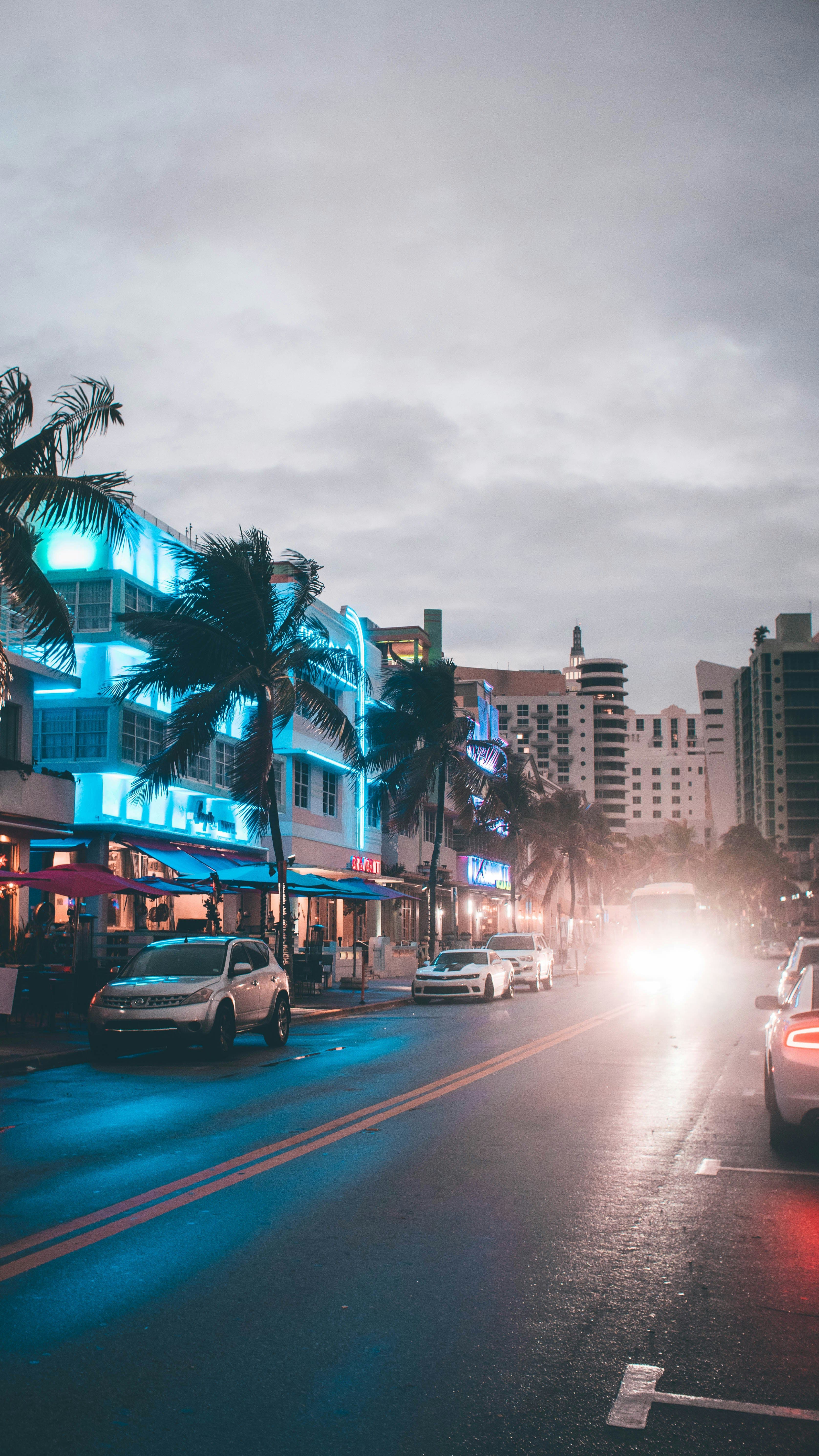
For those of us who live with an energy-limiting chronic illness, like Long Covid or ME/CFS (often self-referred to as Spoonies, after Spoon-Theory) Miami can be an ideal and accessible short break destination. With direct, quick flights from the Northeast and Southwest, or a reasonable drive from other parts of the South, it’s easy to get to. Between December and April, the weather is perfectly sunny, with temperatures ranging from the 70s to low 80s and mild humidity — making it ideal for those with temperature sensitivity and/or MCAS. The weather is neither too hot nor too cold, striking a perfect balance. And with a variety of hotels, including many at the higher end (which will in turn offer in room air purifiers, portable wellness equipment and other things that we might ordinarily fill our multiple suitcases with), it can also be a less stressful visit. And for the day(s) when you do maybe have more spoons, there are many activities to suit different interests, including beaches, water sports, urban culture, food (and wine!), nature and more —there's something for everyone.
I used to think Miami was just about South Beach (which isn’t my vibe), but after visiting twice since I started living with chronic illness (October 2022 and February 2025), I’ve been pleasantly surprised. As a big-city person, I’ve felt right at home in Brickell!
A Spoonie's Guide to Miami
For those of us who live with an energy-limiting chronic illness, like Long Covid or ME/CFS (often self-referred to as Spoonies, after Spoon-Theory) Miami can be an ideal and accessible short break destination. With direct, quick flights from the Northeast and Southwest, or a reasonable drive from other parts of the South, it’s easy to get to. Between December and April, the weather is perfectly sunny, with temperatures ranging from the 70s to low 80s and mild humidity — making it ideal for those with temperature sensitivity and/or MCAS. The weather is neither too hot nor too cold, striking a perfect balance. And with a variety of hotels, including many at the higher end (which will in turn offer in room air purifiers, portable wellness equipment and other things that we might ordinarily fill our multiple suitcases with), it can also be a less stressful visit. And for the day(s) when you do maybe have more spoons, there are many activities to suit different interests, including beaches, water sports, urban culture, food (and wine!), nature and more —there's something for everyone.
I used to think Miami was just about South Beach (which isn’t my vibe), but after visiting twice since I started living with chronic illness (October 2022 and February 2025), I’ve been pleasantly surprised. As a big-city person, I’ve felt right at home in Brickell!
Accessible Cruise Ports in the Norwegian Fjords: A Guide for Travelers with Chronic Illness and/or Disability
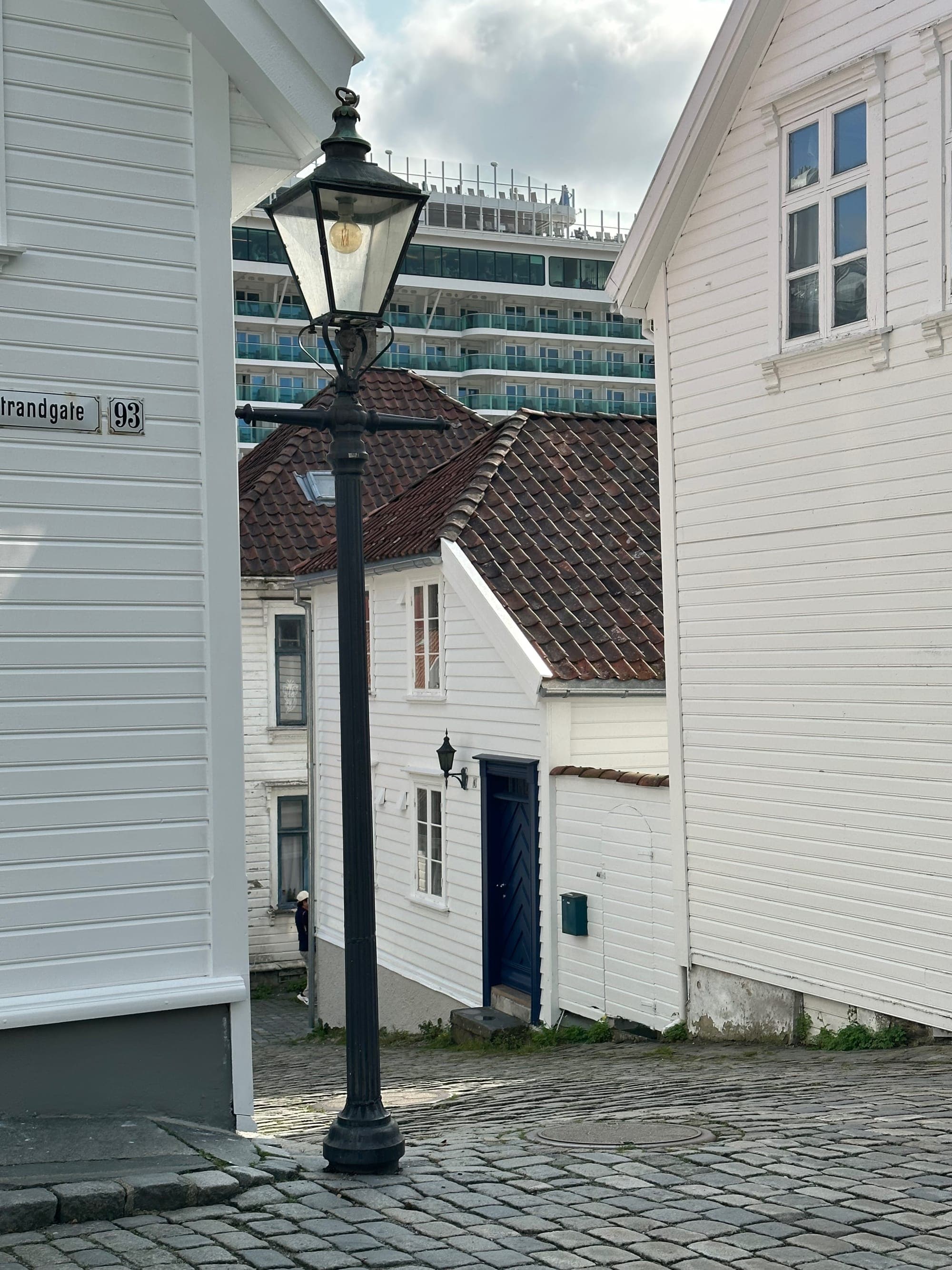
Exploring the breathtaking Norwegian fjords by cruise is a once-in-a-lifetime experience, and something that had been on my bucket list for a while. In active recovery from my chronic illness in August 2023, with a huge focus on nervous system support work. This was the perfect vacation for me, as I knew even on a bad day I could lie on the couch in the conservatory of my cabin and the beautiful nature would help with expansion.
With the right planning, the Norwegian fjords can be accessible to travelers with varying mobility needs. All the major cruise lines offer similar itineraries to the one I took. Here's a breakdown of some of the most commonly visited cruise ports in the Norwegian fjords, based on my recent solo journey.
Also of note: I live with POTs and MCAS and ME/CFS. While I am an ambulatory wheelchair user (and always use one at the airport) as a solo traveler, I often don’t have someone to push me, or access to a motorized wheelchair. I can walk short distances, but have to be careful of hills and my heart rate, as well as my energy envelope. The joys of living with disability is that all of us are different, so please use this info to modify things to your disability accordingly.
Accessible Cruise Ports in the Norwegian Fjords: A Guide for Travelers with Chronic Illness and/or Disability
Exploring the breathtaking Norwegian fjords by cruise is a once-in-a-lifetime experience, and something that had been on my bucket list for a while. In active recovery from my chronic illness in August 2023, with a huge focus on nervous system support work. This was the perfect vacation for me, as I knew even on a bad day I could lie on the couch in the conservatory of my cabin and the beautiful nature would help with expansion.
With the right planning, the Norwegian fjords can be accessible to travelers with varying mobility needs. All the major cruise lines offer similar itineraries to the one I took. Here's a breakdown of some of the most commonly visited cruise ports in the Norwegian fjords, based on my recent solo journey.
Also of note: I live with POTs and MCAS and ME/CFS. While I am an ambulatory wheelchair user (and always use one at the airport) as a solo traveler, I often don’t have someone to push me, or access to a motorized wheelchair. I can walk short distances, but have to be careful of hills and my heart rate, as well as my energy envelope. The joys of living with disability is that all of us are different, so please use this info to modify things to your disability accordingly.
Why Hyatt House Shibuya Is One of the Best Tokyo Hotels for Chronic Illness Travelers
Located just a short, mostly flat walk from Shibuya Station, Hyatt House Tokyo Shibuya offers the convenience of being in the heart of Tokyo without sacrificing comfort or recovery time. The spacious residential-style rooms include kitchenettes, allowing travelers with dietary restrictions, MCAS, food sensitivities, or energy limitations to prepare simple meals and snacks in their room. In-room washer/dryers reduce the need to overpack and make longer stays significantly easier for those managing chronic illness. Combined with Hyatt's reliable service standards and a quieter atmosphere than many central Tokyo hotels, it provides an excellent base for pacing, resting, and exploring the city at a sustainable pace for people with chronic illness.
Why Hyatt House Shibuya Is One of the Best Tokyo Hotels for Chronic Illness Travelers
Located just a short, mostly flat walk from Shibuya Station, Hyatt House Tokyo Shibuya offers the convenience of being in the heart of Tokyo without sacrificing comfort or recovery time. The spacious residential-style rooms include kitchenettes, allowing travelers with dietary restrictions, MCAS, food sensitivities, or energy limitations to prepare simple meals and snacks in their room. In-room washer/dryers reduce the need to overpack and make longer stays significantly easier for those managing chronic illness. Combined with Hyatt's reliable service standards and a quieter atmosphere than many central Tokyo hotels, it provides an excellent base for pacing, resting, and exploring the city at a sustainable pace for people with chronic illness.
Muscat Travel Guide for Energy-Limited Travelers
I have traveled extensively in the Middle East—there is always something that pulls me back. But I think Oman is the jewel in the crown. It had been on my bucket list for many years, and I was privileged to go in March 2024, four years into my chronic illness journey, and as one of my early “back to travel” destinations. I was blown away by both the kindness of the people and the meticulous attention to detail with regard to preserving their culture. This is not the crazy modern skyscrapers of Dubai or the brand-new Disneyland feel of Qatar—this is the real deal. And nobody is there! This combination of stunning historic sites and genuinely friendly people make it a dream for those of us who need slow travel.
Muscat Travel Guide for Energy-Limited Travelers
I have traveled extensively in the Middle East—there is always something that pulls me back. But I think Oman is the jewel in the crown. It had been on my bucket list for many years, and I was privileged to go in March 2024, four years into my chronic illness journey, and as one of my early “back to travel” destinations. I was blown away by both the kindness of the people and the meticulous attention to detail with regard to preserving their culture. This is not the crazy modern skyscrapers of Dubai or the brand-new Disneyland feel of Qatar—this is the real deal. And nobody is there! This combination of stunning historic sites and genuinely friendly people make it a dream for those of us who need slow travel.
A Spoonie's Guide to Taipei, Taiwan
Taipei, Taiwan is rapidly becoming one of Asia’s most popular destinations—and for good reason. It’s warm nearly year-round, blends a modern tech-forward vibe with deep cultural history, and is far easier to navigate in English than many nearby countries (plus, no visa needed for US travelers!). With three national carriers—China Airlines, EVA Air, and Starlux—offering direct flights from the US, getting there is surprisingly easy (truly easier than Thailand). It’s also way less crowded than Japan and much more affordable, while still offering dramatic mountain scenery, beautifully restored temples, and incredible Michelin-recognized food. I watched countless YouTube travel vlogs before visiting myself in October, but none addressed the chronic-illness angle—so, spoon-permitting, my own vlog will be up soon. What surprised me is just how chronic-illness-friendly Taipei actually is: hotels won’t blink if you request an air purifier, masking is completely normalized, and the weather is comfortable if you avoid peak summer (I went in mid-October and didn’t need cooling sheets even on my “big sightseeing day”). The humidity can actually be helpful for many conditions, and avoiding gluten or dairy is very doable with Taiwanese cuisine—just watch out for soy sauce. And unlike Japan, food allergies are understood in a more American way, and takeout is widely accepted.
A Spoonie's Guide to Taipei, Taiwan
Taipei, Taiwan is rapidly becoming one of Asia’s most popular destinations—and for good reason. It’s warm nearly year-round, blends a modern tech-forward vibe with deep cultural history, and is far easier to navigate in English than many nearby countries (plus, no visa needed for US travelers!). With three national carriers—China Airlines, EVA Air, and Starlux—offering direct flights from the US, getting there is surprisingly easy (truly easier than Thailand). It’s also way less crowded than Japan and much more affordable, while still offering dramatic mountain scenery, beautifully restored temples, and incredible Michelin-recognized food. I watched countless YouTube travel vlogs before visiting myself in October, but none addressed the chronic-illness angle—so, spoon-permitting, my own vlog will be up soon. What surprised me is just how chronic-illness-friendly Taipei actually is: hotels won’t blink if you request an air purifier, masking is completely normalized, and the weather is comfortable if you avoid peak summer (I went in mid-October and didn’t need cooling sheets even on my “big sightseeing day”). The humidity can actually be helpful for many conditions, and avoiding gluten or dairy is very doable with Taiwanese cuisine—just watch out for soy sauce. And unlike Japan, food allergies are understood in a more American way, and takeout is widely accepted.
Travel photos

Sign up for Sally's email list
Stay in-the-know with the latest from Sally, including travel recs, hotel features & exclusive perks.
By entering your email and clicking submit, you agree to Fora sending you marketing emails. See our Privacy Policy.