
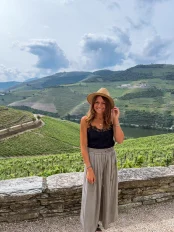

Curator’s statement
Out of every destination I’ve been to, I’ve received the most mixed reviews about Morocco. Some raved about it, while others warned me: it’s not safe to travel alone as a woman, the harassment is unbearable, don’t even think about renting a car…the list goes on. I’m pleased to share that my experience was the complete opposite of those warnings. I found the people to be incredibly kind and helpful, the scenery to be unbelievable, and the culture to be vibrant and full of history. Morocco gave me everything I could have wanted out of a trip: mountain adventures, a great surf destination with a vibe to match, fascinating traditions, endless shopping, and new learnings at every turn. I spent a full month there and still feel like I only scratched the surface. Pretty much everything I love most about travel came together in one destination—good surf, scenic mountains, interesting culture, and those bohemian vibes I’m always chasing.
The Fora Difference
Book with One Shot Wander Experiences to access exclusive perks and experiences on your trip.

Killer perks
Free upgrades, spa credits and more—we got you

Personalized recs
Customized travel planning for your style

Insider knowledge
Expert advice from people who’ve actually been there
Where to stay in Morocco
Unlock perks by contacting One Shot Wander Experiences to book your trip.
Things to do in Morocco
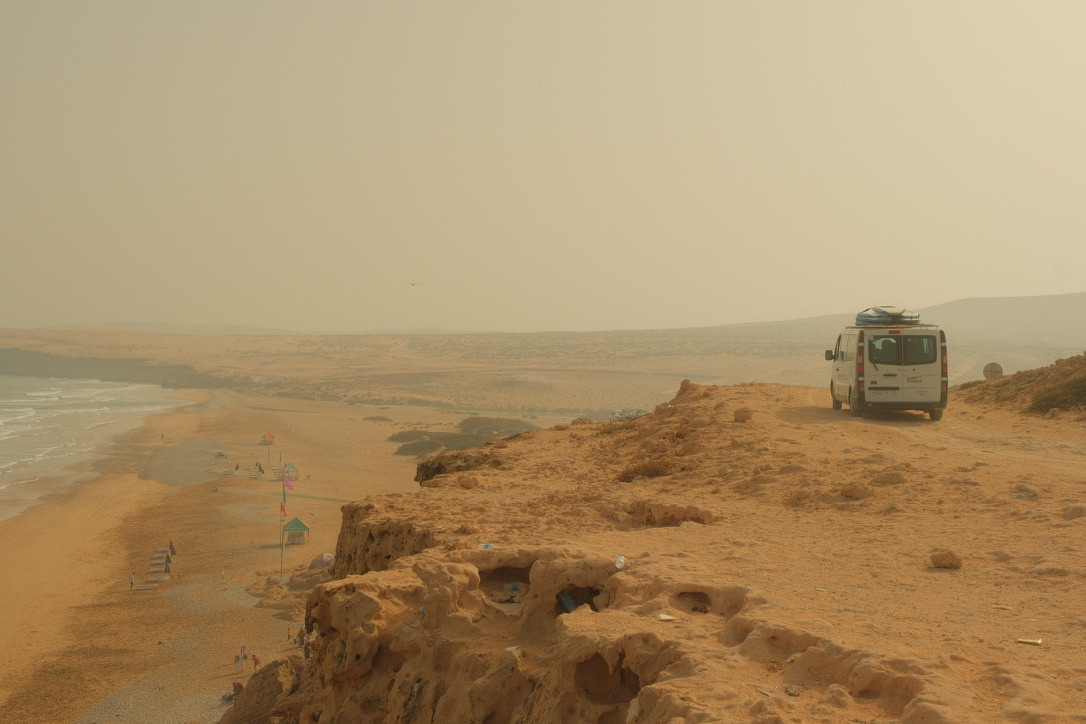
Surf trip to Tamri, where desert cliffs drop into the Atlantic and camels wander the shoreline. / @theoneshotwander
Surf
Picture this: You’re sitting on your board in warm, green-blue water, cliffs stretching to one side and desert landscapes to the other. Camels stroll casually along the beach while you wait for the next set. It’s unlike anywhere I’ve surfed before.
Taghazout: Morocco’s iconic surf town
Imsouane: Famous for one of the world’s longest right-hand point breaks
Tamri: Raw, wild, and a bit off the beaten path
Waves change depending on the season and your surf level. When I went in August, the waves in Taghazout were so small that we had to drive 40 minutes to an hour and a half north to find surf. Keep this in mind when planning your trip.
Hike
Mount Toubkal is the tallest peak in North Africa and the third highest in Africa.
It's a two-day trek starting from Imlil. Stay at Kasbah du Toubkal the night before to acclimatize.
The route winds through Berber villages where locals still live traditionally, and you pass the Sidi Chamharouch shrine, a white boulder that draws pilgrims who believe it can help release evil spirits. From there, the trail climbs through red valleys, rivers, and waterfalls to Toubkal Basecamp.
Camp under the stars—this is one of the best places in the world to see them. Even in the heat of summer, the nights are cold. I started trekking at 2 am to reach the summit for sunrise.
The summit sits at 4,167 meters (13,671 feet). The panoramic views are spectacular: endless mountain ridges, red cliffs, and even the Agafay Desert in the distance.
This is not an easy hike. I hike regularly and found Toubkal to be one of the more challenging treks I’ve done. The early morning start combined with the steep and rocky descent makes it demanding. After summiting, you still face a 28-kilometer day of hiking back down—a real test of endurance.
Fun fact: The rocks of the High Atlas are ancient ocean sediments from when this region was under a shallow sea. You can spot marine fossils embedded in the rock.
Desert days
Watch the most beautiful sunset you’ll ever see: colors blazing across the dunes as the wind sends waves of sand drifting through the air.
Unwind by a serene desert pool.
Sip local wine as the sun goes down.
Ride camels at golden hour.
Start your morning with yoga in complete silence and stillness.
One thing I wish I had done was visit the Sahara. Unfortunately, I didn’t have the time. I recommend the Sahara over Agafay for its vastness and striking colors. But if you’re basing yourself in Marrakech, Agafay is only 30 minutes away and makes a good second option.
Shop
Morocco is one of the best shopping destinations in the world for authentic artisan goods and home décor. Pack light or bring an extra bag—you’ll need it.
Carpets: Traditional, hand-woven pieces full of history and symbolism.
Lamps: Brass, metal, and intricate designs that light up a room.
Oils: Especially argan oil, native to Morocco.
Spices and herbs: The scent alone is intoxicating.
Leather goods: Belts, bags, shoes, jackets—the quality here is exceptional, and fun fact: Much of the leather sold as “Italian” is actually produced in Morocco.
I came home with pillowcases, a jacket, a laptop case, a dog collar, and a few pairs of shoes. It’s a kaleidoscope of colors, craftsmanship, and creativity.
Wellness
Traditional hammam at La Sultana (Marrakech): Bathe in an ancient marble bath, steam like a sauna, then be scrubbed and exfoliated from head to toe. Followed by a massage, I left feeling both regal and renewed.
Yoga in Taghazout: Amouage’s oceanfront yoga shala has views of the waves—it’s the perfect balance to all the adventure.
Places to eat & drink in Morocco
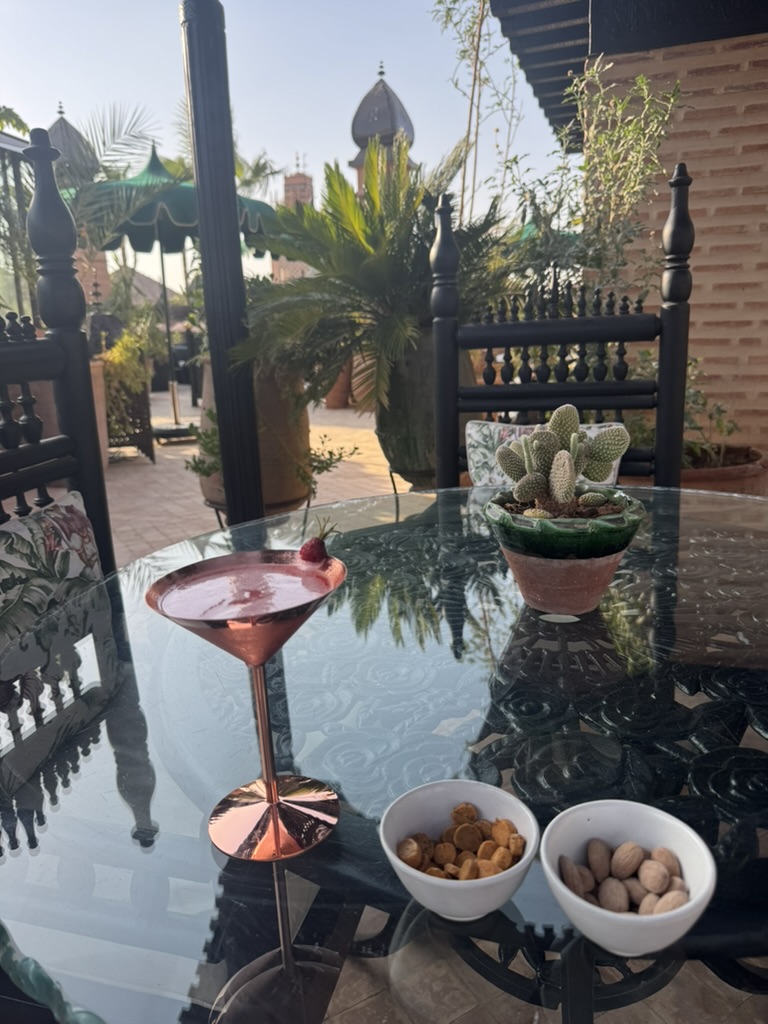
"Sunset Medina" cocktail overlooking the Medina from Odette Rooftop Bar at La Sultana Marrakech
Nomad Rooftop (Marrakech): Modern Moroccan flavors with stunning Medina views.
Dar Cherifa (Marrakech): A literary café tucked inside a restored riad.
Odette Rooftop Bar + Mezze (La Sultana Marrakech): Stylish, elevated, and indulgent.
Cafe Arabe (Marrakech): A classic spot for food and drinks.
Beldi Fusion Kitchen (Guéliz, Marrakech): Creative twists on traditional dishes.
Kosybar Rooftop (Marrakech): Perfect for sunset cocktails over the square.
Teapot Café (Taghazout): Surf-town hangout with ocean views and strong coffee.
Need to know
Unfamiliar doesn't have to mean unsafe: I often get asked if I felt safe as a solo female traveler. My answer is yes (though of course, everyone’s experience may differ). There is catcalling, but no more than in other destinations like Italy or Indonesia. Morocco blends Arab, African, and European influences, which can feel unfamiliar to Western travelers, but different doesn’t equal unsafe. Approach with curiosity and empathy.
Getting around: Renting a car was the easiest way to explore. Driving in Marrakech is chaotic—especially in roundabouts—but manageable if you expect it. InDrive (the local rideshare app) is growing in popularity, but it’s not as established as Uber. You may be asked to sit in the front seat. For reliability, I’d recommend verified taxis or private transfers.
Alcohol: Many restaurants are dry, but Morocco produces wine. My favorite was gris (grey wine), a crisp cousin of rosé. Always be culturally sensitive when drinking.
Seasons: August is low season due to the heat. Some hotels and yoga studios close for weeks at a time—plan ahead.
Photo etiquette: Morocco is one of the places I’ve been most inspired to photograph, but people are not props. Always ask before photographing artisans or locals.
Bargaining: Be playful but firm. Kindness shows respect, and walking away often works. I never had to be rude, and I was always met with kindness in return.
The Medina’s main square: If you’re afraid of snakes (like me), avoid the snake charmers. If you get close, they may put snakes on your shoulders for photos. I kept my distance!
Slow travel: Morocco shouldn’t be rushed. I stayed for a month and already have a long list of places to see when I return.
Morocco is a sensory overload in the best possible way: a country where mountains meet the ocean, traditions blend with bohemian surf towns, and every day feels like an adventure.

Travel Advisor
One Shot Wander Experiences

Meagan Roecker
Get in touch with One Shot Wander Experiences
Did you like this guide? Reach out to customize and book your own experience. Or, just to chat about travel in general.
For more inspiration and insider recommendations, visit our Morocco page.