




Curator’s statement
Innsbruck is special because it’s not trying to be anything other than what it is: a real city where people live, work, study, and climb in one of the most beautiful settings on earth. The combination of serious mountains, genuine local culture, and urban amenities creates something you can’t find anywhere else. This itinerary focuses on those aspects that make this place worth traveling to. Climbing, hiking, local food, and culture all come together for a magical alpine retreat.
The Fora Difference
Book with Rileigh Tower to access exclusive perks and experiences on your trip.

Killer perks
Free upgrades, spa credits and more—we got you

Personalized recs
Customized travel planning for your style

Insider knowledge
Expert advice from people who’ve actually been there
Where to stay
Unlock perks by contacting Rileigh Tower to book your trip.
Day 1: Old Town, Kletterzentrum Innsbruck & Treibhaus
Morning: Old Town reality check
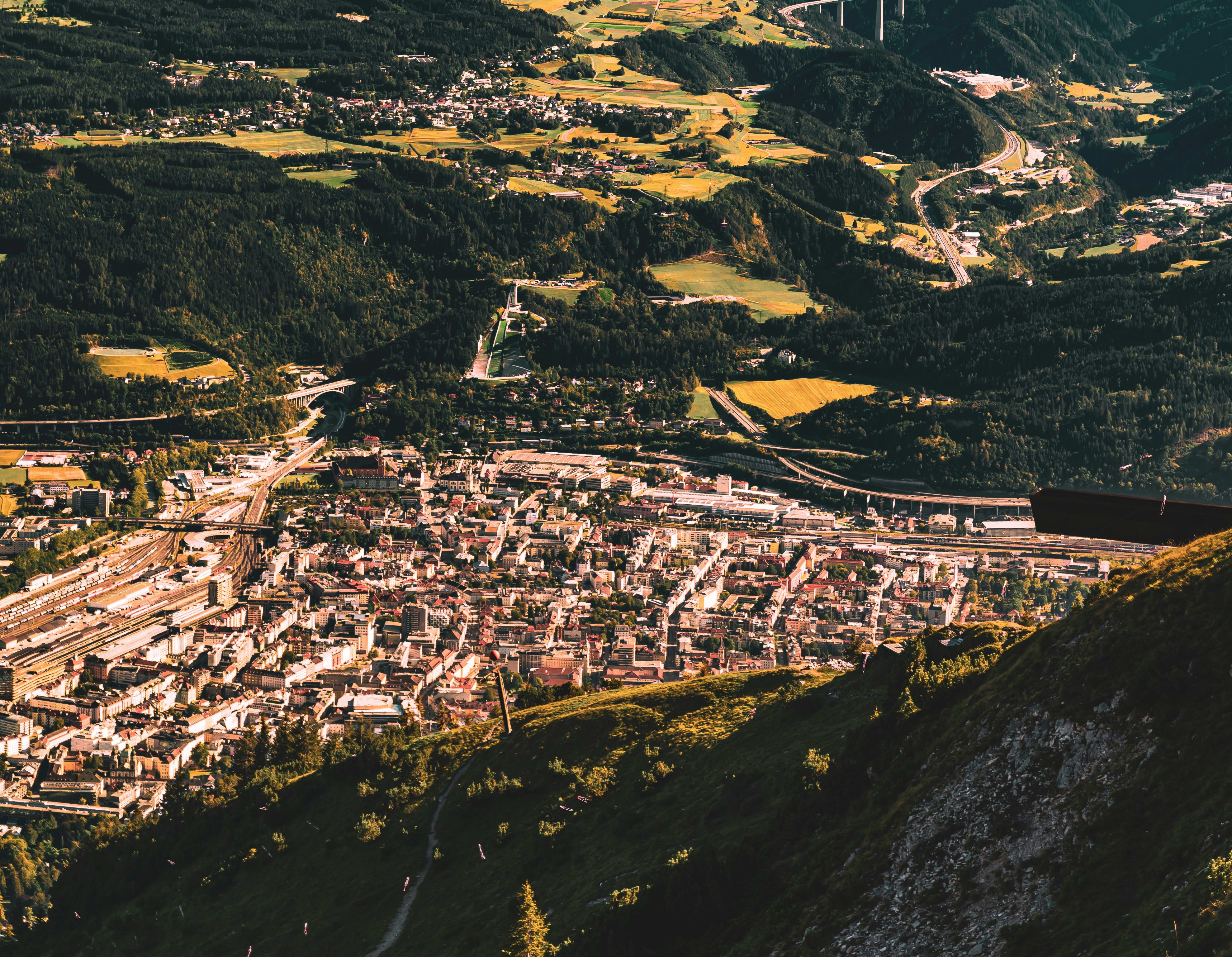
I suggest starting in Innsbruck’s Altstadt, but skip the Golden Roof tourist trap after a quick photo. Instead, I recommend heading to karaffu | coffee culture. This place serves real Tyrolean coffee culture, not just a photo op.
Walk the narrow streets where, within minutes, you can walk from the city center to Via Ferratas, gardens, and climbing centers. The proximity to serious mountains is what shapes everything about local life here.
Afternoon: Kletterzentrum Innsbruck
I recommend visiting this climbing center of the Austrian national team, offering 4,500 square meters of climbing area, 550 routes, 4a to 9b, and 1,250 square meters of bouldering with over 200 colored boulders. It’s not some casual gym—this is where World Cup events happen.
You’ll see everyone from university students to visiting digital nomads to serious local climbers who’ve been training here for decades. I suggest checking out the Innsbruck climbing guide books and online resources for detailed route information.
Evening: Treibhaus
Treibhaus is a house of culture, music, leisure, and community. There is a spacious bar downstairs that turns into a restaurant in the evening. Make sure to bring some cash when you come here because they don’t accept cards. This is where locals actually hang out.
Stay: Hotel Innsbruck or AC Hotel by Marriott (central location, quality that justifies the price point).
Day 2: Cable car, Goetheweg trail & alpine dining
Morning: Nordkette cable car
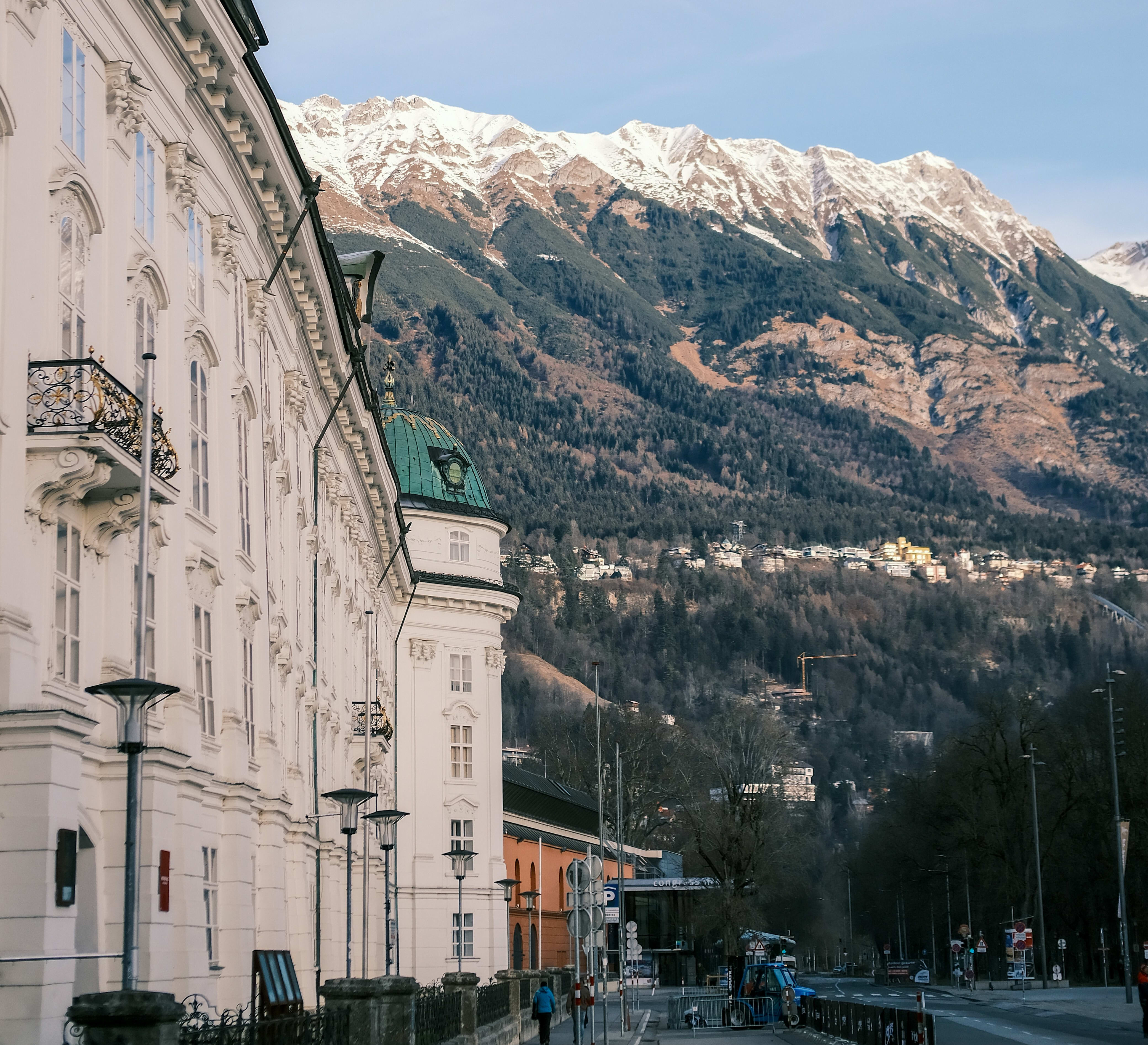
I recommend taking the Hungerburgbahn funicular to the Seegrubenbahn valley station, then the Seegrubenbahn gondola followed by the Hafelekar aerial cable car. These three cableways are collectively called the Nordkettenbahnen. Designed by renowned architect Zaha Hadid, the futuristic Hungerburgbahn funicular stops at a mountain plateau.
The Goetheweg trail
With direct access to Innsbruck’s city center, the Goethe path (in German, Goetheweg) is undoubtedly the most beautiful and panoramic trail. The cable car system takes you from downtown shopping streets to serious alpine terrain in about 30 minutes.
Lunch: Pfeishütte
The hut is located over 1,900 meters above sea level in a pristine alpine setting, with the rugged peaks of the Rumer Spitz, the Stempeljoch, and the Bachofen rising all around it. I recommend ordering whatever the hut serves—Alpine huts don’t do à la carte menus for a reason.
Evening: Die Wilderin
Die Wilderin offers seasonal dishes with local influences. This spot represents the modern Tyrolean dining scene: updated local cuisine done right.
Day 3: University Quarter & Kemater Alm
Morning: University Quarter
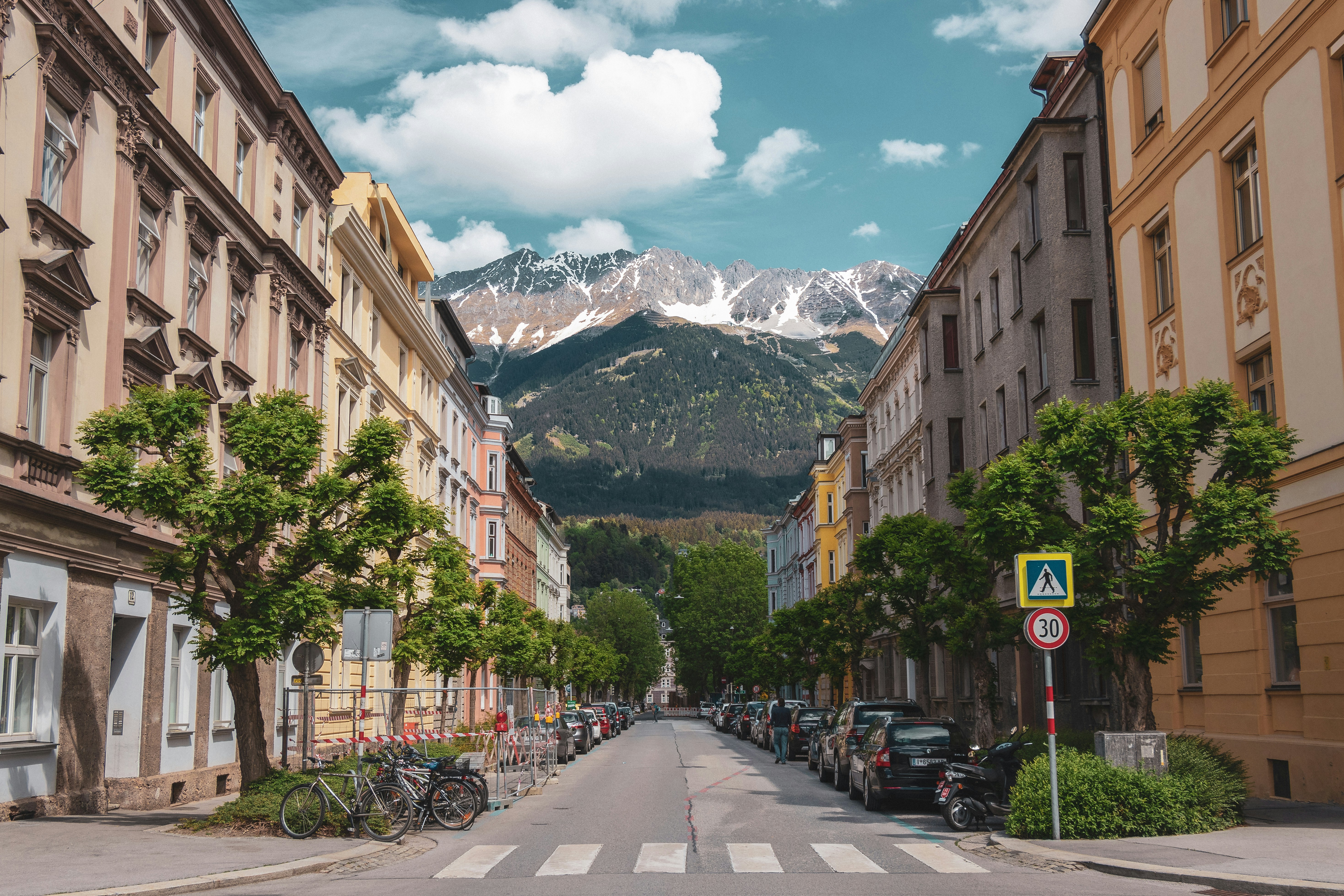
Head to the University district to see how young Innsbruck actually lives. Walk through the campus area and grab a coffee where students hang out. You’ll hear a mix of German, Tyrolean dialect, and international languages from exchange students.
Afternoon: Kemater Alm hike (lesser-known trail)
Kemater Alm is one of the most beautiful places in Tyrol, and is therefore also one of the best places around Innsbruck to hike. This walk takes you through lush green meadows and impressive mountains surrounding a little farmer’s village. You can reach the starting point in Grinzens by car or within minutes from the bus stop: the Grinzenz Abzweig Kemater Alm stop for the 4162 bus.
This is exactly the kind of trail most tourists skip. There’s easy access by public transport, but it leads to authentic Alpine farming culture and incredible mountain views. This short walk—3.4 kilometers, 285 meters of elevation, and one to two hours—offers the perfect mix of local culture and mountain scenery without crowds.
Evening: Restaurant Schwarz Weiss
Restaurant Schwarz Weiss serves quality Tyrolean fare with locally sourced ingredients. This represents the kind of neighborhood restaurant where locals actually eat: good food without the tourist markup.
Day 4: Ehnbachklamm or Martinswand
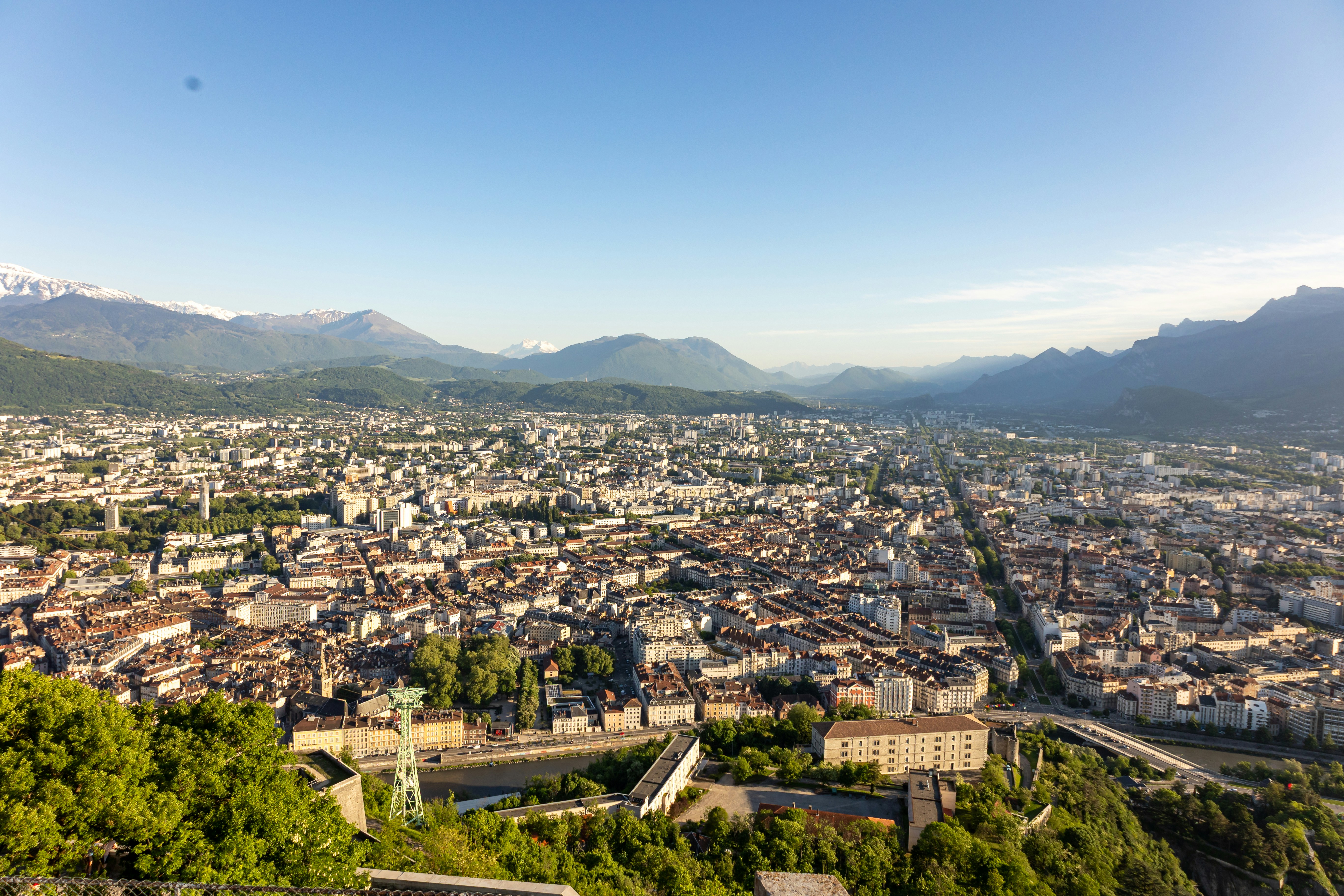
Morning: Ehnbachklamm or Martinswand
Time for outdoor climbing. The classic climbing areas around Innsbruck, such as the Ehnbachklamm (Ehn Gorge) or the Martinswand (Martin’s Wall) each have more than 100 maintained routes and attract both beginners and experienced climbers.
If you’re not a climber, the hike to the Jausenstation Brunntal starts at the entry of the Ehnbachklamm Gorge. The trail guides you along the Ehnbach stream deeper into the gorge. Especially on hot days, the cold, damp air offers a refreshing contrast to the heat of the sunny valleys.
Afternoon: Arzler Alm (another hidden gem)
From Hungerburg’s Nordkettenbahn station, walk uphill to the Arzler Alm. This is a popular destination for a family excursion that locals love but tourists often miss. The Innsbrucker alpine huts lie at the foot of the Nordkette mountain range, not far above the city.
This offers easy trail hiking and original Tyrolean cuisine at the alpine hut. You’ll mostly encounter locals out for their regular mountain routine.
Evening
Stiftskeller, located in the city’s Old Town area, is a popular dining option. You can pair your traditional Tyrolean food with Bavarian beer for the ultimate Austrian foodie experience. Typical dishes include barley soup, whole suckling pig with sauerkraut and pretzel dumplings, and, of course, wiener schnitzel. Learn the local drinking customs: Just like you’d say “cheers” in America, you’ll say “prost” while looking each person in the eye as you clink glasses.
Need to know
Innsbruck is busiest during the ski season (December through February) and then again during the summer. September hits the sweet spot: Summer crowds are gone, but the weather stays stable for serious hiking and climbing.
When to hike in Innsbruck: Late June to Late September/late October, depending on snow conditions. University is back in session, so you get the real energy of the city functioning normally.


Travel Advisor
Rileigh Tower

Rileigh Tower

Get in touch with Rileigh Tower
Did you like this guide? Reach out to customize and book your own experience. Or, just to chat about travel in general.
For more inspiration and insider recommendations, visit our Austria page.