


Curator’s statement
I don’t ski and I don’t love the cold—so winter ski resorts are wasted on me. But here’s a great secret: many of the world’s top ski areas are fantastic summer bases. You get cooler air, wide paths, reliable transport, and plenty of accessible facilities. If you live with chronic illness and want a cooler summer destination that actually works, Niseko–Hanazono (one of Japan’s best ski resorts) delivers in summer too.
The Fora Difference
Book with Sally Riggs to access exclusive perks and experiences on your trip.

Killer perks
Free upgrades, spa credits and more—we got you

Personalized recs
Customized travel planning for your style

Insider knowledge
Expert advice from people who’ve actually been there
Where to stay in Niseko
Unlock perks by contacting Sally Riggs to book your trip.
Things to do in Niseko
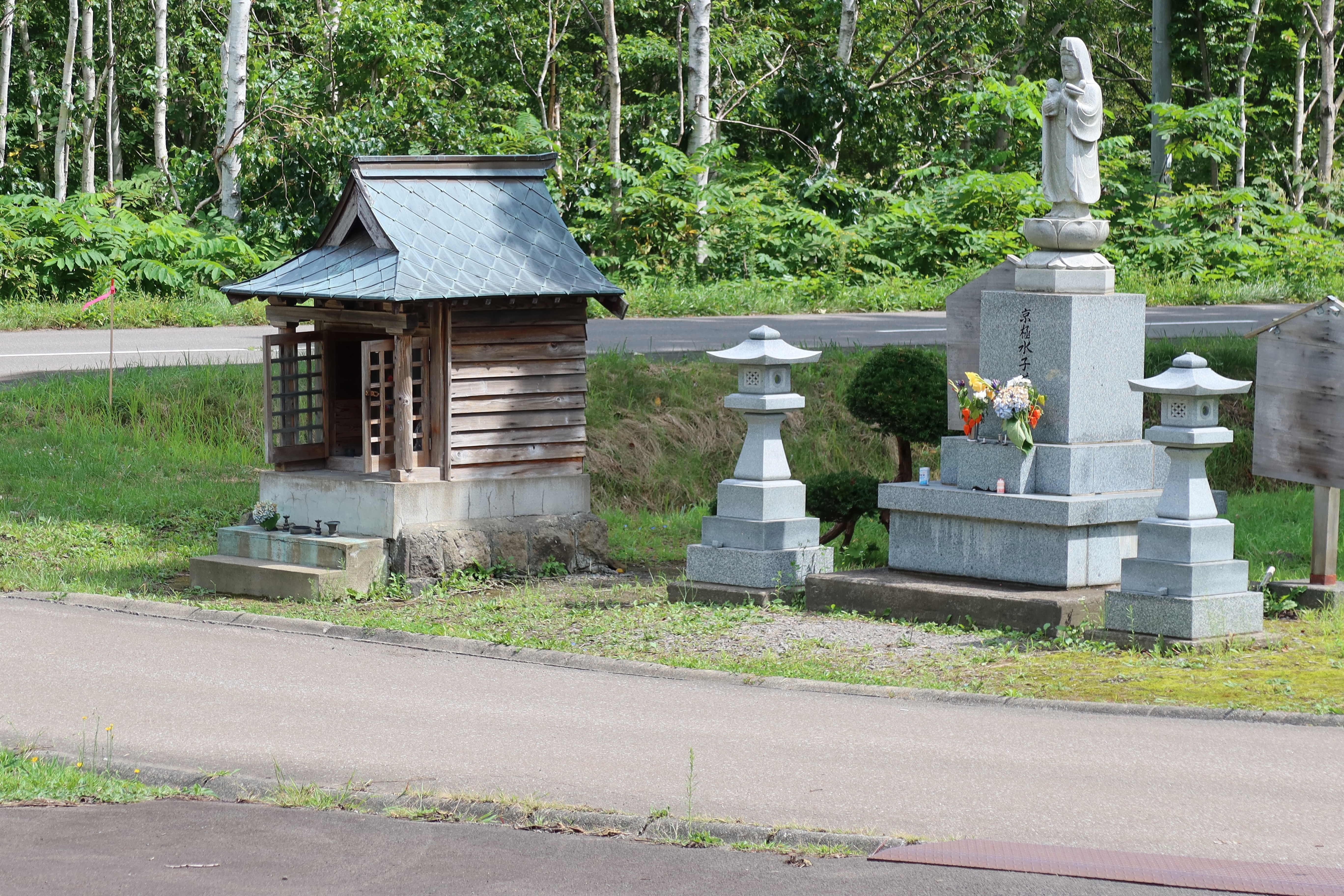
Local cemetery in the foothills of Mount Yotei
In summer you’ll want a rental car from CTS or downtown Sapporo. Regional trains are about two hours each way, which isn’t super accessible—the expressway drive is straightforward, and the scenic route isn’t much longer. Once you’re in Niseko, having a car makes short, door-to-door outings simple.
Mt. Yotei scenic loop (by car): Make a gentle loop via Rte 5/276/66/97, stopping only when it feels right. There’s a Mt. Yotei National Park parking lot with restrooms, a couple of safe truck-stop pull-ins, and even a quiet cemetery viewpoint if that’s your thing. For easy facilities and parking, Michi-no-Eki Niseko View Plaza and Kyōgoku Fukidashi Park work well. The “activity” is the view from the passenger seat.
Kyōgoku Fukidashi Park (spring water): Shaded, flat paths with benches and constant water sound—calming and low effort. Stay 10–20 minutes, fill bottles if you like, and head out whenever you’re done—there’s no fixed route to complete.
Michi-no-Eki, Niseko View Plaza (easy outdoor meal stop): Free parking, toilets, and open space with a Mt. Yotei outlook. The seasonal farmers’ market (late April–October, roughly 8:30 am–5/6 pm) sells produce and takeaway. Grab food from a stall, sit briefly outside, or eat in the car with windows cracked—zero wandering required.
Hanazono Saturday fireworks & Mountain Lights: If fireworks are sensory-friendly for you, watch from a comfortable spot you choose—extra easy if you’re at Park Hyatt Niseko. Mountain Lights (optional, ticketed) uses a comfortable, step-free gondola to the installation, then back down, with minimal walking.
Summer gondola rides (Hanazono/Grand Hirafu/Annupuri): Ride up for big Mt. Yotei views and ride straight back down—no hike expected. These typically run July–August (peak summer)—check same-day wind/weather status. Go early or late for softer light and fewer people, and treat it as a short, seated outing.
Iwanai coastal drive (Sea of Japan): A breezy there-and-back with ocean vistas from the passenger seat. If you’re into squid or sea urchin, the fishing harbor has ultra-local spots—or simply enjoy the harbor scene outdoors and keep it food-free if that suits you better.
Kutchan Jaga Matsuri (Potato Festival): If you’re in town the first weekend of August, head to Ekimae-dōri (JR Kutchan Station area) for dozens of local food/drink stalls plus taiko, hip-hop, and traditional dance. It’s outdoors with plenty of tables—choose a setup that feels comfortable and enjoy on your terms.
Niseko Takahashi Dairy Farm (Milk Kobo complex): A well-known farm-shop hub with open fields/views and Prativo (veg-forward lunch) using local ingredients. Even if you’re dairy free/gluten free, the site itself is worth a short scenery stop. Prativo often has DF/GF-friendly options—confirm day-of and keep the visit brief.
Places to eat & drink in Niseko
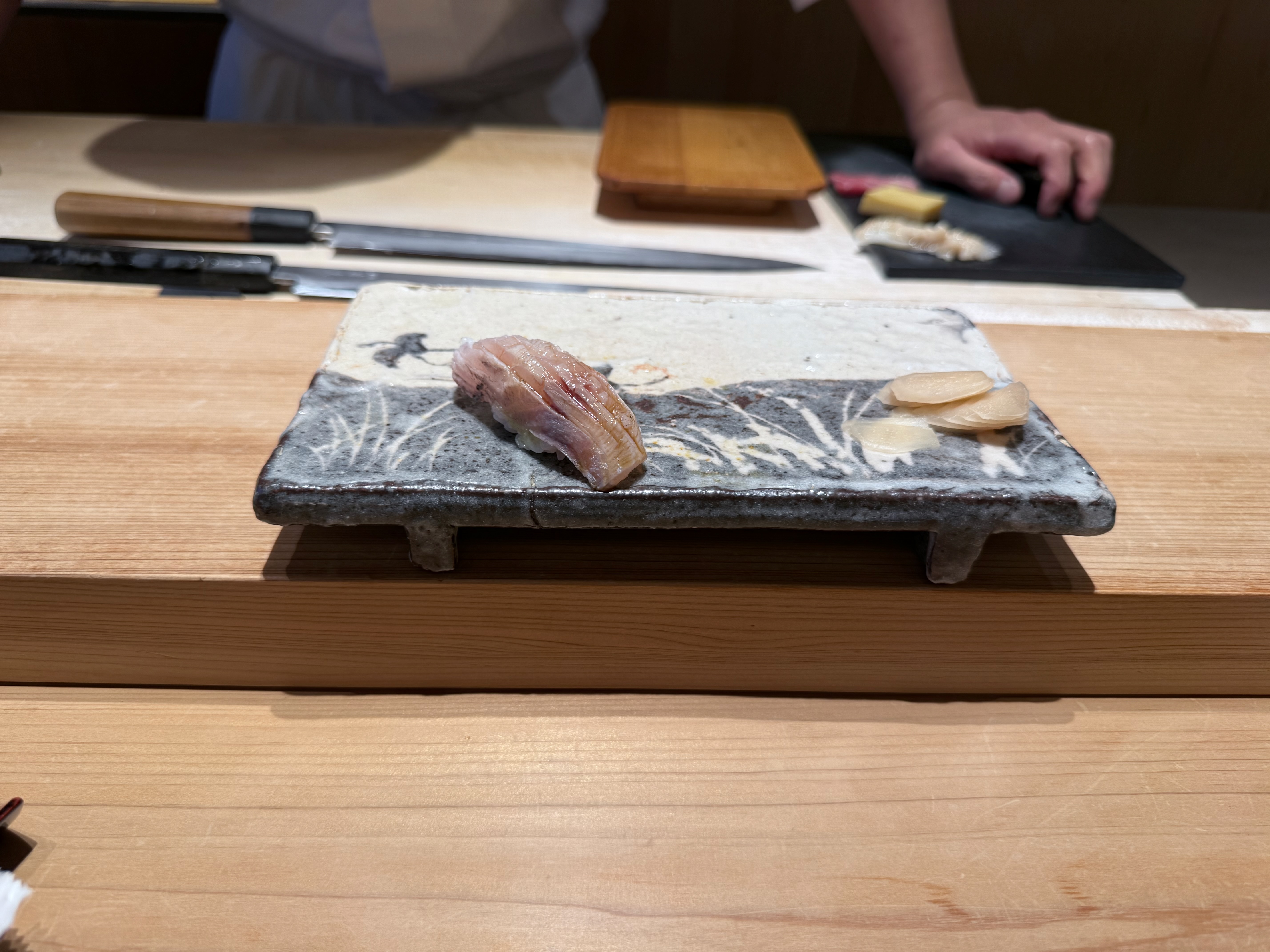
Sushi Mitsukawa Omakase
Sushi Mitsukawa—Park Hyatt Niseko Hanazono: Counter-style Edomae sushi in a calm room with a max seating of six people. The omakase format removes decision fatigue—book ahead and flag allergies/DF/GF needs when reserving.
The Lounge (Afternoon Tea)—Park Hyatt Niseko: Seasonal afternoon tea in a bright lounge with mountain views—ideal for a seated, unhurried break. Menus change—ask about DF/GF swaps at booking and pick a quieter time slot if you’re crowd-sensitive. They will also serve this on the terrace—just push them a little and cite your health needs.
China Kitchen—Park Hyatt Niseko: Comforting Chinese plates and dim-sum staples in a refined but relaxed setting. Great when you want a proper meal without the buzz of Hirafu—check sauces for gluten/soy and request gentle pacing.
Olivio (Italian)—Park Hyatt Niseko: Italian cooking with Hokkaidō produce: clean flavors, straightforward plates, friendly service. A reliable Niseko restaurant for DF/GF-leaning orders (grilled fish/meat, olive-oil prep)—confirm specifics when you book.
Yukibana—Higashiyama Niseko Village (Ritz-Carlton Reserve): All-day dining with Mt. Yotei outlooks and a farm-to-table tilt. Staff handle slower pacing and quieter tables well—useful if you are managing PEM or sensory load.
Ume Lounge—Higashiyama Niseko Village (Ritz-Carlton Reserve): Tea, cocktails, and light bites in a serene lounge—perfect for a short sit rather than a full restaurant commitment. A good “change of scene” stop between outings.
HIYAMA (Sukiyaki)—MUWA Niseko: Elegant sukiyaki from a storied brand, served course-style in a quiet dining room. Reserve ahead and confirm broth/sauce adjustments if you’re DF/GF—staff are used to special requests.
Kamimura—Hirafu: Niseko’s flagship fine-dining (Japanese-French) tasting menu that showcases Hokkaidō produce. It’s a destination restaurant in Hirafu—book early and request a quieter table and steady pacing.
AN Dining—Hirafu (Ki Niseko): Seasonal Japanese with clean flavors in a calmer room than most Hirafu venues. Consistently good for summer—reserve and discuss any DF/GF requirements when you book.
Need to know
Most people are not visiting Niseko as a standalone destination but rather combining it with other destinations in Japan. CTS is an easy 1 hour 20 minute flight from HND. Right now you can also take the Shinkansen to Shin-Hakodate (edge of Hokkaido) but the train on to Kutchan would be another 4–5.5 hours. In 2031, the Shinkansen will connect right through to Kutchan, which will be a big time and convenience saver!


Travel Advisor
Sally Riggs

Sally Riggs

Get in touch with Sally Riggs
Did you like this guide? Reach out to customize and book your own experience. Or, just to chat about travel in general.
For more inspiration and insider recommendations, visit our Japan page.