

Curator’s statement
Kyoto is a city of contrasts: centuries-old temples and quiet gardens sit alongside neon-lit arcades and 100-yen shops. Michelin-star dining just a few blocks from ramen counters. It’s every bit as magical as the photos, but also surprisingly approachable once you wander beyond the main sights. This three-day itinerary blends a balance of elevated and everyday experiences. For some, that’s a Michelin-star dinner; for others, it’s a 7-11 egg salad sandwich by the river. There’s no right answer. It’s travel. Your way.
The Fora Difference
Book with High Low Travel to access exclusive perks and experiences on your trip.

Killer perks
Free upgrades, spa credits and more—we got you

Personalized recs
Customized travel planning for your style

Insider knowledge
Expert advice from people who’ve actually been there
Where to stay
Unlock perks by contacting High Low Travel to book your trip.
Day 1: Bamboo forests, temples & soba noodles
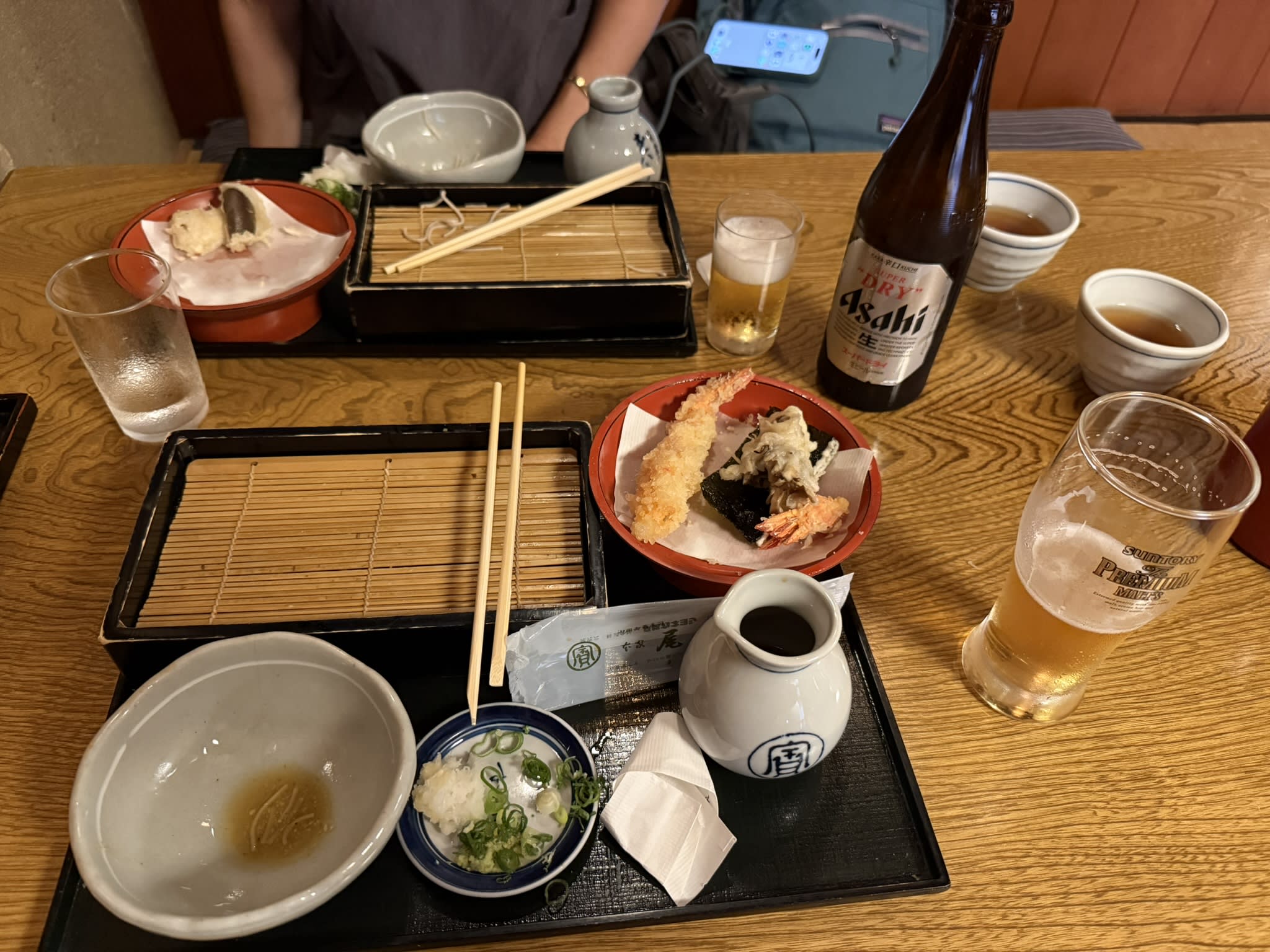
Soba noodles at the historic Owariya
Arriving via the bullet train, aka Shinkansen, puts you right into Kyoto’s rhythm, and staying near the Hyatt Regency means you’re within walking distance of the Kyoto National Museum and several shrines. With jet lag as your alarm clock, start at sunrise at a local Shinto shrine. Even before the gates open, you can take part in the ritual: write wishes on a gourd-shaped ema and watch locals perform the bow–clap–bow sequence that marks prayer.
From there, head west to Arashiyama. The Bamboo Forest is crowded but iconic; go early to catch its hush. A short climb to the Mt. Ogura lookout gives sweeping river views—and in summer, a reminder of Kyoto’s humidity.
Cool off at Kyoto Sake Café Tomiya, tucked beside Randen Arashiyama Station and its “Kimono Forest” art display. Cold beer, local sake, and retro trams rolling past make this a perfect mid-day pause.
Lunch is a bowl of chilled soba paired with an Asahi Super Dry at Owariya, one of Kyoto’s oldest restaurants known for their noodles. The afternoon takes you downtown—Shijo and Kawaramachi Dori feel like Kyoto’s Times Square, while the Teramachi and Shinkyogoku arcades mix incense shops, vintage finds, and boutiques under covered lanes.
On the way back, slip into Higashiyama’s pedestrian lanes. Compared to downtown’s roar, these quiet streets lined with temples, tea shops, and craft stores feel like a step back in time.
By the time you reach the hotel, you’ve seen bamboo forests, soba traditions, department-store bustle, and temple calm—all in one jet-lagged day.
Insider tips:
Always wear (or bring) socks—shoes are removed at shrines, temples, and some museums.
Early morning starts allow you to beat both the heat and the crowds.
Carry yen—shrines and some shops are cash only.
Day 2: Castles, arcades & Gion nights
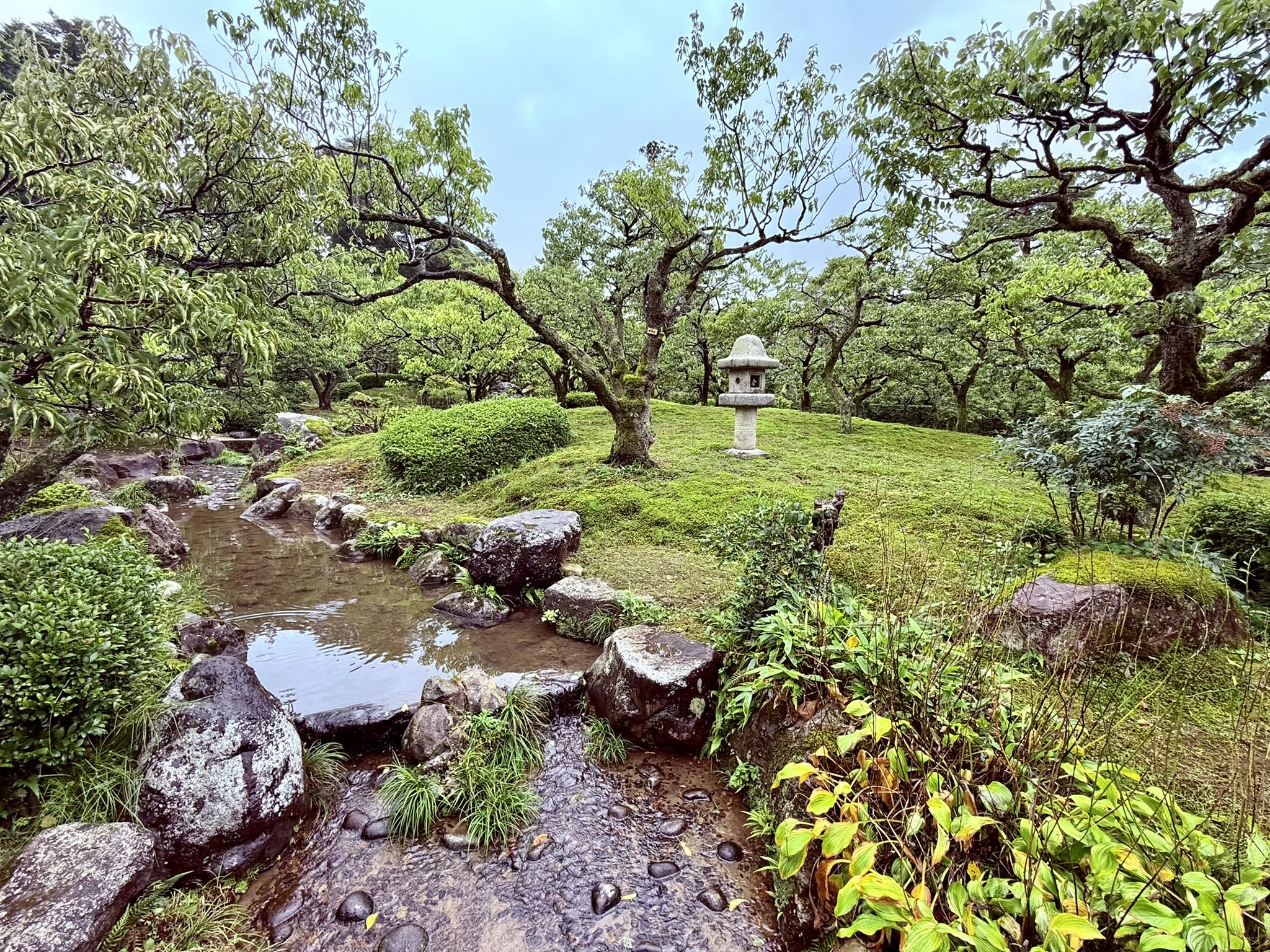
Peaceful moment at Kyoto's Gyoen National Garden
Begin at Nijo-jo Castle, built in 1603 as Tokugawa Ieyasu’s Kyoto base. Inside the Ninomaru Palace, murals of tigers and pines shimmer in gold leaf, while squeaky “nightingale floors” once alerted guards to intruders. The surrounding gardens are peaceful, and the gift shop is worth a browse.
From there, head to Pontocho Alley. This narrow lane runs along the Kamogawa River and is filled with daytime charm. Stop for a sashimi set and a cold Asahi beer at one of the riverside spots—it is far less crowded at lunch than in the evening.
In the afternoon, stroll through the Teramachi and Shinkyogoku arcades, Kyoto’s answer to covered shopping streets. Here you’ll find incense shops, quirky boutiques, and the famous 100-yen store Daiso. Don’t miss Face Code eyewear, where you can pick up stylish, one-of-a-kind frames as a practical souvenir. Pause for a konbini snack by the river if you want to rest your feet and people-watch.
Dinner is an elevated experience at Jean-Georges at the Shimonzen Hotel, a Michelin-star restaurant blending French technique with Japanese sensibility. Afterward, take a lantern-lit stroll through Gion, Kyoto’s geisha district, where you may catch a glimpse of a geiko or maiko on her way to an evening appointment.
Insider tip: A backup battery is essential: photos, maps, and translation apps drain phones fast.
Day 3: Statues, streets & shrine lights
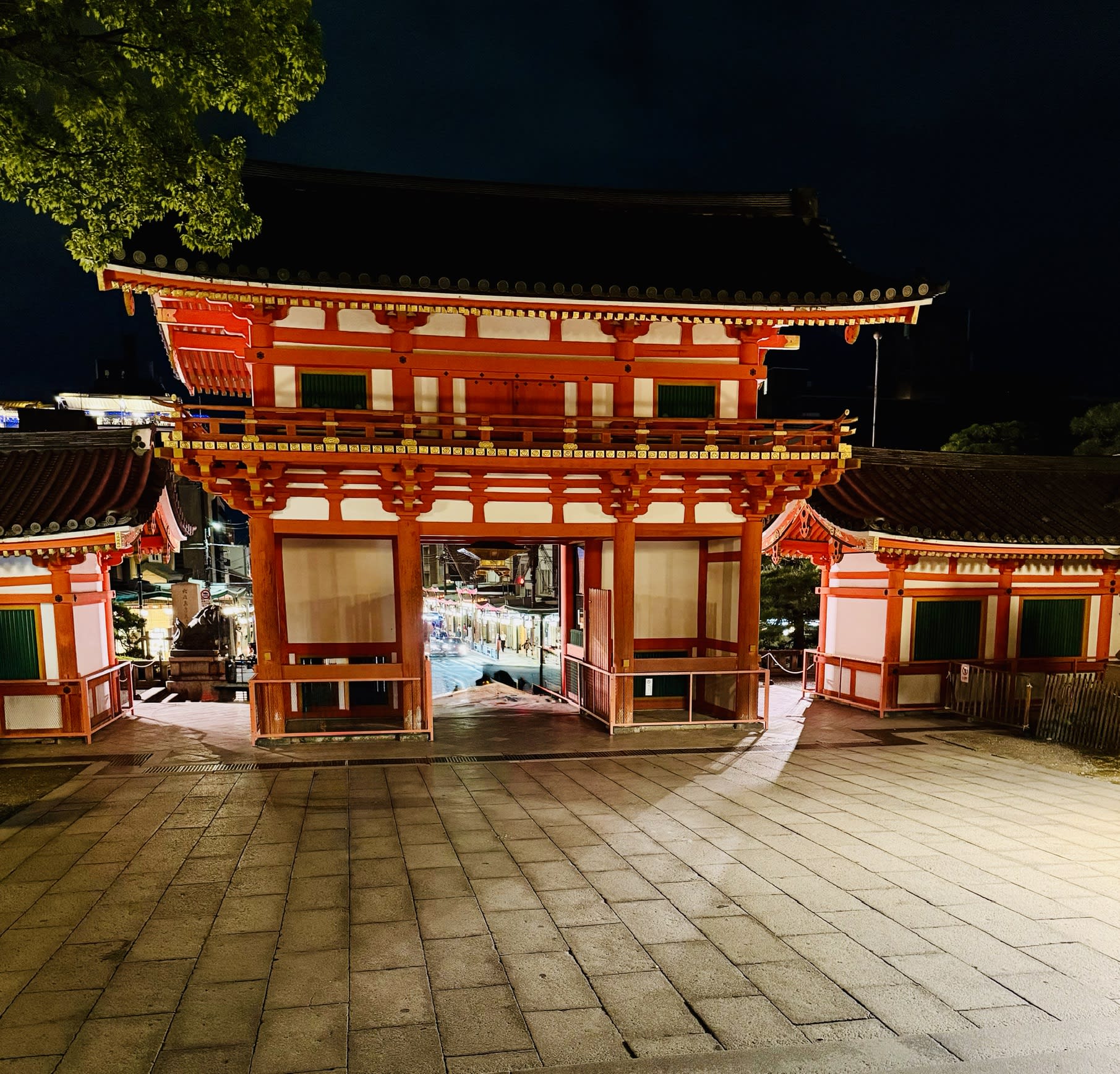
Evening at Ysaka Shrine
Begin your morning at Sanjūsangendō Temple, home to 1,001 statues of Kannon, the Buddhist goddess of mercy. The long wooden hall itself is Japan’s longest temple structure, and the sight of the statues lined in rows is both solemn and unforgettable. Go early to avoid tour groups and to take in the quiet atmosphere.
From there, wander through the Higashiyama district. These sloping lanes are filled with teahouses, pottery shops, and traditional snack stalls. Pick up a handmade souvenir—from ceramics to folding fans—or simply enjoy the blend of history and everyday life on display.
For lunch, stop by the Kyoto Station area, there's a maze of casual dining where you can slurp ramen shoulder-to-shoulder with locals or grab a tempura set meal. It’s an balance to last night’s fine dining.
In the afternoon, spend time in Nishijin, the textile district for a chance to see artisans at work and bring home something uniquely Kyoto, whether woven fabrics, lacquerware, or hand-painted ceramics.
Dinner options include Gion Karyo for a modern kaiseki experience, or a laid-back izakaya crawl.
After dinner, stroll through the lantern-lit streets of Gion and pause at Yasaka Shrine for a final evening view of Kyoto.
Insider tips:
Sanjūsangendō is less crowded than Kyoto’s biggest temples but can still get busy—mornings are best.
Carry small yen for shrine offerings and snack stalls.
Many craft shops close by early evening, so plan on browsing for the afternoon.
Need to know
Kyoto is a city of contrasts—bamboo forests and neon arcades, solemn shrines and lively markets, Michelin stars and convenience shop snacks. My role is to plan based on your highest (and lowest) priorities, so the trip is uniquely yours.


Travel Advisor
High Low Travel

Liz Lee

Get in touch with High Low Travel
Did you like this guide? Reach out to customize and book your own experience. Or, just to chat about travel in general.
For more inspiration and insider recommendations, visit our Kyoto page.