


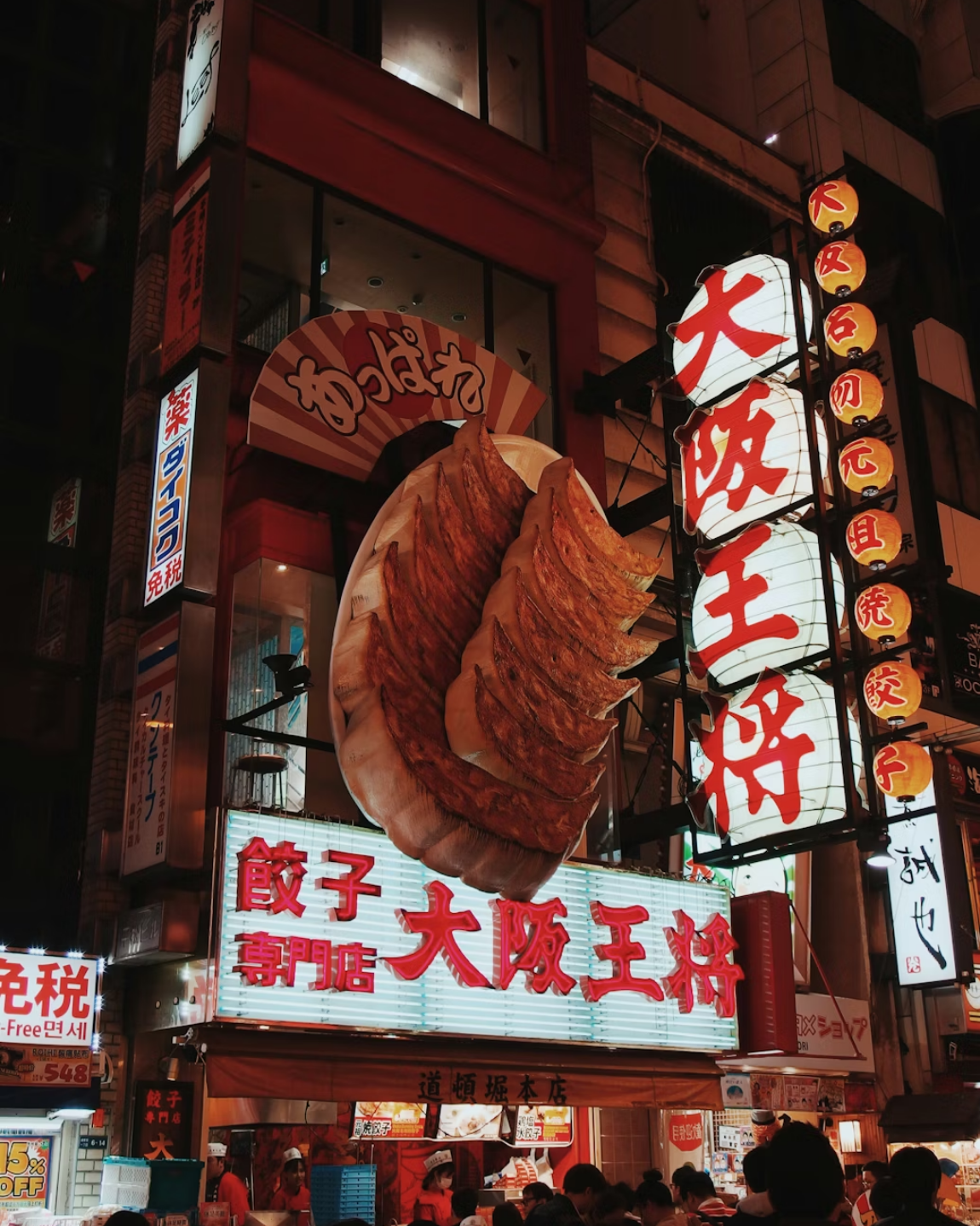
Curator’s statement
Japan has always been special to me for its discipline, beauty, and deeply rooted culture, and I truly believe food is one of the strongest expressions of that culture. As a lifelong foodie who grew up in a family where meals meant connection, I naturally gravitate toward discovering what locals actually eat, beyond the familiar ramen, sushi, and matcha. For me, eating like a local is the most authentic way to understand a destination, and this report is my way of helping fellow food lovers experience Japan through the flavors most tourists never find.
The Fora Difference
Book with Raksna Anand to access exclusive perks and experiences on your trip.

Killer perks
Free upgrades, spa credits and more—we got you

Personalized recs
Customized travel planning for your style

Insider knowledge
Expert advice from people who’ve actually been there
Where to stay in Japan
Unlock perks by contacting Raksna Anand to book your trip.
Don’t believe everything you see on Instagram. Crowded places with thousands of reviews are often tourist traps, and the best meals usually come from local recommendations. I’ve shared a few spots I discovered through locals, but this isn’t meant to be a long list of restaurants—it’s a guide to what you should try. Once you know the dish you want, ask a local where they go for it, and follow that advice. And don’t hesitate—most locals are incredibly friendly and happy to help, whether it’s your hotel concierge, a guide, or even someone at a shop you’re visiting.
Skewers & street bites
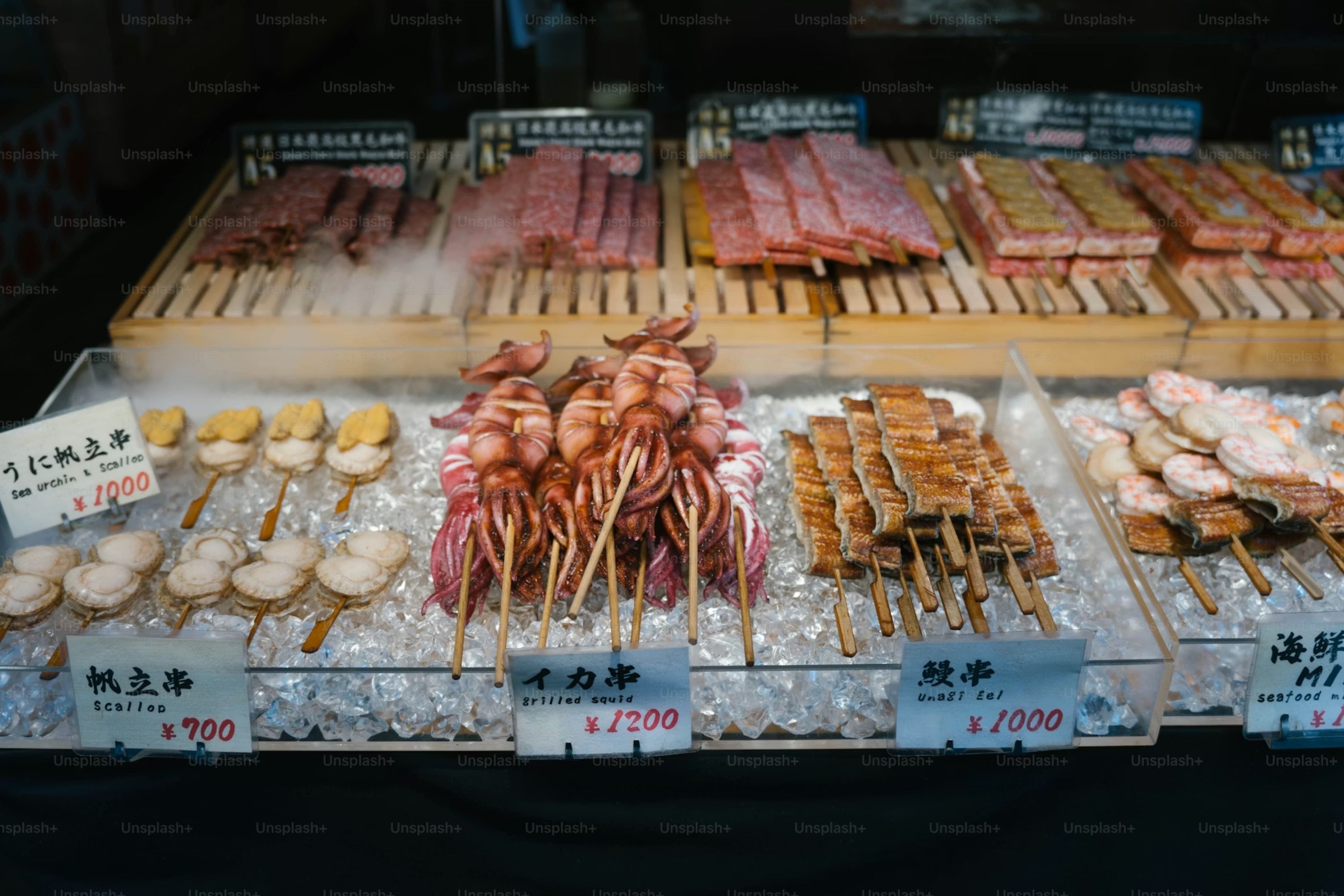
Fresh seafood skewers at Nishiki Market, Kyoto
Yakitori (grilled chicken skewers): These are crispy snacks you’ll find at izakayas, but even konbini (convenience store) ones are surprisingly good. Try chicken skin and chicken legs.
Seafood skewers: In Japan, skewered food is always a safe choice. Unagi, crab rolls, shrimp, octopus, and scallops are grilled fresh at markets.
Kobe beef: A restaurant doesn't need a Michelin star to be impressive in Japan. One of the best spots is near Yasaka Shrine, Kyoto, on the way to Yasaka Pagoda. The place doesn’t even have an English name (look up そうすけ石塀小路店 on Google Maps), but don’t worry—the menu is in English.
Raw oysters: The best in food markets. It's really fresh.
Gyoza: Pan-fried dumplings served with ramen or beer.
Karaage: Japanese fried chicken, crispy outside and juicy inside.
Tempura: Lightly battered seafood and vegetables. Tempura Endo is a reliable chain.
Okonomiyaki: Savory pancakes; best on Ebisubashi-suji Street in Osaka.
Takoyaki: Deep-fried octopus balls; also best on Ebisubashi-suji Street.
Kushi katsu: Deep-fried skewers of almost everything; an Osaka classic.
Pork buns: Steamed buns filled with meat; try 551 Horai (a popular, iconic chain) in Osaka.
Dashi soup: A light stock made from seaweed and bonito flakes, the base of Japanese cooking.
Miso soup: Fermented soybean broth served with most meals.
Large plates locals love
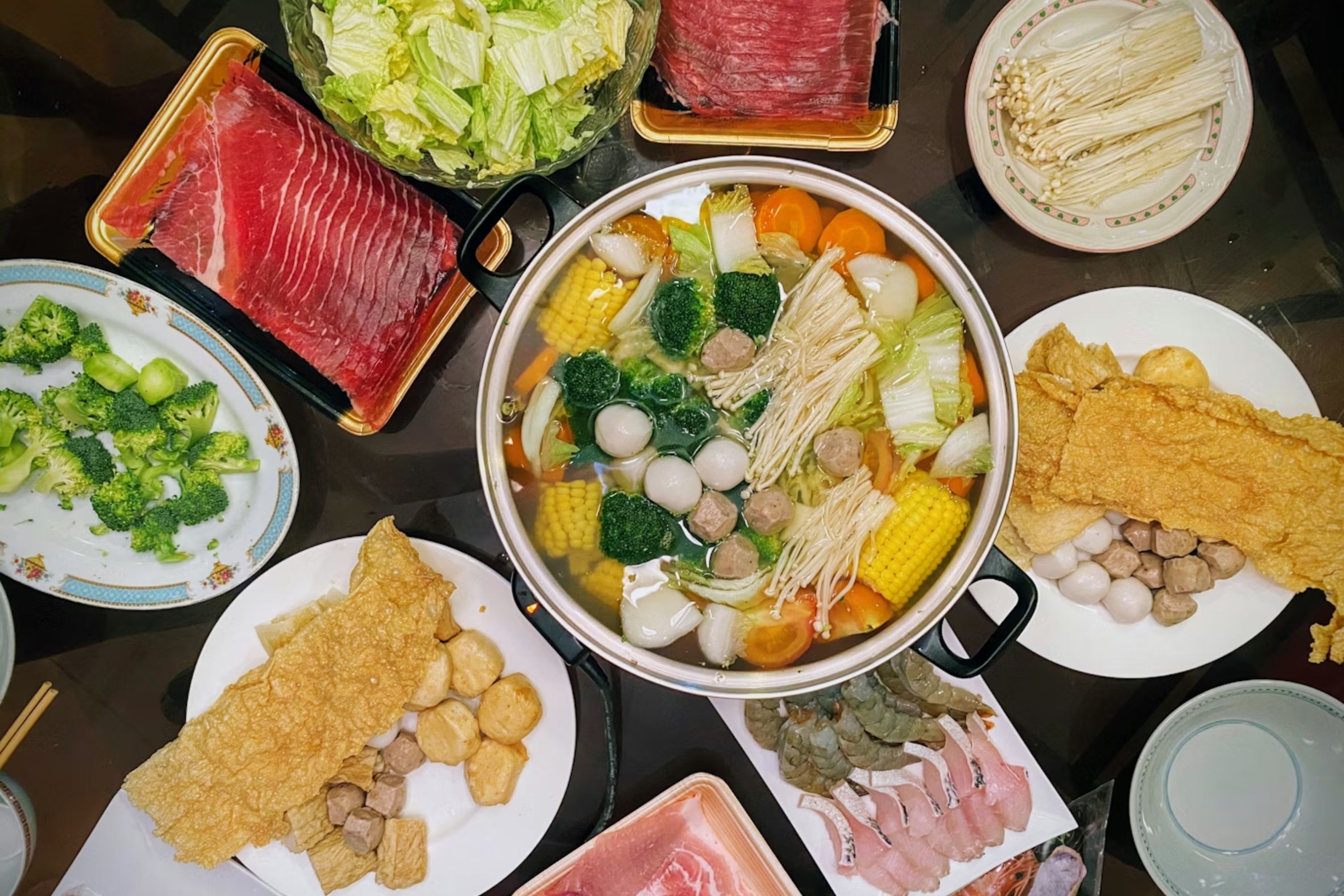
Shabu-shabu is basically hot pot, Japanese-style—you swish thin slices of meat in boiling broth, dip it in sauce, and eat it fresh and warm.
Shabu-Shabu: Thin meat swished in hot broth; excellent at Pontocho Idumoya restaurant in Kyoto.
Sukiyaki: Beef simmered in sweet soy sauce; best in Pontocho Alley, Kyoto.
Chanko Nabe: Hearty hot pot once eaten by sumo wrestlers.
Tonkatsu: Breaded fried pork cutlet with cabbage.
Unagi: Grilled eel served over rice; rich and smoky. Almost everywhere in Japan.
Wagyu steak: Ultra-marbled beef that melts in your mouth.
Curry rice: Mild Japanese curry with rice and cutlets; worth trying at least once. (Try to visit any curry restaurant.)
Bento box: Ready-to-eat meals for trains, found at station shops. Served hot and cold.
Sushi (duh!): Vinegared rice topped with fresh fish, best enjoyed at small neighborhood counters rather than fancy chains. For a casual experience, try Nagare Sushi Fuji Yoshida in Fuji for conveyor-belt sushi, or Tachi Sushi Yokocho near Shinjuku West Gate for a more local feel. Pro tip: Some sushi can taste quite strong or acidic, so sipping green tea or beer in between bites helps balance the flavors.
Ramen: Ramen is traditionally made with noodles and a rich broth, and what makes it special is how customizable it is—from noodle firmness to broth richness, meat choice, and spice level. Some of the best ramen shops keep the experience simple and focused, even making you eat in a quiet, single-seat setup so all the attention stays on the bowl. At places like Ichiran, you fill out a preference sheet, you sit at your own counter, and your ramen is served directly in front of you—no distractions, just really good food. Ichiran ramen might be popular on Instagram, but I would recommend Kyushu Jangara Ginza—this is the best! Ippudo Ramen is also famous. For good vegan ramen, go to Vegan Ramen UZU (Tokyo). And just to clear the confusion: Udon are thick wheat noodles served in a light broth, while soba are buckwheat noodles, often naturally gluten-free—different dishes, but just as loved.
Drinks
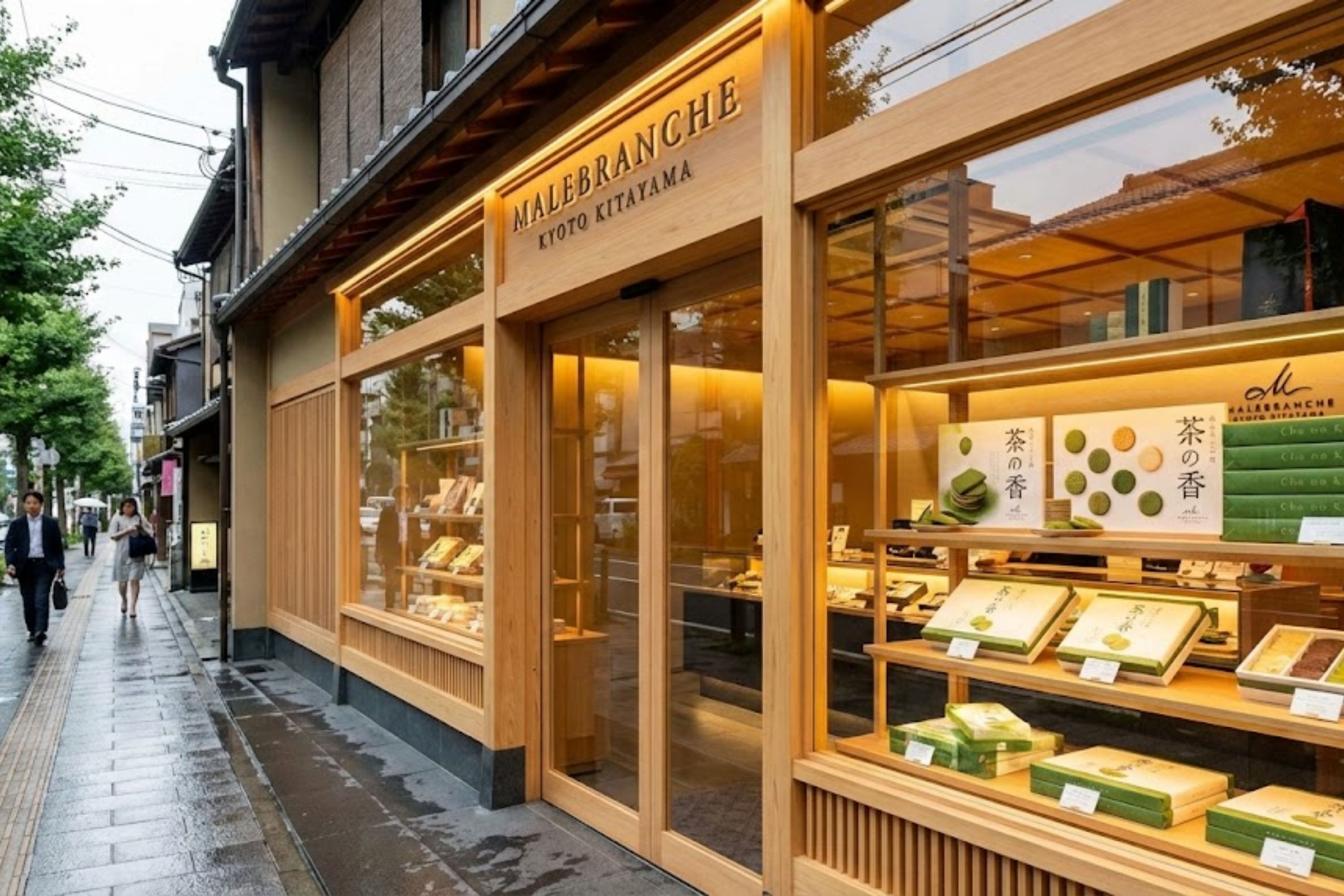
If you’re buying one edible souvenir from Japan, make it Malebranche—their matcha powder and cookies are next-level.
Matcha: Finely ground green tea powder, best from traditional tea shops. Recommended places: Le Labo Kyoto (yes, it’s a perfume store, but the Kyoto Machiya location also serves matcha drinks); Chaya Shizuku, Osaka (they even sell gluten-free matcha cake); Kumonocha near Kiyomizu Deru in Kyoto and in Arishiyama; and, of course, the world-famous Starbucks! But nothing beats a traditional Japanese store selling matcha. I recommend Malebranche Matcha, a premium Kyoto matcha shop, that's expensive but worth it. I got some matcha powder here to take home, and I was literally sad when it was gone.
Bubble tea: Gong cha is everywhere, but try the Taiwanese matcha shop on Ebisu Bashi Suji in Osaka. The cream cheese topping on top of the bubble tea is to die for.
Nihonshu (sake): Japanese rice wine served warm or chilled, depending on the style.
Sweets & desserts
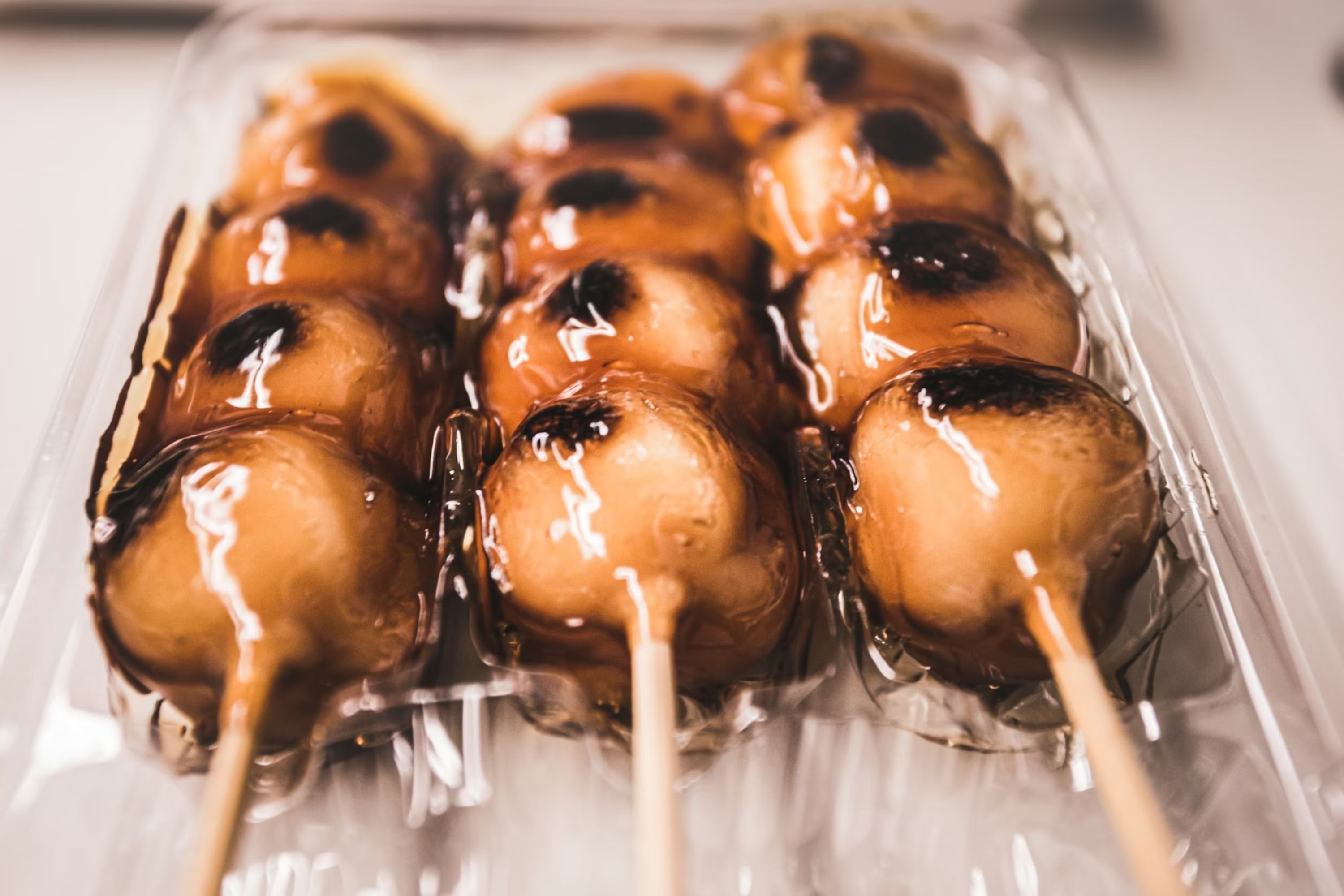
Soy-glazed dango
Strawberry Daifuku: Mochi with red bean paste and a whole strawberry, best at Nakamise Street (Tokyo) or Nishiki Market (Kyoto).
Dango: Classic Japanese dumplings made from rice flour. If you’ve ever seen the emoji 🍡, that is a specific type of naturally gluten-free dango! You can get soy-glazed ones or trio-flavored dango, which is my personal favorite.
Mochi: The soft, stretchy, and incredibly sticky superstar of Japanese rice treats. Available everywhere. Get the best one at Nishiki Market. Must try flavors: blueberry and brown sugar mochi.
Fluffy Japanese pancakes: Soufflé-style pancakes, best at Happy Pancake in Kyoto.
Japanese cheesecake (baked / rare): Light, airy cheesecake; Uncle Rikuro’s is famous, but Tokyo Milk Cheese Factory is better.
Matcha crepes: Thin crepes filled with matcha cream, common on shopping streets.
Crème brûlée (Japanese style): Lighter custard version, easy to find at konbini stores.
Coin cake: Small filled pancakes with cheese or brûlée centers, popular in Osaka.
Melon bread: Soft sweet bread with a crunchy top; best at the shop on Nakamise Street.
Need to know
Most food streets in Japan close early, usually by 5 pm, and a few stay open till 6 pm, so it’s best to plan your meals ahead.
In Tokyo, skip Omoide Yokocho (Memory Lane) if you’re looking for something authentic—it’s no longer a true izakaya experience. Instead, head to Monzen-Nakacho for local izakayas or the Yurakucho food stalls for a more genuine atmosphere.
In Kyoto, Nishiki Market is a food lover’s paradise, and Pontocho Alley is a narrow lane filled with excellent restaurants. The Gion geisha district becomes especially magical between 5 pm and 8 pm, when red lanterns light up the streets and you might even spot geiko and maiko on their way to appointments.
In Osaka, Ebisubashi-suji is a great area for street food, with dedicated seating spaces to enjoy your meal.
A quick tip! Japanese alcohol can hit harder than expected, so pace yourself.
Don’t underestimate konbini food—convenience store meals in Japan are surprisingly good and often better than many casual restaurants.
In Fuji, restaurants tend to close early as well, and many require advance reservations. If you choose to dine at your hotel, be prepared—it’s usually quite expensive.
Finally, don’t skip the fast food: McDonald’s and MOS Burger in Japan are famous for their unique menus and are absolutely worth trying.
For more inspiration and insider recommendations, visit our Japan page.


Travel Advisor
Raksna Anand

Raksna Anand

Get in touch with Raksna Anand
Did you like this guide? Reach out to customize and book your own experience. Or, just to chat about travel in general.