

Curator’s statement
I’m drawn to destinations that show how travel can be both unforgettable and ethical. Watching elephants roam freely, knowing they’re safe from exploitation, is a completely different kind of magic than the old model of rides and performances. Places like the Anantara Golden Triangle in Thailand, Atua Enkop in Kenya, and Wild Horizons in Zimbabwe prove that when tourism puts animal welfare and community benefit first, everyone benefits, humans and elephants alike.
The Fora Difference
Book with Jennifer Kaplan to access exclusive perks and experiences on your trip.

Killer perks
Free upgrades, spa credits and more—we got you

Personalized recs
Customized travel planning for your style

Insider knowledge
Expert advice from people who’ve actually been there
Where to stay
Unlock perks by contacting Jennifer Kaplan to book your trip.
When you picture your dream trip to Thailand, Cambodia, or Sri Lanka, you might imagine ancient temples, lush jungles, and encounters with elephants. But here’s the truth seasoned travelers are starting to embrace: The most magical elephant experiences don’t involve climbing onto their backs.
In fact, more than 50 major travel companies have made the decision to stop offering elephant rides or bathing in their itineraries. It’s a shift that reflects a growing awareness that these majestic animals deserve respect, not exploitation.
Why is this shift happening? In the wild, elephants roam miles each day, forage freely, and live in complex social groups. But in many tourist operations, elephants endure harsh conditions. Sadly, calves are taken from their mothers and subjected to “spirit-breaking” training; mahouts often carry bullhooks to ensure obedience; and many elephants are forced to work long hours, even when injured or exhausted. While knowing this is sobering, it also opens the door to something better: ethical, conservation-based encounters that are more authentic and enriching.
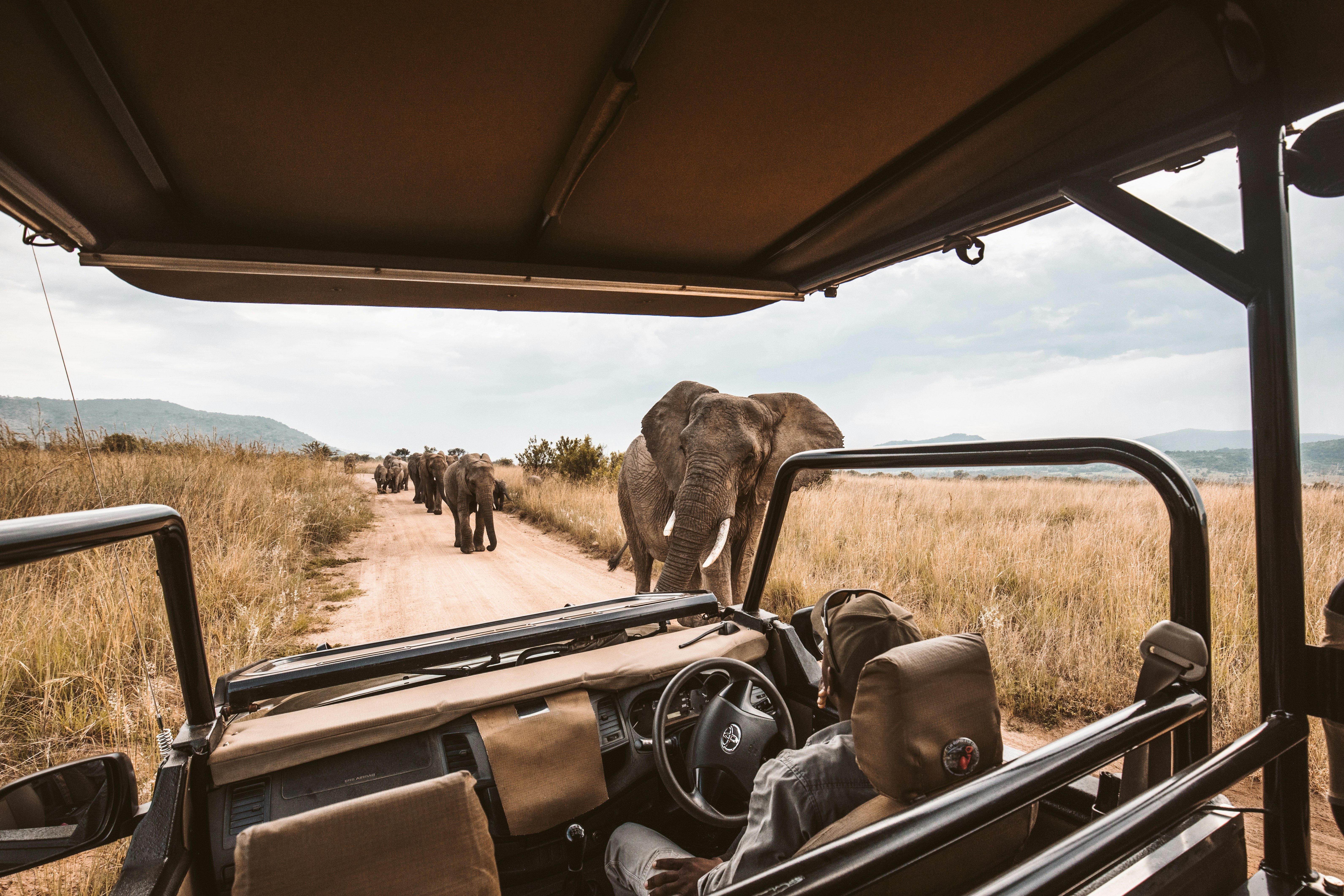
Photo by redcharlie on Unsplash
The fact that travel giants, from boutique tour operators to cruise lines, are stepping away from elephant rides signals a wider industry shift. As travelers, our choices can keep that momentum going. By seeking out ethical experiences, we not only protect elephants but also connect more deeply with the places we visit. After all, the most unforgettable travel moments don’t come from riding an elephant. The magic happens from observing a herd in their natural habitat; watching them splash in the river; and knowing your presence is helping, not harming.
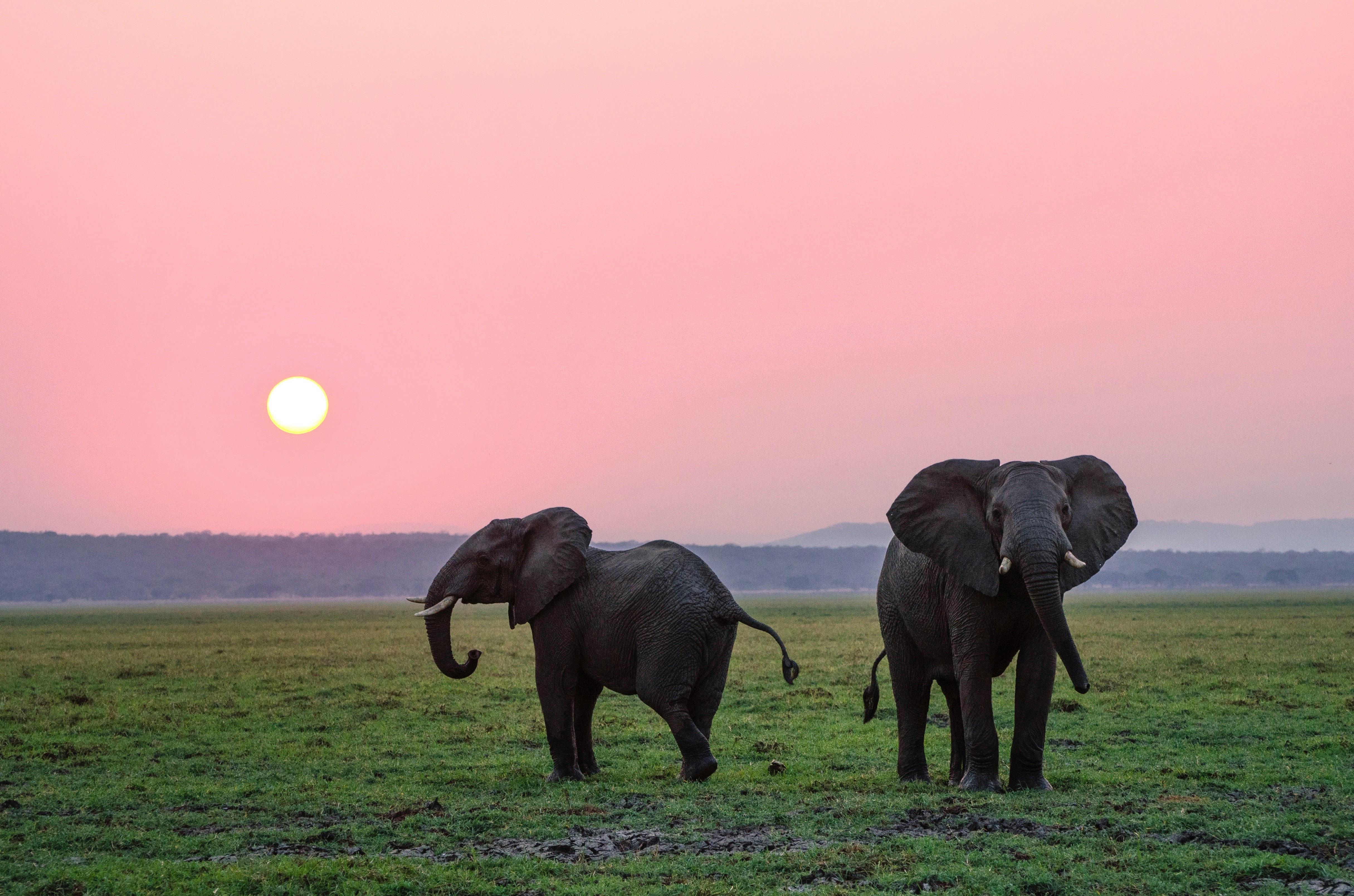
Photo by Mylon Ollila on Unsplash
Need to know
If elephants are on your bucket list, choose operators that:
Allow elephants to roam freely and express natural behaviors.
Offer observation-only experiences (no riding or bathing).
Demonstrate a clear commitment to conservation and community benefit.
When in doubt, do your research or consult lists from reputable animal welfare organizations.
For more inspiration and insider recommendations, visit our safari page.


Travel Advisor
Jennifer Kaplan

Jennifer Kaplan

Get in touch with Jennifer Kaplan
Did you like this guide? Reach out to customize and book your own experience. Or, just to chat about travel in general.