


Curator’s statement
You don’t have to travel far from Tokyo to discover unique and unforgettable experiences in Japan. There are plenty of amazing places that make for the perfect day trip from the city. While major destinations like Kyoto and Osaka are certainly appealing, a JR Rail Pass might not fit your budget—or you simply may not have enough time, especially if you’re only in Japan for a few days. Whether it’s your first visit or your third, these seven unforgettable day trips from Tokyo include a mix of iconic highlights and hidden gems—all easily doable in a single day. From historical towns to scenic escapes, there’s something here for every kind of traveler.
The Fora Difference
Book with Alyson Pritscher to access exclusive perks and experiences on your trip.

Killer perks
Free upgrades, spa credits and more—we got you

Personalized recs
Customized travel planning for your style

Insider knowledge
Expert advice from people who’ve actually been there
Where to stay
Unlock perks by contacting Alyson Pritscher to book your trip.
How to get around Japan: public transportation vs rental car
Public transportation: Japan’s trains and buses are famously punctual, clean, and convenient. For travelers based in Tokyo, using public transport means no worries about parking or navigation, and you can relax or enjoy the scenery during your trip. It’s also cost-effective, especially if you use regional passes or the Japan Rail Pass. However, public transport can sometimes require transfers and may have limited service late at night or on rural routes.
Rental car: Renting a car gives you maximum flexibility to explore at your own pace, especially in areas with fewer bus connections or when visiting multiple spots in one day. It’s ideal for travelers comfortable with driving on the left and navigating Japanese roads. On the downside, tolls, parking fees, and traffic can add up, and urban driving can be stressful if you’re unfamiliar with the area.
Choosing between these options depends on your travel style, itinerary, and comfort level. For most day trips from Tokyo, public transport is reliable and efficient, but a rental car can open up more remote or off-the-beaten-path experiences.
Kawaguchiko: Stunning Mt. Fuji views for nature lovers & photography enthusiasts
Mt. Fuji is a must-see for first-time and seasoned visitors alike. The good news is that you don’t need a long or complicated itinerary to enjoy it. Located around 2.5 hours from Tokyo, Kawaguchiko boasts unobstructed, iconic views of Mt. Fuji—what people imagine when they think of Japan. Paired with charming cultural experiences, lakeside beauty, and vivid seasonal highlights, this peaceful lake town rivals—and often outshines—more crowded and expensive destinations like Hakone. It’s a place that delivers, whether you’re traveling light or indulging in a luxurious escape.
After arriving at Kawaguchiko Station, you’ll find plenty of local buses that circle Lake Kawaguchi, making it easy to reach the area’s top sightseeing spots—each offering spectacular views. A great first stop is the Mt. Fuji Panoramic Ropeway, which whisks you up to Kawaguchiko Tenjoyama Park for one of the area’s best lookout points. From across the lake, many other parks also provide picture-perfect scenery year-round. Oishi Park bursts into bloom with moss phlox and field mustard in the spring, rows of lavender during the Kawaguchiko Herb Festival in the summer, and fiery kochia in mid- to late October—a lesser-known fall highlight in this area. Even winter rewards visitors with crisp skies and clear views of Fuji’s snow-capped peak.
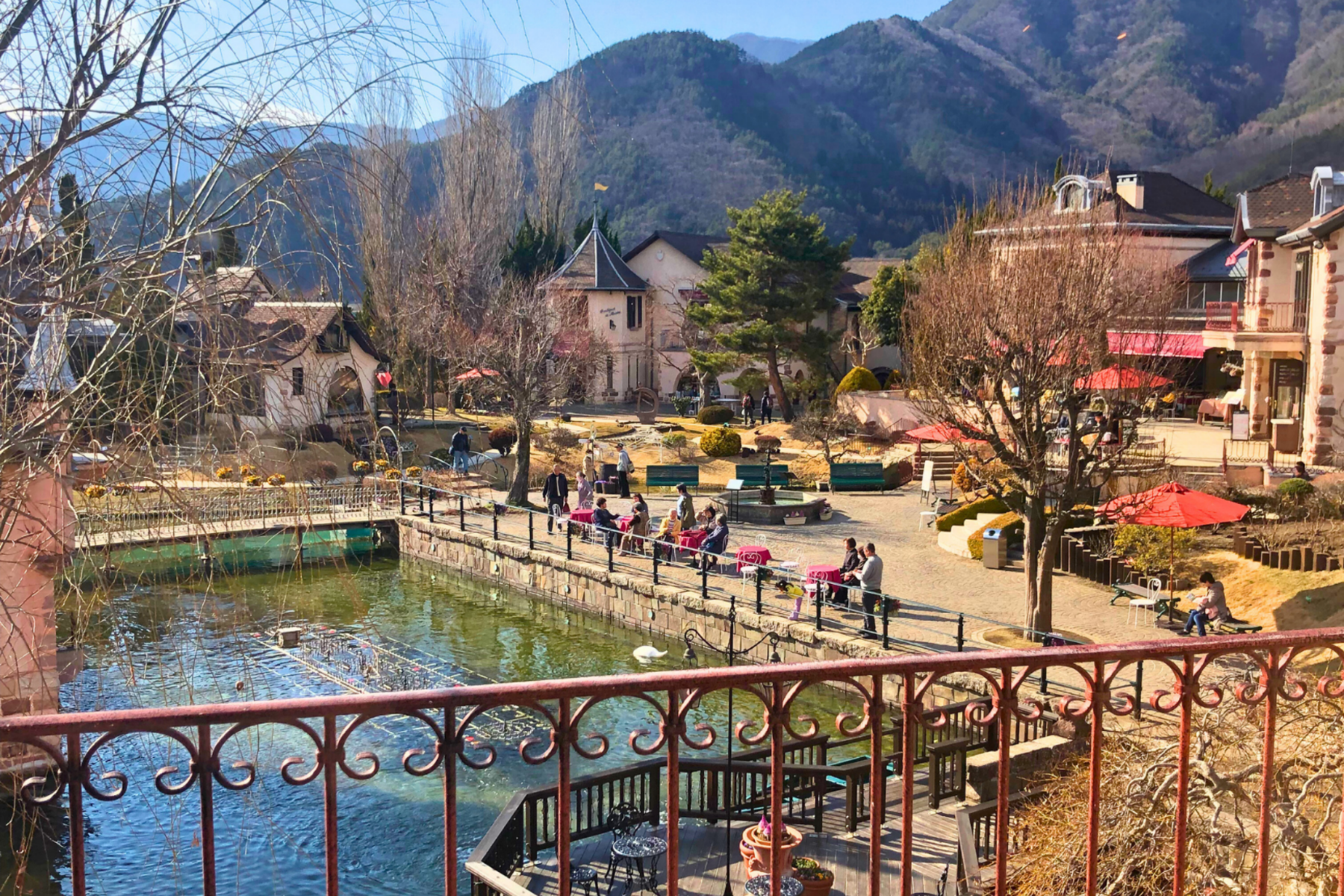
For a dose of culture and whimsy, visit a personal favorite of mine: the Kawaguchiko Music Forest Museum. This European-style theme park-meets-music-box-fantasy, nestled at the lake’s edge, creates an enchanting, immersive atmosphere. Art lovers will also appreciate the area’s rich selection of museums, including the Kubota Itchiku Art Museum, known for its breathtaking kimono exhibits, and the Kawaguchiko Museum of Art, which often features Mt. Fuji-inspired works. And be sure to check out the local food scene: Lavender soft serve and Fujisan jellies are just a couple of the region’s quirky, themed treats.
For those looking for a more adventurous day, Fuji-Q Highland—home to record-breaking roller coasters and one of the world’s scariest haunted houses—is a thrill seeker’s paradise. Nearby, you’ll also find the Fugaku wind cave, ice cave, and bat cave, all formed by past volcanic eruptions. Families and kids will love Oshino Shinobi no Sato, a ninja-themed park complete with costume rentals, traditional gardens, and skill training zones. Climbing trails and walking paths on Mt. Fuji and the surrounding mountains also offer a fun and active way to discover more panoramic views.
Whether you’re catching the first cherry blossoms or the golden light of fall, Kawaguchiko offers a quiet and intimate Fuji experience—without the guesswork or the crowds.
Yokohama: urban escape for foodies & waterfront wanderers
The second-largest city in Japan by population, Yokohama—located in Kanagawa Prefecture—is less than one hour from Tokyo Station by local train or Shinkansen. This vibrant, iconic port city is known for its local shopping, cultural museums, thriving food scene, and unique breweries. Here you’ll find Yokohama Chinatown, the largest Chinese neighborhood in Japan, and a major cultural hub with temples, shopping, and street food. Make time to visit Kanteibyo, a colorful Taoist temple dedicated to the god of good fortune, and sample handmade xiaolongbao, or sesame buns from long-standing local vendors.
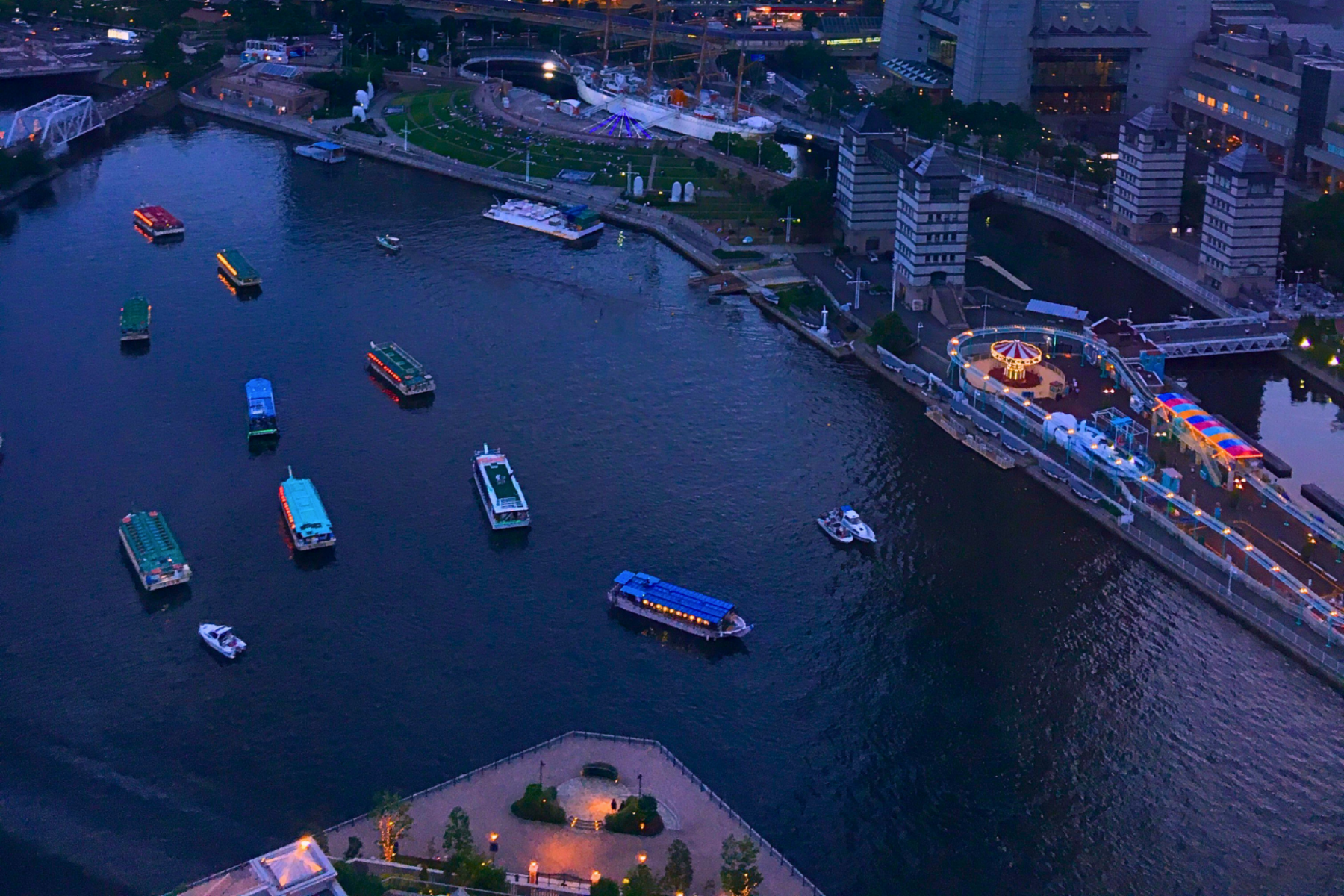
Just like Tokyo, Yokohama is very walkable, and there are plenty of trains and buses to get you across town. The majority of attractions are located at the bayside Minato Mirai, which makes for a beautiful stroll along the water at any time of the day or night. Here, you’ll come across the Yokohama Landmark Tower Sky Garden, an observation deck overlooking Tokyo Bay, and the Yokohama Red Brick Warehouse, which hosts artisan shops, popular restaurants, and cultural events. You can also ride the Yokohama Air Cabin, a ropeway that offers both convenient transport and a scenic view.
Minato Mirai is home to the famous Cosmo Clock 21, which was once the world’s largest Ferris wheel. As part of Yokohama Cosmo World, you’ll find thrill rides, carnival games, and family-friendly attractions spread across three themed zones. The park is free to enter and explore at your own pace—you only pay for the attractions you choose to ride or play. This makes it a great stop for both casual visitors and amusement park enthusiasts alike. If you’re traveling with kids, there’s also an indoor zone geared toward younger children with age-appropriate rides and arcade-style games, while couples often enjoy the nighttime views from the Ferris wheel’s glass cabins.
Right next door is the Cup Noodles Museum, where you can learn all about the history of this iconic dorm room snack. With interactive exhibits, a play area for kids, and a design-your-own cup noodle workshop, there’s fun for the whole family. Upstairs, the Noodles Bazaar food court provides global noodle dishes inspired by the travels of Cup Noodles’ inventor, making it a unique dining stop as well. Other nearby museums include the Shin-Yokohama Ramen Museum, Yokohama Museum of Art, and the Yokohama Port Museum.
You could easily spend a week exploring Yokohama, but even a single day is enough to get a taste of this dynamic and memorable city.
Sawara: historic small-town charm for culture seekers & heritage travelers
If you’re craving small-town charm with rich cultural roots, Sawara offers a step back in time just an hour and a half from Tokyo. The picturesque town of Sawara, often dubbed “Little Edo” for its well-preserved Edo-period architecture and canals, is part of Katori City in Chiba Prefecture. While it’s a popular spot for Japanese tourists, I visited on a quiet day and felt like the only person in the whole town, which was both really neat and a little spooky.
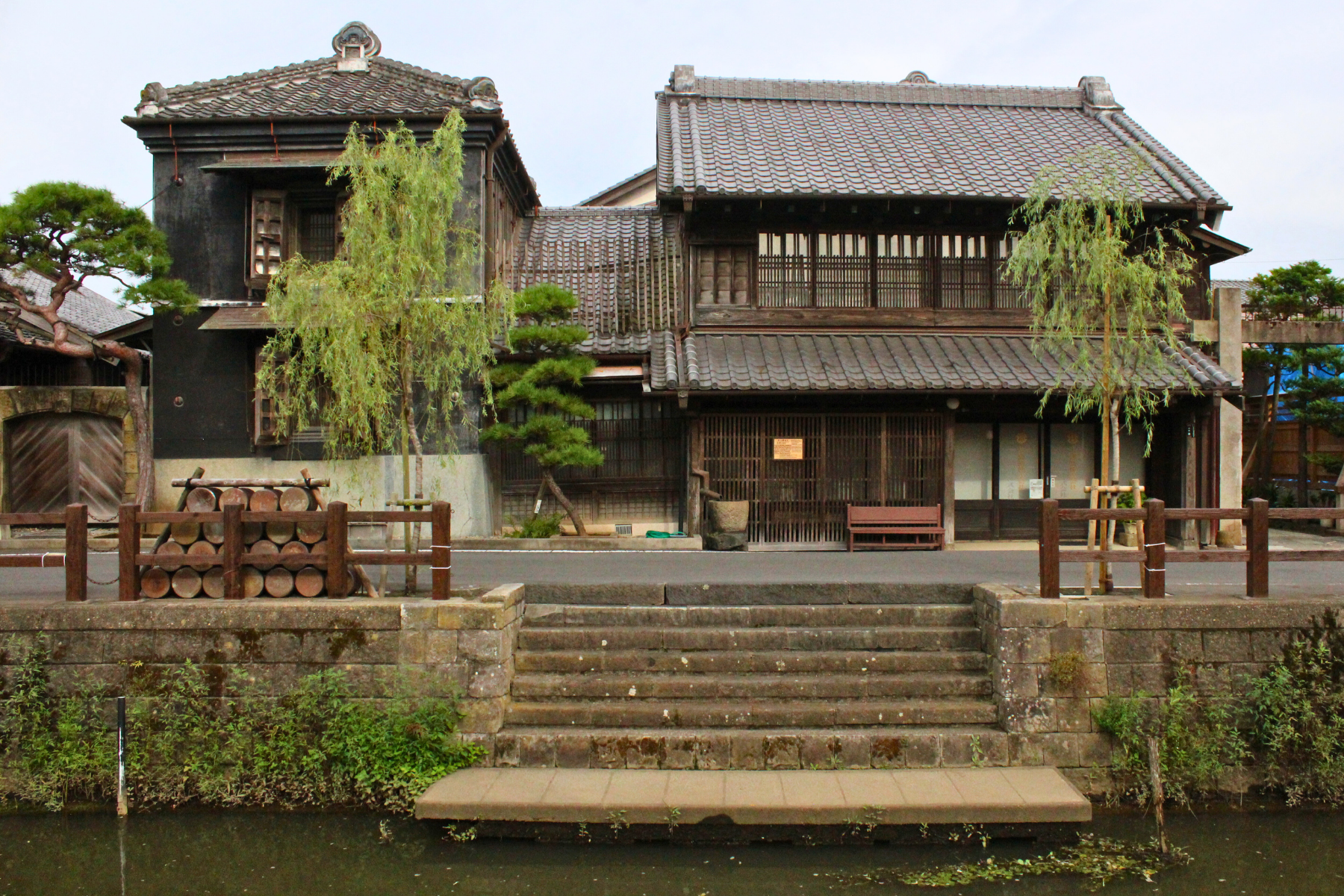
Beautiful traditional merchant houses and stone bridges line the streets along the canal, inviting leisurely strolls and snack breaks from local vendors. You can also take a guided boat ride down the canal, but watch your guide at the bridges—they’ll hop off the boat and rejoin you on the other side once the bridge has passed. For a floral experience, head to the Suigo Sawara Aquatic Botanical Garden, where you can enjoy another scenic boat ride. It’s a great alternative to Tokyo during hanami (flower-viewing) season, especially when the winding paths are covered in wisteria and the blooming irises and lotuses are on full display.
In July and October, Sawara comes alive with the Sawara Grand Festival, a vibrant, three-day celebration recognized as one of the Kanto region’s top three float festivals and designated as UNESCO Intangible Cultural Heritage. Held in honor of local deities, the event features towering floats adorned with mechanical dolls that parade through the Edo-era streets. Highlights include the dramatic spinning of floats at intersections, accompanied by traditional music and dance performances. The festival atmosphere is electric, with lantern-lit processions, locals in yukata, and a stunning backdrop of historic canals.
Also worth visiting is Katori Jingu Shrine, one of the oldest and most important Shinto shrines in Japan, with over 2,600 years of spiritual significance. It enshrines Futsunushi no Ōkami, a powerful deity associated with war, protection, and military strategy, long revered by the imperial court and samurai. Closely tied to traditional martial arts—especially Katori Shintō-ryū—the shrine played a central role in early Japanese mythology. Its tranquil forest setting, historic architecture, and deep cultural roots make it a must-visit for anyone interested in Japan’s spiritual or martial heritage.
Time your visit just right to join the festivities—or enjoy the peaceful streets and canals all to yourself.
Hitachi Seaside Park: jaw-dropping flower fields & outdoor adventures for all ages
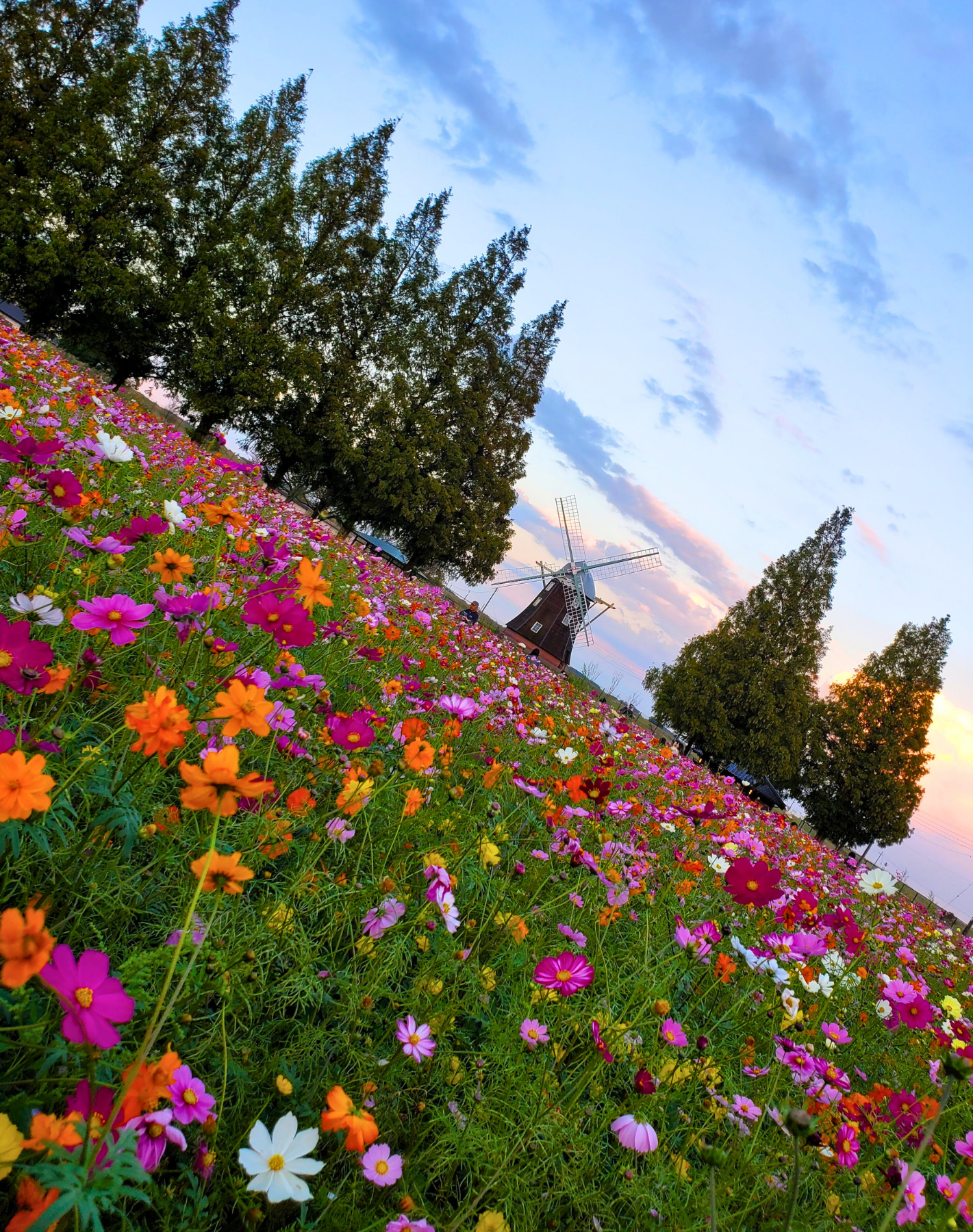
Just two hours from Tokyo Station, Hitachi Seaside Park in Ibaraki Prefecture is a favorite among Japanese travelers, especially during hanami season, when the park’s sprawling flower fields burst into color. While it’s hard to completely avoid the crowds, the park is open year-round and delivers stunning seasonal landscapes that make every visit worthwhile. In spring, the hillside is blanketed with over five million nemophila—also called “baby blue eyes”—creating a sea of delicate blue that meets the horizon. Nearby, tulip gardens bloom in vibrant rows, and in late April, you can also catch rapeseed blossoms and poppies, adding bursts of yellow and orange to the scenery.
In the summer, the park transforms again, with zinnias, sunflowers, and lush green kochia bushes covering the hills. The park also features expansive rose gardens with hundreds of varieties, peony and narcissus collections, and small pockets of seasonal wildflowers tucked throughout the grounds. By mid-October, these kochia turn a brilliant crimson, making autumn one of the most photogenic times to visit. Even winter offers its own charms, with frost-tipped landscapes and clear skies that stretch over the Pacific Ocean.
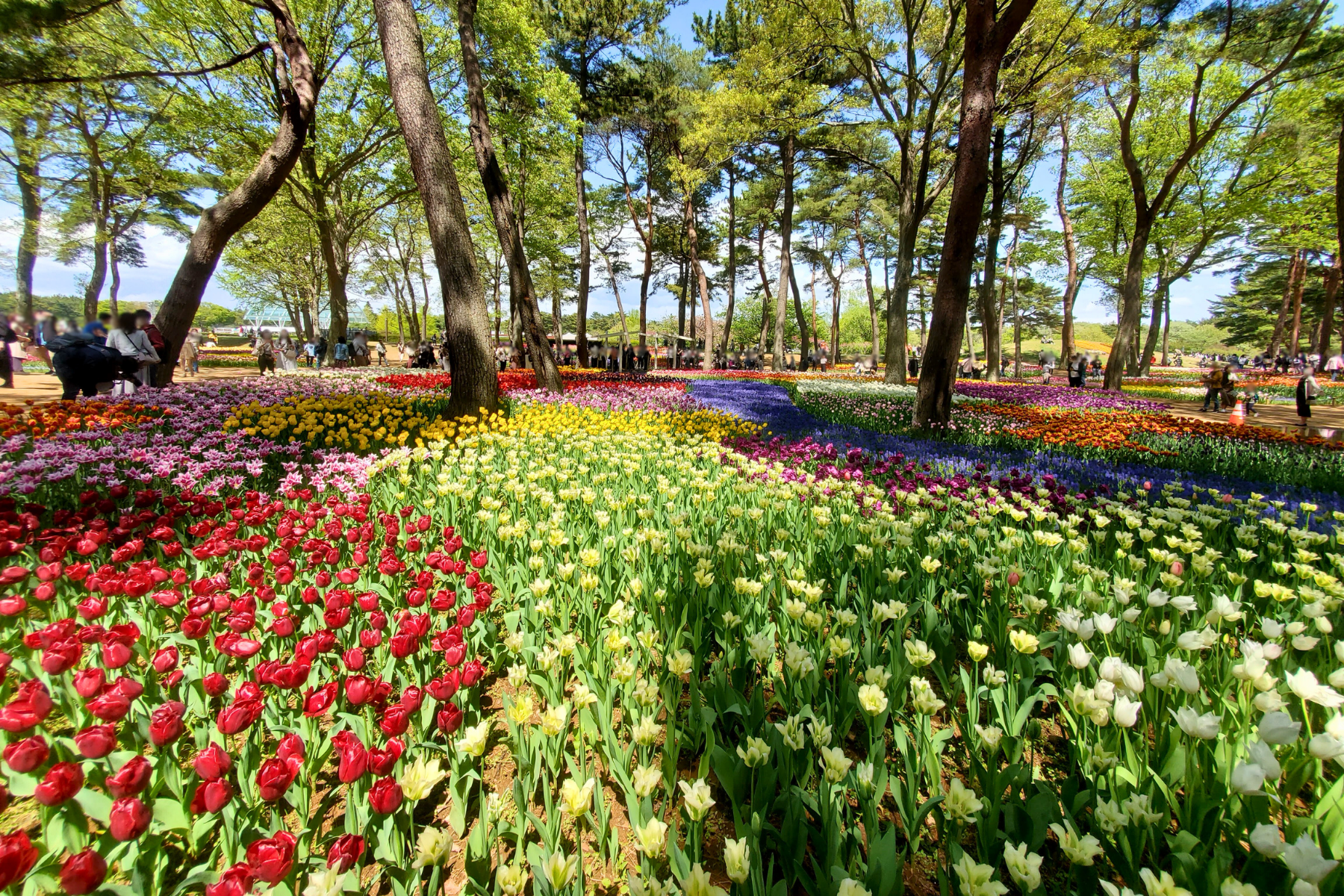
Aside from the gardens, there’s plenty to explore for all ages. Families will love the Pleasure Garden amusement area, complete with water works and a Ferris wheel, BMX course, and giant trampoline. There are also playgrounds, cycling paths, rental bikes, and wide lawns perfect for picnics or frisbee. Food lovers should try the park’s themed “Blue Curry,” inspired by the nemophila fields, or seasonal treats tied to the flowers in bloom—like kochia-flavored ice cream in autumn. Food vendors also sell regional specialties such as freshly baked melon bread and sweet potato snacks, perfect for refueling between walks.
The park also hosts a variety of events throughout the year, from outdoor concerts on its main stage to seasonal flower festivals and family-friendly workshops. On some weekends, visitors can enjoy guided flower tours and hands-on crafts. During peak flower seasons, you can catch festivals like the Ibaraki City Greening Festival in late April, the Spring Rose Concerts in late May, and the LuckyFes music festival in mid-July for a variety of live music performances, local craft markets, and food stalls that create a lively festival atmosphere.
From flowers to festivals, the park stays lively year-round, making it an easy add-on to any Tokyo itinerary.
Chiba City: modern coastlines, local cityscapes & botanical treasures for urban explorers & shopping fans
Just 40 minutes from Tokyo Station, Chiba City in Chiba Prefecture is a perfect day-trip destination blending bayside leisure, modern shopping, and a surprising dose of greenery. Start your visit at the Chiba City Museum of Flower Art, where indoor and outdoor exhibits change with the seasons. Inside, the large, dome-shaped greenhouse transports you into a tropical wonderland with heaps of sunlight during the day and colorful illuminations at night. The rose gardens are an outdoor highlight, with hundreds of blooms filling the air with fragrance from late spring to early summer. The surrounding landscaped grounds are curated carefully to make for a relaxing stroll any time of year.
For a modern coastal experience, take a short ride to Makuhari, Chiba’s sleek seaside district. Here you’ll find Makuhari Messe, Japan’s second-largest convention center, hosting everything from anime expos to international concerts. Even without an event, the area is worth exploring. Makuhari Seaside Park offers open lawns and boardwalk views of Tokyo Bay, while ZOZO Marine Stadium, home of the Chiba Lotte Marines, delivers a lively Japanese baseball experience. If shopping is on the agenda, the sprawling Aeon Mall Makuhari New City has hundreds of stores, a massive food court, and entertainment zones perfect for families, couples, and solo travelers alike. On sunny days, the open-air Mitsui Outlet Park invites you to stroll through a wide range of international brands and beloved Japanese favorites, all just minutes from the Makuhari waterfront.
Head toward the Chiba Port Area for a completely different view. The Chiba Port Tower observation deck features panoramic sights of Tokyo Bay—on clear days, you can even spot Mt. Fuji in the distance. Down at the port, you’ll find bayside shopping and dining options, plus the nearby Chiba Port Park or Inage Seaside Park for a quiet waterfront walk. The city’s unique monorail system, the world’s longest suspended monorail, connects you from the port area to central Chiba’s shopping hubs, parks, and even the Chiba Zoological Park in under 30 minutes, all while providing a bird’s-eye view of the city.
One stop along the way, Chiba Station is more than a transit hub—it’s a hotspot for niche hobby shops, especially for trading card enthusiasts. The station area also boasts an extensive network of underground shopping arcades and plenty of casual dining options, from ramen counters to cozy cafés. For a touch of culture, the Chiba Shrine, dedicated to the Shinto deity of protection, offers a peaceful break from the city bustle, while the Chiba City Museum of Art features an eclectic mix of Japanese and Western works in a beautifully restored building.
Whether you’re here for the gardens, the seaside skyline, or the shopping, this Chiba day trip packs more variety than most visitors expect—and it’s close enough to explore at a relaxed pace in a single day.
Mt. Tsukuba: relaxed hiking trails & spiritual sights for casual adventurers & nature walkers
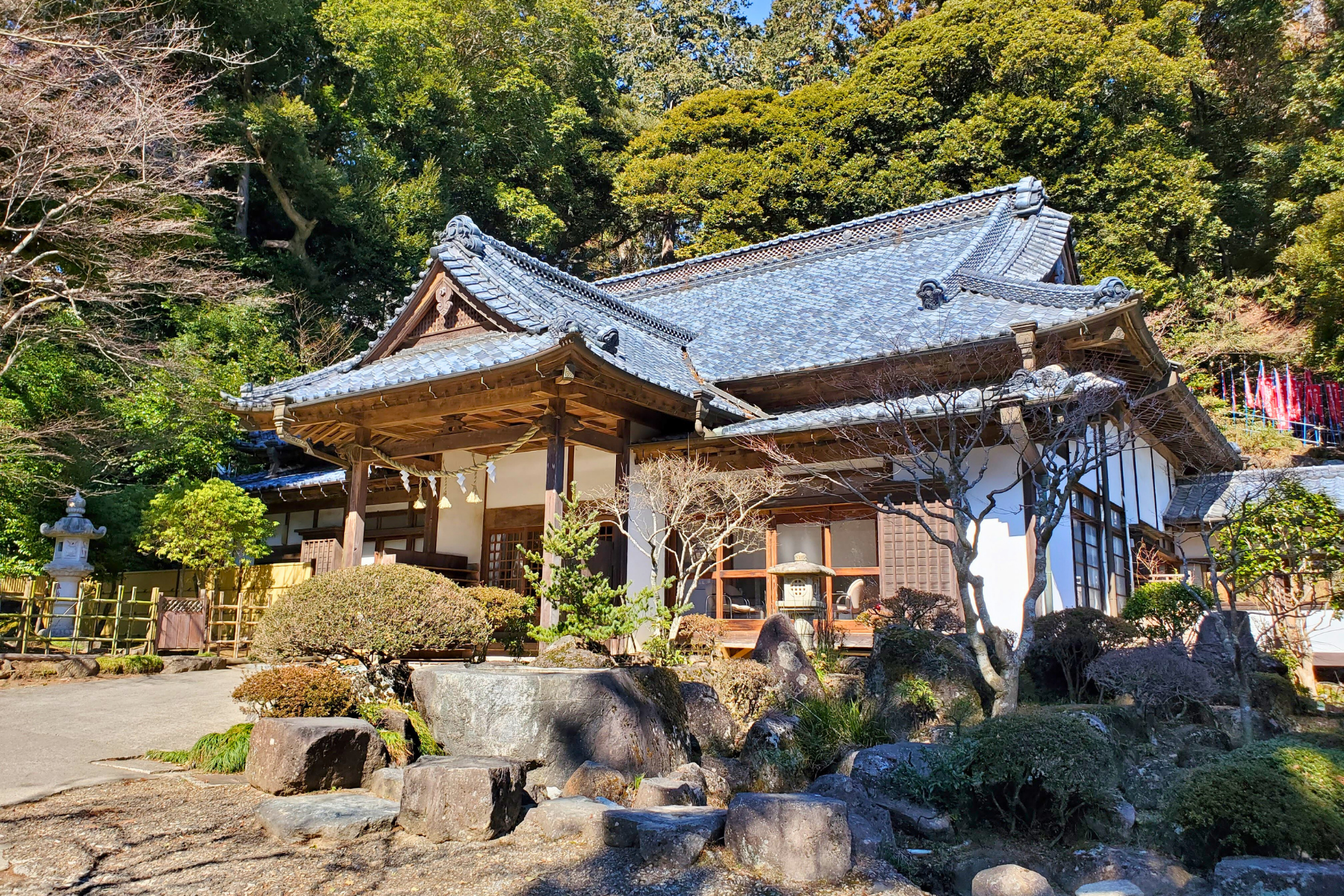
A true hidden gem, Mt. Tsukuba is a local hot spot for casual hiking and nature views, only two hours from Tokyo. Dubbed the “Purple Peak” for its gorgeous violet glow at dawn and dusk, this mountain and its surrounding town offer a truly authentic Japanese experience. Known in classical poetry as the counterpart to Mt. Fuji—“Tsukuba of the east, Fuji of the west”—this mountain is perfect for a relaxed hike or nature-filled adventure, and unlike Mt. Fuji, it remains open year-round. Before ascending, explore the collection of shrines at the base of the mountain, including the largest, Tsukubasan Shrine, which celebrates over 3,000 years of history and is known for blessings related to matchmaking, pregnancy, and family protection. Visitors can also stroll the peaceful grounds and receive an omikuji (fortune slip) to see what luck awaits them.
There are several ways to reach the twin peaks of Mt. Nantai and Mt. Nyotai. The main hiking trail is accessible for both amateur and seasoned hikers, with scenic resting points along the way. Alternatively, take the cable car up to Koma View Terrace on Mt. Nyotai, walk the connecting trail between the peaks, and ride the ropeway down from Mt. Nantai. Along this roughly 30-minute ridge walk, you’ll encounter shrines, scenic lookouts, and small shops selling snacks, soba, and souvenirs.
One unique stop is the beloved Frog Rock, a stone formation resembling an open-mouthed frog. Locals and tourists alike try to toss stones into its mouth for good luck—often linked to financial success. The mountain is now famously associated with frogs: you’ll find handmade frog figures and plushies at gift shops all around town. A traditional ointment called “toad oil” (gama no abura), said to be made from the sweat of a toad native to the region, is another quirky and cherished local product.
While you can visit Mt. Tsukuba any time of year, I found the Plum Blossom Festival from mid-February through mid-March to be especially scenic. A peaceful alternative to the crowded cherry blossom season, it features soft, fragrant blooms and a gentle uphill walk through the Japanese Plum Forest—ideal for those who want a taste of the mountain without a full climb. Summer also brings its own charm. In August, join a traditional Japanese summer festival and cool off with ice cream made from local unpasteurized milk, Tsukuba blackberries, or oranges. If you get hungry before or after your hike, Tsukuba udon is a must. And you can’t miss the regional soy sauce–flavored rice crackers (shoyu senbei), sweet potato snacks, and homemade spices sold at souvenir stalls.
It’s a mountain of many moods—spiritual, scenic, and just a little quirky—perfect for travelers looking to slow down and soak up something truly authentic.
Tokyo German village: Dazzling winter lights & festive fun for families & experience seekers
Located in Sodegaura, Chiba Prefecture—about 90 minutes from Tokyo by train and bus or just over an hour by car—Tokyo German Village blends European charm with Japanese seasonal beauty. Despite its name, it’s more of a sprawling theme park meets botanical garden than a traditional German town, with wide-open lawns, vibrant flower fields, and attractions for all ages. You can explore entirely on foot or drive between scenic zones, making it easy to enjoy the park at your own pace. While public transport is available, a rental car provides greater flexibility and makes it easy to pair the park with other southern Chiba attractions.
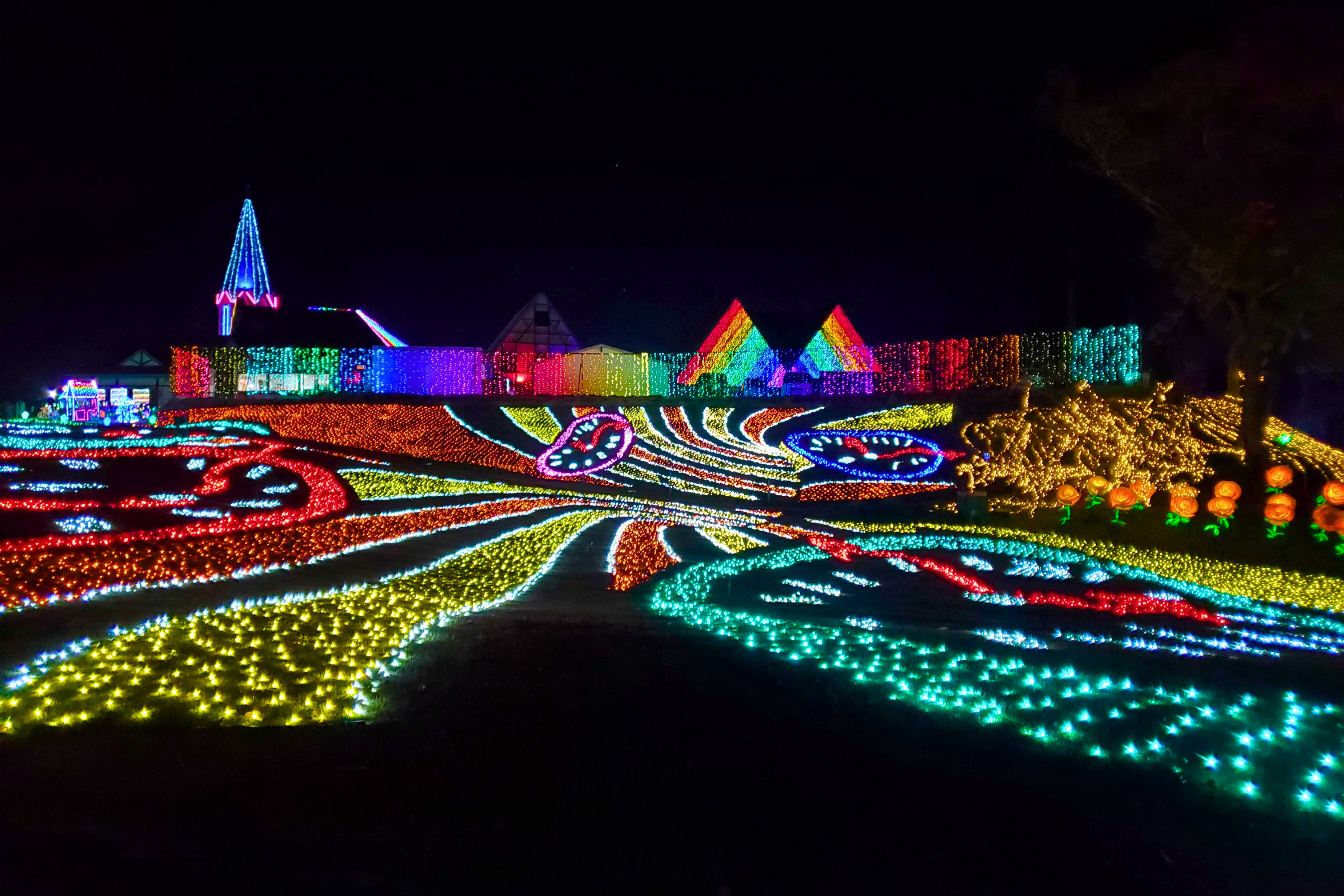
The park’s most famous attraction is its Winter Illumination, which transforms the grounds into one of the largest light displays in Japan. From late fall to early spring, millions of LED lights transform the hills, flower beds, and park structures into glowing works of art. Highlights include glittering light tunnels, animated displays, and themed installations set to music. The illuminations can be experienced both on foot and via a “drive-through” course, creating a unique and magical evening for couples, families, and photographers. This event is so popular that it regularly attracts visitors from across the Kanto region, making it a must-see for winter travelers.
Outside the illumination season, Tokyo German Village is just as photogenic. Visitors can stroll through fields of tulips, roses, and poppies in spring, while summer brings lush green lawns and bright sunflowers. In autumn, the red kochia bushes and colorful foliage create stunning panoramas. The park also offers themed gardens, miniature golf, and a small amusement area, making it ideal for both relaxed strolls and lighthearted family fun.
Seasonal flower festivals, outdoor concerts, and occasional cultural events take place on the park’s large event stage, adding extra entertainment throughout the year. Dining ranges from casual cafés to European-inspired restaurants, including a beer hall serving schnitzel and German beer. Souvenir seekers can browse handcrafted goods, while food lovers can sample German imports, fresh Chiba produce, and park-exclusive baked treats at the marketplace.
With its seasonal beauty, family-friendly activities, and dazzling illuminations, Tokyo German Village is a year-round destination that brings a touch of Europe to the Chiba countryside.
Need to know
Whether you’re after the energy of a bustling port city, the serenity of lakeside Fuji views, or the charm of a local mountain shrine, these seven-day trips offer something for every kind of traveler. Each destination is easily reachable from Tokyo Station, making them simple to fit into almost any Japan itinerary. While all these stops are great as day trips, you can easily turn any of them into an overnight getaway from the city. The hotels listed provide extra options if you’d like to spend more time exploring at a slower pace. Travel times may vary depending on where you’re staying in Tokyo and how you want to travel, so a bit of personalized planning can help you make the most of your time in Japan while checking these unforgettable spots off your travel list.
For more inspiration and insider recommendations, visit our Tokyo page.


Travel Advisor
Alyson Pritscher

Alyson Pritscher

Get in touch with Alyson Pritscher
Did you like this guide? Reach out to customize and book your own experience. Or, just to chat about travel in general.