
Curator’s statement
Senegal has a lot to offer, and each region feels different. Your experience will be totally unique depending on where you are. That’s one of the things I love most about traveling there. Over time, I’ve gotten to know the country bit by bit, and the more I see, the more I appreciate how varied it is. This guide is a quick look at the regions I know and love the best to help you design your trip.
The Fora Difference
Book with Elizabeth Jones to access exclusive perks and experiences on your trip.

Killer perks
Free upgrades, spa credits and more—we got you

Personalized recs
Customized travel planning for your style

Insider knowledge
Expert advice from people who’ve actually been there
Where to stay in Senegal
Unlock perks by contacting Elizabeth Jones to book your trip.
Dakar
Dakar is where most people start, and it’s always worth a few days. There’s a lot to see—Gorée Island, the African Renaissance Monument, Mosque Divinity, Ngor Island—but I’m especially drawn to the art and design scene. HOOP Gallery and Loman Art House are two spots I love. Loman Art is also a guesthouse and hosts events like cooking classes, DJ nights, and Pilates. I stayed there on my last trip and loved connecting with locals and the vibe.
Dakar also has a big surf scene—I usually recommend Copacabana Surf Village, which is locally run and also focuses on environmental work. Dakar can feel modern one minute and really traditional the next. That contrast is part of what makes it so special.
Saint-Louis
Saint-Louis is a small city in the north, right near the Mauritanian border. It’s known for its colonial buildings, music, and slower pace. You can see most of the city by foot or by horse and carriage, which is still a common way to get around.
If you're into music, the Saint-Louis Jazz Festival in May is one of the biggest in West Africa. There’s music everywhere during the festival—in the streets, in bars, in people’s homes. Outside of festival season, I always recommend Ndar Ndar Music Café. It’s a quaint café with live music and a guesthouse upstairs.
There’s also L’Archipel de Musées, which is a series of exhibitions around the city. You can walk or bike between them, and each one shows a different side of Saint-Louis—from photography to historical archives.
Saint-Louis also pairs well with a night or two in the Lompoul Desert, which is about two hours away. It’s a small, quiet desert where you can stay in tents, ride camels at sunset, and stargaze—very peaceful.
And if you’re into birdwatching, Djoudj Bird Sanctuary is close by. Between November and April, it fills up with flamingos, pelicans, and much more.
Petite Côte
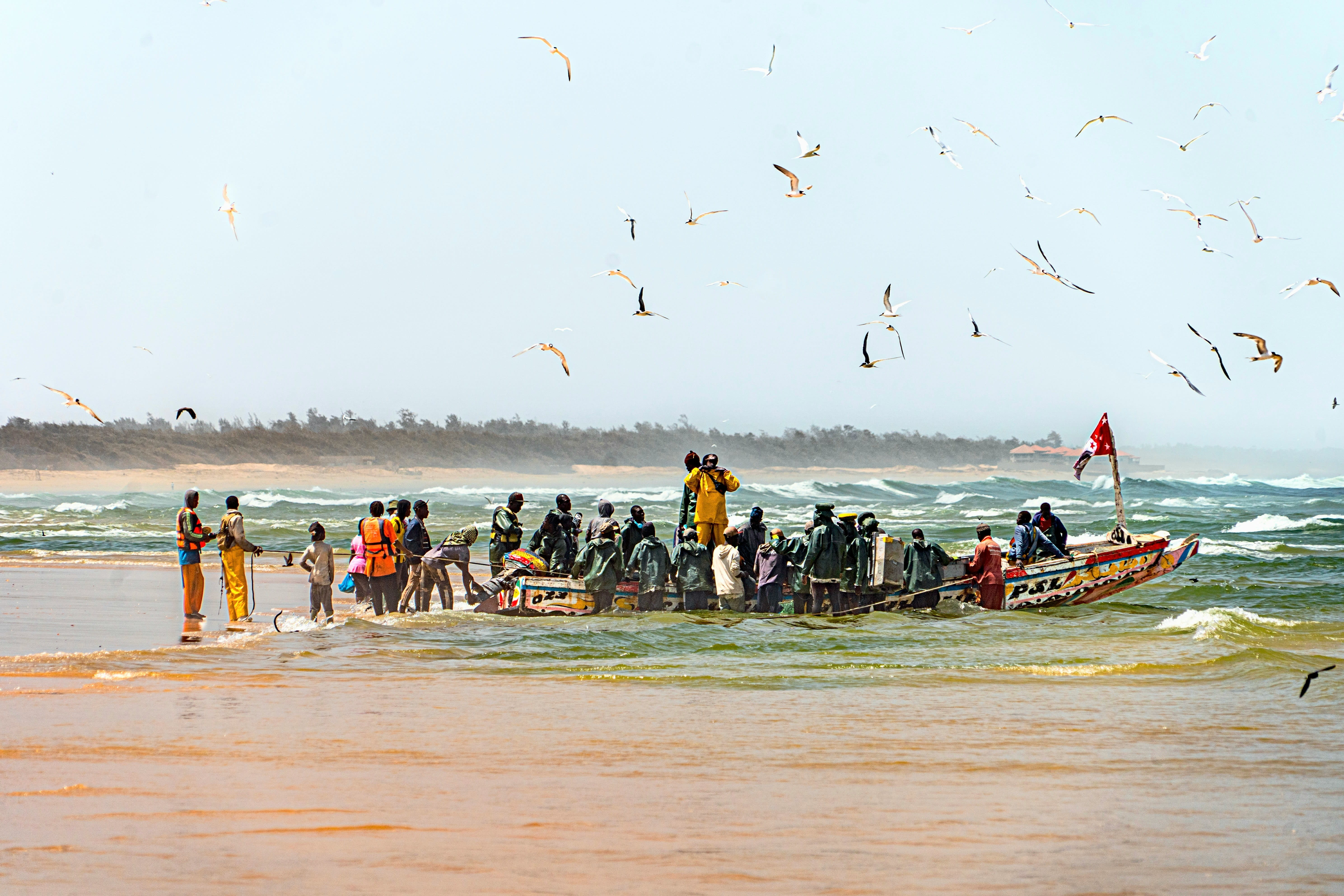
South of Dakar, the Petite Côte is where you’ll find beach towns like Saly, Somone, Popenguine, and Toubab Dialaw. This is the part of Senegal I recommend if you just want to slow down for a few days. Somone is great for boat rides on the lagoon and birdwatching—and while you’re there, don’t miss the fresh seafood at Chez Rasta in Somone Laho. Toubab Dialaw has more of a local arts scene, with dance and music workshops and small beach guesthouses. For a wildlife-focused day trip, Bandia Reserve is just inland and easy to reach. It’s a great area for a relaxed stretch by the ocean without needing to travel far from Dakar.
Sine-Saloum Delta (Toubacouta & Palmarin)
This UNESCO-listed region is quiet and peaceful, made up mostly of mangroves, winding waterways, and small fishing villages. It’s one of my favorite places in Senegal—especially for travelers who want nature, slower travel, and more local interaction.
In Toubacouta, you can stay in beautiful and unique hotels. My favorite is Les Palétuviers Boutique Hotel, which has a unique bird's nest lookout. Exploring the delta by boat and including a visit to Sipo village offers the chance to meet members of a remote island community and learn more about traditional ways of life. Nearby, the Fathala Reserve offers a unique experience, including the opportunity to walk with lions in a controlled and conservation-focused setting.
Palmarin, further west along the coast, blends ocean views with salt flats and quiet fishing and farming villages. You can visit the salt wells and take guided excursions to nearby communities like Dionewar and Falia to see how locals live and work.
Casamance
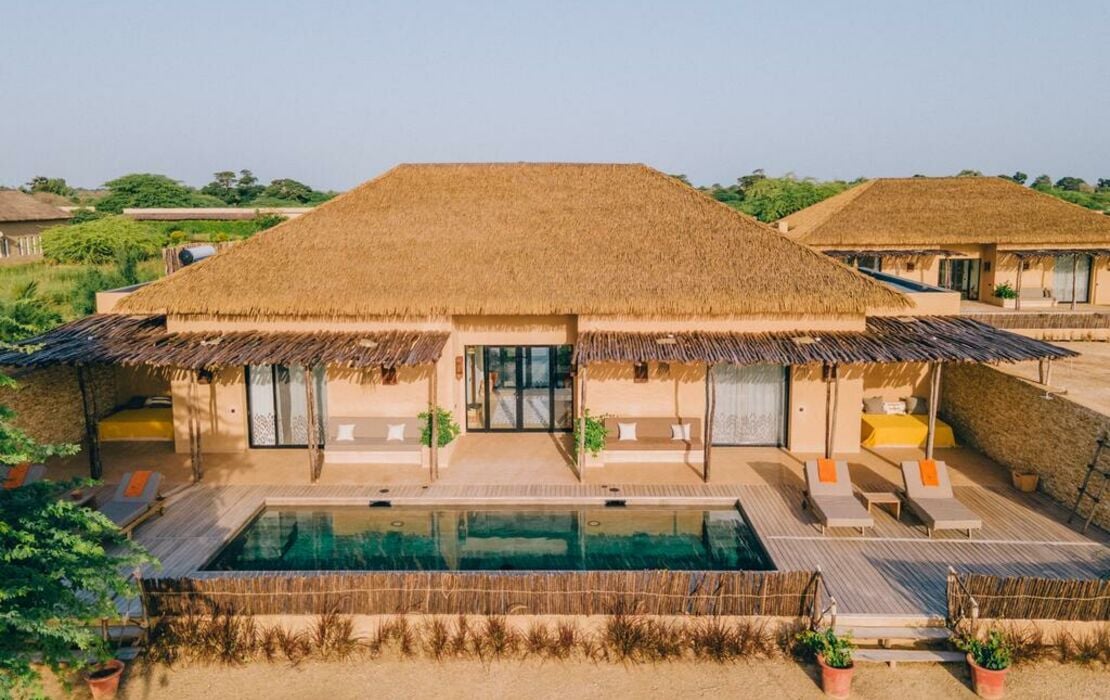
Casamance is in the south and has a completely different feel. It’s more tropical and green, with wide rivers and palm-lined roads. It’s a bit harder to get to—usually a flight or an overnight ferry—but if you want beach time without crowds and a different cultural perspective, it’s worth it.
The Diola culture is strong here, and people live in villages that still follow traditional customs. Ziguinchor and Cap Skirring are the main hubs, but I’d also suggest looking into smaller villages depending on your travel style.
Kédougou
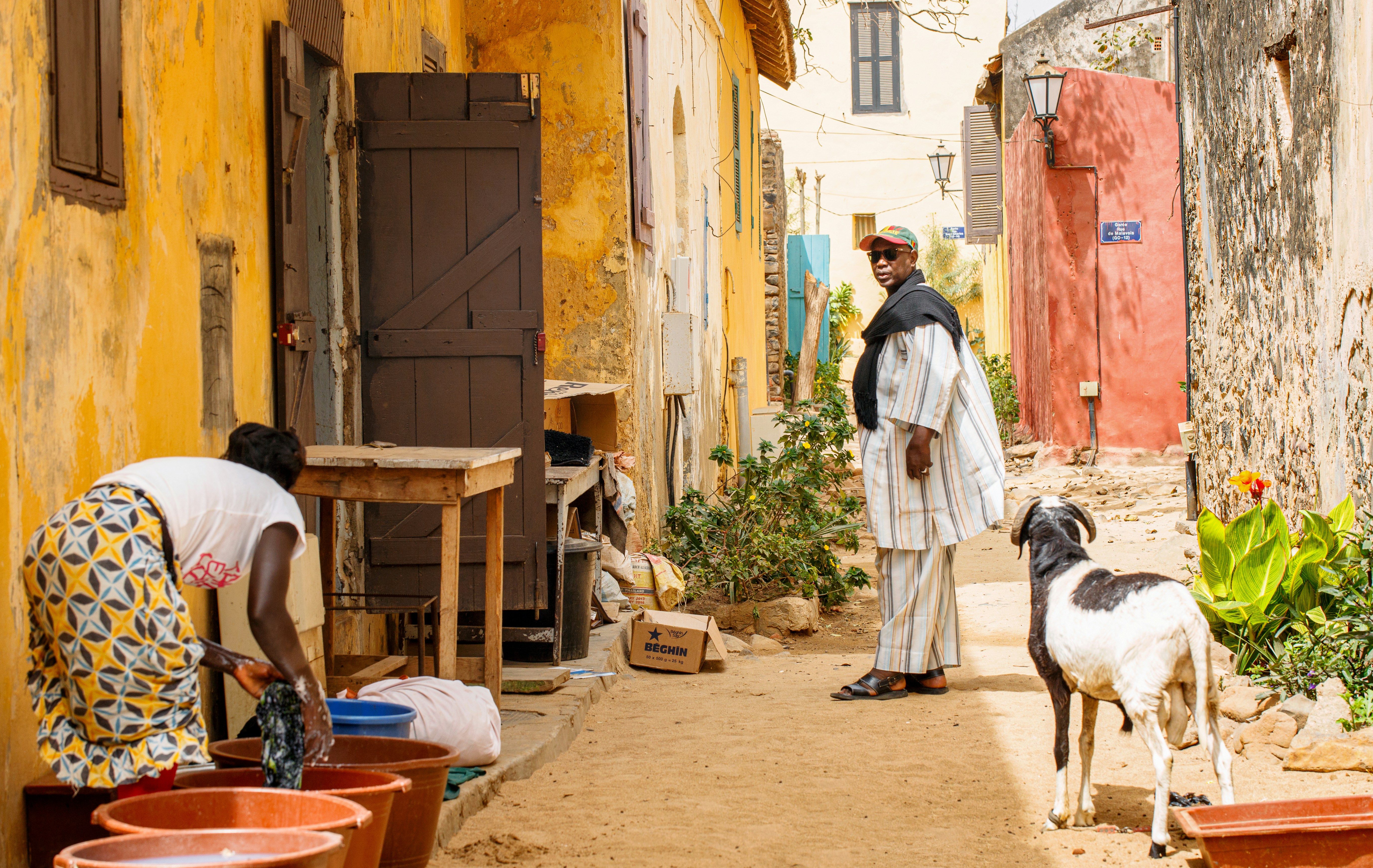
Kédougou is in the far southeast, and it’s the best region in Senegal for hiking, waterfalls, and remote cultural experiences. It’s not for everyone—it takes effort to get there, and you’ll need to be comfortable with rougher roads and basic infrastructure—but it’s incredibly rewarding if you're looking for something off the typical tourist path.
The area is home to the Bassari and Bedik peoples, and there are guided hikes that take you to their hilltop villages. It’s the kind of region where having the right local contacts really makes a difference—and that’s something I help with when planning trips here.
Final thought
These are the regions I know best and keep coming back to. Each one offers something different, but together they give a real sense of the depth and variety of travel in Senegal. If you're looking to book a unique Senegal experience, feel free to reach out! I've curated several tour options and recently launched a small group trip in collaboration with my incredible local partner. I'd love to help you plan—or even host—your journey.
Need to know
Have cash on hand: Many places don’t accept cards, especially outside of Dakar.
Learn a few phrases in French or Wolof: Even basic greetings go a long way.
Dress modestly: Light, respectful clothing is best, especially in rural or religious areas.
Use Orange or Free SIM cards: Cheap and reliable for mobile data.
Bargain respectfully: Negotiating prices is common in markets and with taxis.
Plan for slower travel: Road conditions vary, so give yourself extra time.
Pack bug repellent: Especially important during rainy season or in the south.
Be mindful of photos: Always ask before photographing people.
Greet people warmly: Greetings are a big part of Senegalese culture.
For more inspiration and insider recommendations, visit our Senegal page.


Travel Advisor
Elizabeth Jones

Elizabeth Jones

Get in touch with Elizabeth Jones
Did you like this guide? Reach out to customize and book your own experience. Or, just to chat about travel in general.