



Curator’s statement
South Africa announces itself immediately—not with subtlety, but with contrast. The scale of the airport. The number of people offering help. The realization that assistance is often someone’s livelihood, not casual friendliness. Then the drive into Cape Town: informal settlements lining the road, followed almost abruptly by manicured neighborhoods and oceanfront homes. By the time we arrived at our Airbnb in Camps Bay, perched above the Atlantic with Table Mountain behind us, it was clear this was a destination that demanded attention—not just admiration.
The Fora Difference
Book with Beth Currie to access exclusive perks and experiences on your trip.

Killer perks
Free upgrades, spa credits and more—we got you

Personalized recs
Customized travel planning for your style

Insider knowledge
Expert advice from people who’ve actually been there
Where to stay
Unlock perks by contacting Beth Currie to book your trip.
Cape Town & beyond
Our trip started in Cape Town and its surrounding regions, followed by Greater Kruger, including Kruger National Park and Sabi Sands Private Game Reserve. Along the way, we spent time in the Cape Winelands and the coastal town of Hermanus, experiencing the shift from city and coast to bush and wildlife.
South Africa’s geography isn’t just varied—it’s emotionally disorienting in the best way. Each place subtly changes how you experience the next.
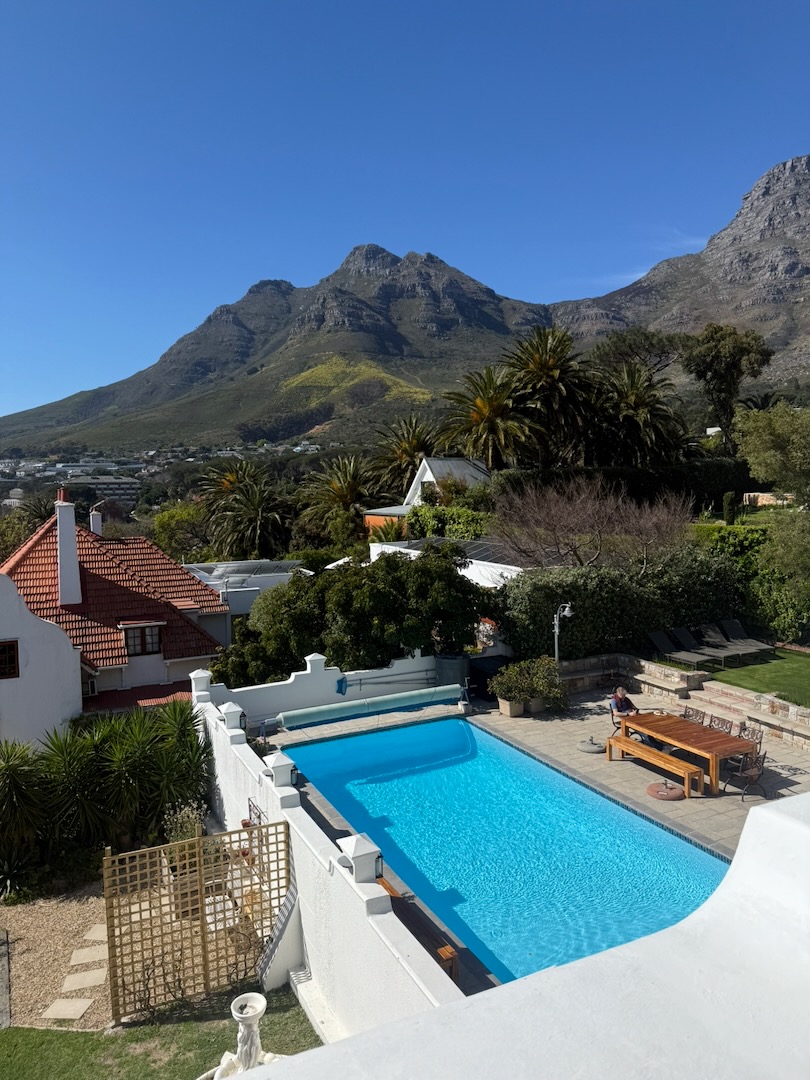
View from Abbey Manor Guesthouse
Camps Bay Airbnb | Cape Town
Best for: Privacy, views, and a true sense of place
Once past the layers of security—a reality of daily life in Cape Town—the stillness was unexpected. No neighbors passing by. Just ocean air and sweeping views. The privacy created a cocoon that naturally slowed us down and encouraged presence.
What most guests miss: How intentional the stillness becomes once you’re inside the space.
Highly recommend any lodgings/hotels on the hills above Camps Bay. The views are stunning!
Hoyo Hoyo Safari Lodge | Sabi Sands Private Game Reserve
Best for: Cultural immersion alongside wildlife
This was the property that felt unmistakably South African. The lodge is staffed entirely by members of the Tsonga community, with décor sourced locally, giving it a proud and authentic tribal identity.
The warmth of the staff was extraordinary—not performative hospitality, but genuine connection. Conversations lingered long after meals, and we found ourselves wanting to stay simply to keep learning from the people who brought the lodge to life.
What most guests miss: The stories woven into the design, not just the scenery beyond.
Anyone going on safari should stay in at least two different lodges in different parts of the country/park. We stayed in Kruger and then in Sabi Sands and each lodge was completely different from the other. It just gives you such a great perspective on how different the experience can be.
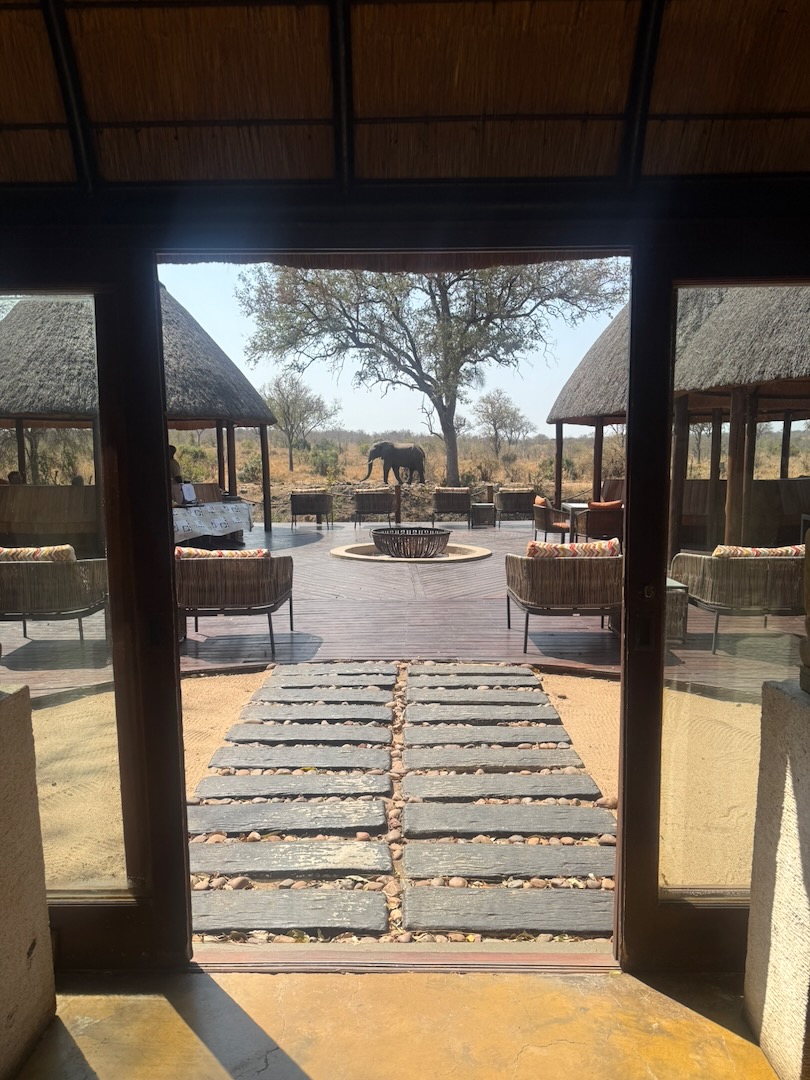
Hoyo Hoyo Safari Lodge, Kruger National Park
Wildlife encounters that shift perspective
Our first safari drive delivered a moment I wasn’t prepared for: three male lions—brothers—resting together. We pulled up so close we could see their breathing. One slept. One stirred. None seemed remotely bothered by us.
What surprised me wasn’t the adrenaline—it was the calm. The animals existed entirely on their terms, uninterested in our presence. It reframed the experience from spectacle to coexistence.
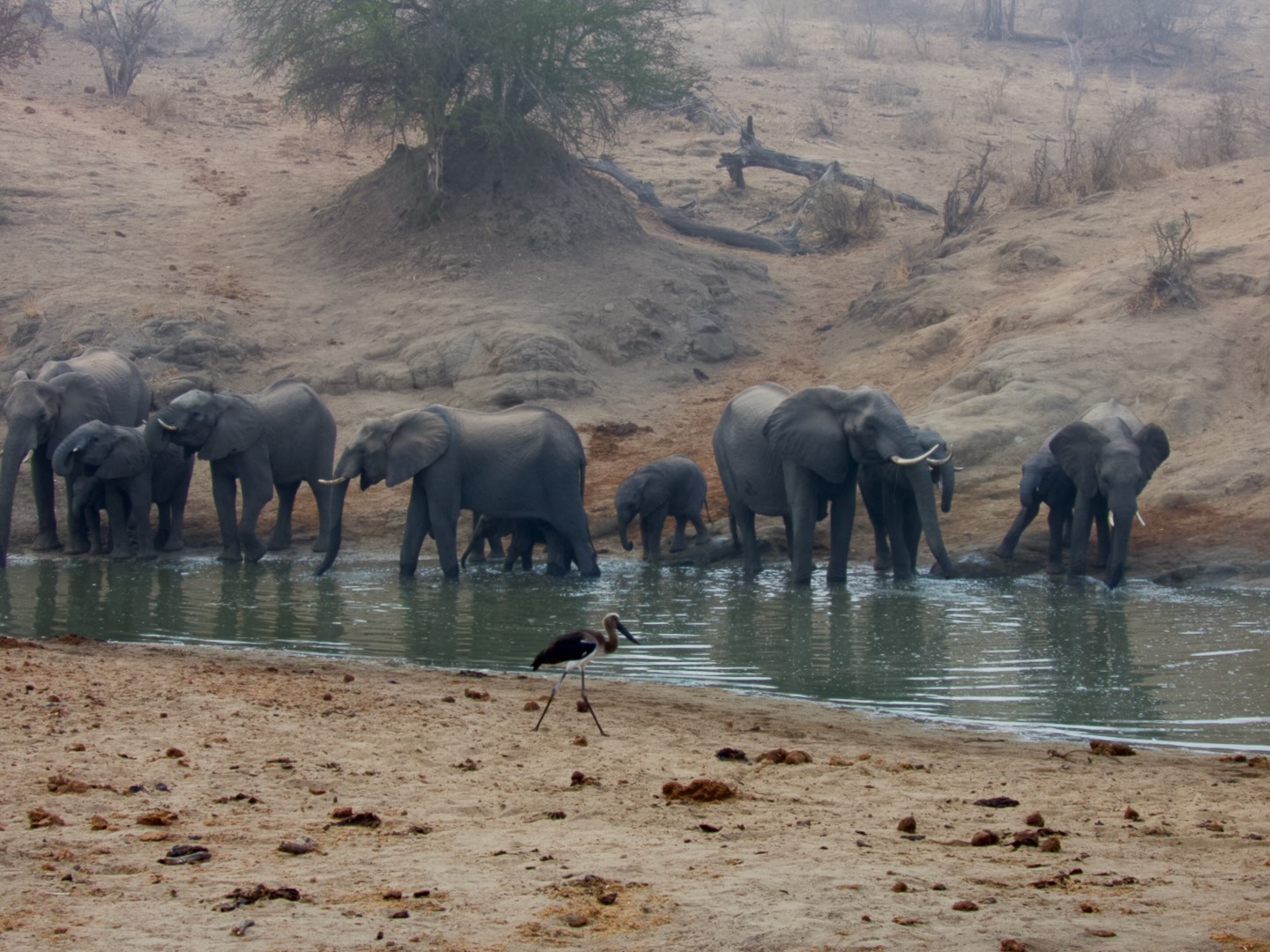
Just another day for elephants at the water
Food
One of the most meaningful meals didn’t happen in a restaurant. A South African family we knew from Pretoria came to our Camps Bay home and prepared a traditional braai—multiple meats, vegetables, soup and porridge to start, and freshly grilled broodjies.
The food mattered, but the afternoon mattered more. Conversation flowed, stories were shared, and the experience felt rooted in generosity and community rather than novelty.
That being said, we ate at some phenomenal restaurants in Cape Town, each one so unique. Probably my favorite was Kloof Street House.
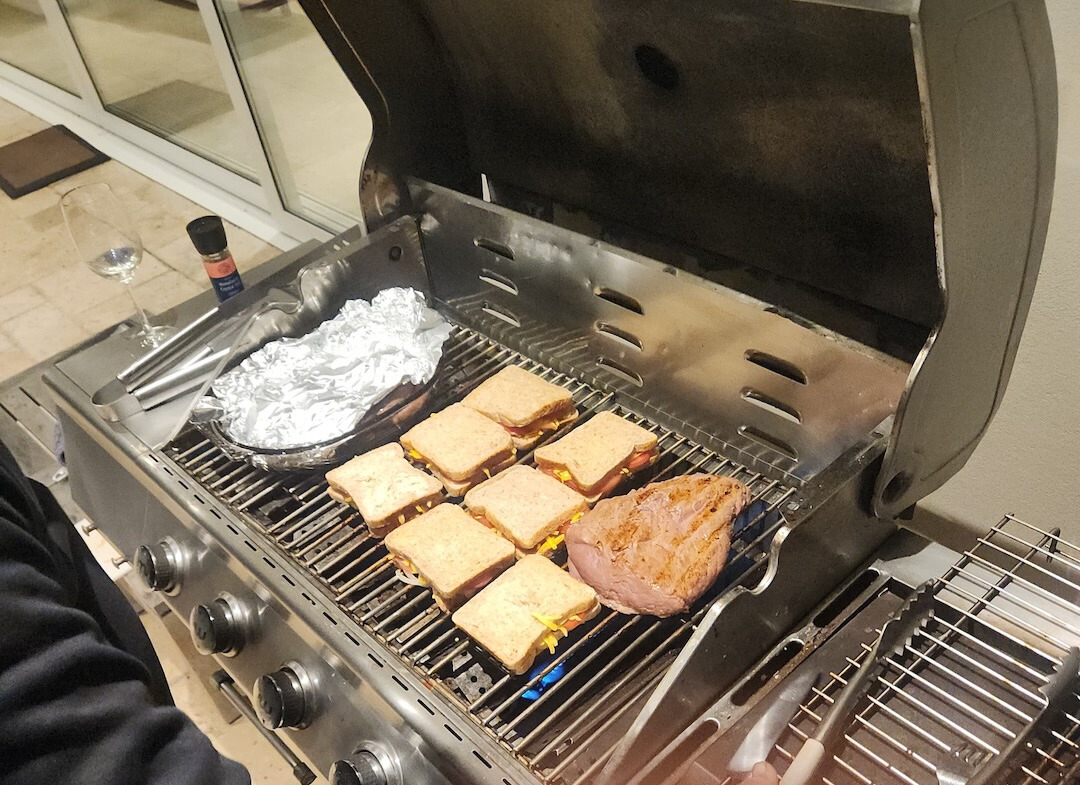
South African braai with grilled broodjies
Landscape transitions
Few destinations shift so dramatically over such short distances. From ocean views and city life in Cape Town, to vineyards in the Winelands, to whale-filled waters in Hermanus, and finally to the vast stillness of the bush in Kruger and Sabi Sands.
Each transition felt like entering a different country—yet together, they formed a deeper understanding of South Africa’s complexity.
Destination insights & personal tips
Security shapes the rhythm of daily life in Cape Town—but once inside your space, the city invites deep stillness.
Slowing down creates the richest connections. A spontaneous dinner nearby led to an unforgettable conversation with a Congolese waitress who shared her journey, ambitions, and resilience.
Not every popular experience is worth it. The Franschhoek Wine Tram felt rushed and transactional.
Some of the most meaningful places are easy to skip. Hermanus almost didn’t make our itinerary—and became one of the highlights, especially whale watching along the coast.
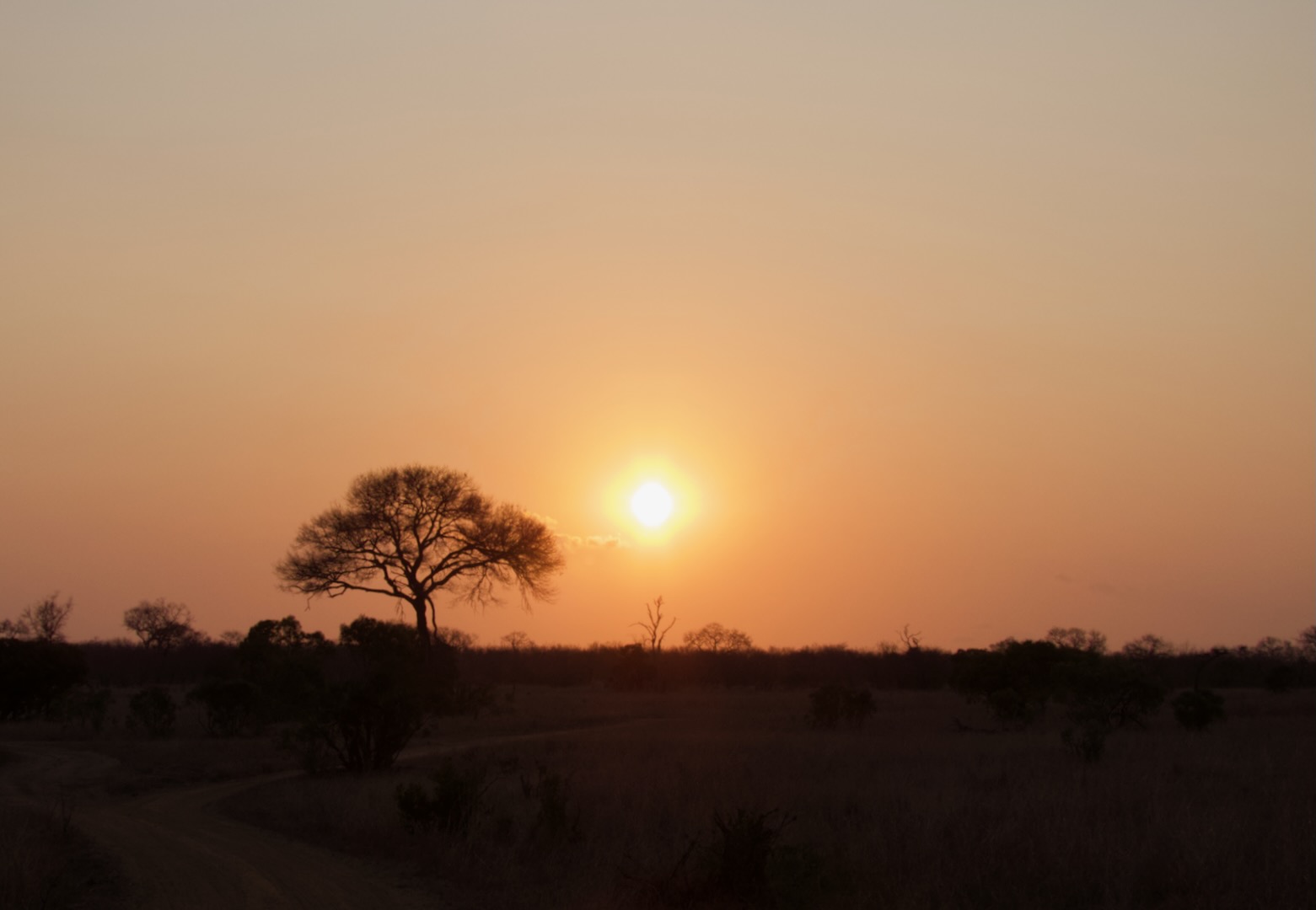
Beautiful South African sunset
Need to know
Closing reflection
South Africa isn’t a destination you simply visit—it’s one you engage with. Its beauty is undeniable, but its power lies in how it asks you to notice contrast, listen closely, and sit with complexity.
From Cape Town’s dramatic landscapes to the quiet authority of the bush, it remains one of the most compelling places I’ve ever experienced.
For more inspiration and insider recommendations, visit our South Africa page.


Travel Advisor
Beth Currie

Beth Currie

Get in touch with Beth Currie
Did you like this guide? Reach out to customize and book your own experience. Or, just to chat about travel in general.