

Curator’s statement
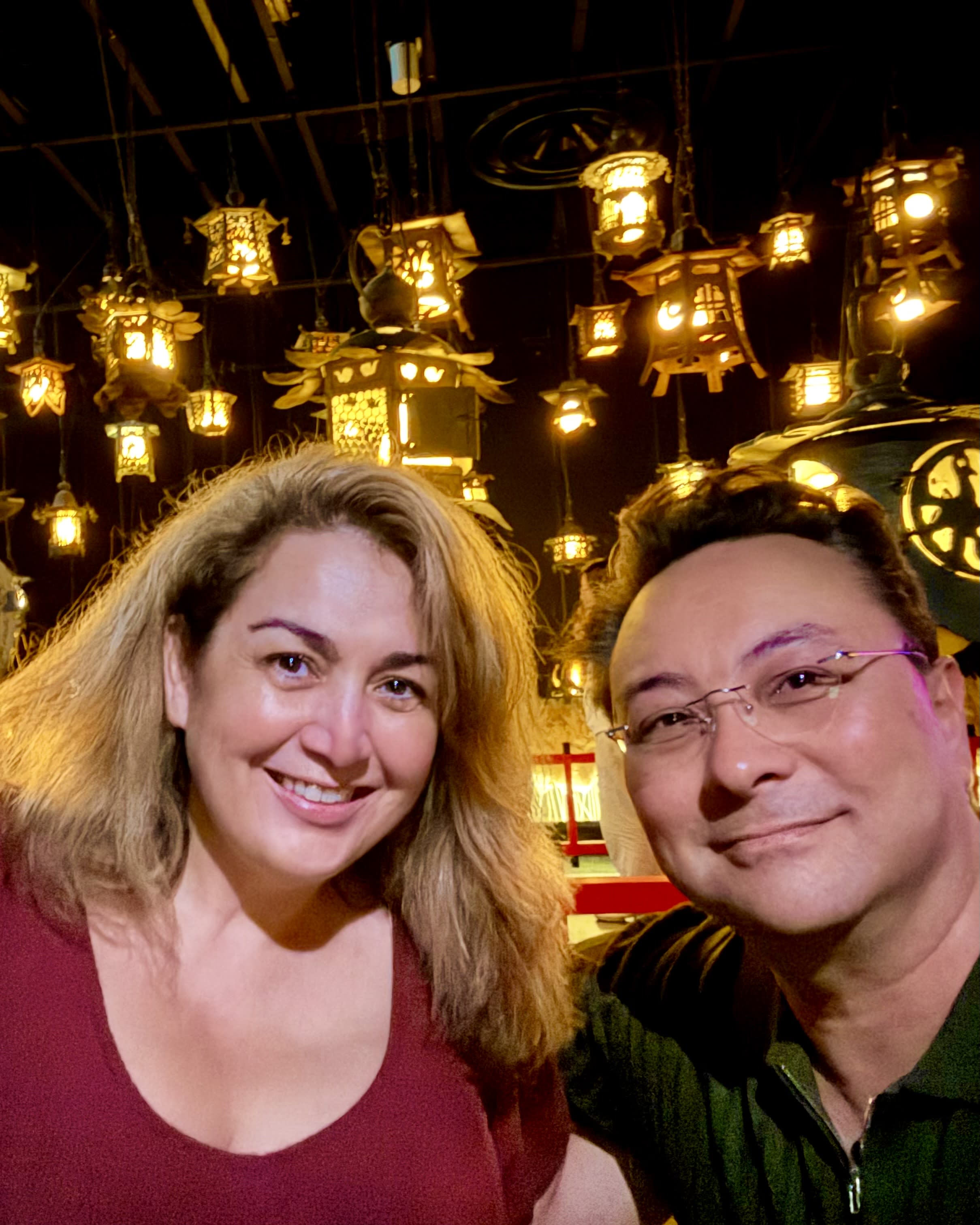
Having been to Tokyo over 20 times, we have seen the city both constantly change and stay the same. It is a dynamic metropolis that constantly reinvents itself, yet its deep-rooted traditions and commitment to hospitality remain as strong as ever. Tokyo excels in providing a luxurious and accessible travel experience, a testament to its famous omotenashi (hospitality) and a sophisticated, well-designed infrastructure for all. From modern, accessible hotels to seamless public transportation and attractions that have been thoughtfully adapted, Tokyo is a destination where luxury and convenience blend effortlessly, making it a perfect choice for discerning travelers.
The Fora Difference
Book with TudorTravels to access exclusive perks and experiences on your trip.

Killer perks
Free upgrades, spa credits and more—we got you

Personalized recs
Customized travel planning for your style

Insider knowledge
Expert advice from people who’ve actually been there
Where to stay
Unlock perks by contacting TudorTravels to book your trip.
Our favorite places to stay
Four Seasons Hotel Tokyo at Otemachi: This hotel provides a perfect blend of luxury and comfort with a focus on modern design. The property offers accessible rooms and features, including wheelchair-accessible parking, making it an ideal urban retreat.
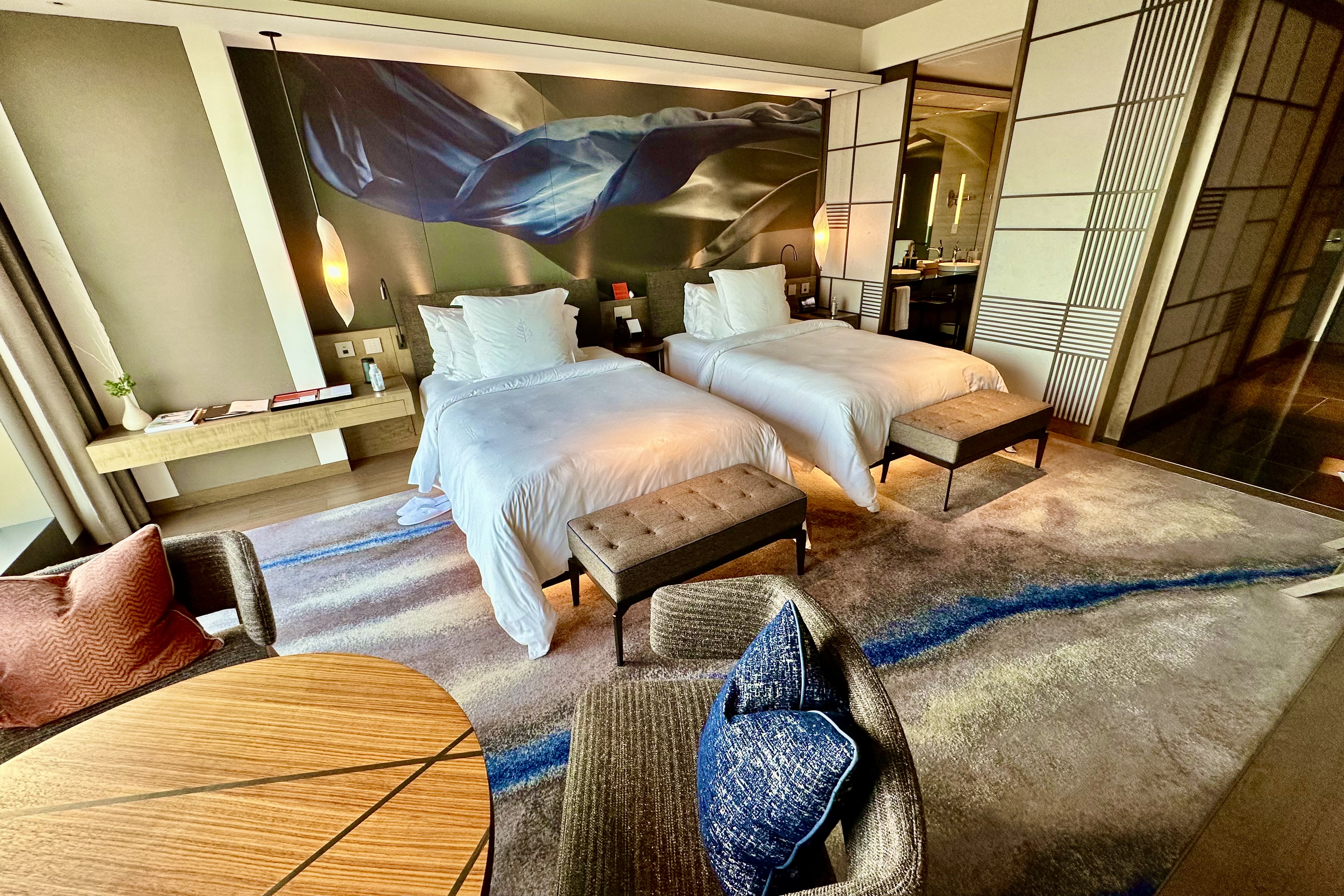
Beautiful rooms at the Four Seasons Tokyo at Otematchi.
Park Hyatt Tokyo: Known worldwide for its iconic role in "Lost in Translation,” this hotel offers a serene escape above the city’s bustle. It features accessible twin rooms located conveniently near elevators and is committed to ensuring all areas are accessible to wheelchair users.
HOSHINOYA Tokyo: A modern take on the traditional Japanese ryokan (inn), this luxury hotel offers an intimate and culturally rich experience in a striking high-rise. Hoshinoya Tokyo provides accessible “Yuri”-type rooms with features like roll-in showers and is located just a short walk from Otemachi Station, making it an excellent base for exploring the city.
Mandarin Oriental, Tokyo: Situated in the heart of Nihonbashi, this hotel is a masterpiece of contemporary Japanese design. It offers wheelchair-accessible facilities and rooms, with a focus on blending cutting-edge design with luxurious comfort.
Andaz Tokyo Toranomon Hills: Perched in a striking skyscraper, Andaz Tokyo offers breathtaking views and a stylish, residential-inspired experience. The hotel is committed to being wheelchair-accessible with dedicated rooms and facilities.
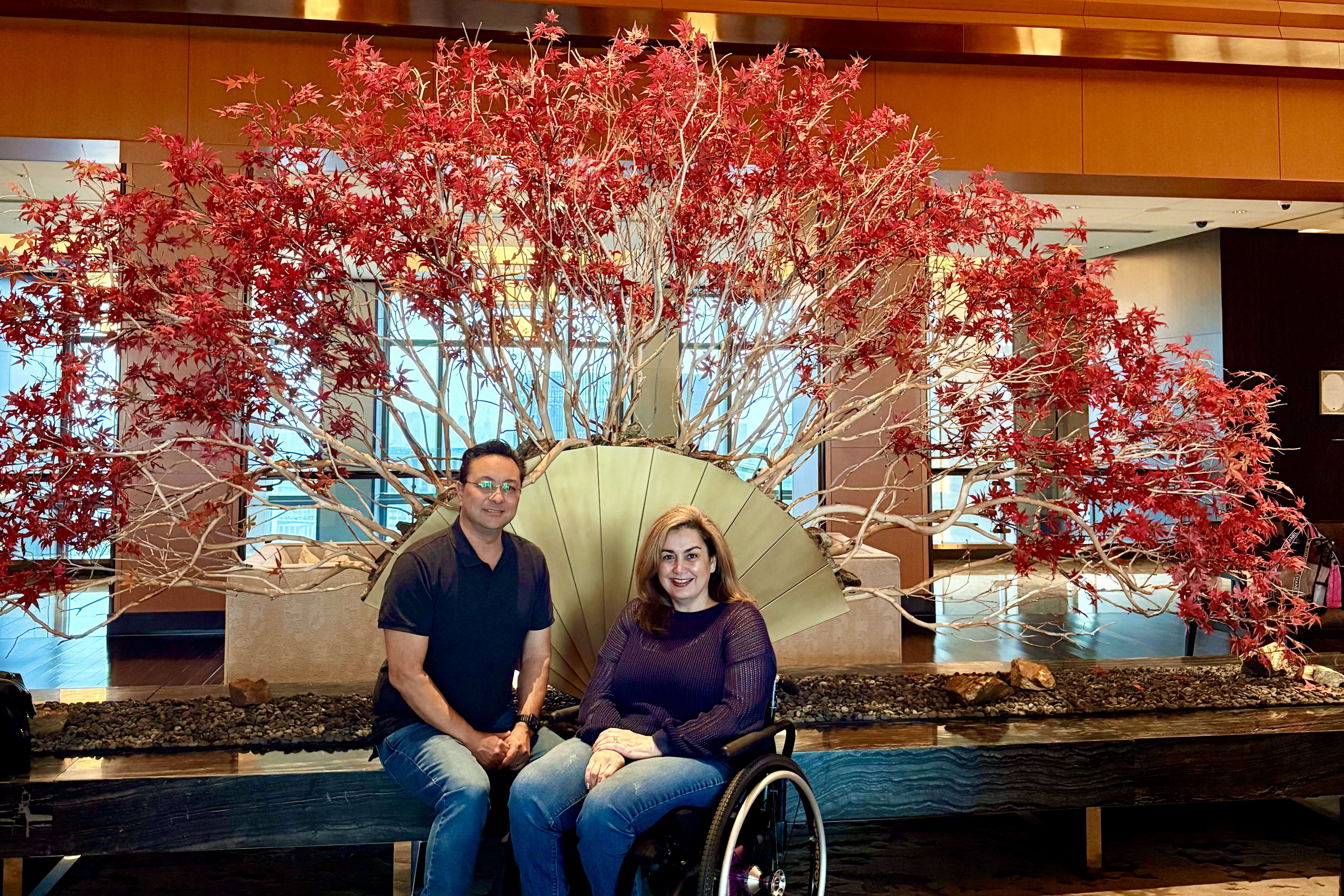
Be a fan at the Mandarin Oriental Tokyo.
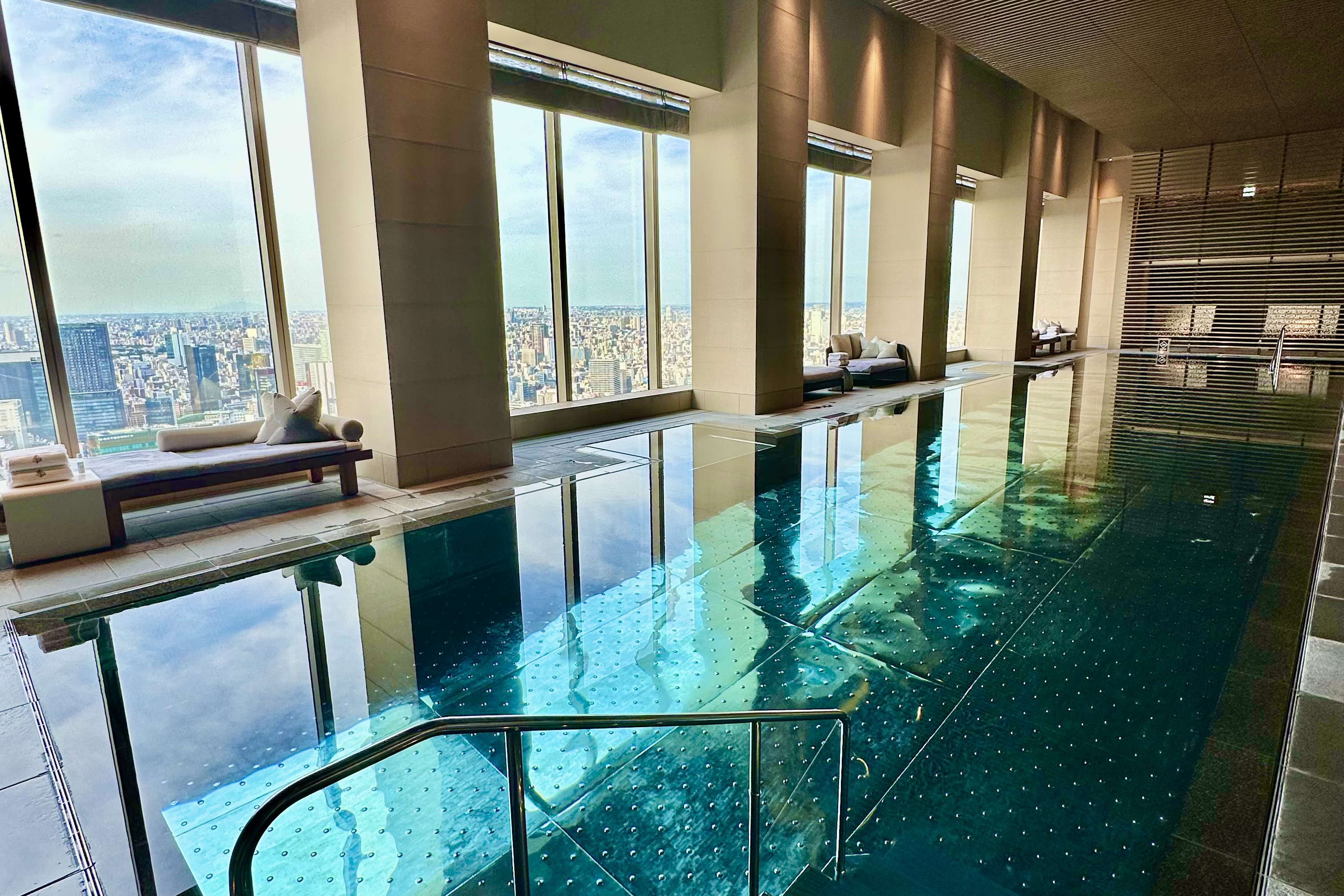
How city hotel pools should be done.
Must-do activities that are also accessible
Mt. Fuji and Hakone Private Tour
Taking a day trip with a private van tour (accessible vans are available) is the best way to experience the breathtaking beauty of the Mt. Fuji and Hakone area. These tours can be customized to your specific needs, taking you to popular spots like Mt. Fuji’s 5th Station or the scenic shores of Lake Kawaguchi. The Hakone Ropeway and the Lake Ashi cruise are both wheelchair-accessible, offering incredible views of the volcanic valley and the serene lake.
Private Sumo Tournament Tour
Experience the passion and spectacle of Japan’s national sport at the Ryogoku Sumo Stadium. With a private tour, you can secure accessible seating and a knowledgeable guide to explain the traditions and rituals of the match.
Tokyo DisneySea
A unique Disney park found only in Tokyo, this is a beautifully themed wonderland dedicated to the myths and legends of the sea. The park is highly accessible, with wide pathways, accessible restrooms, and dedicated viewing areas for parades and shows. Many attractions are wheelchair-friendly, and some even have specific accessible boarding procedures. However, for rides that are not accessible, they have very strict rules and you will not be able to ride if you do not meet the requirements.
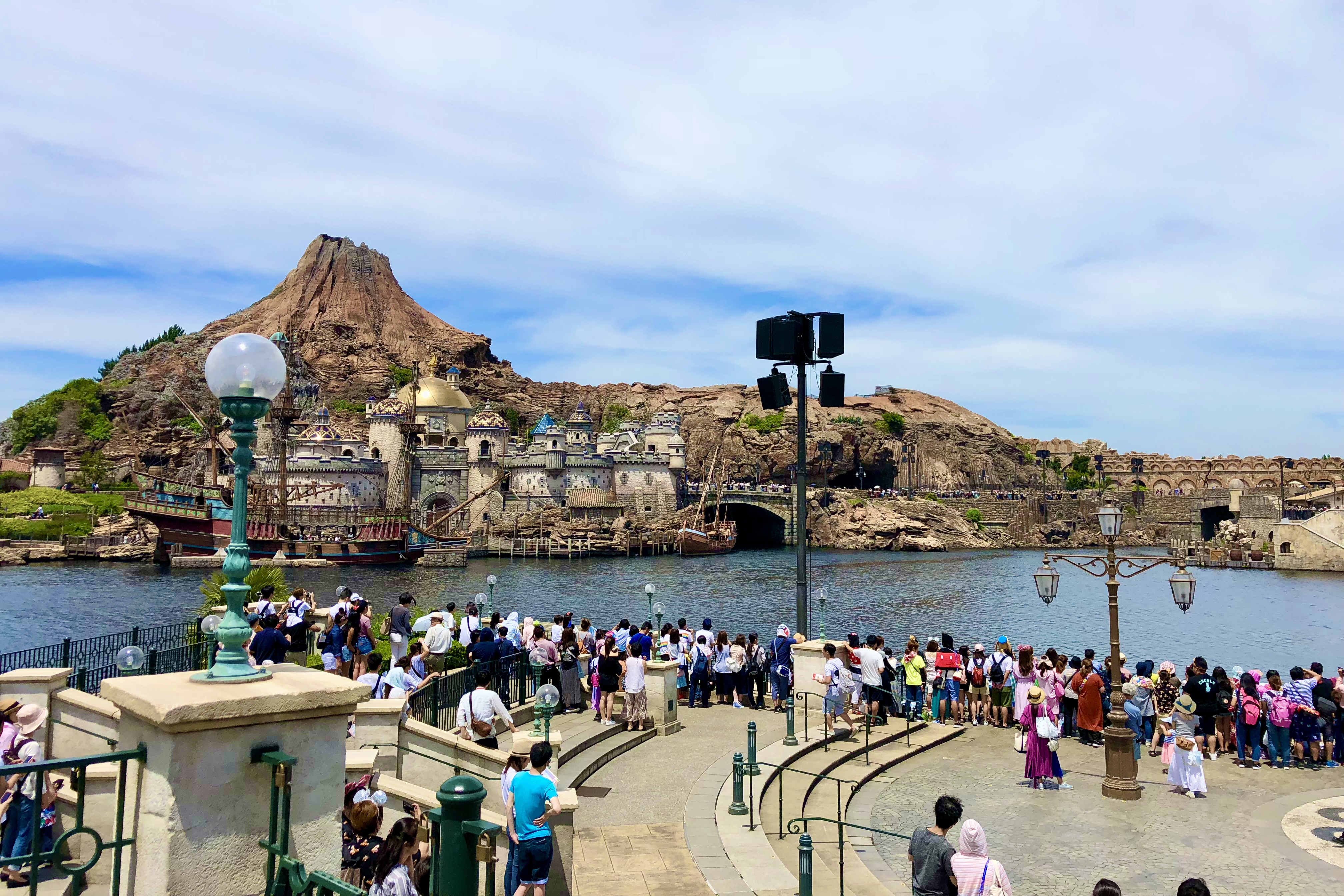
Visit the unique DisneySea theme park.
The Imperial Palace
Explore the beautiful East Garden of the Imperial Palace, a serene and historic site in the center of the city. While some areas have uneven paths or slopes, the main areas of the garden are flat and well-maintained. Wheelchair rentals are available at three of the entrances.
Toyosu Fish Market
Experience the vibrant energy of Tokyo’s famous fish market. This modern facility is a stark contrast to the old Tsukiji Market, with all buildings connected by accessible walkways. You can watch the famous tuna auctions from observation windows and enjoy the wide variety of restaurants and shops.
Fukagawa Edo Museum
This unique museum meticulously recreates a town from the Edo period, providing an immersive glimpse into Tokyo’s past. The interior is designed to be fully accessible, with ramps and accessible paths throughout the recreated streets.
Tokyo Skytree
Ascend to the world’s tallest freestanding tower for unparalleled panoramic views of the city. The entire facility is designed for accessibility, with spacious elevators, wide observation decks, and accessible restrooms on every floor.
Explore Senso-ji Temple
As Tokyo's oldest temple, Senso-ji has done an impressive job of balancing tradition with accessibility. The main grounds are paved, and there’s a wheelchair-friendly route to the main hall with an elevator available.
Meiji Jingu Shrine
Find tranquility in this sprawling forested sanctuary in the heart of the city. The main paths are wide and made of smooth gravel, with a paved strip, and the shrine offers a wheelchair loan service and accessible restrooms.
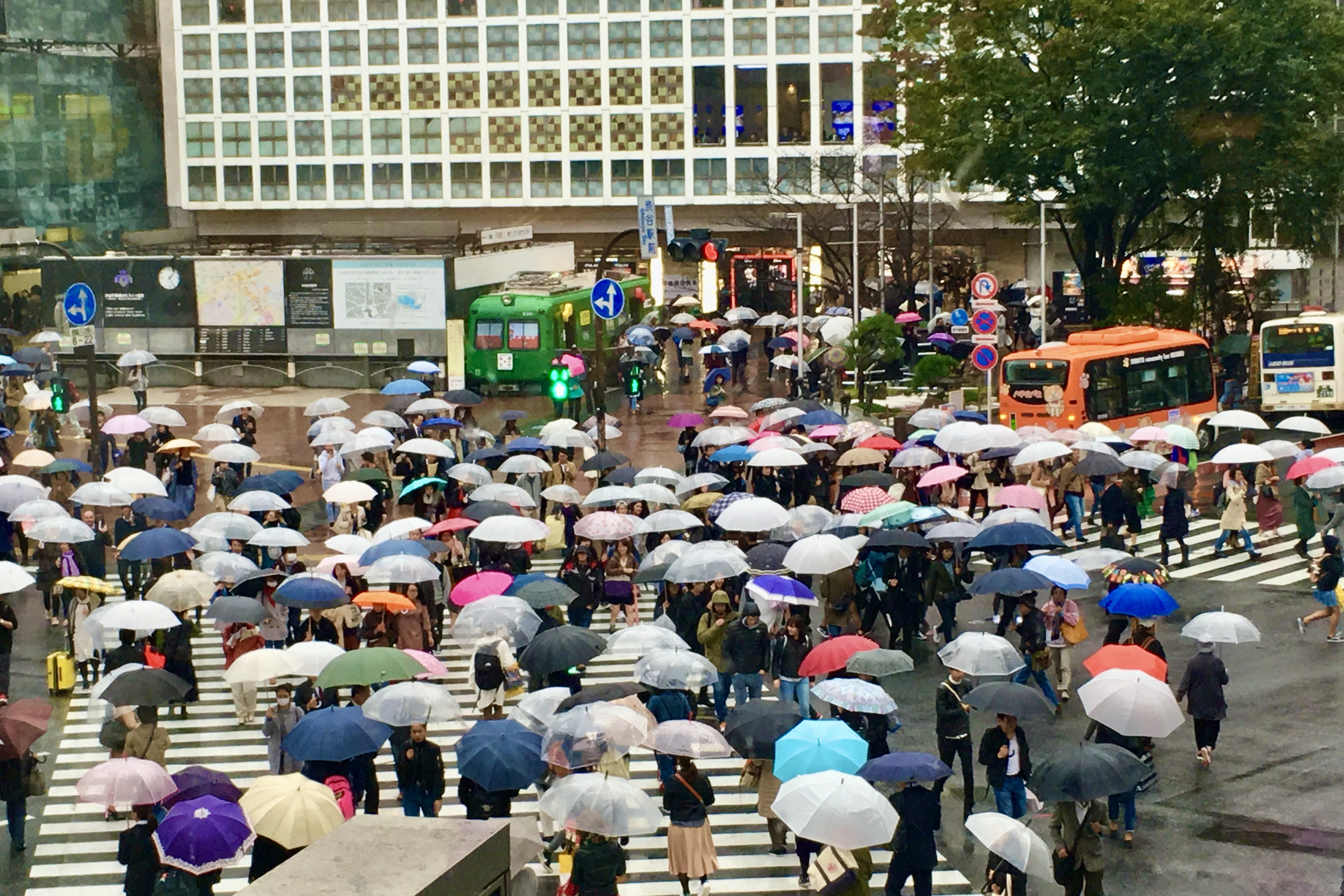
The famous Shibuya Crossing.
Great dining experiences that are worth a visit
The Pizza Bar on 38th: Located in the Mandarin Oriental, Tokyo, this exclusive 8-seat pizzeria offers a truly unique and luxurious dining experience with stunning city views. The hotel's accessibility ensures a seamless visit from the moment you arrive.
Sushi Mizuno: This high-end sushi restaurant is a favorite among locals and a great option for a traditional Japanese dining experience. While some traditional sushi counters can be a challenge, this restaurant offers a welcoming and accessible environment.
Ramen Museum (Yokohama): Take a short trip to nearby Yokohama to visit this unique museum that's a foodie's paradise. The museum recreates a 1958 Tokyo streetscape with nine famous ramen shops. The entire facility is designed with accessibility in mind, including wheelchair-accessible elevators and ramps.
Katsura: Located in The Prince Park Tower Tokyo, this teppanyaki restaurant offers an incredible dining experience with views of Tokyo Tower. The hotel's accessibility and elegant setting make it a perfect choice for a special occasion.
SÉZANNE: Located at the Four Seasons Hotel Tokyo at Marunouchi, this three-Michelin-starred French restaurant offers a captivating dining experience with an open show kitchen. As part of a luxury hotel, it is fully accessible and staff are trained to provide exceptional service.
Ginza Fukuju: A two-Michelin-starred Japanese restaurant in a serene setting, Ginza Fukuju offers an intimate and refined dining experience with a focus on seasonal ingredients. It provides private rooms and a welcoming environment for all diners.
Sushi Ōtemon: Newly opened at HOSHINOYA Tokyo, this exquisite sushi restaurant provides a modern and luxurious dining experience. The hotel's commitment to accessibility extends to its dining options, ensuring a seamless visit.
Kiln & Tonic: Located in the new Fairmont Tokyo, this Mediterranean-inspired brasserie on the 35th floor offers wood-fired pizzas, fire-grilled meats, and stunning views of Tokyo Bay and Tokyo Tower. As a modern, luxury hotel, it is fully accessible and staff are dedicated to providing excellent service.
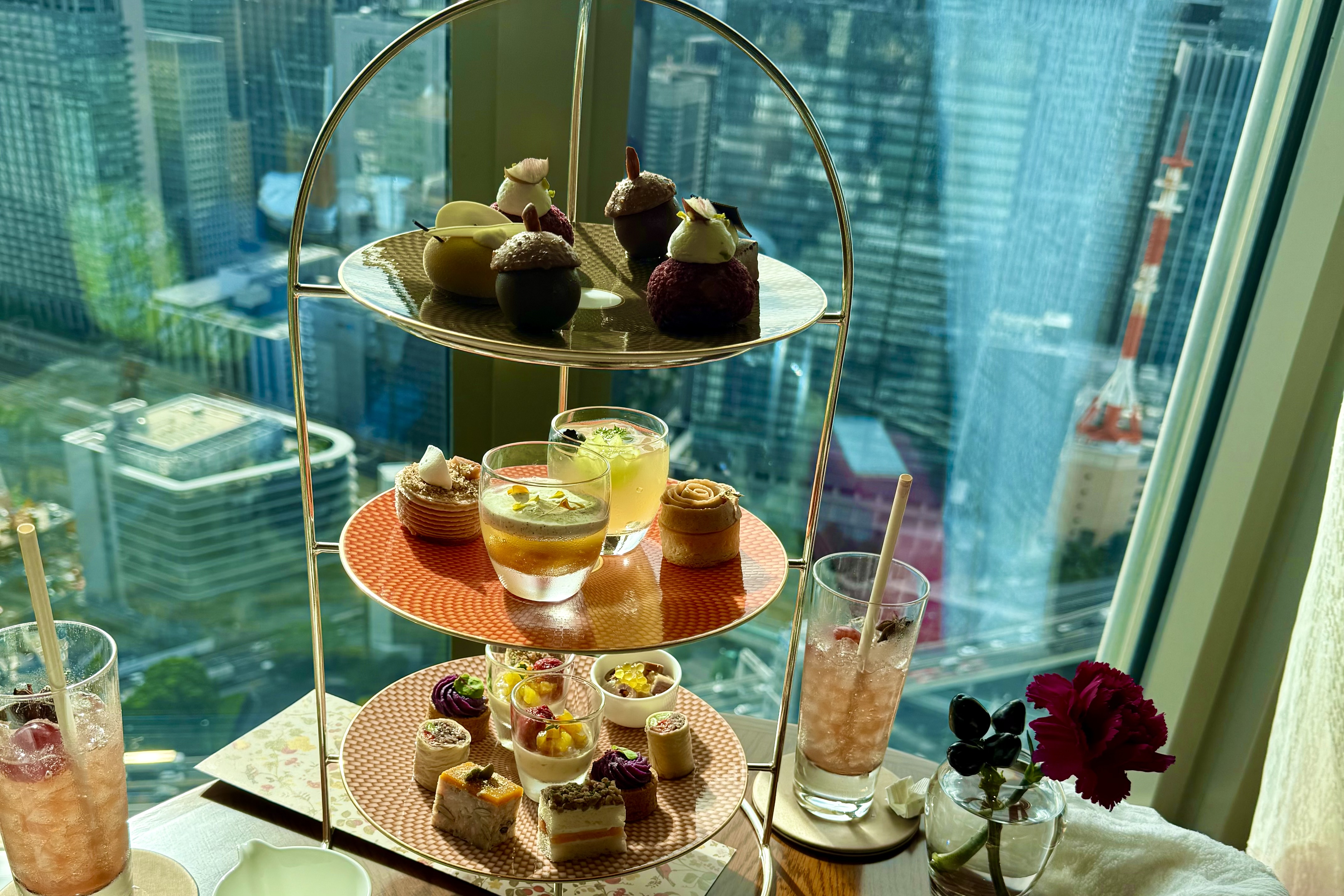
Afternoon tea with a view of Tokyo.
Accessibility
Tokyo is an extremely well-organized city, and its commitment to accessibility is evident in most public spaces. Finding accessible restrooms is rarely a problem, as every department store, large park, and train station has them.
However, navigating the city's complex train and subway system can still present challenges for wheelchair users. While the train system itself is highly accessible, with level boarding and designated spaces on trains, finding the elevators to get to the platforms can sometimes be a challenge. In older or smaller stations, the elevators may be located in a less obvious place or require a longer route to access. For this reason, it's highly recommended to use a smartphone app or website that provides detailed station maps and accessible routes. On the other hand, newer stations and major hubs are excellent in their design and are very user-friendly.
For an even more private and luxurious experience, consider booking a private vehicle service with an accessible van.
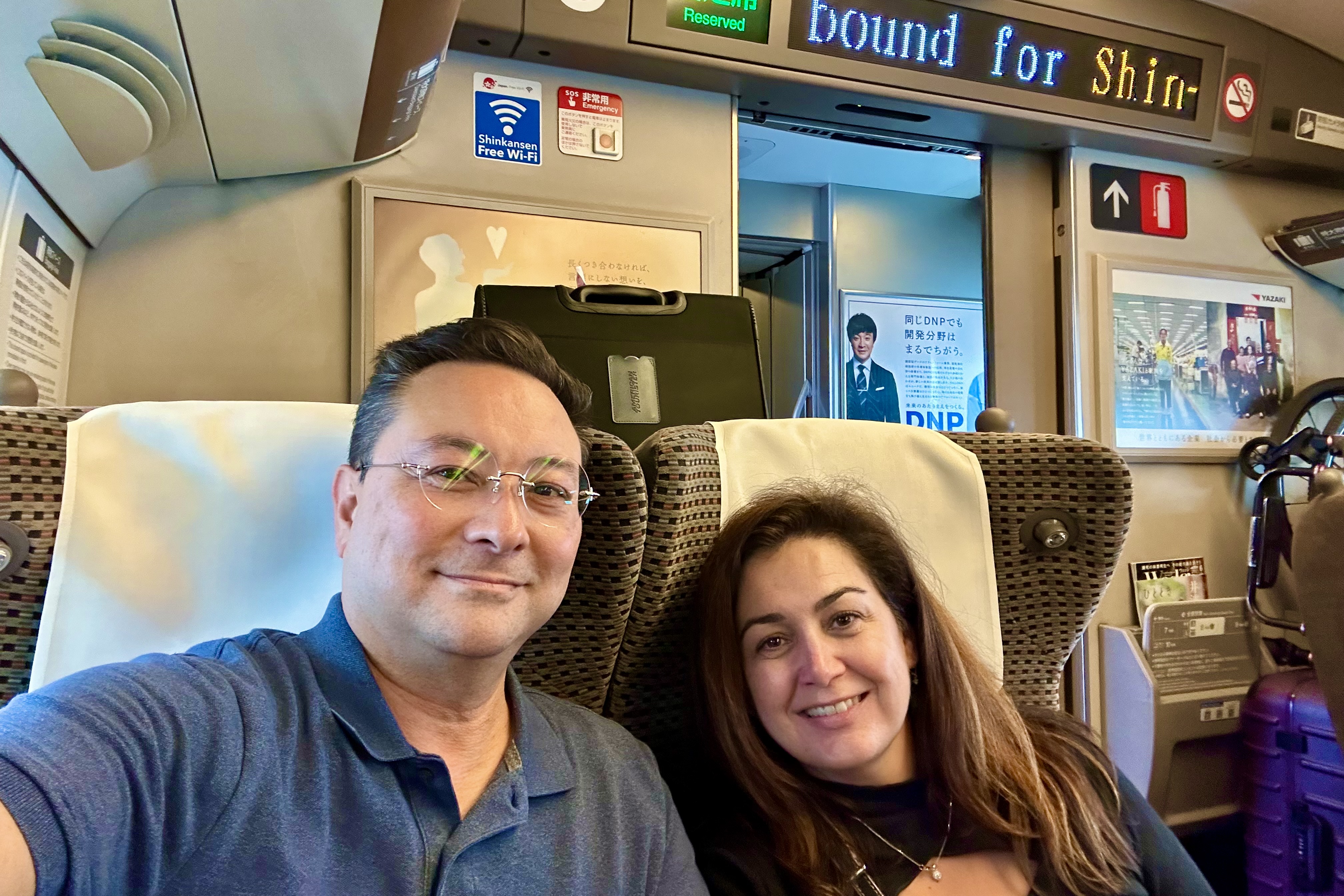
Travel up to 200 mph (320 km/h) on the Shinkansen.
When it comes to dining, many older eateries that are in basements or on second floors are unfortunately tiny and without elevators. Luckily, with Tokyo's vast and diverse culinary scene, there are so many other options that it's not hard to find amazing places to eat and drink.
Similarly, many temples and shrines have stairs, but if you speak with the staff, many times there are back ways with a ramp or even elevators that can be used to access these ancient places.
In fact, you'll find that Japanese people are extremely friendly and helpful and will often go out of their way to assist you, embodying their famous sense of omotenashi. While English is not as widely spoken as in some countries, most Japanese people have studied it in school and can understand enough to help you find your way.
Furthermore, Japan is a rapidly aging society, so they have been proactively working on improving general accessibility in public spaces, and this effort continues to get better.
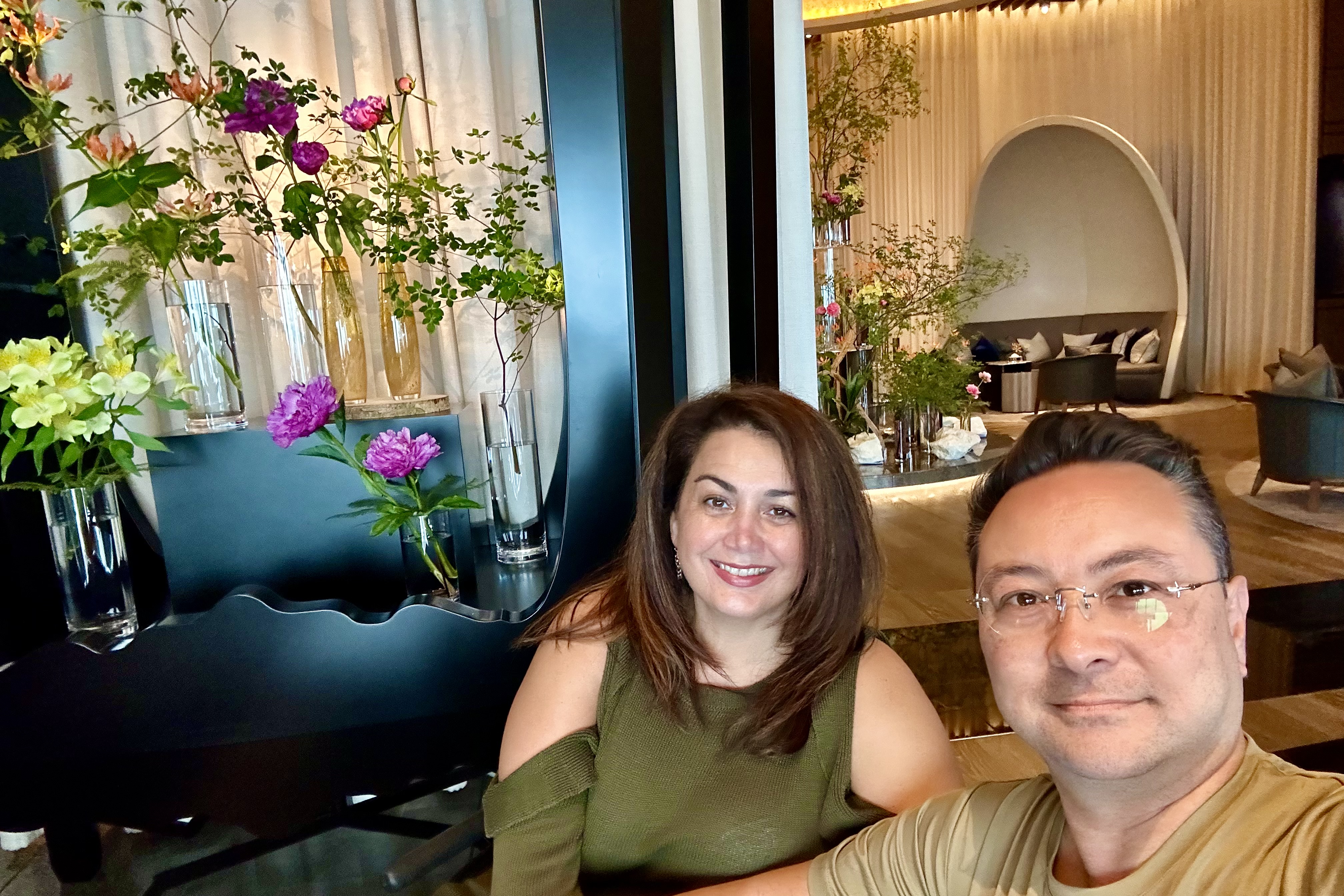
Four Seasons Tokyo at Otematchi.
Need to know
Japan is a country with a high standard of hospitality and an increasing focus on accessibility. The local people are very welcoming and eager to help, which can make all the difference in your travels.
For getting there, you are in for a treat, with Japan Airlines (JAL) and All Nippon Airways (ANA) consistently ranking in the world’s top 10 best airlines. Both airlines offer excellent services for travelers with disabilities and have dedicated assistance programs, which you should pre-arrange when booking. Flying into Haneda Airport (HND) is a much better option than Narita (NRT). Haneda is located much closer to central Tokyo, which significantly cuts down on travel time and cost from the airport to your luxury hotel.
Once you arrive, getting around the city is manageable. We highly recommend getting a Suica or Pasmo rechargeable card for public transportation. These IC cards are interchangeable and can be used on virtually all trains and subways in Tokyo, and even in many other cities across Japan. You can also use them to pay at convenience stores, vending machines, and some restaurants.
While Japan is very technology-forward in many ways, it is still a very cash-based society. It is important to have cash (yen) on hand, as many smaller establishments, food stalls, and even some taxis only accept cash.
ATMs are widely available at convenience stores like 7-Eleven, which is a destination in itself. You must visit a 7-Eleven while in Tokyo, as a foreigner it is stunning the variety of food on sale, from gourmet onigiri (rice balls) to incredible fried chicken and desserts.
For more inspiration and insider recommendations, visit our Japan page.


Travel Advisor
TudorTravels


Judy Tudor
Get in touch with TudorTravels
Did you like this guide? Reach out to customize and book your own experience. Or, just to chat about travel in general.