



Curator’s statement
For wine lovers, few things compare to sipping vintages in the vineyards where they were born. The rolling hills, centuries-old cellars, and conversations with winemakers add a depth you’ll never find in a bottle back home. But to turn a wine trip from good to extraordinary takes a bit of strategy. From choosing your base and arranging tastings, to mixing in culture and getting your finds home safely, these insider tips will help you plan a trip that lingers long after the last glass is poured.
The Fora Difference
Book with East of Ordinary to access exclusive perks and experiences on your trip.

Killer perks
Free upgrades, spa credits and more—we got you

Personalized recs
Customized travel planning for your style

Insider knowledge
Expert advice from people who’ve actually been there
Where to stay
Unlock perks by contacting East of Ordinary to book your trip.
Where to stay: Wine country favorites
The right hotel is more than a place to sleep—it can shape the entire rhythm of your trip. A few favorite stays in world-class wine regions include:
Le Chambard (Kaysersberg, Alsace): A boutique gem with two-Michelin-star dining nestled in a storybook Alsatian village.
Prosper Maufoux (Santenay, Burgundy): A stately château with B&B rooms lining the town square in Burgundy’s Côte de Beaune.
Collelungo Agriturismo (Castellina in Chianti, Tuscany): A rustic farmhouse retreat offering sweeping vineyard views.
Grande Provence (Franschhoek, South Africa): Contemporary design meets Cape Dutch heritage at this luxurious wine estate.
The Allison Inn & Spa (Newberg, Oregon): A serene, modern retreat in the heart of the Willamette Valley with upscale, locavore dining.
These properties embody the spirit of their regions—whether it’s old-world charm, farmhouse simplicity, or cutting-edge luxury—making them ideal bases for your journey.
Choosing the right wineries
With so many producers in every region, narrowing down where to go can feel daunting. The key is to blend a little research with some trusted insider strategies:
Start with your palate: Plan visits at a few favorites you’ve discovered at home. Knowing what styles you enjoy gives you a roadmap for the types of producers to prioritize.
Ask your local wine shop: These folks are often plugged into networks of small, high-quality wineries abroad and at home. A good shop may not only suggest producers but even reach out to their contacts on your behalf.
Do a little homework: Browse industry publications like Decanter or Wine Spectator to see which producers align with your price point. Then head to CellarTracker.com, where collectors and enthusiasts post in-depth reviews—it’s a treasure trove for narrowing down hidden gems.
Reach out directly: This is obviously an ideal task for your wine-savvy Fora travel advisor, but if you prefer to DIY it, once you’ve built a shortlist, if they don’t list public tasting hours, email wineries through their websites to schedule appointments. It may take some digging to find the right contact, but most are happy to welcome visitors.
What you’ll experience when you arrive depends a lot on the region. In places like Napa/Sonoma, Australia, New Zealand, and South Africa, tastings are often an extension of the brand, with dedicated rooms, curated flights, and sometimes food pairings—no appointment required.
By contrast, in France, Italy, Spain, or Germany, you’ll often find yourself in a modest cellar or around a farmhouse table, welcomed by the winemaker or a family member. Many of these producers have been farming the same vineyard plots for six or seven generations. Tastings might not feel fancy, but they can be deeply personal and educational—you hear firsthand how they care for their vines, interpret their terroir, and see themselves as stewards of the land. These encounters, in my experience, are the ones that leave the deepest impression.
That said, some regions are less accessible. In Burgundy’s Côte d’Or or at the top first- and second-growth estates in Bordeaux, visits are often reserved for trade professionals and serious collectors. Even with advance notice, doors may not open.
This is where it pays to be flexible. Think about the kind of experience you want: polished and professional, or intimate and down-to-earth. Personally, I’ve found the latter to be the most rewarding—the kind where you’re standing in a cellar with the next-generation vintner who pours you a glass and shares stories of harvests past. Years later, those bottles don’t just taste like wine; they carry with them the memories of the people, landscapes, and conversations that made them extraordinary.
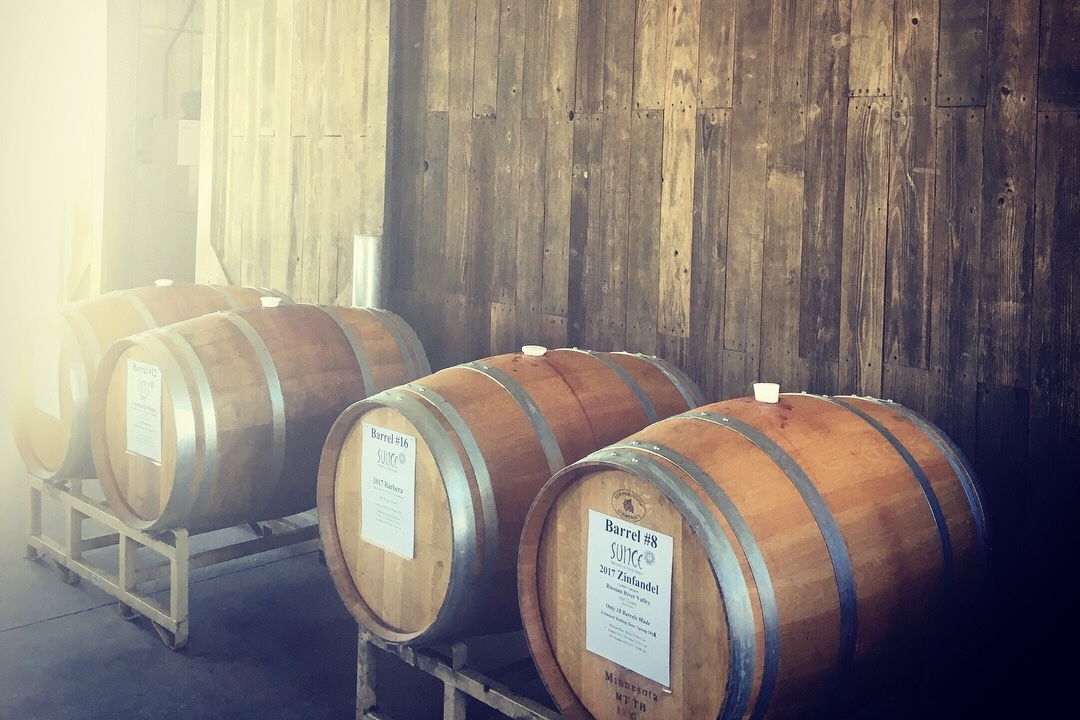
Barrel tasting at Sonoma’s Suncé Winery—always a special privilege.
Schedule like a pro
Wine tasting is best approached at a thoughtful pace. My preferred rhythm:
One tasting late morning (around 11 am)
A leisurely local lunch
One or two tastings in the afternoon, with a non-wine activity thrown in on lighter days
This keeps your palate fresh, your day balanced, and your enjoyment high. Always map out appointments geographically to minimize drive times. Many wineries require reservations, so secure slots early, but also leave one open afternoon for spontaneous stops.
Try before you buy
Tasting fees are common in the US and Southern Hemisphere, usually offset by a purchase. In Europe, tastings are often complimentary, though buying a bottle or two is a gracious way to show appreciation. Beyond the etiquette, it’s also a chance to bring home wines you may never see in your local shop.
Getting your wine home
One of the joys of wine travel is buying directly from the source—often at prices far lower than you’d pay once taxes, shipping, and distributor markups are added back home. A few tips to ensure your treasures arrive intact:
Check it like luggage: A case of wine (12 bottles) weighs just under 50 lbs, fitting neatly under most airlines’ baggage limits. Checked fees are almost always cheaper than international shipping
Invest in proper shippers: Don’t rely on flimsy cardboard cases or your suitcase. Styrofoam-lined wine cartons ($12–15 at most Mailboxes Etc. locations—found in nearly every wine region I’ve visited) provide secure transport for a case of wine. My routine: pick up two to four upon arrival, stash them in the rental car, and fill as I go.
Leverage airline perks: Flying Alaska Airlines? Their Wine Flies Free program allows each traveler to check one case at no cost from 32 West Coast destination cities in wine regions they serve. You’ll need to be a member of their (free) loyalty program to qualify, but the savings are well worth it.
Consider wine clubs: While less common in Europe, many US wineries ship curated seasonal selections to members, often with shipping included.
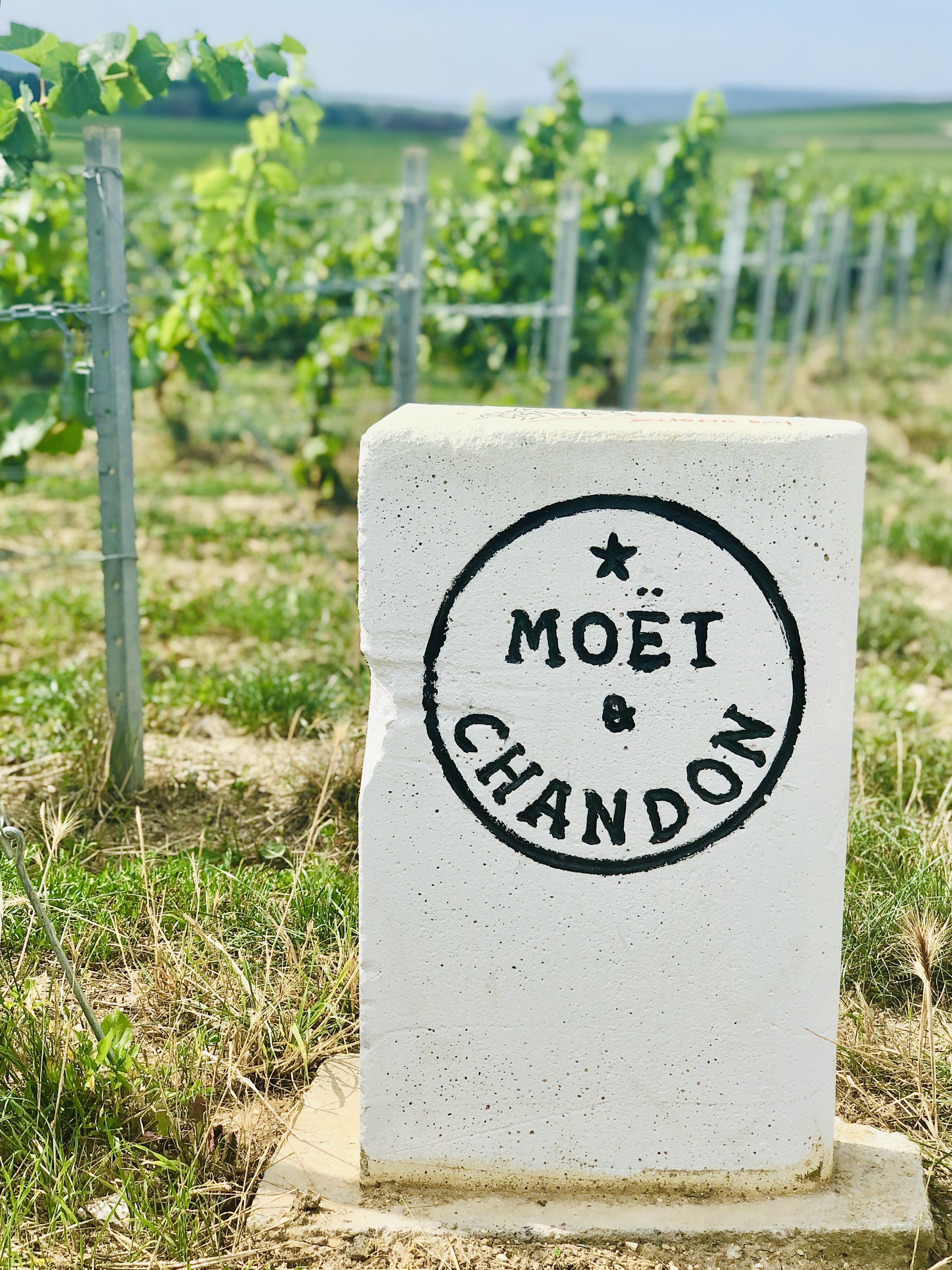
Getting up close and personal with grapes destined for fame in Champagne's legendary village of Aÿ.
Beyond the glass: Enrich your journey
As much as I love immersing myself in wine, mixing in other activities adds a different dimension and a deeper connection to the region. A few favorites:
Burgundy: Rent e-bikes in Beaune and pedal along the Voie des Vignes bike path, stopping in a quaint village for a picnic of cheese and baguette.
Alsace: Explore the medieval hilltop castles perched high above the Germanic countryside, or dive into the region’s fascinating American WW2 history.
Tuscany: Take a hands-on cooking class—or simply join a local family for a rustic Tuscan feast. Of course, nearby Florence and Siena aren’t to be missed.
Oregon: Break up tastings with a visit to the nearby Evergreen Aviation Museum—home to the legendary Spruce Goose—or hop over to perpetually hip Portland.
Sonoma: Hike oak-covered hills or escape to Bodega Bay for oysters by the sea.
South Africa: See the vineyards from a different perspective on a guided horseback ride, or go big for a few days on safari in Kruger National Park.
These experiences not only balance out the indulgence of wine tasting, they also enrich your understanding of each place’s culture, landscape, and people.
The lasting pour
At its best, wine travel isn’t about rushing from tasting room to tasting room. It’s about slowing down, connecting with the land and the people who farm it, and savoring the sense of place in every glass. Some of the most poignant moments come from modest tastings in family cellars where knowledge and passion flow as freely as the wine.
Bring home bottles, of course—but more importantly, bring home the stories. Years later, when you open one, it will call back the landscapes, the learning, and the sense of discovery that made your journey unforgettable.
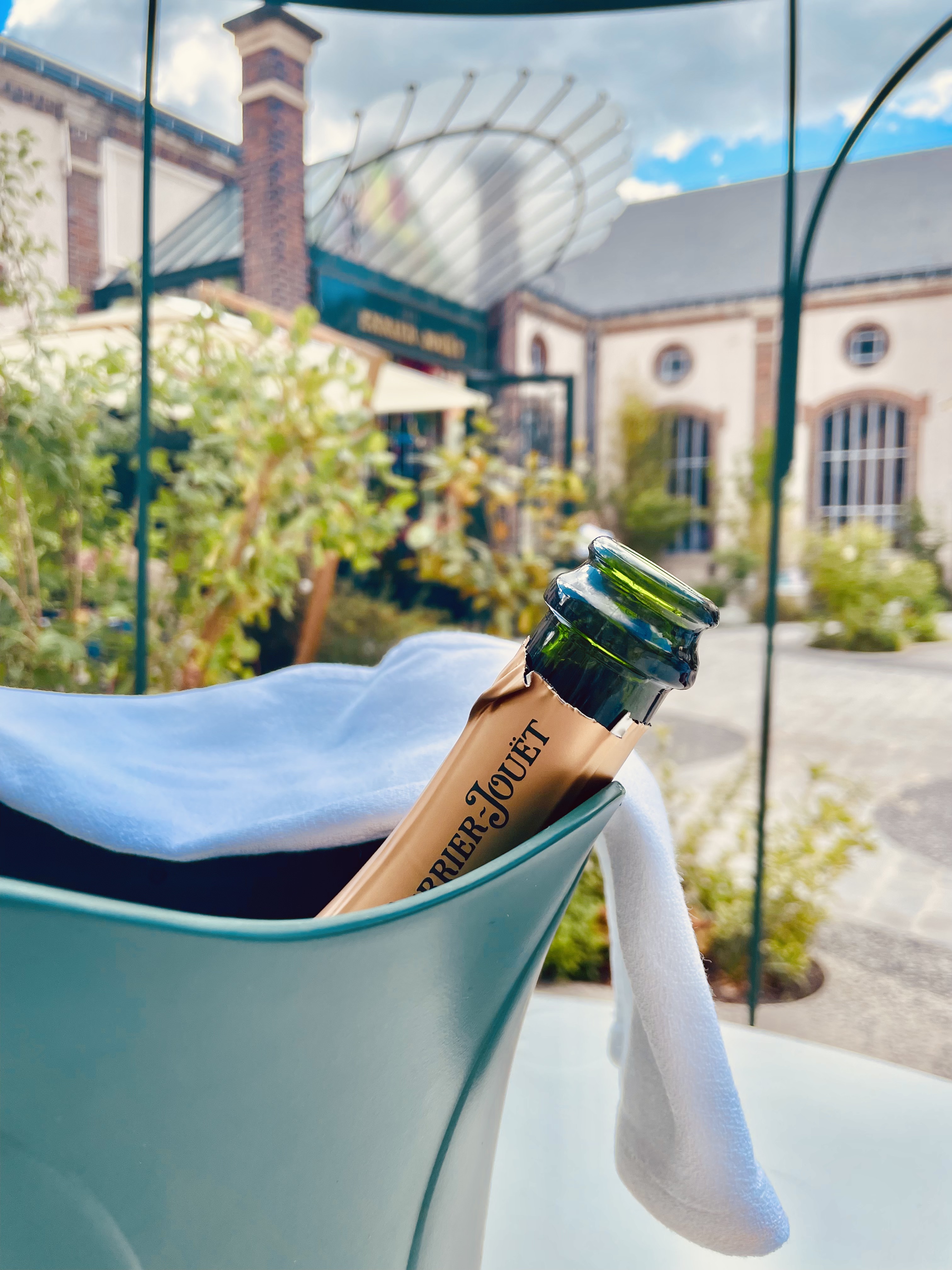
The lush courtyard at Perrier-Jouët—located on the Avenue des Champagnes in the iconic village of Épernay—makes a stylish spot to share a bottle with travel companions.
Need to know
For more inspiration and insider recommendations, visit our International Travel page.


Travel Advisor
East of Ordinary


Alisha Keirstead
Get in touch with East of Ordinary
Did you like this guide? Reach out to customize and book your own experience. Or, just to chat about travel in general.