



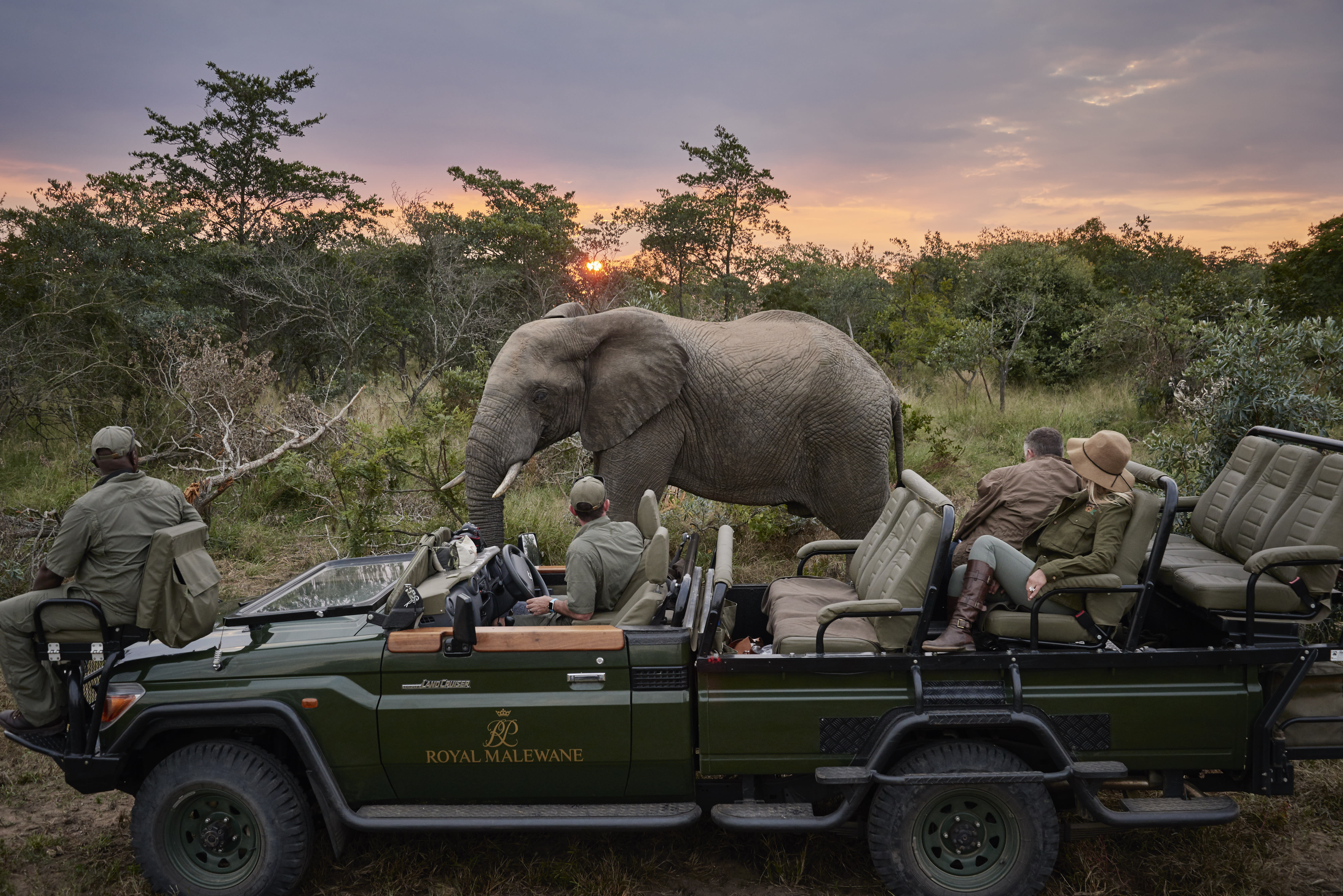
Image courtesy of Royal Malewane
When it comes to planning your first African safari, the number of choices can feel overwhelming. Africa spans over 11.6 million square miles—nearly four times the size of the US—making it impossible to experience everything in one trip. That's precisely why South Africa stands out as the ideal gateway to African wildlife adventures.
When clients dream of their first African safari, South Africa emerges as the clear frontrunner. As a travel professional, I consistently recommend this destination for first-time safari travelers, and here's why it delivers unmatched value and experiences.
Why choose South Africa over Kenya or Tanzania for your first safari?
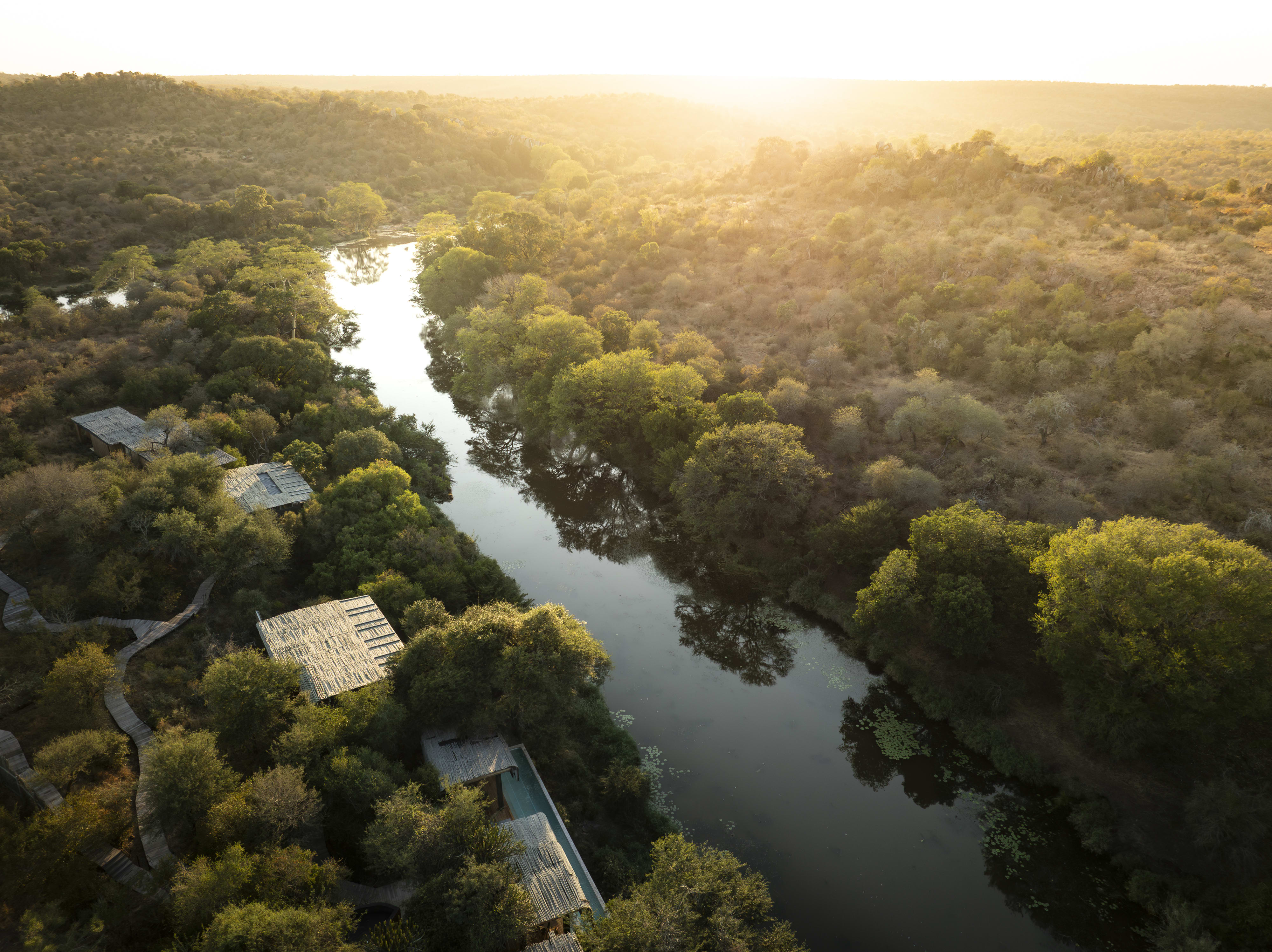
Image courtesy of Singita Sweni Lodge
South Africa holds a unique position as the only major safari destination that combines world-class wildlife viewing with rich cultural exploration. While other African countries excel in specific areas, South Africa delivers a comprehensive experience that eliminates the guesswork from your first safari adventure.
The country's strategic positioning allows for itineraries that typically include six days of safari experiences combined with a few days exploring Cape Town and the Winelands. This balance ensures you'll experience both the thrill of Big Five sightings and the sophistication of world-class cuisine, wine, and cultural attractions—all within a single destination.
Guaranteed wildlife sightings
One of South Africa's greatest advantages is its promise of (pretty much) guaranteed Big Five sightings. The country's private conservancies offer particularly intimate wildlife viewing experiences by limiting the number of vehicles per sighting. Imagine watching seven lions with your vehicle as the sole observer, compared to the 120 vehicles that might surround 70 lions in busier East African destinations like Kenya.
South Africa's unique landscape allows animals to move freely between national parks and private conservancies, creating dynamic wildlife viewing opportunities throughout your stay. The open-vehicle safari format—as opposed to the closed-top vehicles common in Kenya and Tanzania—provides unobstructed photography and closer connections to the natural environment.
Expert tip: South Africa offers wildlife viewing all year, whereas Kenya and Tanzania have a small window for the Great Migration.
How to choose the perfect safari camp or lodge
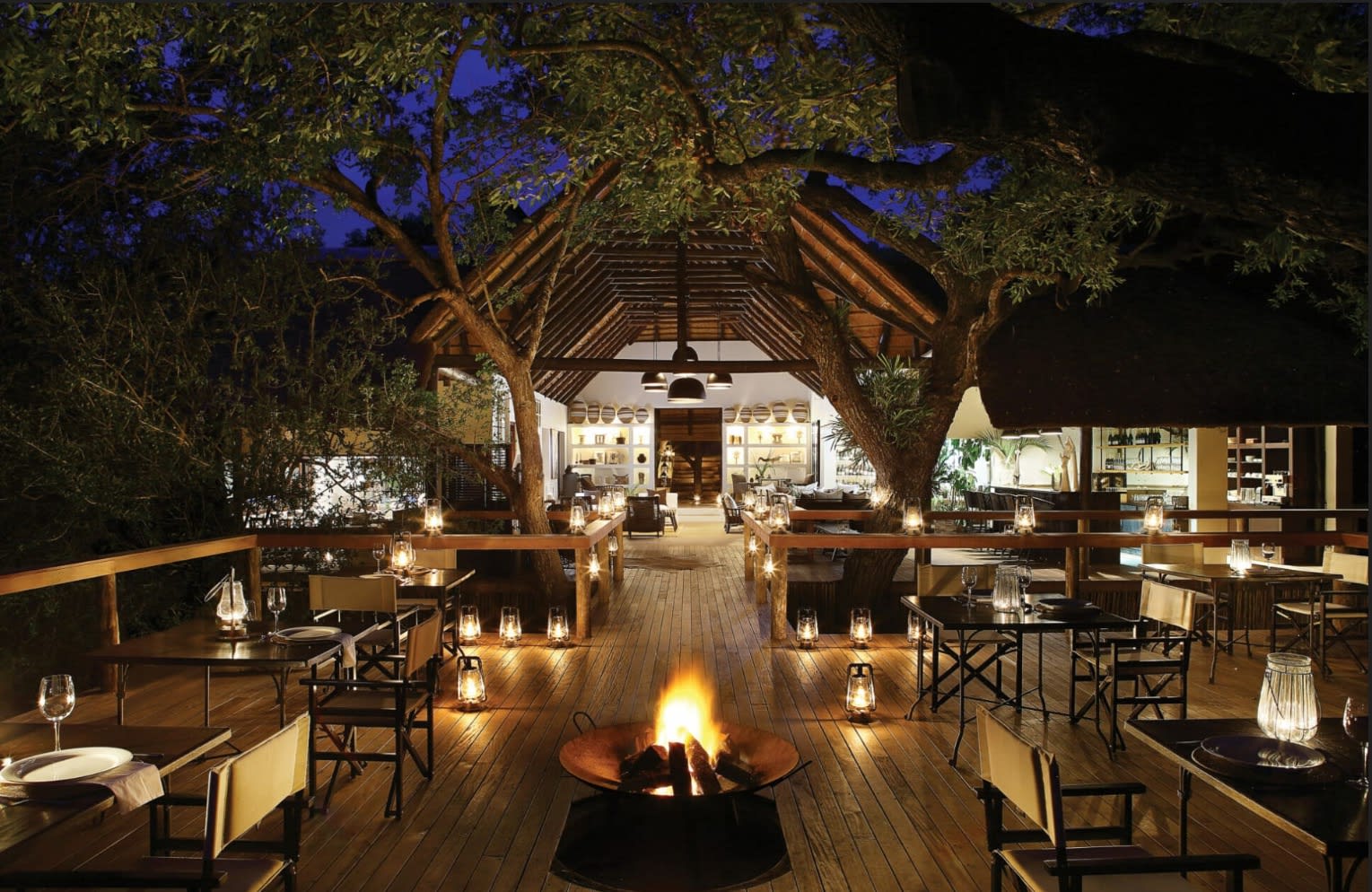
Image courtesy of Londolozi Tree Camp
Successful safari planning requires matching specialized experiences with your interests. Expert advisors might pair elephant-focused camps with general safari lodges, or combine leopard specialists with broader wildlife options to ensure comprehensive animal encounters.
Understanding property portfolios is crucial—major lodge groups like Sabi Sabi operate seven different lodges, while Thornybush manages several properties, each targeting different audiences from families to couples to adventure seekers and luxury travelers.
National parks and private reserves
National parks (like Kruger) provide more affordable options but tend to be busier with day-trippers and larger groups. These parks are owned by the government and offer excellent wildlife viewing opportunities, with properties nearby that offer a more budget-conscious safari option. National parks have guidelines, like driving only on marked roadways and adhering to park hours.
Private reserves and concessions (such as Sabi Sands) command premium pricing but deliver intimate experiences with greater flexibility. These are either tracts of land that are loaned from the national parks system (and are actually within the national parks) or privately owned. Because these reserves are not public, you'll enjoy off-road driving capabilities, night safari opportunities, and significantly fewer vehicles competing for wildlife sightings.
Here are some examples of lodges and camps in South Africa:
Boulders Bush Lodge (not to be confused with Boulders Singita): Self-catering bush lodge on stilts with private waterhole views and solar-powered accommodation for exclusive groups.
Lion Sands (Sabi Sands): Luxury riverside lodges with iconic elevated treehouses and exclusive Sabie River access.
Royal Malewane (Thornybush Reserve): Ultra-luxury lodge with personal butlers, private pools, and a dedicated guide team.
Savanna Lodge (Sabi Sands): Family-friendly lodge with dedicated childcare, contemporary tented suites, and comprehensive activity programs.
Thornybush Game Lodge (Thornybush Reserve): Historic grande dame safari lodge with classic elegance, riverbed views, and warm hospitality since 1961.
SabiSabi: Collection of four distinctive lodges ideal for every traveler from vintage romance to contemporary design, each offering unique safari experiences.
Singita Lebombo Lodge: Architectural masterpiece with glass-walled suites suspended above cliffs, inspired by eagles' nests.
Expert tip: Animals move freely between national parks and private conservancies, so both options offer authentic Big Five encounters. Which experience you choose depends largely on budget.
How much does a safari cost?
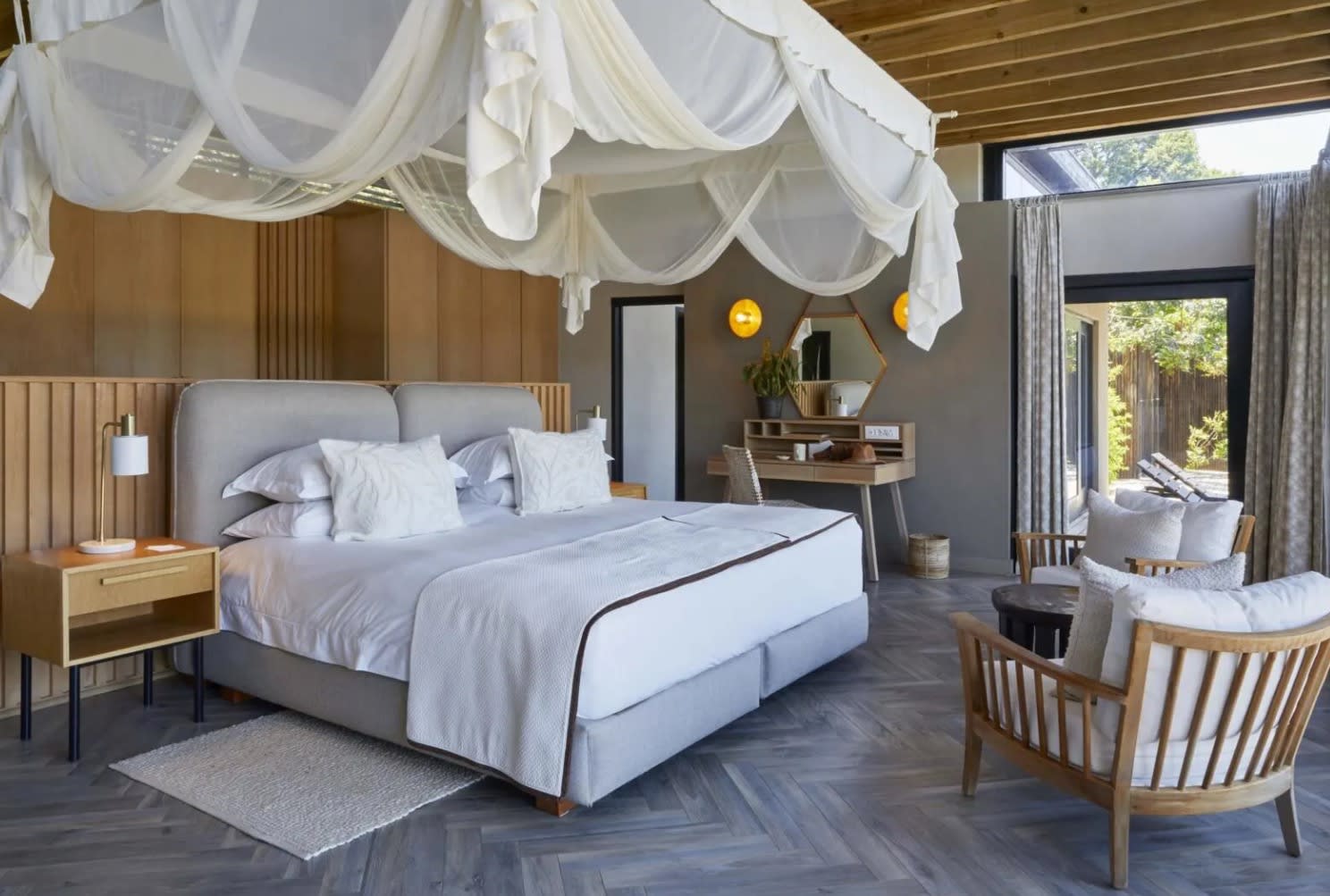
Image courtesy of Lion Sands Private Game Reserve
South Africa's advantage lies in your ability to balance expensive safari experiences with more affordable city and cultural activities. However, successful safari planning requires honest budget discussions from the outset.
What's included in safari rates
Safari pricing operates on a per-person basis rather than per-room, with rates typically including:
All game drives and wildlife activities
All meals and beverages
Airport/air strip transfers
Some spa services (though some premium treatments cost extra)
Conservation fees supporting wildlife protection
Expert tip: Plan for $1,000+ per person per day as a baseline for quality budget safari experiences. Premium lodges like Singita command $3,200+ per person per day but deliver unparalleled luxury and wildlife access.
How safaris support conservation and communities
Every safari lodge stay directly supports conservation efforts through embedded conservation fees. This tourism-conservation model ensures your safari contributes meaningfully to wildlife protection and habitat preservation—making your experience both personally transformative and environmentally impactful.
Many lodges work directly with local groups to support education, employment, and agricultural efforts in the community. When considering cost, don’t forget how remote these properties are and the monumental tasks of keeping them supplied and running smoothly.
What does a typical day on safari look like?
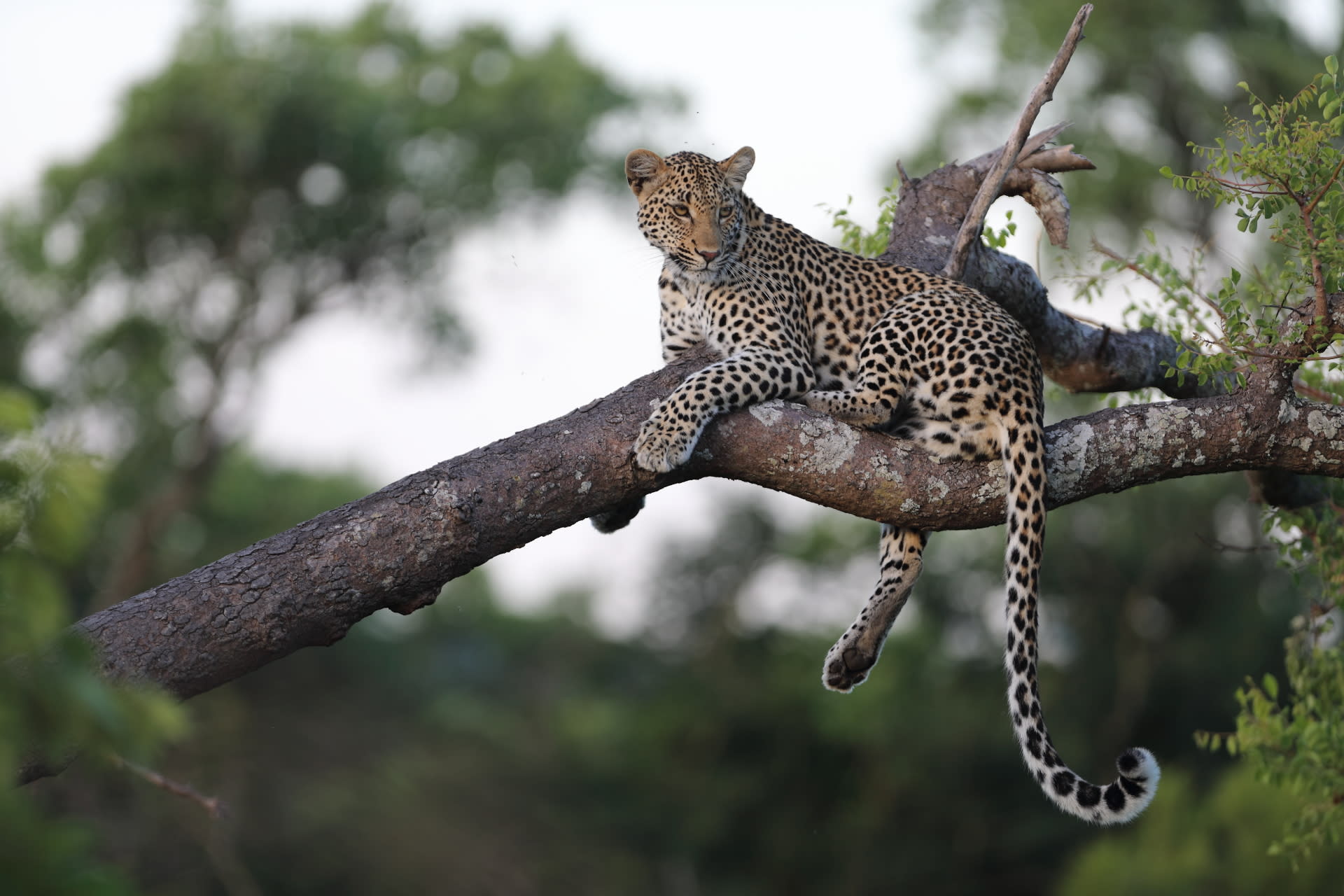
Image courtesy of Royal Malewane
A typical South African safari day follows a time-tested rhythm designed to maximize wildlife encounters. The days start early—wake up calls are usually around 5am—to get the best chances of witnessing animal activity before the heat of the day. This is a loose outline of what you’ll experience across most safaris:
Morning safari schedule (5:30–10 am)
Wake-up service: Tea, coffee, and light snacks delivered to your room
Early morning game drive: Peak animal activity during cooler temperatures
Return to lodge: Hearty breakfast and relaxation time
Afternoon safari schedule (2:30–7 pm)
Afternoon departure: Animals become active as temperatures drop
Sundowners tradition: Cocktails served in the bush during African sunset
Return for dinner: Gourmet meals showcasing local ingredients
Evening options (7–10 pm)
Night drives: Available at private conservancies for nocturnal wildlife viewing
Lodge relaxation: Spa treatments, stargazing, and cultural presentations
Why you need a travel advisor to plan your safari
Planning a South African safari requires expertise that extends far beyond booking accommodations. Travel advisors serve as your essential partners in creating exceptional safari experiences, providing access to a complete inventory of safari properties that many travelers never discover on their own.
Many intimate, boutique lodges operate with limited marketing budgets and focus exclusively on working with travel advisor networks rather than directly with travelers. This means the most exceptional properties often remain invisible to independent travelers.
Travel advisors navigate complex logistical challenges that can make or break your safari experience. They understand which lodges complement each other strategically and can navigate geographic challenges including expensive charter flights and 11-hour drives over challenging roads.
Advisors provide assistance at every point in your trip, including helping you know what to pack. Professional advisors also provide 24/7 on-ground support—an invaluable asset when traveling in Africa, where even minor issues can create significant anxiety for first-time visitors.
Cape Town's cultural treasures
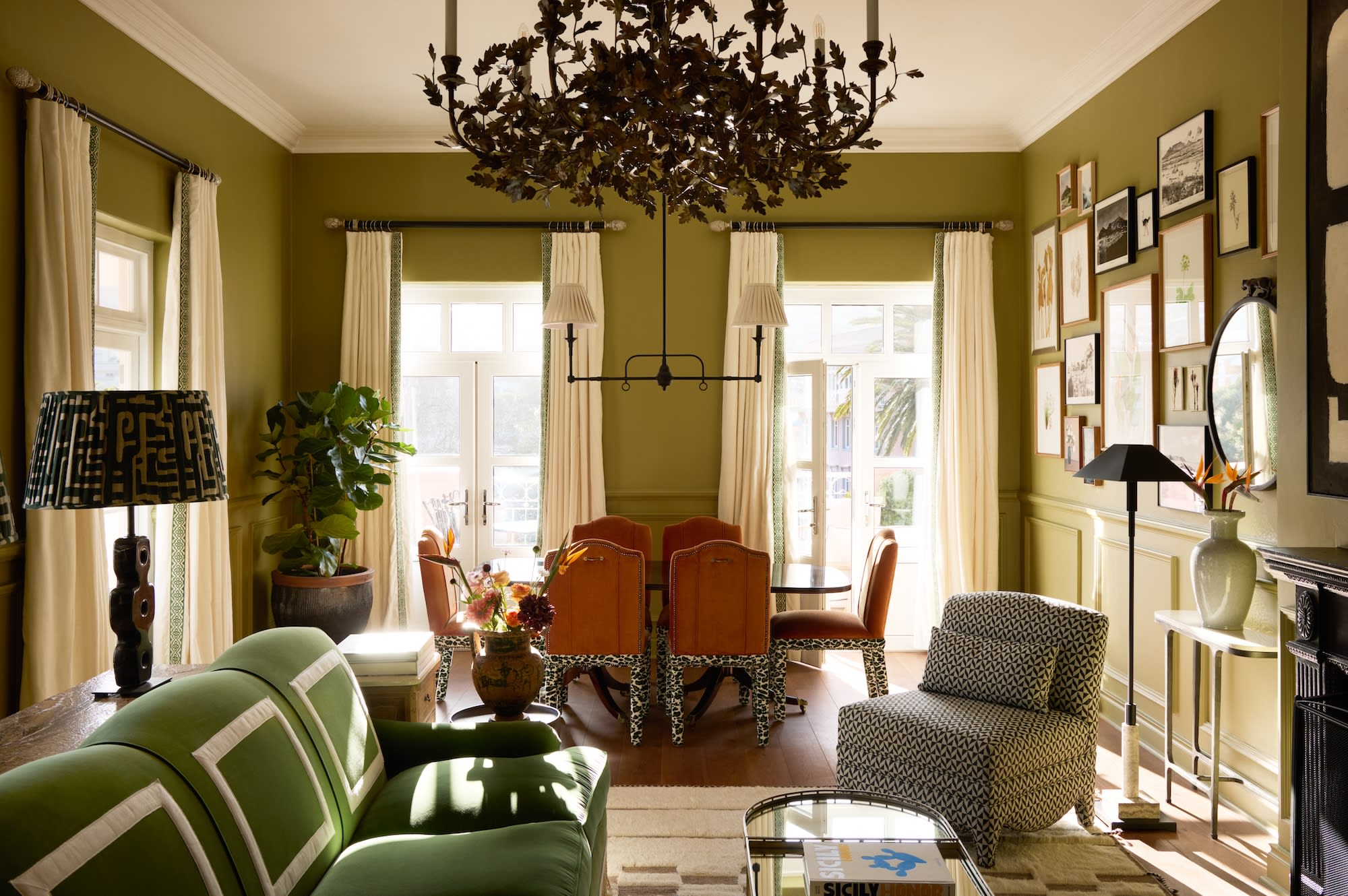
Image courtesy of Mount Nelson, A Belmond Hotel, Cape Town
Cape Town transforms your safari adventure into a comprehensive South African experience. The city boasts an international dining scene, world-class shopping, and adventure activities including Table Mountain climbing and shark cage diving.
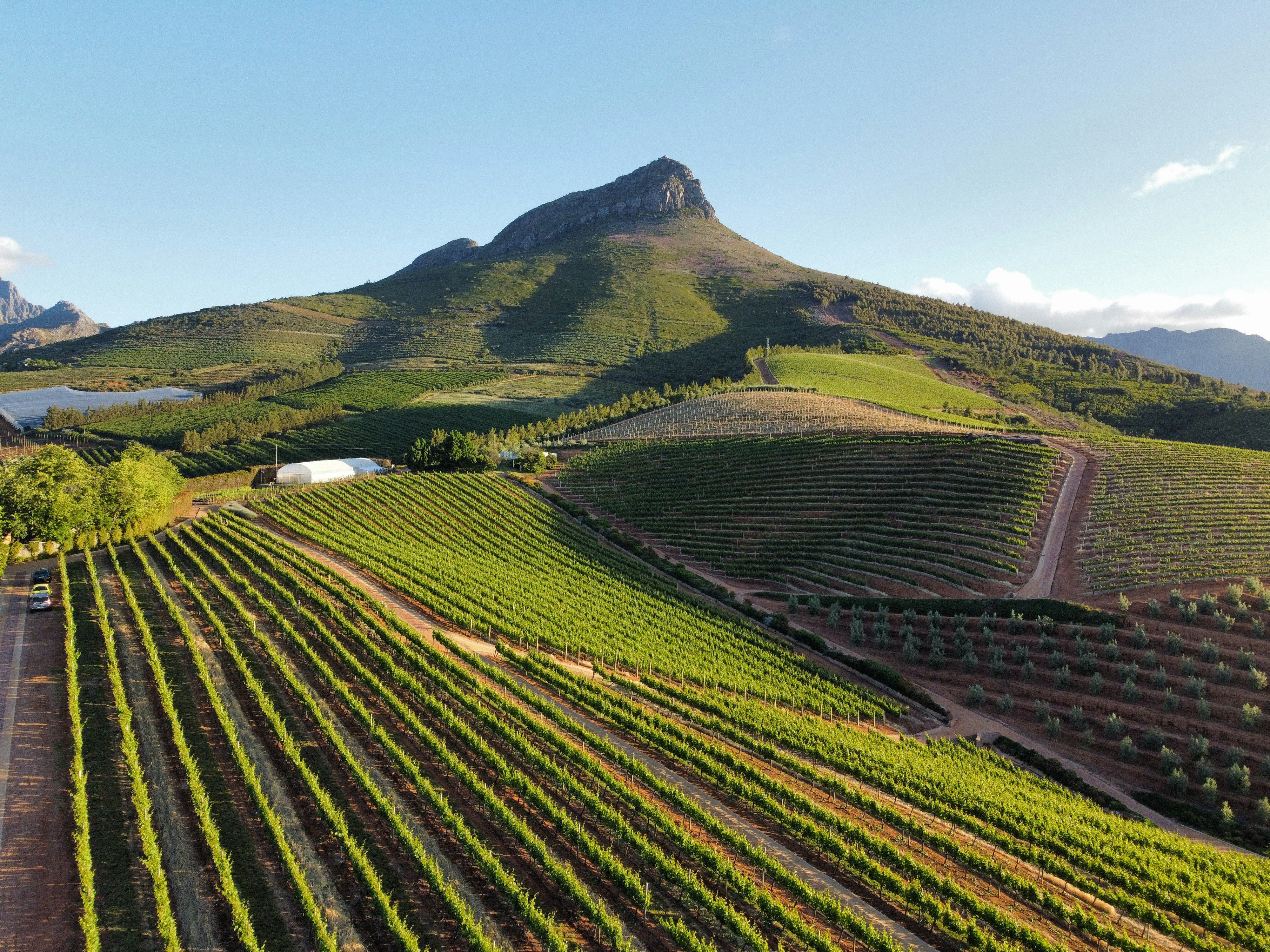
Cultural enthusiasts shouldn't miss Robben Island, where Nelson Mandela was imprisoned for 27 years, offering profound insights into South Africa's complex history. The nearby wine country provides additional cultural depth with farmland safari experiences and charming towns like Franschhoek.
Here are some suggested experiences:
Franschhoek: Charming historic town and center of the Winelands
Babylonstoren: A farm-to-table paradise in the Winelands
Grootbos: Marine safari experiences
The Garden Route: Scenic coastal drives and activities
Hermanus: World-renowned whale watching opportunities
Ideal safari add-on destinations
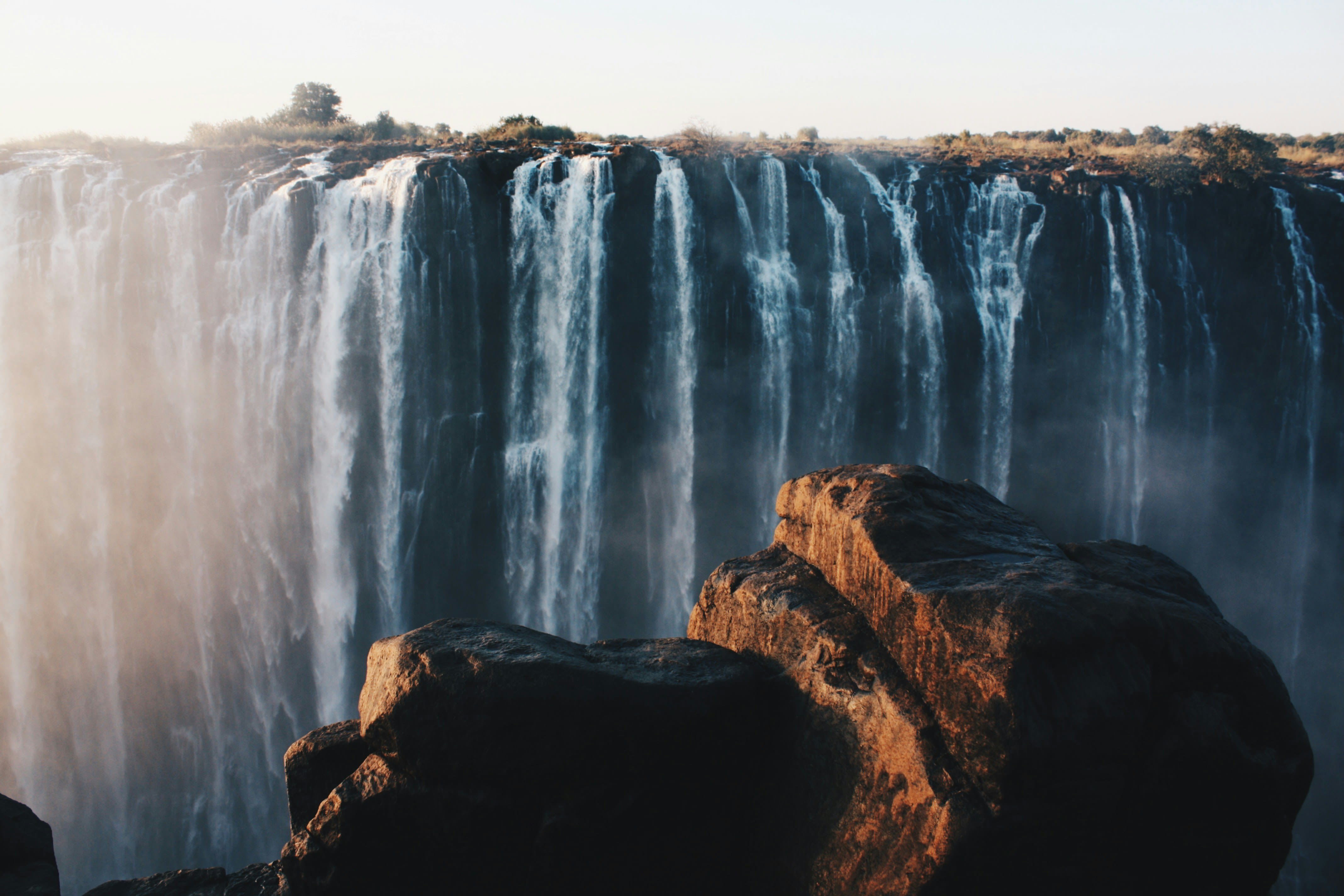
South Africa's strategic location provides easy access to additional African experiences. You can opt for a desert landscape in Namibia or head to the coastal islands of Mozambique for an unplugged beach retreat. Your Fora Advisor can piece together the best routes and logistics to make your last few days in Africa memorable.
Victoria Falls: One of the world's seven natural wonders, easily accessible via direct flights from South Africa, adding dramatic natural beauty to your itinerary.
Botswana: The Okavango Delta offers water-based wildlife viewing in arid landscapes with spectacular animal concentrations.
Mozambique beaches: Direct flights from Kruger (available on specific weekdays) provide seamless safari-to-beach transitions for the perfect combination.
Namibia: The Skeleton Coast delivers striking desert scenery and rich cultural experiences, complementing wildlife-focused South African adventures even without traditional safari animals.