



Image courtesy of Loirien Mara
Planning your first safari can be overwhelming, especially when it comes to packing. Between the "you must wear head-to-toe khaki" crowd and the gear enthusiasts pushing expensive safari boots, it's enough to make you want to stay home. Here's the truth that doesn't get said enough: safari packing doesn't have to be complicated. It just needs to be smart.
After my own nine-day Kenyan adventure, I've learned that the right preparation transforms potential stress into pure magic. You'll remember feeding giraffes and witnessing the Great Migration—not whether you packed the perfect safari vest.
What to wear on safari
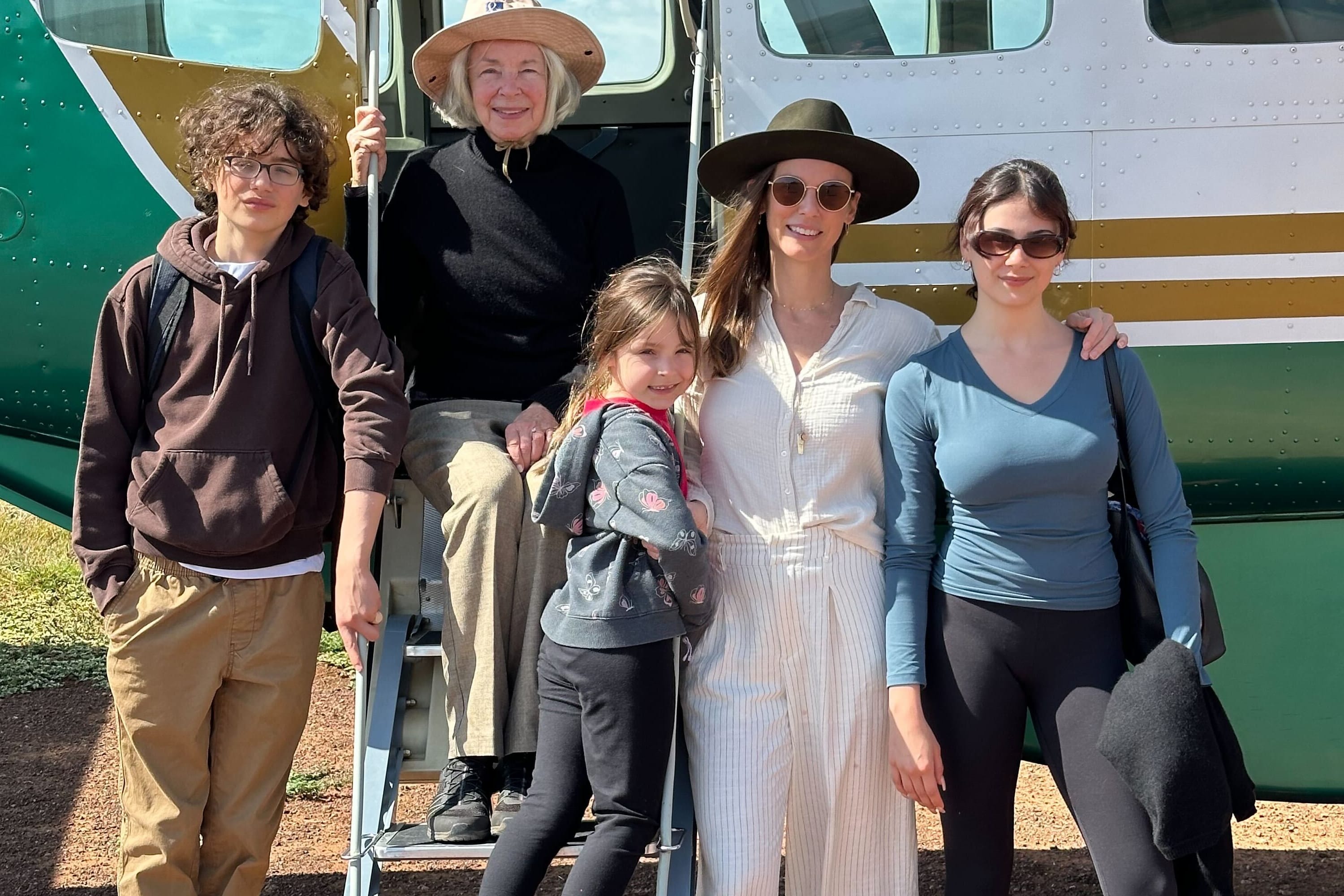
Forget what you've heard about avoiding bright colors. Yes, neutral tones like khaki, olive, and tan may get all the social media likes for game-drive drip, but it doesn’t make any kind of a difference to the animals. The real no-nos? Pure white (shows every speck of dust) and bright blue or black (can attract tsetse flies in certain regions).
The other key is layers you can manage easily. You'll start your morning game drive bundled up, strip down to a t-shirt by 11 am, then reach for that jacket again by sunset. African weather plays by its own rules, so packable pieces that don't require a meteorology degree are your friend.
Forget the fancy safari boots—unless you're planning serious hiking, they're overkill. Your broken-in sneakers or hiking shoes work perfectly for most safari activities. For lodge downtime, comfortable sandals or sneakers are ideal. Leave the heels at home, and skip anything that requires breaking in.
Safari clothing essentials:
Long-sleeved shirts: Moisture-wicking blends serve dual purposes for both sun protection and bug defense. Layer this shirt under a jacket for those early morning rides.
Short-sleeved shirts: Lightweight options like this breezy T-shirt are perfect for layering so you’re prepared for the midday heat.
Comfortable, lightweight pants: These trekking pants were recommended to me when I went to Rwanda, and I've worn them around the world ever since. If you're going on an active safari, these are thick enough to protect while walking through high grasses or forest, light enough to not overheat, and cute enough that you'll get compliments every single time. For long game days or relaxing at camp, opt for these stylish drawstring pants.
Lightweight jacket or fleece: Morning and evening drives can be surprisingly chilly, so make sure to bring a warm fleece, possibly one with a cozy hood. For a compact puffer, this Uniqlo jacket won’t take up too much space in your duffle.
Sun hat with chin strap: For windy jeep rides, you’ll want a hat. A packable hat is ideal, or for those that have a Kemo Sabe, bring it because why not.
Scarf or buff: You’ll want a scarf for those dusty drives, plus a little sun protection. This scarf also can be used as a shawl.
Gloves: If gorilla trekking, bring a long pair of gardening gloves, these protect your arms when you're deep in the jungle on treks.
Comfortable walking shoes: For hiking boots, if you will be active, get something higher to cover ankles like these Merrells. But if it's more a game drive not active safari, any ankle covering boot works. I love my Fryes.
What medications & personal care items to bring on safari
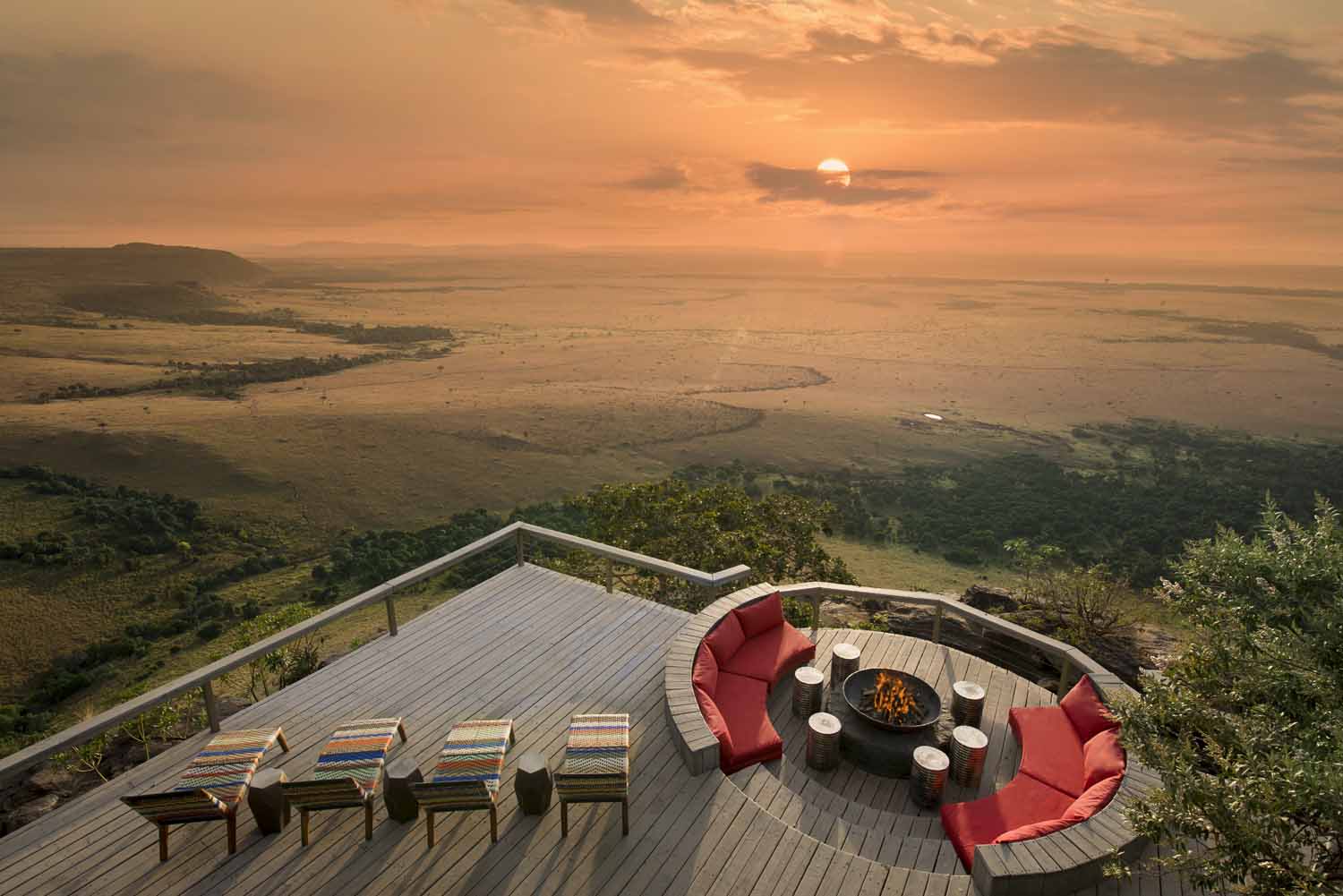
Image courtesy of Angama Mara
This is where you absolutely cannot wing it. Consult a travel medicine specialist or an international travel vaccination clinic four to six weeks before departure—they have the most current requirements for your specific destinations. The CDC's travel health website provides up-to-date vaccination requirements and health information, but your doctor will tailor advice to your specific needs and medical history. Health clinics specifically related to travel are also an option and have up-to-date requirements for global destinations.
JetSet Meds can create a custom set of meds to travel with, and there's a telemedicine component so you can call in if not feeling well. Travel insurance with medical evacuation coverage isn't just recommended—it's essential when traveling to remote areas.
The African sun doesn't mess around, so your sun protection game needs to be on point. Beyond SPF 30+ broad-spectrum sunscreen, pack lip balm with SPF and aloe vera gel for inevitable touch-ups. For bug defense, DEET-based repellent with 20–30% concentration handles most situations, though permethrin-treated clothing is a game-changer for serious protection.
The hygiene basics: antibacterial wipes become your best friend for quick cleanups, dry shampoo helps with water conservation, and hand sanitizer is always worth having extra. Most lodges provide basic toiletries, but quality varies, so bring travel-size versions of your essentials.
Medical kit essentials:
Prescription medications: Bring extra in original containers
Anti-diarrheal medication: Essential for any traveler
Pain relievers: Ibuprofen and acetaminophen
First aid basics: Bandages, antiseptic wipes, tweezers
Safari gear that’s nice to have
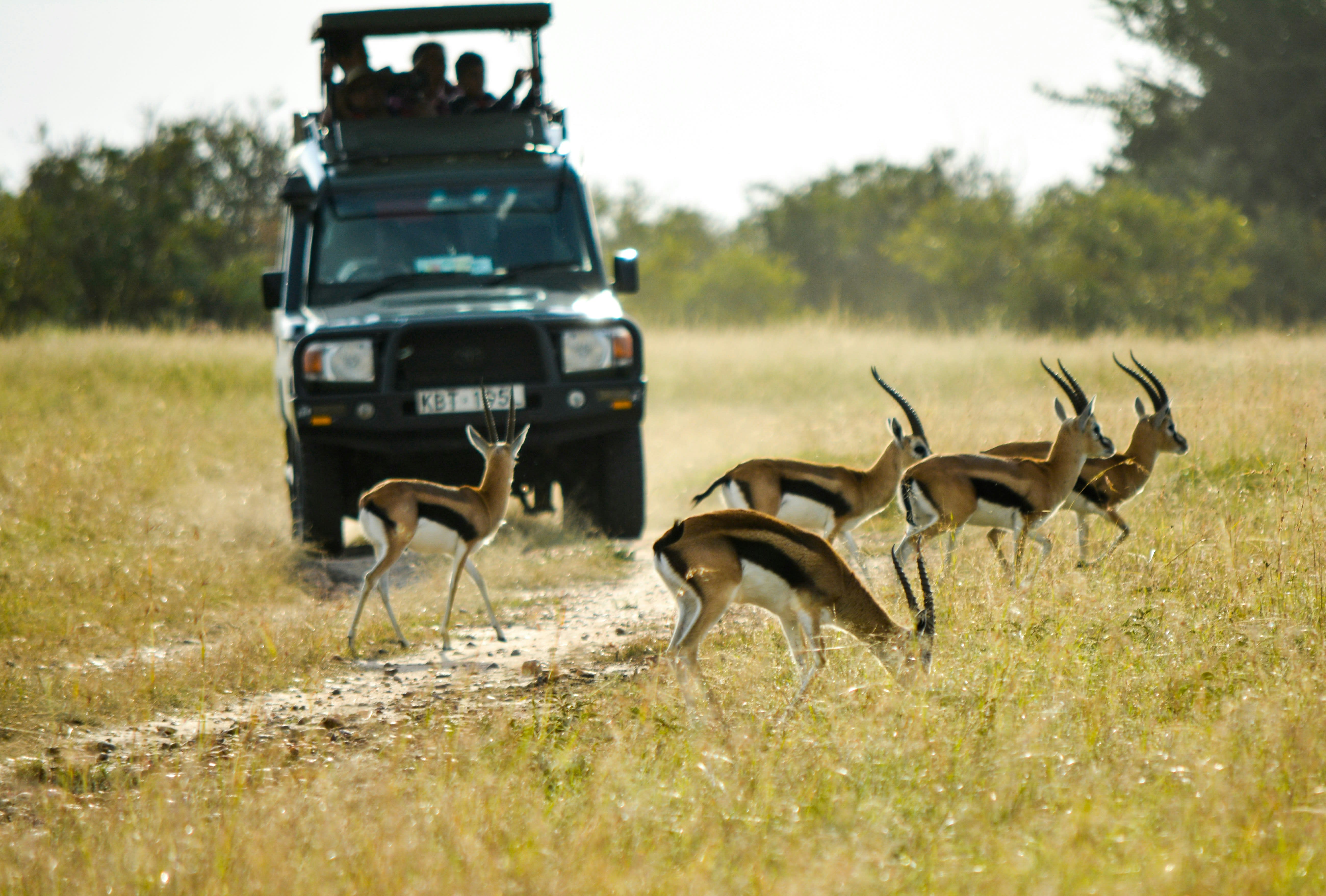
Binoculars transform distant wildlife into up-close encounters, while a field guide helps with animal identification. A travel journal captures memories, and don't underestimate the value of a good portable charger—solar-powered options work great in the African sun.
Binoculars: For wildlife viewing
Portable charger: Solar-powered preferred
Headlamp: Hands-free lighting
Universal adapter: Different countries, different plugs
Travel journal: Because you want to remember even the tiny details
Field guide: For birds or animals specific to your region
What not to pack on safari
Save the suitcase space and skip camouflage clothing (illegal in some countries), expensive jewelry, too many shoes, cotton socks that trap moisture, and hairdryers (most lodges provide them).
Also, most small planes require passengers to pack in a soft-sided duffel bag with a weight restriction. Your advisor will know all the details and size requirements.
Ready for your safari adventure?
Smart packing sets the stage, but the real magic happens when you're watching elephants bathe at sunset or listening to lions roar in the distance. Want to see how an incredible safari unfolds? I recently experienced Kenya's most spectacular conservancies—from feeding Rothschild giraffes in Nairobi to witnessing the Great Migration in the Maasai Mara.
Check out my Kenya safari itinerary to see how the perfect adventure comes together, from luxury tented camps to unforgettable wildlife encounters.