

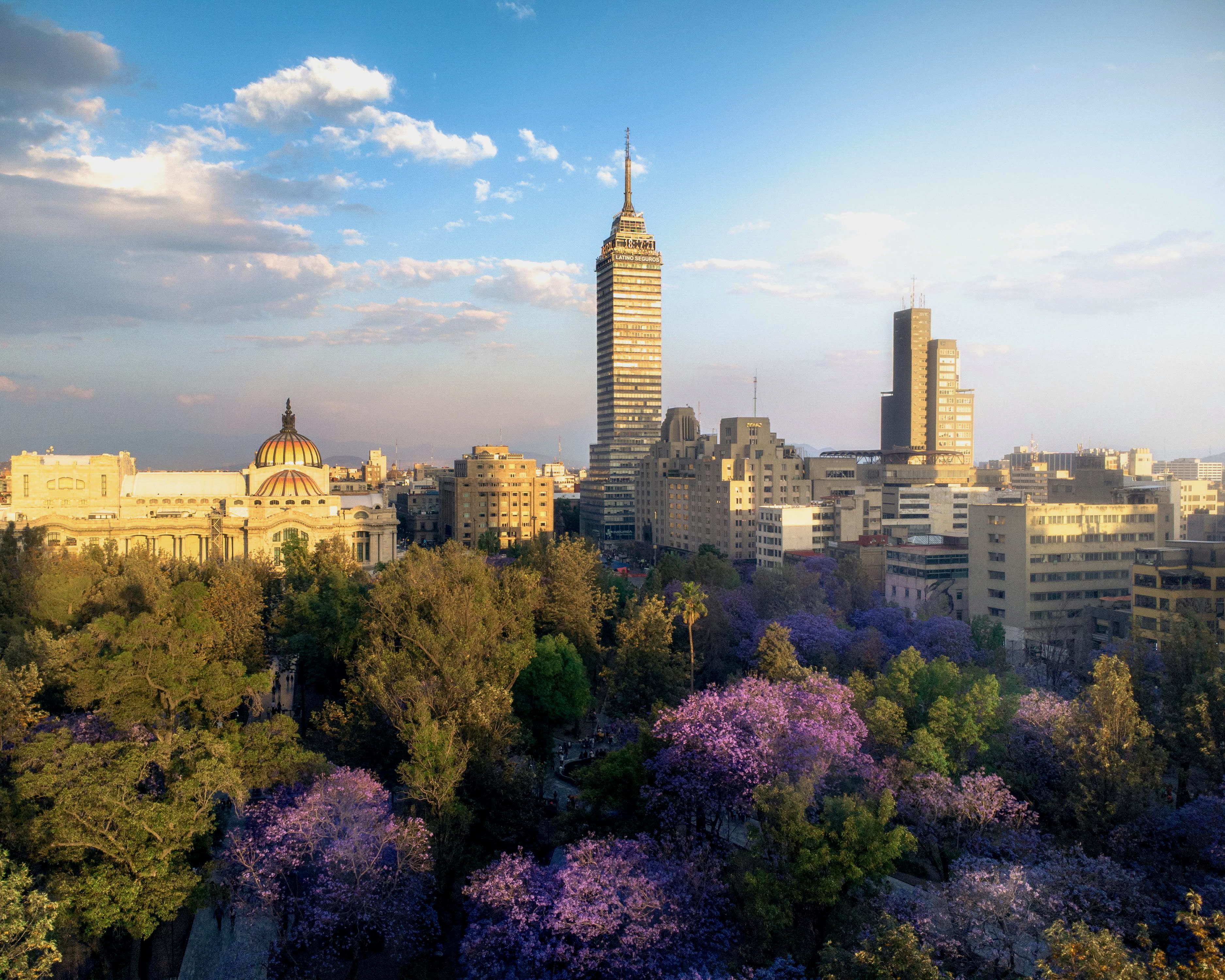
Mexico City anchors one of the world's great cultural regions, and Central Mexico proves why this area has been drawing people for millennia. The capital itself delivers on every front—more museums than Paris, neighborhoods like Roma and Condesa that feel like they're writing the playbook for urban cool, and a food scene that's turned the entire culinary world's attention southward.
And the capital is just the beginning. Within a few hours' drive, you've got Puebla's baroque architecture and mole traditions, plus the ancient mysteries of Teotihuacán's pyramids. This region rewards the kind of traveler who wants to understand Mexico beyond the beach resorts—where pre-Hispanic civilizations, complicated colonial history, and contemporary creativity layer together in ways that make every day feel like a discovery.
Mexico City works well for couples, families, and solo travelers who want a mix of culture, cuisine, and urban energy. Read on to learn where to stay, what to do, and how to plan your time in Mexico City.
Need to know
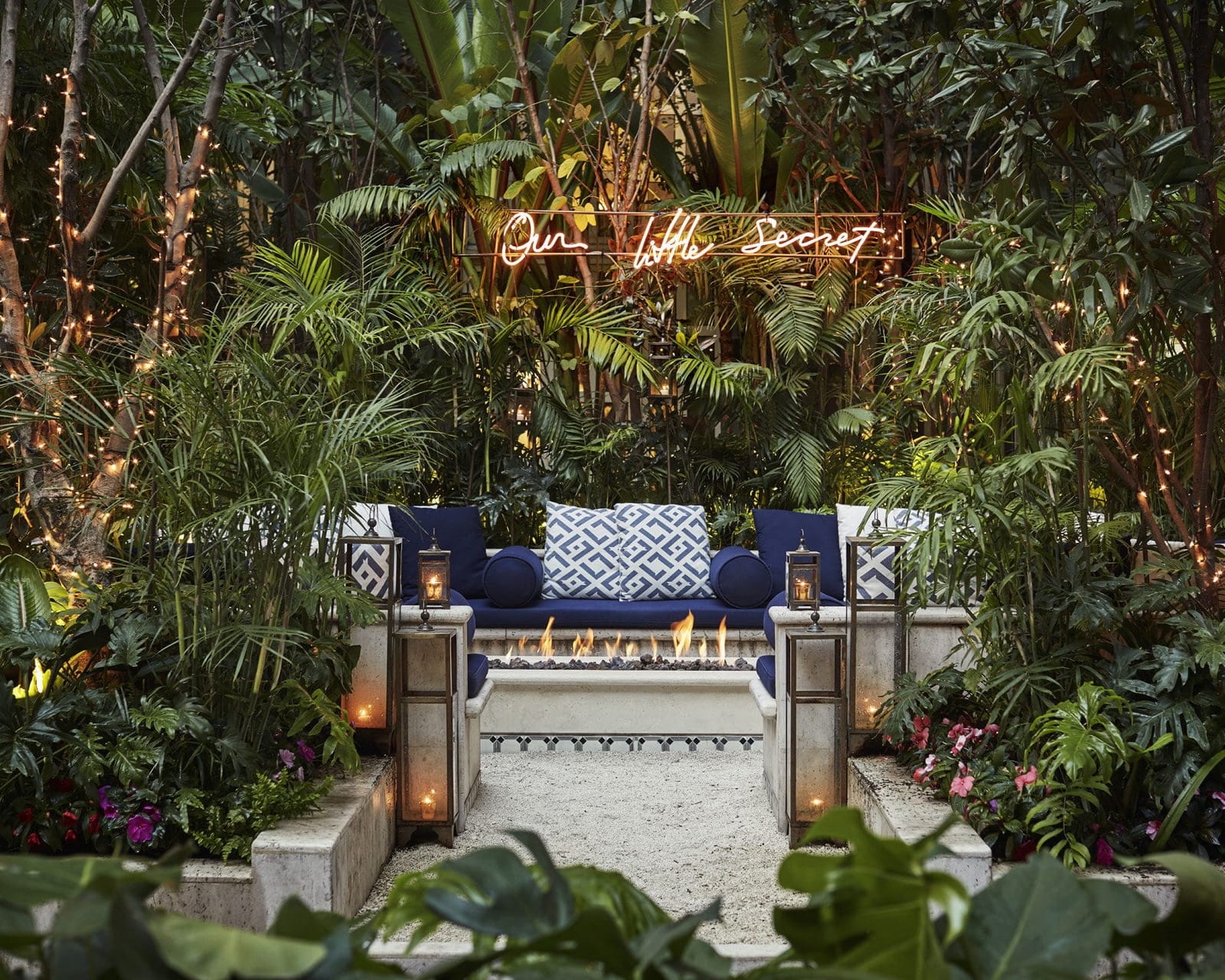
Image courtesy of Four Seasons Hotel Mexico City
Mexico City sits at high altitude, so staying hydrated and pacing yourself is key, especially in the first days. While the city has a reputation for being unsafe, it’s like any major city where using common sense goes a long way. Stick to popular neighborhoods during the day, explore on foot where appropriate, and rely on trusted guides or car transportation in the evenings. Avoid tap water and ice, and plan dining reservations weeks in advance. Last-minute travel is possible, but booking two months ahead ensures the best experiences.
Currency: Mexico uses the Mexican Peso (MXN). Credit cards are widely accepted in hotels, restaurants, and shops, though smaller establishments and markets prefer cash. Carrying pesos is essential for taxis, tips, and street food. In restaurants, tipping 10–15% is good practice, while 20–50 pesos for hotel staff, porters, or rideshare drivers is customary.
Languages: Spanish is the national language and spoken everywhere, though English is increasingly common in hotels, restaurants, and tourist areas. Spanish is essential, and even a few basic phrases go a long way in showing respect and building connection.
Key phrases: hola (hello), gracias (thank you), por favor (please), perdón (excuse me/sorry), ¿cómo estás? (how are you?), sí/no ( yes/no), no hablo español (I don’t speak Spanish), ¿hablas inglés? (do you speak English?)
Airports: Aeropuerto Internacional Benito Juárez (MEX) remains the city’s primary hub, with extensive domestic and international connections. Increasingly, flights are arriving into Felipe Ángeles International Airport (NLU), north of the city, with ground connections still lacking. Awareness and planning are essential when booking your flights and ground transportation.
Transportation: While Uber Black works well throughout CDMX, it’s not available for airport pickups. Condesa, Roma, and Polanco are best explored on foot, with leafy streets, cafés, and shops. Private drivers are a great option for full-day touring or longer cross-city trips, but skip driving yourself as traffic is heavy and parking is scarce.
Best time to visit: Mexico City is a year-round destination, though each season offers something different. Spring (March–May) brings warm days, clear skies, and purple jacaranda trees in full bloom. Summer (June–August) is the rainy season, with afternoon showers and cooler evenings. Fall (September–November) is prime for cultural events, from Independence Day to Día de los Muertos festivities and mild weather. Winter (December– February) offers crisp, dry days that are perfect for outdoor exploring.
Ideal length of stay: Mexico City is the perfect quick weekend getaway, though four to five days lets you dive deeper into its museums, food scene, and neighborhoods. It also pairs easily with nearby destinations in Central Mexico, like Puebla or San Miguel de Allende, or as a stopover before heading to beach resort destinations.
Signature dishes and drinks:
Tacos al pastor: Marinated pork shaved from the spit, topped with onion, cilantro, and a hint of pineapple sweetness.
Tlacoyos: Thick oval-shaped masa stuffed with beans or cheese, topped with salsa.
Elote: Street food staple of charred corn dressed with lime, mayo, cheese, and chili.
Peneques: Fried masa boats filled with cheese and served in a light tomato broth.
Pozole: A rich hominy soup, simmered with pork or chicken and finished with shredded lettuce, radish, and lime.
Aguas frescas: Refreshing blends of fruit or flowers mixed with water and sugar—think hibiscus, tamarind, or watermelon.
Michelada: A zesty beer cocktail laced with lime, spices, and chili.
Carajillo: Bold espresso shaken with Licor 43 over ice in one punchy nightcap.
Cafe de olla: Mexican coffee with panela and cinnamon prepared in a traditional earthen clay pot.
What to wear: Mexico City is trendy and chic. Light layers and comfortable shoes are essential for exploring cobblestone streets, rooftop bars, and neighborhoods like Roma, Condesa, and Polanco. Be prepared for cooler nights given the altitude of the city.
Travel tips:
Safety: While CDMX has a reputation for safety, it’s like any major city. Use street smarts as petty theft and scams exist, avoid flashing valuables, and take registered taxis or ride-hailing apps (especially at night). Tap water and ice are not recommended, stick to bottled or filtered water.
Altitude and air quality: Mexico City sits at 7,350 feet (2,240 meters), so be sure to hydrate and move slowly the first day. Pollution can be noticeable especially in winter.
Weekend car-free streets: On Sundays (and sometimes Saturdays), Reforma transforms into a pedestrian-friendly avenue for walking, biking, and roller skating.
Medications: Bring prescriptions in original containers. Many common meds are available at pharmacies without a prescription, but controlled substances require proper documentation.
Smoking and drinking: Drinking is allowed in licensed venues, but not on the streets or in public spaces. Smoking is banned in most public indoor and outdoor spaces, with limited designated areas available.
Cultural etiquette: Greetings are important. Handshakes or light hugs among friends are common. It’s polite to greet staff when entering or leaving shops, restaurants, or hotels with a “buenos días” or “buenas tardes.”
Polanco
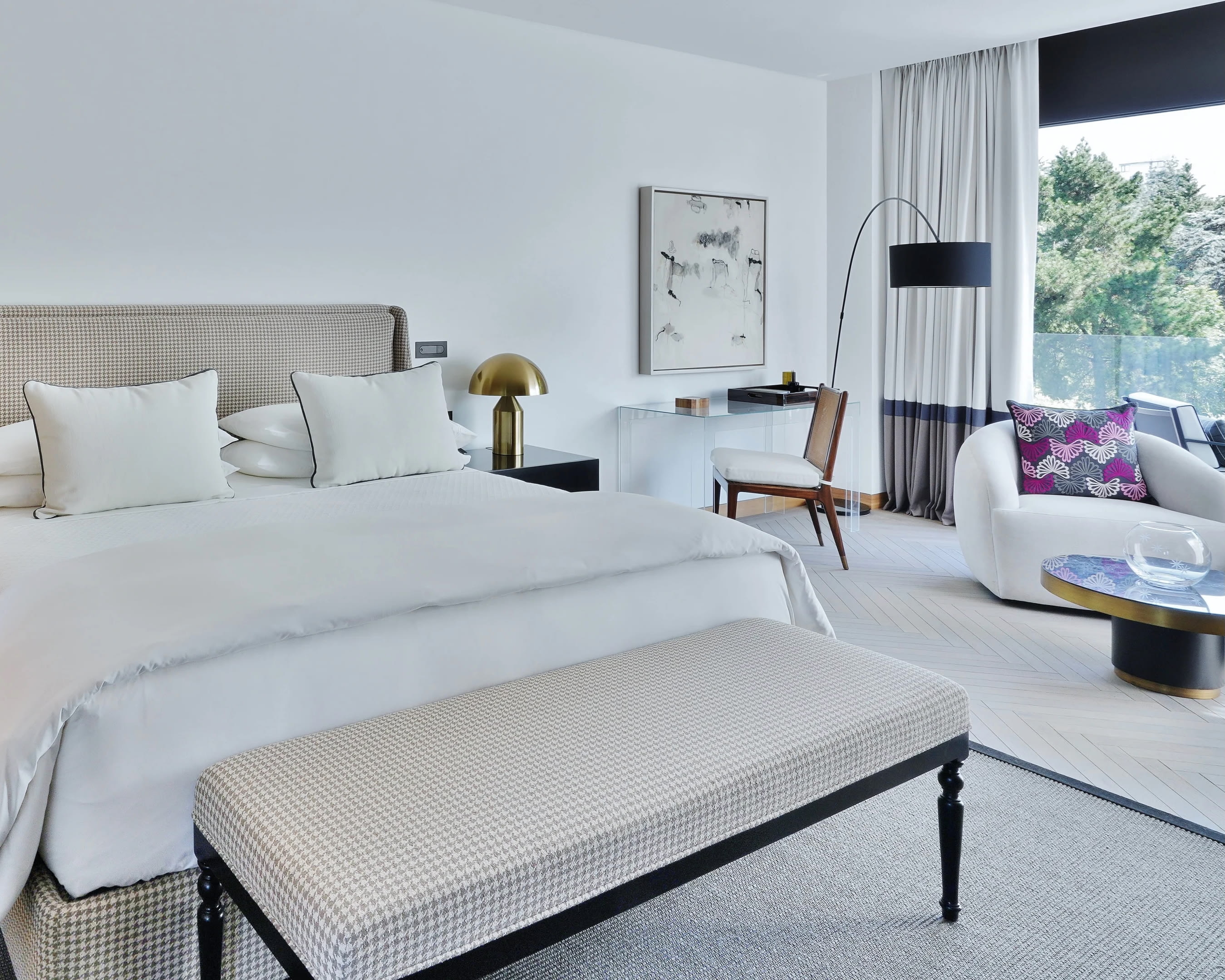
Image courtesy of Casa Polanco Hotel Boutique
Mexico City’s upscale neighborhood, with luxury boutiques and high-end restaurants line Avenida Masaryk. Some of the city’s flagship museums are here, from Soumaya’s sweeping art collections to Jumex’s international, contemporary offerings. Polanco is chic, cosmopolitan, and filled with tree-lined streets made for walking.
Where to stay
Casa Polanco Hotel Boutique: A refined boutique stay blending 1940s heritage with contemporary elegance. Expect intimate, design-forward rooms, leafy courtyard breakfasts, and personalized service that feels more like a private residence than a hotel.
Fora Perks include a $100 food and beverage credit, daily breakfast, an upgrade, and extended check-in/out whenever possible.
Hotel Alexander, Mexico City: Design-forward, modern base with easy access to shops, cafés, and nightlife. Bright, contemporary rooms prioritize comfort and convenience. Its unfussy comfort and central location make it ideal for travelers focused on exploring.
Fora Perks include a $100 food and beverage credit, daily breakfast, an upgrade, and extended check-in/out whenever possible.
Las Alcobas, a Luxury Collection Hotel, Mexico City: Sleek sophistication with rooms designed for both comfort and quiet indulgence. Guests are welcomed with thoughtful touches, from in-room spa baths to personalized service that feels boutique yet upscale.
Fora’s Marriott STARS partner perks include a $100 hotel credit, welcome amenity, daily breakfast, an upgrade, and extended check-in/out whenever possible.
Campos Polanco: Elegant boutique stay within a restored townhouse, offering stylish suites that feel polished and residential. Thoughtful design, curated art, and a sense of warmth make it an intimate retreat in one of Mexico City’s most fashionable neighborhoods.
Fora Perks include a $25 hotel credit per day, welcome amenity, an upgrade whenever possible, and guaranteed late check-out.
Condesa and Roma
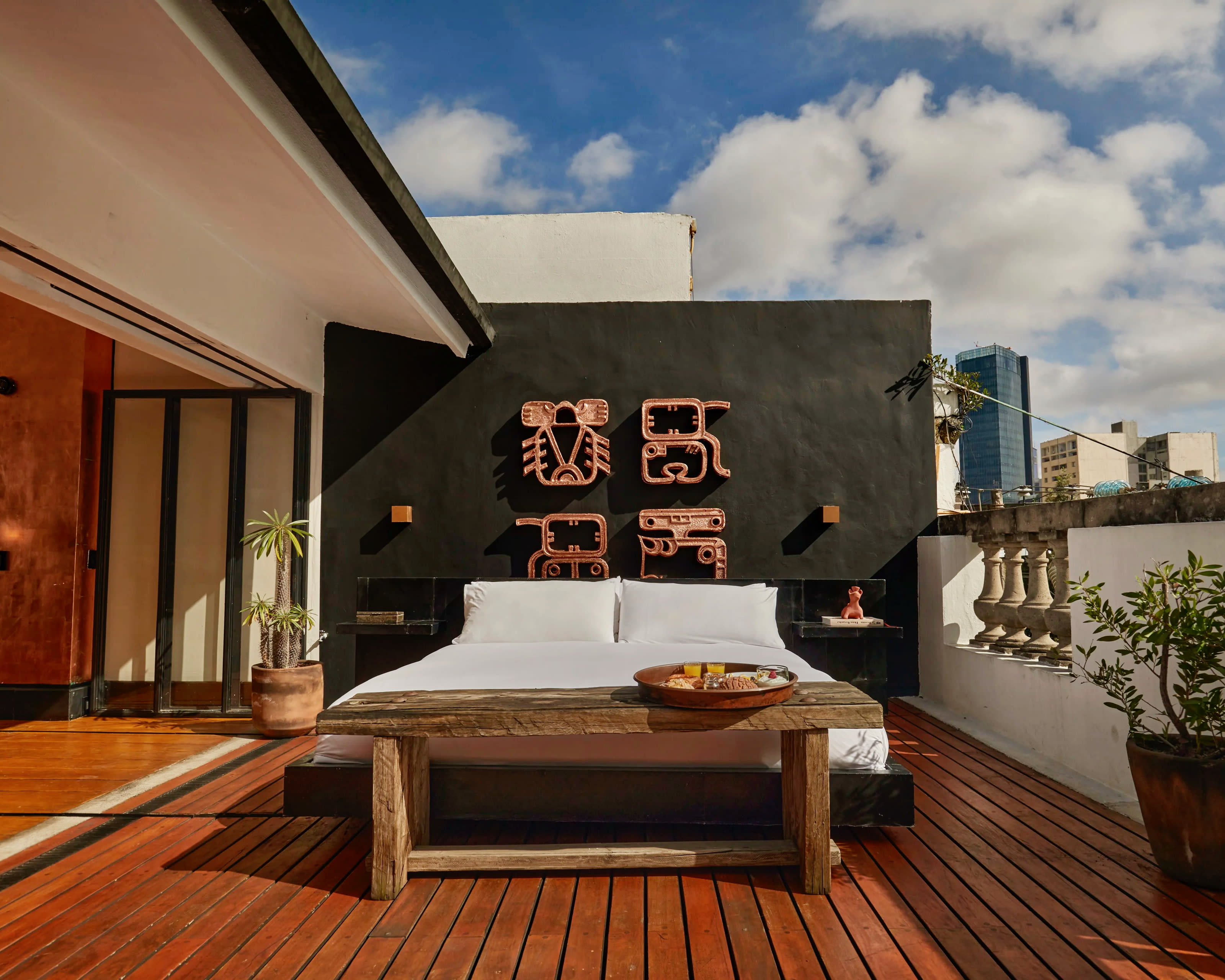
Image courtesy of La Valise Mexico City
Trendy, artsy neighborhoods that pulse with creativity. Hipster-friendly Roma Norte and Roma Sur are filled with cafés, street murals, and vibrant nightlife. La Condesa and Hipódromo offer leafy boulevards, art-deco architecture, and relaxed café culture for a slower, stylish pace. Both are ideal for strolling, people-watching, and sampling the city’s vibrant culinary scene.
Where to stay
La Valise Mexico City, member of Small Luxury Hotels: Intimate and discreet in a 1920s townhouse in Roma Norte. With just eight suites, each with striking contemporary art and Mexican craftsmanship. The rooftop suite even features a bed that rolls onto a private terrace.
Fora Reserve perks include a welcome amenities, an upgrade, and extended check-in/out whenever possible.
Hotel Dama: In the heart of Condesa, this stylish eight-room boutique escape balances minimal design with warm detail. Its leafy courtyard, curated artwork, and relaxed social spaces attract a creative crowd that makes the atmosphere quiet yet communal.
Fora Perks include a $25 hotel credit per day, welcome amenity, complimentary drink at hotel bar, and an upgrade whenever possible.
Hotel San Fernando: Housed in a restored 1940s apartment building in Condesa, capturing the charm of the neighborhood with Art Deco details and leafy surroundings. The all-suite property feels residential, with bright interiors, vintage accents, and kitchens for longer stays.
Andaz Condesa Mexico City, By Hyatt: This high-rise in Condesa is trendy, polished and pet-friendly. The hotel mixes bold, modern interiors with a lively rooftop pool and bar scene. It’s social and cosmopolitan but retains its neighborhood vibe.
Fora’s Hyatt Privé partner perks include a hotel credit, welcome amenity, daily breakfast, an upgrade, and extended check-in/out whenever possible.
Mondrian Mexico City Condesa: Set in a striking tower above Condesa, it’s sleek and contemporary with floor-to-ceiling views. Interiors are chic and theatrical, with a mix of bold design, buzzy restaurants, and nightlife-focused spaces.
Fora’s Accor Preferred partner perks include a $100 hotel credit, daily breakfast, an upgrade, and extended check-in/out whenever possible.
Reforma
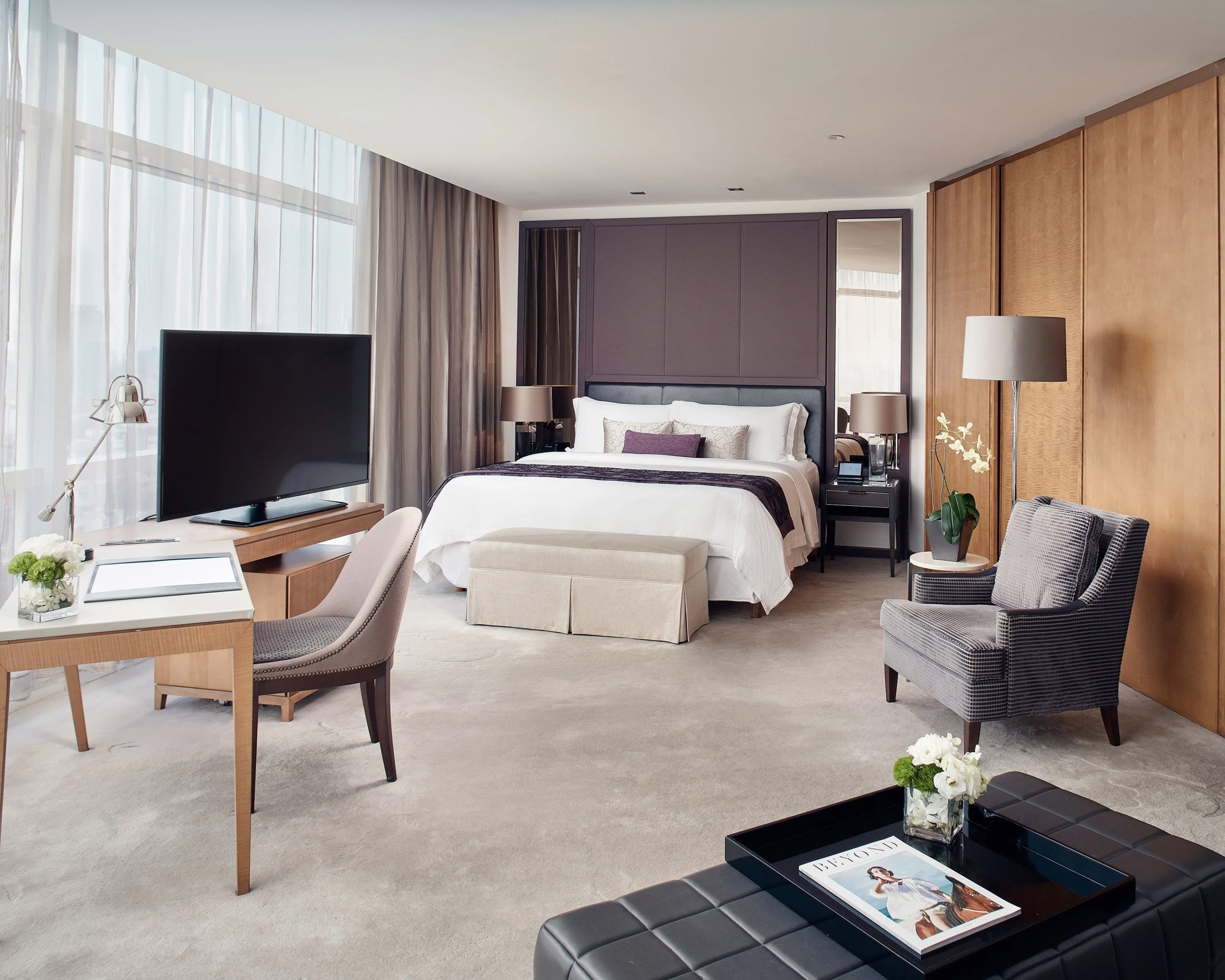
Image courtesy of The St. Regis Mexico City
The city’s iconic main boulevard, lined with monuments, museums, and modern skyscrapers. Reforma is the heart of Mexico City’s cultural and financial life, ideal for walking tours, public art, and glimpses of historic landmarks alongside contemporary city energy.
Where to stay
The St. Regis Mexico City: Overlooking Paseo de la Reforma, for sweeping skyline views, a refined experience, and exceptional service. Its interiors balance classic elegance with modern touches, while the Remède Spa and indoor pool offer a serene escape above the bustle.
Fora’s Marriott STARS partner perks include a $100 hotel credit, welcome amenity, daily breakfast, an upgrade, and extended check-in/out whenever possible.
Four Seasons Hotel Mexico City: Wrapped around a manicured central courtyard, the hacienda-style property feels like an urban oasis. Sleek contemporary rooms, standout dining, and a lively weekend brunch make it a social hub for locals and travelers.
When you book Four Seasons with Fora, you’ll enjoy exclusive Four Seasons Preferred Partner benefits.
Sofitel Mexico City Reforma: Parisian elegance meets modern design. Rooms are sleek and light-filled, many with views of Chapultepec Castle and the Angel of Independence. Glamorous rooftop bar, stylish dining, and a spa with an indoor pool make it a cosmopolitan stay.
Fora’s Accor Preferred partner perks include a $100 hotel credit, daily breakfast, an upgrade, and extended check-in/out whenever possible.
Volga: A boutique retreat that blends contemporary design with warm, inviting details. Sleek, well-appointed rooms offer modern comforts, while the rooftop terrace provides a quiet spot to unwind. Thoughtful service, stylish communal spaces, and location make it a central base.
Fora’s Preferred Platinum partner perks include a $100 hotel credit, welcome amenity, daily breakfast, an upgrade, and extended check-in/out whenever possible.
History and culture
Mexico City’s story begins with roots in the great Mexica (Aztec) capital of Tenochtitlán, a sophisticated island city built atop Lake Texcoco in 1325. At its height, Tenochtitlán dazzled with grand temples, bustling markets, and advanced engineering. It was razed during the Spanish conquest in 1521 and transformed into the colonial capital of New Spain. Today, the historic center still echoes this layered past, where the Metropolitan Cathedral and the ruins of the Templo Mayor stand side by side. Xochimilco’s floating gardens and canals are remnants of the extensive lake and canal system that was once the agricultural heart of Tenochtitlán.
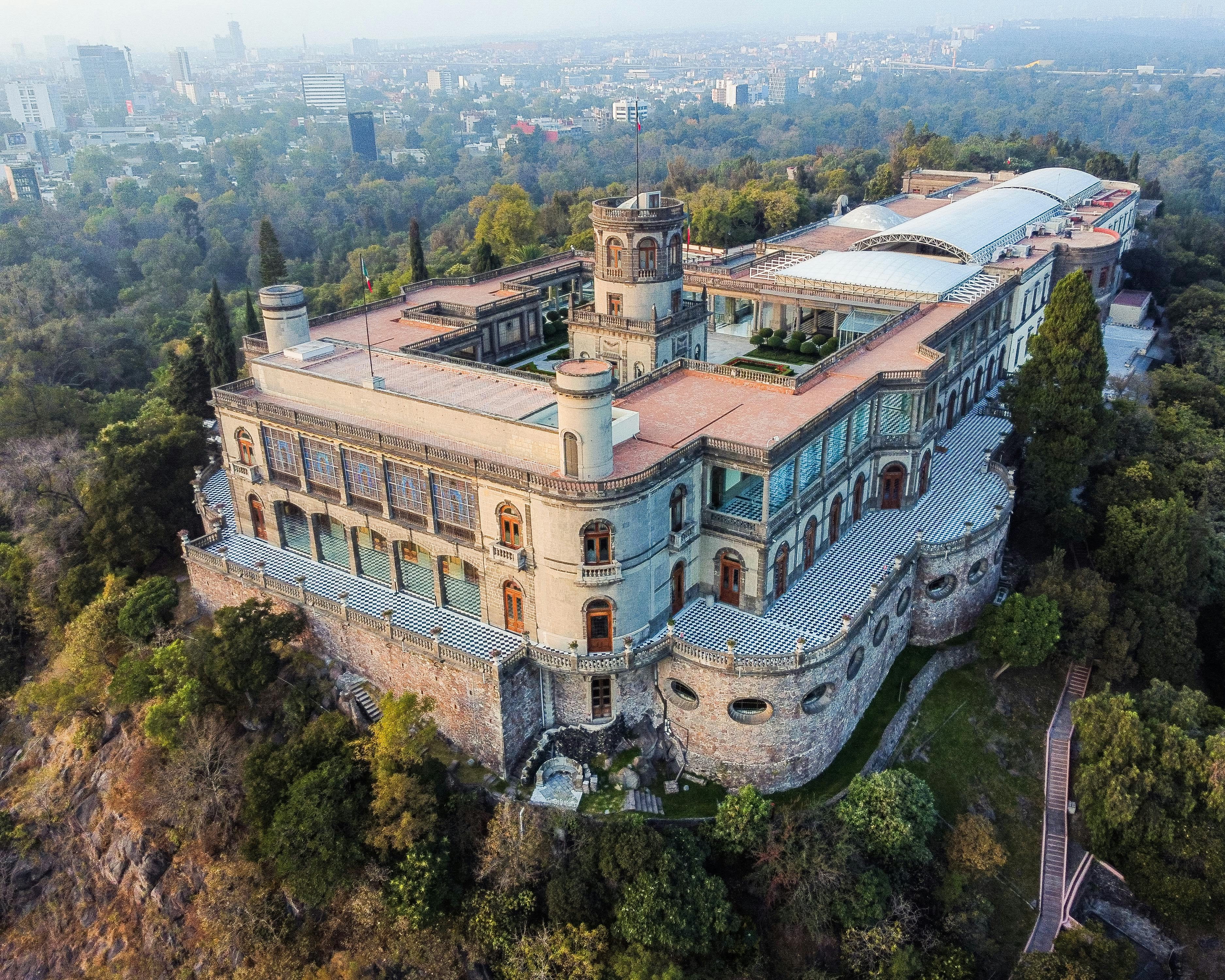
Deeply tied to its Indigenous heritage, Mexico City celebrates rituals like Día de los Muertos, where altars overflow with marigolds, candles, and offerings to honor ancestors. Murals by Diego Rivera vividly depict centuries of history and social struggle. Landmarks like Chapultepec Castle and the Basilica of Our Lady of Guadalupe connect visitors to Mexico’s spiritual and cultural heartbeat. Every street, plaza, and market carries a blend of pre-Hispanic tradition, colonial legacy, and modern vibrancy that makes Mexico City one of the most compelling destinations in the world.
Cultural celebrations & events
Festival de México (March, Mexico City): A city-wide arts and culture festival featuring world-class music, theater, and dance. Great for culturally curious travelers who want to see the city buzzing with performances across major venues.
Semana Santa (March/April, nationwide, notably Taxco and San Luis Potosí): Holy Week sees candlelit processions and street decorations mark this major religious event.
F1 Mexican Grand Prix (October, Mexico City): One of the most high-energy events with lively crowds, concerts, and immersive fan experiences.
Independence Day (Sept 15–16, nationwide): Fireworks, music, and late night plazas. In CDMX, the Zócalo is the crowded epicenter, with the President’s ringing of the bell.
Día de los Muertos (Nov 1–2, nationwide): One of Mexico’s most iconic traditions, with colorful altars, marigolds, candlelit cemeteries, and a parade on CDMX’s Reforma.
What to do in Mexico City
From ancient ruins and grand colonial plazas to contemporary galleries, vintage shopping, and buzzing nightlife. Here’s a curated list of the best things to see, do, and explore across Mexico City’s diverse neighborhoods.
Polanco
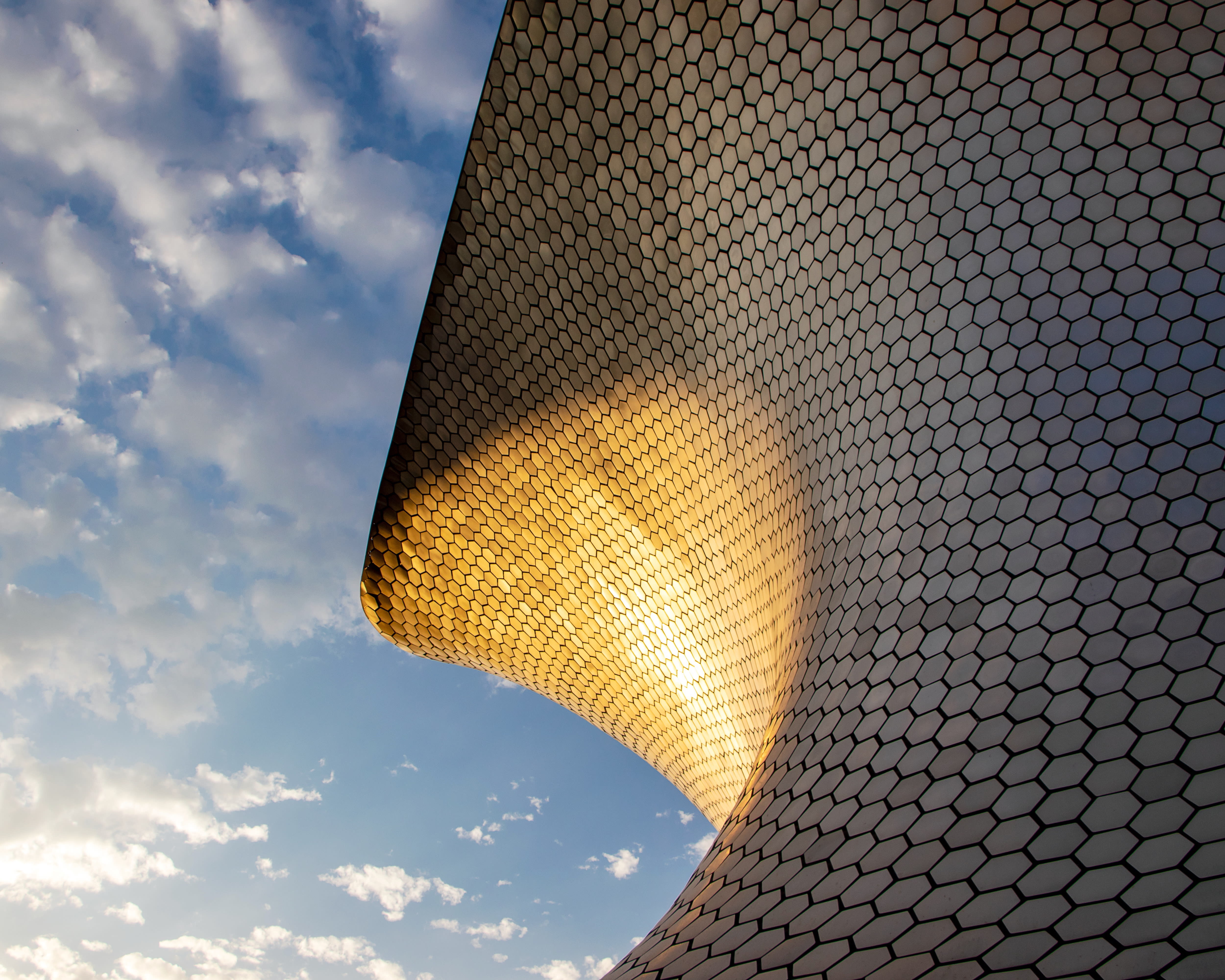
Museums: Visit Museo Soumaya, with a vast, historic collection of Mexican, European, and pre-Hispanic art. Nearby Museo Jumex offers international, contemporary works.
Avenida Masaryk: Shop luxury boutiques and designer stores along Mexico City’s high-end district.
Chapultepec: Explore sprawling green spaces, paddle on the lake, visit the Anthropology Museum, and tour Chapultepec Castle for history and skyline views.
Art galleries: Discover contemporary art at Galería OMR and Kurimanzutto, intimate gallery spaces featuring exclusive exhibits and artist talks.
Condesa and Roma
Parks: Relax in scenic urban parks like Parque México and Parque España, surrounded by art-deco architecture and local life.
Avenida Amsterdam: A circular boulevard perfect for a leisurely stroll or coffee stop amidst paths winding through greenery.
Mercado Roma: Sample artisanal food, fresh produce, and creative culinary offerings in a stylish market environment.
Street art: Take a walking tour to discover Roma’s murals, guided by local experts who share the stories behind the works.
Shopping: Browse indie boutiques and concept stores along Álvaro Obregón and Colima streets, where local designers and artisans create unique, collectible pieces.
Reforma
Landmarks: Snap iconic photos at the Angel of Independence and the Monument to the Revolution, two of Mexico City’s most famous landmarks.
Museum: Explore the Museo de Arte Moderno and Museo Tamayo for curated contemporary and modern art collections, with Mexican to international exhibitions.
Open-air galleries: Stroll Reforma’s open-air galleries showcasing rotating photography and sculpture exhibitions along tree-lined walkways.
Zona Rosa: A lively neighborhood of shops, galleries, and nightlife adjacent to Reforma that’s become a hub for the LGBTQ+ community.
Cycling and walking: Rent a bike or trek along Reforma for a stylish, active way to see monuments, plazas, and hidden public art while avoiding traffic.
Centro Historico
Zócalo: The beating heart of the city where history unfolds across the sprawling plazas. See the Palacio Nacional, the Templo Mayor ruins, and colonial Metropolitan Cathedral.
Palacio de Bellas Artes: A visually stunning palace combining French art nouveau and art deco, home to murals, performances, and exhibitions.
Alameda Central: The city's oldest public park, perfect for strolling next to trees and fountains, beside the Palacio de Bellas Artes
Pedestrian streets: Wander the pedestrian streets to admire historic architecture, colorful facades, and the iconic tiled La Casa de los Azulejos.
Museums: Visit top institutions like the Museo Nacional de Arte and Museo Franz Mayer for a deep dive into Mexican art and design.
Torre Latinoamericana: Take in panoramic city views from the 44th floor, and visit the museums, exhibitions, and restaurants on neighboring floors while there.
Coyoacán
Frida Kahlo & Diego Rivera Museums: Immerse yourself in the artists’ homes, lives, and iconic works.
Mercado de Coyoacán: Explore traditional crafts, snacks, and souvenirs at this lively local market.
Jardín Centenario: Relax in this charming square, a hub for cafes, music, and people-watching next to the historic Parroquia San Juan Bautista
Colorful architecture: Meander through streets lined with vivid façades and preserved colonial-era buildings.
San Ángel Inn: A former 17-century monastery with traditional Mexican cuisine, alfresco dining, and a fountain courtyard, perfect to refuel after a day at Xochimilco.
Xochimilco
Trajinera boat rides: Glide through Aztec-era canals, remnants of Tenochtitlan, on brightly painted boats accompanied by live mariachi music.
Chinampas: Observe floating agricultural plots, a centuries-old technique still in use.
Island of the Dolls: Venture to this eerie and fascinating spot, filled with hanging dolls and local legend.
Where to eat in Mexico City
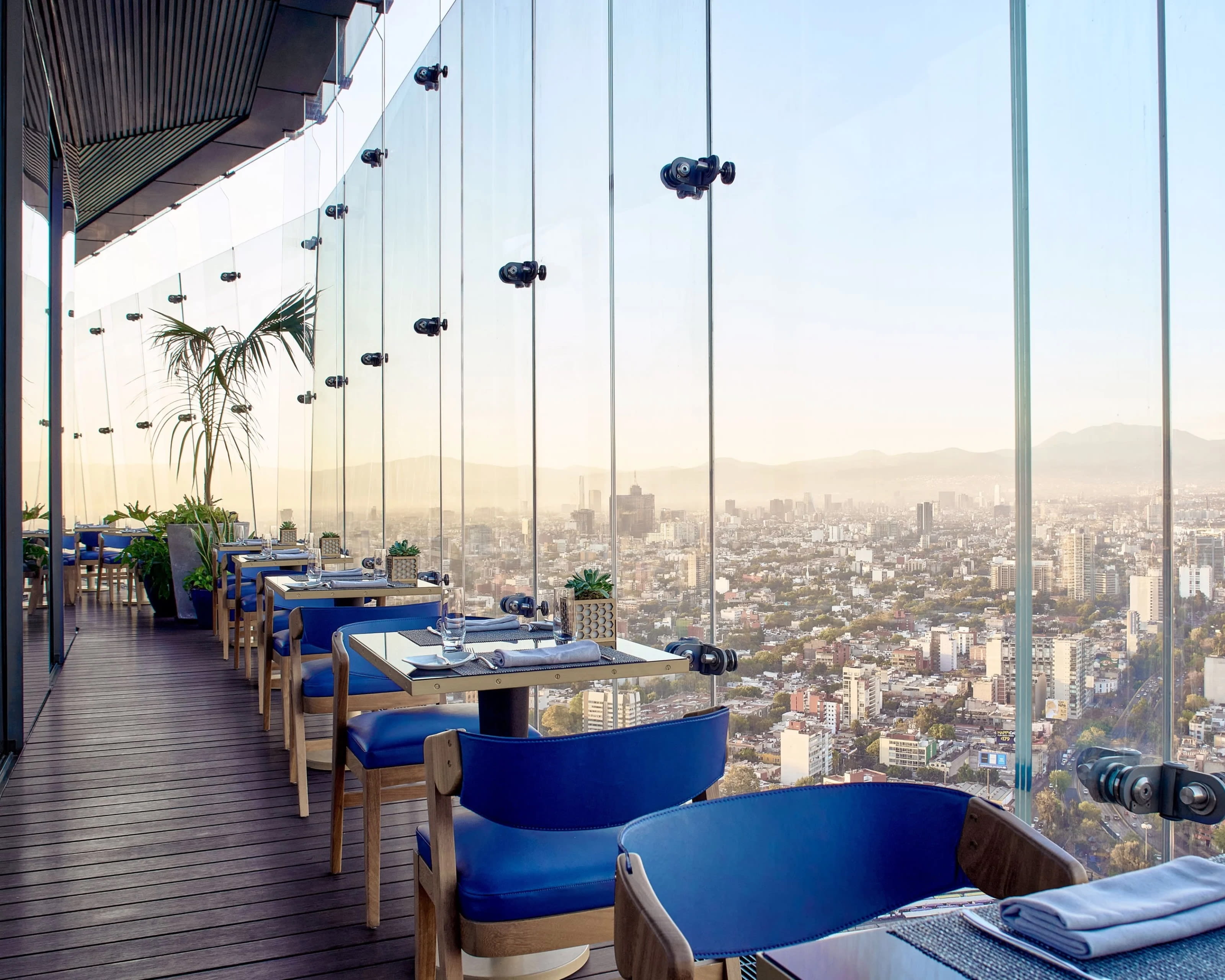
Image courtesy of Samos Sabores Míos at The Ritz-Carlton, Mexico City
CDMX is one of the most exciting culinary capitals in the world, blending centuries of tradition with modern creativity. From high-end tasting menus to bustling taquerías, rooftop bars to intimate cafés, the city offers a spectrum of flavors and experiences.
For more foodie recs, check out these guides from Fora Advisors Cindy Rhee, Jordan Schack, Rod Carrillo-Lundgren, Lucas Mittenentzwei, and Tracy Delossantos.
Polanco
Pujol: Chef Enrique Olvera’s flagship, offering elevated Mexican cuisine with inventive tasting menus and refined presentation.
Quintonil: Contemporary Mexican dining with locally sourced ingredients, blending traditional flavors with modern techniques.
Ticuchi: A moody, intimate spot from Chef Enrique Olvera offering vegetarian and pescatarian Oaxacan-style small plates alongside an extensive mezcal selection.
Entremar: Stylish seafood restaurant that’s a lunchtime favorite, serving light coastal dishes in a breezy, elegant setting.
ER RRE: Modern Mexican bistro with a focus on seasonal, locally sourced ingredients.
El Turix: Iconic neighborhood taquería known for its Yucatán-style cochinita pibil.
Condesa and Roma
Ultramarinos Demar: A lively seafood-focused spot channeling the energy of a Mediterranean market.
Odette Condesa: Light, flavorful plates in a casual but elevated contemporary setting.
Máximo: Seasonal, farm-to-table dining with a relaxed yet refined atmosphere and an ever-changing menu.
Cafebrería El Péndulo Roma: A café-meets-bookstore offering artisanal coffee, casual dining, and a literary ambiance.
Aleli Rooftop: Trendy rooftop restaurant with scenic views and stylish cocktails.
Baltra Bar: A cocktail bar blending creativity with a welcoming, relaxed atmosphere.
Contramar: Seafood institution known for fresh fish and a vibrant atmosphere.
Licorería Limantour: Iconic bar with creative cocktails and a buzzing, upscale crowd.
Reforma and Juarez
Taverna: Trendy Italian-Mediterranean with a stylish, contemporary atmosphere.
Ling Ling by Hakkasan: High-end Cantonese dining with signature dim sum, elegant interiors, and a vibrant social vibe.
Samos Sabores Míos at The Ritz-Carlton: Stylish all-day spot with panoramic city views, creative cocktails, and menus inspired by every corner of Mexico.
Hanky Panky Cocktail Bar: Hidden speakeasy serving inventive drinks in a playful, intimate setting.
Handshake Speakeasy: Hidden, cozy cocktail bar with expertly crafted drinks.
Chocolatería La Rifa: Artisanal chocolate and desserts in a lively, colorful space.
Xaman Bar: Trendy, rustic speakeasy-style bar serving up innovative cocktails.
Day trips
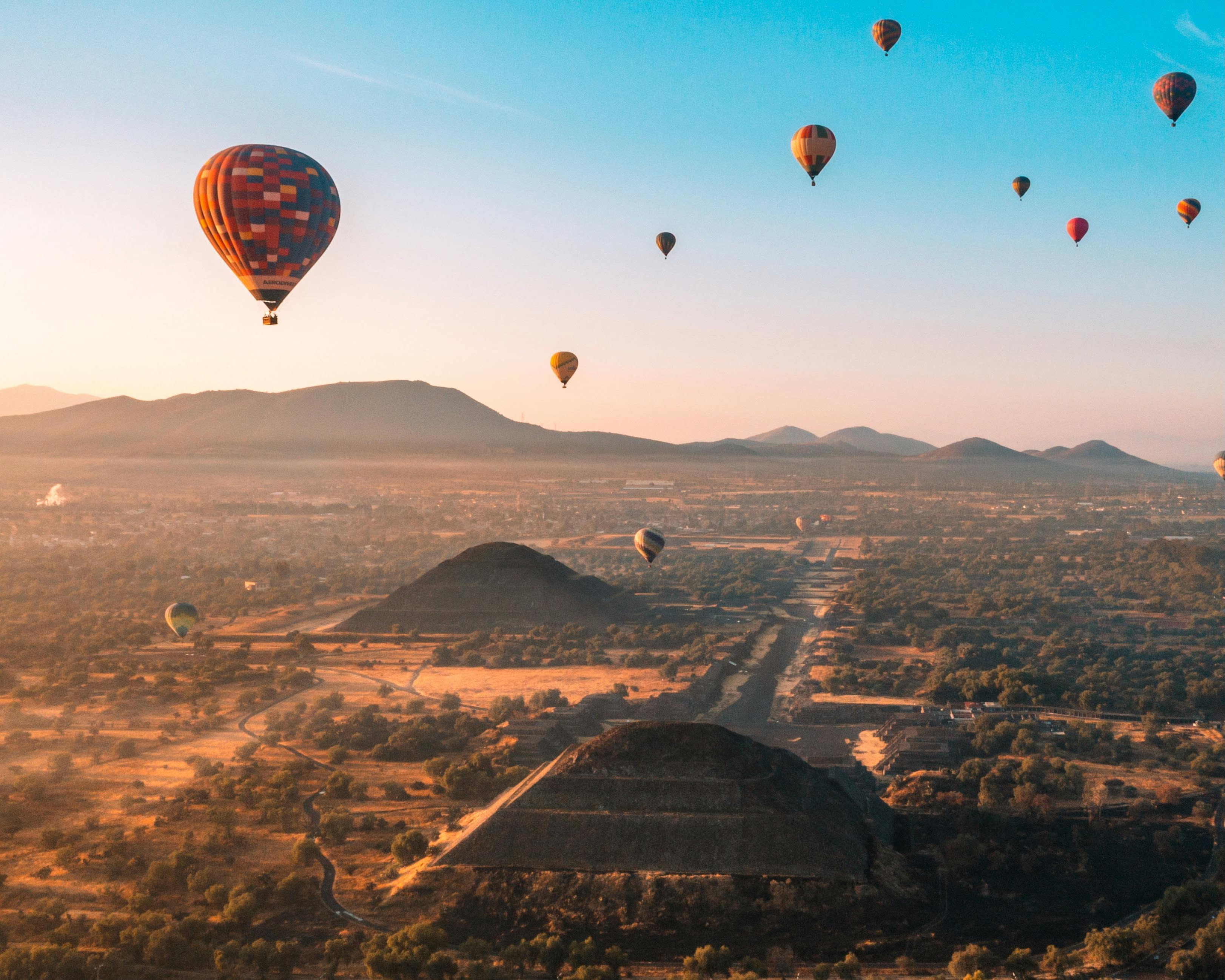
From ancient pyramids to colonial towns and pueblo mágicos (towns designated by Mexico’s tourism board for their beauty and history). These day trips offer a mix of history, architecture, and local flavor.
Teotihuacan: Step into one of the most iconic archaeological sites in Mexico. Climb the Sun and Moon Pyramids, wander the Avenue of the Dead, and optionally take a sunrise hot air balloon ride for a breathtaking aerial view of the ancient city and surrounding valley.
Tepoztlán: A mystical pueblo mágico with Sedona-like energy. Ideal for young, active travelers seeking a quick escape from the city. Hike the Tepozteco, explore local markets, and stay at Hotel Amomoxtli for a boutique, hillside experience for an overnight or weekend getaway.
Cuernavaca: Known as the “City of Eternal Spring” for its year-round mild climate, this has long been a retreat for creatives and Mexico City locals. Explore the Palacio de Cortés, stroll the gardens at Jardin Borda, and wander colonial streets lined with cafes and galleries.
Cholula: Famous for its Great Pyramid topped by the striking Iglesia de Nuestra Señora de los Remedios. Explore the pyramid complex, sample local cuisine, and wander the charming streets lined with colonial-era architecture and vibrant murals.
Puebla: A UNESCO World Heritage city known for its colonial architecture, colorful tiled churches, and culinary specialties like mole poblano. Stroll the cobblestone streets, admire the Talavera pottery, and soak in the city’s vibrant, historic charm.
Trips to add on
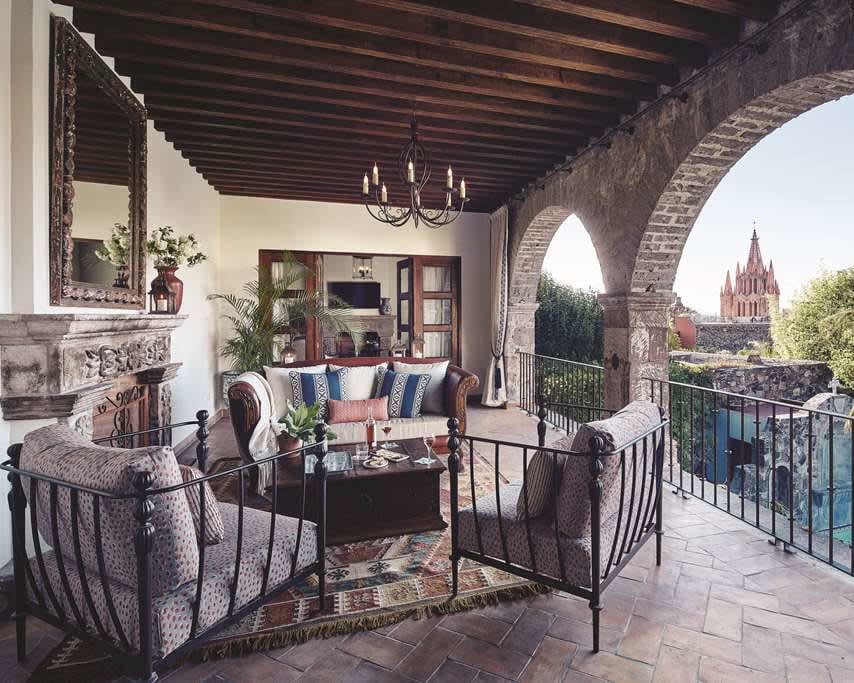
Image courtesy of Casa de Sierra Nevada, A Belmond Hotel, San Miguel de Allende
From colorful colonial streets to mountain retreats and luxury beach resorts, these trips add variety and depth to any CDMX itinerary.
Valle de Bravo (2.5 hr drive): A pueblo mágico perched in the mountains, offering a relaxed weekend escape for locals and visitors alike. Considered the ‘upstate’ of Mexico City, it’s perfect for a rejuvenating retreat with lake activities, golf, and water sports. Soak in the scenic mountain vibe at stays including Rodavento, Casa Chichipicas, or El Santuario.
San Miguel de Allende (4 hr drive): A cultural and artistic haven, known for its vibrant crafts scene, wellness retreats, and historic architecture. Stay at luxury properties like Belmond or Rosewood (don’t miss the rooftop at sunset) or boutique options such as Numu or La Valise. Wander cobblestone streets, enjoy gallery-hopping, and soak in the city’s rich artistic energy.
Grutas Tolantongo (4 hr drive): A striking natural escape with hot springs, caves, and river walks. A day trip from Mexico City is possible but it’s best enjoyed as an overnight or weekend stay. Ideal for those looking for adventure, relaxation, and dramatic natural scenery in one.
Oaxaca (1 hr flight): A cultural epicenter blending Indigenous traditions with colonial influence. Known for its vibrant food scene, colorful markets, and mezcal culture. Beyond the city, explore nearby ruins, artisan villages, and mountain landscapes. A perfect add-on for travelers seeking depth, flavor, and authenticity.
If not Mexico City
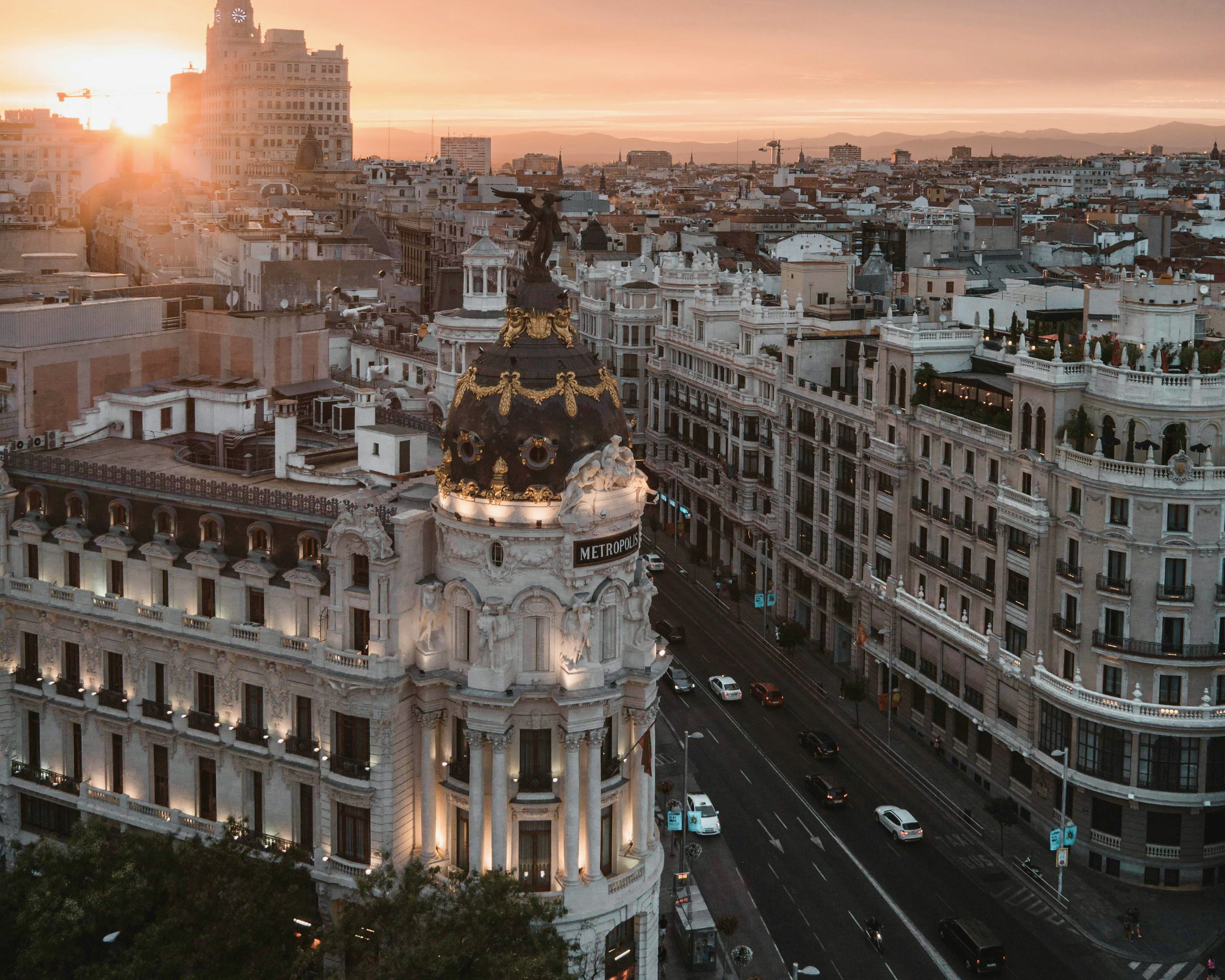
For travelers looking to swap Mexico City for a different choice, each of these cities offers its own distinctive mix of culture, cuisine, and energy.
Guadalajara, Mexico: A lively city blending colonial architecture with modern energy. Famous for mariachi music, tequila heritage, and vibrant markets, with nearby Tequila an ideal stop for tastings and distillery tours.
Bogotá, Colombia: Set high in the Andes, Bogotá pairs dramatic mountain views with a dynamic urban scene. Wander La Candelaria’s colonial streets, explore world-class museums like Museo del Oro, and enjoy a coffee culture that rivals any in Latin America.
Quito, Ecuador: A UNESCO World Heritage city perched in the Andean highlands, rich in colonial architecture and vibrant plazas. Explore historic churches, scenic viewpoints, and the surrounding mountains, or take a day trip to nearby volcanoes and cloud forests.
Madrid, Spain: Spain’s energetic capital where art, history, and culinary indulgence meet. Stroll the Prado and Reina Sofía, wander bustling plazas, and enjoy tapas in lively bars. It’s a cosmopolitan contrast to Mexico City, with a European perspective on food, culture, and life.