

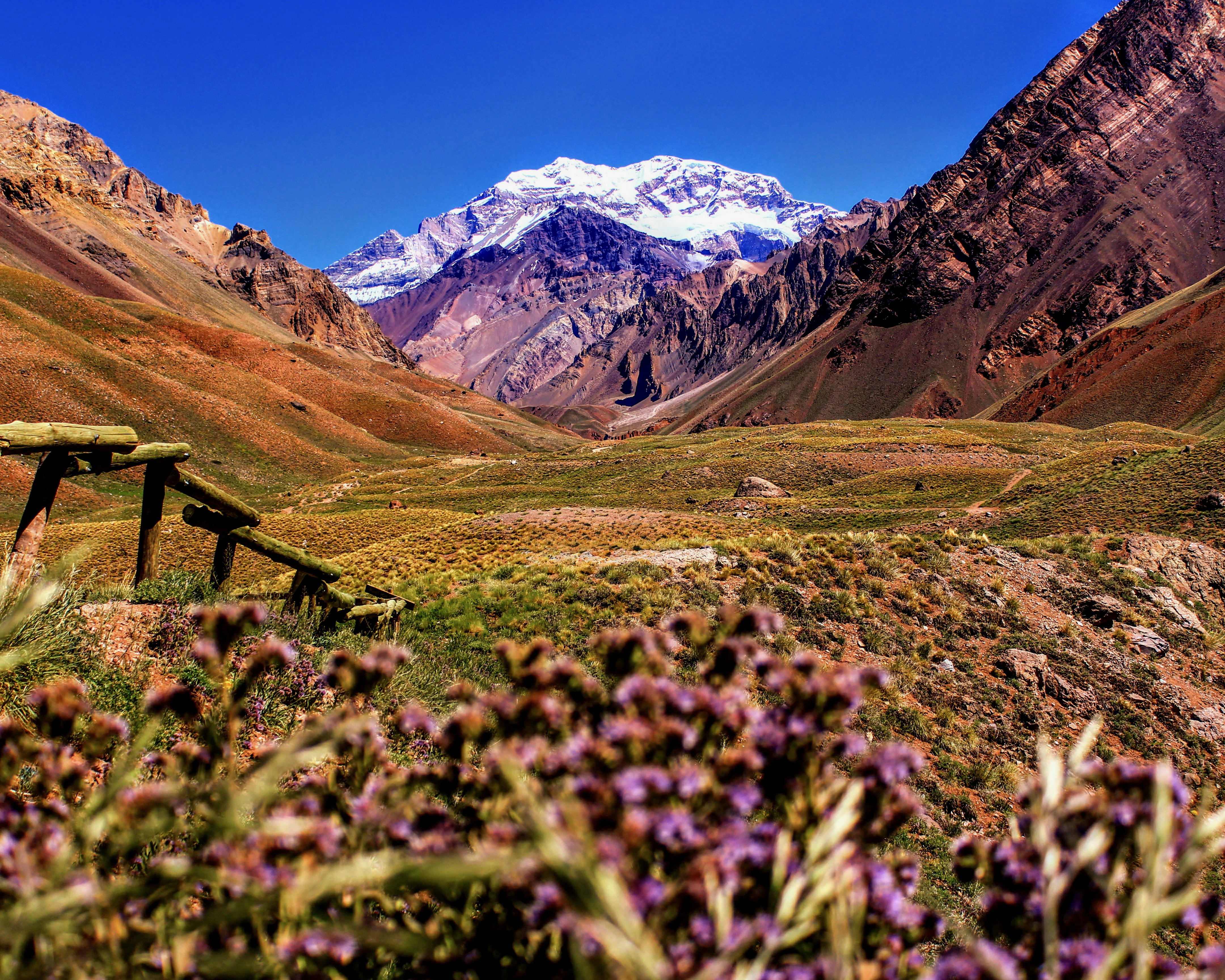
Argentina is a country where vibrant cities, world-class wine regions, and awe-inspiring natural wonders sit within reach of one another. Buenos Aires is known for its tango shows, stylish cafés, historic architecture, and bustling markets. Mendoza invites slower days spent in vineyards and the foothills of the Andes, perfect for wine tastings, horseback rides, and gourmet dining. Iguazú Falls is home to relaxing resorts and jaw-dropping landscapes teeming with wildlife. Beyond these highlights, Salta beckons with colonial history, Patagonia promises rugged scenery, and Ushuaia stands as the gateway to Tierra del Fuego and Antarctica.
Adventurers drawn to a mix of culture, cuisine, and dramatic landscapes will want to plan a trip here. Read on to discover where to stay and what to do to make the most out of a trip to Argentina.
Need to know
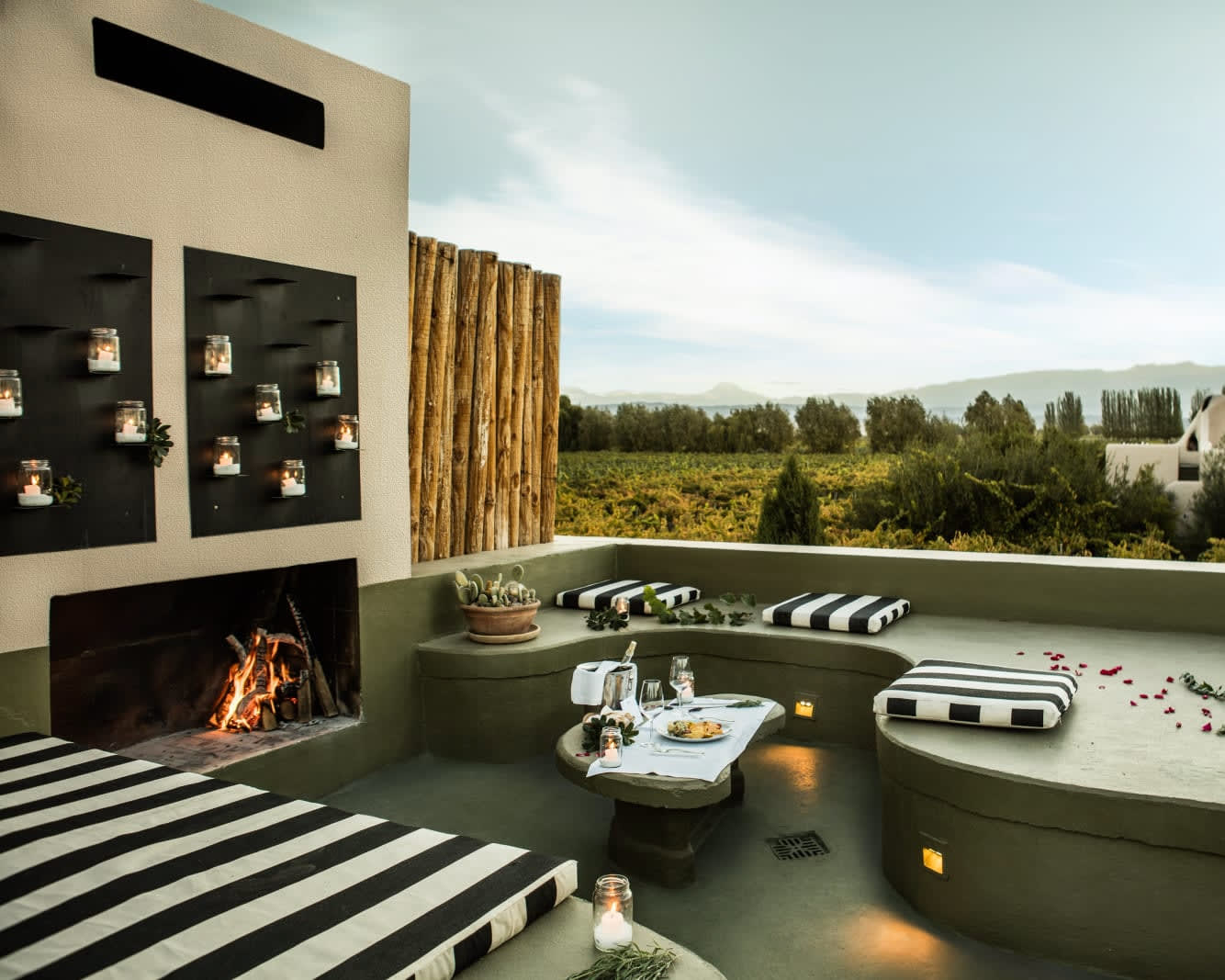
Image courtesy of Awasi Mendoza
Move at the country’s rhythm, from energetic Buenos Aires to leisurely Andes villages. Locals linger over coffee and conversation in corner cafés, and meals stretch late into the night. Argentina is largely safe and welcoming, though it’s wise to stay alert in crowded areas and use taxis or rideshares after dark. Tap water is safe in major cities, bottled water is preferred elsewhere, and smoking is restricted in most public spaces.
Currency: Argentina uses the Argentine Peso (ARS). Credit and debit cards are widely accepted, though smaller shops, street vendors, and markets often require cash. ATMs are common, especially in larger cities. Tipping around 10% is good practice.
Languages: Spanish is the official language throughout Argentina, with regional accents and local slang adding character to everyday conversations. English is widely understood in hotels, restaurants, and tourist areas, but learning basic Spanish phrases shows cultural respect.
Key phrases: hola (hello), gracias (thank you), por favor (please), perdón (excuse me/sorry), ¿cómo estás? (how are you?), sí/no ( yes/no), no hablo español (I don’t speak Spanish), ¿hablas inglés? (do you speak English?)
Airports: Buenos Aires’ Ministro Pistarini International Airport (EZE) is the country’s busiest international gateway. Flights connect to major airline hubs in North America, including Miami, New York City, Houston, Atlanta, and Mexico City. Domestic connections to Iguazú Falls (IGR), Mendoza (MDZ), and others may fly in or out of Aeroparque Jorge Newbery (AEP), so double check and plan accordingly.
Transportation: Private transfers and taxis are convenient to get around cities. Buenos Aires neighborhoods like Palermo and Recoleta are very walkable.
Best time to visit: Argentina is a year-round destination, with each season offering distinct experiences. Summer (December–February) is festive and warm, ideal for beaches, wine regions, and cultural events. Winter (June–August) brings crisp, dry days perfect for Patagonia, the Andes, and skiing in the south. Spring (September–November) and fall (March–May) offer mild temperatures, clear skies, and vibrant landscapes across the country.
Ideal length of stay: Despite the long, overnight flight, jetlag shouldn’t be much of a concern. One week is a good minimum to experience Argentina’s highlights, from Buenos Aires to Mendoza or Iguazú Falls. Longer trips of 10–14 days allow for a deeper exploration of multiple regions, nearby countries like Chile or Brazil, or even a cruise to Antarctica.
Signature dishes and drinks:
Asado: Argentina’s famous barbecue with beef, ribs, and sausages.
Empanadas: Savory pastries with beef, chicken, or cheese.
Provoleta: Melted provolone with oregano and chili.
Dulce de leche: Sweet caramel for desserts like alfajores.
Choripán: Grilled chorizo with chimichurri in a bun.
Fresh river fish: Trout or dorado, grilled or pan-seared.
Malbec & Torrontés wines: Signature reds and whites from Mendoza and Salta.
Fernet: A popular bitter liqueur mixed with cola.
Yerba mate: Traditional, caffeinated herbal tea.
What to wear: Argentina’s weather varies by region. Pack layers like light jackets, breathable tops, and a waterproof layer. Cities like Buenos Aires and Mendoza lean polished-casual. Patagonia and wine regions call for practical clothing and good walking shoes.
Travel tips:
Alcohol: Legal drinking age is 18. Public drinking is restricted.
Driving: Drive on the right. City traffic can be busy and sometimes chaotic, while rural roads may be gravel or mountainous.
Medications: Bring prescriptions in original packaging. Pharmacies are readily available in cities, but some U.S. over-the-counter medicines may require a prescription.
Buenos Aires
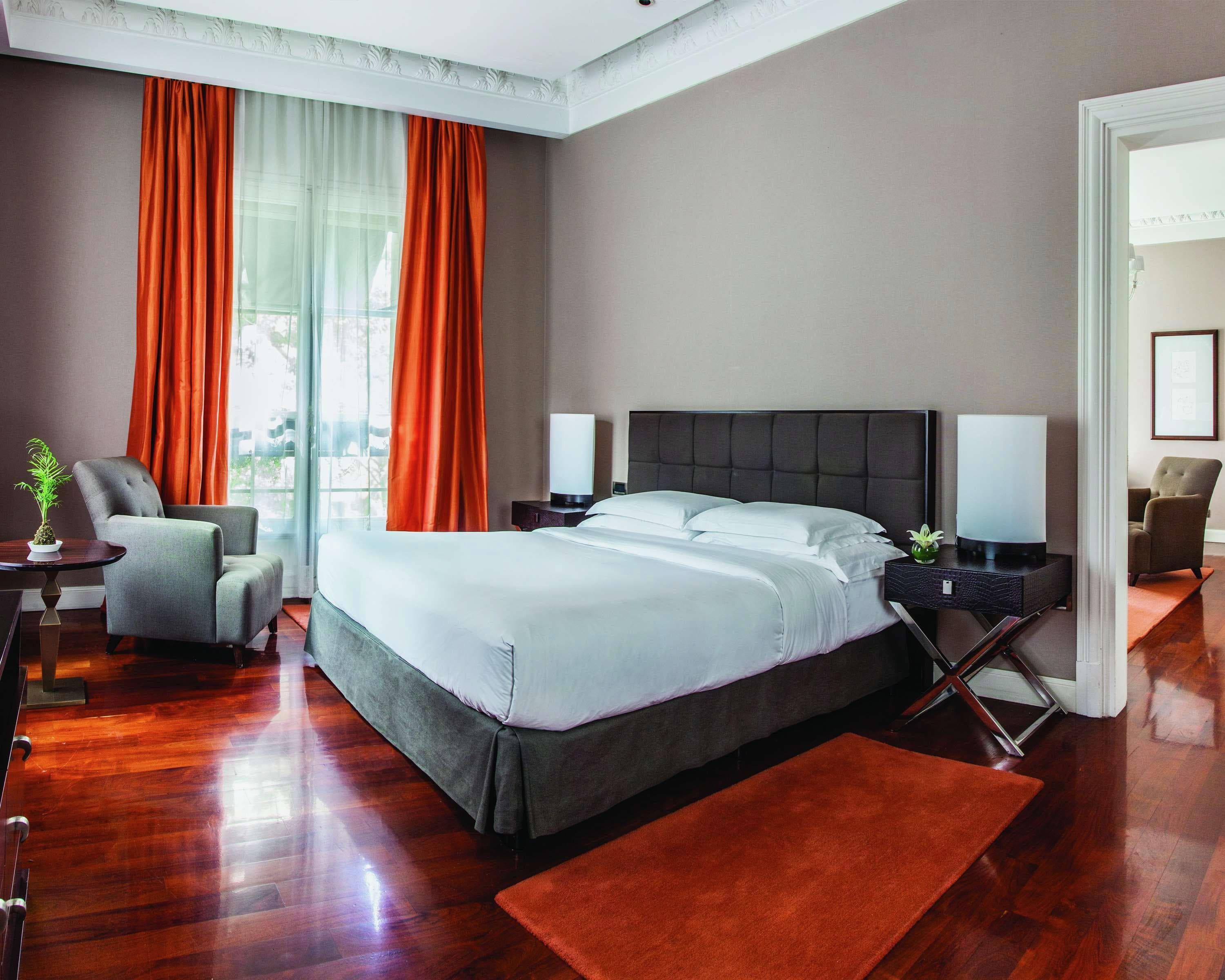
Image courtesy of Palacio Duhau - Park Hyatt Buenos Aires
Argentina’s capital hums with rhythm and charisma, where tango spills into the streets and each neighborhood tells its own story. Wander the elegant boutiques of Recoleta, sip coffee in a cozy café in Palermo, then catch a show at the Teatro Colón in San Nicolás. Elegant yet electric, Buenos Aires captures the country’s creative spirit in every corner.
Where to stay
Palacio Duhau - Park Hyatt Buenos Aires: A grand, Belle Époque-inspired property blending historic architecture with contemporary luxury. Spacious rooms, green gardens, an art-filled lobby, and a serene spa are all steps from Recoleta’s cultural landmarks.
Fora’s Hyatt Privé partner perks include a hotel credit, welcome amenity, daily breakfast, an upgrade, and extended check-in/out whenever possible.
Faena Hotel Buenos Aires: A theatrical, design-forward hotel in Puerto Madero featuring bold décor, a striking theater, and a signature pool. Its suites, fine dining, and curated events create an immersive, cosmopolitan experience.
Fora’s Accor Preferred partner perks include a $100 hotel credit, daily breakfast, an upgrade, and extended check-in/out whenever possible.
Sofitel Buenos Aires Recoleta: Combining French elegance with Argentine flair, this refined property offers plush rooms, a tranquil courtyard, and high-end dining. Its location in Recoleta makes it ideal for exploring museums, parks, and upscale shopping.
Fora’s Accor Preferred partner perks include a $100 hotel credit, daily breakfast, an upgrade, and extended check-in/out whenever possible.
Casa Lucia Member of Melia Collection: A sophisticated Recoleta address with light-filled rooms, refined lounges, and curated dining. Thoughtful service and a central location create a quietly glamorous urban stay.
Fora’s MeliaPro Bravos partner perks include up to $100 hotel credit, daily breakfast, welcome amenities, and choice of guaranteed extended check-in or check-out.
Home Hotel Buenos Aires: A design-led boutique stay in Palermo with warm character and creative energy. Mid-century style meets leafy courtyards, plus a serene pool and a small but standout spa create an inviting city retreat in one of the city’s most dynamic neighborhoods.
Mendoza
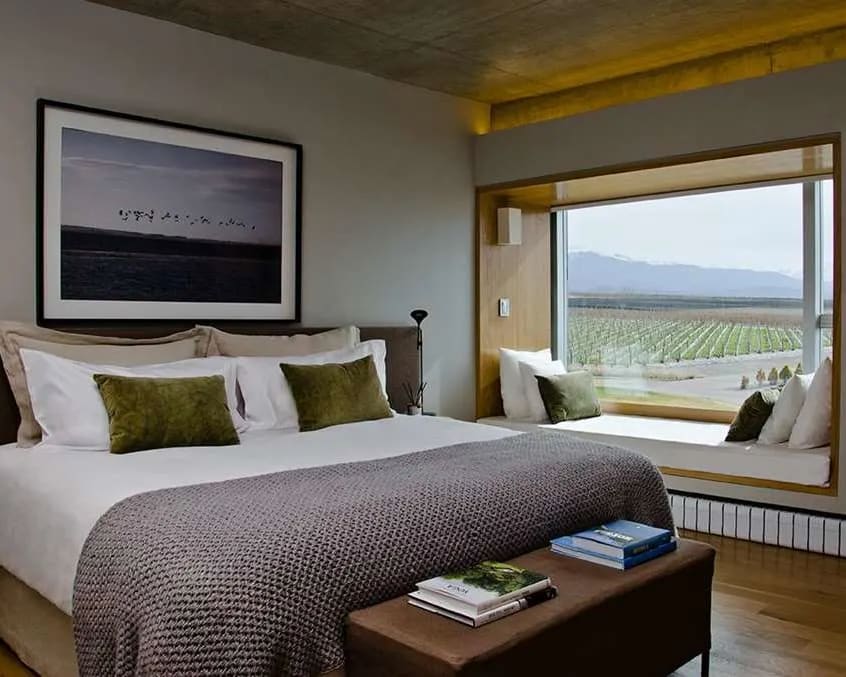
Image courtesy of Casa de Uco Vineyards & Wine Hotel
At the base of the Andes, Mendoza blends sophistication with adventure. Days unfold between vineyard tours, Malbec tastings, and long al fresco lunches framed by mountain views. Horseback rides through the foothills or whitewater rafting add a dash of thrill to this otherwise serene escape made for wine lovers and romantics alike.
Where to stay
Casa de Uco Vineyards & Wine Hotel: A sleek, vineyard-framed retreat at the foot of the Andes, offering contemporary suites with mountain or vineyard views. Guests can enjoy on-site wine tastings, a gourmet restaurant, horseback rides, and hikes through the vineyards.
Fora Reserve perks include a welcome amenity, daily breakfast, custom experience, 30-minute massage, an upgrade, and extended check-in/out whenever possible.
The Vines Resort & Spa: An upscale, secluded property in the vineyards of the Uco Valley, blending luxury with panoramic views. The resort features a full-service spa, fine dining, and curated experiences like private tastings and outdoor excursions.
Fora Perks include daily breakfast, a three-course dinner, winery tour and tasting, an upgrade, and extended check-in/out whenever possible.
Awasi Mendoza: An intimate, all-inclusive boutique lodge with individual villas and personalized excursions. Set in the Andes foothills, it combines exclusive wine tastings, guided hikes, and fine Argentine cuisine for a fully immersive luxury experience.
“Perfect for honeymoons or a romantic escape, with just 17 private villas,” notes Fora Advisor Kylee Kopacka. “Between winery visits, indulge in a massage at the spa or take part in curated experiences such as a cooking class, horseback riding, or a traditional ranch day.”
Fora’s Relais & Châteaux partner perks include daily breakfast and VIP welcome.
Iguazú Falls
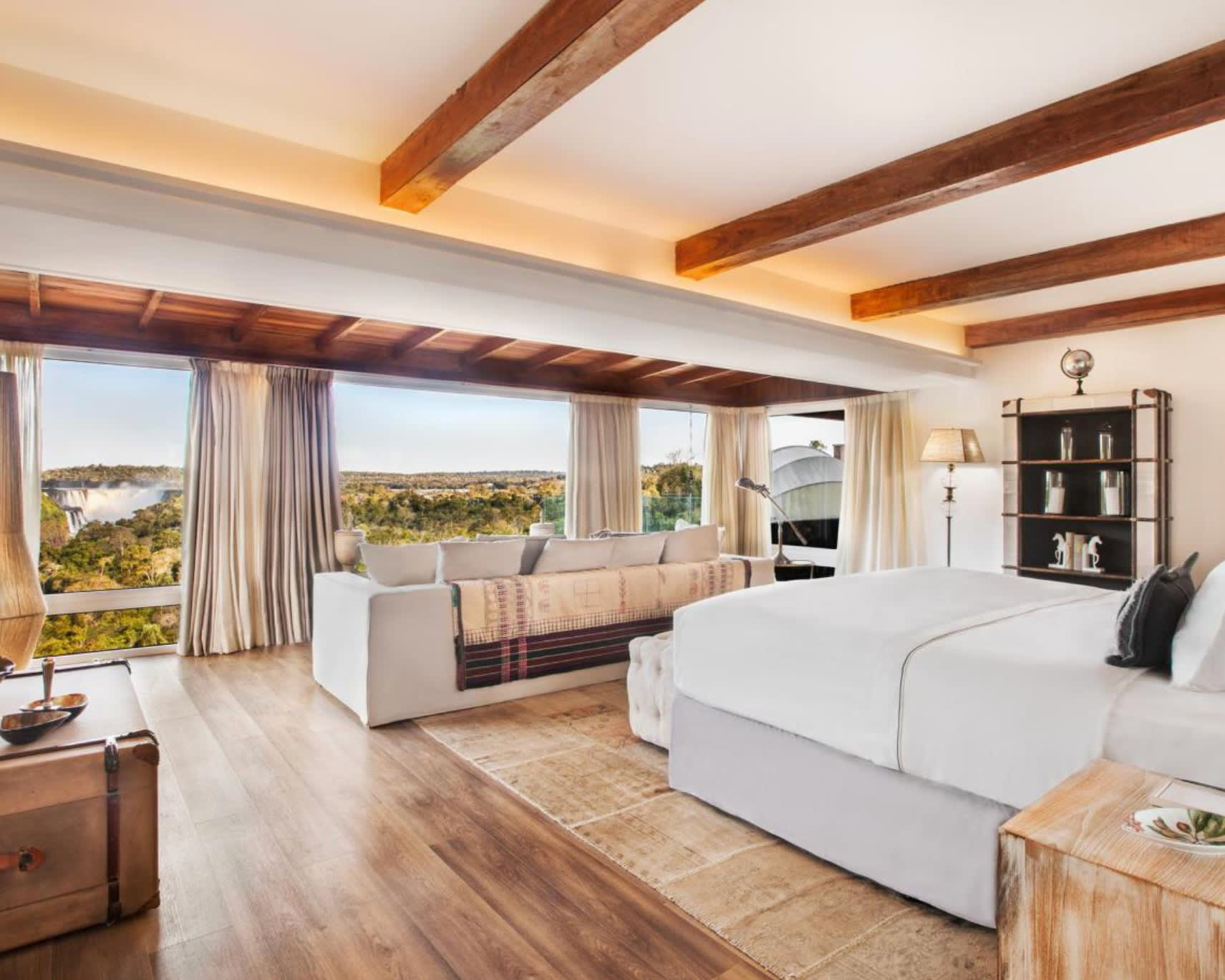
Image courtesy of Gran Melia Iguazú
On the Brazilian border, Iguazú delivers pure drama with hundreds of waterfalls throughout the rainforests, boat rides offering excellent views, and lots of colorful creatures like toucans and butterflies in the surrounding jungle.
Where to stay
Gran Melia Iguazú: A striking, modern hotel set within the subtropical rainforest, offering panoramic views of Iguazú Falls. Guests enjoy direct access to walking trails, multiple dining options, and an infinity pool overlooking the waterfalls.
Fora’s MeliaPro Bravos partner perks include daily breakfast, welcome amenities, and guaranteed extended check-in/out.
Awasi Iguazu: An intimate, all-inclusive boutique lodge with private villas and personalized excursions. Set near the falls, it blends immersive wildlife experiences, guided tours, and gourmet dining for a secluded, luxury adventure.
Cruising to and around Argentina
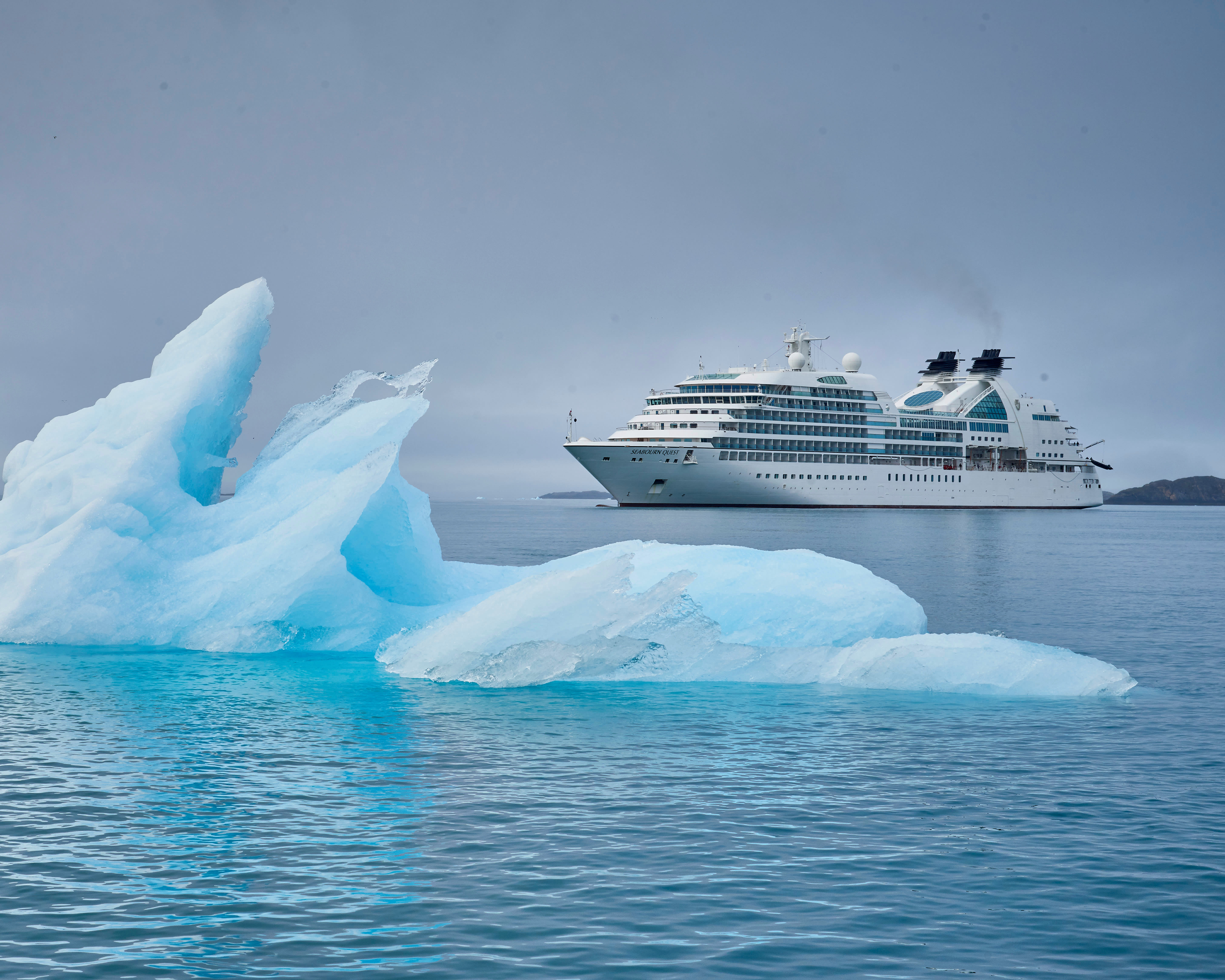
Image courtesy of Seabourn
Cruising in Argentina offers a striking mix of urban culture and natural wonder. Buenos Aires serves as the main gateway, while Ushuaia is a key departure point for Antarctic expeditions.
Popular itineraries
Antarctica: Larger ships offer sailings from Buenos Aires focused on scenic cruising. Smaller expedition vessels from southern cities like Ushuaia provide zodiac landings on the continent. Itineraries can also stop at the Falkland Islands and South Georgia.
Patagonia: Dramatic fjords, glaciers, and rich wildlife. Cruises typically sail roundtrip from Buenos Aires or one-way to/from ports near Santiago, Chile. Highlights can include Cape Horn, the Strait of Magellan, and ports like Punta Arenas.
Brazil: Vibrant coastal cities, beaches, and cultural experiences. Sail roundtrip from Buenos Aires or one-way to/from Rio de Janeiro or São Paulo. Brazil’s ports can include Porto Belo, Ilhabela, and Ilha Grande, plus Montevideo and Punta del Este in Uruguay.
Repositioning cruises: One-way seasonal voyages that connect Buenos Aires with Europe or North America. These longer itineraries combine sea days with stops in Brazil, the Canary Islands, or the Caribbean, offering a relaxed transition.
Notable cruise lines
Celebrity Cruises: A modern premium line offering diverse dining and immersive shore experiences. Enjoy curated itineraries, enrichment programs, and a mix of relaxation and adventure across its fleet of stylish medium to large-sized ships.
Fora Perks include up to $200 onboard credit per stateroom on select sailings.
Silversea: An ultra-luxury, all-suite line with intimate ships, personalized service, and refined dining. Itineraries span classic destinations and remote corners, with guided excursions and enrichment programs for immersive exploration.
Virtuoso Voyages Hosted Benefits available on select sailings.
National Geographic-Lindblad Expeditions: A small-ship expedition line focused on wildlife, culture, and adventure. Guests benefit from expert naturalists, Zodiac excursions, and opportunities to explore off-the-beaten-path destinations with hands-on experiences.
Fora Perks include up to $200 onboard credit per stateroom.
Seabourn Cruise Line: A luxurious boutique line offering all-suite accommodations, world-class dining, and personalized service. Voyages blend curated excursions, onboard enrichment, and intimate, refined ships across classic ports and hidden gems.
Virtuoso Voyages Hosted Benefits available on select sailings.
History and culture
Argentina’s complex history of Indigenous cultures, European colonization, and waves of immigration have shaped its current identity. The Pampas and Andean regions were home to Indigenous peoples, such as the Mapuche, Quechua, and Guaraní. Their traditions, music, and art still influence local culture today. When Spanish explorers arrived in the 16th century, Buenos Aires emerged as a key port. The city’s cosmopolitan character emerged from waves of European immigrants, seen in Spanish architecture, Italian cuisine, and French cafe-culture. Argentine tango, born in working-class neighborhoods of Buenos Aires, embodies the fusion of cultural influences. The gaucho heritage of the Pampas celebrates horseback traditions, horsemanship, and regional festivals. In Salta, colonial architecture and Andean folk music reflect a blend of Indigenous and Spanish influences that define the region’s unique cultural identity. Landmarks such as the Jesuit estancias in Córdoba and Indigenous archaeological sites provide tangible connections to Argentina’s dynamic and diverse past.
Cultural celebrations and events
Feria de Mataderos (Sundays, Buenos Aires): A lively market celebrating Argentine traditions with folk music, dancing, artisan crafts, and regional foods.
Carnival (February, nationwide): Argentina’s colorful pre-Lenten festival features parades, music, dancing, and vibrant street celebrations.
Grape Harvest Festival (March, Mendoza): One of Argentina’s most famous events, celebrating wine harvest with parades, concerts, and folk performances.
Tango Festival & World Cup (August, Buenos Aires): A city-wide celebration of Argentina’s iconic dance, with competitions, performances, and workshops.
Polo season (October to December, Buenos Aires): A celebrated stretch of Triple Crown tournaments where world-class players compete in the capital of polo.
What to do in Argentina
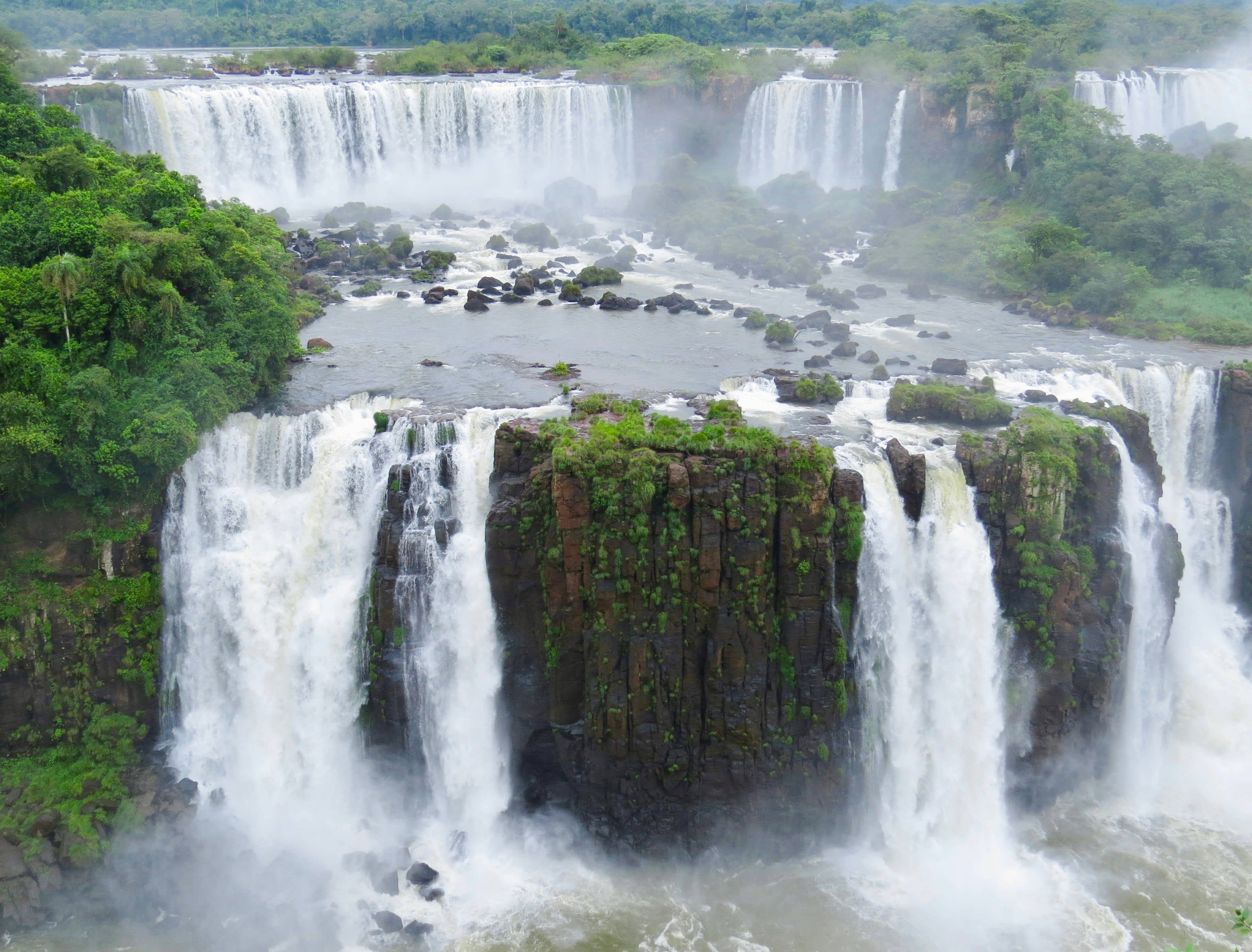
Argentina brims with unforgettable experiences like World-class vineyards, glacier treks, and tango performances. Here’s a curated list of some of the best ways to explore the cities, countryside, and natural wonders.
Buenos Aires
MALBA (Museo de Arte Latinoamericano de Buenos Aires): Explore the glass-walled galleries at one of Latin America’s finest modern art collections.
Tigre Delta: Pack a picnic or sip a sunset cocktail onboard a cruise between green islands and quiet canals, just 45 minutes from Buenos Aires.
San Antonio de Areco: Spend the day at a countryside estancia riding horseback across open fields, watching gauchos at work, and savoring a traditional asado lunch.
Rojo Tango: Experience the allure of tango at the Faena Hotel with a glamorous performance that blends passion, drama, and live orchestra.
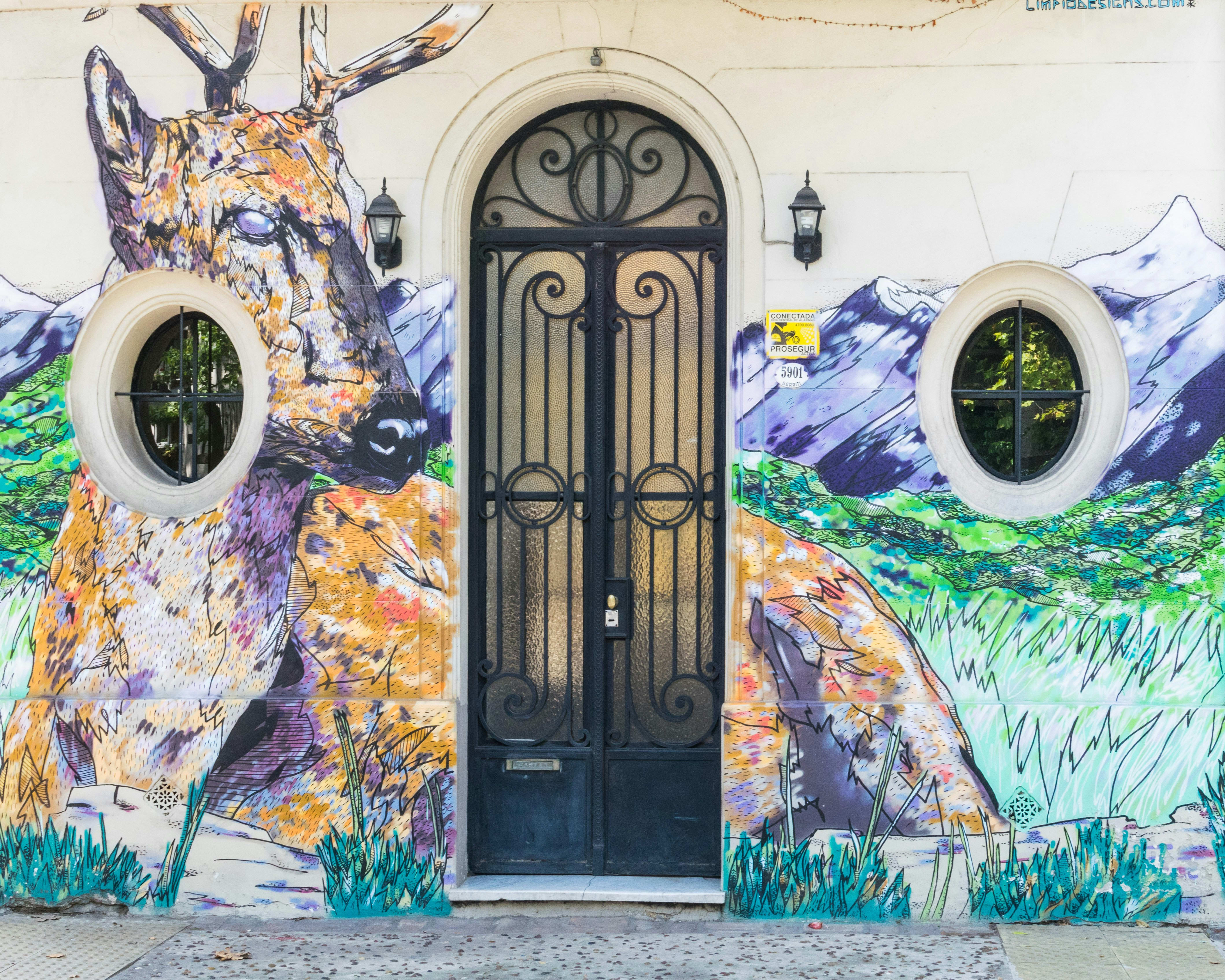
Street art: Take a private tour through Colegiales and Palermo Soho, where murals and graffiti turn the city’s walls into a living art gallery.
San Telmo Market: Browse antiques, artisan leather, and local finds. End the day with empanadas and people-watching in one of its lively, café-lined squares.
Wine and cheese tastings: Sample curated pairings of small cheese producers and regional wine specialties in Recoleta or Palermo.
Spa: Recharge at the Palacio Duhau Spa, a serene marble retreat offering hydrotherapy circuits and massages infused with native botanicals.
Puerto Madero: Wander along the waterfront, where sleek architecture meets contemporary art and fine dining.
Mendoza
Uco Valley: Tour vineyards in Argentina’s most celebrated wine region, sampling Malbecs, Cabernets, and boutique blends paired with artisanal cheeses and chocolates.
Andes heli-hike: Fly over snow-dusted peaks and descend onto secluded trails where panoramic views stretch across vineyards, valleys, and the rugged Andes foothills.
Horseback riding: Ride through grape vines with local gauchos as guides, stopping for wine tastings or a rustic picnic among the foothills.
Mendoza: Stroll through tree-lined city plazas, boutique galleries, and artisanal shops that reflect the region’s creative spirit.
Cooking class: Learn to prepare traditional Argentine dishes, celebrating the region’s seasonal produce and bold flavors.
4WD adventure: Venture deep into the Andes on a guided off-road journey through glacial valleys, rushing streams, and remote mountain viewpoints.
Iguazú Falls
Argentine trails: Traverse more than seven miles of jungle paths that weave through the subtropical rainforest and the roaring waterfalls.
Ecological train: Ride the scenic and leisurely way to connect the trailheads, offering open-air views of the rainforest and wildlife along the way.
The Devil’s Throat: Follow the dramatic boardwalk to the park’s most powerful viewpoint of the falls.
Private tour: Venture deep into the park with a naturalist guide to spot toucans, coatis, and monkeys while learning about the ecosystem and conservation efforts.
Luxury boat excursion: Glide beneath the falls on a small, expertly guided craft.
Upper and lower circuits: Wander the quieter trails for panoramic views, abundant plant life, and some of the park’s best photography vantage points.
Where to eat in Argentina
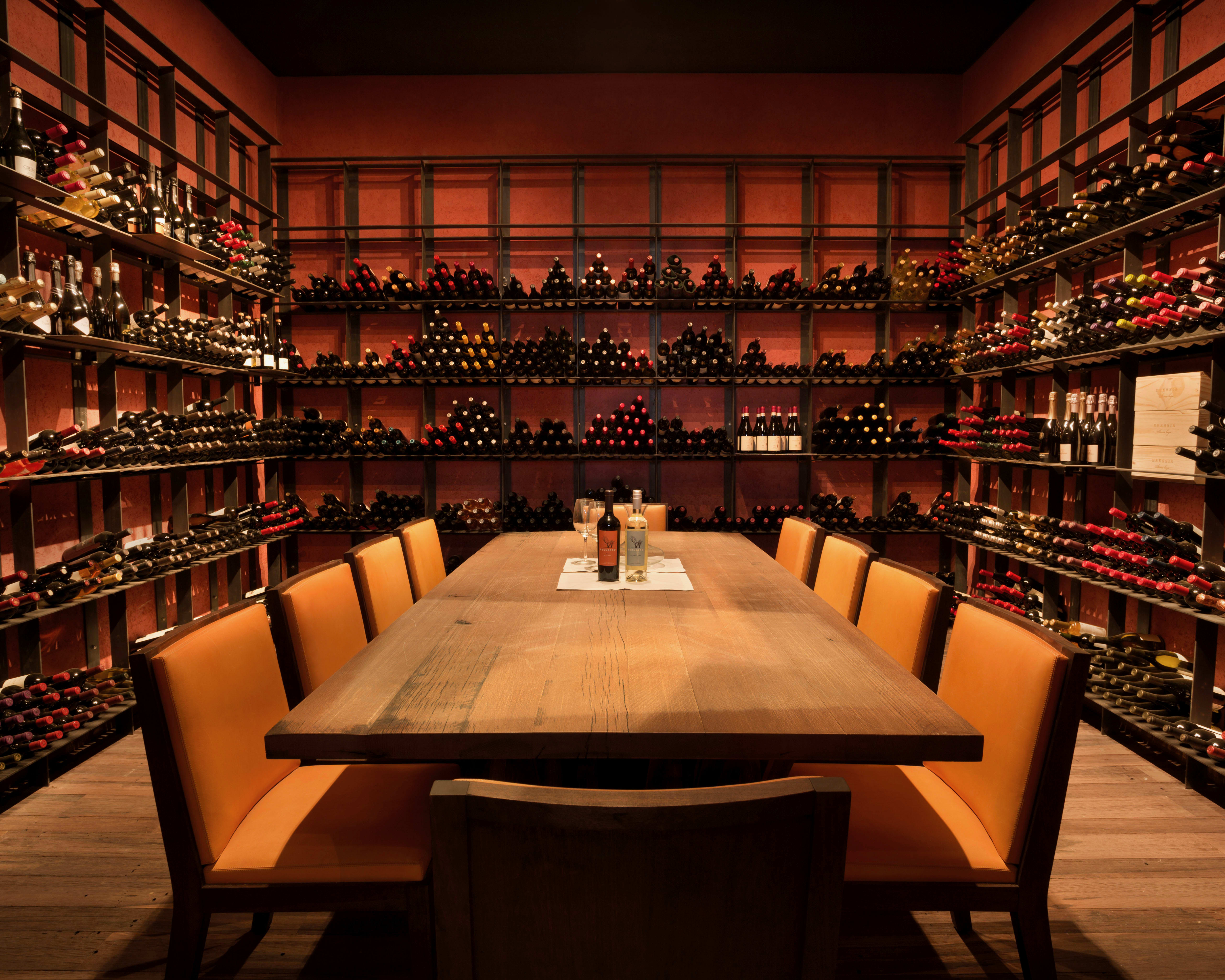
Image courtesy of Siete Fuegos at The Vines Resort & Spa
Argentina’s dining scene celebrates bold flavors, rich traditions, and the country’s deep love of food as a social experience. From world-class parrillas and sleek wine bars to countryside estancias, every meal feels like an invitation to linger.
A selection of these restaurants come from Fora Advisors Karen Turbidy, Maria Chapman, and Kylee Kopacka.
Buenos Aires
Don Julio (Palermo): A beloved parrilla offering classic Argentine cuisine in a stylish, timber-lined space.
Niño Gordo (Palermo Hollywood): A hip, contemporary spot blending Latin American flavors with inventive plating.
Crizia (Palermo): Chef-driven fine dining emphasizing seasonal, local ingredients with creative interpretations of Argentine classics.
Tegui (Palermo): One of Buenos Aires’ most celebrated fine dining spots, offering a rotating tasting menu of modern Argentine dishes in a sleek, minimalist environment.
Mendoza
Siete Fuegos (The Vines Resort & Spa): Chef Francis Mallmann’s elegant yet rustic parilla with open-fire cooking and panoramic views.
Fogón by Lagarde (Uco Valley): A boutique wine estate restaurant focusing on fire-cooked cuisine across tasting menus.
1884 Restaurante (Godoy Cruz): Renowned for its refined take on Argentine classics, this historic winery restaurant is a charming, heritage-filled space.
Casa El Enemigo (Agrelo): A modern winery restaurant where tasting menus pair small-production wines with locally sourced ingredients.
Iguazú Falls
La Rueda 1975 (Puerto Iguazú): A contemporary take on Argentine cuisine, offering seasonal, locally sourced ingredients.
El Quincho del Tío Querido (Puerto Iguazú): An upscale parrilla known for its traditional flavors and tropical surroundings.
Aqva Restaurant (Puerto Iguazú): A boutique, riverside dining spot highlighting fresh, sustainable ingredients and gourmet presentations.
La Toscana (Puerto Iguazú): Elegant Italian-Argentine fusion cuisine in a sophisticated yet welcoming space.
Trips to add on
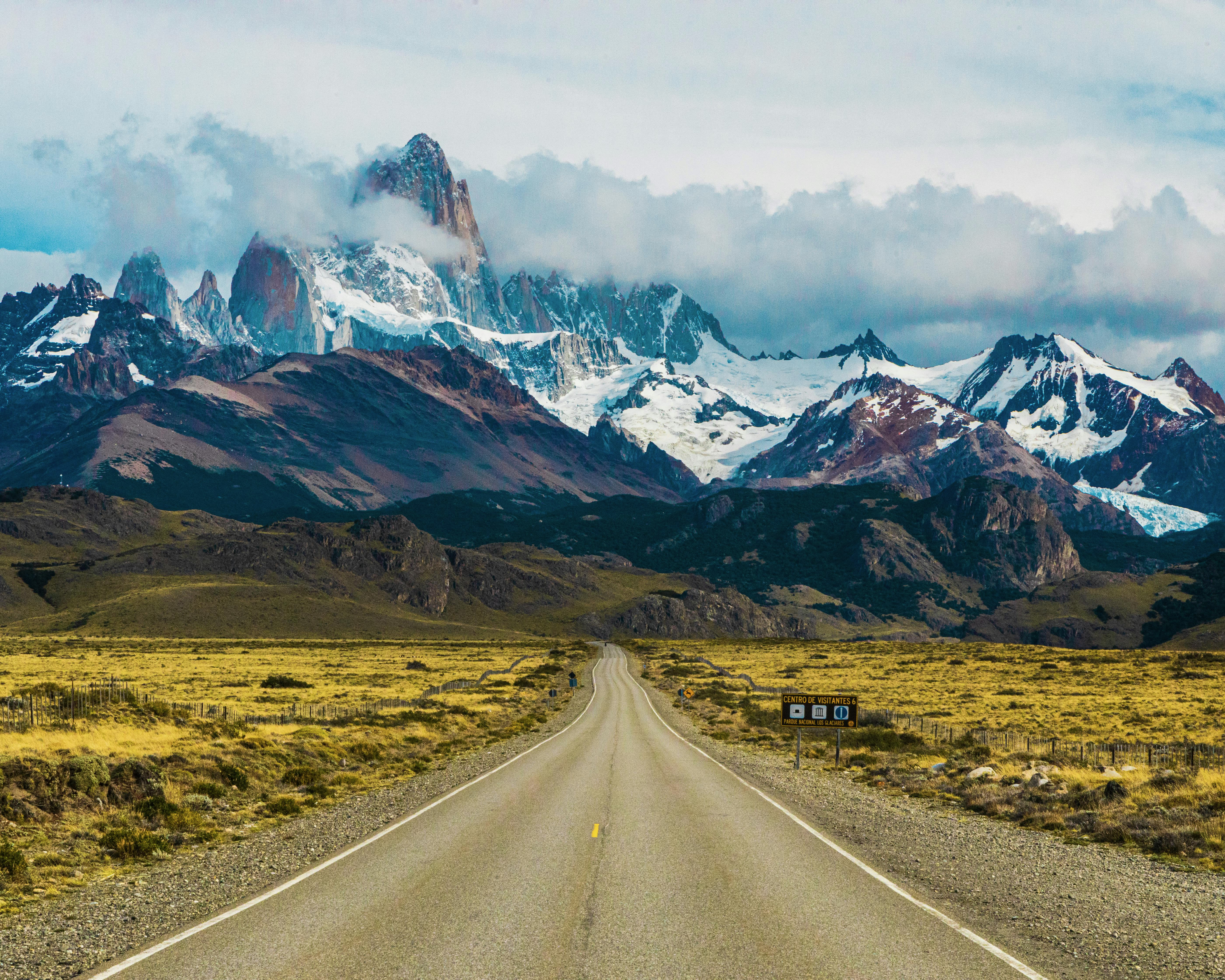
From neighboring countries to remote corners, these add-on trips provide complementary but distinct experiences across South America.
Uruguay: Just across the Rio de la Plata. Montevideo offers historic neighborhoods and vibrant cultural life. Punta del Este and José Ignacio deliver beaches and laid-back coastal vibes.
Patagonia: Remote landscapes, icy glaciers, and rocky fjords are perfect for scenic drives, hiking, and cruises for epic scenery that extends into southern Chile.
Chile: Beyond Chilean Patagonia, Santiago pairs vibrant urban energy and world-class dining, while the nearby Maipo wine valley is filled with boutique wineries.
Antarctica: Cruise past towering icebergs, watch penguin colonies, and witness whales breach the icy waters. Remote, pristine, and humbling, it’s a once-in-a-lifetime journey.
If not Argentina…
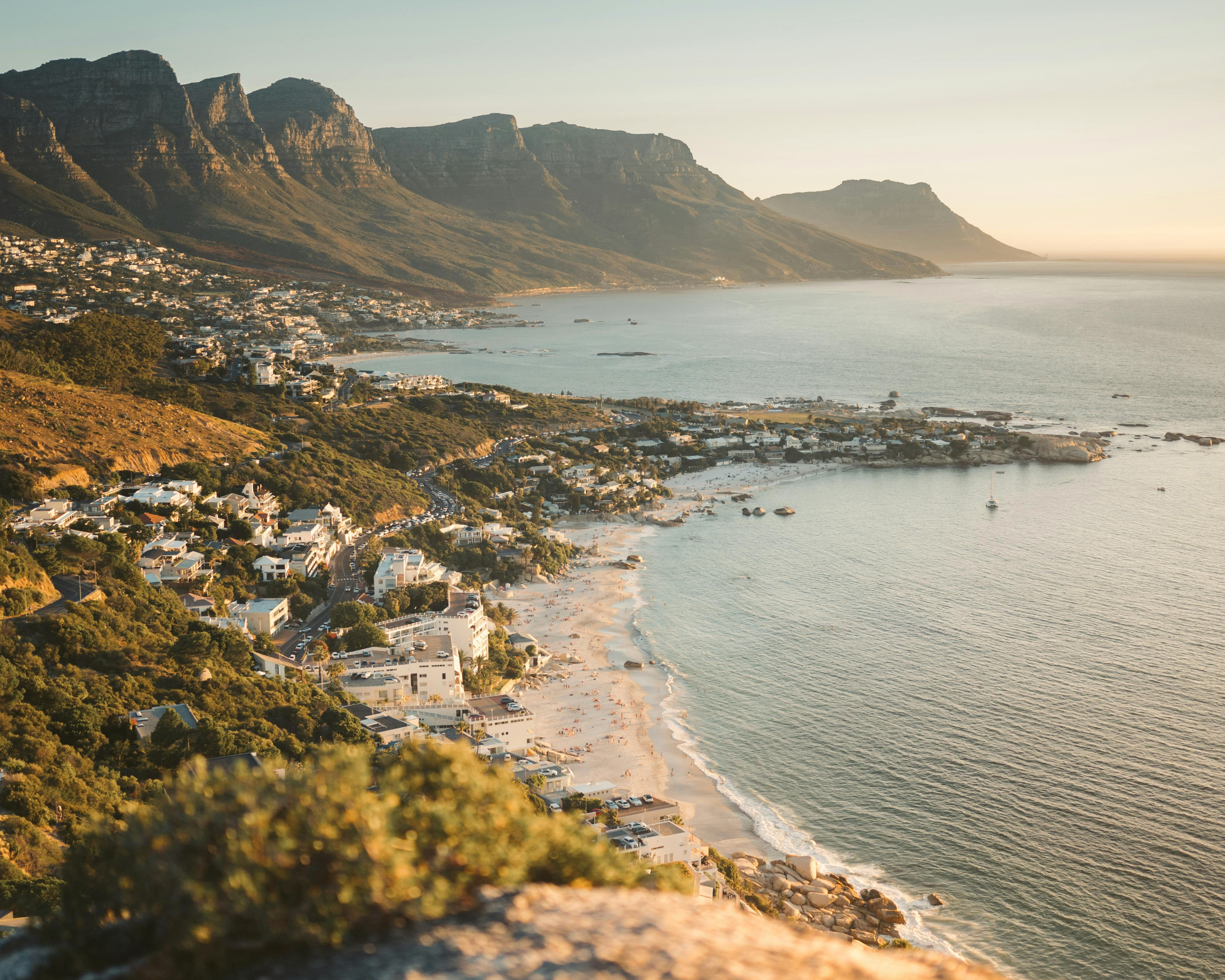
These locations combine history, culinary scenes, and opportunities for exploration, making them good alternative destinations.
France: Paris tempts with café culture, patisseries, and world-class cuisine. Provence offers rolling vineyards and luxury countryside escapes.
Northern California: San Francisco’s iconic streets, Napa’s world-renowned vineyards, towering Redwoods, and the dramatic coastline of Big Sur.
South Africa: Cape Town blends urban sophistication with natural beauty. The nearby Cape Winelands present boutique estates, tasting experiences, and historic vineyards.
Northern Italy: Rolling vineyards in Tuscany, hilltop towns in the Dolomites, and mountain landscapes that offer a blend of culinary, cultural, and scenic experiences.