

Curator’s statement
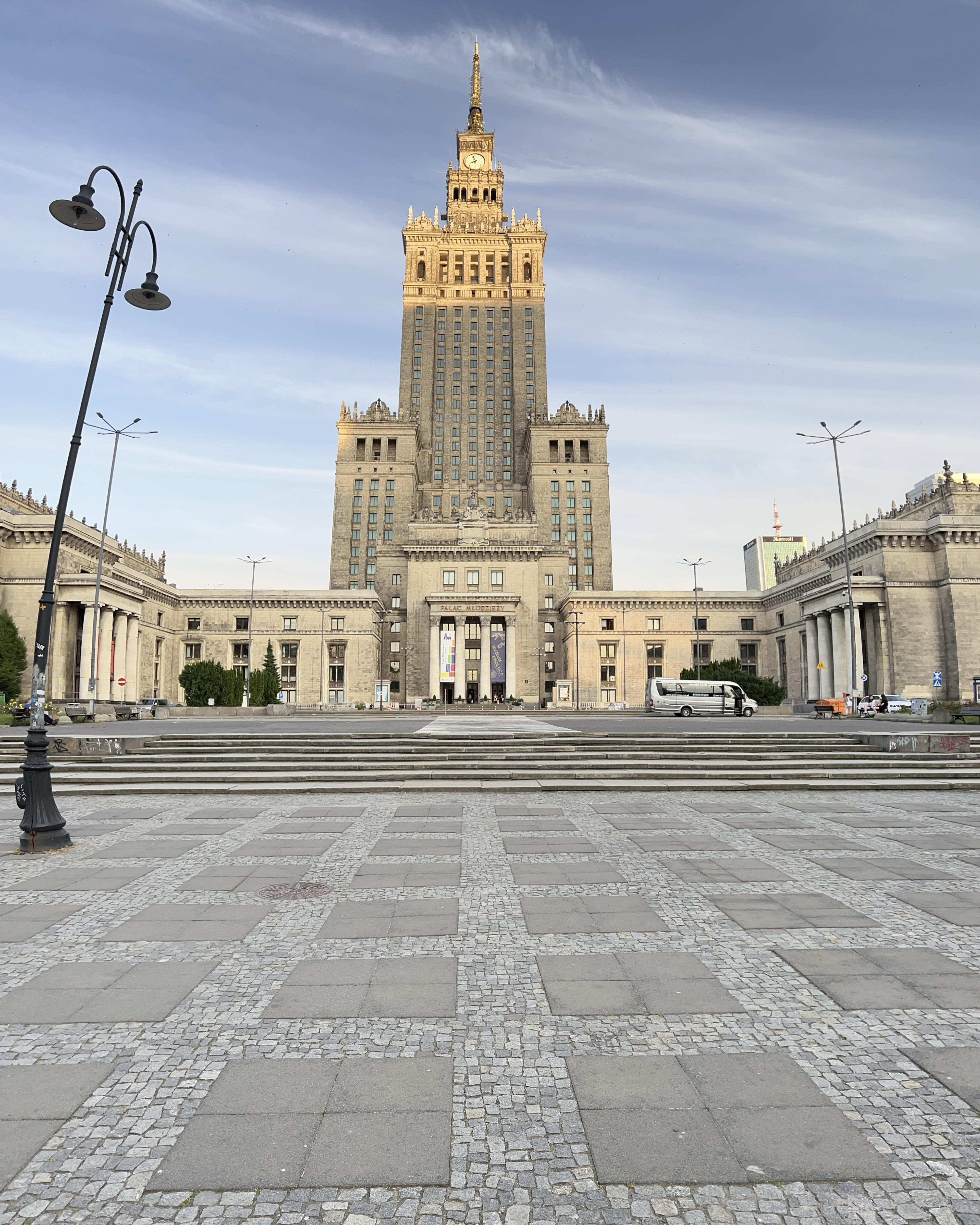
Warsaw is a magnetic destination—you’ll find yourself returning time and time again. During my first visit, I fell in love with its people, cuisine, and museums. The modernized city, rebuilt after WWII, hides a rich history going back to medieval times. For just a glimpse of Poland’s fascinating, and oftentimes tragic history, the capital is an ideal place to begin your journey.
The Fora Difference
Book with Chris Erickson to access exclusive perks and experiences on your trip.

Killer perks
Free upgrades, spa credits and more—we got you

Personalized recs
Customized travel planning for your style

Insider knowledge
Expert advice from people who’ve actually been there
Where to stay in Warsaw
Unlock perks by contacting Chris Erickson to book your trip.
Things to do in Warsaw
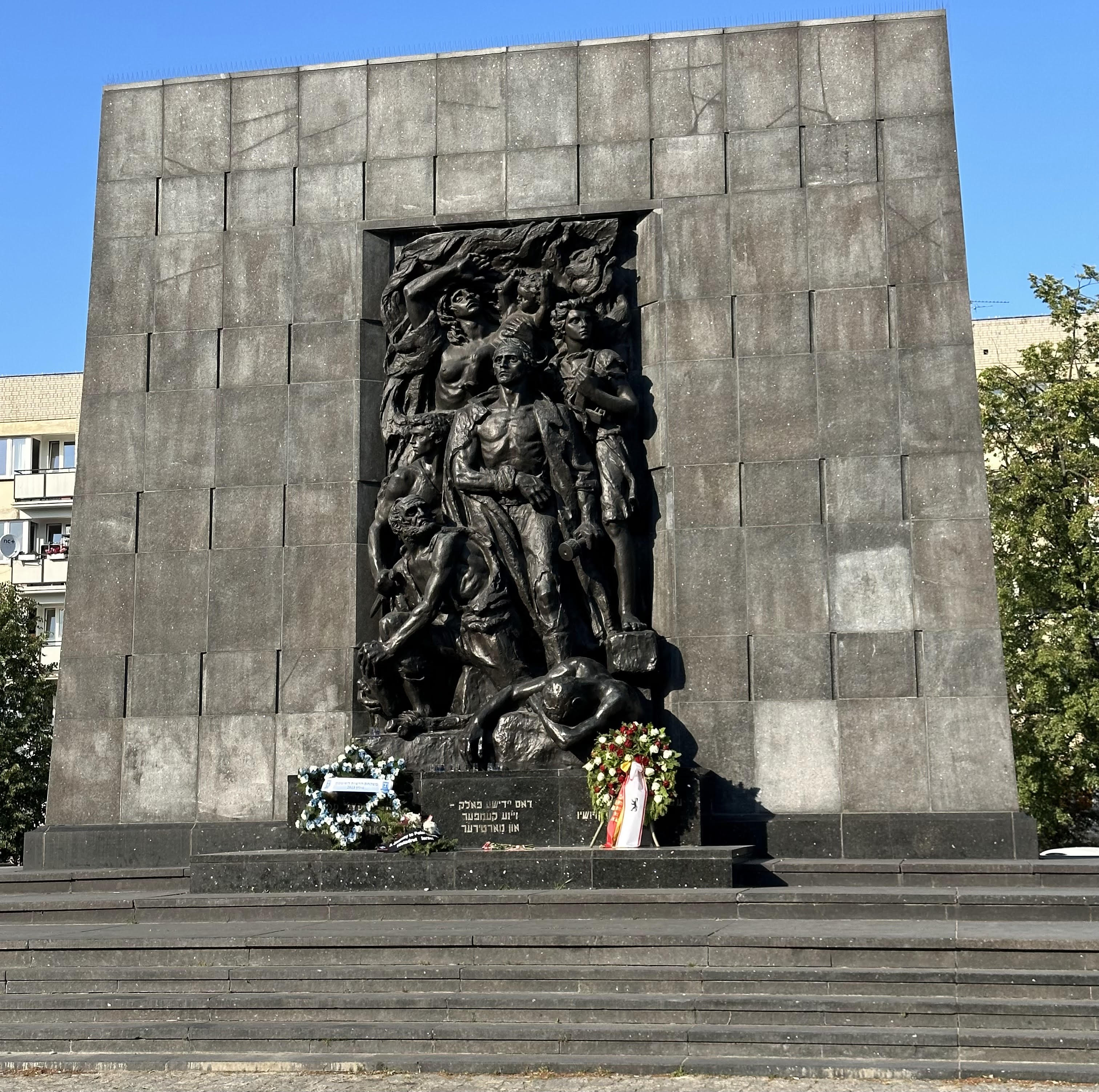
Monument to the Ghetto Heroes
POLIN Museum of the History of the Polish Jews
An engaging look at the history of the Jewish people in Poland from the middle ages up to the Holocaust. The museum is housed in an award-winning architectural gem, located in what was once part of the Jewish ghetto during WWII.
The main exhibition is a chronological journey through the thousand year history of Polish Jews, beginning with their arrival to Poland in the 11th Century and following them through their progression to becoming the largest Jewish population in Europe (prior to WWII). Finally, the exhibition’s climax is a heart-wrenching look at the Holocaust in Poland.
While the main exhibition is more than reason enough to visit POLIN, keep an eye on the temporary exhibitions as well. During our visit, we were fortunate to see one that focused on the written accounts of participants in the Warsaw Ghetto Uprising, displayed in a dark and somber maze of rooms meant to mirror the experience of the underground bunkers and passageways.
If you’re visiting around lunch time, the museum restaurant, WARSZE by Bracia Wiśniewscy, is an excellent option.
Warsaw Rising Museum
This museum presents an immersive experience, allowing the visitor to learn about the residents of Warsaw who sacrificed themselves for their country’s independence from the Nazis. If you’re visiting without a guide, I’d highly recommend the audio guide to help orient you and ensure you don’t miss out on the significance of this event in Polish history.
Through film, audio, and photography, the museum demonstrates the indelible bravery of the Polish people fighting back against the Nazi occupation—thousands of whom were killed because of their efforts.
Don’t rush through this museum, as you’ll need plenty of time to think and reflect upon what you learn. In particular, I found myself struck by the immense visual impact of the large display of armbands worn by the insurgents, many still stained with blood. The Nazi’s complete destruction of Warsaw in retaliation for this resistance is an indicator of the fierce level of determination the Polish people put into the Uprising, and can be seen today in the lack of historical buildings you see in the modern city.
Stare Miasto
This is the Old Town of Warsaw, carefully reconstructed following the destruction of WWII. There’s plenty to eat, see, and do, so wear your walking shoes.
For example, you can visit the Museum of Warsaw and enjoy their exhibit on “The Things of Warsaw,” to learn more about the city through archaeology, art, clothing, etc.
Or, visit the Marie Curie Museum to learn more about the world-renowned scientist born in that very house.
You can also wander through the streets of the Old Town, taking time to admire the architecture and then grab a cool drink in the Market Square while taking a seat and watching locals and other tourists going about their days.
This is also an ideal opportunity to walk along the Vistula River, which runs through the middle of Warsaw—you’ll see plenty of locals walking, riding their bikes, or taking a break by the Multimedia Fountain.
The Royal Castle in Warsaw
A meticulous reconstruction of the original, walking the halls and rooms of the Royal Castle will allow you to appreciate the grandeur and beauty of Poland’s royal history. Visiting this museum was my first real introduction to Polish history, and it turned out to be a fascinating journey through the nation’s past.
Once home to Poland’s ruling monarchs, the museum traces the story of the kingdom from its founding under the Piast dynasty, through fierce clashes with the Teutonic State, and the election of its kings. It highlights the formation of the Polish-Lithuanian Commonwealth, a golden era when Poland rose as a major European power, before eventual partitions by Austria, Russia, and Prussia erased it from the map.
One of the most memorable moments is stepping into the room where the Polish Constitution (the second-oldest in the world after the United States) was signed. Even if you’re not a history buff, paintings by the Polish master Jan Matejko are especially stunning.
Ghetto walls, uprising buildings & symbols
If you spend the day wandering through Warsaw, you’ll be able to appreciate the history that surrounds you.
In front of the POLIN Museum, the powerful Ghetto Heroes Monument honors those who fought in the Warsaw Ghetto Uprising of April 1943. This was an act of defiance against Nazi efforts to liquidate the ghetto, and one that took place months before the more well-known Warsaw Uprising. The uprising lasted four weeks, ending only when the Germans abandoned direct fighting and instead reduced the ghetto to rubble, burning it building by building.
Walking the streets around the museum, look down at the sidewalks and you might see plaques marking the boundaries of the former ghetto walls. A few fragments of the wall still survive, tucked inconspicuously between modern apartment blocks. A couple fragments can be viewed near the Rondo ONZ metro and tram stop at 55 Sienna and 62 Zlota, but be mindful that these sections are within courtyards and may only be accessible at certain times. Standing before them is jarring—these unassuming walls once confined so much suffering, now hidden in the everyday courtyards of a modern city center.
Warsaw’s scars from World War II stretch beyond the ghetto. Though nearly 90% of the city was destroyed, some buildings still bear visible reminders of the fierce fighting during the Warsaw Uprising. The most famous is the Reduta Bank of Poland, held by insurgents for four weeks in 1944 and scarred with bullet holes and shell damage, now preserved as a façade.
Across the city, you’ll spot the Kotwica (or anchor), the emblem of the Polish underground, marking sites of resistance on buildings like the Railway House on Zelazna, Mazowiecka 11a, and Emilii Plater 4. Inside the Museum of the Earth, there’s even a haunting preserved bloodstain dedicated to an unknown soldier.
For a striking perspective, climb the Warsaw Uprising Hill, a park built atop the rubble of the destroyed city. From its summit, you get a view of the modern skyline—a powerful reminder of how Warsaw has rebuilt itself, while never forgetting its past.
Places to eat & drink in Warsaw

Rusiko Restaurant
If you haven’t tried Georgian food yet, this is the place to give it a go. The warm, friendly service pairs perfectly with dishes that are both comforting and unforgettable.
Start with a traditional Georgian Feast and the must-try khachapuri (cheese-filled bread), then move on to the flavorful garlic chicken, juicy grilled kebabs, and khinkali (delicate soup dumplings). And don’t miss the chance to sip on Georgian wine, crafted in one of the world’s oldest winemaking regions.
Food Town w Fabryce Norblina
This is one of my must-stop spots every time I’m in Warsaw. Housed in an old factory that’s been transformed into a modern, vibrant hub of food and nightlife, you’ll find trendy bars alongside a bustling food court offering a huge variety of options. Whether you’re craving pierogi, sushi, or gourmet burgers, there’s something to match any mood.
The industrial-chic setting gives it an edgy charm, and on weekends the energy is electric with locals and travelers alike. It’s the perfect place to eat, drink, and soak in Warsaw’s creative spirit.
Señor Lucas Taqueria
As a native Californian, I’m typically skeptical of Mexican food in Europe, but Señor Lucas is a rare exception. The tacos and burritos are delicious, and the salsa actually has some heat—a rare and welcome find on this side of the world. It’s the kind of spot that instantly cures any homesickness for authentic Mexican flavors.
Bar Bambino
You can’t visit Poland without stopping at a Milk Bar. Hugely popular during the Communist era, these cafeteria-style eateries are still government-subsidized today, serving up big portions of Polish classics at incredibly affordable prices. They’re usually only open for lunch, but make sure you’re hungry because this can easily be your main meal of the day.
Don’t expect fine dining: you’ll order at the counter, bus your own tray, and chances are the staff won’t speak English, but none of this will detract from your experience. And if you’re in Warsaw during the summer, make sure you get the pierogi filled with fresh seasonal fruit.
Bar Rascal
This natural wine bar is easily the trendiest place we visited, with a hip, laid-back vibe and a cool courtyard that’s perfect for warm summer evenings. The menu is built around tapas-style plates, making it easy to share and sample a little of everything while sipping on unique, carefully selected natural wines. It’s a popular spot, so be sure to make a reservation.
PiwPaw Beer Heaven
If the walls completely covered in bottle caps aren’t advertisement enough, this is the perfect place to grab a beer in Warsaw. I’m no stranger to a little beer snobbery and I can confirm the selection is impressive, featuring a wide range of Polish and European craft beers. The friendly staff are happy to guide you through the options and help you find the perfect pour.
Czerwony Wieprz
Czerwony Wieprz (“The Red Pig”) is a one-of-a-kind restaurant in Warsaw with a cheeky nod to the city’s communist past. The décor is filled with memorabilia and amusing political touches, while the menu serves up hearty Polish classics like pierogi, bigos, and roasted meats.
It’s a fun mix of history, humor, and delicious food, making it a memorable dining experience you won’t find anywhere else.
Need to know
Getting around Warsaw is easy with its highly reliable and inexpensive public transportation.
I highly recommend downloading the Jakdojade app. The app is popular with locals and includes a trip planning feature that allows you to plan your trip to a destination using public transport and is more accurate than Google Maps. You can purchase anything from single tickets to multiday passes on the app; you just need to validate the ticket by scanning the QR code on the tram, bus, or metro when you enter.
In addition, Warsaw has plentiful bike lanes and Bolt scooters if you are feeling adventurous.
Finally, Uber and Bolt both operate in the city and are extremely inexpensive compared to the US. I would definitely suggest using one of the rideshare apps when you arrive in Warsaw to get to your hotel. While in Warsaw, I’ve generally had better experiences using Bolt over Uber—there seem to be more available drivers and shorter wait times.


Travel Advisor
Chris Erickson

Chris Erickson

Get in touch with Chris Erickson
Did you like this guide? Reach out to customize and book your own experience. Or, just to chat about travel in general.
For more inspiration and insider recommendations, visit our Poland page.