


Curator’s statement
Chilean Patagonia’s Torres del Paine National Park is known for its jaw-dropping landscapes: turquoise lakes, granite mountains, and mammoth glaciers. In addition to world-class hiking, the park offers activities including kayaking between icebergs, glacier trekking, and wildlife-viewing tours. No matter what activities you engage in, you will leave the park in marvel of how majestic nature can be. The itinerary below is for anyone interested in backpacking the famous “W” trek from east to west (the most popular route), which is usually hiked in 4–5 days.
The Fora Difference
Book with Richa Sharan to access exclusive perks and experiences on your trip.

Killer perks
Free upgrades, spa credits and more—we got you

Personalized recs
Customized travel planning for your style

Insider knowledge
Expert advice from people who’ve actually been there
Where to stay
Unlock perks by contacting Richa Sharan to book your trip.
Day 1: Travel to Puerto Natales
Your first day will be devoted almost entirely to traveling from Santiago to Puerto Natales.
From Santiago (SCL), Sky Airlines offers flights to Punta Arenas (PUQ), with a flight time of roughly 3.5 hours. From there, unless you’ve arranged private transportation, you can take the Buses Fernández service to Puerto Natales. The ride takes about three hours, and it’s best to secure tickets in advance.
Once you arrive, check in to your hotel and take some time to wander around Puerto Natales to get a feel for the town.
For dinner, a popular choice is Baguales, a casual brewery and restaurant that’s a favorite among both locals and tour guides.
Day 2: Mirador Base Las Torres
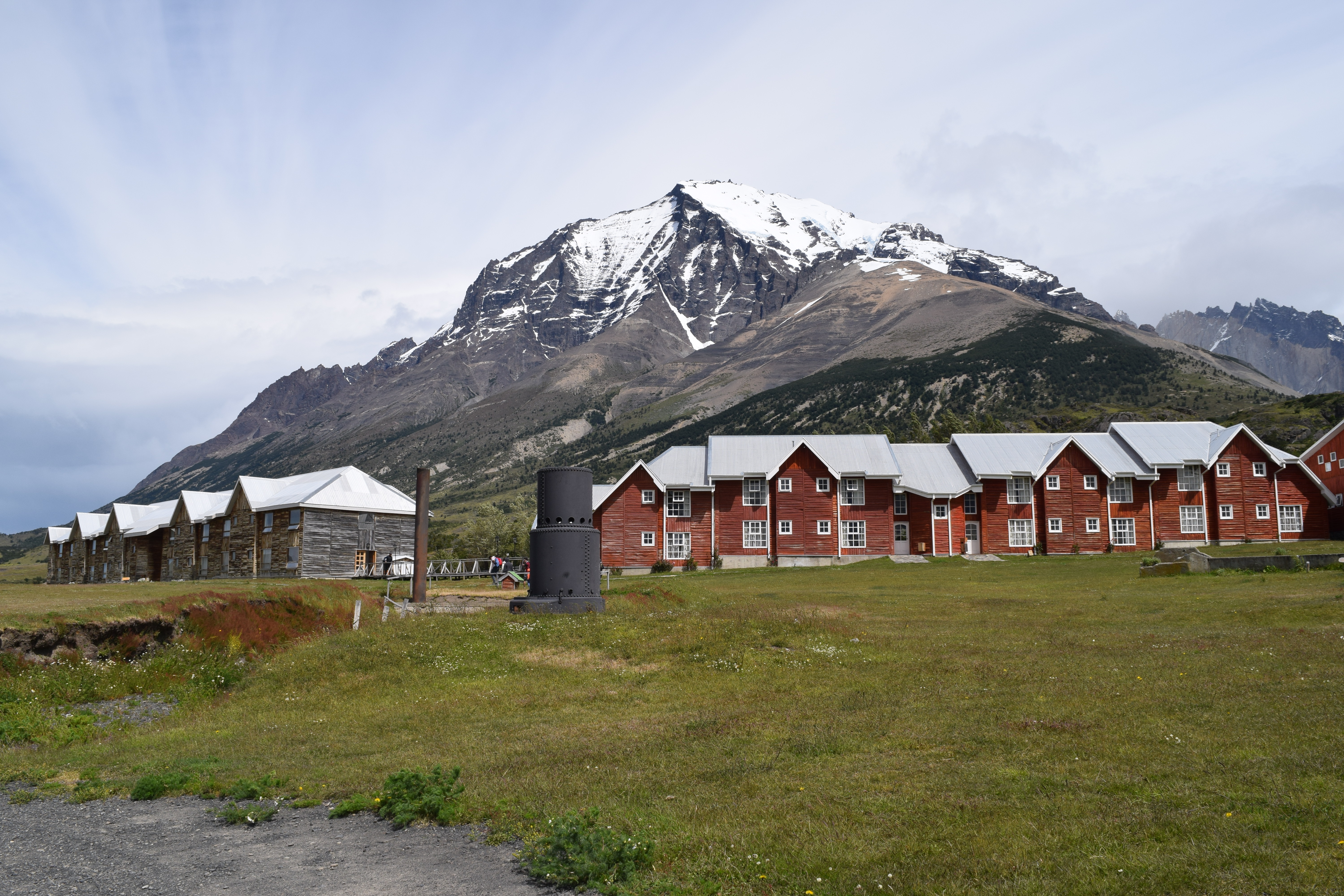
Begin your Torres del Paine adventure with the park’s most iconic trek: Mirador Base Las Torres.
Catch the Bus Gómez from the Puerto Natales Bus Terminal to Laguna Amarga (7:15 am, schedules may vary). Arrive early to secure a seat. Your hotel may be able to arrange a transfer to the terminal.
Upon arrival at Laguna Amarga, pay the park entrance fee (~$35 USD, pesos only). There are no ATMs inside the park, so make sure to withdraw pesos in Puerto Natales beforehand. While many refugios accept credit cards, it’s best to carry some cash.
From Laguna Amarga, either take the paid shuttle or hike the 7 km (1.5 hours) to the trailhead/Visitors Center. If needed, stop for lunch at Hotel Las Torres, located near the trailhead, before beginning your trek.
The trek
From the trailhead, begin the 2.5-hour uphill trek to Refugio Chileno. This section is moderately difficult but steady. Once at Chileno, drop your main pack in the designated storage area and continue the climb to Mirador Base Las Torres. The hike takes about two more hours.
The first hour from Chileno to Glacial Moraine is moderately challenging, with bridged river crossings and stretches through dense forest. The second hour to the Mirador is the toughest: a steep ascent across glacial moraine, scrambling over large boulders with strong headwinds common on this north-facing route. Trekking poles are especially helpful here. At the top, you’ll be rewarded with the breathtaking view of the three granite towers rising dramatically above the glacial lagoon.
Return to Refugio Chileno
After taking in the scenery, return to Refugio Chileno for the night. Most refugios lack Wi-Fi or charging outlets, so be sure to bring a portable battery pack. Opting for full room and board is convenient. It includes dinner, breakfast, and a packed lunch for the next day. Towels, soap, and shampoo are also provided.
Day 3: Trek along Lago Nordenskjöld
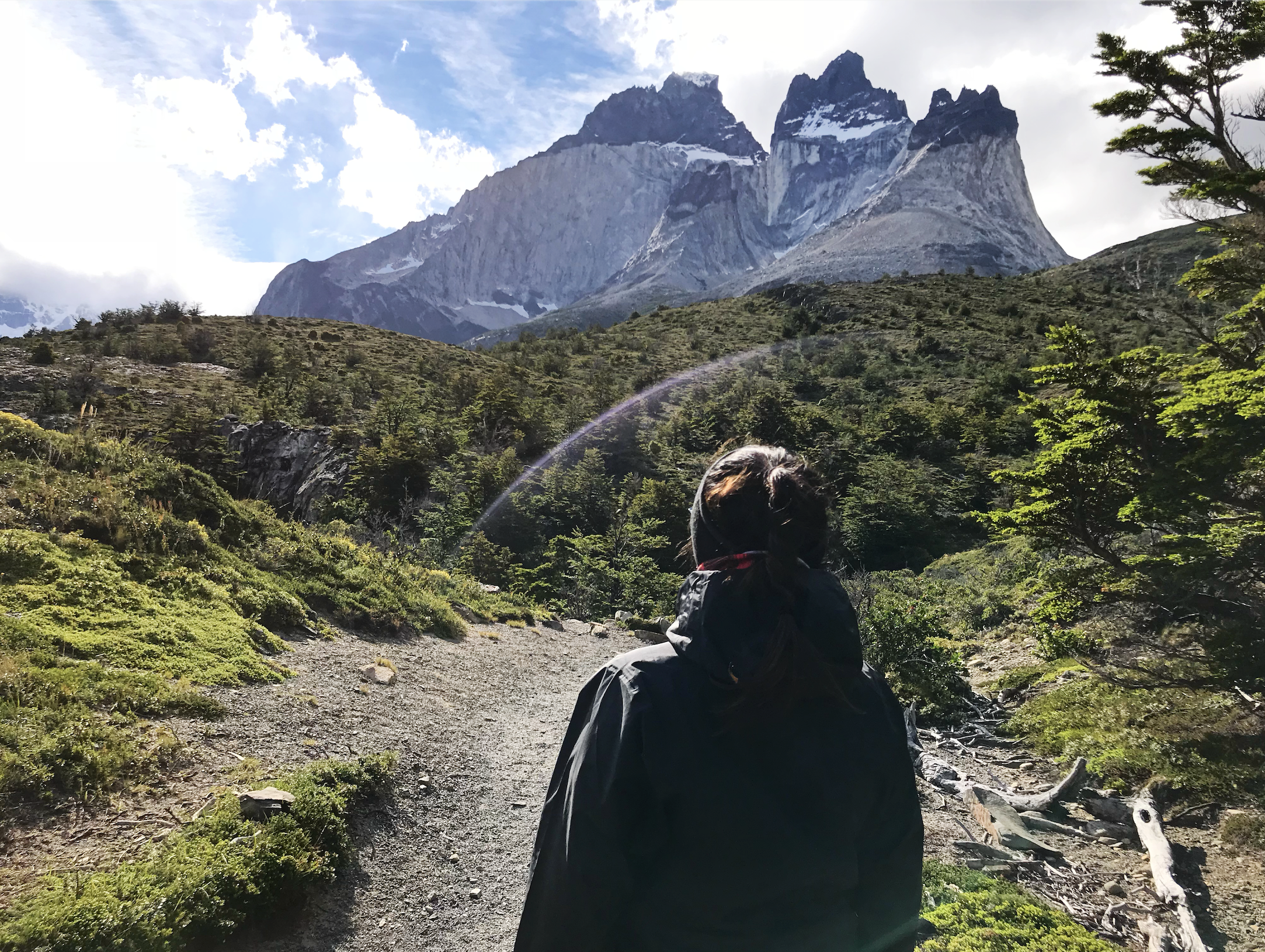
On this day, you’ll hike from Refugio Chileno to Refugio Los Cuernos, a scenic 5-hour trek along Lago Nordenskjöld.
Begin the day with breakfast at Refugio Chileno and pack a bag lunch. If desired, you can make an optional early hike back up to Mirador Base Las Torres before starting the day’s main route.
The trek
The hike to Refugio Los Cuernos takes about five hours. From Chileno, you will head down the trail you took the previous day. After 25–30 minutes, look for a fork in the path and take the right-hand trail, which serves as a shortcut to Los Cuernos. This option is both shorter and less crowded. If you choose not to take the shortcut, you will descend to Hotel Las Torres and continue along the main trail by the lake.
The route follows the northern shore of Lago Nordenskjöld, with its striking deep-blue waters on your left and the dramatic granite spires of Los Cuernos on your right. The terrain is easy to moderate, with rolling hills that offer panoramic views from each rise. Shortly before reaching Los Cuernos, the trail passes through a beech forest. Most people consider this the easiest day of hiking.
End at Refugio Los Cuernos
Stay overnight at Refugio Los Cuernos, located between the Las Torres and French Valley sectors of the park.
Day 4: Camp Italiano & The French Valley
You have two options on this day: hike directly to Refugio Paine Grande in about five hours, or extend the trek with the French Valley, which brings the total to 10–11 hours of hiking.
Begin the day with breakfast at Refugio Los Cuernos and pick up a packed lunch. From Los Cuernos, the trail is easy-to-moderate to Camp Italiano, the entrance to the French Valley, with rolling terrain, stream crossings, and shaded forest sections. After about an hour after leaving the refugio, you’ll reach Domos Frances, and another hour brings you to Camp Italiano. Here you can leave your main pack and continue with just your daypack if you’re hiking French Valley
The French Valley
The French Valley is an out-and-back hike. The trail climbs steadily, reaching around 900m at Camp Británico, the turnaround point near the end of the valley. Along the way, you’ll cross rivers, walk through beech forest, and be surrounded by towering granite spires and the massif of Paine Grande (3,050m, the park’s highest peak). This section is considered difficult due to its steady ascent.
After returning to Camp Italiano to retrieve your pack, continue on to Refugio Paine Grande. The path crosses a suspension bridge over the Frances River, then levels out for most of the 2.5-hour hike to the refugio.
End at Refugio Paine Grande
Overnight at Refugio Paine Grande, the largest and most well-equipped refugio on the W Trek. Facilities include a small bar and limited phone charging. There is no Wi-Fi, but paid internet access is available via desktop computers.
Day 5: Icebergs at Lago Grey
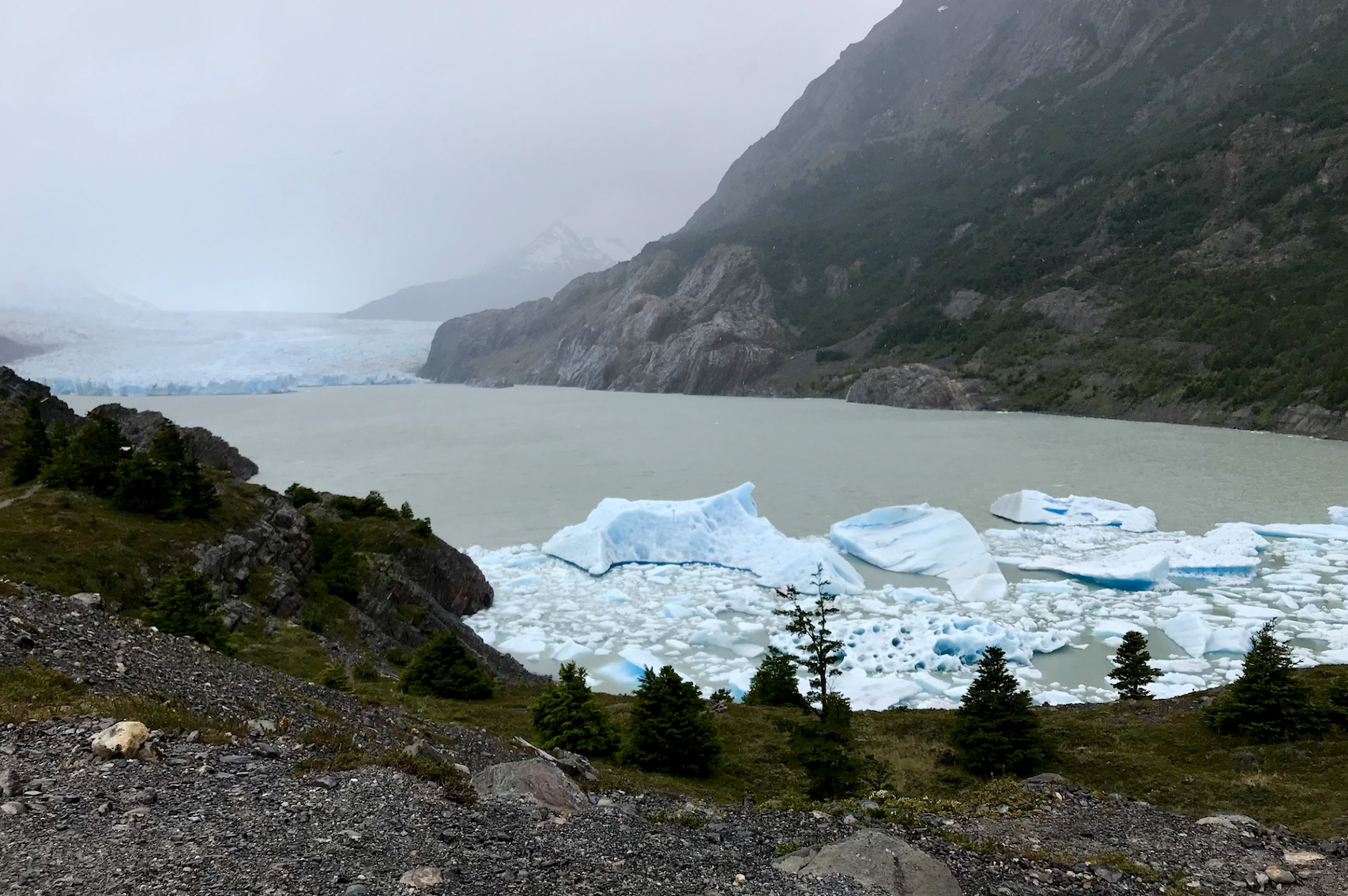
On this day, you’ll hike from Refugio Paine Grande to Refugio Grey, a trek of about four hours.
The trek
Begin with breakfast at Refugio Paine Grande and pick up a packed lunch before setting out. The trail climbs steadily to a hilltop at 485m, with a gradual ascent that becomes steeper toward the top. This section is considered easy to moderate in difficulty.
From the summit, the path levels out through forest before descending toward Lago Grey. Some stretches are narrow and steep, so trekking poles are recommended to ease the impact on your knees. Along the lakeside, the trail is largely flat, surrounded by old beech trees and low brush.
Lago Grey
As you approach Lago Grey, you’ll begin to see floating glacial icebergs—a truly remarkable sight. Soon after, the full expanse of Grey Glacier comes into view, an unforgettable highlight of the trek.
If weather permits, you can book optional excursions from Refugio Grey, including glacier hiking, kayaking, or a boat cruise. These activities are popular and often sell out, so it’s best to reserve in advance. You can also hike beyond the refugio for closer views of the glacier, where additional viewpoints and suspension bridges offer dramatic perspectives.
After finishing the day’s activities, return to Refugio Grey for dinner and an overnight stay.
Day 6: Return to Santiago
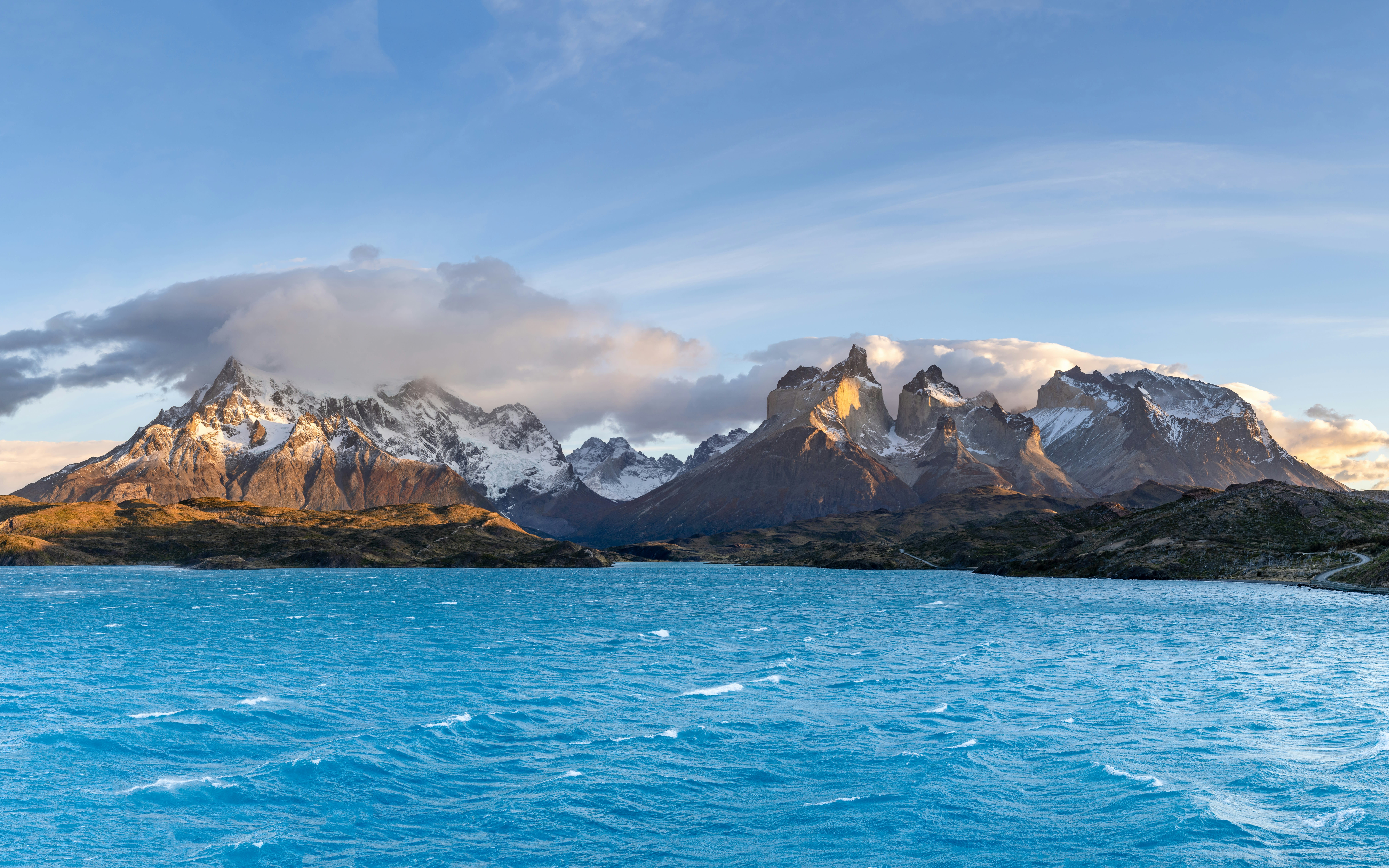
On your final day in the park, you’ll make the journey back to Santiago.
The travel day
Begin with breakfast at Refugio Grey and pick up a packed lunch before starting the 4-hour hike back to Refugio Paine Grande. Be sure to leave early to allow extra time before the catamaran.
From Paine Grande, take the 11:30 am catamaran to Pudeto (20,000 pesos / ~$30 USD, paid on board, schedules may vary). From Pudeto, continue by bus to the Puerto Natales Bus Terminal. If you prefer a private transfer, arrange it in advance through your hotel in Puerto Natales or a third-party vendor.
At 3 pm, board the Bus Sur service to Punta Arenas Airport, arriving around 6 pm. From there, take an evening flight from PUQ back to Santiago (SCL).
Plan ahead
This is a long travel day, involving a hike, boat ride, two bus transfers, and a flight (it might not be direct). Plan accordingly and pace yourself.
You also have the option to stay in Puerto Natales for the night and fly back to Santiago the next day.
Need to know
Bookings and logistics: Refugios, buses, transfers, and flights can sell out quickly, especially in peak season. Consider working with a travel advisor familiar with Torres del Paine logistics to simplify planning instead of booking everything on your own.
Arrival options: While most travelers stay in Puerto Natales before starting the trek, you can also arrange to travel directly to Torres del Paine the day before to be closer to the trailhead.
Recovery and rest: Expect to feel sore after long hiking days. Take time to stretch each evening and rest well so you’re ready for the next day’s trek.


Travel Advisor
Richa Sharan

Richa Sharan

Get in touch with Richa Sharan
Did you like this guide? Reach out to customize and book your own experience. Or, just to chat about travel in general.
For more inspiration and insider recommendations, visit our Chile page.