


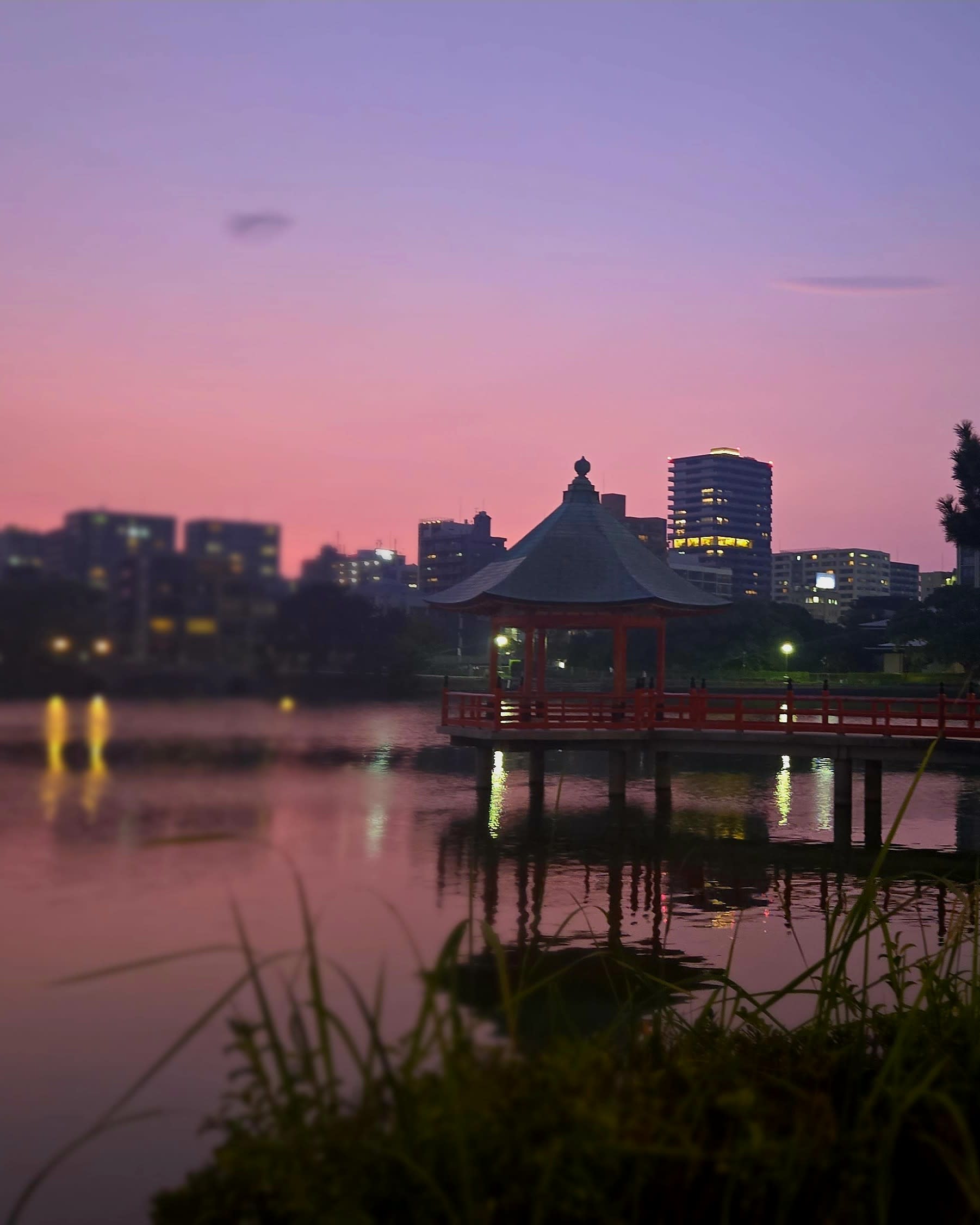
Curator’s statement
Fukuoka is one of my favorite gateways into Japan because it balances the energy of a vibrant city with the calm of nature and tradition. Unlike destinations along the typical “Golden Route,” Fukuoka offers a different perspective on Japan. One that feels welcoming, approachable, and deeply connected to its own rhythms. From strolling through historic temples and castle ruins to savoring local flavors in lively yatai stalls, every corner has something memorable to discover. And just beyond the city, you’ll find charming towns, historic bridges, and scenic coastal escapes that make for unforgettable day trips. Fukuoka is a destination where you can slow down without missing out, perfect for both first-time visitors and seasoned travelers seeking something off the beaten path.
The Fora Difference
Book with Sadie Hanson to access exclusive perks and experiences on your trip.

Killer perks
Free upgrades, spa credits and more—we got you

Personalized recs
Customized travel planning for your style

Insider knowledge
Expert advice from people who’ve actually been there
Where to stay
Unlock perks by contacting Sadie Hanson to book your trip.
Day 1: Exploring central Fukuoka
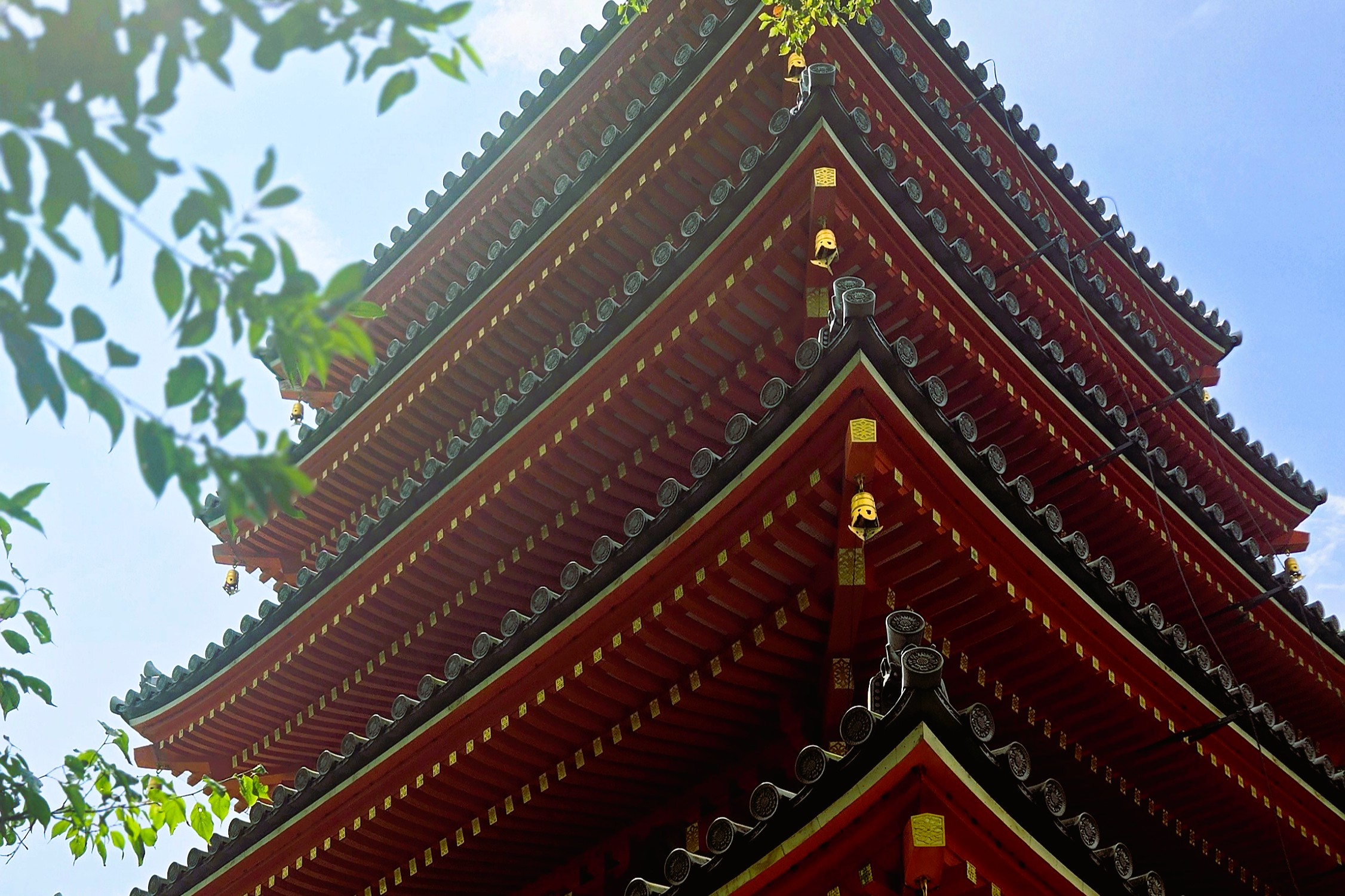
The five-story pagoda of Tocho-ji Temple, a striking landmark in Hakata’s old town.
Fukuoka is refreshingly easy to explore on foot. Most of the city’s highlights are clustered together, within walking distance in the Hakata area. This makes it the perfect first day to soak in history, culture, and city life without worrying about long commutes or navigating the trains.
Begin your trip in the heart of Hakata at Tōchō-ji Temple, home to the Great Wooden Buddha. It is one of the largest wooden seated Buddhas in Japan and a must-see for its intricate craftsmanship and peaceful atmosphere. From there, walk to Kushida Shrine, the spiritual home of the Hakata Gion Yamakasa festival and one of the city’s most beloved shrines. Continue through Hakata Old Town, where historic temples and narrow streets give you a glimpse into Fukuoka’s past. In the afternoon, shift gears at Canal City Hakata, a vibrant mix of shopping, art, and entertainment. End the evening along the river in Nakasu at a yatai stall, where open-air food stalls come alive with locals and travelers alike.
Insider tip: Visit Tōchō-ji early in the day for a quieter experience, and plan to arrive at the yatai stalls before 7 pm to avoid long waits.
Day 2: Castles, parks, and a scenic day trip
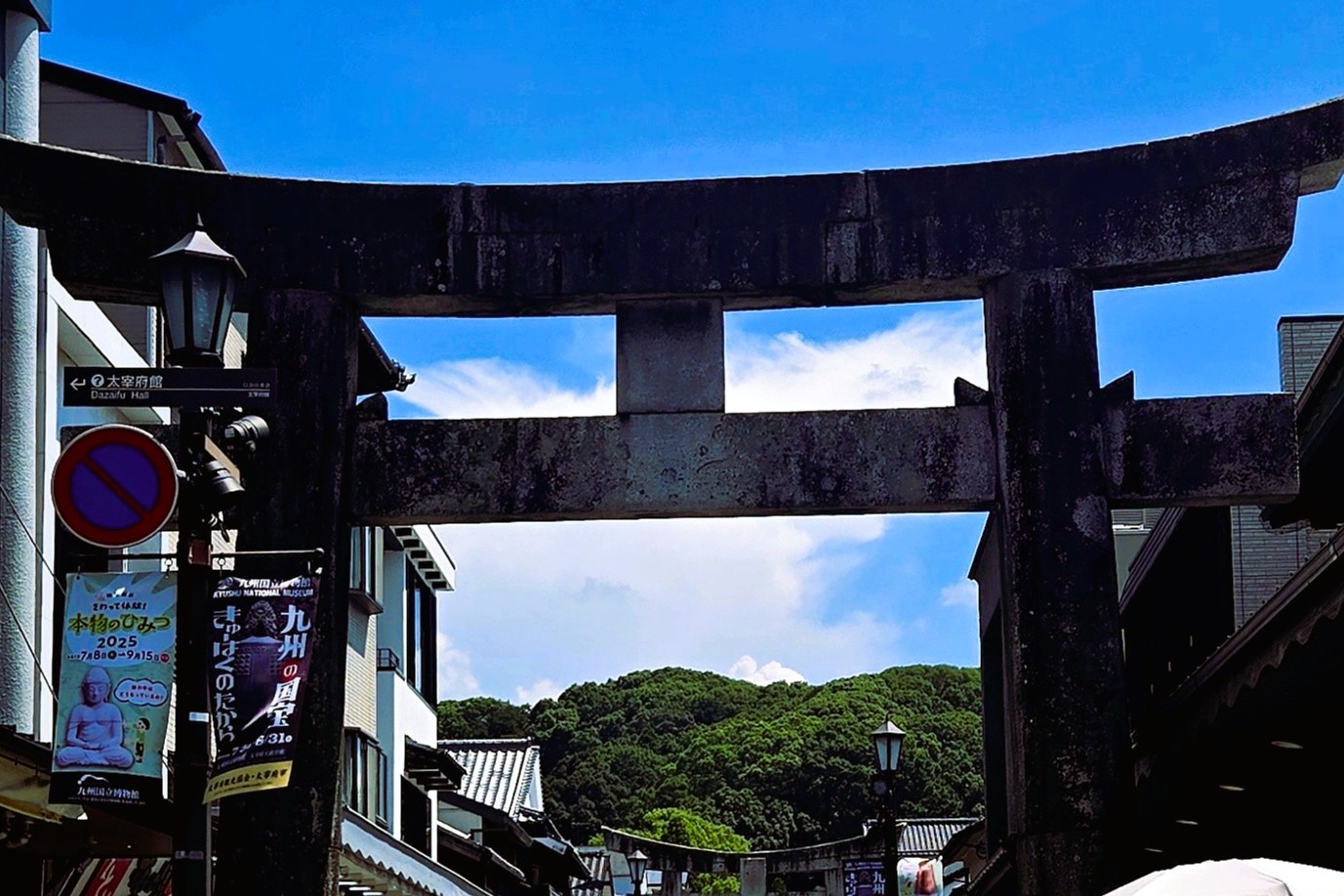
Torii gates leading to Dazaifu Tenmangū Shrine along the charming shopping street, where history meets everyday life.
Start day two with a short trip to Dazaifu, just outside Fukuoka. You can visit Dazaifu Tenmangu Shrine, dedicated to the god of learning, and stroll through charming streets lined with local shops and cafes.
Take a break at Coba Café, a cozy spot known for its warm atmosphere and creative menu. Their chicken wing curry is a local favorite and quite possibly the best Japanese curry we have experienced on our Japan travels thus far. If you are a Starbucks lover, you also won’t want to miss the Starbucks near Dazaifu Tenmangū Shrine. It is one of the most unique Starbucks locations in the world, designed by architect Kengo Kuma. The wood lattice interior blends seamlessly with historic surroundings.
Return to central Fukuoka to explore the Fukuoka Castle Ruins in Maizuru Park. The historic stone walls meet panoramic views of the city and Ōhori Park, a serene urban oasis perfect for a relaxing walk or a boat ride. End the day with a sunset view from Fukuoka Tower, overlooking the bay and city skyline.
Insider tip: Visiting the shrine before 10 am gives you the quietest experience, and Coba Café is just a short walk away when you’re ready for lunch.
Day 3: Spiritual retreat and city shopping
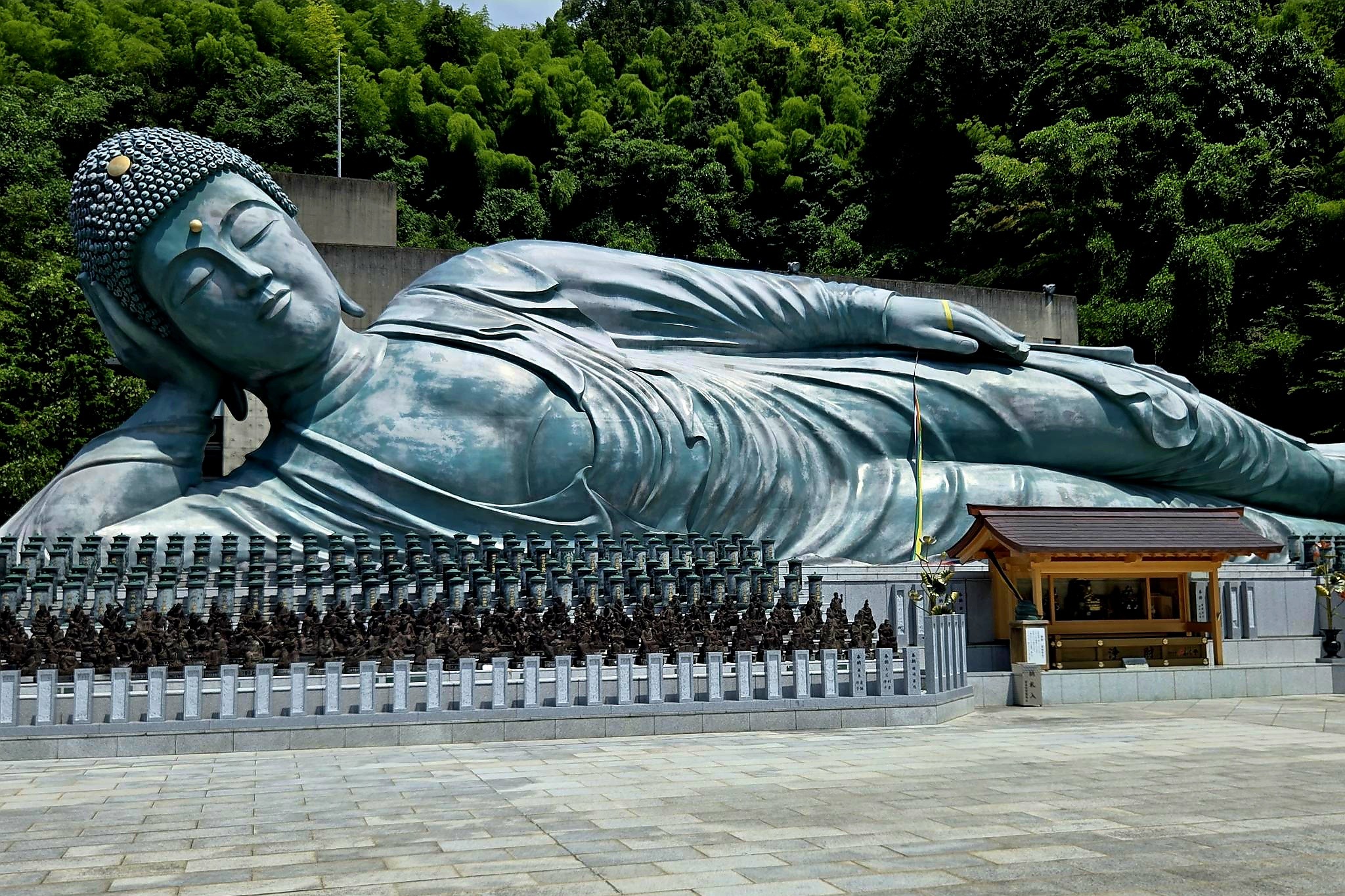
The Reclining Buddha at Nanzoin Temple, one of the largest bronze Buddha statues in the world.
Spend the morning at Nanzoin Temple, home to the impressive Reclining Buddha, one of the largest bronze statues in the world. Wander the peaceful temple grounds, explore the surrounding forested paths, and soak in the serene atmosphere that contrasts with the city’s energy. In the afternoon, return to Fukuoka and explore one of the city’s vast underground shopping malls, such as Tenjin Chikagai, with an endless stretch of connected passageways lined with cafes, shops, and boutiques. For dinner, head to Ichiran for a bowl of rich tonkotsu ramen. Fukuoka is the birthplace of tonkostu ramen, known for its creamy pork bone broth. You won’t be disappointed!
Day 4: Yufuin and Beppu day trip
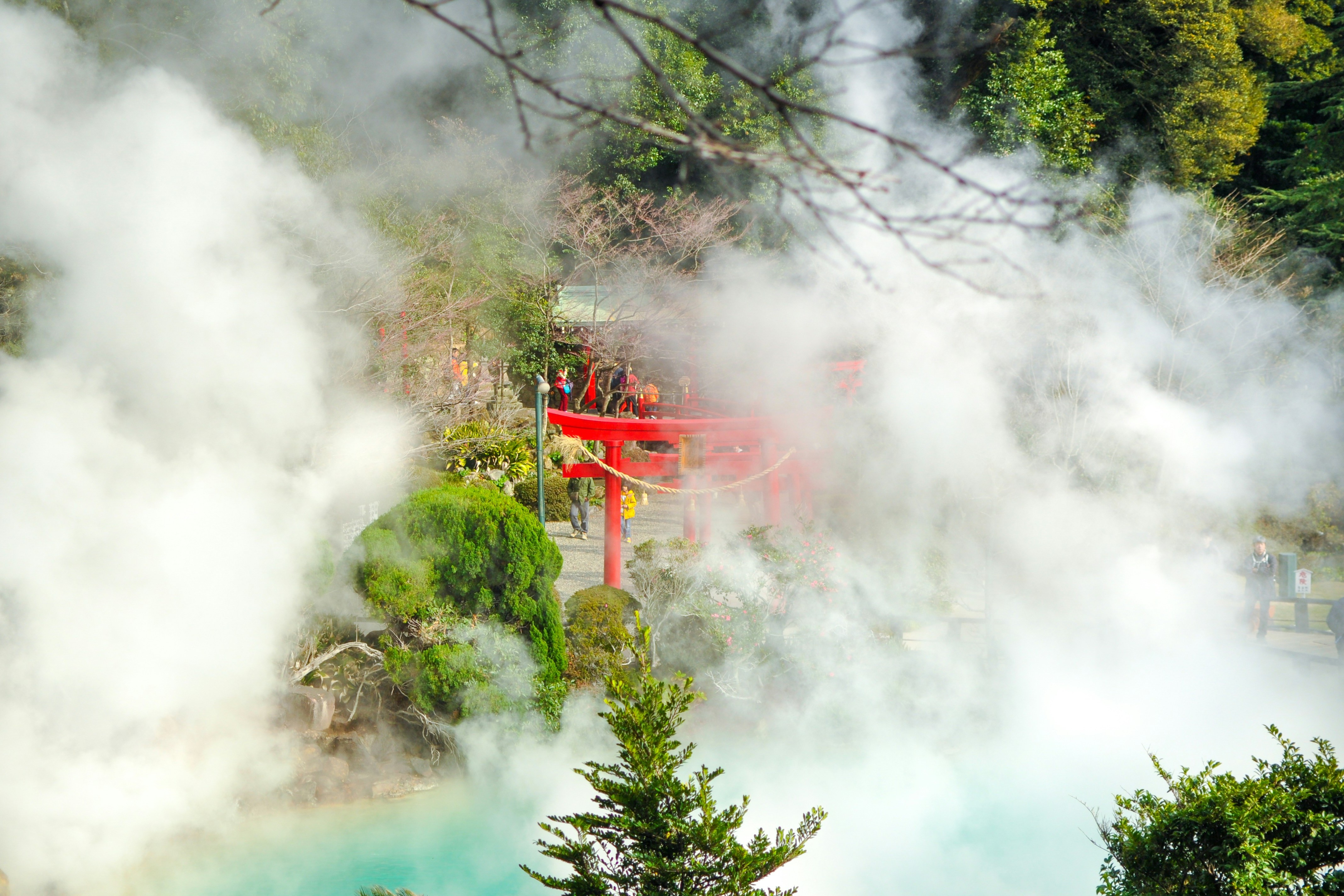
Photo by Ian Kuik on Unsplash
Dedicate day four to exploring two of Kyushu’s most iconic hot spring towns. Take a scenic train ride into the mountains to Yufuin. Start with wandering through the whimsical Yufuin Floral Village, a fairytale-inspired street lined with tiny shops and themed cafes. Snoopy Tea House Café is the perfect stop for a snack before strolling down to Lake Kinrin, for relaxed countryside views at lunch.
In the afternoon, continue to Beppu to explore the famous “Hells of Beppu”, a series of visually stunning hot springs. If time allows, unwind in one of the traditional baths at Takegawara Onsen before returning to Fukuoka.
Insider tip: Plan your train times carefully due to limited departure and return times. Reserve seats ahead of time on the Yufuin no Mori train for a scenic journey. The wide windows make the trip into the mountains just as special as the destination.
Need to know
Getting around: Fukuoka is compact and easy to navigate by subway, bus, or train. For day trips to nearby towns like Dazaifu, Nanzoin, Yufuin, and Beppu, the JR limited express trains are the fastest option.
Cash vs. card: While many places accept credit cards, some small shops, yatai stalls, and temples prefer cash (yen), so carry some on hand.


Travel Advisor
Sadie Hanson

Sadie Hanson

Get in touch with Sadie Hanson
Did you like this guide? Reach out to customize and book your own experience. Or, just to chat about travel in general.
For more inspiration and insider recommendations, visit our Japan page.