




Curator’s statement
Welcome to the Zen traveler’s guide to Ubud—a curated journey into sensory rituals, nourishing food, and rejuvenating wellness experiences in Bali’s most beloved jungle sanctuary. This guide isn’t a list of attractions; it’s an invitation to move through Ubud slowly and intentionally, whether you’re traveling solo or as a couple. Each recommendation reflects the essence of mindful travel: reconnecting with yourself while immersing in a place that naturally supports healing and balance. Destination guides like this one are based on my own travel experiences and reflect my philosophy of living a Zen lifestyle and guiding others to wellness travel experiences like this one in Ubud.
The Fora Difference
Book with Michael Huffman to access exclusive perks and experiences on your trip.

Killer perks
Free upgrades, spa credits and more—we got you

Personalized recs
Customized travel planning for your style

Insider knowledge
Expert advice from people who’ve actually been there
Where to stay in Ubud, Bali
Unlock perks by contacting Michael Huffman to book your trip.
Why I recommend staying at The Westin Resort & Spa in Ubud, Bali
From the moment I arrived at the property, I knew this stay would feel both restorative and sacred. As I stepped out of the car, a young man dressed in traditional embroidered attire softly played gamelan music in the open-air lobby. Before entering, the arrival team gently asked whether I’d like to receive a Balinese Blessing Ritual. The light sprinkling of holy water and the invitation to set an intention immediately grounded me. It was clear: this wasn’t just a hotel check-in—it was the beginning of a wellness journey.
Later, during my on-site visit with the Westin’s customer relationship manager, he shared that the brand has been guided by its Six Pillars of Wellbeing since 2014: restful sleep, nourishing cuisine, mindful movement, emotional connection, purposeful work, and joyful play. Hearing this, everything clicked. The philosophy aligned perfectly with what I seek as The Zen Traveler and Travel Advisor: places that restore balance, elevate daily rituals, and gently recalibrate the spirit.
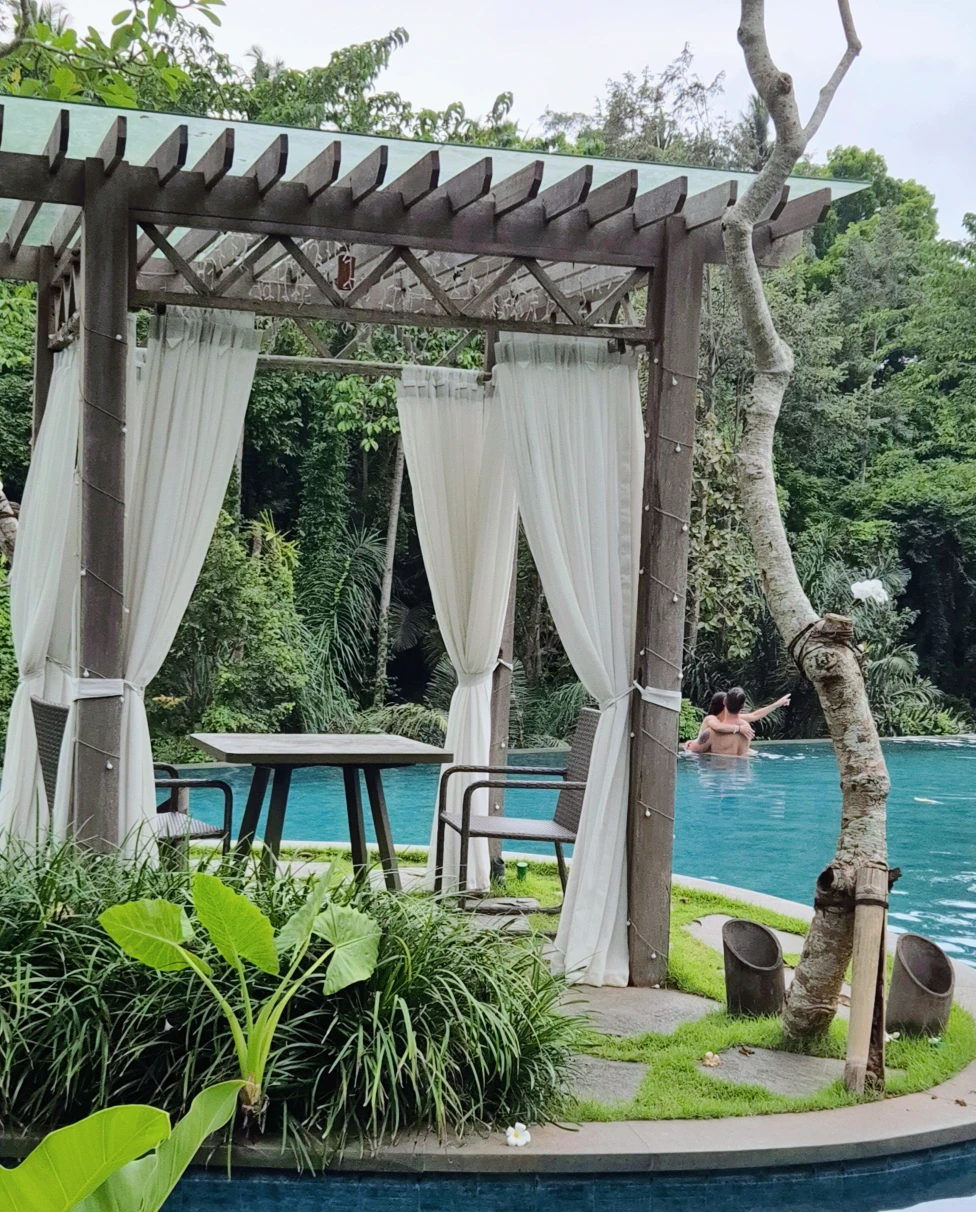
At the Westin Ubud, that intention is palpable in every corner of the property—from the quiet pathways and forest views beyond the infinity pool, to the spa, yoga shala, and deeply nourishing food. It became clear to me that this is one of the most Zen stays you can choose in the Ubud area.
Things to do in Ubud, Bali
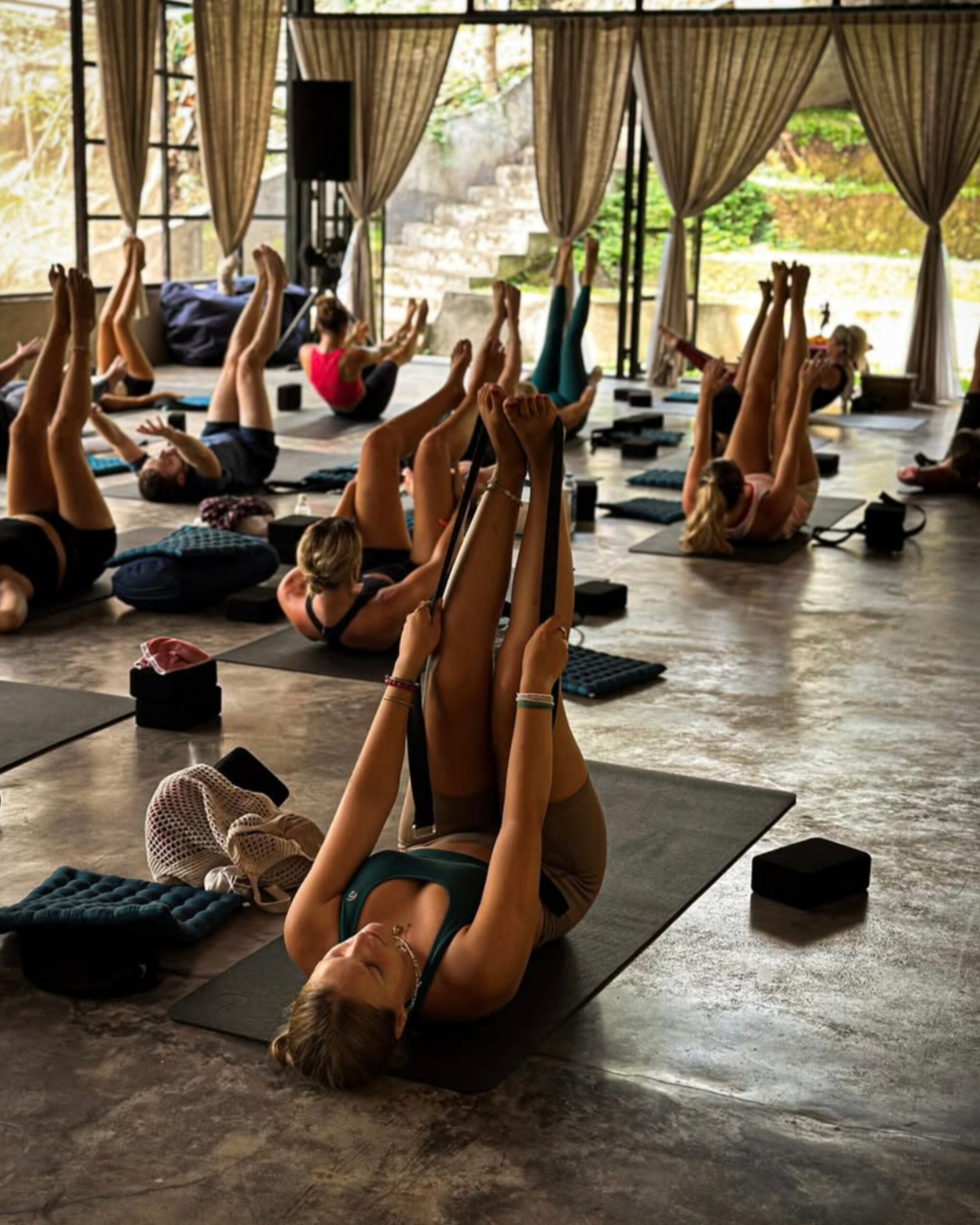
Courtesy of The Yoga Barn
Move
Movement restores clarity. Here are the calmest, most beautiful ways to move through the Ubud area.
At The Westin Resort & Spa, Ubud
Check the resort’s daily yoga schedule or unroll your own mat for a self-guided practice in the stunning bamboo yoga shala tucked into the forested edge of the property. Borrow a complimentary bicycle for a gentle sunset ride, swim peaceful laps in the infinity pool, or enjoy a focused session in the Westin Workout fitness studio. The resort also offers guided nature walks to nearby rice terraces and temples—a grounding way to experience Ubud at a slower pace.In Central Ubud
Stroll: Begin a self-guided walk at Jl. Kajeng, the small alley just beside the Jl. Raya Ubud Starbucks. Stroll past mosaics, inscriptions, and artisan shops until you reach Threads of Life, a beautiful gallery preserving Indonesian weaving, natural dyes, and fair-trade craft traditions. Continue into the rice fields, past Ubud Sari Health Resort, and end your walk at Sweet Orange Café, where the dishes are sourced from their own permaculture gardens—a perfect place to rest, rehydrate, and enjoy the quiet rhythms of village life.Yoga
Yoga Barn
When I took my first class here in 2005, it was a simple two-room house. Today, it has grown into what is arguably the world’s largest yoga-village complex: more than a dozen studios, a hotel, a wellness spa, a healing center, and several cafés. Classes run all day—often every 15 to 30 minutes—in nearly every style imaginable, led by respected teachers from around the world. Some travelers adore its vibrant, communal energy; others prefer quieter spaces. I’ve practiced here for decades and still return almost daily.Alchemy Yoga Center
Alchemy is my other sanctuary in Ubud. Its two architectural award–winning studios are among the most beautiful I’ve ever practiced in. Their classes draw from the five elements—earth, air, water, fire, and ether—integrating traditional Hatha and Tantra yoga in a way that feels both grounded and transcendent. It's a more refined, intentional space for those seeking a deeper, slower practice. They also have sacred cacao, full moon ceremonies, and group kirtan on a regular basis.
Restore
Spaces to reset your nervous system and reconnect to your body.
At The Westin Resort & Spa, Ubud
For a restorative wellness experience you will remember long after you’ve left Ubud, start with the Westin’s Heavenly Spa. While the town is full of inexpensive massage options, this is the place to choose intention over volume—especially if you’re seeking something meaningful, spiritual, and deeply balancing.
Their most indulgent offering is the Healing Journey, a beautifully choreographed ritual that weaves together Balinese spirituality and therapeutic bodywork. It’s a true ceremony of renewal—perfect for couples or solo travelers seeking emotional or spiritual recalibration. It includes:Metenung: A traditional palm reading
Tri-Mandala Meditation: A guided practice for chakra alignment
Melukat Purification Ceremony: A sacred water ritual at the resort’s on-site temple and waterfall
60-minute Heavenly Sacred Treatment: To restore energetic flow and support deep relaxation
In Central Ubud
If you’re looking for high-quality, more affordable treatments closer to town, three excellent options near the western edge of Ubud (and conveniently close to the Westin) are:Putri Bali Spa: Surrounded by lush gardens with over 70 therapists, making same-day appointments easy. Reliable, professional, and consistent.
Bali Botanical Spa: Known for its Ayurvedic treatments, herbal compresses, and traditional body rituals. Some rooms vary in ambiance, but the treatments are deeply nurturing.
Green Tara Spa: Ideal for those wanting bodywork in a semi-outdoor, jungle-inspired setting. Simple, natural, and grounding.
Nature
Nature is the universal Zen teacher—here’s where to find stillness in Ubud.
At The Westin Resort & Spa, Ubud
Guests can explore the resort’s tranquil hydroponic garden and observe the stingless bee hives—a gentle introduction to Bali’s biodiversity and the property’s commitment to sustainable practices. It’s a peaceful, grounding way to begin or end your day.Outside Ubud
For those seeking quieter, less-touristed natural spaces, arrange a guided visit to Air Terjun Manuaba, a beautiful waterfall tucked away from the typical tourist circuit. The hike is manageable, the scenery lush, and the atmosphere serene—ideal for meditation, photography, or simply connecting with the elements.In Central Ubud
The Campuhan Ridge Walk is popular for a reason: sweeping hilltop views, sunlit grasses, and a sense of openness rare in central Ubud. It does involve several sets of stairs, and the heat can be intense at midday, so aim for sunrise or arrive around 4:00 pm for softer light and fewer crowds.Hidden gem: A true jungle escape
For a quieter immersion in nature, explore the lush jungle pathways between Mumbai Station Café, The Yoga Shala Bali, and the neighboring Ananda Ubud Resort. Follow the marked paths over small bridges, alongside rivers, and through pockets of dense tropical forest. Along the way, see if you can spot several beautifully secluded yoga shalas hidden deep within the greenery. The walk ends at the Ananda Ubud Resort lobby—a peaceful, unexpected loop through an untouched corner of Ubud.
Sacred
Places that invite reflection, presence, and inner quiet.
Westin:
Beyond the Balinese Blessing Ritual you experienced on arrival, join the Canang Sari–Making Workshop, where guests learn to craft the traditional daily offering—a meditative, symbolic practice.
Each evening, pause for the Sandikala Ritual: at dusk, the resort lights traditional torches, marking the transition to night in a peaceful, reverent way.Ubud area:
There are many ways to experience authentic Balinese spirituality. If you’re hoping to connect with a true Balinese healer, it’s best to consult the concierge—they can help you avoid purely tourist-oriented practitioners. Local staff may also tell you if there are family or village ceremonies you’re welcome to attend.
My favorite public Hindu temple is Pura Tirta Empul. For the purification ritual, it’s best to go with a Balinese guide recommended by your hotel; they’ll help with sarong wrapping, temple etiquette, and understanding the meaning behind the ritual.
Places to eat & drink in Ubud, Bali
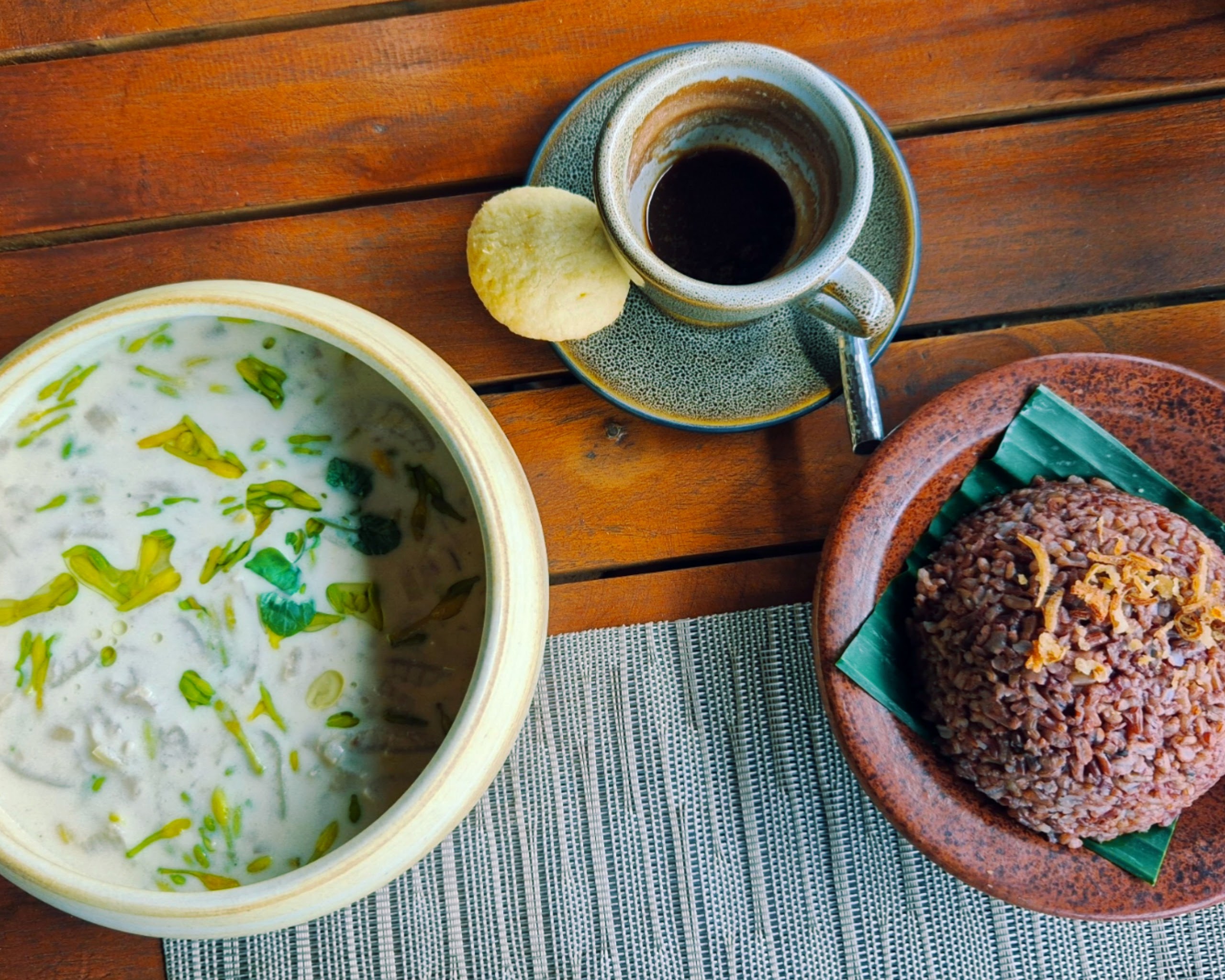
My papaya flower curry and red rice lunch at the The Westin's Tabia Cafe
Nourish
The most grounding way to begin any Zen journey is through taste—mindful cafés, local specialties, and real, nourishing food.
Westin:
TABIA Café: My papaya flower and banana stem curry, followed by the rice mango parfait, was both uniquely tropical and utterly delicious. I was thrilled to see a full page of plant-based dishes on an already enticing, health-forward menu.
Or opt for Tall Trees, the resort’s Mediterranean restaurant, centered around a wood-fired oven and framed by jungle greenery. Reserve the curtain-draped gazebo for two—it becomes a private, candlelit dining cocoon.Cooking school:
Choose between Westin’s own cooking class or Janet De Neffe’s legendary Casa Luna cooking school in central Ubud, both offering hands-on lessons in traditional Balinese cuisine.Central Ubud:
Coffee:
Seniman Coffee Studio (est. 2010) is a modern yet welcoming hub for bean-to-cup purists, where your drink can be customized in more ways than you’d expect.
Ubud Coffee Roastery is my current favorite for its specialty beans—Kintamani, Mount Ijen Java, and more—plus strong Wi-Fi both indoors and on the shaded porch, where every table has its own outlet.
For the mid-morning or mid-afternoon eater:
ÂME Bistro is a modern French café perfect for digital nomads and anyone craving European comfort. As a Parisian, I can confirm: these are the best croissants I’ve had in Bali. For Americans missing home, there are muesli and porridge variations galore. The café is also known for excellent single-origin coffees, especially its V60s brewed from rotating Indonesian and Latin American beans. The French-Swiss chef-owner trained in some of Europe’s finest kitchens—his duck breast Reuben beautifully satisfies my French-American cravings.
Healthy food is everywhere in Ubud, so it’s easy to follow your taste—but these are my reliable favorites.
Lunch:
KAFE, Alchemy, and Clear Café remain classics for healthy, inventive menus beloved by the yoga crowd. For a calmer garden setting and a Balinese-Western menu with extraordinary pastries, try Livingstone Holy Ground.Dinner:
For a truly memorable dining experience, book Room4Dessert by Chef Will Goldfarb—known from Chef’s Table and crowned World’s Best Pastry Chef (2021). The experience includes optional drink pairings and begins with a garden tour through one of Indonesia’s first Miyawaki forests. Will and his wife Maria build both their fine-dining menu and their bakery, The Powder Room, around local, seasonal ingredients grown in their own permaculture gardens.
For high-end, deeply authentic Indonesian cuisine, my go-tos are Hujan Locale and Nusantara by Locavore. If you’re new to Indonesian food and unsure where to start, begin with one of these—they’re the perfect introduction.
Need to know
Insider advice to help you move through Ubud with more ease, comfort, and Zen.
Weather: What to expect (December–March)
This is Bali’s hot rainy season—expect high humidity, warm temperatures, and short but intense downpours.
Mornings are usually clearer; plan outdoor activities (hikes, temples, markets) before 11 am.
Carry a light poncho or travel umbrella; storms can appear and vanish in 10 to 20 minutes.
Roads can get slippery—if you’re on a scooter, avoid riding during active rain unless you’re experienced.
Traffic: How to avoid the gridlock
Ubud can be deeply peaceful—except on the roads. Here’s how to make it easier:
Avoid the 3–6 pm window in central Ubud, especially the Monkey Forest, Hanoman, Dewi Sita, and Raya Ubud corridors.
Walk whenever possible. Distances seem far on the map but often are 10 to 20 minutes on foot.
Use shortcuts: Many locals use small gang (alley) pathways to move between main streets. Your hotel can point out the best ones.
Schedule spa, yoga, and wellness bookings in the late morning or early afternoon when roads are quieter.
If using Grab (Gojek is less reliable):
Set pickup points on side streets, not main roads—drivers reach you faster.
Expect a wait during rainstorms; demand spikes quickly.
Safety & comfort
Monkeys (Campuhan Ridge and Monkey Forest area): Do not touch, stare into their eyes, or carry food in visible bags. They are curious and quick.
Footwear: Many paths, especially jungle trails, get muddy or slippery after rain. Bring shoes with real tread.
Hydration: Humidity is draining; always carry water, especially if you’re walking ridge paths or visiting temples.
Money & payments
Ubud is increasingly cashless, but small cafés, family-run warungs, and drivers often still prefer cash.
ATMs in the Coco Supermarket parking lot are more reliable than standalone roadside ATMs.
Etiquette & culture
For temples:
Wear a sarong and sash; many temples offer these at the entrance.
Avoid pointing your feet toward shrines or holy objects.
Ceremonies happen constantly in Bali. Traffic may pause, streets may close, and locals may carry offerings. This is a beautiful part of life here—always ask before taking photos.
Wellness & yoga logistics
Popular yoga studios (Yoga Barn, Alchemy, Radiantly Alive, Ace of Spades) fill up fast in high season.
Book sunrise or early morning classes if you want a calmer atmosphere.
Don’t overschedule—Ubud’s energy rewards slow days.
Getting around
Walking and Grab covers 90 percent of visitors’ needs.
Renting a scooter is only recommended if:
You’re experienced, and
You’re comfortable with steep hills, tight turns, and scooters on wet pavement.
Car hires for temple or waterfall trips are affordable; book through your hotel for vetted drivers.
Hidden-gem neighborhoods
Penestanan: A quieter artist enclave with cafés, rice field walks, and fewer cars.
Nyuh Kuning: Calmer, village-like, and walkable to the Monkey Forest.
Sayan: More jungle, fewer people, ideal for retreats or wellness stays.
Packing tips
A light scarf or sarong is useful for temples, sun protection, or sudden chill indoors (AC can be strong).
Bring reef-safe sunscreen—Bali’s waters and ecosystems are fragile.
Mosquito repellent is a must around dusk, especially near rice fields or jungle resorts.
When to book what
Spas: One to three days ahead for the famous ones; a few hours ahead for local favorites.
Cooking classes: Usually need advance booking in high season (Dec–Jan, July–Aug).
Yoga workshops or sound baths: Weekend sessions fill first. Yoga Barn requires registering in person.


Travel Advisor
Michael Huffman

Michael Huffman

Get in touch with Michael Huffman
Did you like this guide? Reach out to customize and book your own experience. Or, just to chat about travel in general.
For more inspiration and insider recommendations, visit our Bali page.