

Curator’s statement
When you think of Fiji, you might think of it as being a romantic honeymoon destination. This is very accurate, however, we were delighted to discover that Fiji is a great family-friendly destination as well. The warm hospitality, natural beauty, and barefoot luxury of the islands make for the perfect family getaway.
The Fora Difference
Book with Jennifer McGuire to access exclusive perks and experiences on your trip.

Killer perks
Free upgrades, spa credits and more—we got you

Personalized recs
Customized travel planning for your style

Insider knowledge
Expert advice from people who’ve actually been there
Where to stay in Fiji
Unlock perks by contacting Jennifer McGuire to book your trip.
Things to do in Fiji

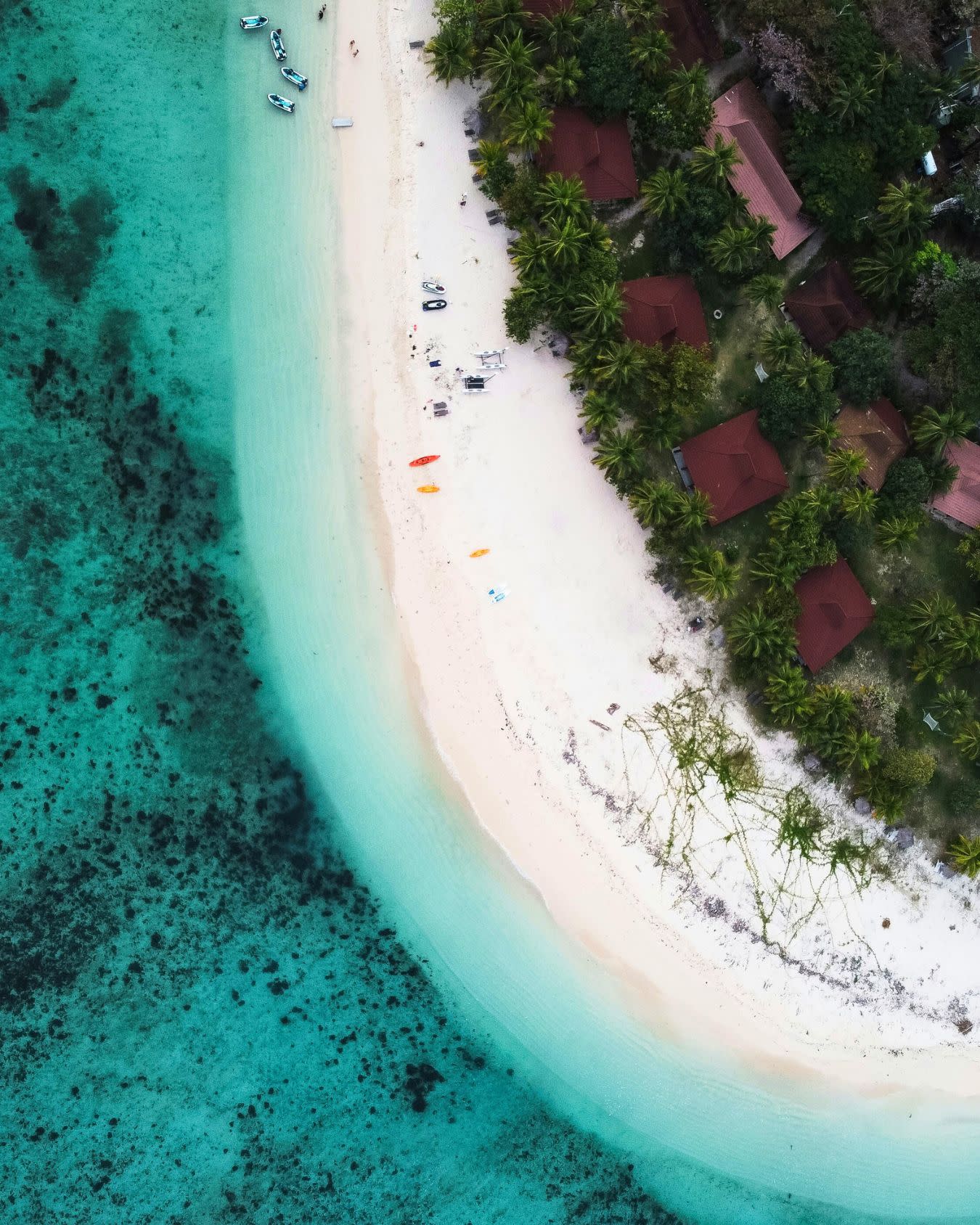
Beach Bure view from Castaway Island Resort
Kids clubs
Many of the family-friendly resorts, like Castaway Island, Jean-Michel Cousteau Resort, and Nanuku Resort offer kids clubs. This is an excellent way for parents to get a few moments to themselves or head out to do something that the children are not able to do yet, like surf or scuba.
Nanuku has a teen club and it was the highlight for our 14 year-old. The “Bula Buddies” became instant friends and engaged the kids in cultural, sport, water, and evening activities. Meeting other teens at the resort solidified the fun factor! Supervised crafts, beach activities, cultural learning, and adventures provide peace of mind for parents who want a stress-free vacation.
Excursions
Your resort will offer a variety of excursions that are sure to keep your kids off their devices and interested in the beauty and nature of Fiji. Most resorts offer non-motorized water activities like standup paddle boards (SUP), kayaks, and snorkel gear readily available for your use.
We enjoyed a sunset guided kayak adventure and a trip to Monuriki Island, where the movie Castaway was filmed. Complete with a beach picnic and stops at a sandbar for snorkeling. It was a great adventure! We even found Wilson!
Cultural immersion
To immerse yourself in Fijian culture, consider participating in a kava ceremony, witnessing a Meke performance, enjoying a lovo feast, visiting a local village, and learning about traditional Fijian crafts. These activities offer a glimpse into the heart of Fijian traditions and daily life.
Keep in mind when visiting a Fijian village it is important to dress modestly and respectfully. For women, this usually means covering shoulders and knees, often with a long skirt or dress, or a sarong (sulu). Men should also avoid being bare-chested and opt for t-shirts and knee-length shorts or trousers. Remember to remove your hat and sunglasses upon entering the village and before entering any bure (traditional Fijian house).
Places to eat & drink in Fiji

Fijian Breakfast at Nanuku, enjoying the sound of the rain.
Dining at your remote island resort will offer selections that typically change every day. You will not feel limited. Some resorts have specialty restaurants on site, like wood fired pizzas or sushi. I promise you will not go hungry! Check your resort’s dining options. They will go out of their way to assist you with special dietary restrictions.
Nanuku’s Kanavata Restaurant and Lounge specializes in internationally-inspired Pacific Rim cuisine. The breakfast and dinner here were our favorites. Fresh pastries and breads made in-house were an incredible way to start the day.
Need to know
There are 2 seasons in Fiji: Dry season (May to October) and a wet season (November to April). The dry season is characterized by not as hot temperatures, lower humidity, and more sunshine, making it the most popular time for tourists.
The wet season, while warmer and more humid, still offers plenty of sunshine and refreshing rain showers. It is a tropical climate, so expect rain showers. They typically move on quickly. Cyclones can play a factor during the wet season, which is why it is important to invest in travel insurance.
Terminology you might learn before you go:
Bula (pronounced ‘mm-boo-lah’), which literally means ‘life’ and ‘good health’, is a common way to say ‘hello’ in Fijian. You can use it to greet people, no matter the time of day.
Bure (pronounced boo-ray), is a traditional Fijian dwelling, typically a wood-and-straw hut or cabin, often resembling a bungalow or cottage. Bures can range from simple, rustic structures to luxurious, modern accommodations, often used as resort lodgings.
Vinaka: Good/Thank you.
Nadi: Location of the international airport, and pronounced ‘Nahn-di’.


Travel Advisor
Jennifer McGuire

Jennifer McGuire

Get in touch with Jennifer McGuire
Did you like this guide? Reach out to customize and book your own experience. Or, just to chat about travel in general.
For more inspiration and insider recommendations, visit our Fiji page.