

Curator’s statement
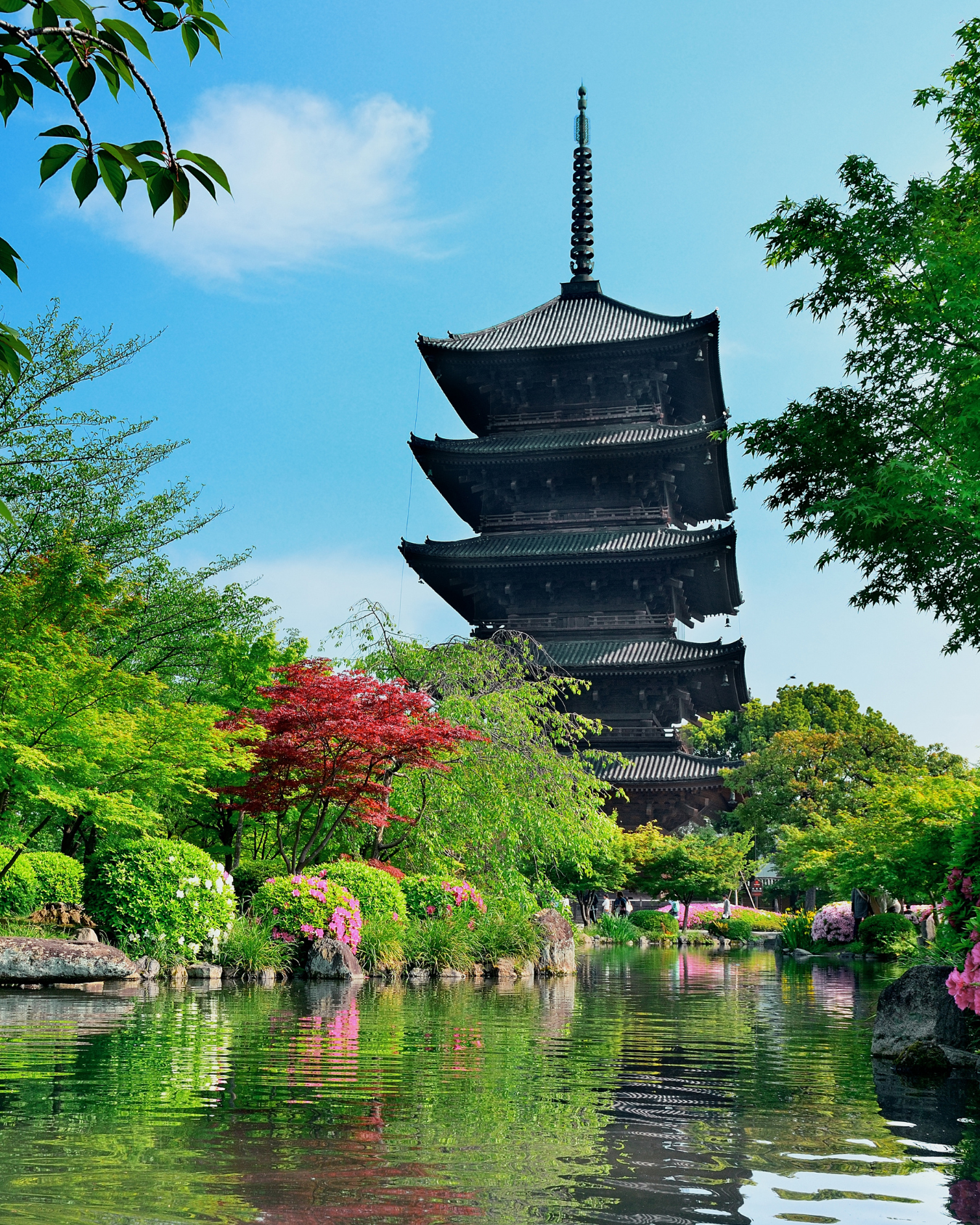
Japan is one of those places that lives up to every bit of the hype, and then some. The food, the culture, the nature, the history, the people—every part of this country is simply incredible. I spent 10 days exploring Japan in 2023 and was blown away by the kindness of everyone I met, the beauty around every corner, and, of course, the delicious food. Endless sushi and noodles, yes please. No notes. Japan, you’re perfect.
The Fora Difference
Book with Bria Rosenberg to access exclusive perks and experiences on your trip.

Killer perks
Free upgrades, spa credits and more—we got you

Personalized recs
Customized travel planning for your style

Insider knowledge
Expert advice from people who’ve actually been there
Where to stay
Unlock perks by contacting Bria Rosenberg to book your trip.
Day 1: Tokyo
Start your Japan adventure with breakfast at Tsukiji Outer Market. Yes, sushi in the morning is a thing here, and it will be the best first bite of your trip. Wander the market filled with fishmongers, produce stalls, and vendors selling tamagoyaki (sweet omelet) on sticks.
From there, make your way to Ginza, Tokyo’s shopping and entertainment district with wide, elegant streets; department stores with food halls in the basement; and artsy coffee shops. There are tons of restaurants here to grab a bite for lunch.
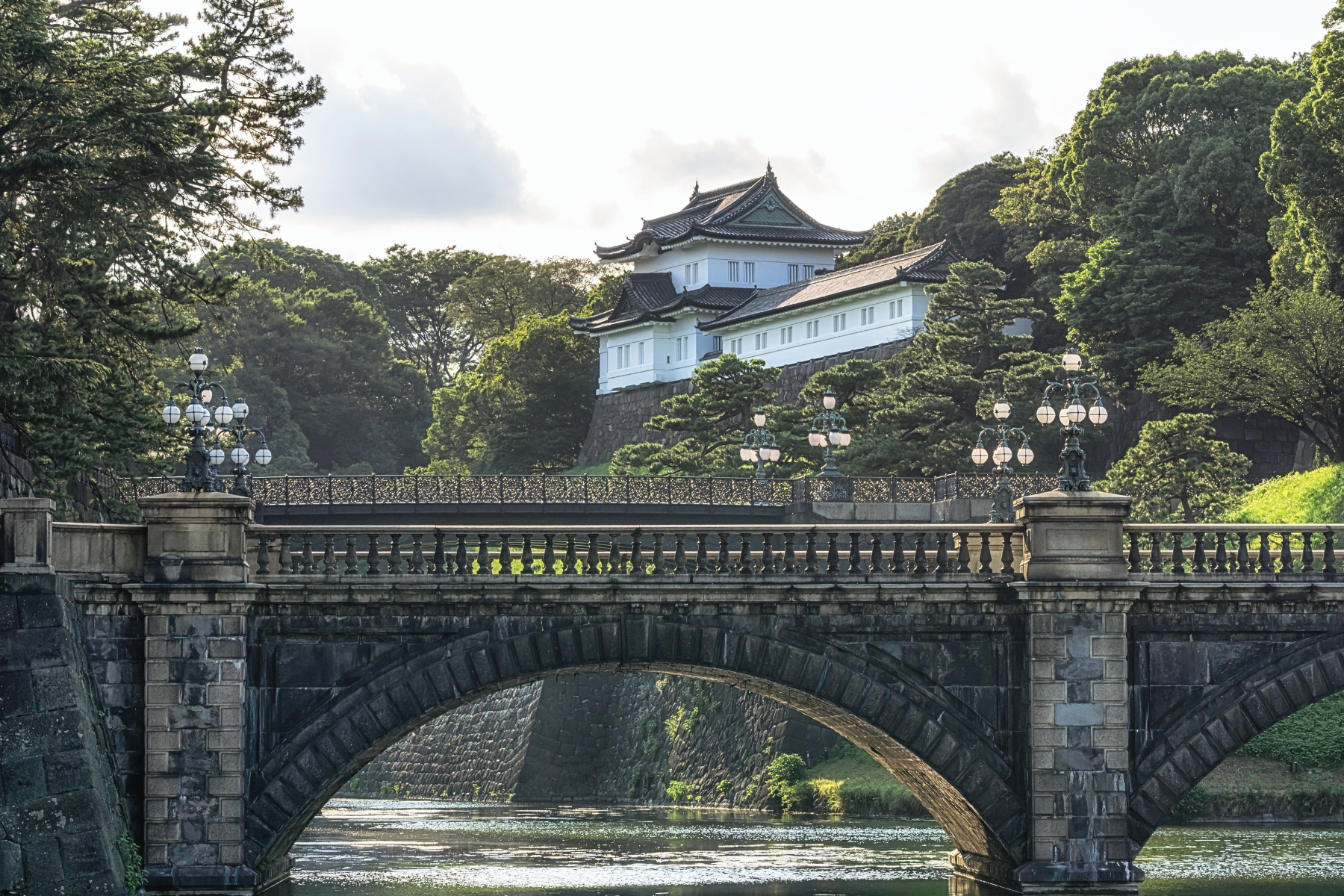
In the afternoon, head over to the Imperial Palace and stroll around the East Garden. It is a calm green break right in the middle of the city. You can also book an official tour of the palace grounds, but you cannot go inside, as this is where the imperial family resides.
End the day in Shibuya, where you can walk through the famously chaotic crossing, explore side streets full of tiny boutiques, and eat some dinner at a lively izakaya.
Insider tip: In Shibuya, head to the rooftop of the Magnet by Shibuya109 building for the best (and least crowded) overhead view of the crossing.
Day 2: Tokyo
Start your second day in Japan with the immersive digital art wonderland at teamLab Borderless in Odaiba. Make sure to book ahead—it sells out quickly. It’s a stunning experience of interactive light and color that truly feels like stepping into another world.
From there, head over to Tokyo Tower, an iconic landmark with breathtaking panoramic views of the city from its observation decks. Think of it as the Eiffel Tower of Tokyo.
You can grab some lunch inside Tokyo Tower, as it has various dining options, or stroll around the nearby Azabu-Juban neighborhood, known for its diverse culinary scene.
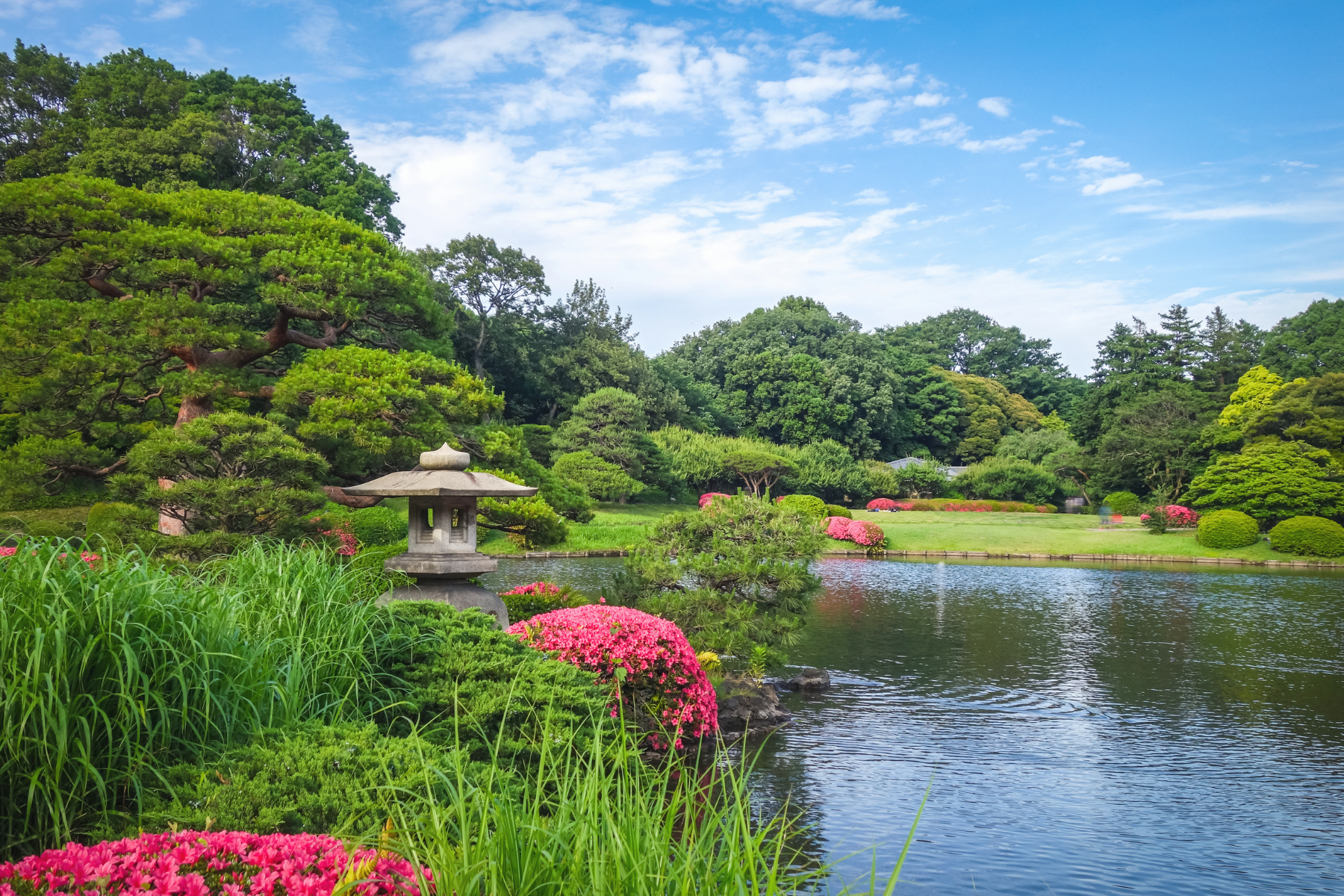
Spend the afternoon wandering around Shinjuku Gyoen National Garden, a serene blend of Japanese, French, and English garden styles. Don’t miss out on the tea house.
End the evening in Omoide Yokocho, a lantern-lit alley full of tiny yakitori bars for a delicious dinner. Most restaurants only seat six to eight people, so you might have to wait, but it will be worth it.
Day 3: Tokyo
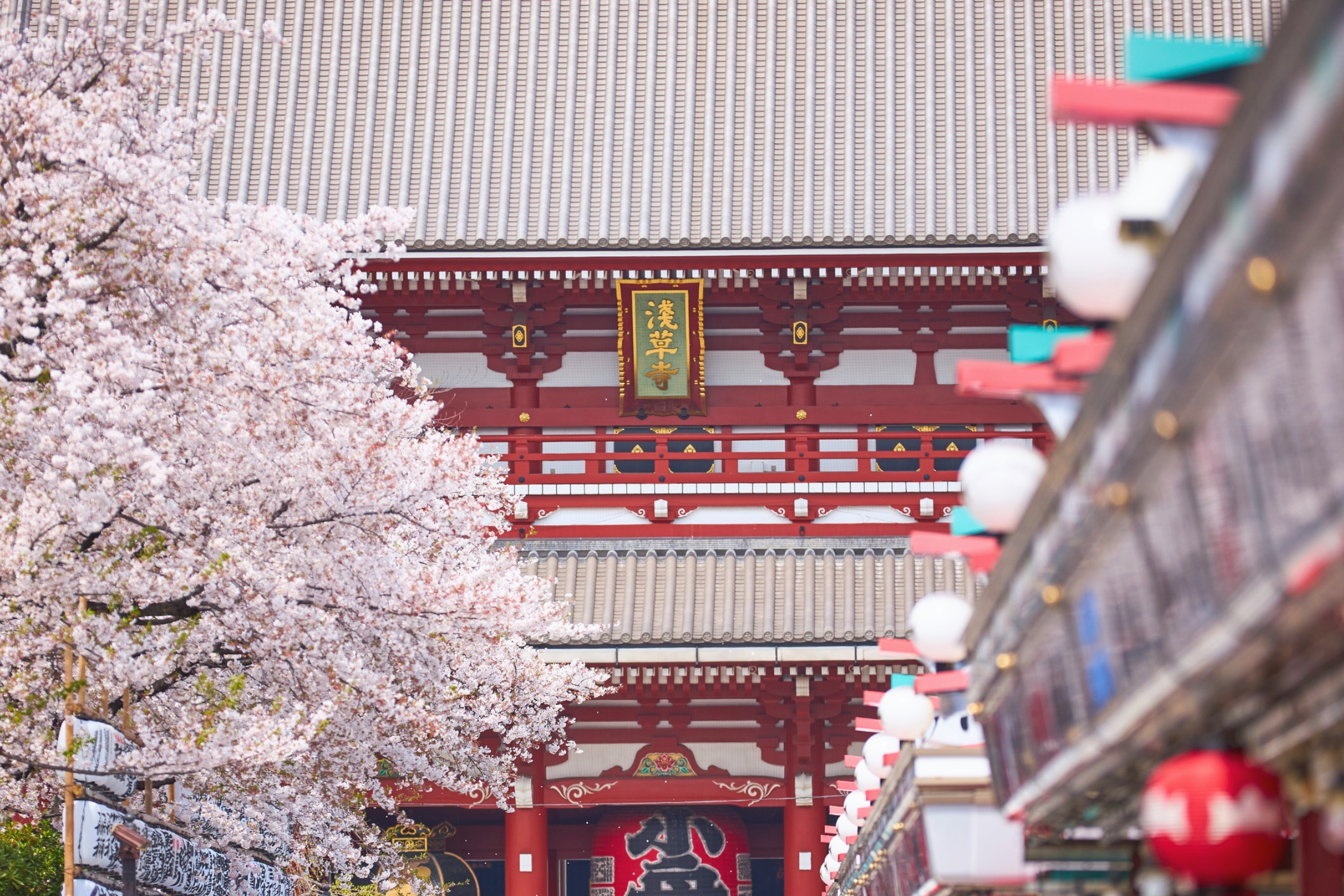
Start your final day in Tokyo in Asakusa at Senso-ji, Tokyo’s oldest temple, entering through the dramatic Kaminarimon gate. Browse Nakamise-dori for traditional snacks like ningyo-yaki (red bean cakes) and small handmade souvenirs.
Next, head over to Tokyo Skytree, the tallest structure in Japan, where you can take in sweeping city views and shop at the connected Solamachi complex, full of quirky stores and sweet shops.
Your afternoon depends on what time of year you’re there, but I’d recommend either watching a sumo tournament or a baseball game.
If it is sumo season (January, May, or September), head to Ryogoku Kokugikan to watch sumo wrestling in person. If it is not tournament season, they have a fascinating museum about this unique Japanese sport. Or, sometimes you can watch a practice.
Alternatively, check the schedule to catch a baseball game. Even if you aren't a baseball fan, baseball in Japan is completely different than baseball in the States. The crowds are absolutely electric, and each team has dedicated fan bases with unique chants and props to cheer them on. (My favorite team is the Yokohama BayStars, but there are two other teams in Tokyo as well.)
Depending on where you end up in the evening, make sure to have dinner at Kyushu Jangara Ramen. They have a handful of locations around Tokyo. This place is truly ramen heaven, and they have the most amazing vegan ramen if you don't eat pork. (Seriously, it's been over two years and I still dream about this vegan ramen.)
If you have time, head back toward Tokyo Tower one last time to see it lit up at night.
Day 4: Osaka
Take the Shinkansen train from Tokyo to Osaka in the morning (about 2.5 hours). Be prepared to eat a lot today.
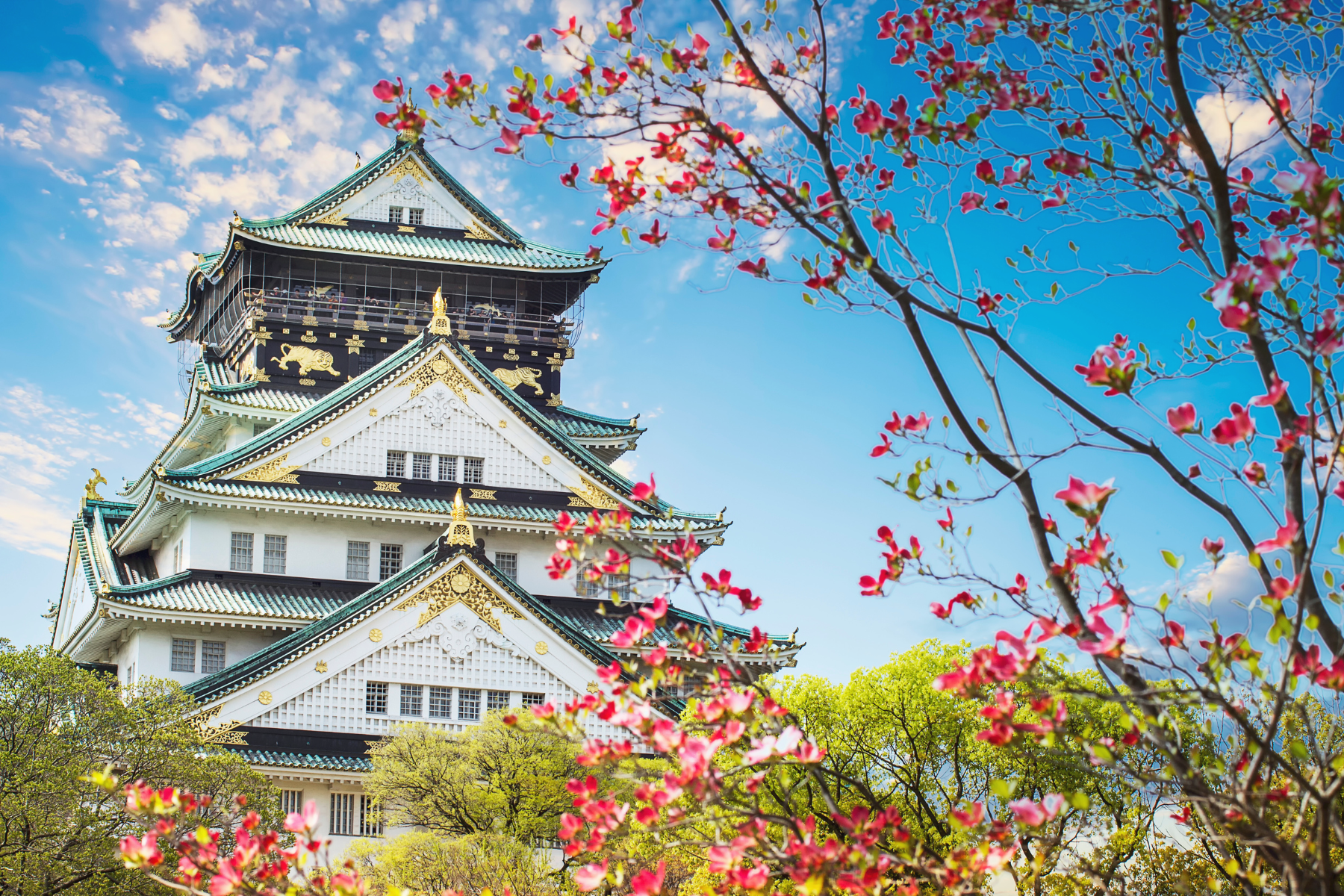
After you’ve dropped your bags off, start your first day in Osaka at Osaka Castle. Unlike the Imperial Palace in Tokyo, you can go inside. Don’t miss the gorgeous surrounding gardens and parkland. If you’re there in the spring, it is cherry blossom heaven.
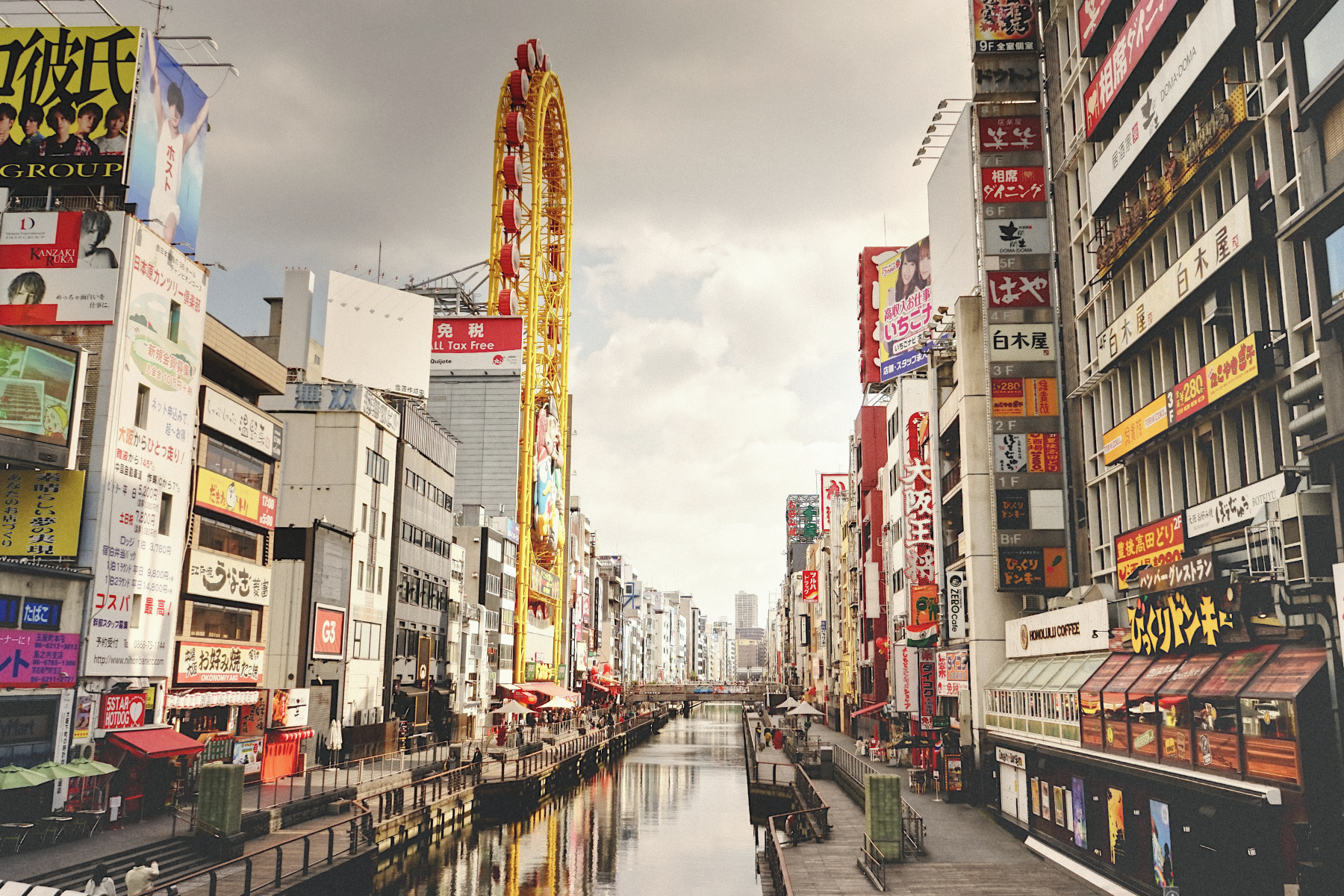
After the castle, head over to Dotonburi for a bite to eat. Here you’ll find neon crab signs, takoyaki (octopus balls), and okonomiyaki (savory pancakes).
As the evening continues, keep heading south into Shinsekai, a more retro neighborhood. You can head to the observation deck of Tsutenkaku Tower at sunset and sample delicious kushikatsu (deep-fried skewers of pretty much any meat or veggie you can think of) around the neighborhood.
Insider Tip: Order kushikatsu moriawase (mixed platter) to sample a variety of skewers without overthinking it.
Day 5: Osaka
Start your morning at Shitenno-ji Temple, one of Japan’s oldest Buddhist temples, founded in 593 AD. The complex is peaceful and full of history, with a five-story pagoda and a tranquil garden.
Grab lunch at Kuromon Market for some delicious Japanese street food. Be ready for more skewers and slices of fruit, and don’t be afraid of something new that the vendors suggest.
Next, head over to the Umeda Sky Building for gorgeous views of Osaka. Check out the amazing Floating Garden Observatory.
The afternoon could be for shopping or exploring smaller neighborhoods like Amerika-Mura. Osaka is, overall, just a really cool city to walk around and explore the different neighborhoods. There are hidden gems and cool shops around every corner.
If you’re up for a quick train ride out of Osaka, head to nearby Kobe, about 30 minutes away. You can walk the gorgeous waterfront and taste their world-famous beef for dinner. If you are a meat lover, there is something pretty cool about getting to eat Kobe beef in Kobe, Japan.
End the evening back in Namba for a karaoke night or one last okonomiyaki fix.
Insider tip: Osaka is the best city to be spontaneous with food. Just follow the scent of grilled meat or fresh batter, and you can’t go wrong.
Day 6: Kyoto
Spend your final morning in Osaka exploring the Sumiyoshi Taisha shrine. It is very serene, and a great place to learn more about Shinto culture.
After the shrine, it's time to make your way over to Kyoto, my favorite city in Japan. It is a quick train ride from Osaka.
There are plenty of spots to grab lunch inside of Kyoto Station—sushi, udon, ramen, izakaya, curry, you name it.
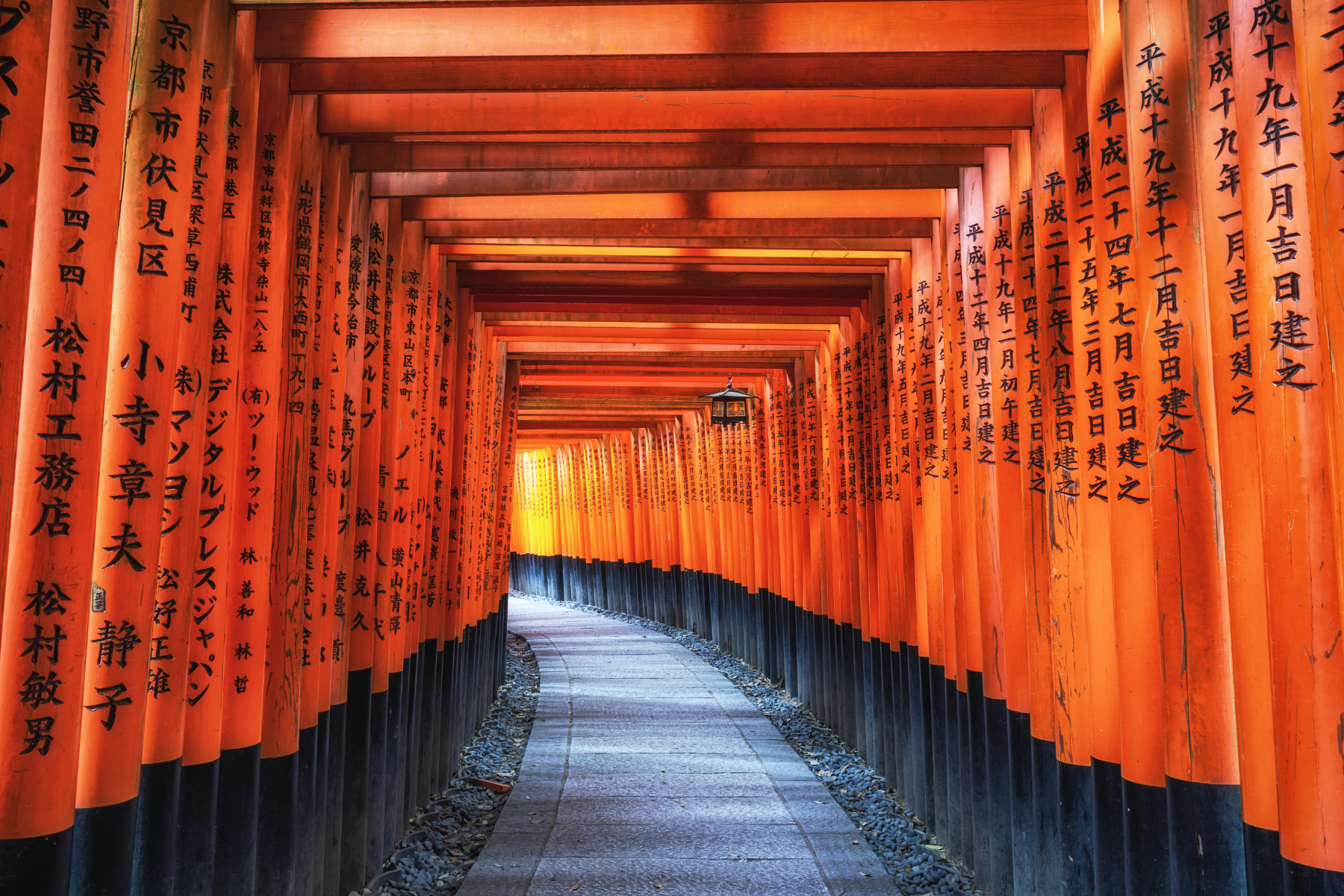
After you drop off your bags, I recommend starting your Kyoto adventure at Fushimi Inari Taisha, where you’ll walk through the endless rows of Japan’s famous red torii gates. You can follow the path all the way to the top of Mt. Inari for fewer crowds and a gorgeous view of the city. There are a few vending machines to grab a cold drink along the way up, as well as a little gift shop.
After you head back down the mountain, spend the evening in Gion's lantern-lit streets. This is Kyoto's geisha district. There are tons of options here for dinner and entertainment, from quieter sake bars to bustling izakayas, depending on what you’re in the mood for.
Day 7: Kyoto
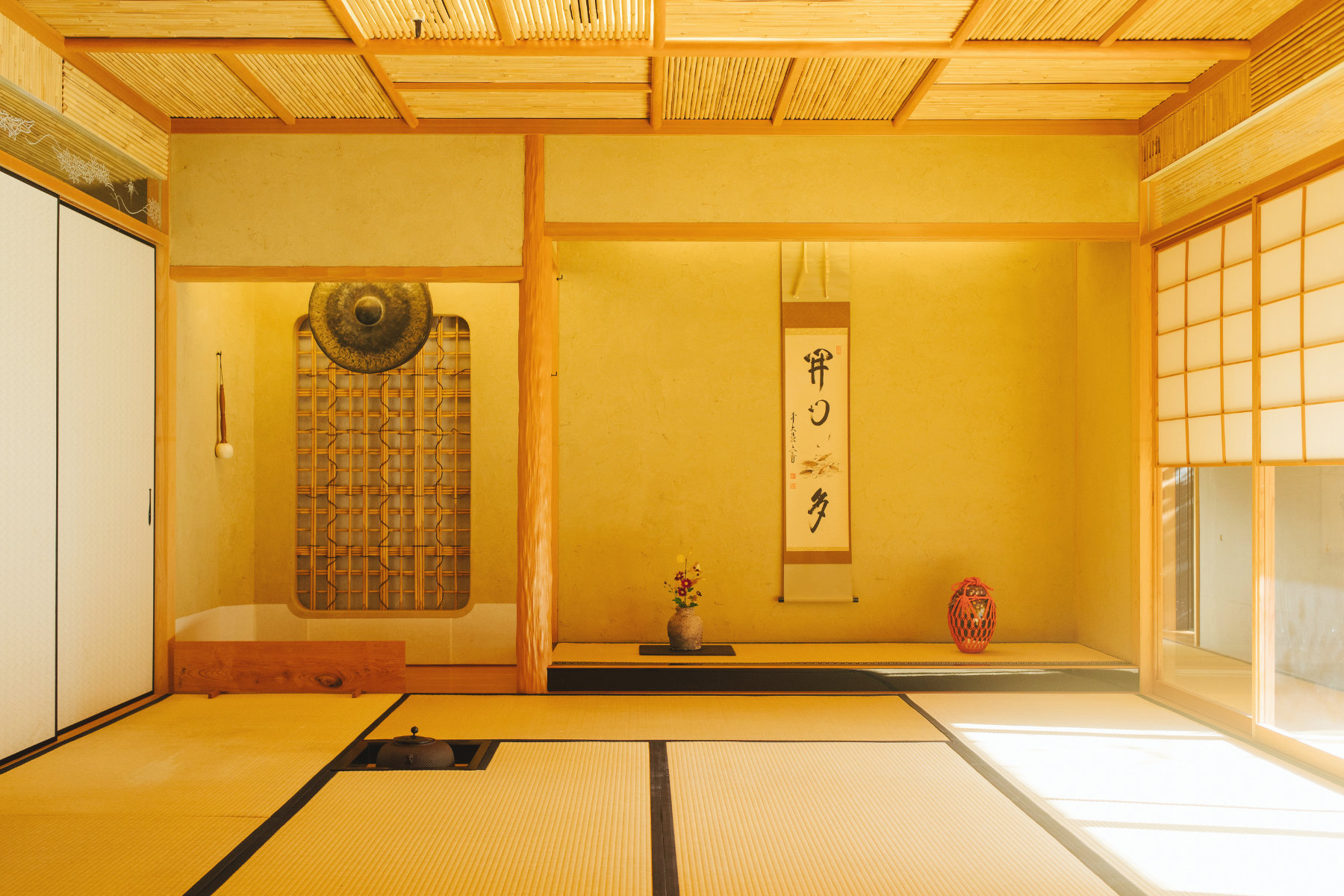
Start your day with my favorite activity in all of Japan: a traditional matcha tea ceremony. I recommend the Kimono Tea Ceremony at Maikoya, Kyoto. You get to pick a traditional kimono to wear, get your hair done in traditional Japanese style, and have time to take plenty of photos around the lovely tea garden. Then, they’ll take you through a traditional matcha ceremony and provide some Japanese sweets to enjoy. It is such a cool and unique experience.
Next, head over to Kinkaku-ji, a UNESCO World Heritage Site Zen Buddhist Temple. It is one of Kyoto’s most iconic sites.
For lunch, wander through Nishiki Market for more skewers and delicious bites.
In the afternoon, if you’re up for another quick trip out of town, head to Nara to feed the friendly deer at Nara Park. There, you’ll also find Todai-ji’s giant Buddha.
If you prefer to stay in Kyoto, there is still so much more to see. You can take a walk along the Philosopher’s Path, which is especially stunning during cherry blossom season, or explore more of Kyoto’s beautiful temples and castles. Because Kyoto was Japan’s ancient capital, there are endless temples, shrines, and other religious sites to explore. It also gives the whole city a more peaceful, relaxing vibe than the hustle and bustle of Tokyo and Osaka.
For dinner, I highly recommend splurging a little on an omakase sushi dinner at Sushiiwa. It is intimate and cozy, and the chef is so welcoming. This was one of the top two meals of my entire life, and I can’t recommend it enough.
Day 8: Kyoto & Mt. Fuji
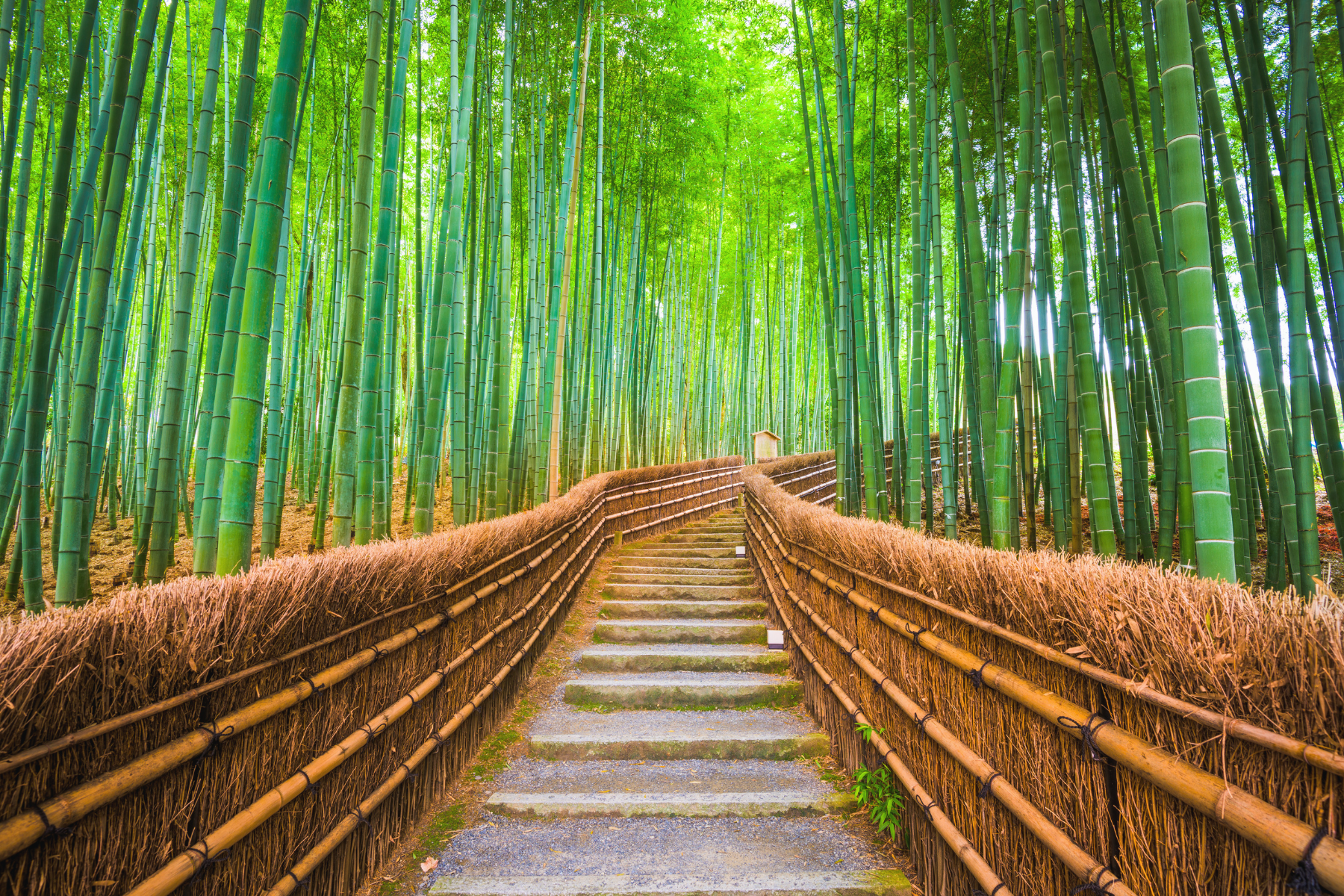
Spend your final morning in Kyoto exploring Arashiyama. Walk around the famous bamboo grove, explore the riverside temples, and don’t miss the monkey park.
Have lunch by the Katsura River before heading back to Kyoto Station.
Say goodbye to Kyoto and take an early afternoon train toward Mt. Fuji! While I recommend Fuji Speedway Hotel for a truly unique experience, as long as your hotel has an onsen, you’ll be good to go. Onsen are traditional Japanese hot spring bathing areas, and they’re super relaxing. This is the part of the trip where you’ll want to take in the gorgeous mountain views and relax after a busy week of exploring.
I would recommend spending this afternoon settling into your onsen hotel, watching the sunset, and taking a relaxing night soak.
Insider tip: Many ryokans will serve a kaiseki dinner in your room. Wear the yukata (robe) provided and enjoy the ritual.
Day 9: Mt. Fuji
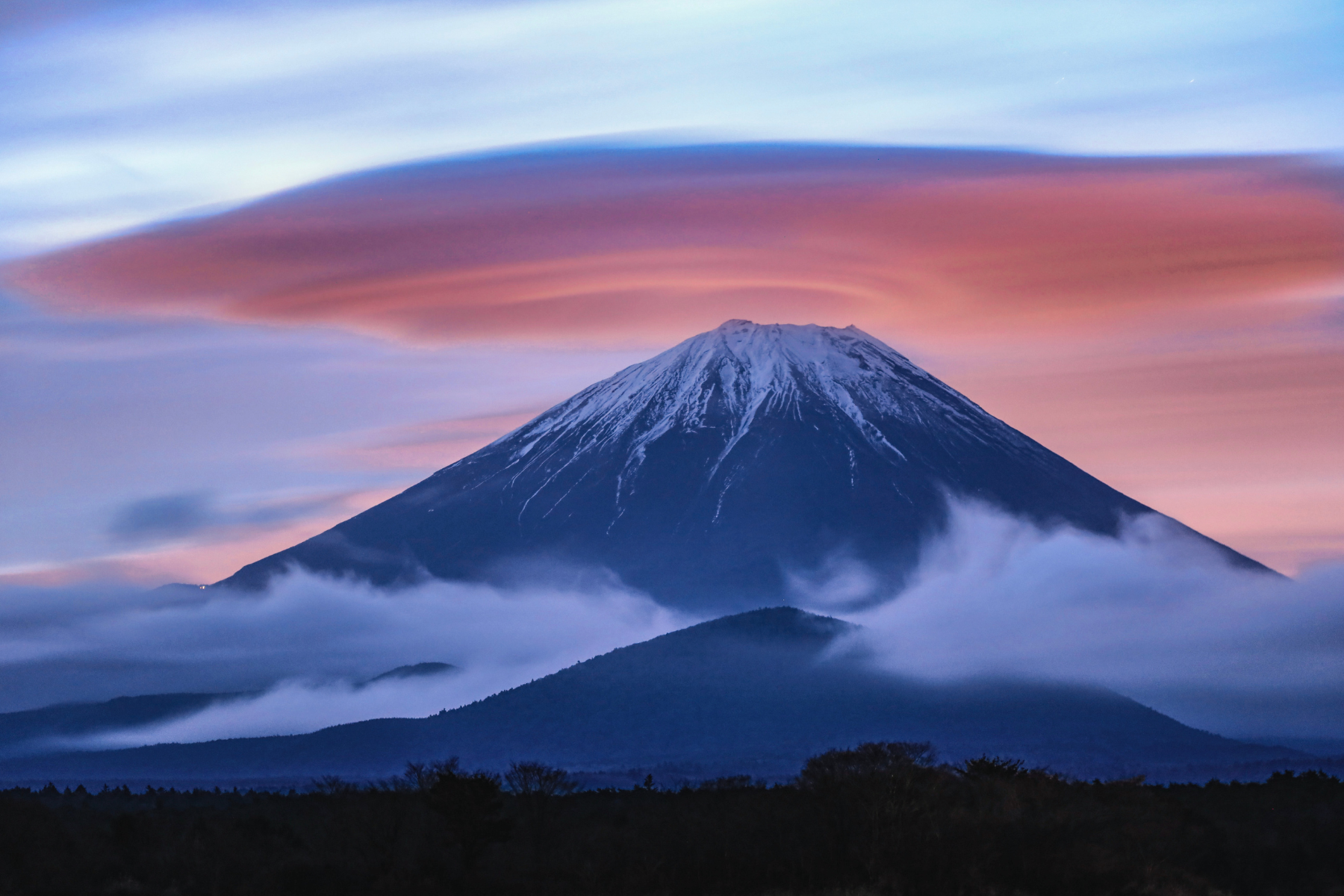
Today is all about nature. Wake up to a stunning Fuji view if the weather’s on your side, then spend the morning exploring the Fuji Five Lakes area.
You can rent bikes around Lake Kawaguchi, hike a short trail, or just wander between small lakeside shrines. Depending on where you stay in the area, ask your hotel concierge for the best hikes and lookouts nearby if you don’t want to travel too far.
Insider tip: For a stunning Fuji photo, go to Chureito Pagoda.
Grab lunch at a local lakeside spot before a final onsen soak in the afternoon. In the evening, take the train back toward Tokyo before your flight tomorrow.
I recommend staying in Yokohama for your final night in Japan. It is just outside Tokyo and on the way to Haneda Airport. Yokohama is the second-largest city in Japan after Tokyo and has a lot of cool things to see for your final evening and morning in Japan.
If you’re flying out of Narita, it probably makes more sense to stay in Tokyo for your final night, or even a hotel right by the airport, depending on how early your flight takes off. Narita is a lot farther outside of the city than Haneda.
Day 10: Yokohama or Tokyo & Sayonara
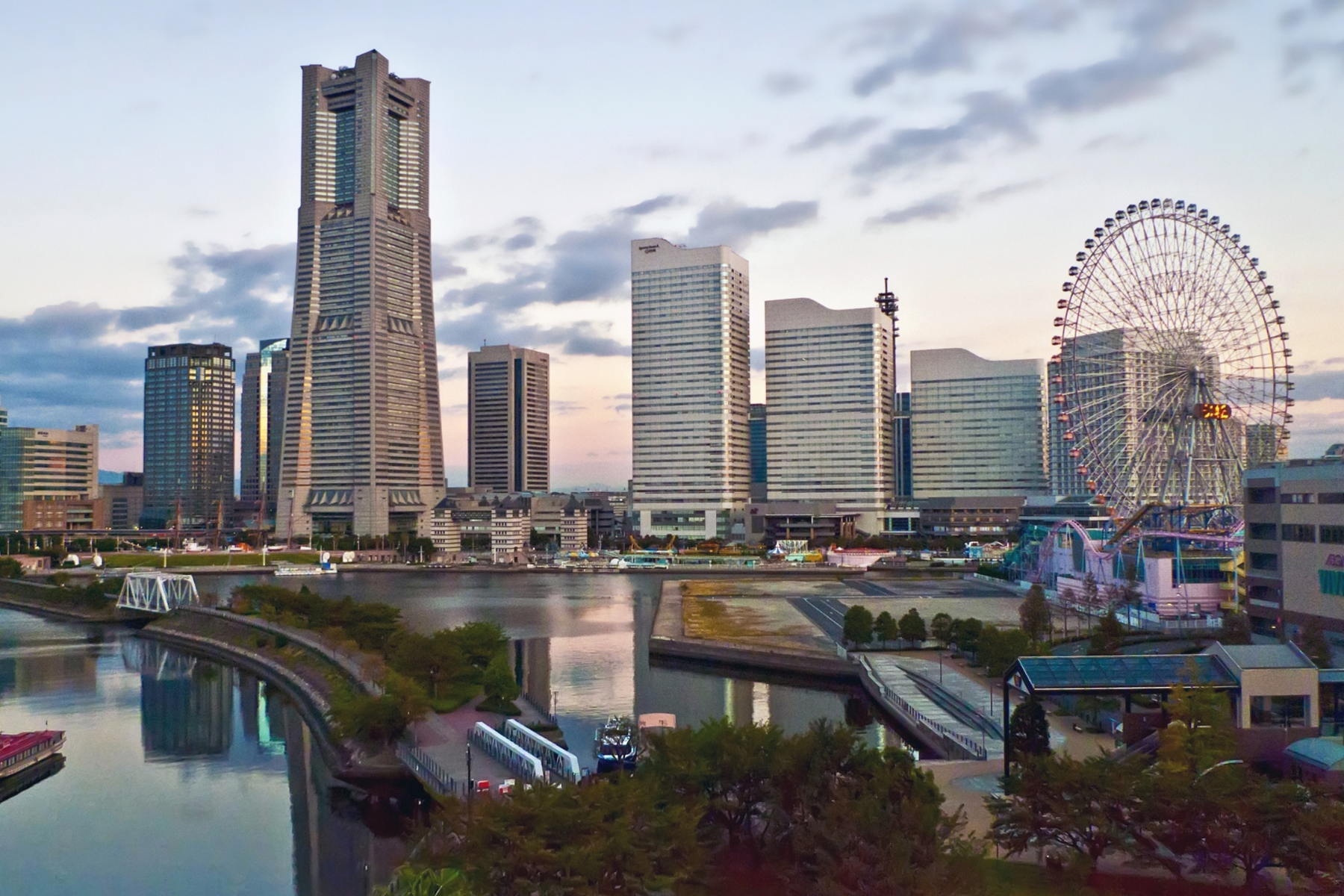
If your flight is later in the day, spend your last morning exploring Yokohama.
Stroll along the Minatomirai promenade, check out the historic Red Brick Warehouse for some shopping, or pop into the Cup Noodle Museum to learn about the history of the world’s favorite instant ramen (and try some, too).
Yokohama’s Chinatown is the largest in Japan, and it’s a great spot to grab dumplings or sesame buns for lunch.
If you’d rather stay in Tokyo, use the time for last-minute shopping in Ginza or Harajuku, or one final bowl of ramen before heading to the airport.
Time to say sayonara to this amazing country and head back home!
Need to know
Google Translate tips
Google Translate will be your best friend here. English isn’t widely spoken, so having the app handy is essential. Use the camera feature to instantly translate menus, signs, and product labels in real time. Pro tip: If you’re craving something specific, look up the Japanese word for it and copy and paste that into Google Maps when searching for restaurants. You’ll discover more authentic, local spots this way instead of only tourist-oriented places.
Family Mart & convenience stores
Do not underestimate the power of a Japanese convenience store. Family Mart (and other chains like Lawson and 7-Eleven) are lifesavers in Japan. You can grab fresh onigiri, bentos, funky flavored chips, and even hot coffee for just a few dollars. They’re often open 24/7, making them perfect for late-night snacks or quick breakfasts on the go.


Travel Advisor
Bria Rosenberg

Bria Rosenberg

Get in touch with Bria Rosenberg
Did you like this guide? Reach out to customize and book your own experience. Or, just to chat about travel in general.
For more inspiration and insider recommendations, visit our Japan page.