




Curator’s statement
I’ve always been drawn to Japanese culture and aesthetics. Deeply rooted in tradition, with a strong sense of respect, politeness, and ancient practices—from the tea ceremony and martial arts to traditional theatre and the quiet beauty of wabi-sabi—Japan has also fully embraced modernity. Cutting-edge technology (the high-speed Shinkansen, robotics) coexists with a thriving contemporary art scene (Takashi Murakami, TeamLab, manga, anime). Tokyo perfectly embodies this balance between the ancient and the modern. The city’s beautiful temples and serene gardens stand alongside striking architecture, a vibrant culture scene, and an amazing culinary landscape. It holds the most Michelin stars in the world, yet also offers countless small restaurants serving simple, delicious, and affordable meals. Over the years, I’ve visited Tokyo many times, mainly for work, but recent trips have allowed me to rediscover the city with fresh eyes—more dynamic, open, and diverse than ever, and still one of the safest cities in the world.
The Fora Difference
Book with Laurent Belamich to access exclusive perks and experiences on your trip.

Killer perks
Free upgrades, spa credits and more—we got you

Personalized recs
Customized travel planning for your style

Insider knowledge
Expert advice from people who’ve actually been there
Where to stay in Tokyo
Unlock perks by contacting Laurent Belamich to book your trip.
Things to do in Tokyo
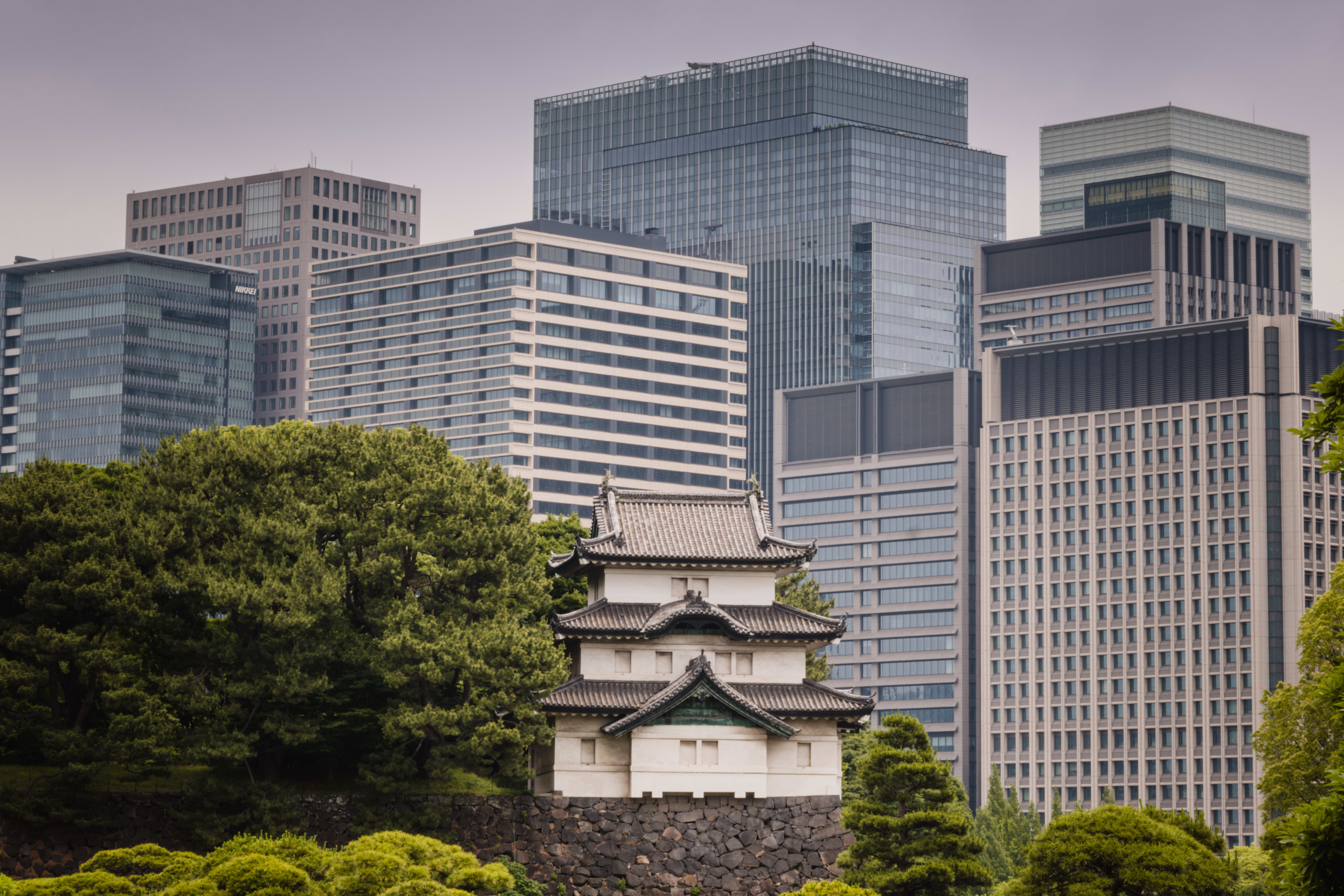
Imperial Palace Gardens
To make exploring easier, I’ve grouped experiences by area, allowing you to spend a day immersed in each neighborhood or to mix and match and craft your own journey through this extraordinary city. Now, if you don’t want to read the whole guide, my top picks are:
Icons:
Tokyo National Museum
Nezu Museum
teamLab (if you can, visit both exhibitions)
Meiji Jingu Shrine
A Kabuki play
And Kabukicho at night—fantastic for night photography.
Hidden gems:
Nezu Shrine
Omoide Yokocho
Daikanyama T-Site
The Shibuya Toilet Project
Tokyo Cruise
Yayoi Kusama Museum
Censu restaurant
And the egg sandwich from 7-Eleven.
teamLab
I’ll start first with teamLab who is an art collective curating some of the most beautiful immersive digital art experiences. In Tokyo, they have two exhibition spaces—teamLab Borderless and teamLab Planets—and if you have time, do both. They’re pure escapism: magical, uplifting, and impossible to leave without a smile.
teamLab Planets is more body-immersive—you’ll wade through water, touch light, and move through tactile spaces in a guided, one-way journey (allow about 1.5 hours).
teamLab Borderless is a maze-like world of interconnected rooms where the art constantly evolves. I especially loved the bauble room - reminiscent of Yayoi Kusama’s Infinity Rooms. It’s larger than Planets, and you can stay as long as you like.
Aoyama to Yoyogi
The journey from Aoyama to Yoyogi is a study in contrasts, beginning with the serene Nezu Museum. Its collection of pre-modern Japanese and East Asian art-calligraphy, bronzes, and ceramics-is impressive, but don’t miss the beautiful and peaceful gardens: a 17,000-square-meter haven of paths, ponds, and teahouses offering immediate tranquility just steps from the city.
Emerging from the museum, you’ll join the elegant, tree-lined avenue of Omotesando. This boulevard is home to the flagship stores of some of the world’s most prestigious luxury brands. Even for those uninterested in shopping, the area is a fascinating visual walk, especially for the architecture amateur. Famous architects like Tadao Ando and, notably, Herzog & de Meuron, whose stunning, crystalline Prada building, a favorite of mine, transforms the entire street into an outdoor museum of modern design.
Follow the avenue to the towering torii gate of Meiji Jingu. The walk through its forested approach is one of Tokyo’s most refreshing experiences, intentionally removed from city noise. You’ll pass the photogenic display of sake barrels (kazaridaru), offerings from brewers across Japan to Emperor Meiji and Empress Shōken. At the inner shrine, towering trees and quiet courtyards create a deeply calming atmosphere.
Exiting into Harajuku, you’ll find vibrant street style and constant people-watching. Just beyond lies Yoyogi Park, one of Tokyo’s largest green spaces, known for its lawns, ginkgo trees (spectacular in autumn), weekend performers, picnics, and subcultures-an energetic counterpoint to the stillness of Meiji Jingu.
Azabudai Hills
The main attraction is teamLab Borderless, the whole area blends beautifully stunning modern architecture and nature. The district also features contemporary art galleries, luxury boutiques, and a rapidly growing dining scene. For an exceptional meal, Florilège offers one of the best-value two-Michelin-star lunches in Tokyo (¥12,000 + 10 percent service fee). A short walk away, the iconic Tokyo Tower offers panoramic views and is the perfect way to start or end your visit.
Ginza
World-renowned for luxury shopping and dining, Ginza is also an architectural showcase. Highlights include the Hermès flagship, designed by Renzo Piano. For gifts and stationery, Itoya is a must—beautifully curated and very Japanese in its attention to detail.
A cultural highlight is the Kabuki-za Theatre, an essential introduction to traditional Japanese performing arts. English subtitle devices make it accessible to international audiences. Tickets go on sale on the 14th of the previous month and sell out quickly—book the same day.
Nearby, the Artizon Museum is still under the radar but offers outstanding exhibitions. I discovered it by chance and saw an unforgettable Brancusi show—proof that Tokyo’s art scene rewards curiosity.
Imperial Palace to Daikanyama
The Imperial Palace Tour offers a rare opportunity to walk through parts of the palace grounds normally closed to the public. The 75-minute guided tour (free, reservation required) covers the outer buildings, though not the emperor’s residence. Slots fill quickly, so book as soon as registration opens.
Nearby, the National Art Center Tokyo is an architectural landmark—its sweeping glass façade alone is worth the visit, but it also hosts excellent temporary exhibitions.
For shopping, head to the less-known Daikanyama instead of Ginza, it has nice boutiques, cool cafes, and art galleries. The Daikanyama T-Site features the Tsutaya book store—you can spend a whole day in there exploring a large selection of books, magazines, stationery, and various gift items. There’s a café, lounge, and a pay-by-the-hour snack bar—an ideal place to relax.
Shibuya to Shinjuku
The Shibuya Scramble Crossing may be iconic to the point of cliché—but it remains a thrilling sight. Want a free viewpoint? The pedestrian bridge connecting Shibuya Mark City to Shibuya Station’s Tokyu Store offers a perfect vantage point.
For a unique architectural pilgrimage, explore The Tokyo Toilet Project, where leading designers and architects have reimagined public toilets across Shibuya. It’s one of the most original examples of functional design in the city and a unique and creative way to explore Shibuya. Film lovers: Perfect Days by Wim Wenders beautifully captures their quiet poetry.
In Shinjuku, the Tokyo Metropolitan Government Building offers free 360-degree views from the 45th floor—Mount Fuji is visible on clear days.
Nearby, the massive 3D “cat screen” at JR Shinjuku East Exit Square is a playful stop and for cat lovers and if you want a coffee break, I like to take a break at the Cat Café Mocha.
As night falls, wander through Kabukichō. It’s the red light district, ignore the touts, and enjoy the iconic neon lights so emblematic of Tokyo and capture beautiful photos. Less known nearby Omoide Yokocho, is a small lane with tiny traditional Izakaya (Japanese pubs) and food stalls. They’re both true photographers’ paradises.
Toyosu to Asakusa
Toyosu is home to teamLab planet, you will get there by the ultra-modern Yurikamone line. The line features breathtaking views of the Tokyo skyline, and the crossing over the Rainbow Bridge is a particular highlight—the train performs a 270-degree loop to gain height, offering unique photo opportunities (stunning long exposure). Along this line, Odaiba Seaside Park is the departure point for one of Tokyo’s most overlooked experiences: a boat cruise to Asakusa. In just under an hour (¥2,000), futuristic riverboats take you along Tokyo’s waterways—a relaxing and scenic alternative to the subway. From Asakusa Pier, it’s a short walk to Sensō-ji, Tokyo’s oldest Buddhist temple, or to the Tokyo Skytree observation deck for sweeping city views.
Ueno
The Tokyo National Museum is one of Japan’s most important art institutions and my favorite in the country. Its collection spans centuries of Japanese art, including Buddhist sculpture, folding screens, kimonos, and samurai armor. There are also significant galleries dedicated to Asian art, plus rotating special exhibitions. Do not miss the traditional garden and teahouse behind the Honkan building—a peaceful hidden gem. It’s a large museum so if you don’t want to be rushed, you’ll need half a day. The museum sits within Ueno Park, also home to Toshogu Shrine. A 20-minute walk away, the Nezu Shrine is a tranquil, often overlooked complex with a beautiful azalea garden and a short path lined with vermillion torii gates reminiscent of Kyoto’s Fushimi Inari.
Day trips:
Kamakura
Kamakura is a great day trip from the hustle and bustle of Tokyo. It used to be the political capital of Japan. Here is a great itinerary that will take you a full day. Starting near Kita-Kamakura Station, the journey begins at Engaku-ji Temple, one of the top five Zen temples, known for its tranquil atmosphere and large Sanmon (main gate). A short walk leads to Meigetsu-in Temple, nicknamed the Hydrangea Temple, which was a personal highlight for its incredibly beautiful gardens, peaceful ambiance, and the famous circular Window of Enlightenment framing the inner garden.
Next on the itinerary is the large complex of Kenchō-ji Temple, the first and most important Zen temple in Kamakura, featuring impressive wooden architecture and expansive grounds, including a traditional Zen garden perfect for quiet contemplation.
From there, the walk continues to the city center and the Tsurugaoka Hachiman-gū Shrine, the city’s most significant Shinto site, located at the top of a grand staircase that offers a great view over the city and the nearby Lotus Ponds.
After strolling down the bustling Komachi-dori shopping street for lunch and boutique browsing, the trip continues to Kōtoku-in Temple, home to the majestic Great Buddha (Daibutsu) statue - its sheer scale and historical significance as an outdoor bronze statue for centuries make it a must-see landmark.
Finally, the day concludes at the beautiful Hase-dera Temple, a personal favorite known for its stunning hillside location and its fantastic gardens, which feature a pond garden, hydrangea path, and beautiful statues, and offer panoramic coastal views—a perfect finale to the day trip.
Kawaguchiko (Mount Fuji)
If you want to see Mount Fuji properly, a day trip to Kawaguchiko offers some of the best views. I recommend renting a car (Nissan and Toyota Rent-a-Car are the local equivalents of Hertz or Avis) for total freedom—Japan is easy to drive in, just remember they drive on the left. It takes under two hours to reach Kawaguchiko from Tokyo, and it’s worth starting as early as possible to beat the crowds. Winter offers the clearest visibility, but even in summer it’s a wonderful experience—I visited in June and couldn’t see the summit, yet still loved the day.
Begin at Arakura Fuji Sengen Shrine and climb to the Chureidō Pagoda, one of the most photographed Fuji viewpoints. It’s busy, but you can continue further up the path for a quieter walk through the trees. If visibility is good, take the Mount Fuji Panoramic Ropeway, otherwise skip it and visit the lesser-known Kawaguchi Asama Shrine, a peaceful spot with ancient cedar trees (make sure to search “Asama Shrine cedar trees”—there are several shrines with similar names). End your day by the lake at Ōishi Park, which offers sweeping views of Fuji framed by seasonal flowers—a perfect final stop before heading back to Tokyo.
Places to eat & drink in Tokyo
Censu
Fine Dining
Asahina Gastronomie: Amazing food in a somewhat under-the-radar Michelin-starred restaurant. It’s formal and lacks a bit of atmosphere, but the outstanding food and top-notch service more than compensate.
Florilège: Amazing food cooked in front of you at a long, comfortable table where fellow diners sit side by side. I loved it—friendly service and the best-value lunch in Tokyo at ¥12,000 + service.
L’Effervescence: One of Tokyo’s top restaurants, with many accolades. Great food using outstanding ingredients—my favorite was the salad with over 50 components from local producers, simple but so delicious with unique flavors and textures. The room is more formal—dark and serene—but the service is outstanding and, despite the formality, engaging and friendly.
Maz: My favorite fine dining in Tokyo. If you’ve been to Central in Lima, you won’t be disappointed. Very creative cooking, tasteful, and beautifully presented—many wow moments throughout the meal. It’s a small, intimate restaurant but with a relaxed atmosphere. The staff were amazing, too: warm, knowledgeable, and highly recommended.
Tapas Molecular Bar: Chef Kento cooks in front of you in a tiny setting with only eight diners. It was an amazing experience to discover his creative process—he even illustrated the menu! He’s engaging and passionate, creating delicious food and a truly unique experience. The chef works incredibly hard and it’s the kind of experience that feels worthy of one, perhaps even two, Michelin stars. Having dined at dozens of Michelin restaurants across the world, I’m still surprised this one isn’t recognized accordingly.
Casual/fun
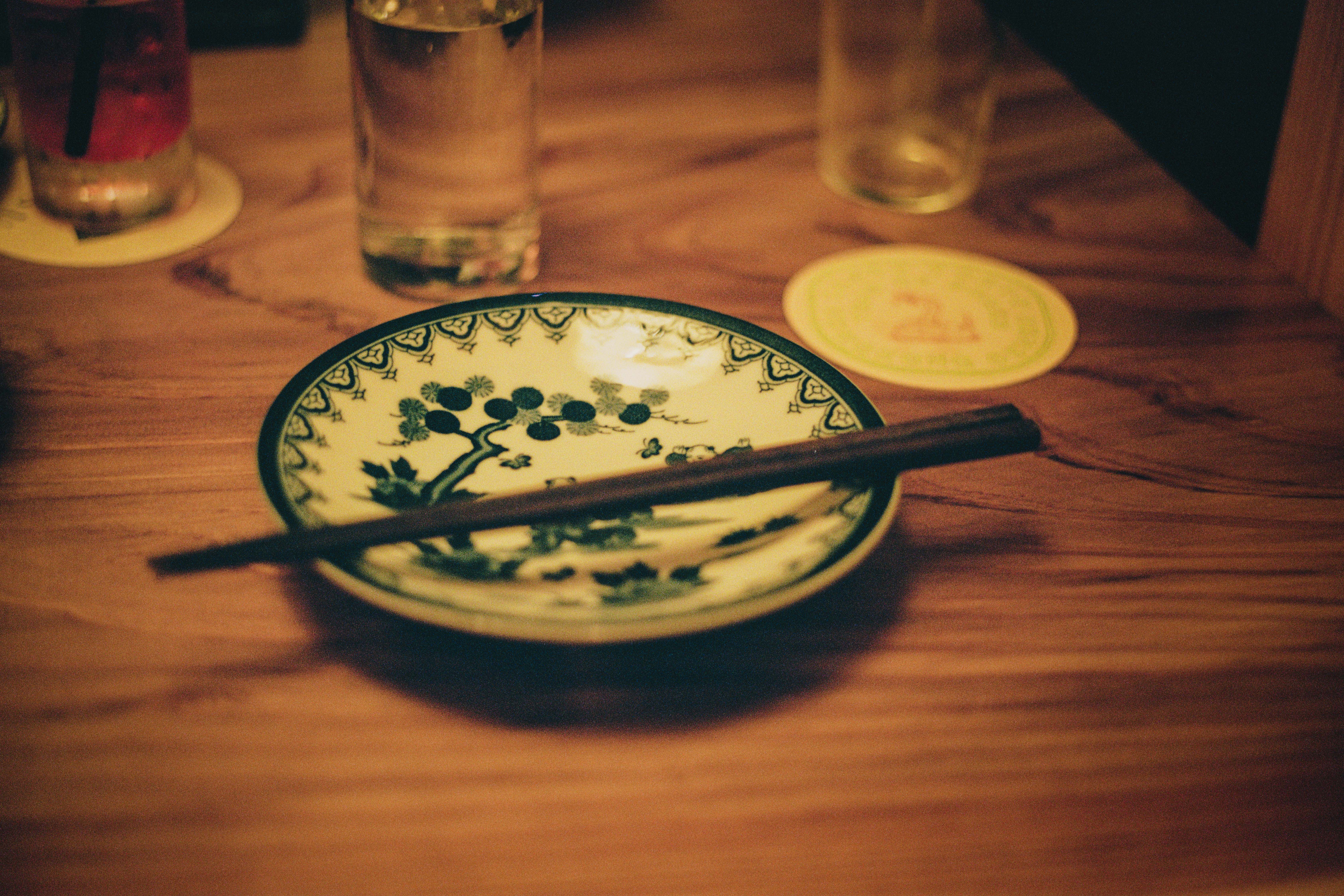
Censu: I love this restaurant—I went twice in one week. Young, dynamic team serving creative and delicious food. A fairly small place, very cool, and everything is well-curated, including the beautiful crockery. Reasonably priced—my go-to restaurant when in Tokyo.
Gonpachi: Made famous by Kill Bill and featured in many tourist guides—pleasantly surprised! Very busy, lively atmosphere, and the food was good too. Great for a fun night out.
Sushi Zanmai (Tsukiji): If you’re in the area, great sushi with fresh fish from the market. Especially known for its high-quality tuna.
7-Eleven: Yes—try their egg sandwich. The best I’ve ever had: creamy, so tasty, and only ¥250!
Need to know
Public transport: Japan has an extensive and highly efficient transport system. The subway is the easiest way to get around Tokyo. Get a Suica card—iPhone users can add it directly to Apple Wallet. You simply tap in and out, fares are calculated automatically, and you can top up as needed. It works across Tokyo and many other cities.
Taxis: Taxis are plentiful, but not all drivers will understand English. Always carry your hotel card or have the address written in Japanese. The GO app is more widely used than Uber, with a larger taxi network and slightly cheaper fares.
Litter: Japan is extremely clean, but rubbish bins are surprisingly scarce. Carry a small plastic bag with you and keep your litter until you find a bin or return to your hotel.
When to avoid: If possible, skip Golden Week (late April to early May) and Obon (mid-August), when the whole country is on holiday. Sakura (cherry blossom season) runs from late March to early April—beautiful, but peak prices and crowds.
Tax refund: Bring your passport. To qualify for a consumption tax refund, you must spend at least ¥5,000 (before tax) at a single store on the same day.
Exhibitions: Tickets to popular exhibitions and shows sell out quickly, so book as soon as they’re released. If you’re a Yayoi Kusama fan, secure your tickets at least three months in advance to avoid disappointment.
Tipping: There is no tipping in Japan.


Travel Advisor
Laurent Belamich

Laurent Belamich

Get in touch with Laurent Belamich
Did you like this guide? Reach out to customize and book your own experience. Or, just to chat about travel in general.
For more inspiration and insider recommendations, visit our Tokyo page.