

A Magical Christmas Market Journey Through Central Europe: Czech Republic, Austria & Hungary

Curated By
Anna Hahn
Curator’s statement
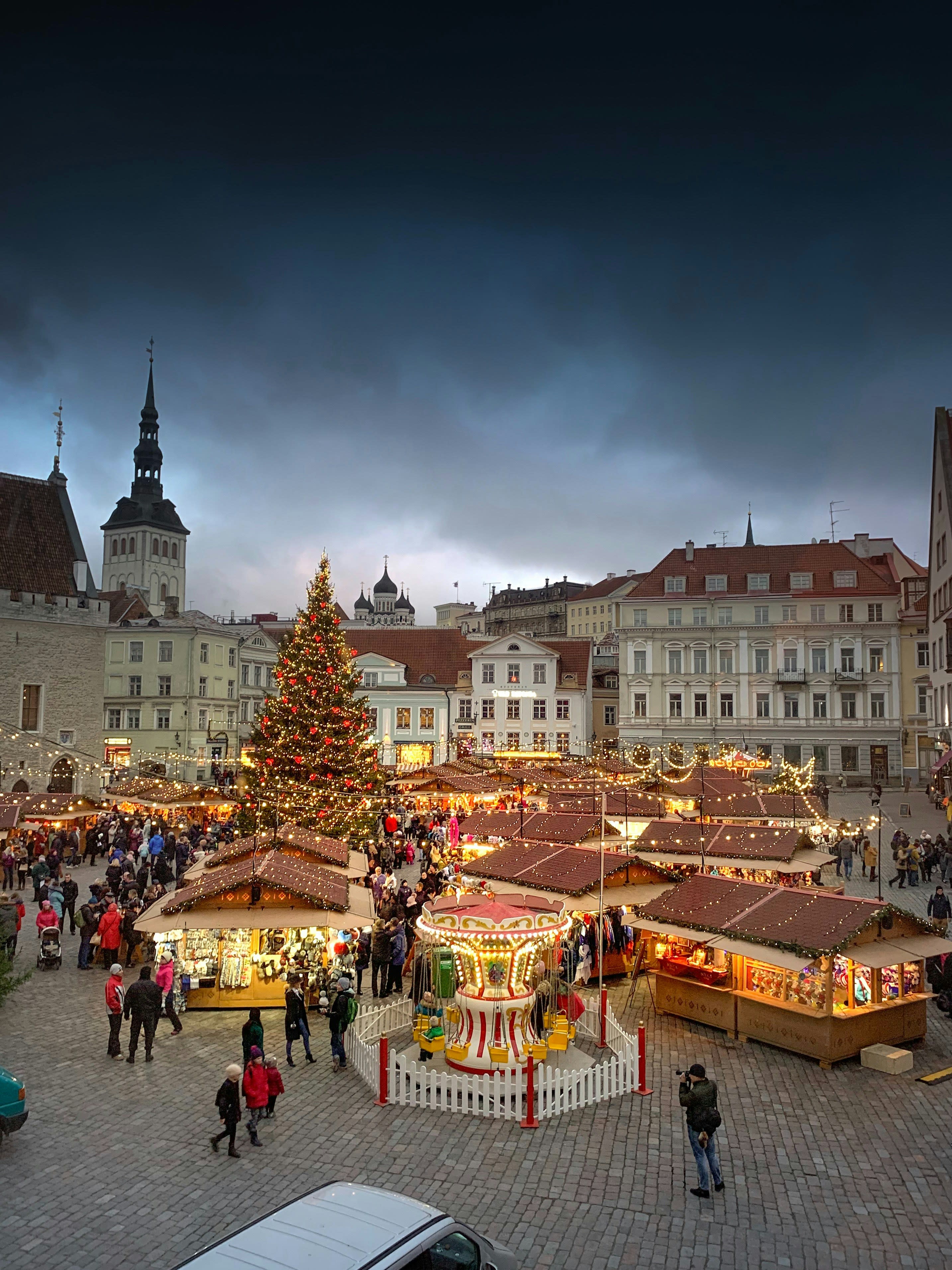
If you’ve ever dreamed of sipping mulled wine under twinkling lights, surrounded by carolers and centuries-old architecture, this is the trip for you. This eight-day itinerary takes you through three of Europe’s most magical Christmas destinations—Prague, Vienna, and Budapest—each offering its own charm, festive treats, and cozy traditions.
The Fora Difference
Book with Anna Hahn to access exclusive perks and experiences on your trip.

Killer perks
Free upgrades, spa credits and more—we got you

Personalized recs
Customized travel planning for your style

Insider knowledge
Expert advice from people who’ve actually been there
Where to stay in Central Europe
Unlock perks by contacting Anna Hahn to book your trip.
Things to do in Central Europe
Prague
Top Christmas markets:
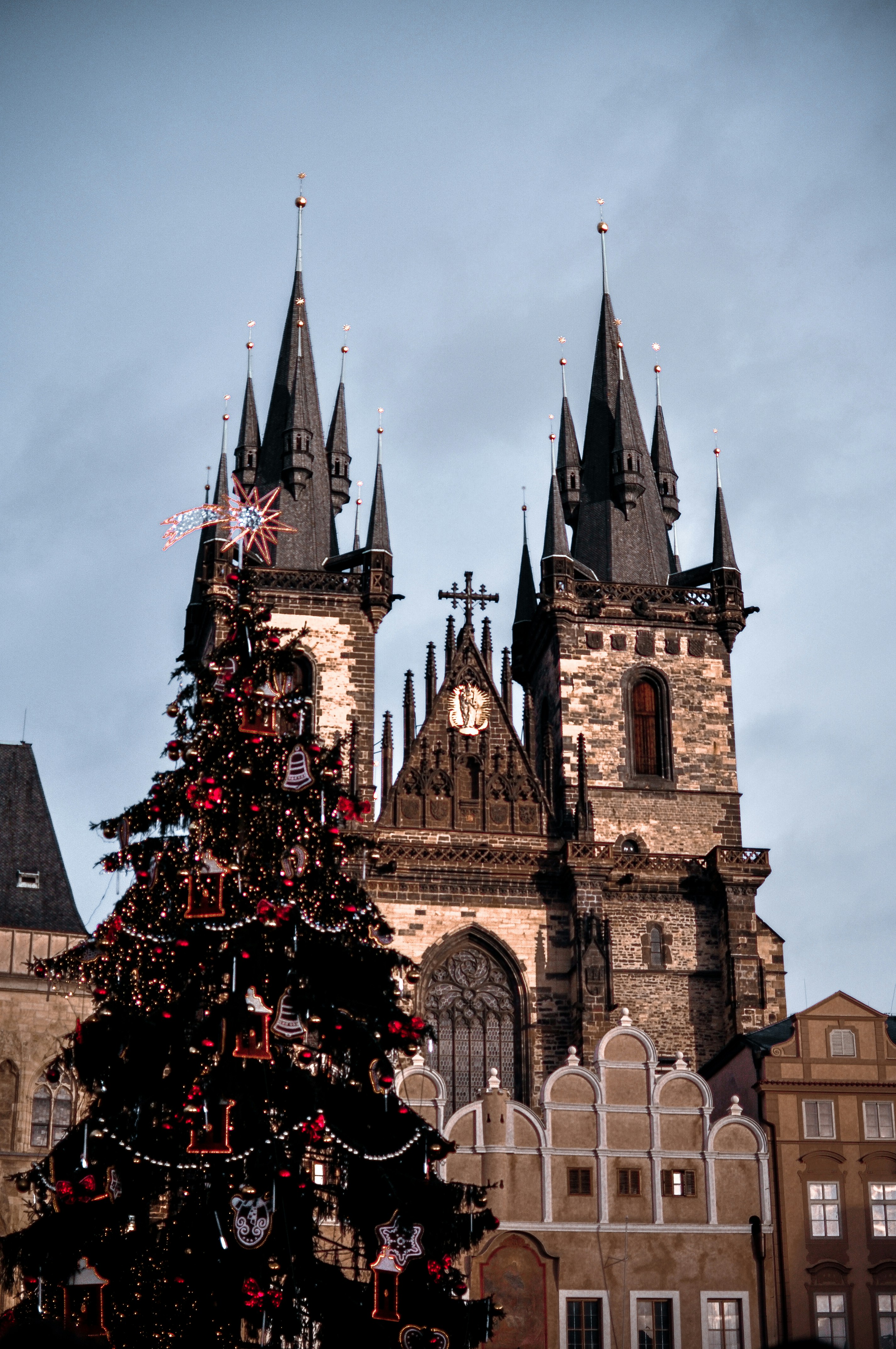
Old Town Square Christmas Market: The heart of Prague’s festivities. Expect a giant tree, live choirs, handmade ornaments, and Czech treats like trdelník (sweet chimney cake).
Wenceslas Square Market: Just a short stroll away, this market offers cozy wooden huts selling glassware, toys, and local food.
Prague Castle Market: A bit quieter but unforgettable, with stunning views of the city lights and a majestic castle backdrop.
Things to do beyond the markets:
Take a river cruise on the Vltava—most offer mulled wine and Christmas treats onboard.
Visit the Lennon Wall for a dose of color and peace in the winter chill.
Vienna
Top Christmas markets:
Rathausplatz (Vienna Christmas Dream): Vienna’s most famous market, set in front of City Hall with over 150 stalls, an ice rink, and dazzling light displays.
Belvedere Palace Market: Elegant and romantic, with artisanal gifts and a palace backdrop straight out of a fairytale.
Spittelberg Market: Smaller and tucked into narrow streets, perfect for handcrafted goods and a local vibe.
Things to do beyond the markets:
Visit Schönbrunn Palace for imperial Christmas charm and gorgeous gardens.
Catch a holiday concert—from classical symphonies to choir performances, Vienna is alive with music.
Budapest
Top Christmas markets:
Vörösmarty Square Market: The main hub of Budapest’s Christmas cheer, featuring wooden stalls, folk music, and a massive tree.
St. Stephen’s Basilica Christmas Market: Famous for its 3D light shows projected on the basilica and a skating rink for kids.
Things to do beyond the markets:
Relax in Széchenyi Thermal Baths—especially magical with steam rising into the winter air.
Take a nighttime Danube cruise for spectacular views of the Parliament and Buda Castle lit up for the holidays.
Places to eat & drink in Central Europe
Prague
Café Savoy: A charming café with Belle Époque decor, perfect for morning coffee and pastries.
T-Anker Rooftop Bar: For views of the Old Town rooftops and festive city lights while sipping a local Czech beer.
Vienna
Café Central: A Viennese institution—sip melange coffee where Freud and Trotsky once did.
Zum Schwarzen Kameel: Great for festive aperitifs and open-faced sandwiches.
Budapest
New York Café: Often called the most beautiful café in the world—perfect for a cozy hot chocolate.
Raqpart Bar: Overlooking the Danube, it’s a local favorite for winter cocktails and riverside views.
Need to know
Local flavors & traditions
Prague: Try svařené víno (Czech mulled wine) and vanilkové rohlíčky (vanilla crescent cookies). The city’s nativity scenes and public Advent concerts in churches add a local touch to the Christmas magic.
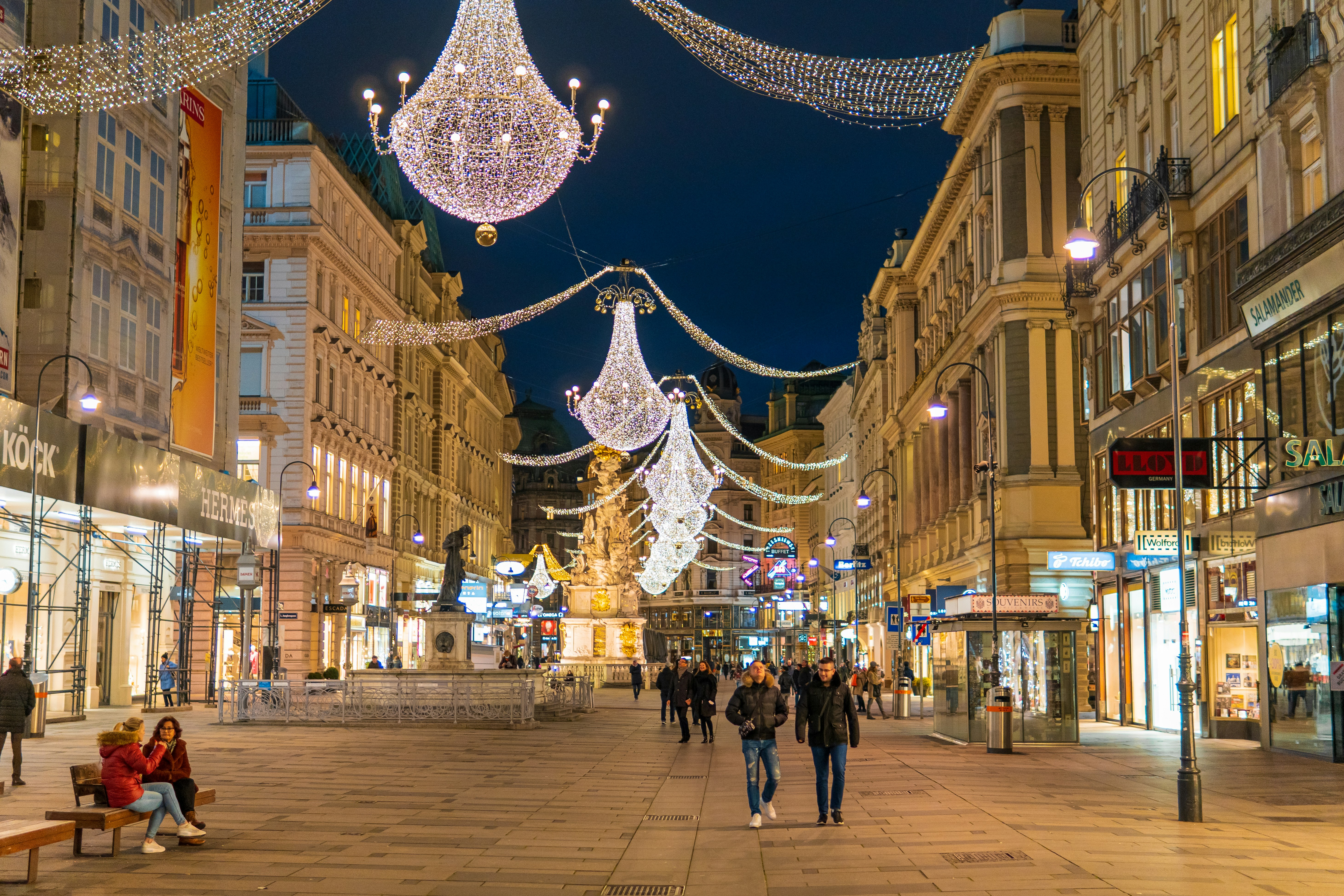
Vienna: Warm up with glühwein (mulled wine), kaiserschmarrn (fluffy shredded pancakes), or Sachertorte (rich chocolate cake). Don’t miss the city’s ornate holiday lights along the Graben and Kärntner Strasse.
Budapest: Indulge in forralt bor (Hungarian mulled wine) and chimney cake, and try a hearty goulash stew to stay warm. The city’s trams are wrapped in twinkling lights—a must-see photo op!
Other tips for the trip
Best time to go: Late November to Christmas Eve (markets usually open mid-November and close around Dec 24–26).
Currency: CZK (Czech koruna, Prague), EUR (Euro, Vienna), HUF (Hungarian forint, Budapest).
Getting around: Trains between cities are scenic, comfortable, and budget-friendly—book early for the best rates.
Pro tip: Bring cash for market stalls, as not all accept cards.


Travel Advisor
Anna Hahn

Anna Hahn

Get in touch with Anna Hahn
Did you like this guide? Reach out to customize and book your own experience. Or, just to chat about travel in general.
For more inspiration and insider recommendations, visit our Europe page.