




Curator’s statement
Lisbon is a city of light, hills, and ocean air—and it rewards travelers who move gently through it. More than in many destinations, curation matters more than volume here. The city’s beauty is immediate, but its terrain and heat can be physically demanding if you try to do too much. This guide is designed to help you experience Lisbon with presence rather than exhaustion: restoring the body in the afternoon, seeking green refuge during the warmest hours, and choosing calm, nourishing experiences over constant movement. When approached slowly, Lisbon reveals itself as deeply soothing, expansive, and grounding.
The Fora Difference
Book with Michael Huffman to access exclusive perks and experiences on your trip.

Killer perks
Free upgrades, spa credits and more—we got you

Personalized recs
Customized travel planning for your style

Insider knowledge
Expert advice from people who’ve actually been there
Where to stay in Lisbon
Unlock perks by contacting Michael Huffman to book your trip.
Things to do in Lisbon
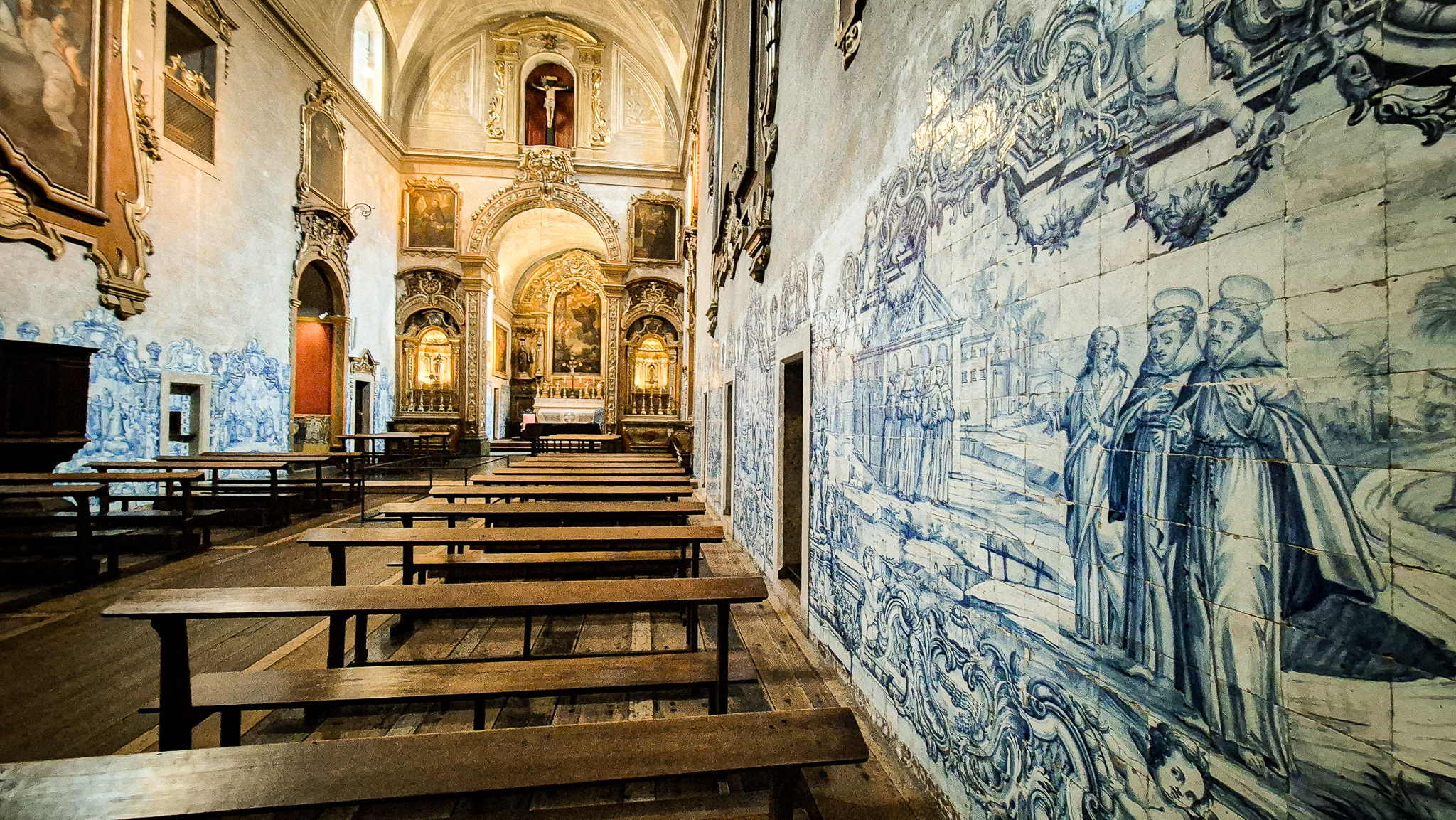
My favorite place to meditate in quiet: the 16th century Convento de São Pedro de Alcântara.
Restore
Spa, acupuncture & water rituals
Because of Lisbon’s hills and strong sun—especially from late spring through early fall—restorative experiences are not a luxury but an essential part of a balanced stay. Scheduling bodywork or water-based rituals allows you to recover physically and stay regulated throughout your trip.
Recommended restorative spaces
Terra Heal: A holistic wellness space offering grounding therapies, massage, and integrative treatments. Ideal for reconnecting to the body after long walks.
Float in Spa – Floatation Therapy Lisbon: Sensory-reduction float sessions for deep rest, nervous-system reset, and mental clarity.
The BSpa at Altis Belém Hotel: A refined spa experience by Karin Herzog, combining water rituals and therapeutic treatments in a calm, elegant setting.
Clínicas Hélder Flor: Acupuncture and traditional treatments for physical balance and recovery.
Zen note: Lisbon’s hills require recovery time, especially in warmer months. Plan restore sessions for mid-afternoon, when heat and fatigue naturally peak.
Nature
Green relief from hills, heat & sun
Lisbon is sunnier and warmer than many European capitals, and it sits on the edge of the Atlantic Ocean. Seeking shade, greenery, and hydration is key to staying comfortable. This guide includes more green spaces than usual because cooling down is a priority here.
Many of the gardens below offer benches, shade, and water fountains with bottle-filling stations. Some are lush and expansive; others are small but powerful places to pause. See the mindfulness pause below that's perfect for a park bench meditation.
Recommended green spaces
Jardim do Príncipe Real: A neighborhood garden with benches, shade under the striking ancient juniper tree supported by metal braces, and the place to fill your lungs with healthy terpenes emanating as the strong scent of pine.
Jardim da Estrela: Flat, local, and calming; adjacent to the Basilica da Estrela, with towering rubber trees and generous shaded areas.
Jardim Alfredo Keil / Praça da Alegria: A pocket-sized park featuring very old Brazilian trees that bloom with purple flowers in spring and summer. Hint: near my favorite hidden gem, Dramático, for a croissant and espresso.
Jardim Botânico de Lisboa: Centrally located, next to the National Museum of Science & Natural History, with winding paths and several well-labeled species. Small and ticketed, but a quietly verdant refuge on hot days.
Jardim Nuno Álvares: Near the main train station, with large trees (like the unique Bela-Sombra or Ombu tree from South America with exposed roots and the many acacia-like trees)—a grounding stop if nearby shopping streets feel intense.
Mindfulness pause (7 minutes)
Sit on a park bench. Begin with box breathing:
inhale to the count of 4
hold for a count of 4
exhale to the count of 4
hold for a count of 4
Repeat for four cycles.
Next: Imagine root tendrils growing from your feet into the earth, anchoring you.
Visualize branches extending upward from your spine, reaching toward the sky—as if your body were a tree, steady and supported.
Sacred
Stillness, beauty & quiet interiors
Lisbon’s history is deeply Catholic, and one of the city’s greatest gifts is the abundance of churches, convents, and monasteries that remain open, cool, and quiet throughout the day. These spaces offer refuge from heat in summer and from sudden, heavy rain showers in winter—and they are ideal settings for breathing, reflection, and meditation.
As in The Zen Traveler’s Guide to Paris for Seniors, you may wish to practice a loving-kindness (metta) meditation while seated: offering gentle phrases of goodwill first to yourself, then outward to others. These sacred interiors support inward attention without expectation or performance.
Places to pause
Convento de São Pedro de Alcântara: My favorite meditation place with walls covered in white and blue tiles from the 17th century. A quiet former convent tucked into Bairro Alto, offering a cool, contemplative interior where you can sit briefly and reset before returning to the city’s energy.
Basilica da Estrela: Located in a quieter, less touristy neighborhood. The interior ceiling is stunning, and its location across from Jardim da Estrela makes it easy to pair with a garden pause or coffee nearby.
Convento do Carmo: A hauntingly beautiful former convent left roofless after the 1755 earthquake. Open sky above stone arches creates a powerful space for contemplation. Look closely for traces of original tiles and layered history.
Igreja da Graça: Calm, softly lit, and far less hurried than central churches. A place to sit quietly rather than circulate.
Mosteiro dos Jerónimos (early morning): Vast and reverent. Visit early to experience the scale without crowds and allow the architecture to slow your breathing.
Calouste Gulbenkian Museum & Jardim: A rare pairing of refined art and a uniquely designed modernist garden. The museum itself feels contemplative, and the surrounding grounds invite slow walking and reflection.
Move
Gentle movement, intentional routes.
Movement in Lisbon should be purposeful and forgiving. Hills, cobblestones, and heat make it essential to balance effort with ease. This guide prioritizes mindful movement and routes that support regulation rather than depletion.
Yoga & mindful movement
Yoga Room Lisbon: My go-to studio. A modern cement space with skylights, excellent props, spotless facilities, and a wide variety of high-quality classes including yoga and reformer Pilates. Friendly front desk and consistently strong teaching.
Little Yoga Space: Intimate, slow-paced classes with a personal feel.
Leela Lisboa: Community-oriented studio with a warm atmosphere. (15% discount available at Espressolab nearby.)
Walking & gentle routes
Estrela → Campo de Ourique loop: A neighborhood walk that balances residential calm with cafés and markets.
Belém riverfront path: Flat walking along the water toward Cascais. There is little shade, so cycling can feel cooler than walking during warmer hours.
Trekking & forest bathing
Parque Florestal de Monsanto (Monsanto Green Corridor): A national forest rising above the city. Ideal when Lisbon’s narrow lanes and cobblestones feel constricting and you need air, space, and trees. Excellent for forest bathing and longer hikes.
Cycling
E-bikes are highly recommended due to Lisbon’s hills.
Contact me for curated e-bike tours, which are a safe and enjoyable way to build confidence riding in the city.
Day trips (Zen-oriented)
Cascais: See separate Zen guide.
Sintra: Focus on forest paths and shaded walks rather than palace interiors.
Arrábida Natural Park: Dramatic nature, trekking trails, beaches, and the Miradouro do Norte lookout.
Nourish
Ritual eating, local rhythms, and gentle indulgence.
Traditional breakfasts are often simple—a bread roll and espresso—but Lisbon’s growing international and expat population has made brunch and café rituals central to daily life. This section highlights places where nourishment feels intentional rather than rushed.
Pastry: Uniquely Portuguese
Portuguese baked treats are distinct from French pastries and worth exploring slowly.
ALCOA: Award-winning pastries, including unexpected savory-sweet creations.
Castro: Atelier de Pastéis de Nata—classic custard tarts done well.
Gleba: Ancestral grains, excellent rye bread. My personal favorite standout is the semi-sweet chocolate cookie made with rye flour, though their coconut brioche is unique as well.
Moko: Vegan bakery with thoughtful, nourishing options.
Insider tip
The Pastel de Nata custard tart: Pastéis de Belém is the birthplace of the original pastel de nata. Founded in 1837 in the Belém neighborhood, the bakery still uses a closely guarded recipe from the Jerónimos Monastery. The tarts are known for their crisp, flaky pastry and rich, lightly savory custard, best enjoyed warm. While excellent modern versions can be found at Manteigaria (my favorite for the service and medium consistency of the custard and love the extra pack of cinnamon provided), Castro Atelier, and Fábrica da Nata, Pastéis de Belém remains the definitive original.
Coffee rituals
Coffee culture is everywhere in Lisbon, shaped by post-Covid migration and a global community of creatives and remote workers; many specialty cafés feel like informal salons for digital nomads.
Dramático: His rotating single-origin beans are thoughtfully presented and his croissants (the only food item on the menu) are the closest I’ve found to those near my Paris apartment.
Fábrica Coffee Roasters: Reliable specialty coffee with a relaxed, international atmosphere, ideal for a slow morning or mid-day pause.
Buna Specialty Coffee: A social, terrace-focused café where locals and visitors gather; lively rather than quiet, best enjoyed earlier in the day.
Hello, Kristof: A long-standing favorite known for excellent coffee, pastries, and a cozy, neighborhood feel.
Baobá Café Bica: A friendly, plant-forward café offering coffee, juices, and light meals in a relaxed setting.
Espressolab: A polished, modern coffee experience with consistent quality, including a convenient location near Jardim da Estrela.
Iconico Café-Bar: A stylish café-bar suited for a late afternoon coffee or early evening drink without excess noise.
Wine (quiet settings)
From the Vine – Wine Tasting Bar: A calm, informative space to explore Portuguese wines in an unhurried, conversational setting.
By the Wine (José Maria da Fonseca): A historic wine bar best visited early, before it becomes busy, for a more relaxed tasting experience.
Cooking & food experiences
Portuguese cooking classes in Lisbon: Small-group, hands-on classes that focus on traditional dishes and local ingredients, offering cultural immersion without sensory overload. There are many savory and pastry-oriented ones.
Markets
Mercado de Campo de Ourique: Fresh fish, fruits, vegetables, and prepared foods—an easy place to assemble a picnic for the nearby Jardim da Estrela, as I did.
Brunch: A Lisbon ritual
The Mill: A popular brunch spot blending Portuguese and international influences in a bright, bustling space.
Dear Breakfast – Bica: Consistently good brunch classics served in a cheerful, well-run café.
Fauna & Flora: An airy, nourishing brunch destination with a calm atmosphere and plant-forward options.
AMUN: A wellness-focused café known for granola bowls, quinoa dishes, and avocado toast.
The Therapist: A flexitarian café offering thoughtfully prepared, health-forward brunch dishes in a relaxed setting.

A note from Michael
Zen tip: Peak down cobblestone streets for often dramatic views.
Places to eat & drink in Lisbon
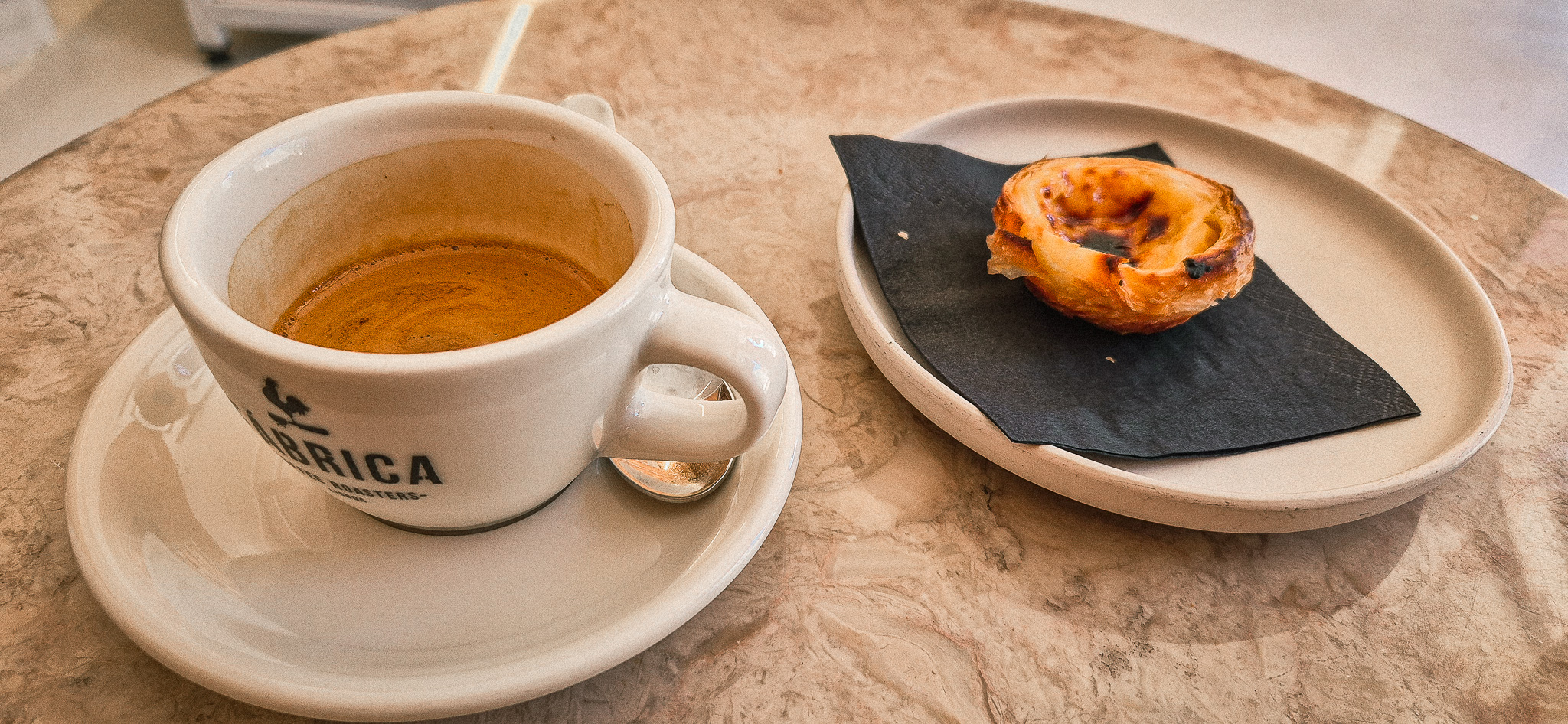
The pastel de nata custard tart and double espresso at Fabrica in Santos neighborhood.
Ritual eating, plant-forward, local, and slow.
Vegan & plant-forward
Ao 26 – Vegan Food Project: A thoughtful plant-based restaurant offering refined vegan dishes in a relaxed, welcoming space.
Hearth Lisbon: Calm, seasonal restaurant focused on intentional cooking and warm, minimalist interiors.
The Food Temple: Small, globally-inspired vegan restaurant with a quiet courtyard that encourages lingering.
Organic & conscious
FOOD Mercearia Biológica (Santos): A neighborhood organic shop ideal for sourcing simple, nourishing meals and picnic ingredients.
Honest Greens: A dependable choice for clean, balanced meals in a bright, modern setting without sensory overload.
Rizoma Cooperativa Integral: A cooperative grocery specializing in local, organic products, perfect for assembling food for a park day.
Portuguese (refined, not heavy)
Versículo d’O Faia: Traditional Portuguese cuisine served with restraint and calm in an intimate setting.
Santelmo: A small, slow-paced restaurant offering carefully prepared Portuguese dishes with a personal touch.
Restaurante Rodas: Straightforward seafood cooked simply and well, without unnecessary complexity.
O’Momento – Casa de Empanadas: A casual spot for light, satisfying empanadas when you want something comforting but not heavy.
Need to know
Lisbon is a city of hills, sun, and shifting energy levels. A few practical choices can make the difference between feeling nourished and feeling depleted.
Use transport as a Zen tool: Taxis, Uber, and Bolt are inexpensive and widely available—use them freely between hills without guilt. Walking downhill and riding uphill helps conserve energy.
Hydration matters: Lisbon is often warm and sunny, even outside peak summer months. Carry a water bottle and refill it in parks and public fountains when available.
Public transport passes: Pick up a yellow Viva Viagem transport card at metro stations or kiosks, or use contactless payment on your phone for trams, buses, and the metro.
Pace your days: Plan one main activity per half-day and allow time to rest during the warmest hours.
Footwear: Supportive, non-slip shoes are essential for cobblestones and steep streets.
Approached with flexibility and intention, Lisbon becomes a city that supports presence rather than demands endurance.


Travel Advisor
Michael Huffman

Michael Huffman

Get in touch with Michael Huffman
Did you like this guide? Reach out to customize and book your own experience. Or, just to chat about travel in general.
For more inspiration and insider recommendations, visit our Lisbon page.