

Charleston's Deep Roots: A Three-Day Journey Through Black History & Southern Elegance
Curated By
In Hines Sight

Curator’s statement
Charleston, South Carolina, is hands down my absolute favorite city in the US. It’s the kind of place that makes you feel something deep in your bones, where history meets beauty, and elegance lives right alongside powerful reminders of the past. As a Black woman and avid traveler who cherishes cultural storytelling, this city holds layers of meaning for me, and I’m honored to share my favorite way to explore it.
The Fora Difference
Book with In Hines Sight to access exclusive perks and experiences on your trip.

Killer perks
Free upgrades, spa credits and more—we got you

Personalized recs
Customized travel planning for your style

Insider knowledge
Expert advice from people who’ve actually been there
Where to stay
Unlock perks by contacting In Hines Sight to book your trip.
Day 1: Plantations, preservation & personal reflection
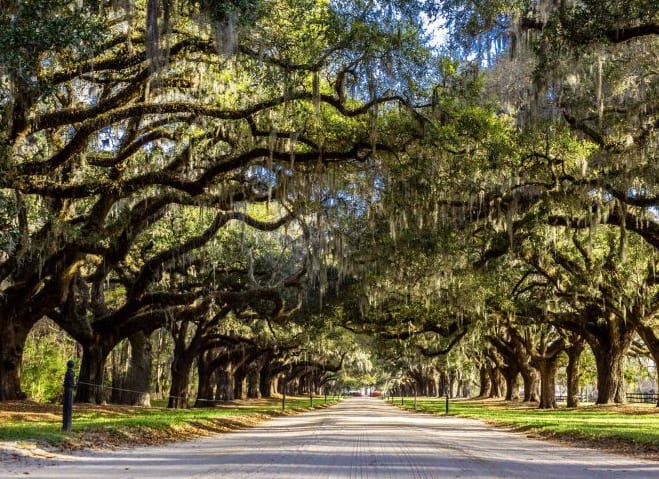
The drive up Boone Hall’s Oak Alley—breathtaking!
Start your journey at Boone Hall Plantation, one of the most emotionally rich experiences I’ve ever had. You’ll drive through the iconic oak-lined entrance, where enormous moss-draped trees form a natural archway that’s so symmetrical and stunning it feels surreal. Walk through the original brick slave cabins, still standing, and listen to powerful recorded stories from enslaved people that will move you to tears. Don’t miss the Gullah-Geechee presentation by descendants—it’s not a performance, it’s a soulful storytelling experience that left me in awe. This is where history meets education. You’ll leave changed.
Personal note: I’ve been many times, and each visit offers something new. It’s emotional, but necessary.
Insider tip: Don’t miss the stables and flower gardens—they’re gorgeous and peaceful after a heavy tour.
Later in the day, visit Magnolia Plantation, known for its lush, romantic gardens. It’s another glimpse into Charleston’s layered past. While Boone Hall remains my favorite, Magnolia is absolutely worth the visit.
In the evening, take a historic carriage ride through downtown Charleston. It’s a relaxing, affordable way to absorb centuries of stories—from architectural preservation laws to the steeples that tower over the skyline (no building can be taller than Charleston’s church steeples, a preservation law I absolutely love). One of my favorite details is spotting the rice beds on plantation tours; they were cleverly designed by enslaved people to hide and preserve grains in secret compartments. That ingenuity is part of what Charleston must never forget. You’ll understand the soul of Charleston through its architecture—the preservation is intentional and honors its past.
Insider tip: Some tours offer a special focus on African American heritage—ask before booking.
Stop for lunch at Hannibal’s Kitchen or Bertha’s. These small, family owned spots serve Gullah-inspired dishes like crab rice, okra stew, and fried whiting. You won’t find food like this just anywhere, it’s soul-filled and speaks to Charleston’s deep cultural legacy.
Insider tip: Call ahead, as hours can shift and popular dishes sell out.
Day 2: Legacy of the enslaved & waterfront power
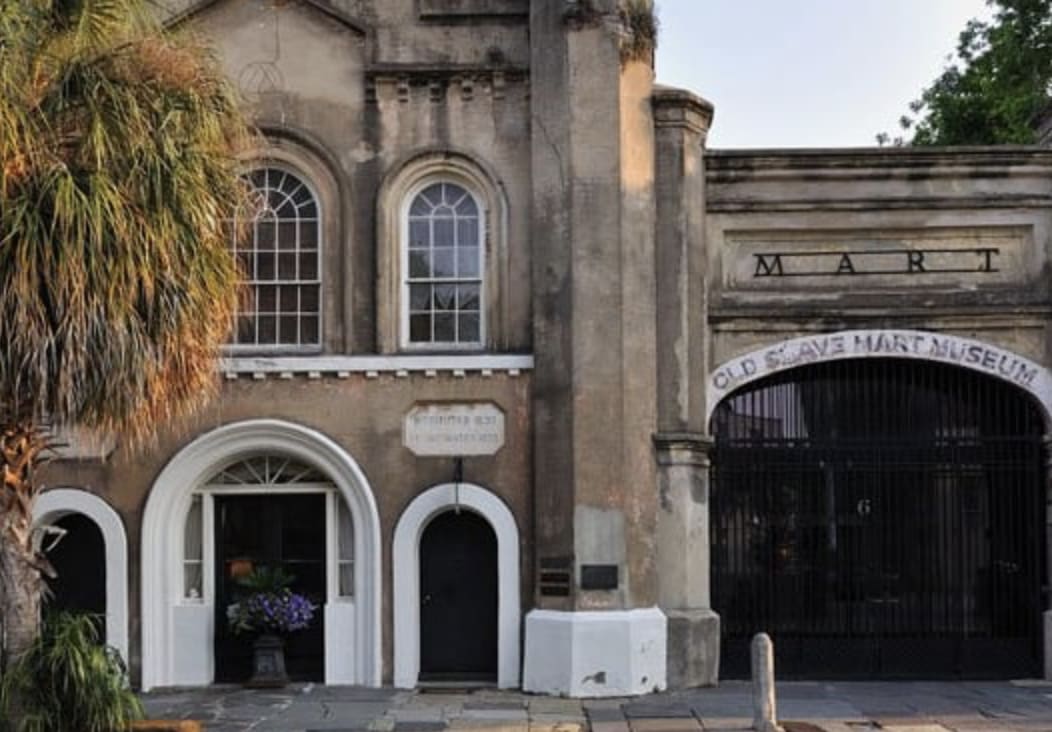
Today is all about honoring legacy. Head to the Old Slave Mart Museum, housed in the very building where enslaved Africans were once sold. This place is powerful. I cried, but I was also humbled and in awe of the strength and resilience on display. There’s usually a museum guide upstairs who’s a wealth of knowledge, so ask questions. It’s a must for understanding Charleston’s role in the transatlantic slave trade.
Insider tip: Take your time. Don’t rush through. Visit early in the morning when it’s quieter for personal reflection.
Next, take the ferry to Fort Sumter, where the Civil War began. Standing where history literally changed is something special, and the ride itself gives you sweeping views of Charleston’s harbor.
In the afternoon, walk through Charleston’s historic graveyards, where many notable Black and white historical figures are buried. Some tours offer rich backstories, but even solo wandering here feels sacred.
Lunch: Page’s Okra Grill in Mount Pleasant. It’s close to Boone Hall and perfect for recharging. Try the shrimp and grits or the fried green tomatoes. It’s casual, affordable, and always hits the spot.
Insider tip: There’s often a wait, so go early or make a reservation if possible.
Day 3: Color, culture & coastal charm
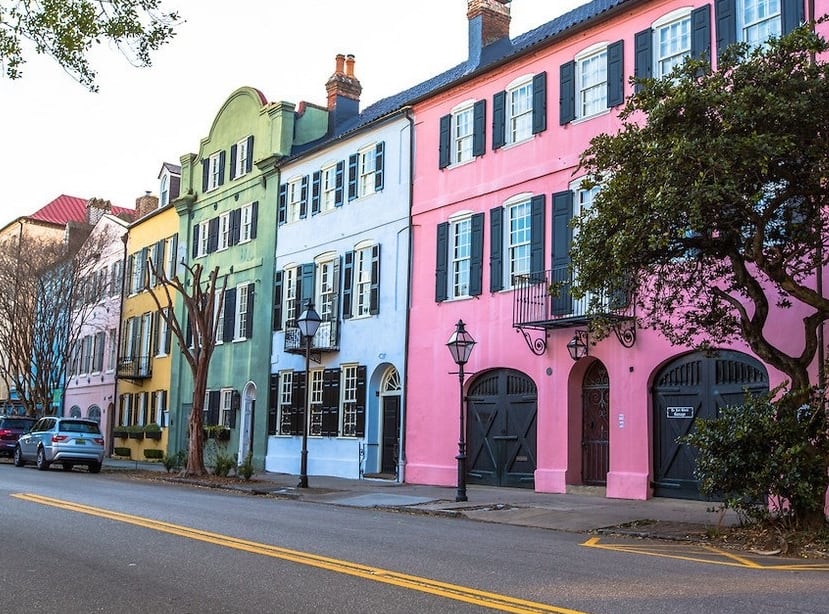
Rainbow Row—where Charleston’s charm meets color, history, and picture-perfect vibes
Start the morning at Rainbow Row, where brightly painted historic homes tell stories of the city’s seafaring past. (Legend has it, the colors helped drunken sailors find their way!) It’s one of the most photographed spots in Charleston for a reason, picture-perfect and full of charm. Rainbow Row is a Charleston icon, full of charm, color, and photo ops. It’s the perfect way to start your final day in the city.
Pro tip: Visit early in the morning when the light is soft and the crowds are minimal. You’ll get beautiful pictures and a peaceful walk along East Bay Street.
Next, head to the brand-new International African American Museum, located on the former Gadsden’s Wharf , the exact port where thousands of enslaved Africans were brought into this country. This museum is incredible. I stood on that ground and felt chills. It’s modern, beautiful, interactive, and soul-stirring. After your visit, walk outside to the waterside memorials, a solemn and unforgettable way to close your trip. It’s a must-visit. This museum honors the voices and experiences that shaped Charleston—and the nation.
Pro tip: Take your time. Plan for at least 90 minutes inside and don’t miss the outdoor Remembrance Garden by the water—it’s quiet, reflective, and unforgettable.
End your day at the Charleston Market, where local artisans, food vendors, and cultural treasures give you one last taste of Lowcountry life. Wander through this historic four-block market filled with local vendors, artisans, and sweetgrass basket weavers. It’s a vibrant slice of Charleston life. The market is the heartbeat of the city, colorful, cultural, and full of local flavor.
Pro tip: Bring cash for small purchases and take the time to chat with the artisans, especially the women weaving sweetgrass baskets. Their craft is centuries old and deeply rooted in Gullah tradition.
Have dinner at The Peninsula Grill. End your Charleston journey with a classic fine dining experience at The Peninsula Grill. Tucked behind a courtyard garden, it’s romantic, elegant, and home to the legendary 12-layer Ultimate Cake. This spot is refined Southern luxury—the perfect ending to a day of reflection, beauty, and history.
Pro tip: Make a reservation in advance and save room for dessert—the cake is famous for a reason.
Need to know
Charleston is walkable but hot and humid in the summer. Bring comfortable shoes, stay hydrated, and pack light, breathable clothing. If you’re planning to visit plantations or historic homes, be mindful that many share difficult but important histories related to slavery. I recommend guided tours that center Black history and offer deeper context—they’re powerful and necessary.
Consider booking a carriage ride or historic walking tour early in your visit to get your bearings and learn about the city’s layered past from a local perspective. Many guides are storytellers at heart—don’t be afraid to ask them questions.
Dining reservations book up fast, especially during peak season (spring and fall are beautiful!), so I recommend making your key dinner reservations at least a week in advance.
Lastly, don’t rush it. Charleston is a city best enjoyed slowly—wandering through cobblestone alleys, stopping at local shops, and letting the city’s rhythm set your pace.


Travel Advisor
In Hines Sight


Latonya Hines

Get in touch with In Hines Sight
Did you like this guide? Reach out to customize and book your own experience. Or, just to chat about travel in general.
For more inspiration and insider recommendations, visit our Charleston page.