



Curator’s statement
Japan is one of those destinations that completely rewires how you think about travel. It's a country where thousand-year-old temples sit next to neon-lit convenience stores, where you can have the best meal of your life at a tiny counter with no English menu, and where every detail from train schedules to toilet technology is designed to work perfectly. This 10-day journey takes you from Tokyo's organized chaos to Kanazawa's hidden charms, giving first-timers the essential Japan experience while sneaking in some places most tourists miss entirely.
The Fora Difference
Book with SIBARI Travel Specialist to access exclusive perks and experiences on your trip.

Killer perks
Free upgrades, spa credits and more—we got you

Personalized recs
Customized travel planning for your style

Insider knowledge
Expert advice from people who’ve actually been there
Where to stay
Unlock perks by contacting SIBARI Travel Specialist to book your trip.
Day 1: Tokyo arrival
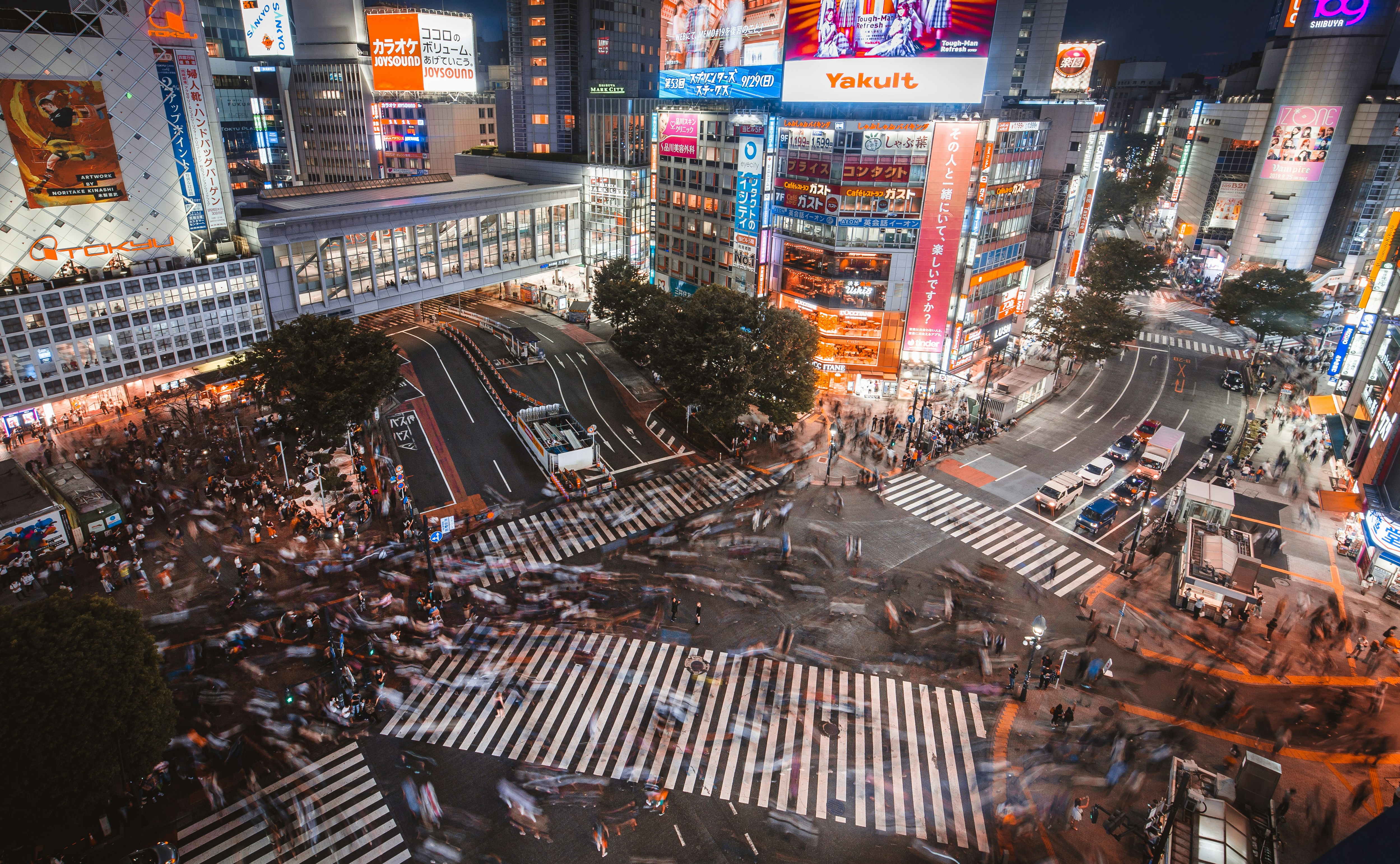
Land in Tokyo and ease into the beautiful madness that is Japan's capital. Start with Shibuya Crossing—yes it's touristy, but there's a reason it's iconic—then head to Memory Lane (Omoide Yokocho) for your first real ramen experience. The tiny stalls, barely fitting six people, serve bowls that will probably ruin every other ramen you've ever had. End the evening wandering through Shinjuku's neon maze, where every convenience store feels like stepping into the future. Don't overthink the first day, just let Tokyo wash over you.
Day 2: Tokyo deep dive
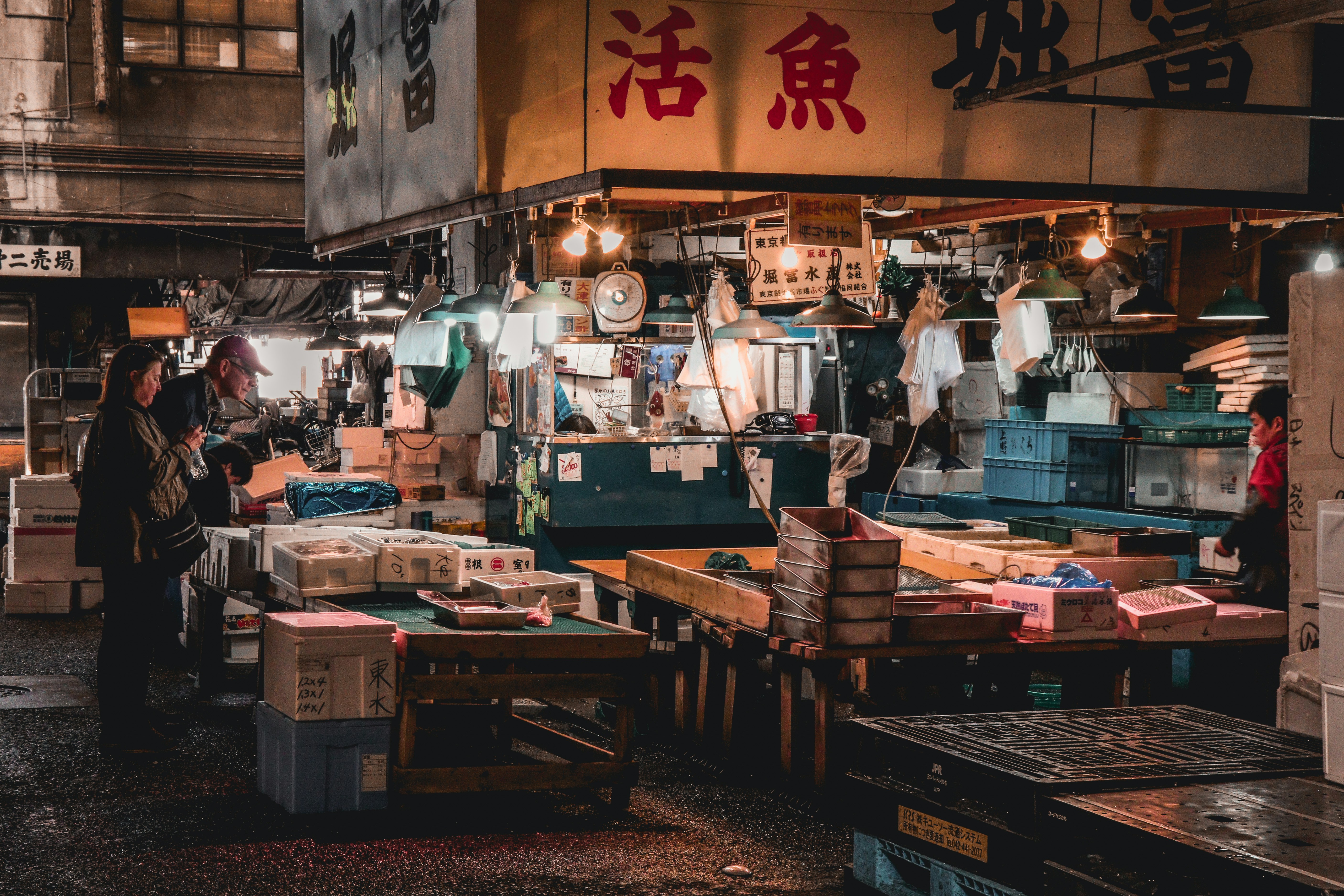
Wake up early for Tsukiji Outer Market, where the real magic happens after the famous tuna auctions. The sushi breakfast at Daiwa or Joyato will spoil you forever with fish so fresh it tastes like the ocean. Spend the afternoon at Senso-ji Temple in Asakusa, Tokyo's oldest temple, where you can buy traditional snacks and souvenirs along Nakamise Street. The contrast between ancient incense and modern skyscrapers perfectly captures what makes Tokyo special. End the day in Ginza for department store food halls that feel like edible museums.
Day 3: Modern meets traditional
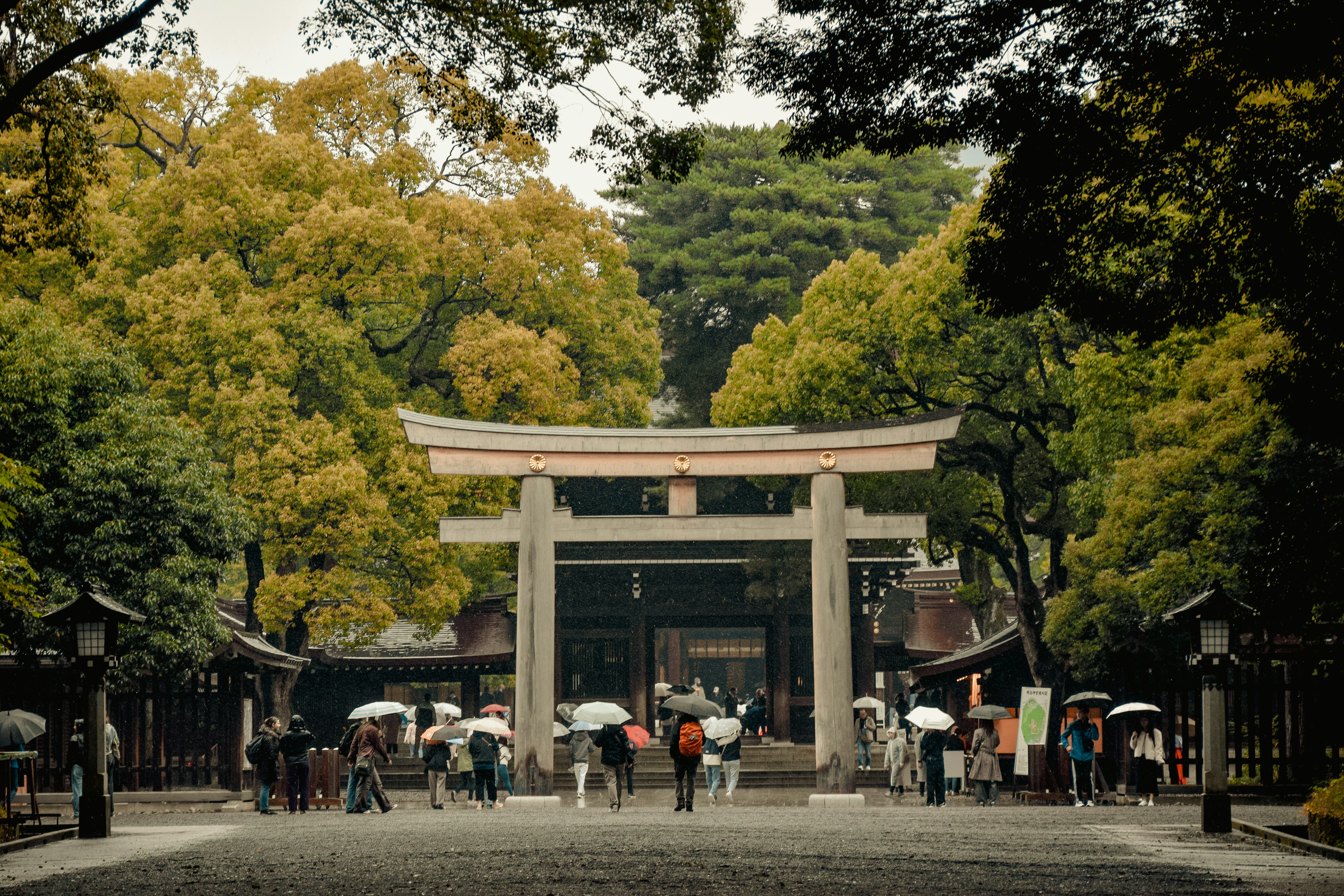
Dive deeper into Tokyo's personality with Harajuku's organized chaos, where teenagers dress like anime characters and vintage shops sell treasures you won't find anywhere else. Balance the sensory overload with peaceful Meiji Shrine, where locals come to pray and escape the city buzz. The walk through the forest to reach the shrine feels like traveling between worlds. Finish with a yakitori crawl through Golden Gai, Shinjuku's famous alley of tiny bars where each spot fits maybe five people and the mama-san treats you like family.
Day 4: Nikko day trip
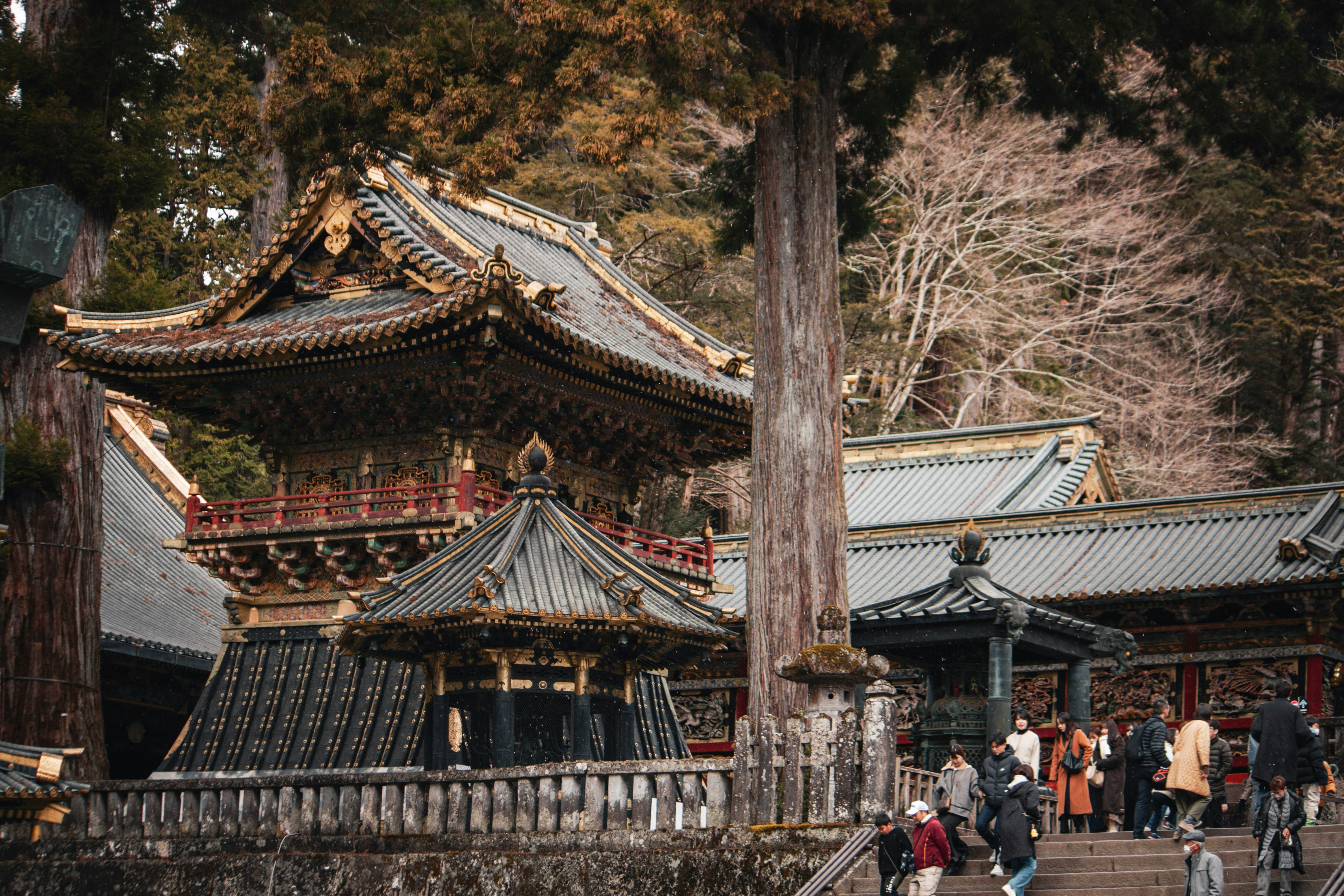
Nikko is just two hours from Tokyo but feels like a different century. The UNESCO World Heritage shrines are stunning, but the real reward is Toshogu Shrine's incredible detail work, where every surface tells a story. The autumn colors (if you're lucky with timing) or snow-covered temples create some of the most photogenic moments in Japan. Pack a bento from Tokyo Station for the train ride and enjoy watching rural Japan roll past your window.
Day 5: Kanazawa, the hidden gem
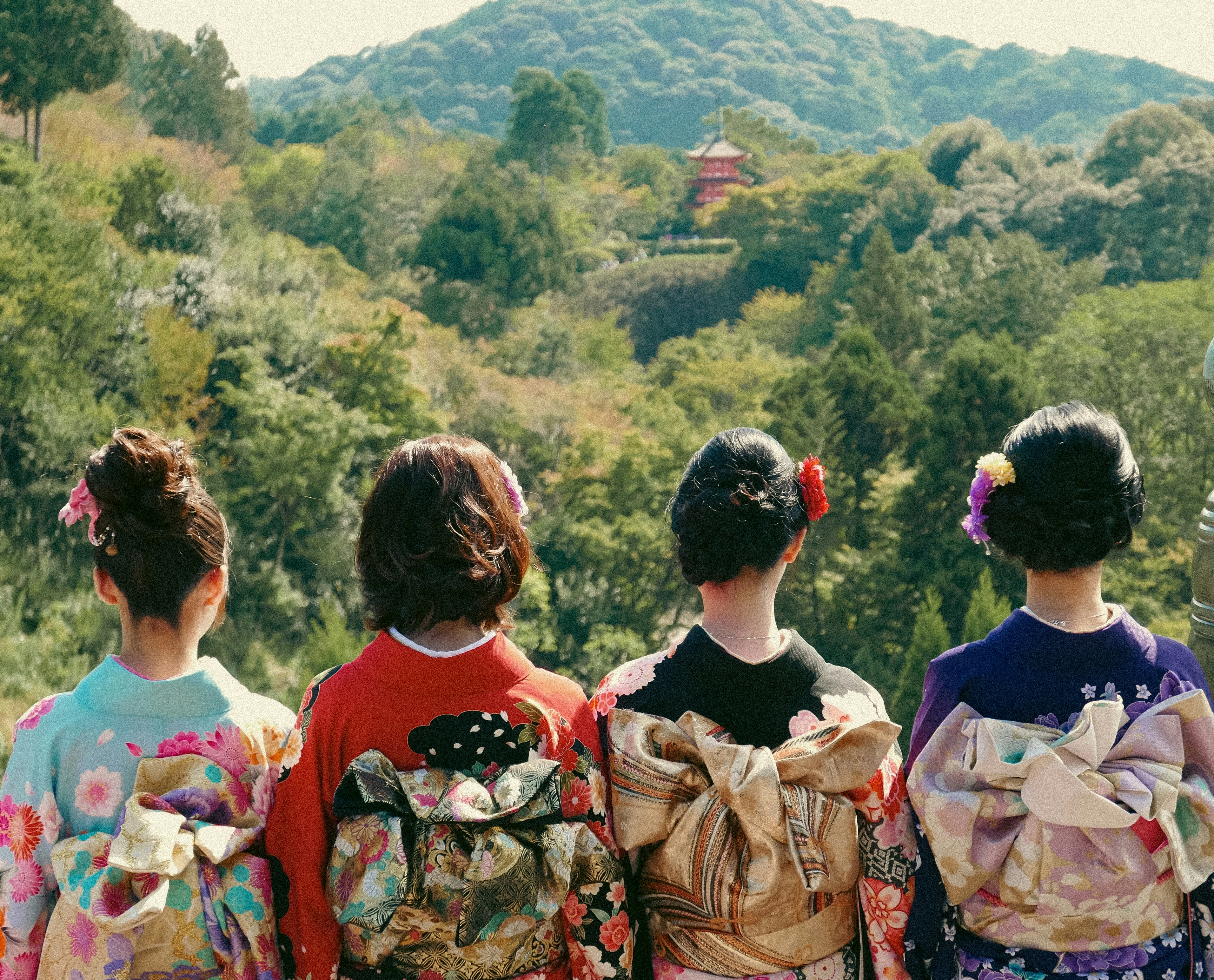
Take the shinkansen to Kanazawa, Japan's best-kept secret that most first-timers skip completely. The 2.5-hour train ride through mountain landscapes is half the experience. Arrive and head straight to Omicho Market for the freshest seafood in Japan, where local fishermen bring their catch daily. The kaisendon (seafood bowl) here makes Tokyo's look amateur. Spend the evening wandering Higashiyama District, where geisha houses line quiet streets and you can actually hear your footsteps on the wooden walkways. This is traditional Japan without the Kyoto crowds.
Day 6: Gardens & gold
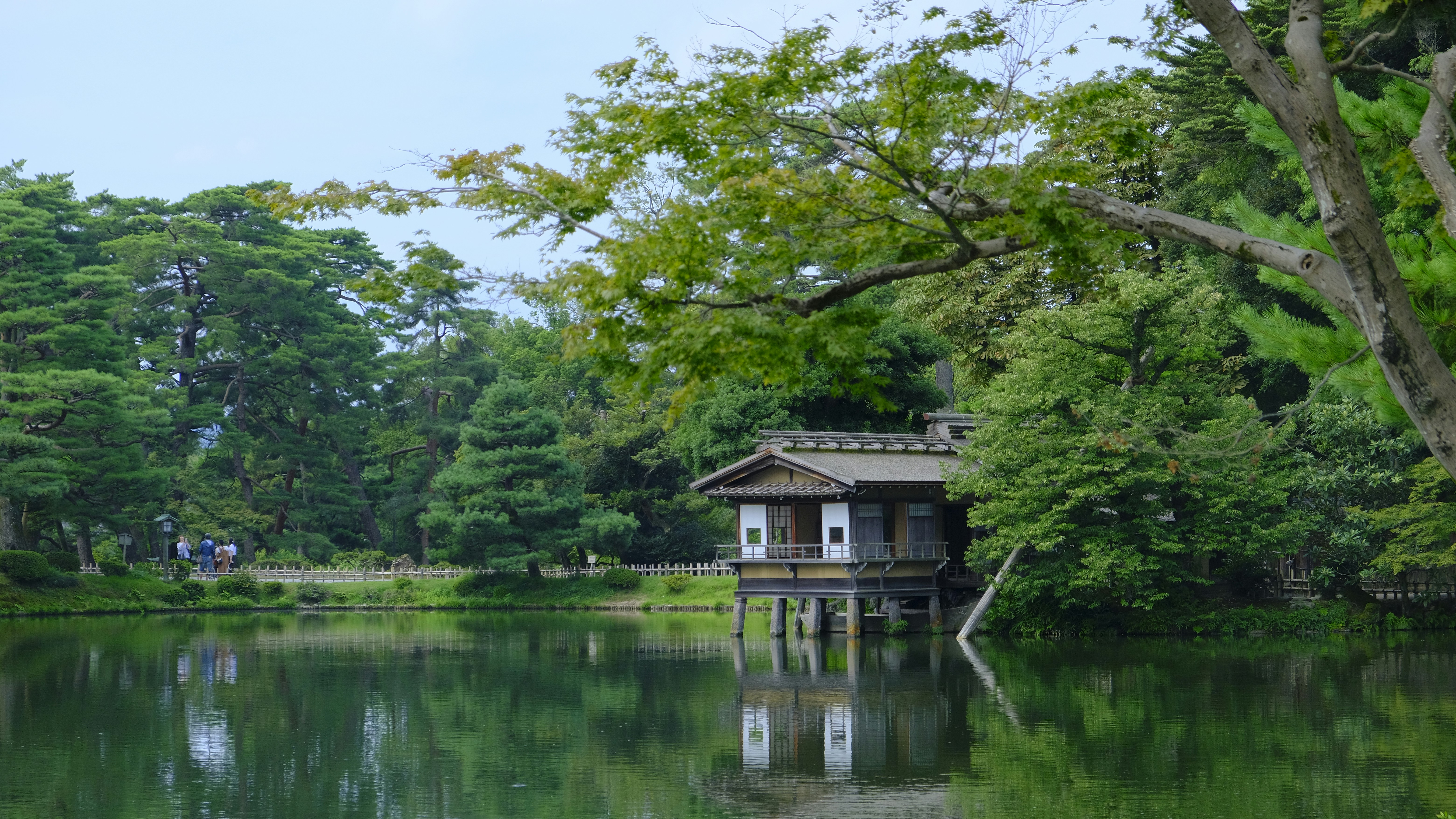
Start early at Kenroku-en Garden, one of Japan's three most beautiful gardens and honestly the most peaceful. The morning light through the trees and perfectly placed stones will make you understand Japanese aesthetics instantly. Spend the afternoon learning about gold leaf production, since Kanazawa creates 99 percent of Japan's decorative gold. Try decorating your own chopsticks or small box at Hakuza workshop. End with dinner featuring Kanazawa's signature jibuni duck stew, paired with local sake that rarely makes it outside the region.
Day 7: Kyoto arrival
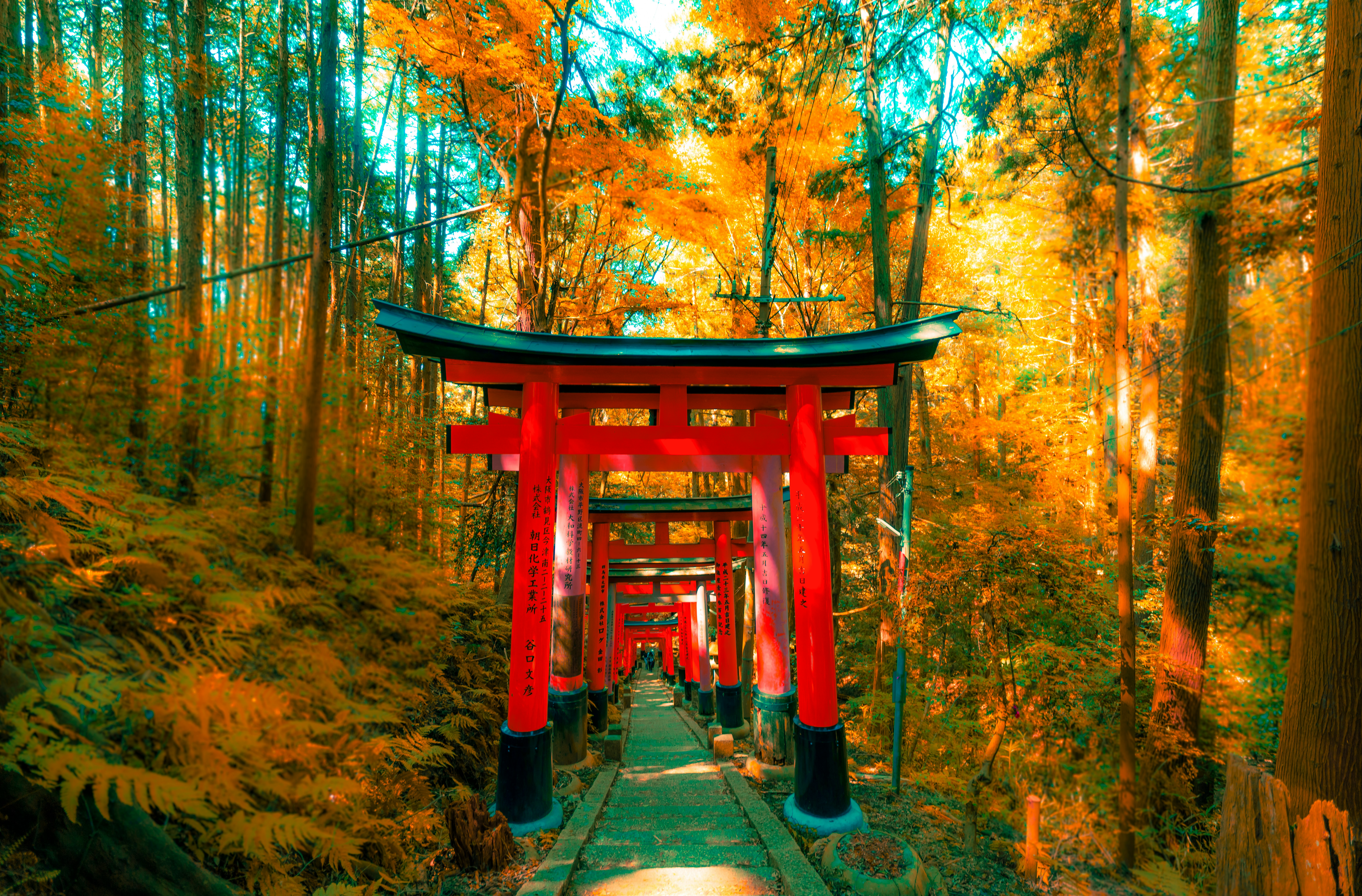
Travel to Kyoto and immediately understand why this was Japan's capital for over 1,000 years. Start with Fushimi Inari at sunrise to have those famous orange torii gates mostly to yourself. The hike to the top takes about two hours, but every turn reveals new shrine areas and mountain views. Spend the afternoon in Gion, where you might spot real geishas heading to appointments. Unlike Kanazawa's quiet charm, Gion buzzes with energy and tradition mixed together. End with kaiseki dinner that turns eating into performance art.
Day 8: Bamboo & rivers
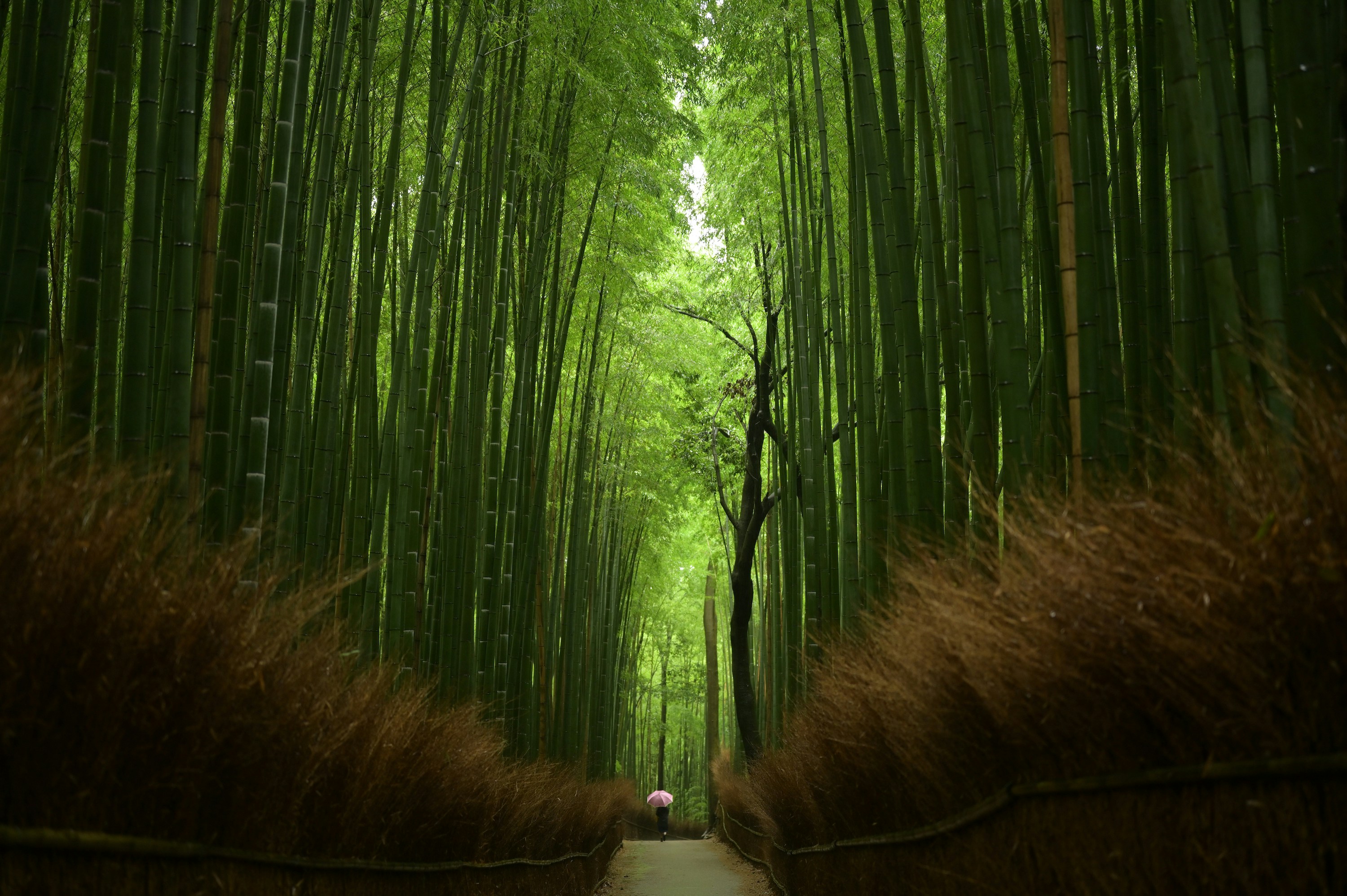
Explore Arashiyama's famous bamboo forest early in the morning when light filters through the green canopy, creating an almost mystical atmosphere. The walk feels like stepping into a fairy tale, especially when wind makes the bamboo sing softly overhead. Visit Tenryu-ji Temple with its perfectly designed garden that changes completely with each season. Take the scenic train back through mountain valleys, then spend the evening in Pontocho Alley, a narrow street lined with traditional restaurants overlooking the Kamogawa River. The intimate dining spots here serve some of Kyoto's most authentic cuisine.
Day 9: Osaka, Japan's kitchen
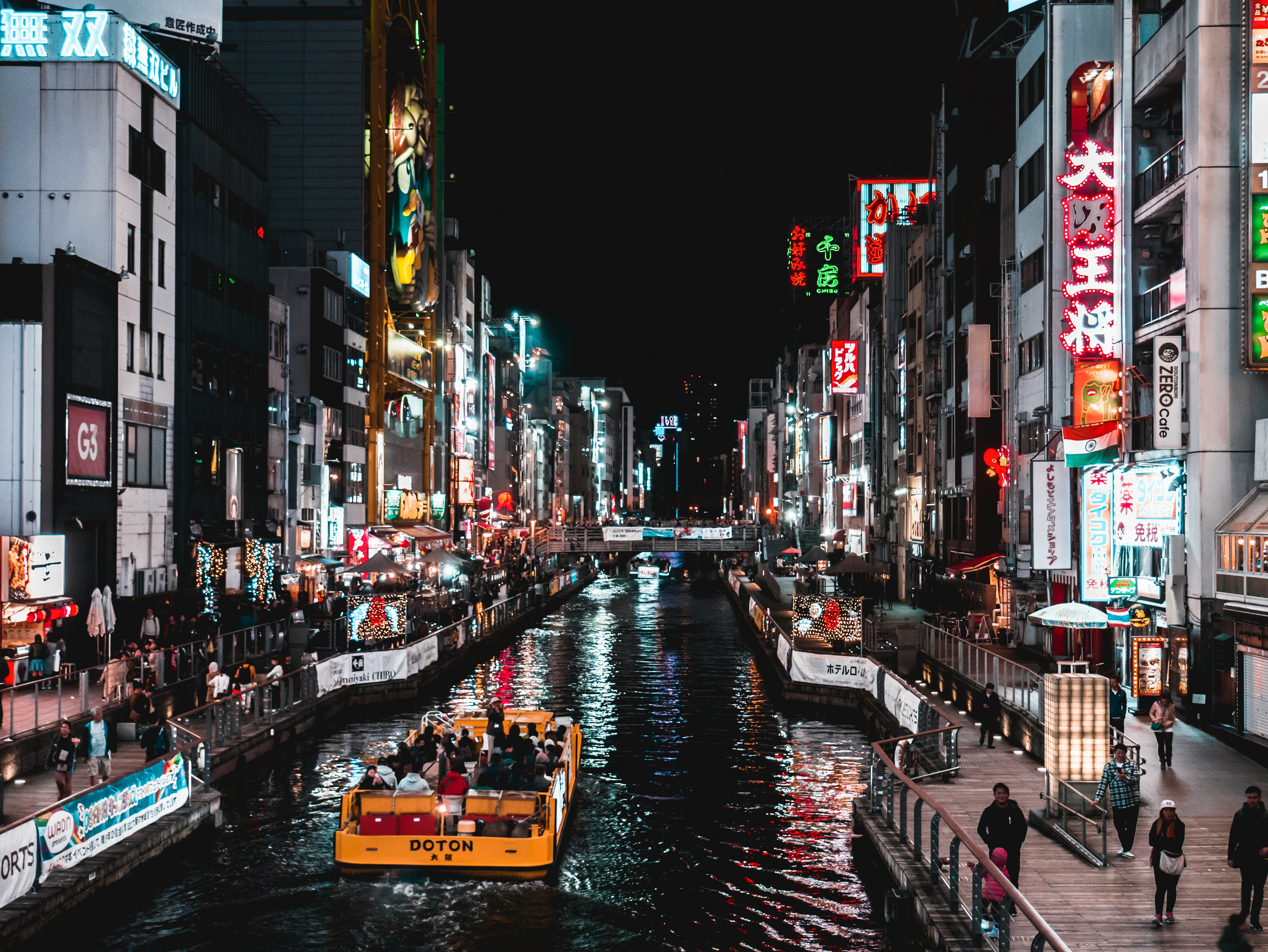
Travel to Osaka, Japan's kitchen, where the food scene operates on a completely different level than anywhere else in the country. Start with Dotonbori's neon chaos and street food that locals line up for daily. Try takoyaki from multiple vendors, because each family recipe tastes different, and okonomiyaki that somehow makes cabbage pancakes seem like fine dining. Visit Osaka Castle for history, but honestly, you're here for the food. End the night in Shinsekai district, where kushikatsu (fried skewers) restaurants have been family-run for generations.
Day 10: Final moments
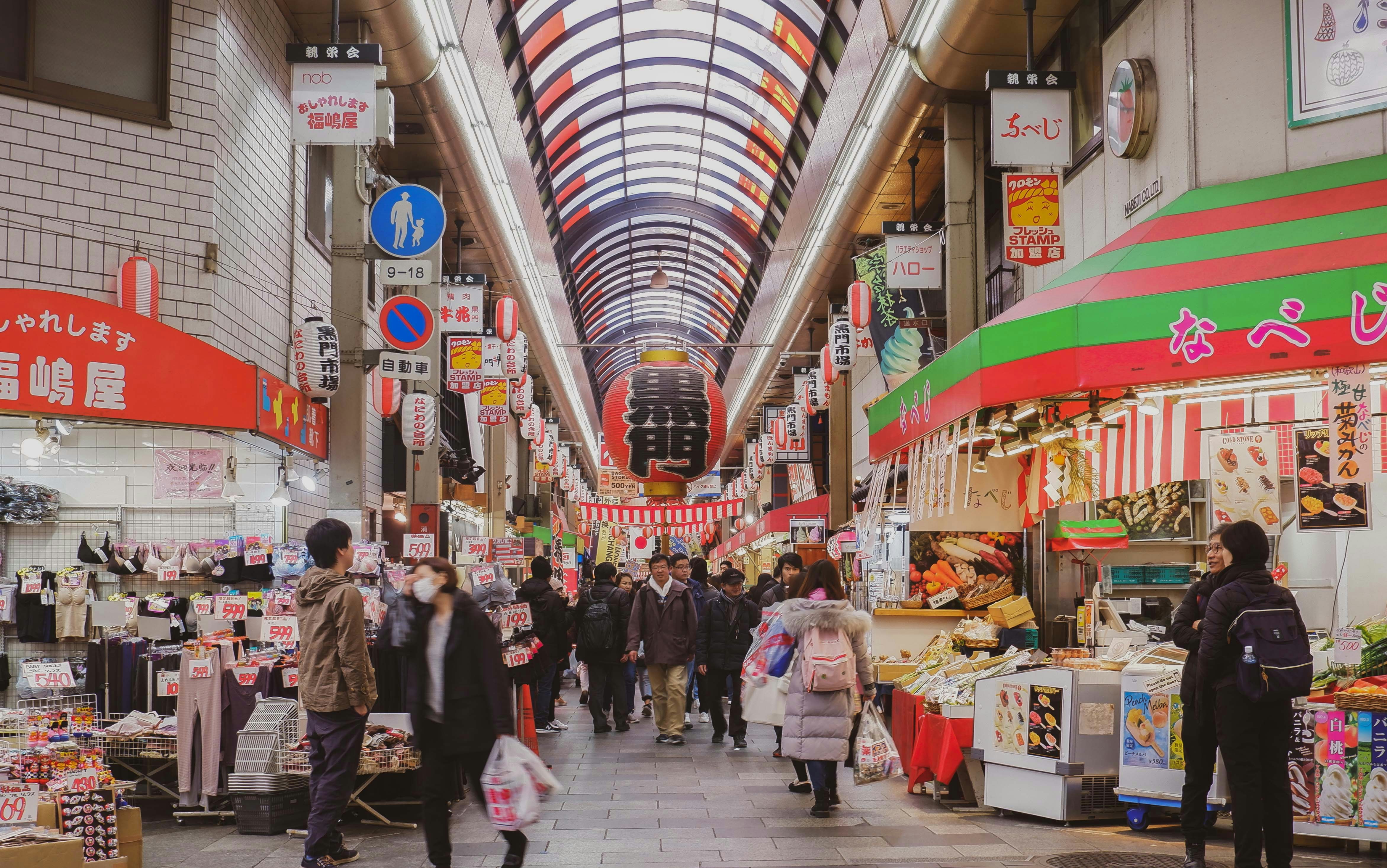
Your final morning in Japan should be spent at Kuromon Ichiba Market, where Osaka locals shop for the freshest ingredients. Grab coffee and pastries that somehow manage to be both perfectly Japanese and oddly French. If you have time before your flight, take a final walk through Sumiyoshi Taisha, one of Japan's oldest shrines, where you can reflect on 10 days that probably changed how you see the world. The short train ride to Kansai Airport gives you one last look at Japanese efficiency in action.
Need to know
Download Google Translate with camera function for menus. Cash is still king in Japan, so hit ATMs at 7-Eleven stores. Don't tip anyone, ever. Bow slightly when greeting people. Remove shoes when entering homes, some restaurants, and all temples. The toilets are intimidating but amazing once you figure them out. Most importantly, don't try to see everything. Japan rewards slow travelers who take time to notice the incredible attention to detail in everything from train announcements to how your hotel towels are folded.


Travel Advisor
SIBARI Travel Specialist

Martin Eduardo Flores Ramirez

Get in touch with SIBARI Travel Specialist
Did you like this guide? Reach out to customize and book your own experience. Or, just to chat about travel in general.
For more inspiration and insider recommendations, visit our Japan page.