




Curator’s statement
Amsterdam is a city that naturally supports a slower, more grounded way of traveling. Its flat streets, human scale, and ever-present water invite you to walk, pause, and observe rather than rush from one highlight to the next. I created this guide for travelers who want to experience Amsterdam with clarity and ease. Each recommendation is chosen for how it supports calm movement, thoughtful nourishment, and moments of quiet restoration throughout the day. Instead of overplanning, the emphasis is on rhythm—gentle mornings, spacious afternoons, and evenings that feel intentional rather than full. This guide is less about seeing everything and more about feeling oriented and present in the city. When you travel this way, Amsterdam reveals itself slowly, generously, and with surprising depth.
The Fora Difference
Book with Michael Huffman to access exclusive perks and experiences on your trip.

Killer perks
Free upgrades, spa credits and more—we got you

Personalized recs
Customized travel planning for your style

Insider knowledge
Expert advice from people who’ve actually been there
Where to stay in Amsterdam
Unlock perks by contacting Michael Huffman to book your trip.
Things to do in Amsterdam
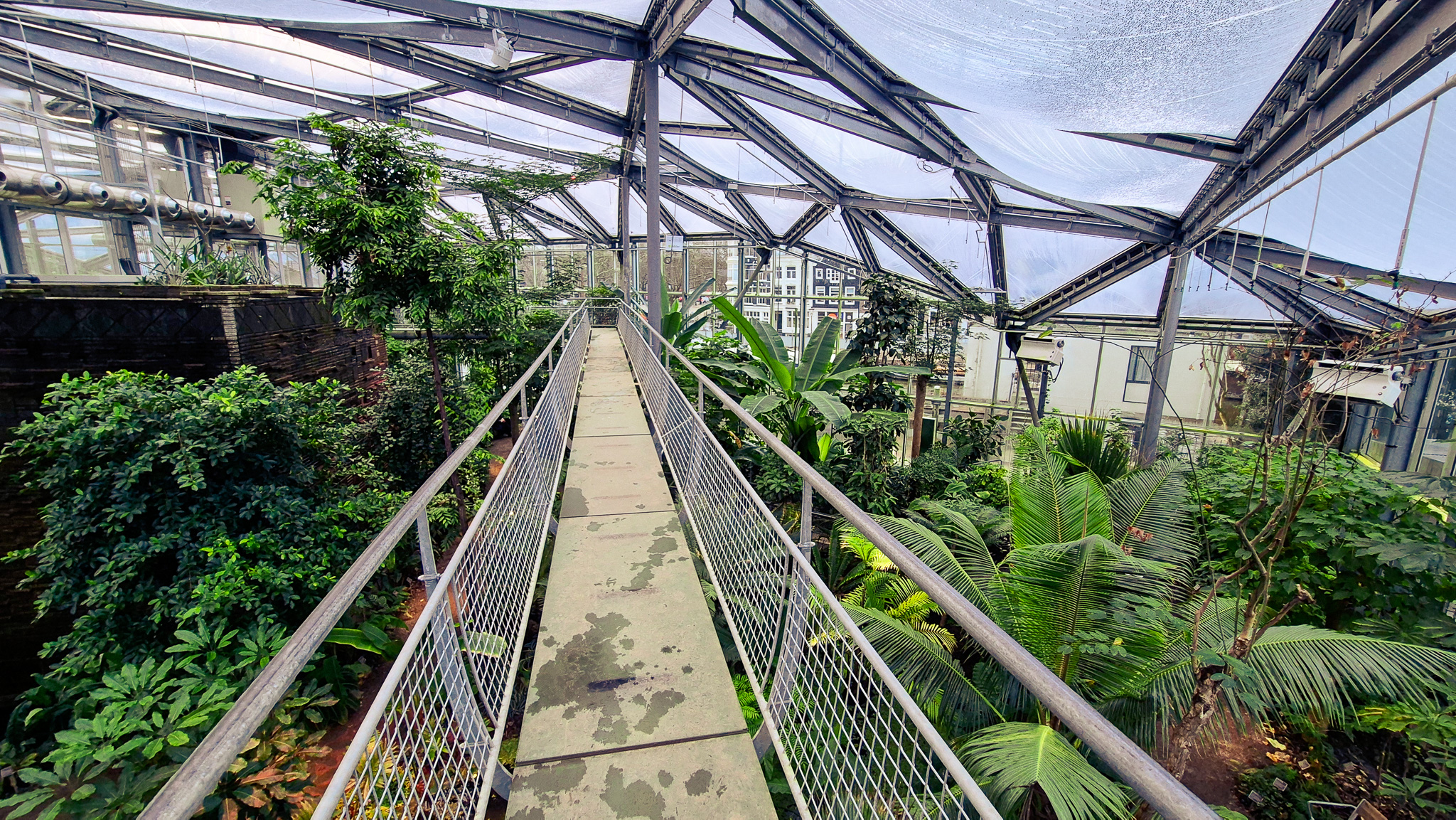
Bird’s-eye view of the tropical house at Hortus Botanicus
Restore
Nervous-system regulation, not spa tourism.
Amsterdam offers deeply restorative experiences when you prioritize spaces designed for stillness, precision, and care rather than spectacle. The following selections focus on regulation, quiet design, and practices that support both physical recovery and emotional grounding while traveling.
Wellness classes
Svaha Yoga (Jordaan): One of the oldest yoga studios in Amsterdam, known for small, intimate classes that often integrate philosophy, mantra, and meditation. Arrive early, as class sizes are intentionally limited to preserve a calm, focused atmosphere.
De Nieuwe Yogaschool: A modern, spacious yoga center (my favorite) with high ceilings, excellent props, and carefully spaced mats that immediately create a sense of ease with globally-trained, English-speaking teachers. The facility also includes saunas, showers, and a nourishing restaurant, making it an ideal half-day wellness anchor.
De Roos: A holistic center discovered near Vondelpark, offering yoga, Pilates (both mat and reformer), and tranquil café spaces for coffee or lunch. The on-site bookstore features crystals, sound bowls, and spiritual objects, with saunas and ice baths planned for the near future.
Organic skincare & modern apothecaries
Essence Spa: A refined, sensory-focused spa offering organic facial treatments in a luxurious yet calming environment. The Prinsengracht location (Andaz Hotel) includes sauna access for spa or hotel guests, while the Sarphatistraat location (Hyatt Regency) offers both a sauna and steam room.
Real Skin Care: A thoughtfully curated skincare boutique featuring high-quality, health-forward brands such as Amly and Chatelier. Conveniently located across from De Nieuwe Yogaschool, it’s an easy stop before or after a wellness class.
When Nature Calls (Smartshop & Apothecary): Part modern apothecary, part research-driven wellness shop, this long-established store offers a wide range of holistic products for skin, mood, and wellbeing. Knowledgeable staff provide thoughtful context on research, history, and use, making it worth visiting even if you choose not to purchase.
Spas, saunas & water rituals
Koan Float: A dedicated float therapy center offering sensory-deprivation tanks alongside massage treatments. Floating here is especially effective for nervous-system reset after travel or several days of walking the city.
Sauna Deco: A beautifully preserved Art Deco sauna with a timeless, unhurried atmosphere. Visit on a weekday midday, when the space feels contemplative and restorative rather than social.
Massage & alternative healing
When Nature Calls Biohacking Center: A modern wellness space blending science-forward therapies with ceremonial and somatic practices. Consider red-light gut therapy, yin yoga, Reiki, or a gentle vinyasa class following one of their thoughtfully guided cacao ceremonies.
De Eland Wellness House: A respected center specializing in Traditional Chinese Medicine and therapeutic massage. Treatments are delivered with precision, presence, and care, making this an excellent choice for travelers seeking grounded, results-oriented bodywork.
SOSOUL Inner Sanctuary: An intimate sanctuary offering sound baths and cacao ceremonies in small-group settings. Sessions here are well suited to travelers seeking emotional regulation, introspection, and deep rest rather than stimulation.
Nature
Horizontal, watery, regulating.
Amsterdam’s relationship with nature is subtle and grounding rather than dramatic. Water, flat paths, and open landscapes create a sense of steadiness that supports long walks, quiet observation, and nervous-system regulation.
Parks & gardens
Westerpark: A spacious park with long paths, open lawns, and fewer ornamental distractions than Vondelpark. It’s particularly well suited for unhurried walks, solo time on benches, and observing everyday local life without feeling overstimulated.
Hortus Botanicus: One of the most restorative green spaces in the city, featuring multiple greenhouses with distinct climates and moods alongside outdoor gardens. With over 4,000 plant species, ample benches, and quiet corners, this is an ideal place to slow down and recalibrate. In blustery January, this was where I got my nature fix, encompassing indoor and outdoor experiences.
Water paths
Herengracht & Keizersgracht (early morning): These central canals are best experienced early in the day, when reflections on the water and minimal foot traffic create a meditative atmosphere. Walking here before the city fully wakes up offers a calm, contemplative start to the day.
Amstel River Path: A long, flat walking route that follows the river away from the city center. The steady rhythm of water and open views make this path especially suitable for reflective walks or gentle movement without interruption.
Forests & day nature
Amsterdamse Bos: A large forested area offering true forest-bathing potential just outside the city. Ideal when you need deeper immersion in nature, with long trails, quiet clearings, and a noticeable shift in sensory input.
Nationaal Park Zuid-Kennemerland: Located about an hour by train from Amsterdam Centraal (via Haarlem), this national park offers dunes, open skies, and expansive walking paths. The landscape feels spacious and silent, making it well worth the journey for a full reset.
Regenerative landscapes
Fruittuin van West: An organic orchard and community space where visitors can walk among fruit trees and enjoy simple food at the on-site café. It’s an easy, grounding way to experience local agriculture and seasonal rhythms.
De Ceuvel: One of the most innovative and sustainable urban developments in Europe, built around permaculture and circular design principles. Visit on a weekday morning to experience its calm atmosphere and thoughtful integration of nature, architecture, and community.
Sacred
Quiet awe, not spectacle.
Sacred spaces in Amsterdam tend to be understated and deeply human in scale. These are places chosen for stillness, presence, and emotional resonance rather than grandeur or crowds.
Churches & spiritual spaces
De Krijtberg Church: An intimate Catholic church open during the day, offering a peaceful interior for quiet sitting. Its scale and atmosphere encourage reflection rather than sightseeing.
Begijnhof Chapel: Tucked within the Begijnhof courtyard, this enclosed chapel feels removed from the surrounding city. The silence and simplicity of the space make it one of Amsterdam’s most quietly powerful places.
English Reformed Church (Begijnhof): Often overlooked by visitors, this church offers a calm and contemplative environment within the Begijnhof complex. It’s a good alternative if other spaces feel crowded.
Meditation
Zen.nl Amsterdam: An authentic Zen meditation center offering traditional practices rooted in mindfulness and simplicity. Sessions here are well suited to travelers seeking structure and depth rather than novelty.
Museums as sacred space
Rijksmuseum (first hour only): Visiting early allows the galleries to function as a form of walking meditation. Move slowly, focus on one or two rooms, and leave before the crowds arrive.
Van Gogh Museum (late slots): Best experienced during late time slots, when the emotional intensity of the work can be absorbed without rush. Choose a short visit rather than attempting to see everything.
Museum Our Lord in the Attic: A small, surprising museum housed within a historic canal home, centered around a hidden church. The scale and reverence of the space make it feel more devotional than institutional.
Personal ritual spaces
Hortus Botanicus Benches: Quiet seating areas within the gardens offer ideal spots for reading, journaling, or simple observation.
Begijnhof Courtyard: A rare pocket of silence in the city center, well suited for a brief pause or contemplative walk.
Canal-side steps (quiet streets only): Select low-traffic canals where steps meet the water, and sit for a few minutes to observe reflections and passing boats. These informal moments often become the most memorable.
Move
Gentle motion, no adrenaline.
Amsterdam is one of Europe’s easiest cities to move through when you prioritize flat routes, water-adjacent paths, and intentional pauses. Movement here is about regulation and orientation, not efficiency or speed.
Walking routes
Hortus Botanicus → Oosterpark → Park Frankendael → Flevopark
A long, flat walking route linking several of Amsterdam’s green spaces, ideal for travelers who enjoy steady, unhurried movement. Park Frankendael is known for its rare crane nesting sites, while the transition between parks offers variety without visual overload. This route is best enjoyed in sections rather than all at once.
Cycling (optional)
Amsterdam Noord paths: Wider, calmer bike paths make this area more approachable for visitors who are not regular cyclists. It’s a good option if you want to experience cycling without navigating dense city traffic.
Flagship Bike Tours: A structured way to explore the city by bike with clear routes and pacing. Choose tours that emphasize smaller groups and quieter neighborhoods rather than highlights-only itineraries.
King Bikes: Offers both traditional and electric bike rentals for self-guided exploration. Electric bikes are especially useful if you want to conserve energy while covering longer distances.
Yoga & mindful movement
For yoga studios and mindful movement options, see the Wellness Classes section above. Amsterdam’s yoga scene supports slower, alignment-based practices that integrate well into a gentle daily rhythm.
City trekking: Limit exploration to one neighborhood per day to avoid overstimulation. Always plan intentional pauses at cafés, parks, or benches to allow the nervous system to reset between activities.
Nourish
Ritual eating, not food tourism.
Nourishment in Amsterdam is best approached as a daily ritual rather than a checklist of must-eat spots. Markets, bakeries, and small producers offer moments of connection, simplicity, and real food that support steady energy throughout the day.
Markets & ingredients
Noordermarkt (Organic Saturdays): One of the most atmospheric markets in Amsterdam, where locals gather around shared picnic tables to eat simple, homemade food and shop for the week ahead. Alongside exceptional organic produce, you’ll find artisanal cheeses, breads, gluten-free baked goods, and seasonal flowers, making it an ideal place to slow down and observe everyday life.
Albert Cuyp Market: Best visited early in the morning and selectively, before the crowds arrive. Focus on a few ingredient stalls or fresh snacks rather than trying to see the entire market at once.
Delicious Food (Organic Cooperative): A small, community-run organic cooperative discovered by chance, known more through word of mouth than online listings. The selection of baked goods and vegetables feels personal and carefully sourced; the warm apricot-date bar is a quiet standout for me.
Ekoplaza Foodmarqt: A reliable organic grocery store with a wide, thoughtfully curated selection. This is an easy stop for picnic supplies, snacks, or breakfast items to keep in your hotel room.
Chenin Chenin | Natural Wine Shop: A relaxed natural wine shop where locals often gather for casual tastings on sunny afternoons. Even if you don’t linger, it’s worth stopping by to experience Amsterdam’s understated wine culture.
Cooking & food experiences
Flagship Waffle Workshop: A hands-on experience focused on process rather than performance. Making waffles, aka the famous stroopwafles, step-by-step offers a grounding, sensory way to engage with Dutch food traditions.
Vegan Sushi Workshop Amsterdam: A small-group cooking class emphasizing intention, technique, and simplicity. The pace is calm and well-suited to travelers who enjoy learning through mindful preparation rather than rushed dining.
Places to eat & drink in Amsterdam
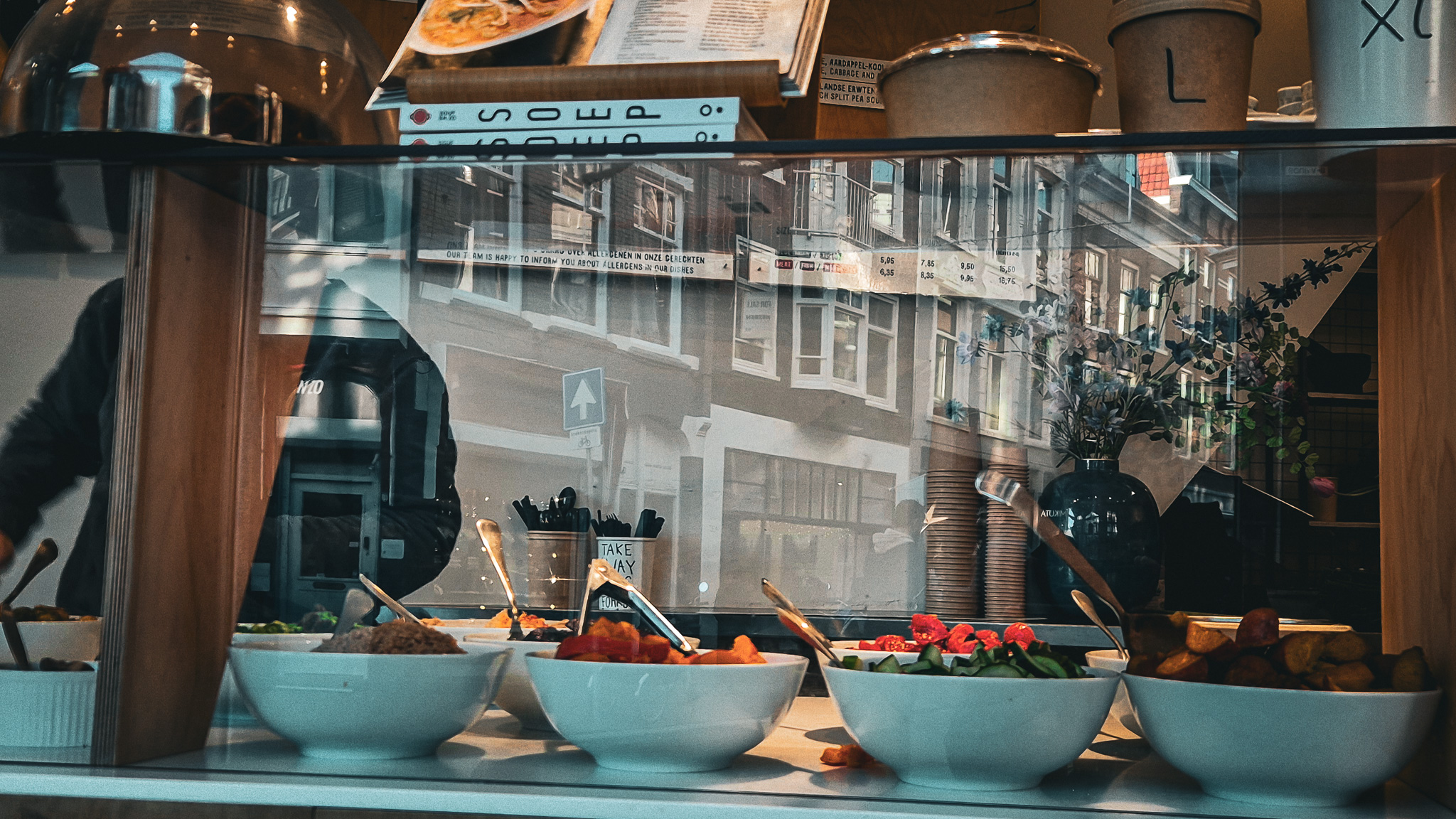
My quinoa bowl at Soupenzo (Spiegel)
Calm cafés and conscious dining
Eating out in Amsterdam can be both nourishing and low-effort when you choose places that value quality ingredients, thoughtful preparation, and unhurried spaces. The following cafés and restaurants are selected for consistency, atmosphere, and how well they integrate into a slow travel rhythm.
Coffee, tea & chocolate
Luuk’s Coffee: A neighborhood favorite known for excellent espresso drinks, matcha, and a calm, unfussy atmosphere. The matcha white chocolate cookie is a standout, though weekend mornings can be busy due to the organic market across the street; weekday visits are more relaxed.
BunBun: An artisan bakehouse specializing in buns made from layered, croissant-style dough, offering both sweet and savory options. Tucked into a tiny space—considered the smallest bakery in Amsterdam—it’s best enjoyed as a quick takeaway or brief pause rather than a sit-down stop.
Screaming Beans: A well-regarded coffee bar known for high-quality beans and careful preparation. It’s a reliable option when you want a well-made coffee without unnecessary fuss.
Badeta Koffiebranders (Van Wou): A specialty roaster offering single-origin beans, including notable Rwandan selections. Keep in mind that in Amsterdam a “regular espresso” is often served as a double shot, which suits those who prefer a stronger coffee.
Bocca Coffee: A spacious café and roastery popular with creatives and remote workers. A marble table by the window is designated for laptop use, making this a good choice if you want to linger with coffee and quiet focus.
Tea’s Delight: A serene tea house run by true tea masters, offering a wide selection of high-quality teas and matcha. The quiet interior and tasting experiences make this an ideal stop for tea lovers seeking depth rather than novelty.
Puccini Bomboni (Stallstraat 17): An iconic chocolate shop offering an extensive range of handcrafted chocolates and a rich hot chocolate served on-site. This is an excellent choice for an afternoon pause or a dessert stop rather than a full café visit.
Slow food, vegan & conscious dining
Hearth: A plant-forward restaurant focused on seasonal ingredients and thoughtful preparation. Dinner-only service and a calm atmosphere make this a strong option for an intentional evening meal.
Dignita (Hoftuin or Vondelpark): Light, nourishing brunch-focused restaurants emphasizing local and organic producers. These social enterprises offer consistent quality in relaxed settings, especially pleasant earlier in the day.
SLA: A modern concept centered on customizable bowls and daily specials. The dishes are generous and well-balanced, and the upstairs seating at the canal-side location offers a calm place to eat without feeling rushed.
SUE: A bakery specializing in gluten-free, refined sugar-free, and vegan treats. Ideal for travelers with dietary restrictions who still want something thoughtfully made.
Soupenzo: A casual, reliable option for soups and build-your-own salads made with fresh ingredients. The Spiegel location is compact, while other locations offer more seating; the rotating soup menu reflects the Dutch fondness for hearty, comforting flavors.
Joe & The Juice: While more casual, it offers convenience and consistency through touchscreen ordering and customizable smoothies. Useful for quick nourishment between activities without needing to plan ahead.
Need to know
Amsterdam is best experienced slowly. Plan one main activity per half-day and allow time for walking, sitting, and quiet observation.
Walking vs. cycling: Walking is often more calming than biking. If you do cycle, avoid rush hours and busy tourist corridors.
Best times of day: Early mornings and late afternoons are the most peaceful. Midday is ideal for museums and wellness treatments.
Weather: Dress in layers and bring a light waterproof jacket year-round. Comfortable walking shoes are essential.
Tipping: Service is included; rounding up is appreciated but not expected.
Transit
Amsterdam’s public transportation system is simple once you understand a few local norms. You tap on and tap off when using trams, buses, and trains with a contactless card or phone.
Trams: On trams, enter through one of the open doors and press the “OPEN” (OOEN) button near the exit when leaving so the doors swing open.
Eurostar tip: If you are traveling with a Eurostar QR code on your phone, you may encounter an issue exiting Amsterdam Centraal—turn off NFC/contactless payment temporarily so the gates read the correct ticket.
This guide is meant to be used intuitively. Choose a few anchors each day—a walk, a meal, a moment of rest—and let the rest unfold.


Travel Advisor
Michael Huffman

Michael Huffman

Get in touch with Michael Huffman
Did you like this guide? Reach out to customize and book your own experience. Or, just to chat about travel in general.
For more inspiration and insider recommendations, visit our Amsterdam page.