



Curator’s statement
Want to plan a trip to Japan but don't know where to start? This guide includes Japan's Golden Route as well as a wellness approach, so that you can travel, enjoy good food, and relax along the way.
The Fora Difference
Book with Victoria Gazzolo to access exclusive perks and experiences on your trip.

Killer perks
Free upgrades, spa credits and more—we got you

Personalized recs
Customized travel planning for your style

Insider knowledge
Expert advice from people who’ve actually been there
Where to stay
Unlock perks by contacting Victoria Gazzolo to book your trip.
Day 1: Arrive in Tokyo
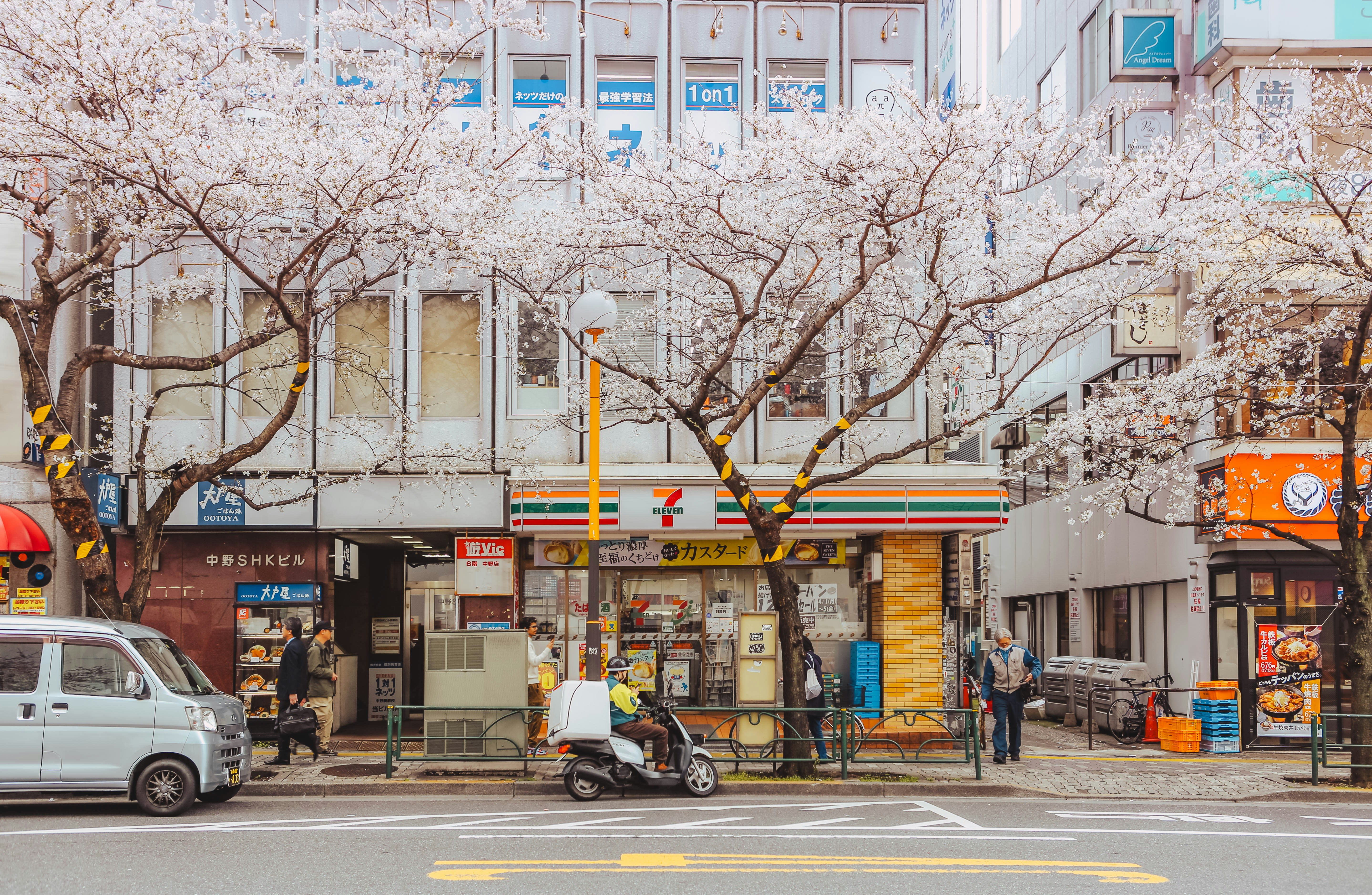
As you may be tired from the flight, your first half day is a light one.
After completing check-in in your hotel, go to Gotokuji Temple where you can ask for good luck, prosperity, and general wellbeing, surrounded by thousands of Manekinekos (or lucky cats).
After that, make your way down to Harajuku for excellent retail therapy (everything from Asian-style to vintage stores and big retailers) and take a well-deserved break at the Kura Flagship store. This conveyor sushi restaurant is preferred by locals and tourists alike, due to the incredible fresh fish and their unbelievable low prices.
Pro tip: Be sure to pre-book your party on their reservations page to avoid long waiting times when going with two people or more.
Now that you've eaten, shop a little and walk around. Finish your day with a night visit to the busiest street: Shibuya Scramble Crossing.
Take in the night lights and sights with a complimentary entrance drink (¥1500 entrance fee) at Mag's Park, located inside Magnet by Shibuya 109 building.
Day 2: Shrines & shopping in Tokyo
Start your day bright and early by visiting Hie Shrine, a temple with red Tori gates known as the Guardian of Tokyo, where people ask for good fortune in business, travel, and even matchmaking.
Pro tip: Be sure to wear bug repellent. The vegetation surrounding the temple has a lot of mosquitos during summer season.
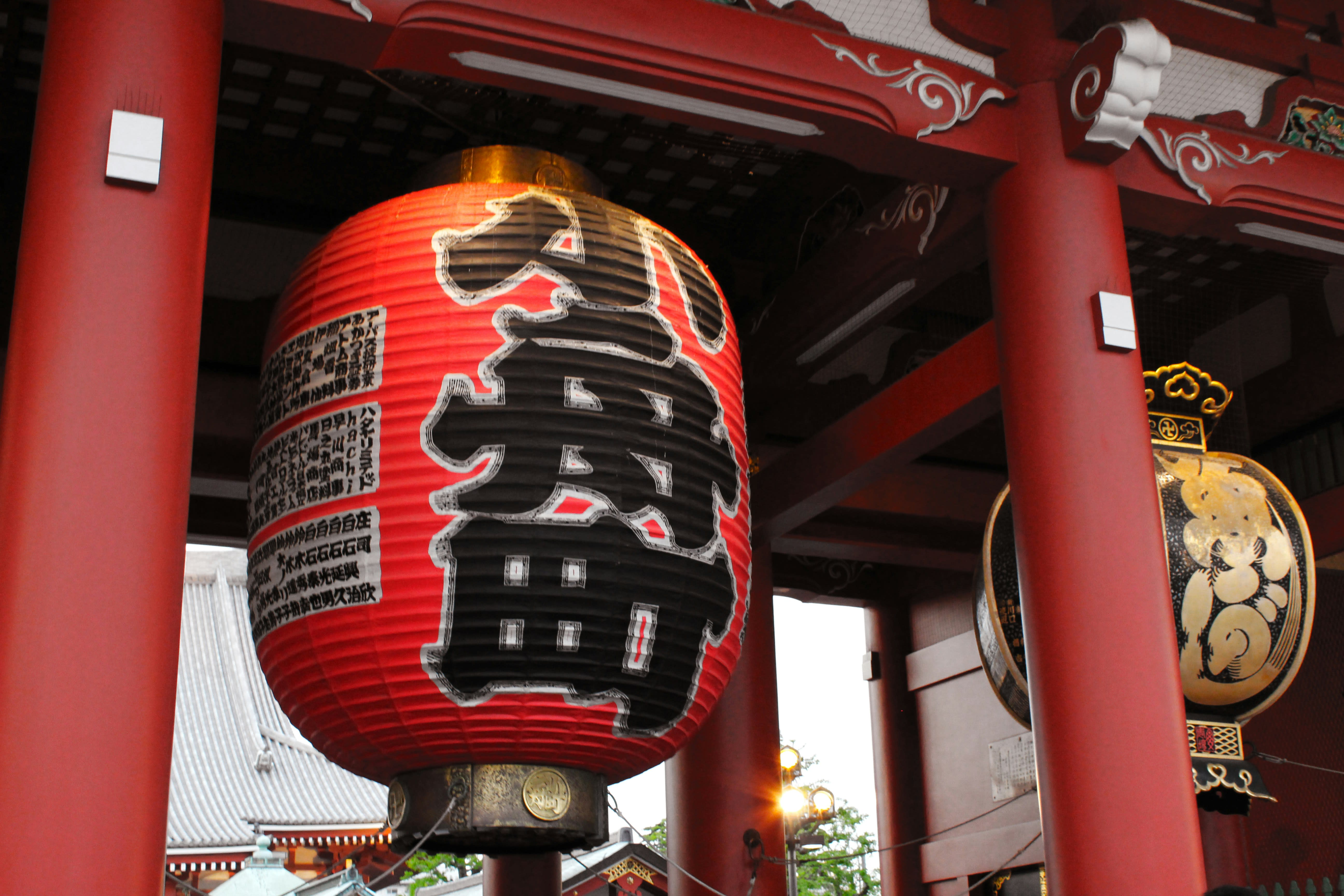
Once you’ve finished, take the metro over to Senso-Ji, Tokyo’s oldest temple, famous for their big paper lanterns at the entrance (known as "Chochin") and the vast variety market that guides you into the temple. Make sure to stop by some of these tiny shops, as you might find some hidden jewels among the typical souvenir offerings.
After sightseeing for a while, make your way to Kuroge Wagyu Ichinoya Asakusa for the greatest A5 Wagyu rice bowls in Tokyo.
To finish your day, make sure to visit Ginza, one of Tokyo's busiest and trendier shopping spots. You won't regret it.
Once you're done shopping, head over to The Tokyo Edition Toranomon hotel lobby for amazing views during the sunset, great finger food, and refreshing cocktails.
Day 3: Explore Tokyo
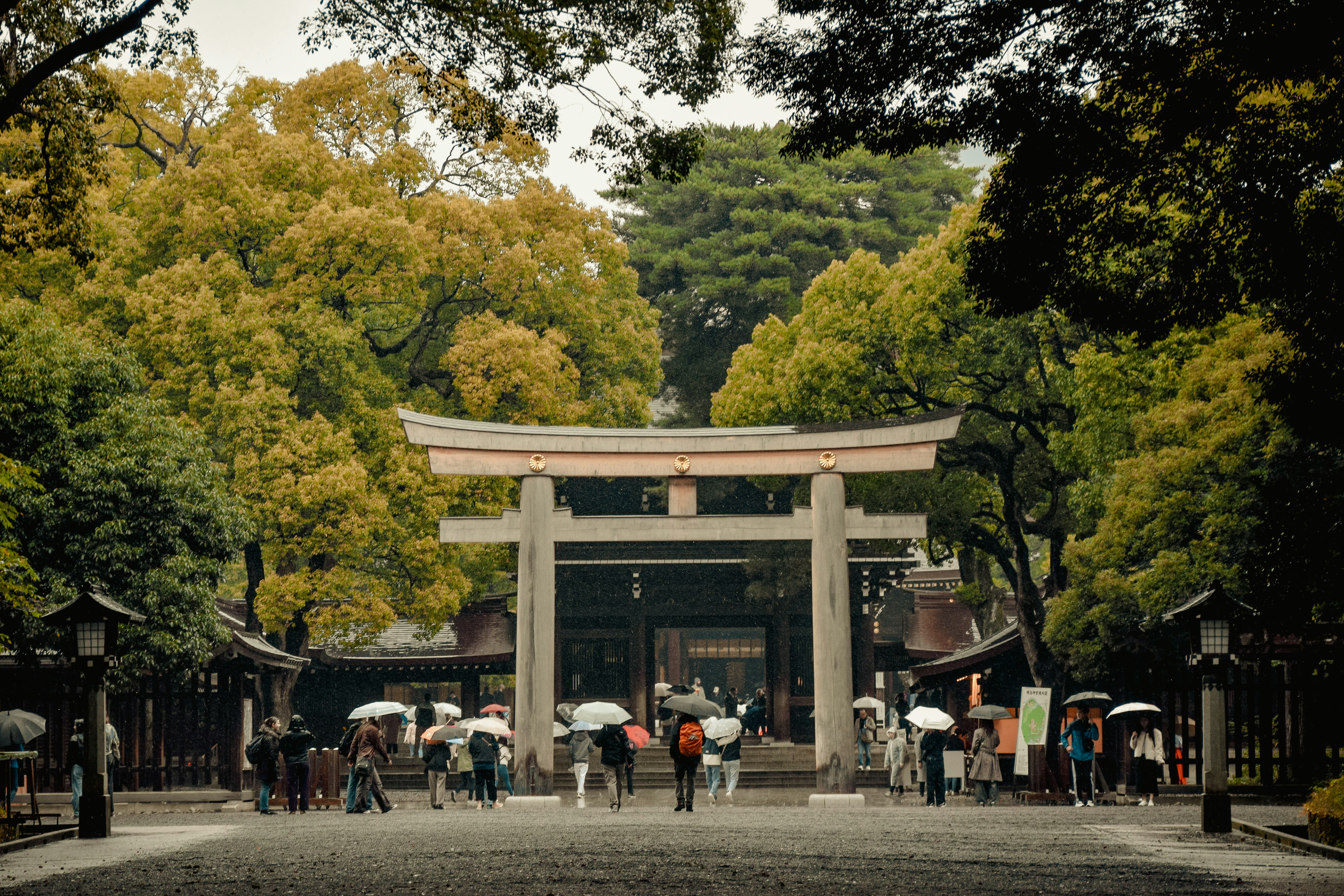
Start your day at the Yamanote Line to visit Meiji Shrine. This shrine has daily activities, beautiful gardens, and scenery, as well as some incredible architecture. While visiting, make sure to participate in rituals, write wishes, purchase omamoris (good luck charms), and explore the forest.
Once you're done, head over to the vibrant district of Shinjuku, take a time to explore the area and the stores, while saving some time to visit Shinjuku Gyoen National Garden: a local-like favorite to unwind and take part in diverse activities.
Finish your day in the historic alleyway and bar district of Omoide Yokocho, famous for their tiny and consecutive restaurants where local food is king.
Pro tip: Be sure to try a variety of yakitori with local beer.
Day 4: Day trip to Kamakura
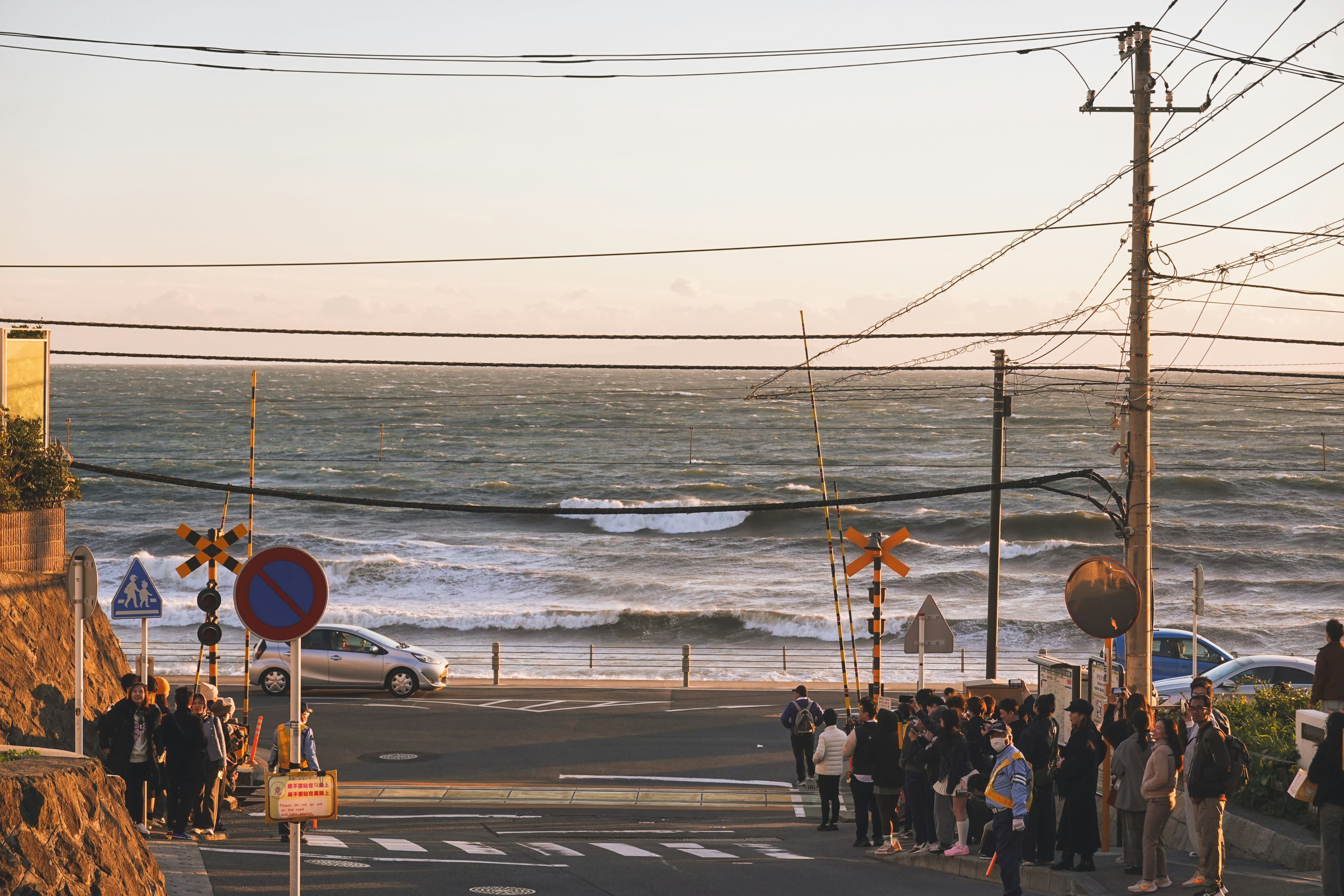
Get ready to spend a day in a small and charming beach town.
If you can, try to arrive early, preferably before 9 am, so that you have a chance to do breakfast at Cafe Yoridokoro. This small, but cozy restaurant specializes in a variety of fish sets, situated just in front of the train tracks, making it an ideal spot for a unique Japanese experience.
After breakfast, make sure to visit Kotoku In, a serene temple known for its 14-meter bronze buddha statue, Goryo Shrine, where locals wish for prosperity and good relationships and Hokokuji Bamboo Forest, for a serene walk.
Pro tip: Make sure to try the tea set offered at the entrance (matcha and sweets)!
Before heading back to Tokyo, save some time to visit local shops like Kamakura Arai for some beautiful ceramics, and Musubi Chaya, for some delicious handmade rice balls. Make sure to stop by Kamakurakoko-Mae Station, where the iconic train tracks meet the ocean.
Day 5: Day trip to Mt. Fuji
Getting to Mt. Fuji
Before you leave, decide a day in advance how you want to get to Fuji. You have three options:
Take a Limited Express train from Tokyo to Fuji
Take a series of local trains (three) from Tokyo to Fuji
Take a bus from Tokyo Central Station to Kawaguchiko Station
Please take into consideration that, as the day goes by, the return options diminish. Do plan in advance for this day trip.
Exploring Fuji
Once you’ve arrived, head over to the local bike rental shops in front of Kawaguchiko station (if you arrive at Fuji Station, take a short train ride). Biking through Kawaguchiko Lake and Fuji is a great and inexpensive way to visit all the famous photo-opp places.
Pro tip: Choose an electric bike over a regular bike. You’ll thank me later.
Now that you've got your bike ready, here are some places you need to visit.
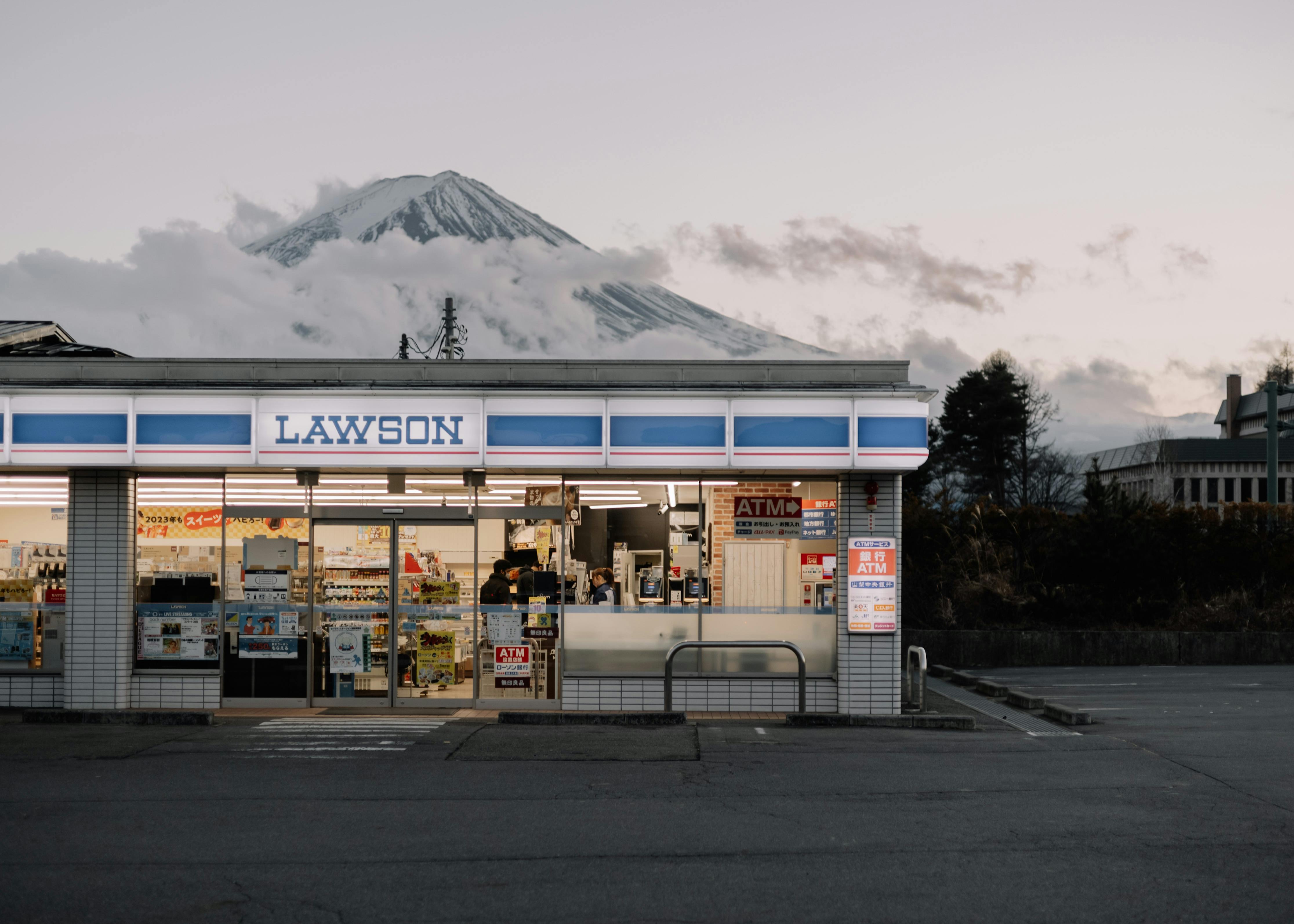
Lawson Kawaguchiko Station
Kawaguchiko-ohashi Bride
Honcho Street
Arakura Fuji Sengen Shrine
Good to know: To reach the top of the Shrine where the famous Pagoda is, you'll have to climb 398 steps. So if you're going in the summer, I recommend taking the flat path. Although it takes longer, it is much more bearable with the heat and humidity.
Please take into consideration that police are always on high-alert due to tourists in the previously shared photo ops. So please, avoid jaywalking and posing in the middle of the street. Bring back memories, not fines.
Remember, Mt. Fuji is not visible throughout the entire year. Before planning your day trip, check the “Mt. Fuji visibility forecast” online to best decide when to visit.
Day 6: Day trip to Kawagoe
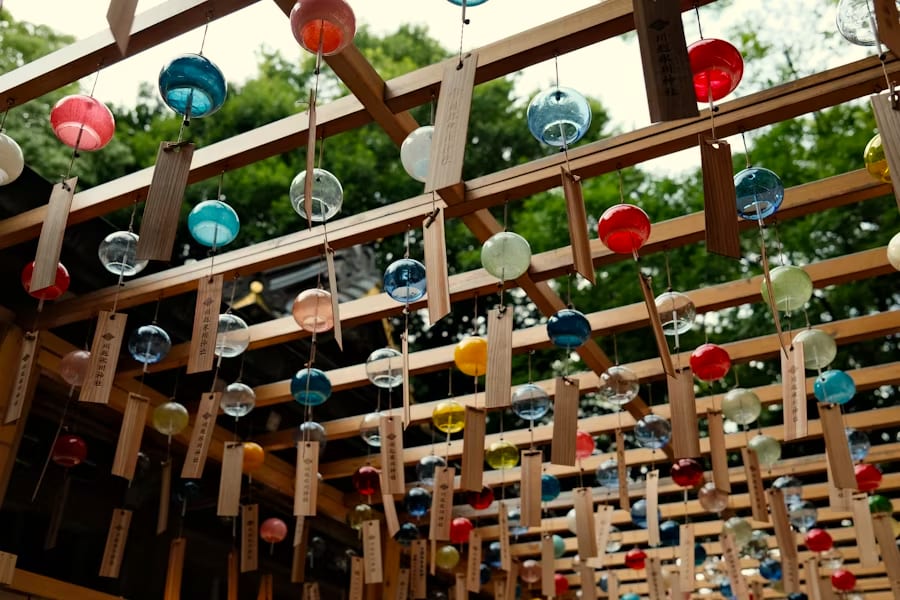
Your first stop of the day is Kawagoe Hikawa Shrine, famous for their wind chimes corridors that fill the air with soothing noises, as well as for their beautiful Ema boards tunnels and fun fortune activities. Many local young women visit the shrine in traditional Yukata attire to wish for good fortune in romantic relationships.
After visiting the Shrine, head down to Kurazukuri no Machinami, better known as the Warehouse District, a historic area in Kawagoe that to this day, still showcases classic Edo Period structures. Along these picturesque buildings, you'll find cafes, shops, restaurants, and even museums worth visiting.
While you walk around, find some time to visit Koedo Kurai, a charming establishment, designated as Cultural Property, where you'll be able to have a sake tasting from a vast option of automatic-dispensing vending machines.
After a few drinks, you must try the grilled-over-charcoal Eel rice bowl at Unagi Hayashiya.
Day 7: Travel to Kyoto
Make sure to check online Shinkansen hours to plan your arrival to Kyoto. Once you know the hour that suits you best, you could either buy the tickets online through the Klook app or directly at the station at the self-service machines, or with a ticket agent at the counters.
After arriving to Kyoto and completing the check-in at your hotel, head over Kiyomizu-dera, an iconic Buddhist temple, with breathtaking views of the city. (The temple closes at 6 pm, so if you arrive on a late train you might want to re-schedule this sight).
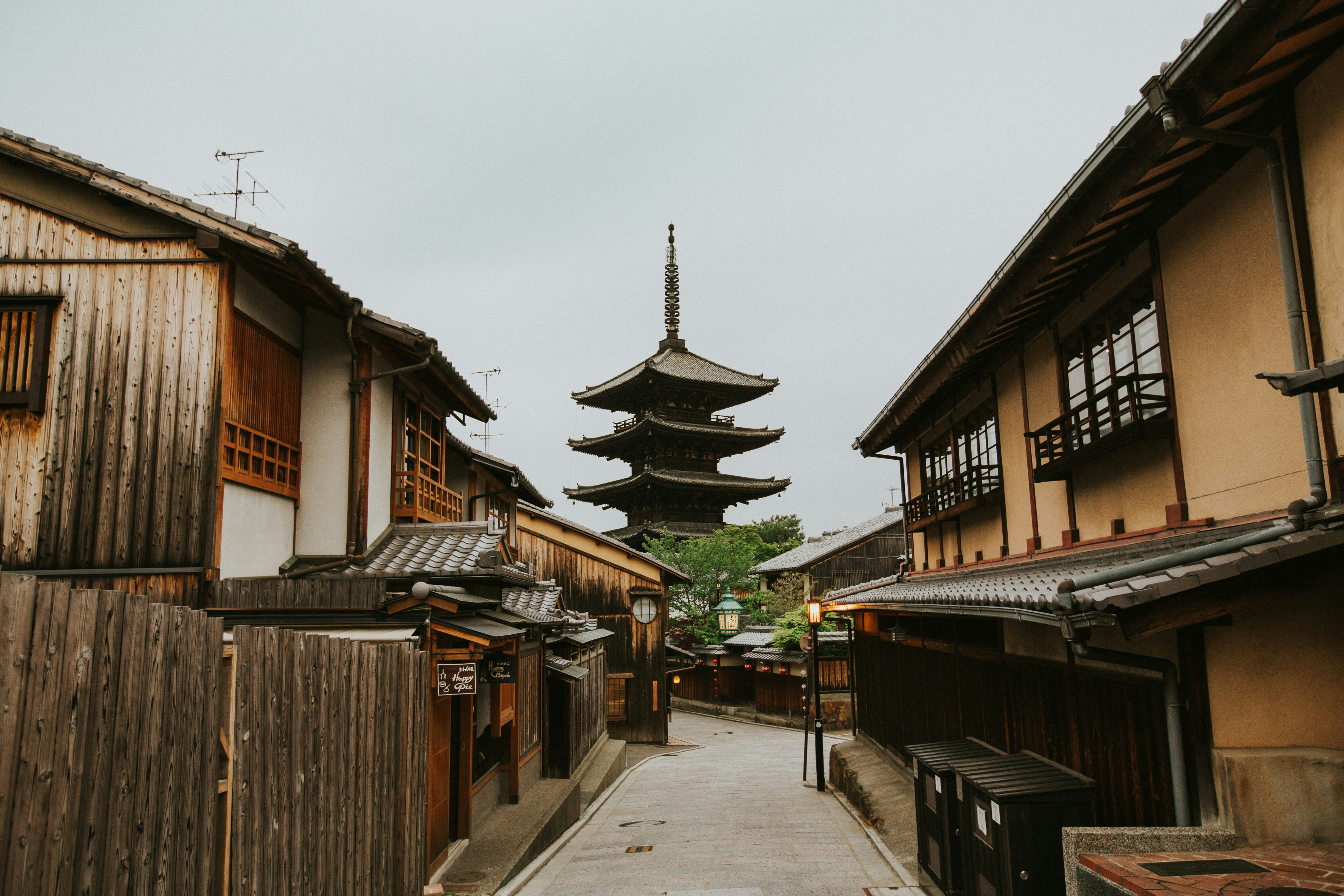
Continue your sight-seeing journey in the historic Higashiyama district of Kyoto, filled with traditional streets, wooden shops, and the famous Hokan-ji Temple, which is an iconic symbol of Japanese heritage. The Pagoda opens exclusively on weekends, but don't worry even if you can't make it inside, the views from every angle of the Higashiyama district are spectacular.
To wrap up the day, walk down to Yasaka Shrine. Here you can wish for protection against evil and diseases, as well as prosperity, matchmaking, and beauty blessings. Make sure to visit after the sunset to appreciate the spectacular sight of the paper lanterns.
Feeling a bit hungry? Just a quick 10-minute walk from the shrine, you'll find Kyoto Tempura Ten no Meshi Gionhonten, a Tempura Omakase spot where you'll be delighted with ten courses of your choosing. Although reservations are encouraged, walk-ins are always welcome.
Day 8: Sightseeing & sunset in Kyoto
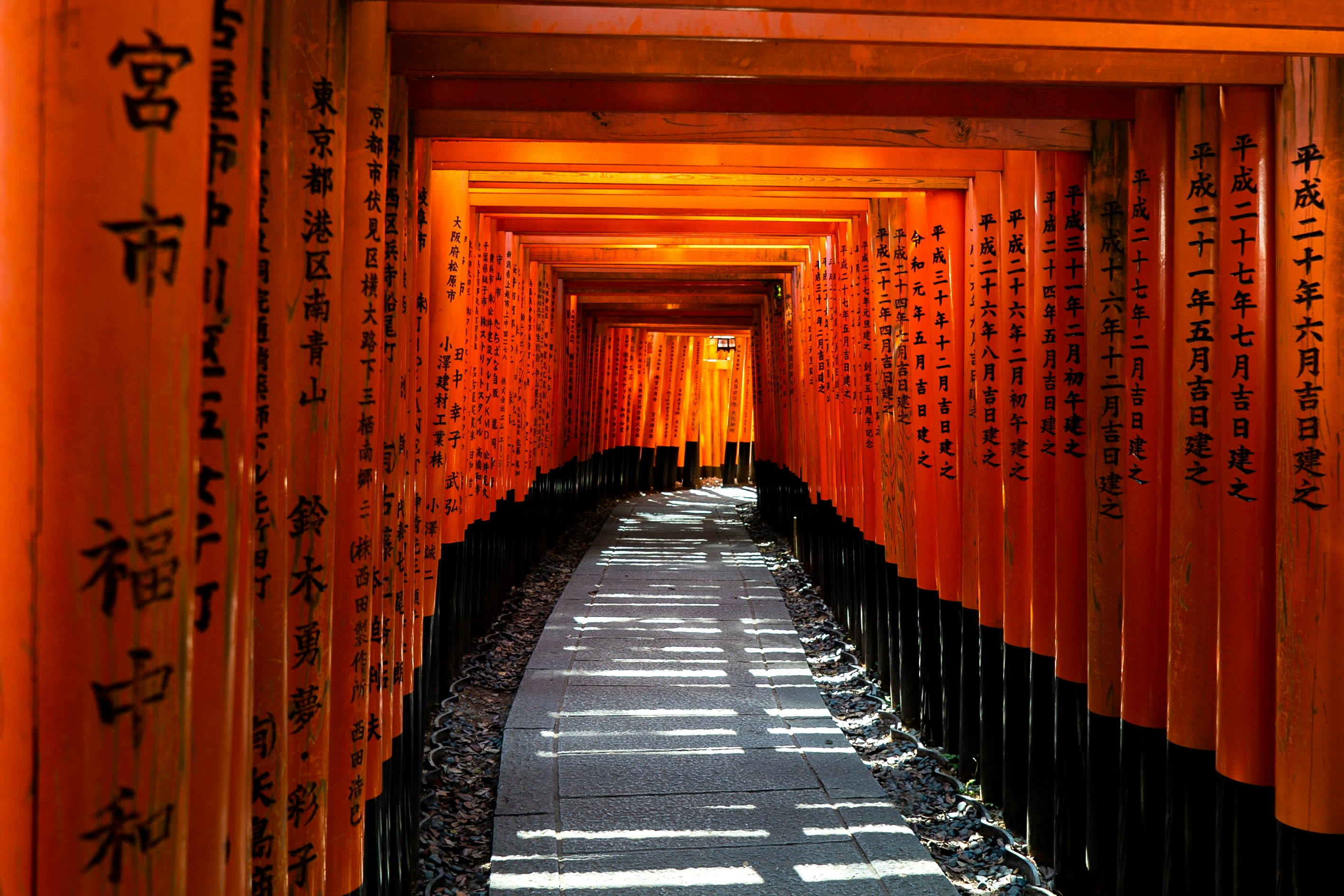
Begin your day at Fushimi Inari Taisha Shrine and walk along its 10,000 vibrant tori gates. It might get a little crowded, but don't worry, there's plenty of opportunities for pictures. The shrine hike takes between 2–3 hours, so be sure to take your time to rest and buy beverages whenever you get the chance along the way.
It is said that every tori gate you walk through symbolizes the path between the human world and the spiritual realm of the deity Inari.
Good to know: Each tori gate has been donated by businesses, individuals, or families as a thank-you for past success or as a prayer for good fortune (a donation ranging between ¥400,000 and ¥1,000,000).
After exiting the Shrine, head over to Inari Staton and transfer all the way to Curry Tempura Koisus in the Gion District. This cozy restaurant offers a meal set consisting of a spicy curry of 20 different spices, mixed with grain rice and accompanied by a selection of tempura pieces.
When you're done, walk to Kamo River and enjoy the serene and picturesque ambiance of the riverbanks alongside the shops, restaurants, and hotels that stand above it.
Pro tip: Near the sunset, make sure to enter a cafe or open bar to sit down and enjoy the view while sipping on a beverage of your choosing. I recommend either Kawa Cafe or SOMA.
Day 9: Bamboo & wagyu
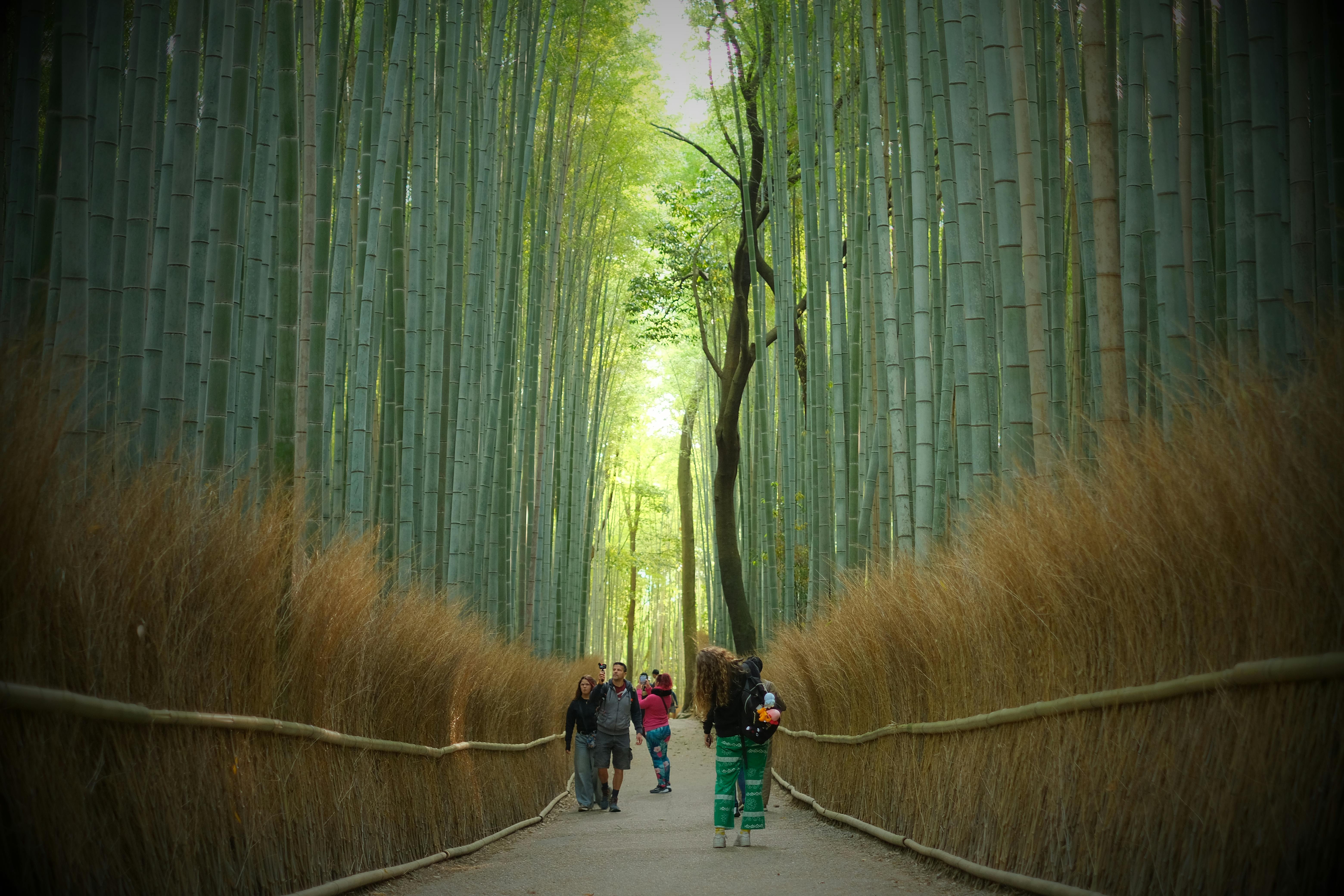
Take the local bus to Arashiyama Bamboo Forest. Once you get there, walk through the forest and explore the charming streets and shops afterwards.
Or, you could hire a rickshaw tour of an hour or an hour and a half, that consists of a carriage-like ride where a driver pulls you through different areas of Arashiyama while giving local context about the sights and the historic places.
Tip: Request to start and end the tour in the Bamboo forest so you can walk back around and enjoy the scenery at your own pace.
Don't miss out on exploring the local shops and cafes (like Arabica) around the area. If you're looking to buy chopsticks and chopstick holders, then Hashi Ishibashi is the place you want to visit. They have a wide variety of items, and as a bonus, they offer free engraving of chopsticks with any purchase, as long as the chopstick meets the requirements to go through the customization machine.
Lunch break: Once you’re done shopping, stop by Arashiyama Miyoshitei for a delicious Wagyu beef rice meal set.
Kinkaku-ji Temple
After lunch, hop on either a local bus or a taxi, and transfer to Kinkaku-ji Temple. Although the temple itself is small compared to others, it's truly captivating to see the temple's gold-leaf facade up close while enjoying the serene ambiance.
Keep in mind that the temple closes at 6 pm, so if you spend most of your day at Arashiyama, it's best to re-schedule this sighting.
Nighttime fun
Are you traveling with an "all-girls" group? If so, I strongly recommend you book in advance a table at Macho Bar. This small but friendly bar offers a fun and unusual atmosphere, where muscular men welcome you and carry you to your table, while having fun with the customers every time a drink or food order comes out. Truly a must-do when traveling with friends.
Day 10: Osaka sights, smells & shopping
If you're traveling from Kyoto to Osaka on a weekend, please don't take the Shinkansen. Instead, take the Limited Express Hankyu Kyo-train Garaku: a themed train with indoor gardens, that runs exclusively on weekends on selected hours for ¥410.
Good to know: You can board either with a Limited Express ticket or with your Suica card.
Osaka sightseeing
Once you've completed the check-in at your hotel, take the train or a taxi to Osaka Castle, a historic gem that nowadays serves as a museum to Japan's rich heritage. If you don't have pre-booked tickets, you can buy them through Klook to avoid queuing at the entrance. Before leaving the castle, stop by the first floor, where you can obtain and engrave an exclusive silver coin with the Osaka Castle figure for just ¥1,000.
After the Castle, move to Namba Yasaka Jinya Shrine to experience a unique and truly fascinating sight: a 12 meter lion head with its mouth wide open. Visitors usually wish for success in academics and businesses, so make sure to take the opportunity to wish good fortune upon yourself while visiting.
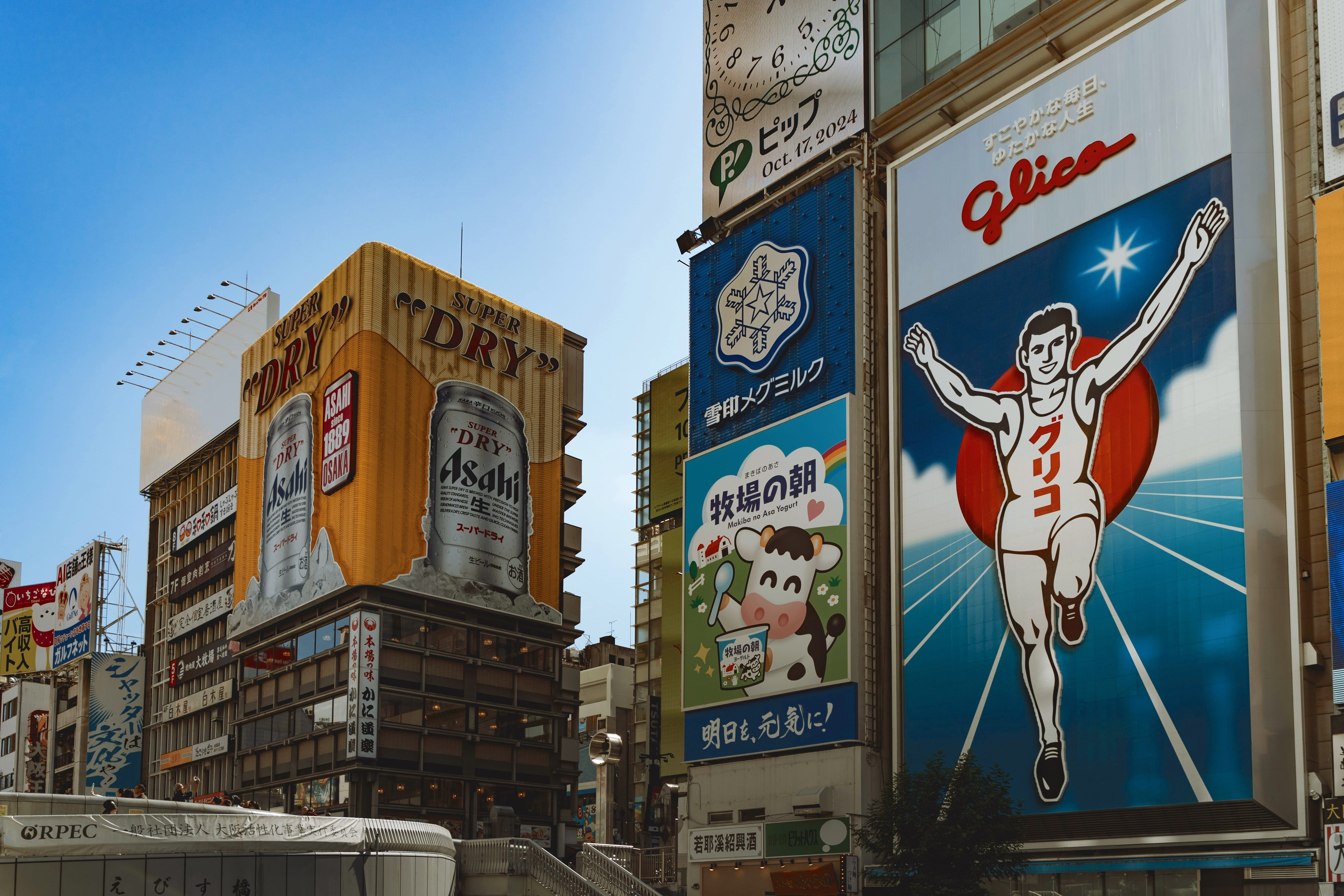
To wrap up the day, walk over to the Dotonbori area where you’ll be able to see the iconic Glico sign, the Dotonbori canal, and the six-floor Don Quijote store with the only oval ferris wheel in the world. Take your time to explore the area, visit the local shops, and try some Takoyaki at Juhachiban Sons-Dohtonbori.
If after all the finger food available in Dotonbori you’re still hungry, you can enjoy some quality Wagyu nigiri and dinner sets at Wagyu Idaten, or a super-filling Tonkatsu rice bowl at Tonkatsu Chiyomatsu Dotonbori.
Day 11: Katsuoji Temple
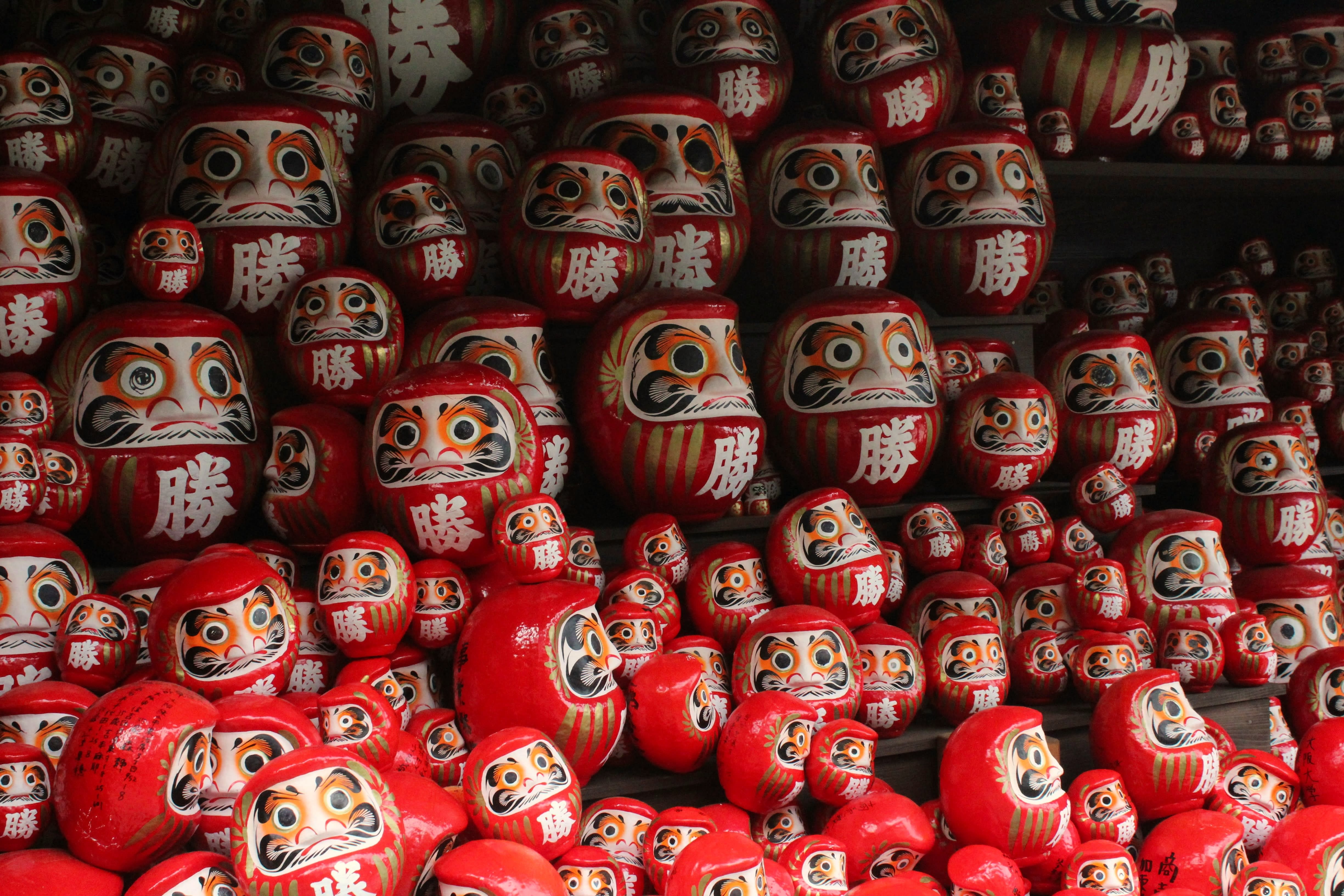
Head to Osaka Station and ride the Midosuji Line to Minoh-Kayano Station. Once at the station, take a local bus (¥800 and 25-minute ride) to Katsuoji Temple, better known as "The Temple of the Thousand Darumas", or the "Temple of Winning Luck". Make sure to pre-book your entrance to avoid queuing upon arrival.
Once you enter the temple, you’ll be given a blank postcard with a drawn frame on it. Don't lose it or damage it, as it is a freebie intended for you to collect diverse “station” stamps throughout your temple visit, to create a unique souvenir.
Good to know: The image you make, collecting stamps, changes with the seasons, so if you visit Katsuoji again at a later month, you will get a different design. A perfect excuse to visit Japan more often.
Before leaving the temple to head back to Osaka, don't miss out on the opportunity to buy a miniature Daruma doll and offer it as tribute for good luck. If you do so, you'll be able to place your Daruma wherever you prefer; try and find that special spot that speaks to you.
Return to Osaka
Back at Osaka Station, transfer to get to Harukas 300 Observation Deck for a 360º view of Osaka. Upon arrival, go to the 16th floor to purchase your tickets (if you didn’t pre-book them) and then go up to the 60th floor to enjoy the view.
If you want to do some shopping, you could either stay in the area and visit the local malls or, go back to the Dotonbori area to visit Shinsaibashisuji, a bustling corridor with around 180 shops, where you can find a wide range of major and local brands. However, if you're looking to buy Japanese products such as ceramics, knives, and tea, it's best to visit Tenjinbashisuji.
Day 12: Relax in Kinosaki Onsen
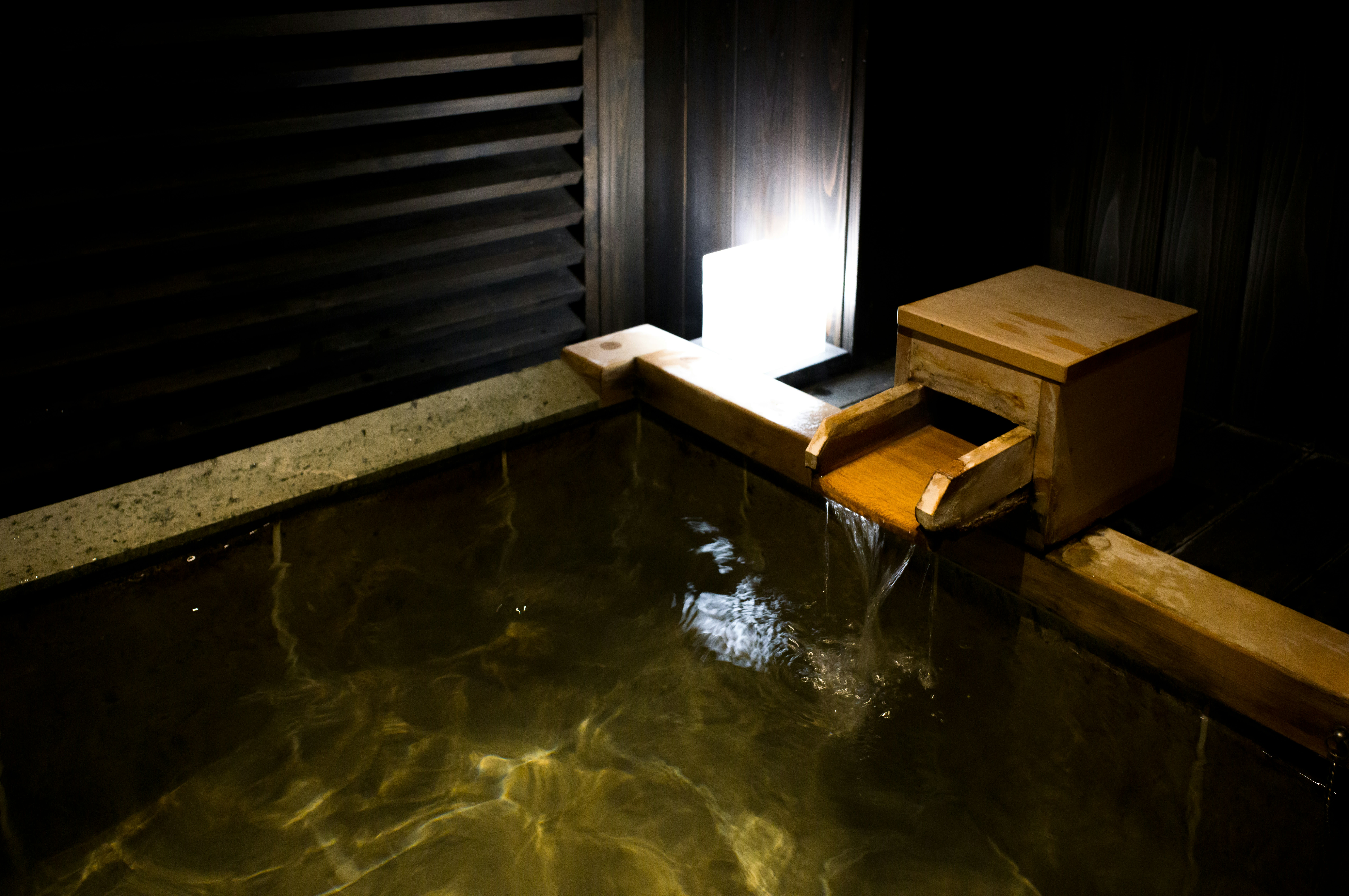
We've reached the wellness leg of the itinerary: a two-day stay at an onsen town, to unwind and recharge after many days of overcharged tourism and +20K steps daily.
Accommodation
When staying in an onsen town, a Ryokan accommodation is a must. This way you'll get to live a truly traditional stay experience as well as enjoying benefits such as complementary access to the town's public onsens.
Pro tip: Ryokans tend to sell out faster due to popularity and limited accommodation, so I’ll encourage you to book at least six months prior to your trip.
After checking into your Ryokan or hotel, make sure to change into either a Yukata (provided daily by your Ryokan) or comfortable clothes that are easy to take off. Remember: you're staying at an onsen town where you’ll be visiting several public onsens to bathe in thermal waters, practicality is key.
Onsen options
There are seven public onsens at Kinosaki Onsen, so try to divide them over your stay to visit them all. And if you're staying at a ryokan with private onsens, don’t miss the chance to enjoy them too.
I recommend visiting Yanagi Yu, Jizo Yu, Yanagi Yu, and Ichino Yu on the first day, and Kouno Yu, Mandara Yu, Goshono Yu (local favorite), and Satono Yu (currently undergoing repairs) on the second day.
Onsen etiquette
For bathing, you must take off all of your clothes. No swimsuits allowed. (Don't worry, women and men are in separate areas.)
Phones are prohibited in locker rooms and thermal waters for privacy reasons.
Shoes are not allowed in the shared spaces. Please take them off at the entrance and store them in a locker.
Before entering the thermal waters, rinse off your body at the designated shower areas and rinse off soap completely.
Don't take towels with you inside the water. The small towel provided is for either drying yourself when exiting or to keep it wet over your head to regulate body temperature.
Do not eat or drink inside the bathing area.
No swimming or diving. Maintain quiet and be mindful of time, as being in hot water for long periods of time might be dangerous.
If you have long hair, please make sure it stays out of the water by tying it up.
Pro tip: Don't miss out on snow crab, as it is a local delicacy. In fact, near Kinosaki is where all of Japan’s snow crab is fetched from.
Need to know
Some onsens in Japan do not allow people with tattoos, so if you’re planning a visit to an establishment, please check in advance. Kinosaki Onsen, the town featured in this itinerary, is a tattoo-friendly town.
The JR Pass is a great deal if your total transfers cost exceeds the JR Pass amount. If not, refrain from buying it and pay as you go. I can help you calculate this spend in order to decide if the JR Pass is beneficial or not for your itinerary.
Adding the Suica card directly to Apple Wallet is a huge benefit both for portability and ease. However, keep in mind that the added balance cannot be withdrawn if at the end of your trip you are left with balance. Add money to it while you spend it. Remember that you can pay with Suica at vending machines, Konbini stores, and other retail locations with the IC logo on display.


Travel Advisor
Victoria Gazzolo
Victoria Gazzolo

Get in touch with Victoria Gazzolo
Did you like this guide? Reach out to customize and book your own experience. Or, just to chat about travel in general.
For more inspiration and insider recommendations, visit our Japan page.