
Iconic Austria in 14 Days: A Tour Through Vienna, Graz, Hallstatt & Salzburg

Curated By
Nathan Mitchell
Curator’s statement
As a professional musician, I spent 23 summers performing in Europe, based in Austria. The country holds a special place in my heart and feels like a second home for me. In this two-week itinerary, I connect the highlights of Austria that would offer a good overview of this spectacular country.
The Fora Difference
Book with Nathan Mitchell to access exclusive perks and experiences on your trip.

Killer perks
Free upgrades, spa credits and more—we got you

Personalized recs
Customized travel planning for your style

Insider knowledge
Expert advice from people who’ve actually been there
Where to stay
Unlock perks by contacting Nathan Mitchell to book your trip.
Day 1: Arrive in Vienna & walking tour of the city center
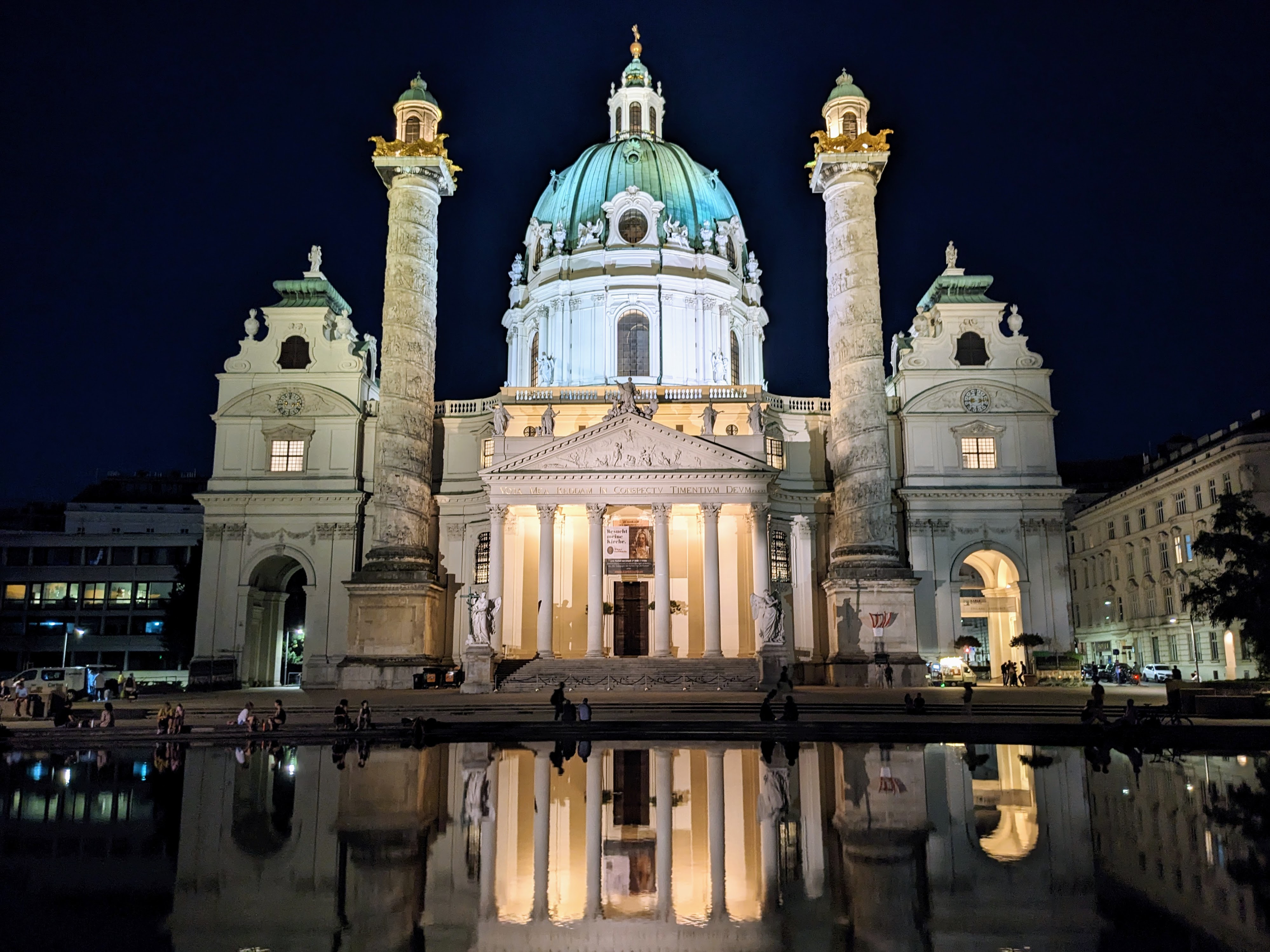
St. Charles Church, Vienna (Karlskirche)
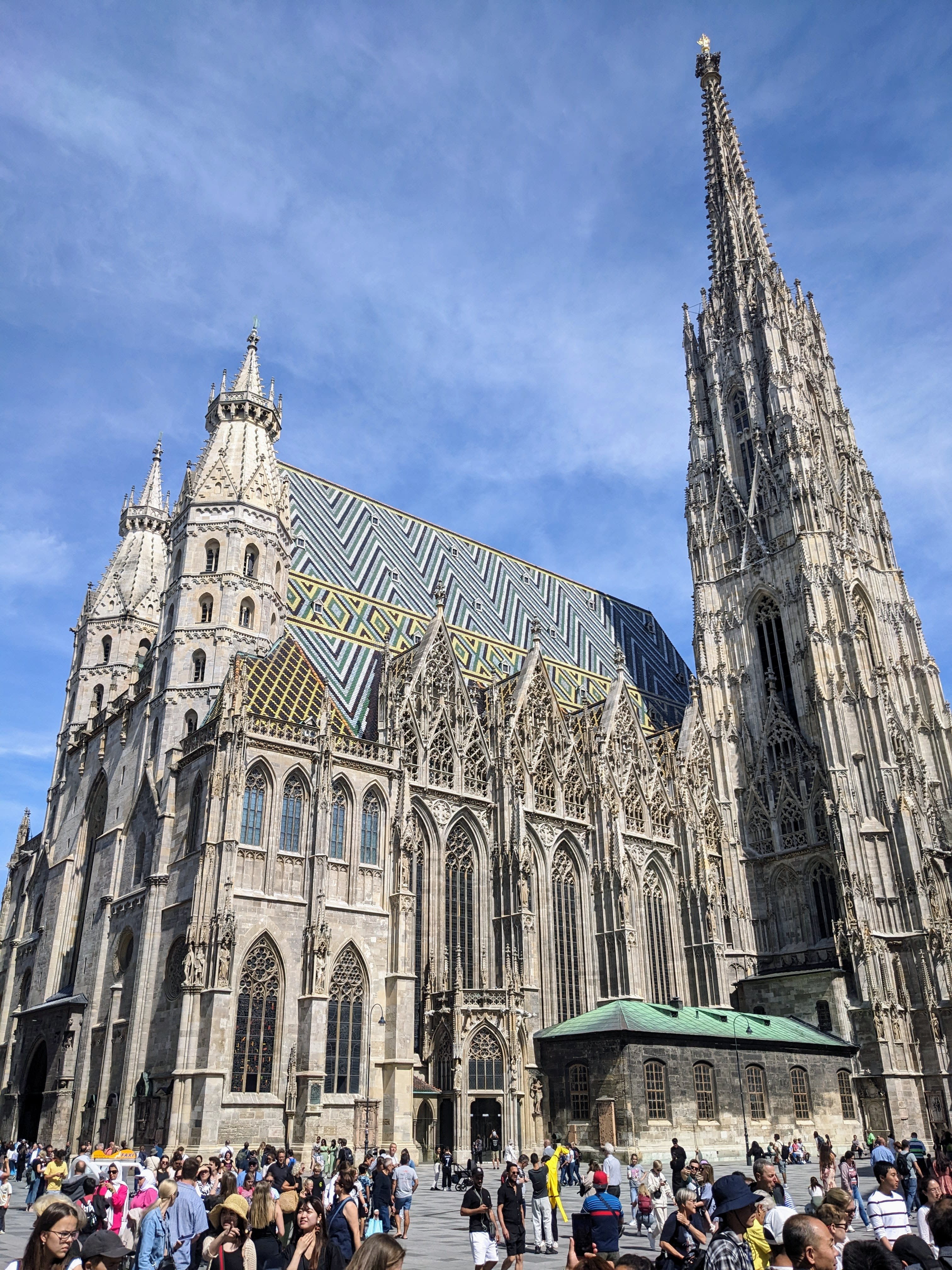
Fly into Vienna and check into your hotel (or leave your bags if you can’t check in yet). Optimally, it’s most convenient to be situated in or close to the city center and within walking distance of most of the major sites. However, Vienna has a superb mass transit system, so a second alternative would be to stay near a convenient subway (U-bahn) stop and be able to get around just fine. Often, flights from the US arrive in the morning, so my favorite technique to combat jet lag is to stay on my feet and walk around the city center. Starting at Karlsplatz, take in the view of St. Charles’s Church (Karlskirche) and the surrounding park. From there, walk toward the Vienna State Opera (Staatsoper). If you haven’t secured tickets for an opera house tour online already, stop and get tickets for tomorrow and then stop at Cafe Sacher across the street for Sacher Torte, cappuccino, and people-watching. If the weather is nice, it’s worth waiting for a table outside. Stroll down Kärntnerstrasse to the town center, stopping as needed or window-shopping. You will shortly find yourself in St. Stephan’s Square (Stephansplatz), marveling at Vienna’s impressive cathedral (Stephansdom). Enter, dodging the decoratively dressed salespeople trying to sell tickets to Mozart-themed concerts, and enjoy the interior of the cathedral. If time permits and there is a tour scheduled, visiting the catacombs is a fascinating—though eerie—experience. Not only are partial remains of Austrian royalty and church leaders kept there, but you will also find rooms filled with stacks of bones from victims of the plague.
After St. Stephen’s, try Vienna’s most famous Wienerschnitzel around the corner at Figlmüller’s. After lunch, your self-guided Central Vienna walk continues past the Plague Monument and on to Demel, the former imperial pastry and chocolate purveyor. If you need more coffee or a snack (why not?), this is a great option. From there, walk into the Hofburg complex and visit the compact but worthwhile Treasury Museum (Schatzkammer), home to all the Austro-Hungarian Empire’s crown jewels. Walk around the complex and garden (Hofgarten), and you will end up back out on the Ring Road (Ringstrasse) that circles the city center.
Day 2: Spend the day at Kunsthistorisches Museum enjoying art, opera & wine
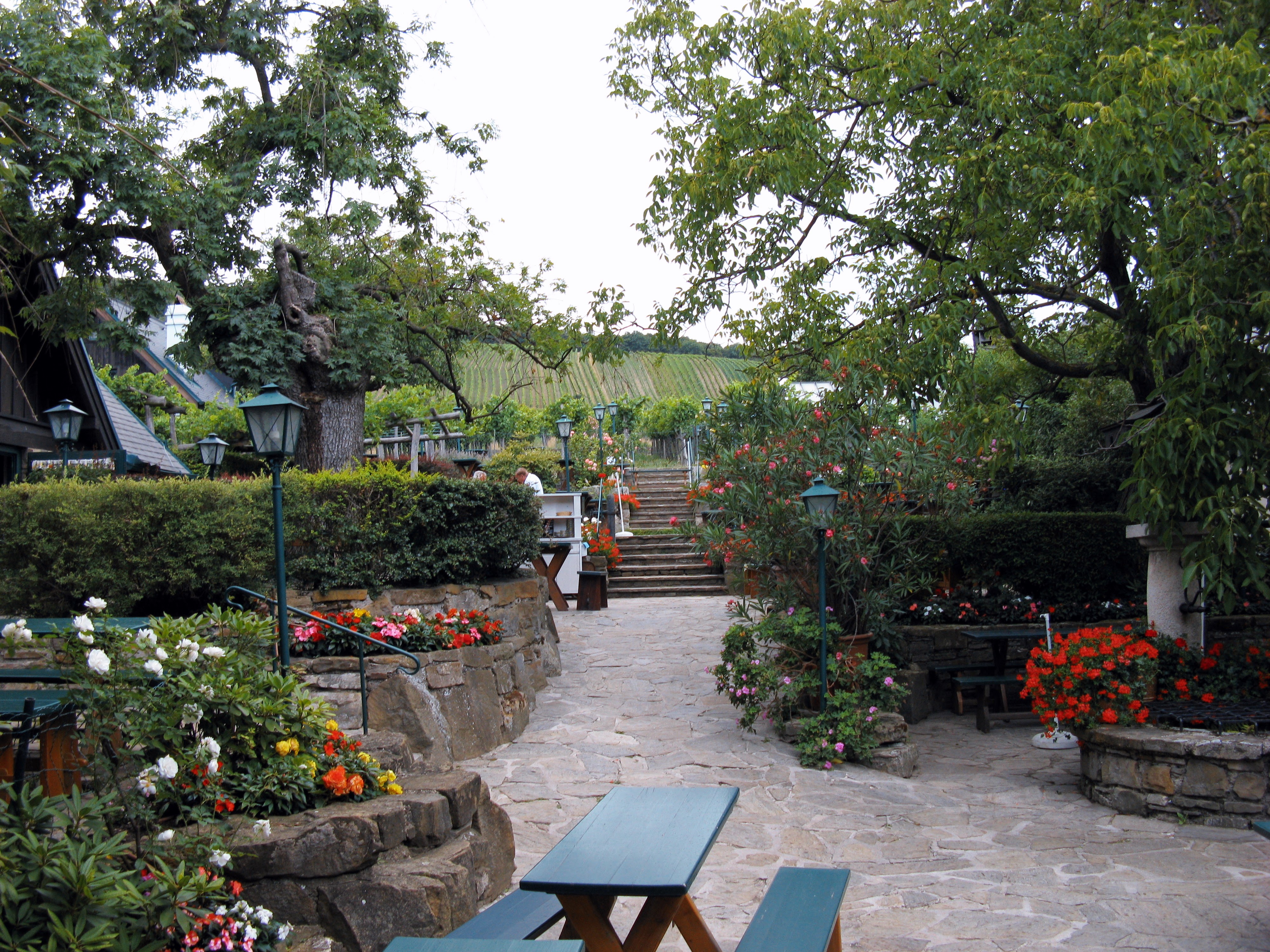
Terrace of Fuhrgassl-Huber, Weingut und Buschenschank, Vienna
Day two starts with coffee at Café Sperl, my favorite café in Vienna. Spend the rest of the day at Vienna’s Fine Art Museum (Kunsthistorisches Museum) and take a tour of the State Opera (depending on when tours are available from your investigation yesterday). If time allows, wander through the Imperial Crypt (Kapuzinergruft), where Imperial Habsburg royalty are entombed.
In the evening, take a taxi or Uber to the north part of town where there are a collection of wineries. Vienna is one of the only cities that has wineries within its city limits. They are called Heurigen, and they typically serve very traditional Austrian food and wine. Many have beautiful outdoor seating areas. One of my favorites is Fuhrgassl-Huber, Weingut und Buschenschank—it has a beautiful terraced garden in the back and a marvelous, relaxing ambience.
Day 3: Venture out to Schloss Schönbrunn
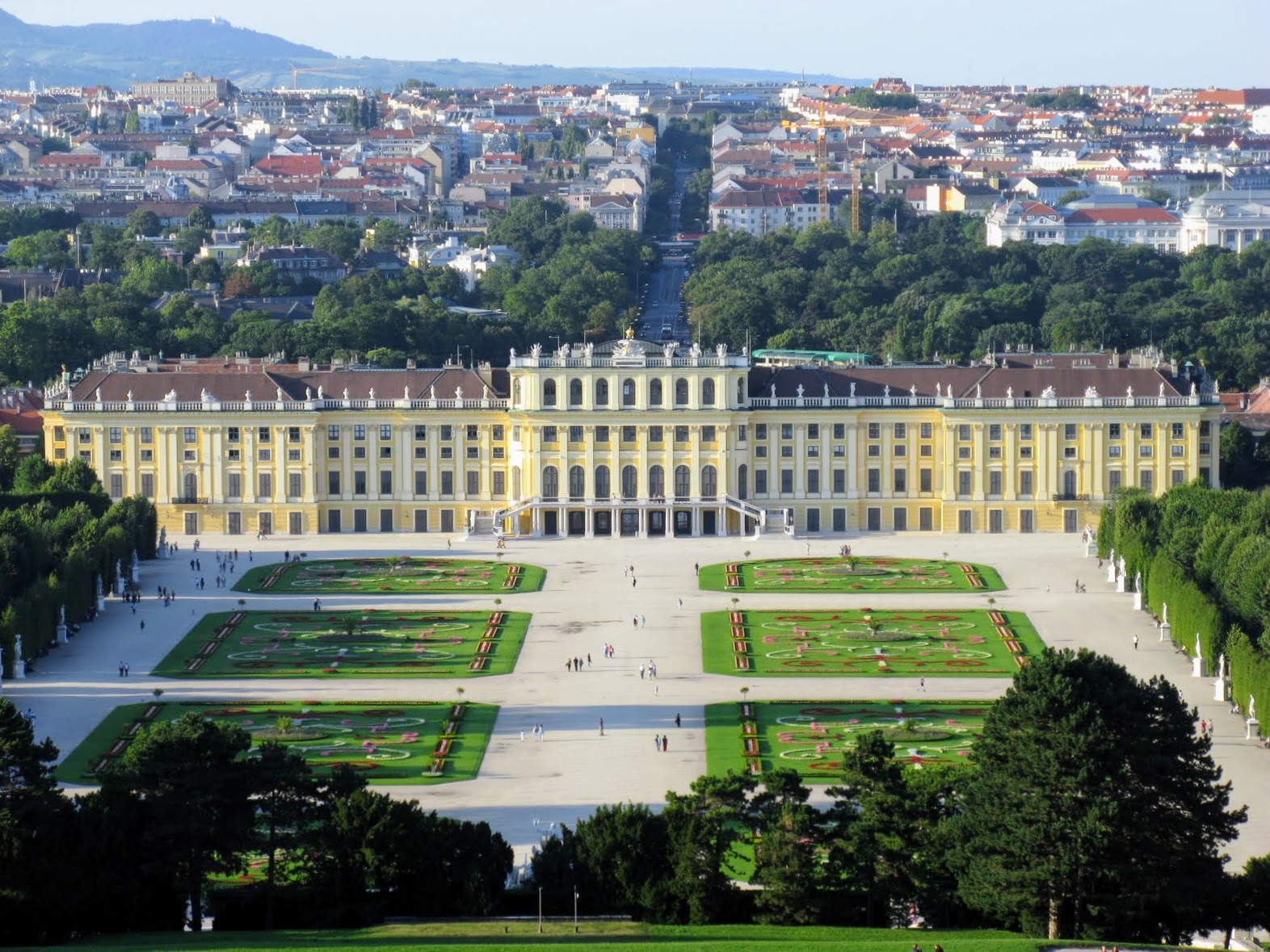
View of Schönbrunn Palace (Schloss Schoenbrunn) from the Gloriette
Day three is a venture out to Schönbrunn Palace (Schloss Schoenbrunn)—it’s an easy U-bahn ride and short walk to the grounds. It’s an impressive structure with vast grounds. You can walk up to the Gloriette for exemplary views or wander through the butterfly house or rose garden, just a few of the many components of the palace grounds. If time allows, it’s worth taking a guided tour to get a sense of what it was like to be Austrian royalty.
On the way back into town, stop at the Naschmarkt open-air market and explore. There are many stalls, vendors, and restaurants, so eat anywhere that looks intriguing. If you don’t find anything that suits you, try the Vytopna Railway Restaurant, just adjacent to the Naschmarkt, where they serve food and drinks by way of a series of model trains.
Finish the sightseeing for the day at the Austrian National Library (Österreichische Nationalbibliothek). The reading room is one of the most stunning interiors in town and is often not on visitors’ radars.
Day 4: Explore the Rathaus & take the streetcar to the Belvedere
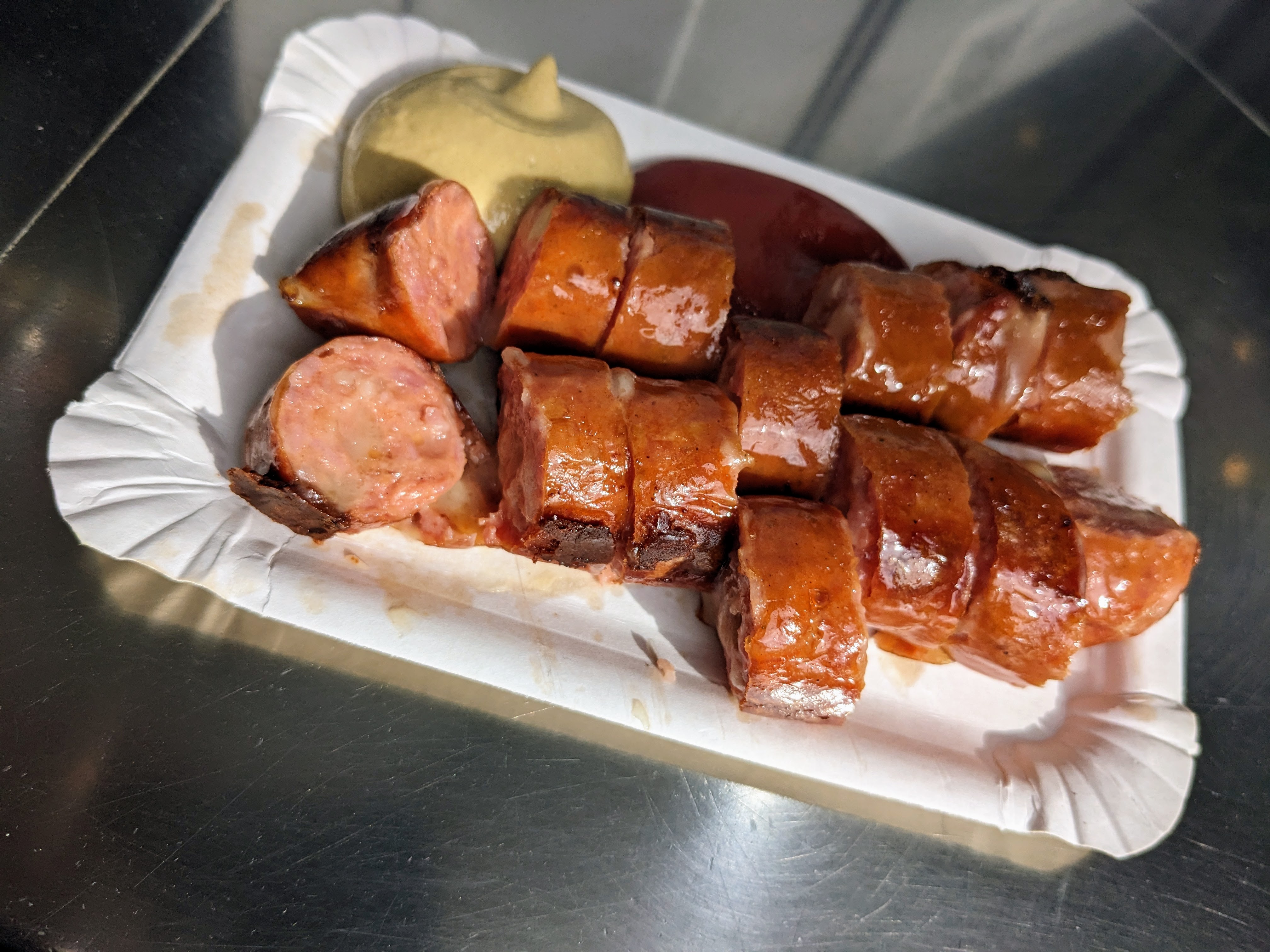
Viennese Käsekrainer (sausage stuffed with cheese)
Day four starts off in the city center at Café Central, another of Vienna’s most well-known cafés. From there, it’s a short walk to the Rathaus, where you will find a host of food vendors and an easy option for a quick and delicious lunch. You could also make a stop at Café Landtmann for a second coffee on the way. They show movies and films of concerts or operas during summer evenings on a giant screen in front of the Rathaus, which can be an enjoyable way to spend all or part of an evening.
After lunch, take the streetcar to the Belvedere. In addition to the Kunsthistorisches Museum, the other must-visit art museum in Vienna is the Belvedere. Belvedere Palace comprises two complexes, the Upper and Lower Belvedere. The museum is housed in the Upper Belvedere Palace and is most famous for its collection of works by Viennese artists Gustav Klimt and Egon Schiele. Advance tickets are highly recommended. If you haven’t had a chance to sample the Viennese sausage stands, be sure to try Käsekrainer (sausage stuffed with cheese) at one of the many sausage stands around town to celebrate a successful day of sightseeing.
Day 5: Take the train to Graz and explore the Schlossberg
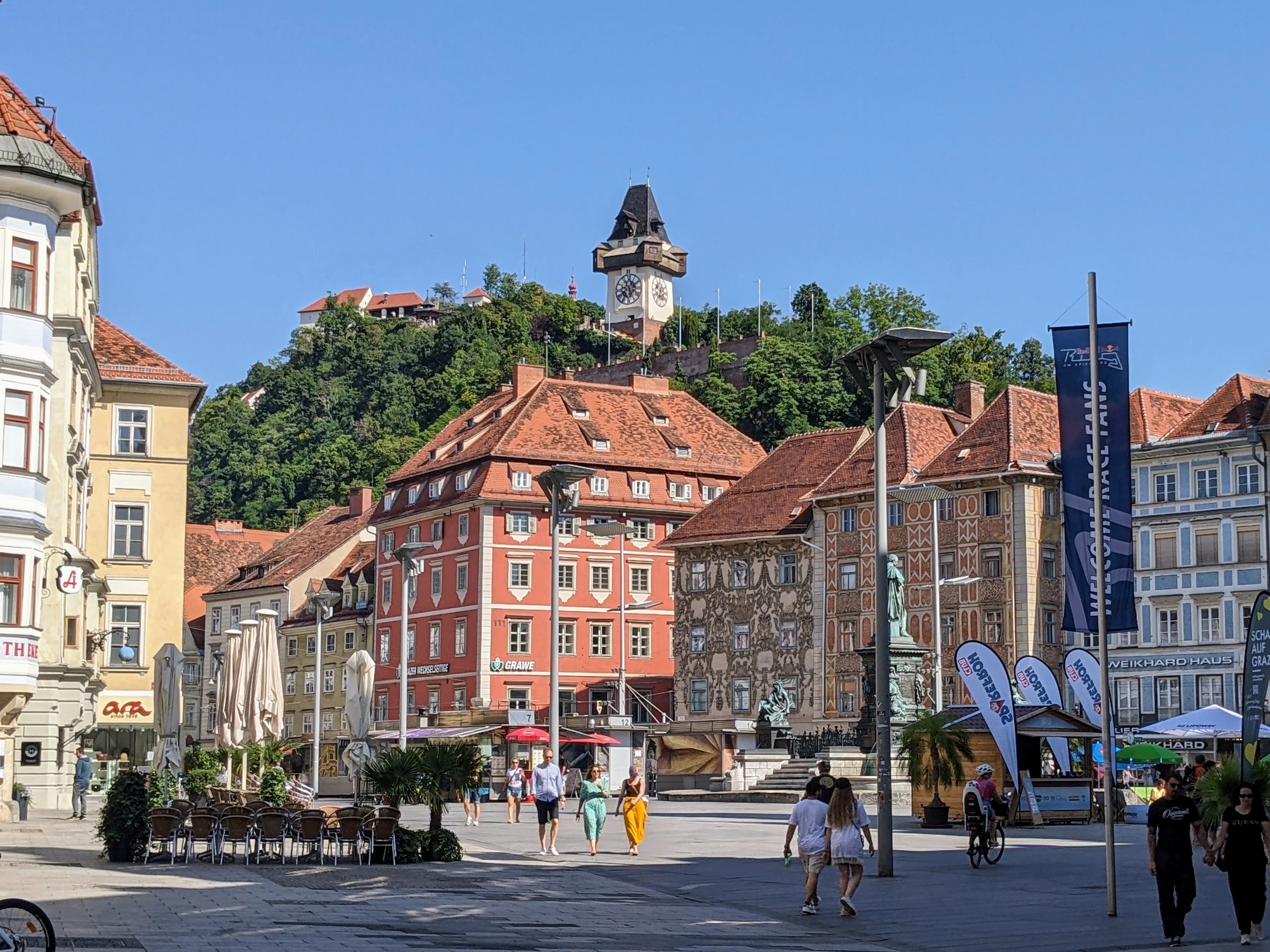
Graz’s main square (Haptplatz) and iconic clock tower
Take the train from Vienna to Graz (2.5 hours). There are direct trains almost hourly. Train tickets are generally cheaper the further in advance you book.
Graz is a marvel—it is the second-largest city in Austria (after Vienna) but gets overshadowed by Vienna and Salzburg. The town is incredible. It is known for its iconic clock tower on the hill just next to the town square (Hauptplatz), which was spared by the residents from destruction by Napoleon after raising funds to pay a ransom for its preservation.
After stopping at your hotel, wander the streets of the town center and make your way to the funicular that goes up to the top of the hill (Schlossbergbahn). The ride up offers a beautiful view of the city, and once you get to the top, you can wander around former fortress ruins, along with gift shops and a couple of cafés and restaurants with stunning city views. Make your way downhill to visit the clock tower and more cafés. Take in the city views and grab a bite, coffee, or a beer. You have three options for descending, depending on your sense of adventure. You can take the elevator through the center of the “mountain” down to the ground floor, walk the stairs down the side of the mountain, or take the slide. I recommend the third option—it brings out the kid in everyone and is a pretty serious ride down to the bottom.
Walk toward the river and across to the man-made island in the center of the river (Murinsel). It’s a unique structure that was built—along with the strangely shaped museum across the river—for the year 2003, when Graz was the cultural capital of Europe. The museum is known as “The Friendly Alien,” though to me it looks like an internal organ of some sort—a spleen, perhaps. It houses a decent art museum and café. A better café, though, is just downstream along the same side of the river. Find Tribeka and have an iced latte—it will change your life. I am convinced that the milk comes from the happiest alpine-flower-eating cows on earth. It’s like caffeinated happiness in a glass.
Try Pizzeria Don Camillo (the San Daniele pizza is amazing) for dinner, and walk down to the Gösserbräu brewery to sample one of the most well-known beers from that region of Austria.
Day 6: Visit the Landeszeughaus & Schloss Eggenberg
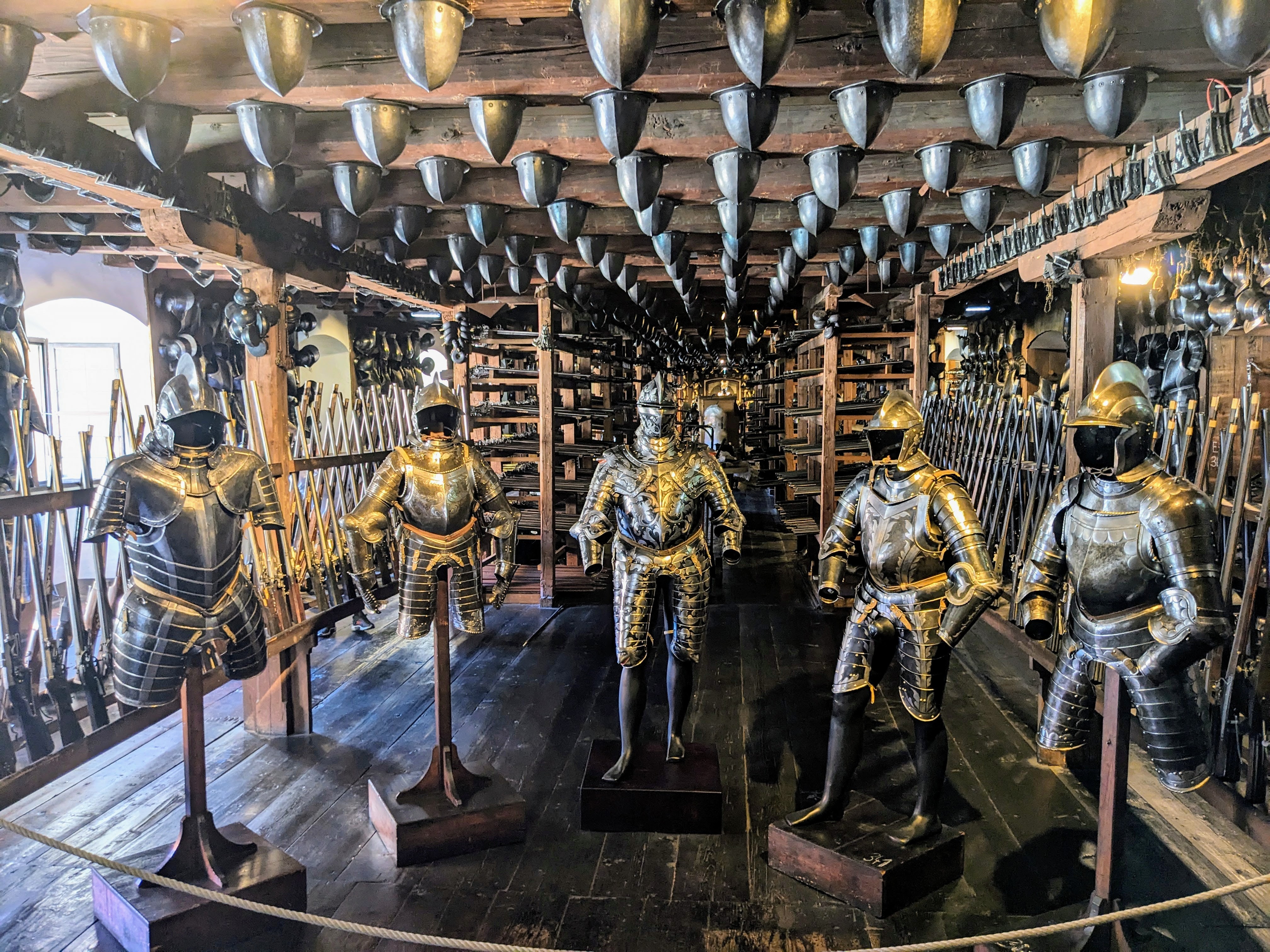
Styrian Armoury Museum, Graz (Landeszeugshaus)
Start your day off at Tribeka Coffee on Kaiserfeldgasse or Blend Coffee one block down on Johanneumring for your morning cappuccino and pastry. Once appropriately caffeinated, walk down to the Styrian Armoury Museum (Landeszeughaus). This museum houses the largest intact armory in the world, holding over 32,000 pieces of armor, weapons, shields, and horse armor. It’s impressive and immense. Wander into the Landhaus next door to see the beautiful Renaissance courtyard with three stories of arched walkways.
Backtrack to Le Burger for a fantastic Austrian take on a hamburger.
Take the streetcar to Eggenberg Palace (Schloss Eggenberg) on the outskirts of town. The palace is beautiful, the grounds are gorgeous, and you can admire the peacocks while you’re there.
Make your way back to the center of town to Oh My Dog food truck, where you’ll find a fantastic and creative selection of hotdogs and sausages! For dessert, try Temmel Eis across the street for amazing ice cream. Top that all off with a quiet stroll through the City Park (Stadtpark) and end the evening at Area 5, a rooftop restaurant and bar on top of the Steierhof shopping center in Jakominiplatz.
Day 7: Explore South Styrian Wine Country
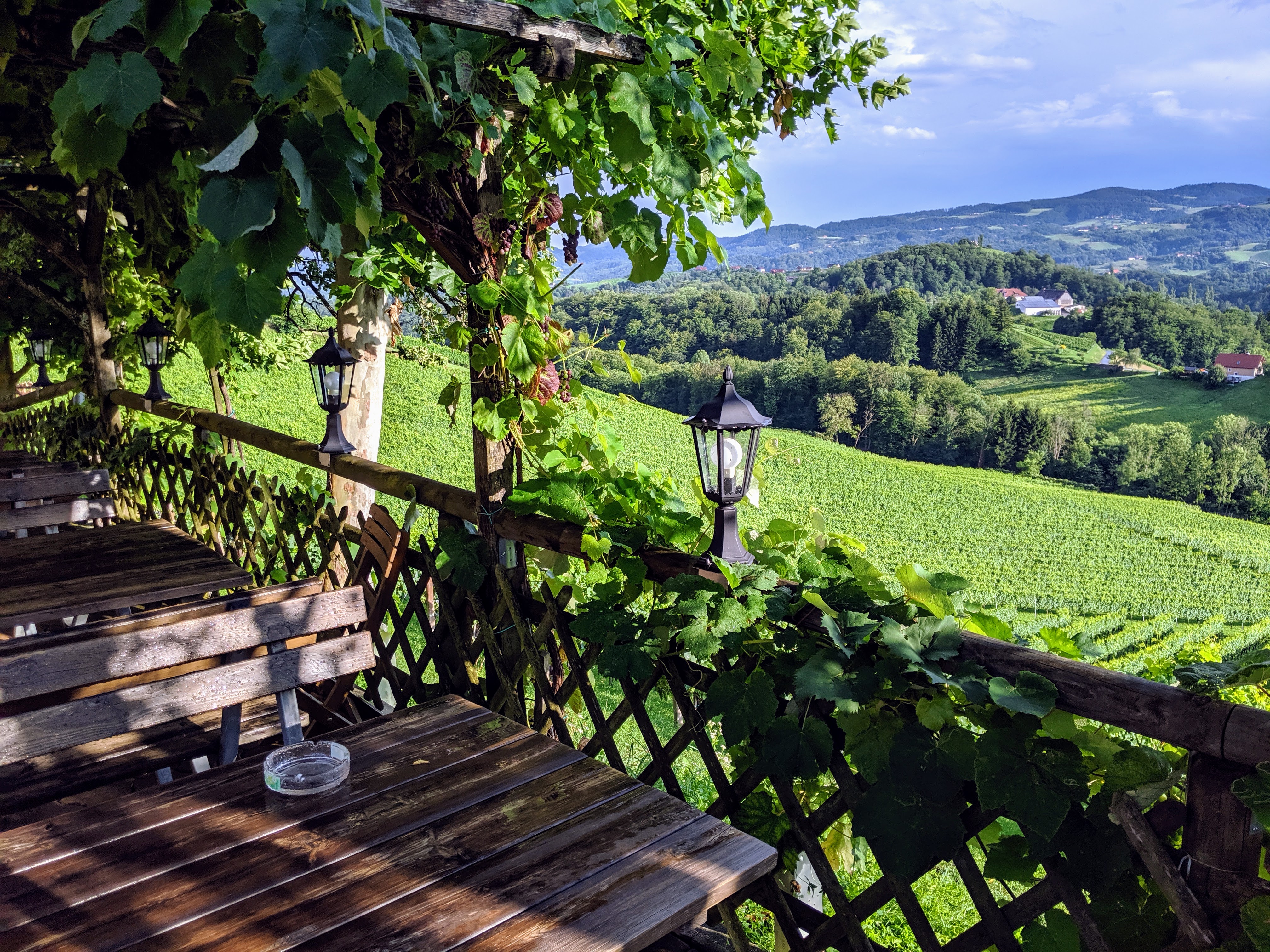
South Styrian Wine Country (Südsteierische Weinstrasse)
The South Styrian Wine Country (Südsteirische Weinstrasse) is one of the most underrated wine regions in Europe. The area is known for its amazing white wines, and the region looks like Tuscany (but greener). It boasts rolling hills showcasing vineyard after vineyard, most of which are small and family-owned.
You can either rent a car and drive or take a regional train from Graz’s main train station to Ehrenhausen and then call a service called the “WeinTaxi.” For a flat fee, they will drive you from the train station to whichever winery you desire, and then back to the train station for your return to Graz. A couple of the more popular wineries in the area with more substantial food menus are Weingut Tschermonegg, Weingut Brolli, Weingut Mahorko, and Weingut und Buschenschank Tscheppe.
Day 8: Farewell walk through Graz & take the train to Hallstatt
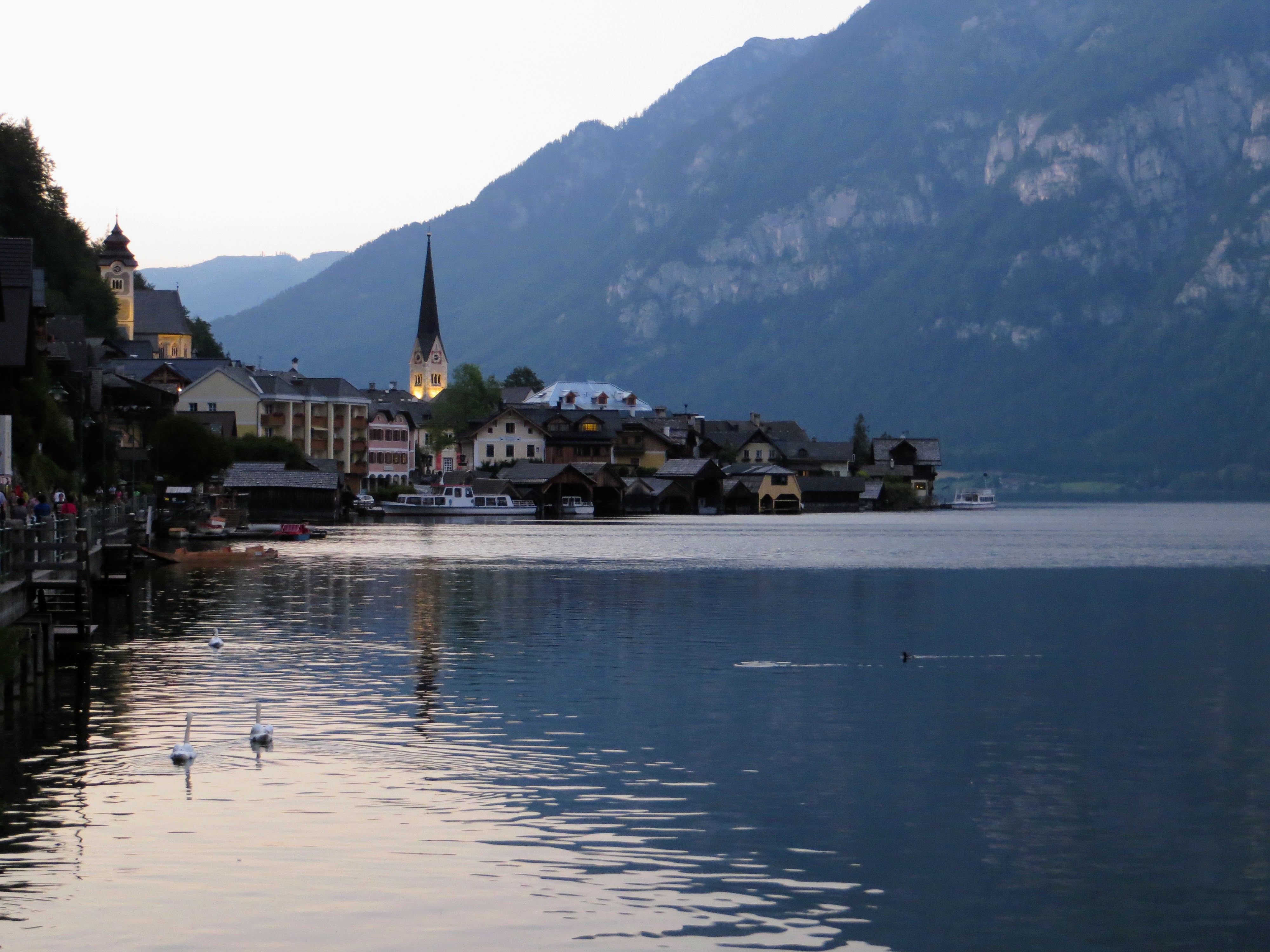
Hallstatt, Austria
For your last day in Graz, take this short self-guided tour through the remaining sights in the Old Town. From the Hauptplaz, follow Sporgasse, the cobblestone street at the corner that leads slightly uphill. The street hosts a myriad of shops and fantastic ice cream purveyors. Veer right onto Hofgasse and swing by the Imperial Bakery (Hofbäckerei) for coffee and all sorts of delicious baked goods. Try the Sissi Bussi (Sissi kisses, named after the much-loved Austrian Empress Sissi). Continue for another few blocks until you reach the Graz Cathedral (Grazer Dom). Spend a few minutes admiring the interior. Returning outside, immediately across the street is a remaining part of the Old Town wall and one of its massive town gates. If you go through the gate into the courtyard and continue to the far side, you will find an architectural marvel: a double-helix staircase (a very quirky and unique structure).
In the afternoon, take the train to Hallstatt. This train through the Alps is not just a means of transport, but stunning sightseeing in and of itself. Hallstatt’s train station is across the lake from the actual town. Each train is met by a ferry that will shuttle passengers across the swan-bedecked lake to the postcard-perfect city of Hallstatt (make sure to have a few euros in cash for the ferry). Hallstatt is a gem and rightfully popular. The key is staying here overnight if possible. During the day, the small town can get deluged with tour bus groups, but by the late afternoon, it clears out and is like a fairy tale—it will feel like you have the town almost to yourself.
Day 9: Ride the Dachstein cable car & visit ice caves
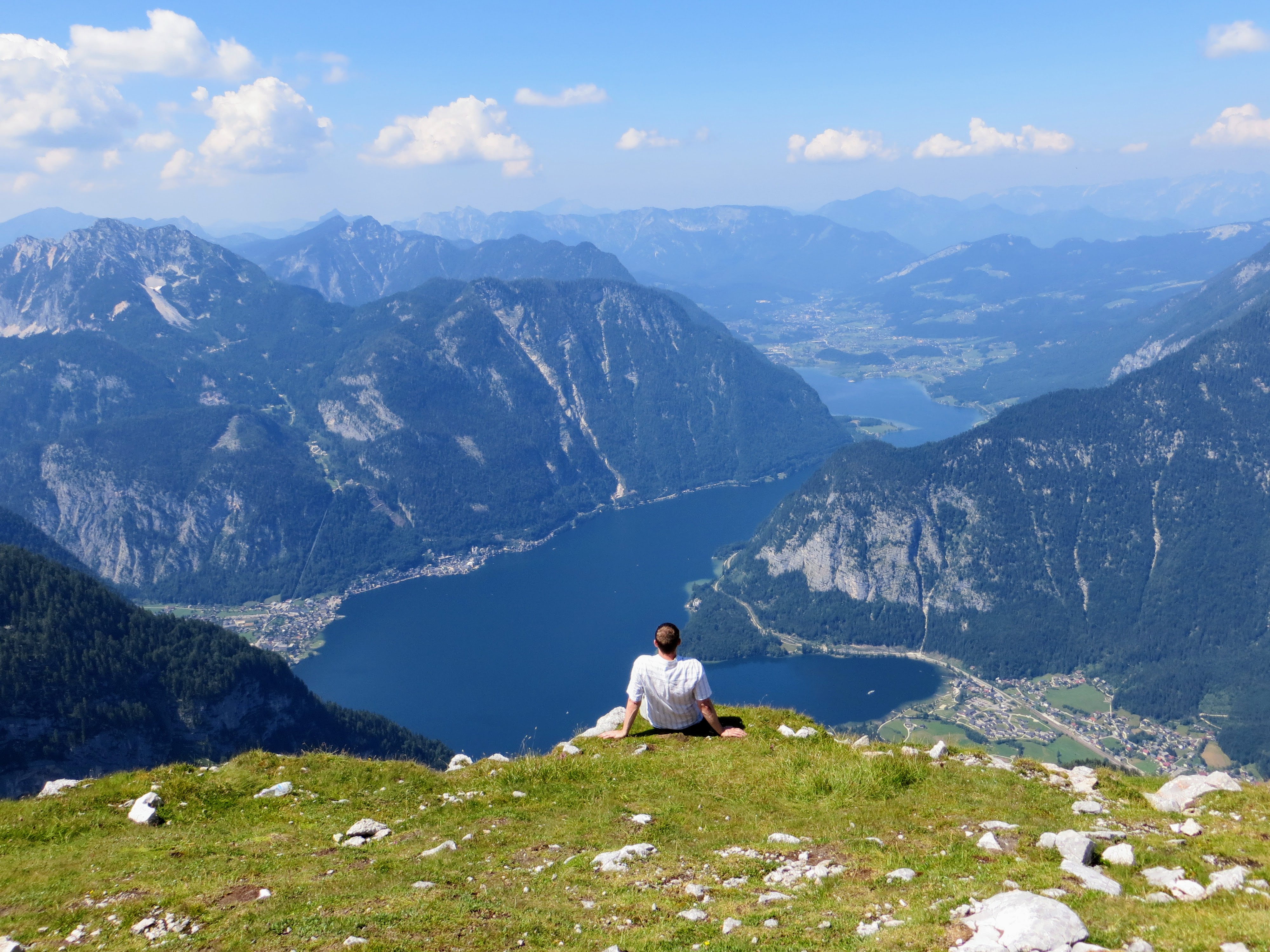
Scenic viewpoint, Krippenstein, Dachstein Cable Car
Take the bus around the lake to Obertraun to the Dachstein cable car station (Dachstein Seilbahn). The cable car has three stops, but you will only want to go to the first two. Exiting at the first stop (Krippenstein), take a tour of some really incredible ice caves (Dachstein Rieseneishöhle). Jackets might be useful!
Be sure to note the departure time of the ferry to the Hallstatt train station across the lake – it departs only once for each train (again, make sure to have a few Euros of cash for the ferry ride)! Return to the cable car and continue up to the second stop (Krippenstein). Stop at the restaurant (Bergrestaurant Krippenstein) for a bite or beer in view of the Dachstein glacier.
After fueling up at the restaurant, follow the hiking path around the top of the mountain (it’s easy, but the elevation can make it a little tricky), following the signs for the 5 Fingers viewpoint. This viewpoint is on the opposite side of the mountain but looks back down toward Hallstatt, Lake Hallstatt, and an endless vista of the Austrian Alps. Skip this stop if the weather is cloudy, as you won’t have a view of anything.
Take the cable car back down and return on the bus to Hallstatt. Enjoy a scenic dinner at the Bräugasthof am Hallstättersee, right along the main road into town. Look for the outdoor seating with lanterns everywhere.
Day 10: Take the Salzburgbahn funicular to Hallstatt Skywalk & Panoramic Viewpoint
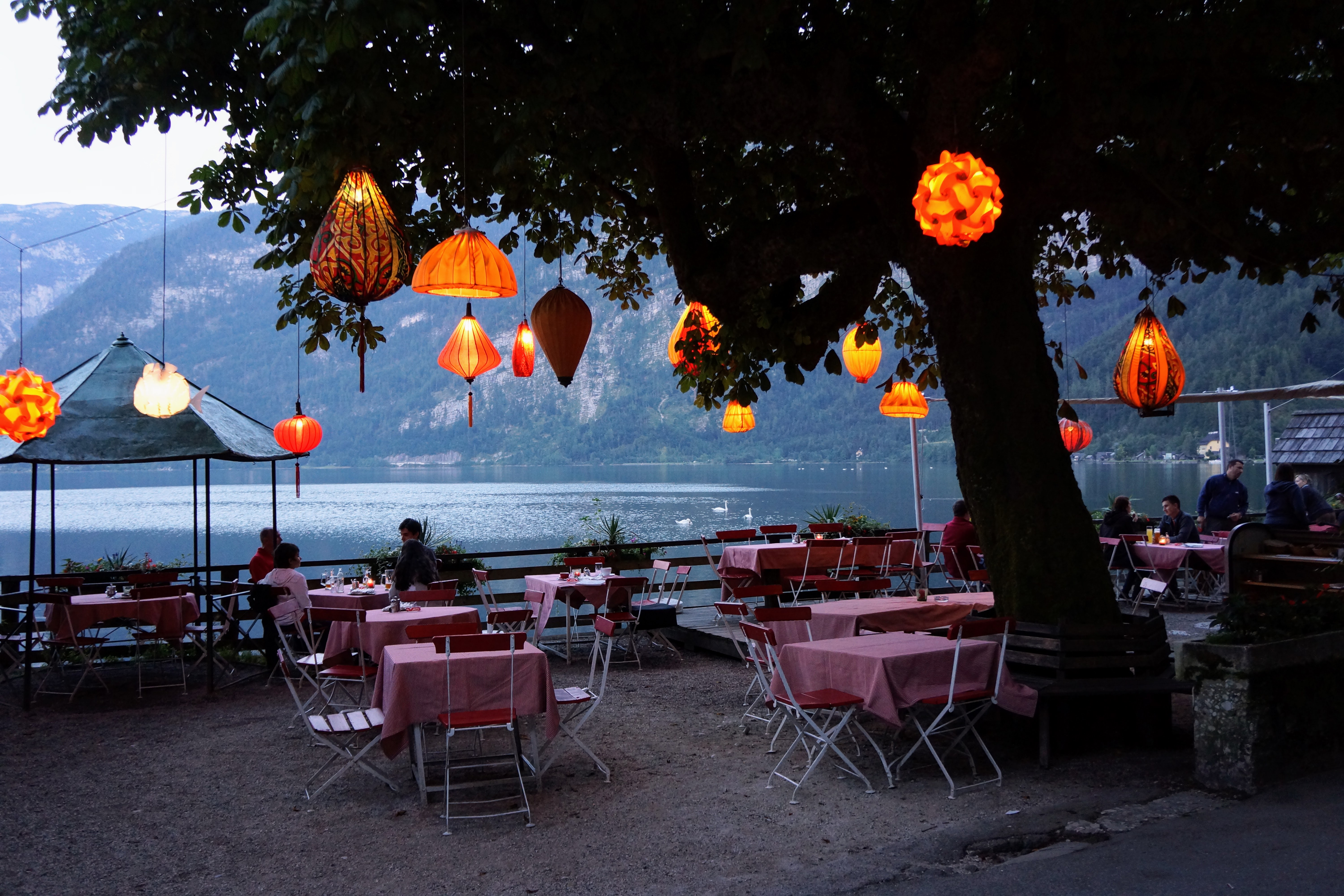
Bräugasthof am Hallstättersee with its lakeside seating and lanterns
Just on the outskirts of town to the south, buy a ticket to the salt mine and take the Salzburgbahn funicular up to the Hallstatt Skywalk and Panoramic Viewpoint for yet another postcard-perfect photo. Continue up to the Hallstatt Salt Mine for your tour—they'll suit you up in some authentic mining apparel and take you down into the chilly mine. The tour concludes with a fun trip down a long wooden slide, complete with an amusement park-style photo op on the way down.
After soaking in the last bits of this beautiful town, hop the train to Salzburg. Be sure to note the time of the ferry—it only goes once back and forth for each train. (Again, make sure to have a few euros in cash for the ferry ride.)
Day 11: See Salzburg's main sights
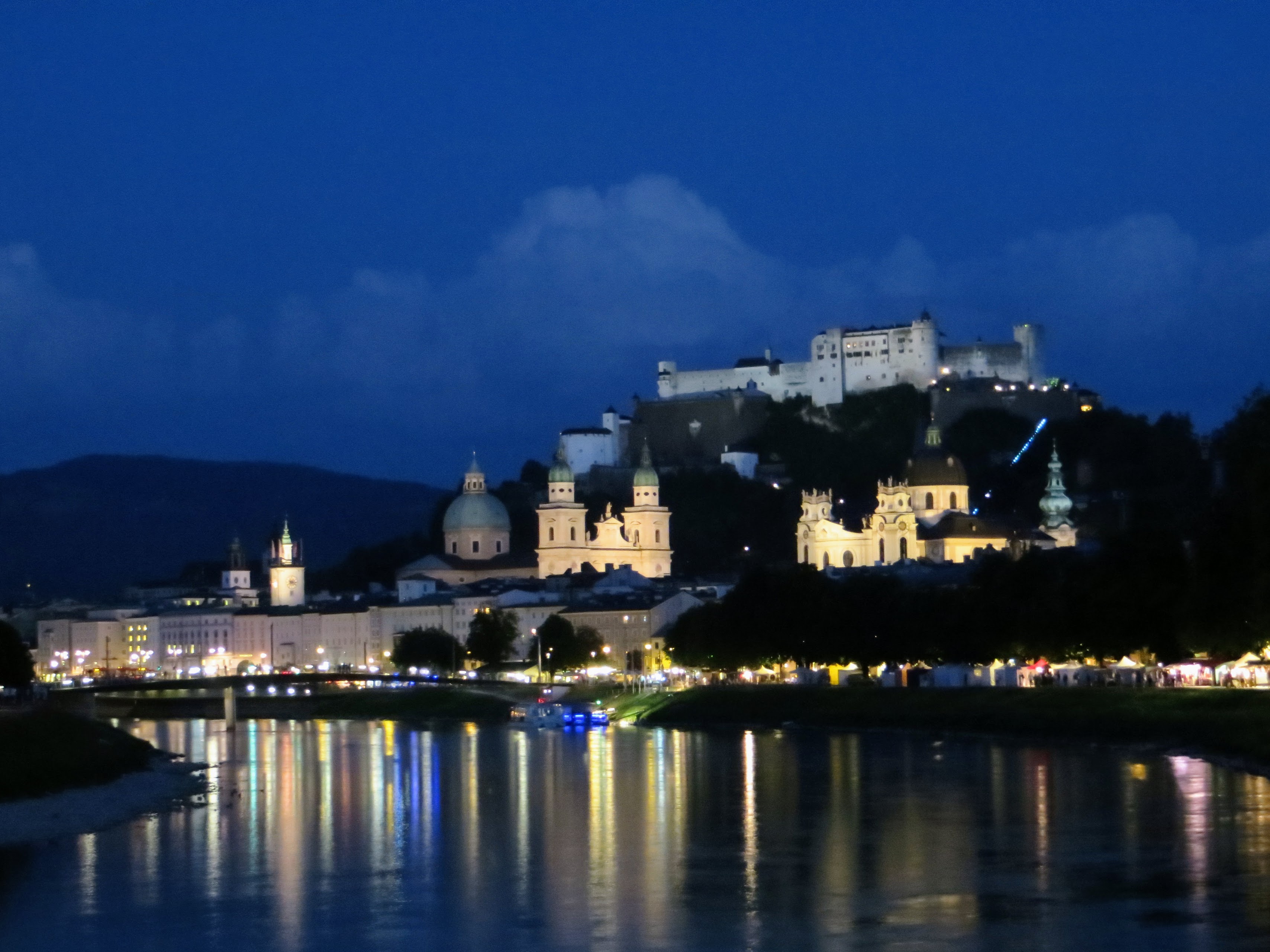
Salzburg and Hohensalzburg Fortress
Salzburg’s primary sights can be seen in a day. Start with a tour (self-guided or with an organized tour) around the Hohensalzburg Fortress (options to hike up or take the funicular). I would suggest doing this first thing in the morning when it opens to avoid the worst of the crowds. Consider purchasing tickets in advance.
After exploring the fortress grounds, return to the town center. Wander through the Salzburg Cathedral, where Mozart spent time. Choose either Mozart’s Birth House (Geburtshaus) or Residence (Wohnhaus), both of which have been turned into museums—there is enough similarity that there’s no real need to visit both, unless you are a serious Mozart enthusiast.
Take a moment to stop in one of the Cafe-Konditorei Fürst locations in town. You’ve undoubtedly seen the gold foil–wrapped Mozart Kugel chocolate balls in every storefront in town—those are mass-produced copycats. Fürst is the original creator of the Mozart Kugel. In their few shops in Salzburg, you can still get the handmade version, along with a host of other chocolate offerings. Look for the silver-foil version. Also worth a stop after a day of fortresses and sightseeing is the Augustiner Bräu Mülln’s beer garden. You’ll find a wonderful outdoor, tree-shaded beer garden with authentic Austrian food and beer in a relaxing and inviting atmosphere.
Day 12: Join a Sound of Music Tour

Mirabell Gardens, the filming location for Sound of Music's "Do-Re-Mi" scene
Spend the day enjoying the obligatory Sound of Music Tour. You’ll get a chance to visit numerous sights and locations where the movie was filmed—and almost assuredly enjoy some show sing-a-longs on the way.
Day 13: Take a day trip to Berchtesgaden
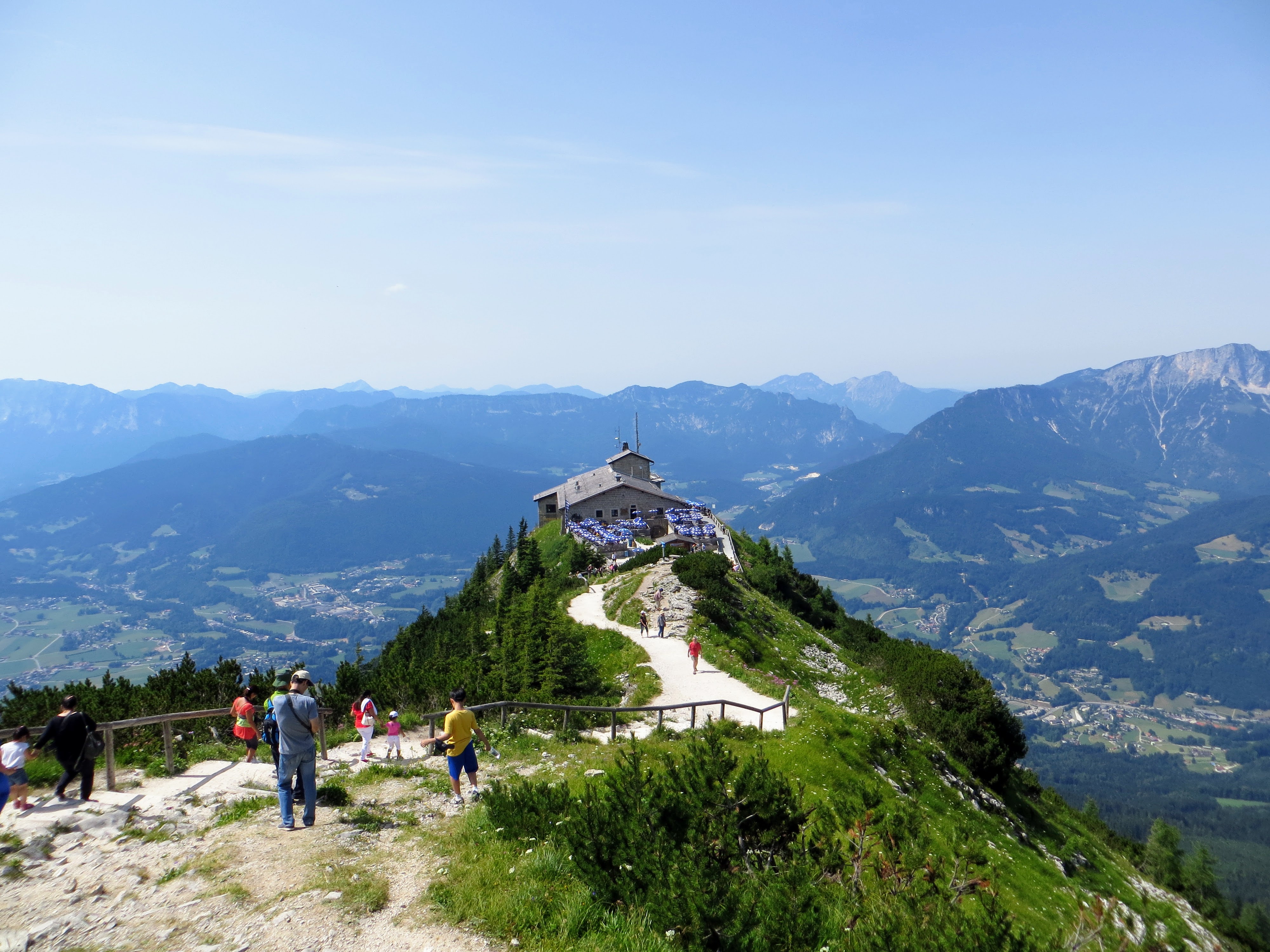
Eagle’s Nest, Berchtesgaden
Take a day trip to Berchtesgaden and visit the Eagle's Nest (Kehlsteinhaus), Hitler’s infamous mountaintop retreat. Take the golden elevator to the top, enjoy the views and restaurant, and take a moment to remember the history.
Day 14: Take the train to the Munich airport
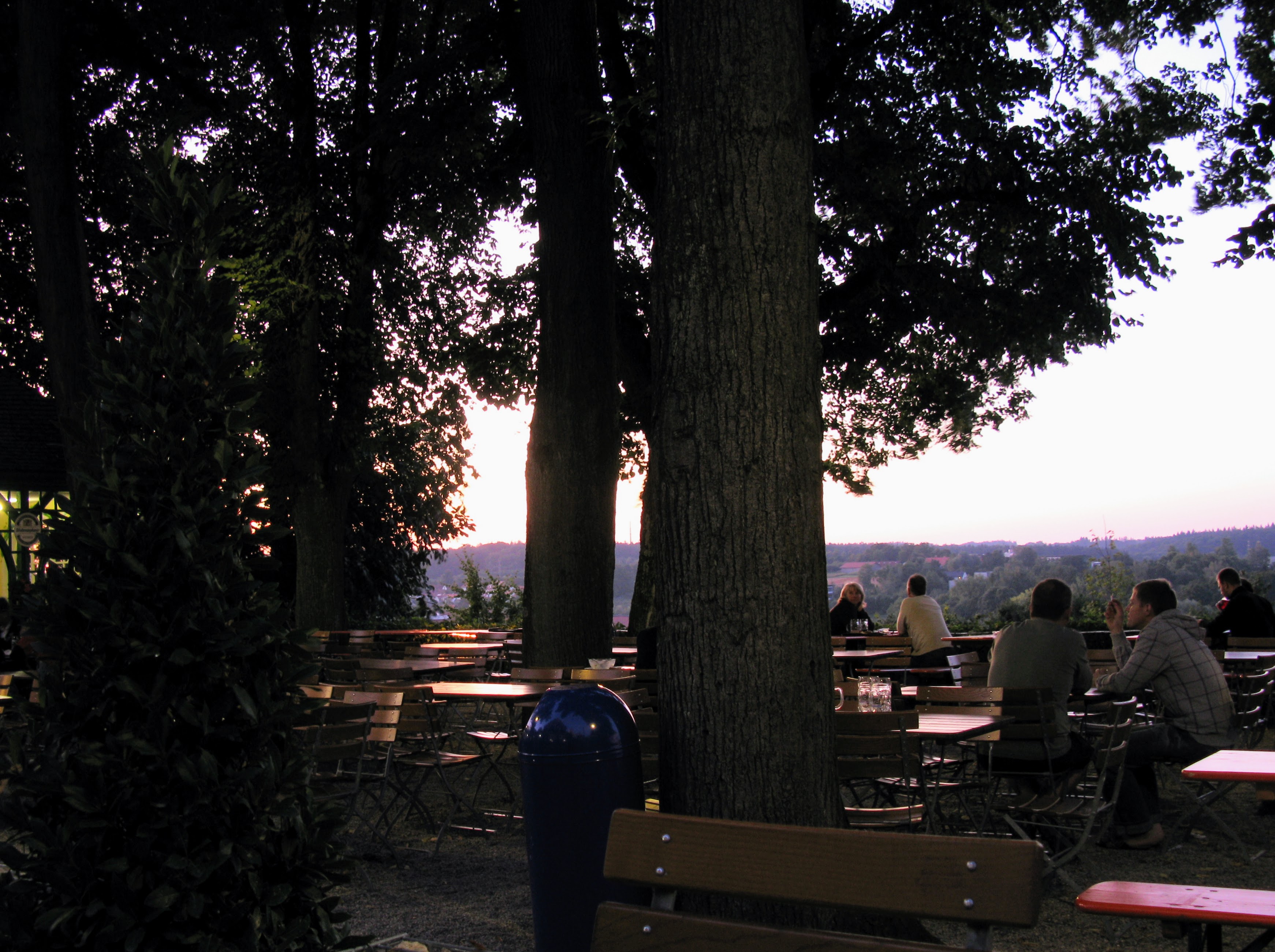
Weihenstephaner beer garden, Freising, Germany
Take the train to the Munich airport. If your flight is in the morning, stay overnight near the airport. There are numerous hotels near the airport, but don’t miss the chance to stop at Weihenstephan, the oldest brewery in the world, which has been brewing beer since 1040. The brewery and its amazing pub/restaurant are located in Freising, just a 10- to 12-minute taxi ride from the Munich airport. They have first-rate beer, marvelous traditional Bavarian food, and a gorgeous outdoor biergarten under the trees, a lovely way to round out your trip. Alternatively, take the train back to Vienna (2.5 hours) if it’s a better gateway to return home.
Need to know
Austria is stellar—it offers a vast array of things to do and see, from big cities to beautiful mountain towns. It’s incredibly easy to navigate, efficient, and hospitable, not to mention a wealth of history, scenery, and food. I cannot recommend a visit highly enough.


Travel Advisor
Nathan Mitchell

Nathan Mitchell

Get in touch with Nathan Mitchell
Did you like this guide? Reach out to customize and book your own experience. Or, just to chat about travel in general.
For more inspiration and insider recommendations, visit our Austria page.