


Curator’s statement
You may think you know China—the food, the temples, the Great Wall—globalization made it all look so familiar. But do you really? I went to China expecting exactly that: spring rolls, ancient sites, cutting-edge tech. What I found was something deeper, warmer, and more surprising than I ever imagined—a country that connects the past and the future with quiet confidence. Say yes to discovering it for yourself, because that’s why we travel.
The Fora Difference
Book with Silvana Analía Guzmán Saavedra to access exclusive perks and experiences on your trip.

Killer perks
Free upgrades, spa credits and more—we got you

Personalized recs
Customized travel planning for your style

Insider knowledge
Expert advice from people who’ve actually been there
Where to stay in China
Unlock perks by contacting Silvana Analía Guzmán Saavedra to book your trip.
Things to do in China

Shanghai French Concession
1. Walk the Great Wall (Beijing)
This is the must-visit in China, and of course, you have to do it. There are three main sections: Badaling (the most famous and crowded), Mutianyu (scenic and well-kept), and Jinshanling (more remote and rugged). Mutianyu is my pick—less crowded than Badaling and not as demanding as Jinshanling. Go early in the morning; you’ll be glad to have some time to linger once you’re there. There are two walking routes: north and south. If you only have energy for one, take the north section—that’s the one with the cable car. Bring water, sunscreen, and a hat. Be ready to be among a crowd at all times—it’s part of the experience.
2. Visit the Temple of Heaven & Summer Palace (Beijing)
You can do both on the same day if you’re feeling energetic. If you’re in a slower mood, prioritize the Temple of Heaven—its historical significance is remarkable. After exploring, take your time to walk through the vast imperial parks where locals gather to practice tai chi, kung fu, or dance—and join them if you wish. Chinese people are incredibly kind and welcoming. Have a taste of the Chinese way of life and their deep appreciation for the connection between soul, body, mind, and nature.
3. Visit the Ancient City of Pingyao
A walled town that feels like a time capsule of China’s first banking hub. Getting there is easy—it’s right on the railway route between Beijing and Xi’an. Today, Pingyao is a modern city, so once you arrive at the train station, take a cab to the entrance of the ancient city walls. From there, no cars are allowed, but small electric carts can take you to your accommodation. I chose to stay in a traditional homestay and felt like I had stepped back in time. Take your time to wander the narrow streets, visit ancient temples, and admire the well-preserved architecture. Pingyao has its own distinctive local cuisine, quite different from Beijing’s—ask locals for recommendations and let yourself discover its flavors. Afterwards, explore the artisan shops where you can find silver coins, handcrafted jewelry (they’ll even inscribe your name in Chinese), and watch as a cosmetologist creates custom lipsticks on the spot—your shade, your color, your moment.
4. Visit the Terracotta Army (Xi’an)
This is one of those places that truly lives up to the hype—and then some. Seeing thousands of life-sized clay soldiers guarding an emperor’s tomb is both surreal and deeply moving. Each warrior is unique, with different facial expressions and armor details. The scale of the excavation site is massive, so plan at least three hours for your visit. Honestly, I don’t think it’s worth going with a guide or renting the audio guide—if you read about the history beforehand, you’ll be fine. Bring patience; it’s always busy, but take your time to absorb the magnitude of it all. The museum area nearby, in my opinion, doesn’t add much either. Enjoy the Terracotta Warriors and pay attention to the details—that’s where the real value lies.
5. Visit Suzhou
It’s known as the “Venice of the East,” but having been to Venice, I’d suggest managing your expectations. Suzhou is beautiful, but it’s something else entirely. The city is filled with classical gardens, canals, and stone bridges that create a peaceful rhythm—a soothing contrast to the fast pace of Beijing or Shanghai. You can easily get there by high-speed train; it’s about 30 minutes from Shanghai. Spend time in the Humble Administrator’s Garden (a UNESCO World Heritage Site) to experience the essence of Chinese landscape design. Don’t miss trying the Mandarin fish—Suzhou’s signature dish—crispy, golden, and glazed with a sweet-sour sauce that somehow tastes like the city itself: delicate, balanced, and unforgettable. Pro tip: Just before sunset, pick a bar or restaurant along the main canal. As you enjoy your drink, the lights begin to glow over the water and crowds gather on the bridges, cameras ready. You’ll already be in the perfect spot—watching Suzhou at its golden hour.
6. Stroll through the People’s Park Marriage Market (Shanghai)
This is one of those unique experiences that you won’t find in a typical travel guide. Every weekend, parents gather here carrying handwritten posters with details about their unmarried sons and daughters—age, height, education, job, and sometimes even income or zodiac sign. It’s both fascinating and touching to watch—a window into Chinese family traditions, values, and how modern life and ancient customs blend in surprising ways. Walk respectfully among the crowds, take it in quietly, and resist the urge to take too many photos. What you’re seeing is more than a curiosity—it’s a piece of daily life and genuine human hope happening right in front of you.
7. Visit the Love Park & Shanghai Tower (Shanghai)
I must confess, I’m a bit of a wedding crasher when I travel. Love is universal; it’s what connects us all. And it’s fascinating to see it expressed through different cultures. After crossing the Huangpu River into Shanghai’s futuristic side, you’ll find yourself at the Love Park, where locals celebrate love, taking photos in traditional attire—and if you’re lucky like me, you might even be invited to join them. From there, continue toward the Shanghai Tower, the tallest building in China. If you’re debating whether to climb this tower or the Pearl Tower, keep in mind that from the Shanghai Tower’s observation deck, you’ll get the iconic view of the Pearl Tower. It’s worth buying the ticket with the optional AI experience add-on. Be patient, though—it’s always crowded. Skip eating inside; the food options are limited, and the experience isn’t great because of the noise and crowds. Instead, head to one of the stylish restaurants in Pudong’s financial district for dinner with skyline views—a perfect ending to a perfect day.
8. Stroll East & West Nanjing Road (Shanghai)
Shanghai is all about style, so allow yourself a bit of shopping as a cultural experience. Start at East Nanjing Road, a lively pedestrian street filled with local brands and global favorites. Here, you’ll find stores like Sephora, where you can get luxury skincare and makeup in travel-exclusive editions at surprisingly good prices—the dream of every skincare lover. Then, walk or take the metro west toward West Nanjing Road, where the vibe changes completely. This area is quieter, elegant, and lined with high-end boutiques and international designer stores. Pro tip: Are you a coffee lover like me? If so, head to the Starbucks Reserve Roastery, one of the largest Starbucks in the world. It’s an immersive experience where you can watch the beans being roasted and brewed right in front of you. Coffee here is treated like art—as it should be.
9. Wander the French Concession (Shanghai)
Did you know that parts of Shanghai were once occupied by the French and the British? This colonial past left a distinctive mark on the city’s architecture and atmosphere. The French Concession feels like a city within the city—tree-lined streets, old villas with Art Deco facades, boutique cafés, and elegant concept stores. It’s where Shanghai’s past and present meet effortlessly—and where you’ll probably fall a little bit in love with the city. French-Chinese fusion cuisine is something to savor slowly and with pleasure. And a bit of advice: try to dress the part, or you might feel slightly out of place—people here take style seriously; it’s a way of living.
10. Explore Tianzifang (Shanghai)
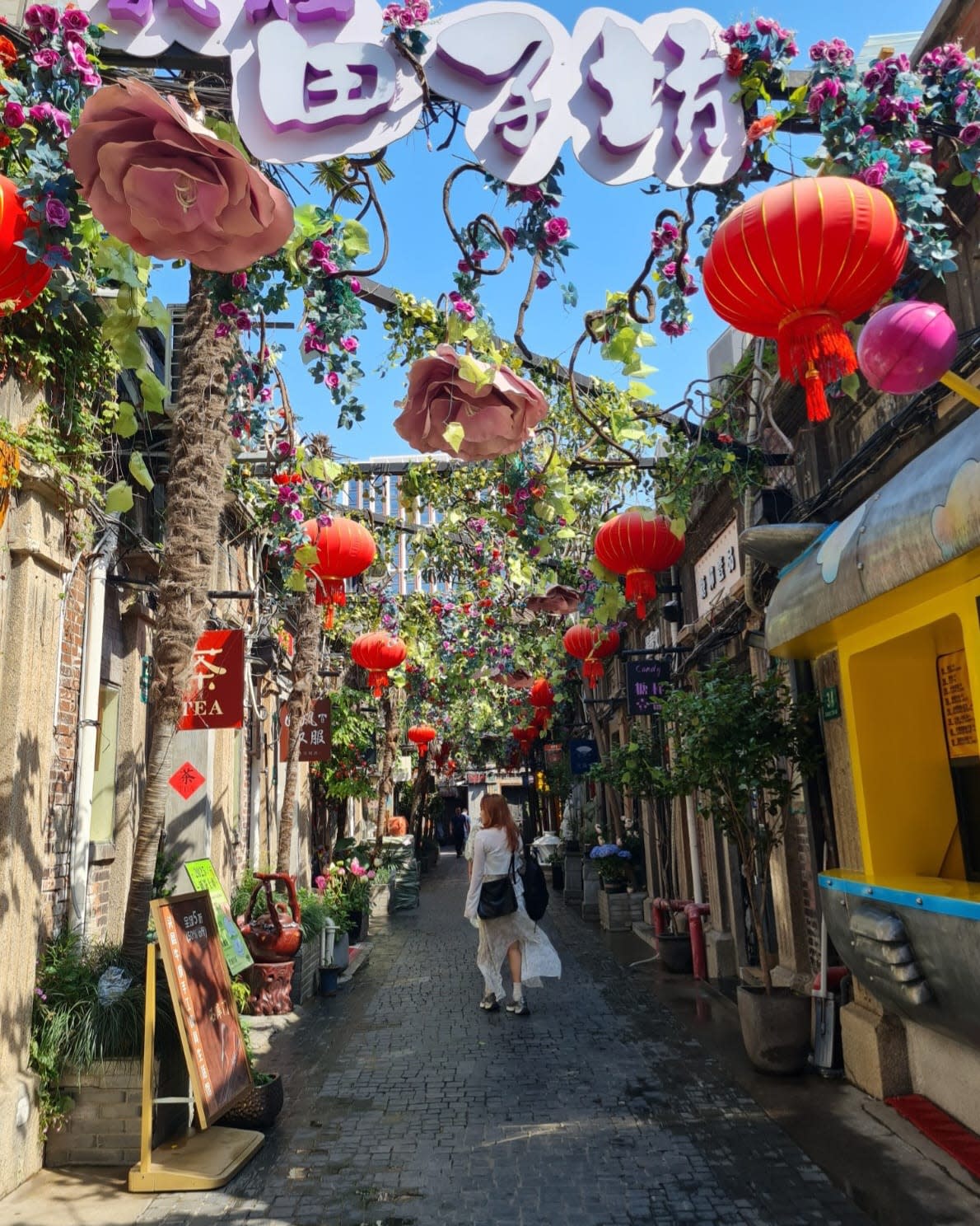
Prepare yourself for one-of-a-kind shopping. You probably won’t find any “must-visit” cafés or restaurants here as advertised in local guides—it’s a bit chaotic, so don’t get frustrated—but you’ll definitely discover unique clothing and jewelry pieces that feel truly special. Tianzifang is a maze of narrow alleys filled with small art studios, design shops, and cozy cafés. It’s the bohemian heart of Shanghai, where local artists paint, shop owners chat with visitors, and every corner is an Instagrammable spot. Come with time and no plan. Let yourself get lost—and let life surprise you.
Places to eat & drink in China
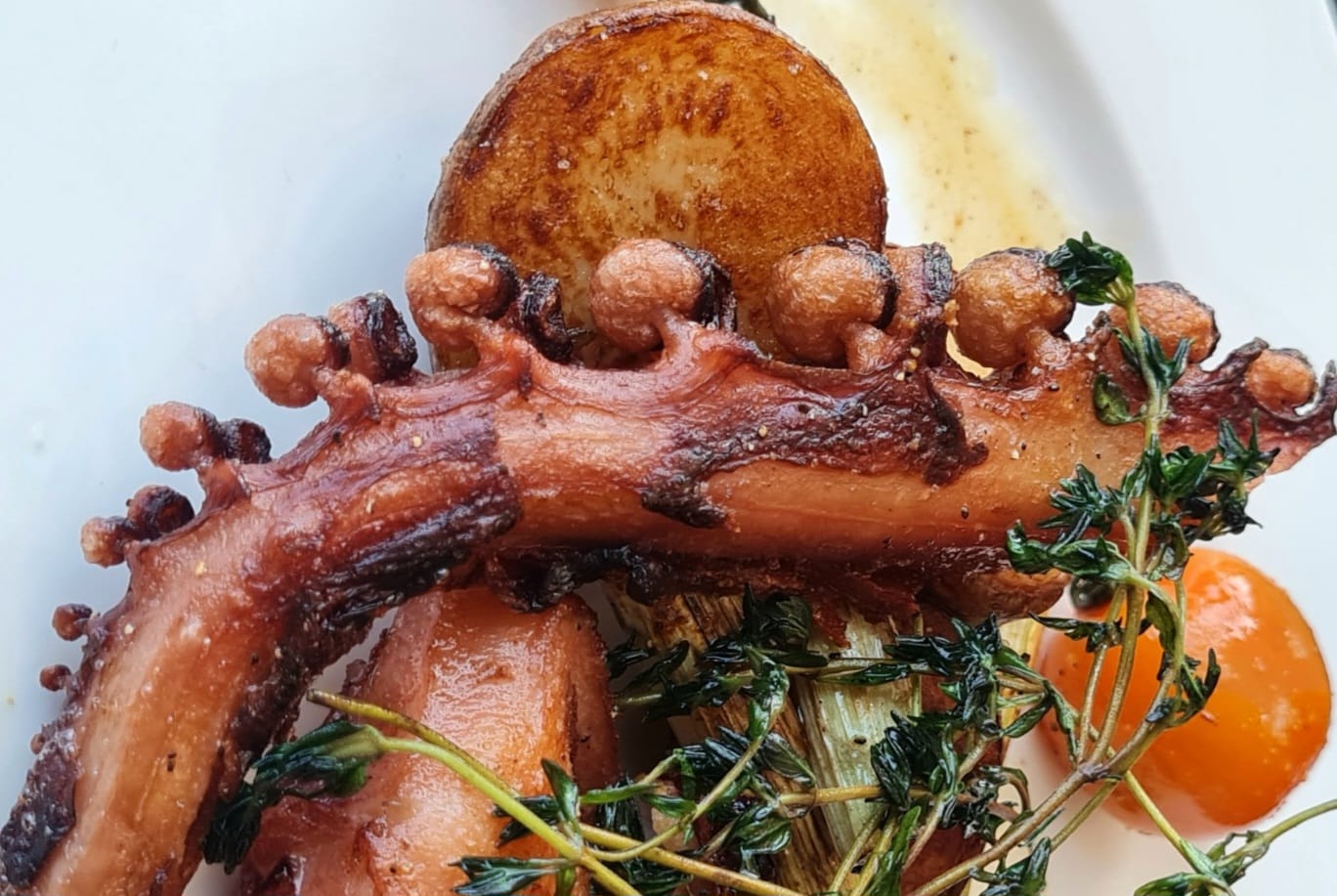
Grilled octopus at the Renaissance Shanghai Yu Garden Hotel (Shanghai)
1. Quanjude Roast Duck (Beijing)
Peking duck is the must-try dish of any trip to China, and there are several places in Beijing to enjoy it. Quanjude Roast Duck is the place for the authentic experience. Founded in 1864, Quanjude is a Beijing institution where the duck is roasted over fruitwood for that signature crispy skin and rich flavor. The carving happens right in front of you—the chef slices it with precision and pride. Wrap the duck slices with scallions, cucumber, and hoisin sauce in delicate pancakes. It’s a pleasure you’ll never forget.
2. Muslim Quarter Street Food (Xi’an)
The Muslim Quarter in Xi’an is a cultural experience and a lively mix of aromas, sounds, and flavors. Every stall seems to have its own specialty, and the best strategy is simple: follow the longest line. It’s chaotic, loud, and unforgettable—the true flavor of Xi’an.
3. Renaissance Shanghai Yu Garden Hotel (Shanghai)
You don’t have to be a guest to enjoy the views. Head to the top-floor restaurant or bar, especially at night, when the lights of the Yu Garden area create a magical skyline. The setting is elegant yet relaxed. My favorite: the grilled octopus—perfectly cooked and full of flavor.
4. The Refinery Resto Bar (Shanghai)
A stylish spot in the heart of the city. The atmosphere is modern yet cozy, with great drinks and a menu that blends Western favorites with local ingredients. It’s chic without being pretentious—a place to unwind after a full day in Shanghai.
5. Pizza Hut (various cities)
Alongside the classic pizzas, Pizza Huts in China serve Wagyu beef dishes—yes, real Wagyu. This Japanese-origin beef is prized for its incredible marbling, tenderness, and rich flavor, making it one of the most expensive meats in the world. For some reason, in China it’s surprisingly accessible—and you can try it at Pizza Hut, from burgers to steak cuts. If you’ve ever been curious about Wagyu but not its usual price tag, this is your chance to taste it without breaking the bank.
Need to know
Cash and payments: China runs mostly on mobile payments. Apps like Alipay and WeChat Pay are widely used. International credit cards usually work too, but the easiest way is to connect your card to Alipay before you arrive—it works seamlessly and saves you time.
VPN and connectivity: Many Western apps (like Google, Instagram, or WhatsApp) are blocked. Download a VPN before your trip if you need them, and get an eSIM (like Holafly or Airalo) for smooth data connection throughout the country.
Language and signs: English is not common outside major cities. Keep translation apps handy (the Alipay Translator is great) and always have your hotel address written in Chinese characters—it makes taxis and directions much easier. Google Maps does not work accurately.
Toilets and travel essentials: Public bathrooms are clean and frequent, but bring tissues and hand sanitizer, as they’re not always provided.
Trains and airports: China’s high-speed rail system is world-class, and there are also many flights connecting major cities. Always book your tickets in advance.
Local etiquette: Chinese people are extremely polite. A smile and a simple “ni hao” will do wonders.
Food and flavors: Don’t expect Chinese food to taste like your local takeout. Each region has its own style—so embrace the variety.
Timing and crowds: It’s always crowded everywhere in China, so just relax and try to be early. Crowds are part of the experience—once you accept that, you’ll start to enjoy the rhythm of it all.
Passport and security checks: Always bring your original passport—copies are not accepted. You’ll be required to show it to enter most sites and attractions. Also, expect airport-style security checks at major attractions, public buildings, and metro or railway stations.
Final tip: China will surprise you—not once, but every single day. Say yes to it all.


Travel Advisor
Silvana Analía Guzmán Saavedra

Silvana Analía Guzmán Saavedra

Get in touch with Silvana Analía Guzmán Saavedra
Did you like this guide? Reach out to customize and book your own experience. Or, just to chat about travel in general.
For more inspiration and insider recommendations, visit our China page.