



Curator’s statement
For a relatively small country, Jordan packs in an incredibly diverse range of sights and environments. From the Dead Sea and sacred sites for Christianity and Judaism to the bustling metropolis of Amman, where a harmonized call to prayer rings out from hundreds of mosques across the city five times a day; from Roman ruins and a crusader castle to the city at Petra built by Nabatean traders; from the Wadi Rum desert to the Gulf of Aqaba—Jordan has a world of history and nature to explore within its borders.
The Fora Difference
Book with Elizabeth, Your Travel Planner to access exclusive perks and experiences on your trip.

Killer perks
Free upgrades, spa credits and more—we got you

Personalized recs
Customized travel planning for your style

Insider knowledge
Expert advice from people who’ve actually been there
Where to stay
Unlock perks by contacting Elizabeth, Your Travel Planner to book your trip.
Trip overview
I visited Jordan in September 2025 with G Adventures. Personally I find that being on a guided tour helps a lot in countries where I don’t speak the language and have a hard time reading signs due to the use of a different alphabet. I appreciate the tour model of making travel affordable and accessible through small-group experiences. We had a knowledgeable guide and a dedicated driver with us the entire week. The bus was also new and comfortable, with effective air conditioning—which is crucial given Jordan’s hot climate.
Tip: Look out for tours which support community enterprise and incorporate these ventures into the tour experience. In our case, we got to visit Safi Kitchen, providing employment for those working at the community kitchen and event venue while engaging in preservation efforts for the area’s natural resources and cultural heritage.
Jerash
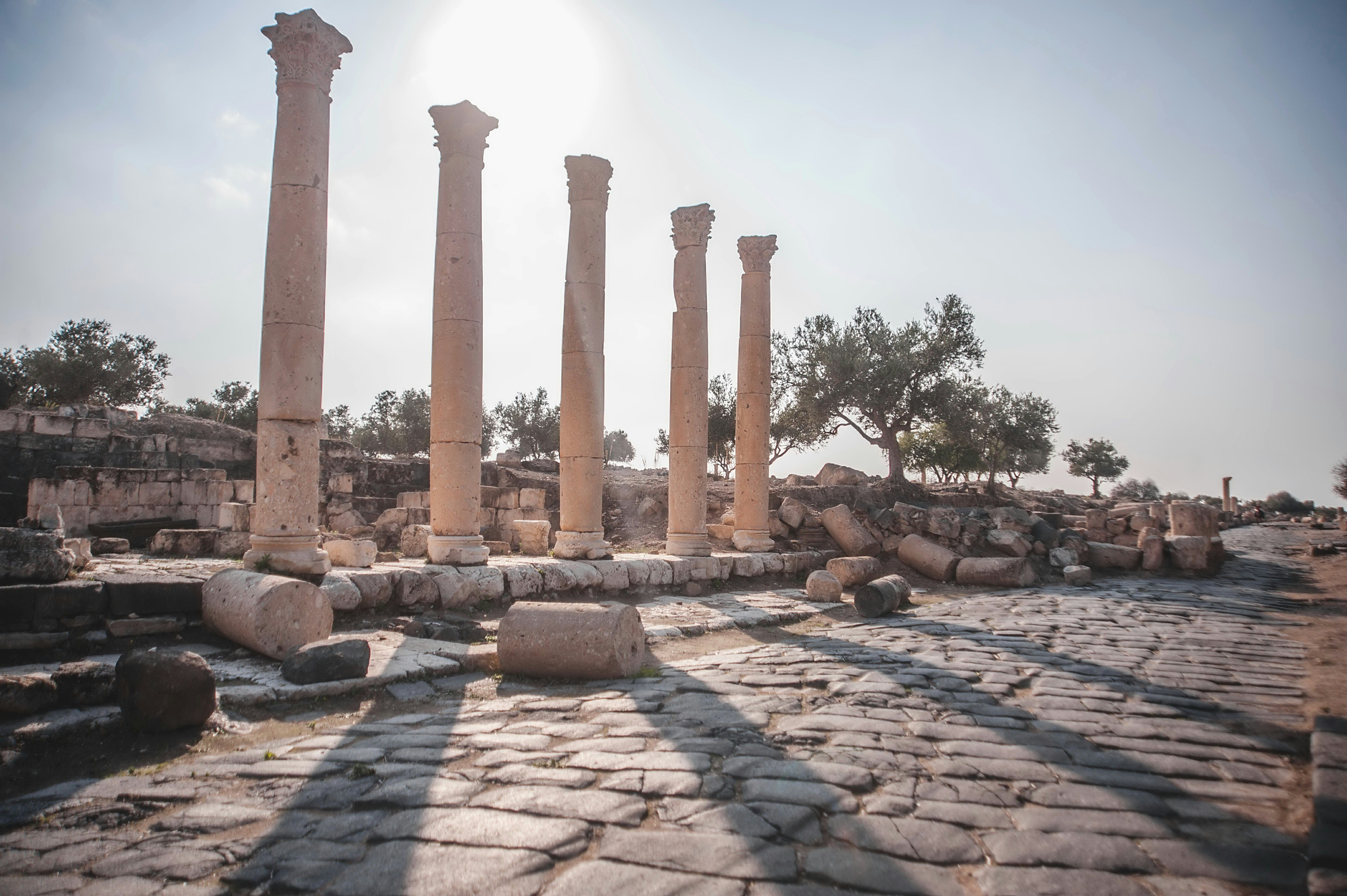
Jerash
This city, with a current population of just under 300,000 in the metro area, is one of the best preserved sites of Greek and Roman architecture outside of Italy. Devote half a day to walking the ancient city, viewing the ruins of shop stalls, homes, and public baths—plus Hadrian’s Arch, a Roman theatre, and temples to Artemis and Zeus. Be sure to bring plenty of water, plus some cash to buy more from vendors on site. Even in the off-season, the heat and sun are intense, and the ancient city has very few shaded areas.
From Amman, this is only an hour’s drive north in the direction of Syria, and can easily be visited on a day trip.
Dead Sea
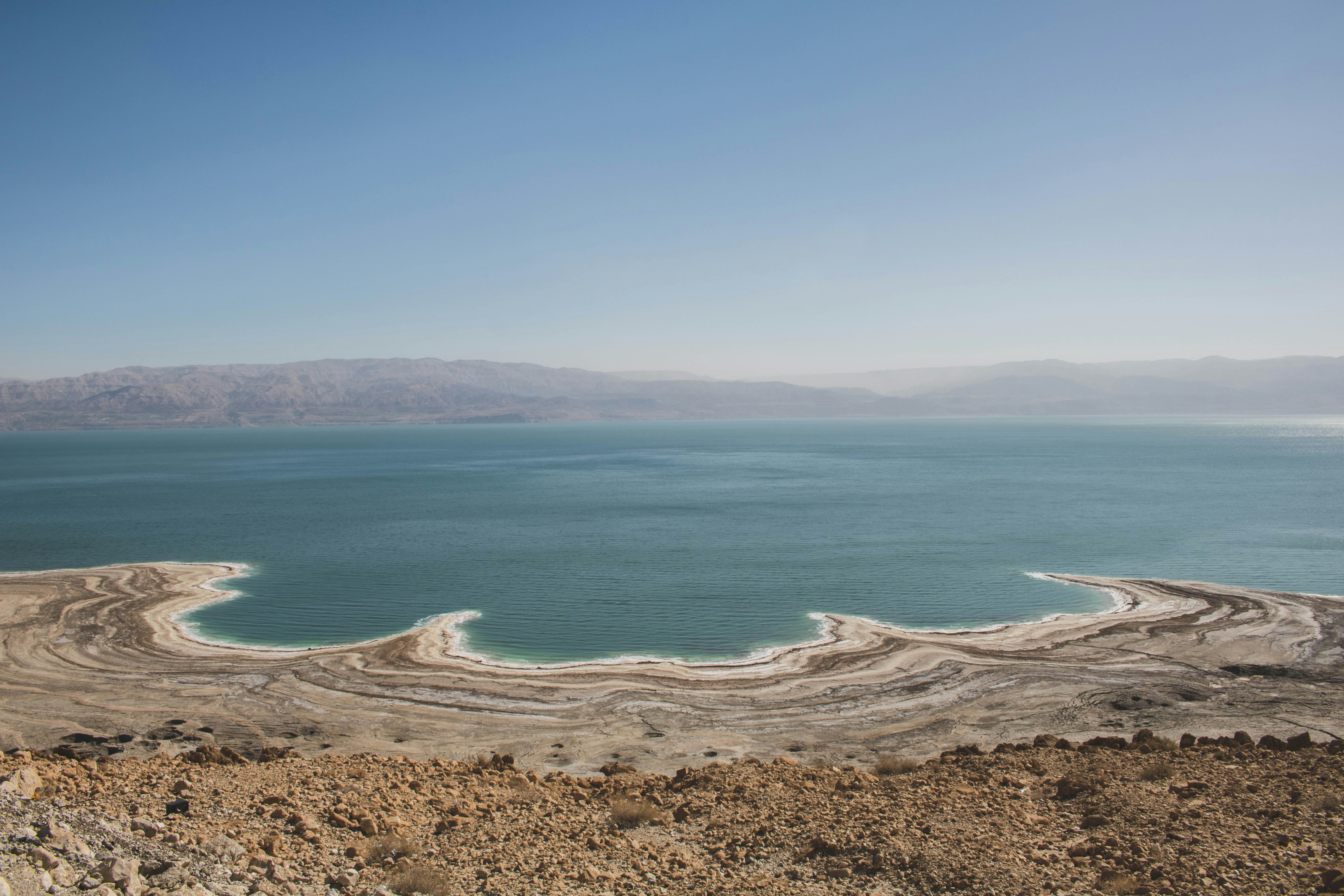
Dead Sea
A series of European spa-style hotels line the Dead Sea’s Eastern shore, which is rapidly receding (largely due to overuse of water upstream, but also due to evaporation).
Take your pick of luxurious settings for your Dead Sea experience. You won’t necessarily know you’re in Jordan based on the dance music playing by the pool, but the experience of swimming in the Dead Sea is altogether unique. It’s recommended not to stay more than 10 minutes in the water (it’s so salty that it actively dehydrates you). Take a quick dip to experience the novelty of being so buoyant that it’s impossible to hold your entire body below the water line, then head to the trough of mineral-rich mud (all the resorts have them) for slathering your skin. Once the mud dries, head back into the sea to wash off, and marvel at how unbelievably soft your skin feels. Then it’s time to head back to the pool and find a shady spot for a nap and a cold drink.
This segment can also be done as a half-day excursion from Amman, but I recommend adding on a couple of nights at a resort hotel to allow for truly chilling out.
Madaba
This city, with a population just under 100,000, is home to a famous mosaic that is the oldest surviving map of the Holy Land. It was dated based on the buildings that appear on the map (with none being newer than 570 AD). You can see this mosaic in the floor of a Byzantine church that has been restored after being destroyed by an earthquake in the eighth century.
The town itself is lovely and quiet in the morning. Located under an hour south of Amman, it was the perfect place for an early tour and coffee stop. Nearby, you can visit mosaic workshops to learn about the characteristic local craftsmanship and purchase examples if you wish.
Mount Nebo
Just west of Madaba is Mount Nebo, where Moses was buried according to tradition and also the place from where Moses glimpsed the Promised Land. On a clear day, you can see all the way to Jerusalem (but when we were there it was hazy). The site is now maintained by the Franciscan Order, and has a restored church with Byzantine mosaics.
Kerak
Drive south another hour or two (depending on road conditions) to reach Kerak, a castle from the times of the Crusades (now situated in a metro area of just over 300,000). The castle was a key site in European kings’ attempts at forced conversion of residents in the area to Christianity. The castle was besieged three times in 1183 and 1184 before Saladin finally forced its surrender by cutting off the castle’s supply lines.
A guided tour can bring the site to life, explaining how the building reflects the lives of the soldiers (for example, the rooms with half-doors where they would barricade themselves when the castle was overrun, so that any enemy would need to fight their way in).
We drove from Amman to Madaba, Mount Nebo, and Kerak all in one day, finishing in our hotel in Wadi Musa just outside Petra.
Little Petra
We reached Little Petra in the evening at the end of a long driving day, and I would recommend this same timing for planning your own visit. The experience of visiting at sunset was magical. This was a stopping point where anyone approaching Petra would register and leave their animals behind, since horses, camels, and donkeys were not allowed to enter the main city. Don’t miss the dining room with 2,000-year-old frescoes—but simply wandering among the carved living spaces (many of whose purposes are unknown) is spellbinding.
Petra
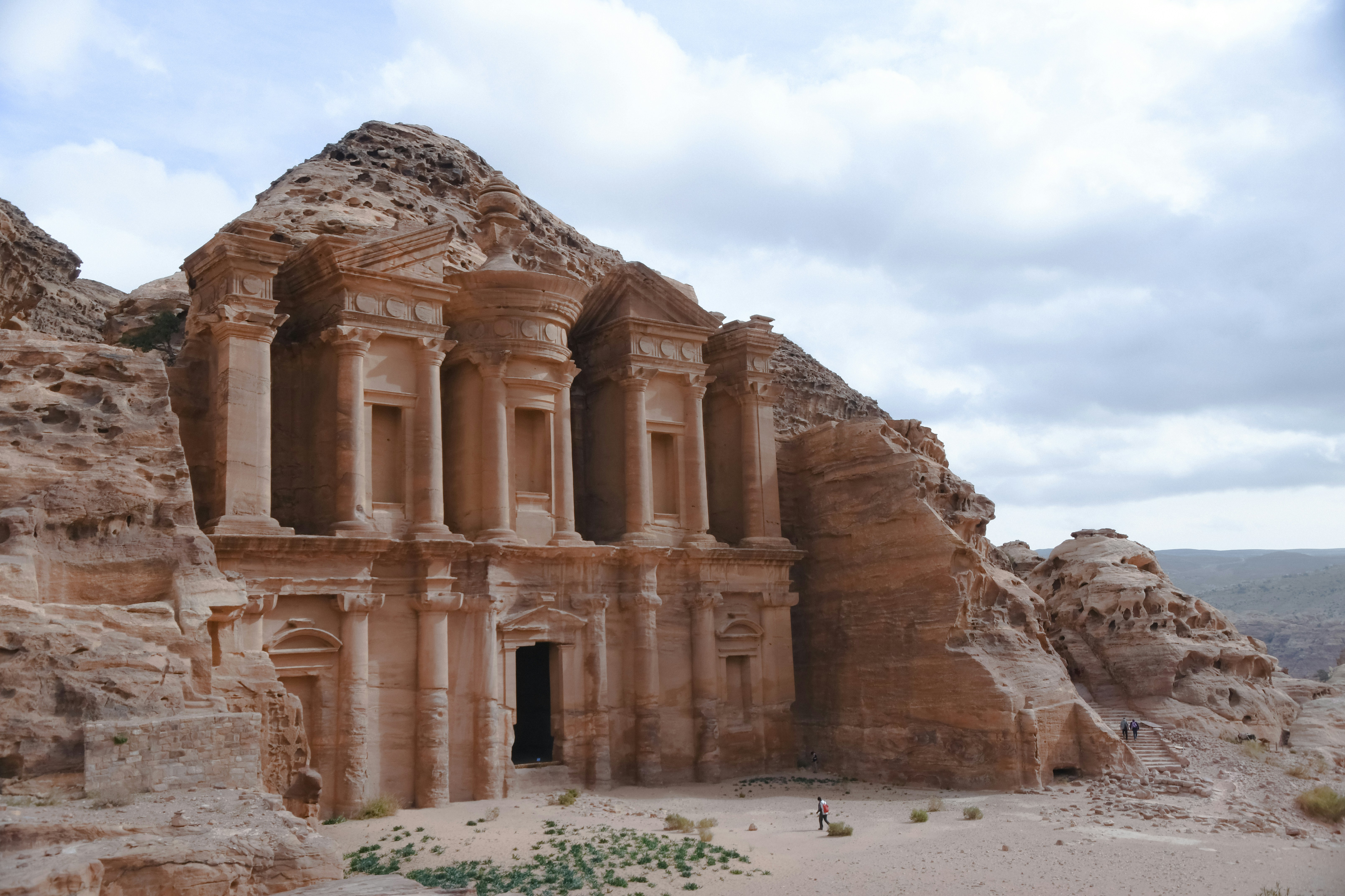
Petra
This ancient wonder was relatively recently discovered, with an estimated 80 percent of the city not yet excavated, and with new discoveries still occurring there each year. The city was built by the Nabateans, an ancient civilization that flourished due to their location at a crossroads for trade, and also due to their judicious management of water. Petra thrived from the fourth century BC until the first century AD, when it was annexed by the Roman Empire. More recently, Bedouins dwelled in the caves until the site was protected with UNESCO World Heritage status in 1985. It is truly a wonder to behold and is every bit as breathtaking as the pictures. Nothing beats the “big reveal” when you approach the end of a narrow slot canyon and see the Treasury carved from rose-colored rock looming in front of you!
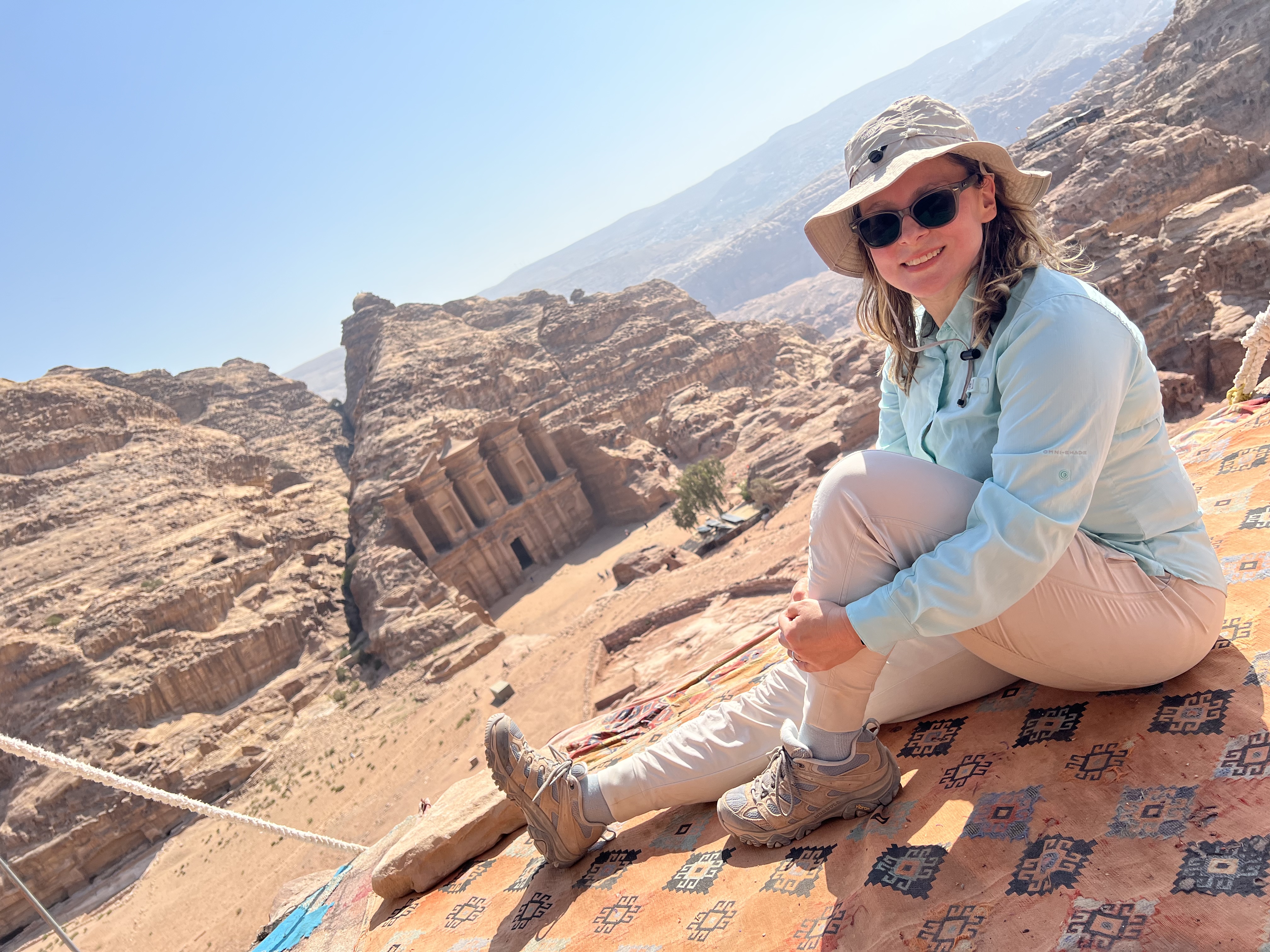
Plan a full day at Petra. We arrived at 6 am when the site first opened, and this was a good way of beating the heat. You need real hiking shoes, and poles would also not be out of place. It’s not a bad idea to bring water and snacks, although cafes and shops offer them for purchase within the site. Most importantly, know that it’s a feat of endurance. The main hike to the Monastery is long and grueling—it’s entirely worth it, but know that you’ll be exhausted at the end of this day.
Wadi Rum
Jordan’s Wadi Rum valley (a nature reserve and protected UNESCO World Heritage Site) is the site of many different desert camps. Rest assured that no matter where you stay, you’ll have an authentic experience with touches of Nabatean and Bedouin culture. Your desert experience is likely to include a jeep ride through the desert, stopping at various rock formations and a Bedouin tent for tea. You’ll probably have a meal cooked in the ground (as the Bedouins do), trapping the heat from the coals to conserve the amount of wood used for cooking. You’ll see stars brighter than you ever thought existed and probably glimpse the Milky Way.
Basic desert camps may not have electricity (bring headlamps and a battery-powered fan). Higher-end ones may even have air conditioning! As an alternative, there’s the Hayat Zaman Hotel, made of renovated 19th-century stone houses closer to Petra, offering guests an authentic Jordanian experience in a less remote setting.
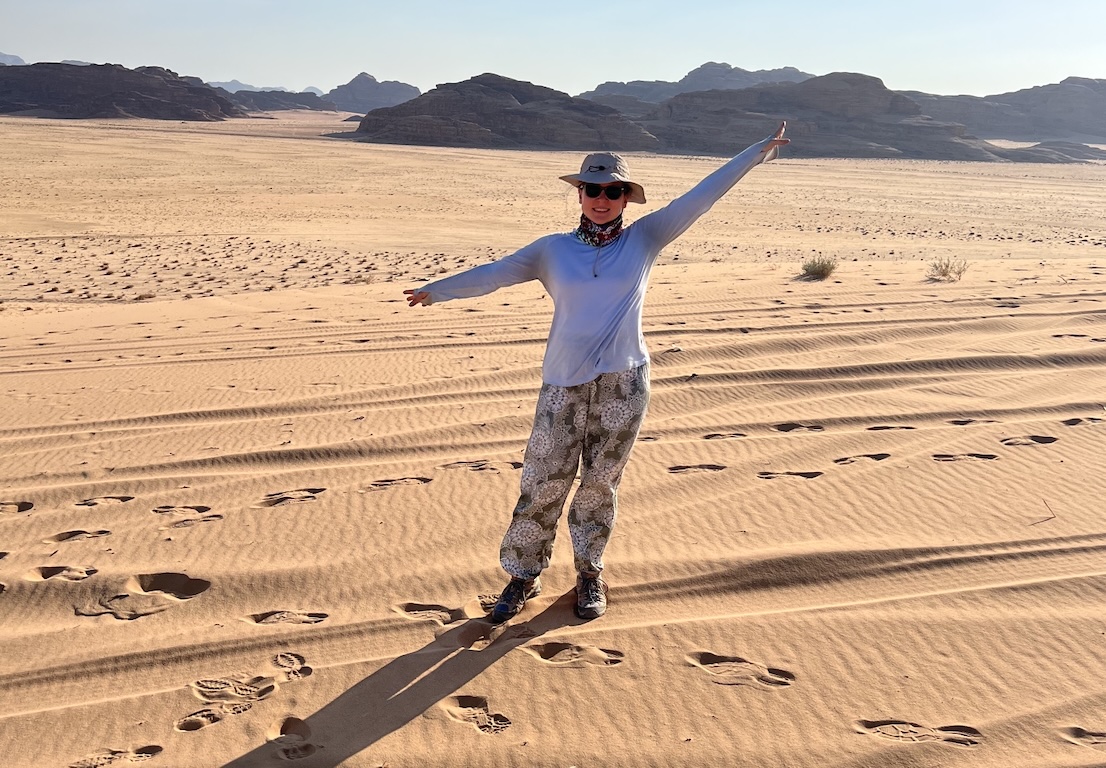
Wadi Rum
Aqaba
Our tour concluded with a boat day and snorkeling trip on the Gulf of Aqaba. The city of Aqaba (metro area population about 150,000) felt a bit glitzy with all the tourist resorts, but it provided a nice contrast with plentiful creature comforts after the desert camp. We didn’t see anything earth-shattering while snorkeling (a downed plane to provide fish habitat at one site, an interesting reef wall at the other), but we had a lovely day out on the gulf and it was fascinating to see Egypt, Israel, Jordan, and Saudi Arabia all from the boat in one day.
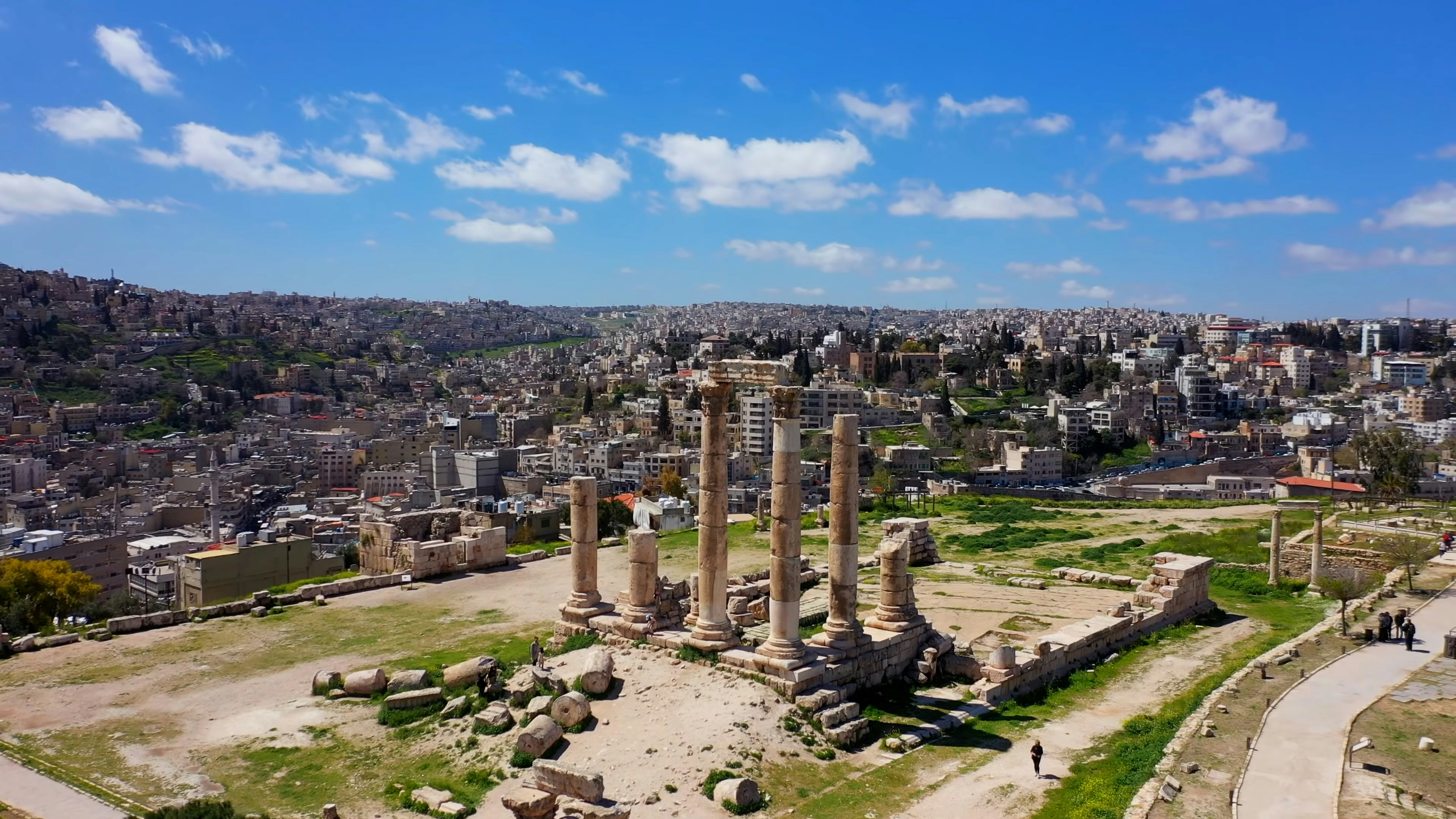
Amman Citadel
Bethany
On the way back to Amman, we had an optional side trip to the site where Jesus was baptized in the River Jordan by John the Baptist. At least in September when we visited, the river was quite narrow (although they had signs indicating that it’s much higher at times)—and we could have swum straight across to Israel in a few strokes. (They have marked swim areas and armed guards to prevent you from actually doing that.)
The site itself is fascinating—for perhaps a few hundred feet around the river, the vegetation changes from barren desert to thick, fragrant trees. Various Christian denominations have installed churches around the site, which has been a pilgrimage destination since the fourth century. Visitors can dip their feet in the river, or there are changing rooms on site for anyone desiring full immersion. There’s also a font of river water for anyone who wishes to take home a small container.
Be warned that this was the most intense heat we experienced and it was also quite buggy (the only time on the trip when I needed a bug net)—enjoyable as long as you come prepared.
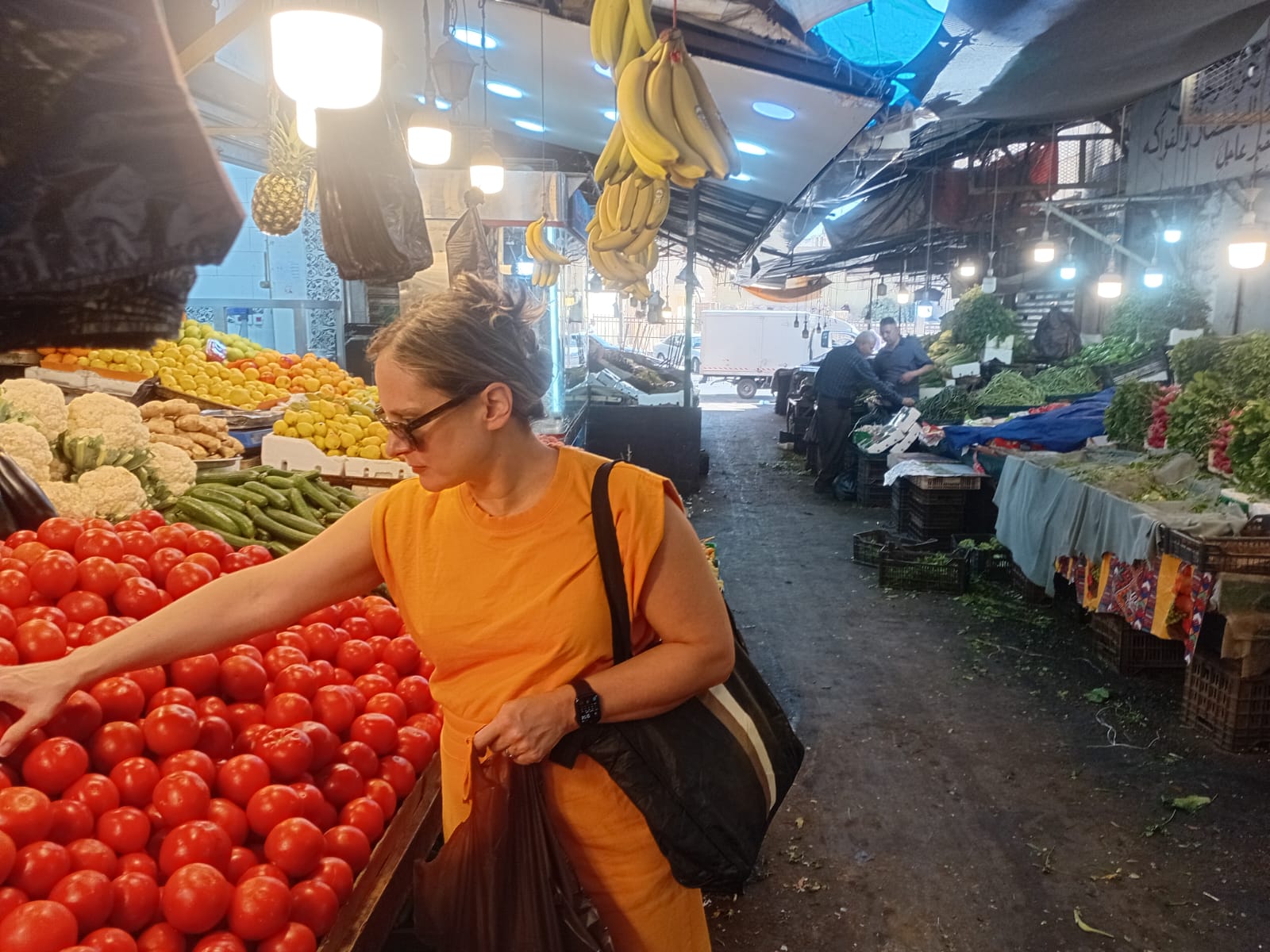
Shopping in the Amman central market
Need to know
Visas
US citizens (along with many other nationalities) can purchase a visa on arrival. As of September 2025, the cost was 40 Jordanian dinar (just over $$50). You can purchase the visa at the airport arrivals desk, just before you go through passport control. There is also the option to purchase the Jordan Pass, which includes admission to many different tourist sites along with the visa fee—but we didn’t pursue this option since most of our entry fees were included in the cost of the multi-day tour.
Tours
Most tours of Jordan (regardless of who they are organized through) follow a similar itinerary to this one. The main differences will be inclusions (e.g., whether meals are included) and the level of the accommodation. G Adventures provides a quality experience (brand-new bus, experienced professional tour guide) at an affordable price by using hotels that are rather basic (clean and safe but sometimes a bit worn and without many extras).
If you are interested in more luxurious accommodations (such as the air-conditioned desert camp or four and five-star hotels across the board), I can help connect you with a tour company that is aligned with your preferences or, depending on budget, could even design a customized trip just for you.
Amman
If your schedule allows, it’s absolutely worth spending a couple of days in Amman before or after your tour. It’s a vibrant city of five million where you can engage with activities that provide a sense of Jordan’s history and culture.
We took a walking tour that brought us around to several of the city’s seven hills, starting with the historic market in the center of the city, then moving on to a neighborhood of coffee shops frequented by expats—with stops for hot, fresh falafel and rich, sweet kunafa dessert along the way—finishing near sunset at the mosque that leads the city’s harmonized call to prayer.
Inhabiting one of the hills is the Amman Citadel, where you can see traces of the Roman, Byzantine, and Umayyad periods in a spot where humans have lived since the Neolithic period. The Jordan Archaeological Museum is located on the citadel grounds.
The Jordan Museum, located within walking distance, is also worth visiting for its collection that includes 9,000-year-old statues and part of the Dead Sea Scrolls.
During our time in Amman, I also took a cooking class with a local family, and would recommend this activity as a window into the culture. Not only were my hosts gracious and the chicken makhloub lunch delicious, but I got to see the market (usually packed) during the quieter morning hours, and shopping for a live chicken to cook for lunch is an experience I won’t soon forget.
For more inspiration and insider recommendations, visit our Jordan page.


Travel Advisor
Elizabeth, Your Travel Planner


Elizabeth Gudrais

Get in touch with Elizabeth, Your Travel Planner
Did you like this guide? Reach out to customize and book your own experience. Or, just to chat about travel in general.