



Curator’s statement
More and more of the American families that come to me for travel advice—especially those with school-age children, members of the LGBTQ+ community, and those looking for a more culturally progressive environment—are starting to ask the same question: What if we moved abroad? It’s a big question, but it’s clear that they’re asking it for all the right reasons. They’re not running away, they’re running toward what matters to them: access to healthcare, safe and affordable education for their children, and a welcoming community. These families want to build their future with intention. It’s a privilege to help them navigate that process.
The Fora Difference
Book with Leyla Farah to access exclusive perks and experiences on your trip.

Killer perks
Free upgrades, spa credits and more—we got you

Personalized recs
Customized travel planning for your style

Insider knowledge
Expert advice from people who’ve actually been there
Where to stay
Unlock perks by contacting Leyla Farah to book your trip.
Recently, five destinations have been on our radar—each offering strong educational systems, stable housing markets, progressive cultural environments, and clear legal protections for LGBTQ+ families.
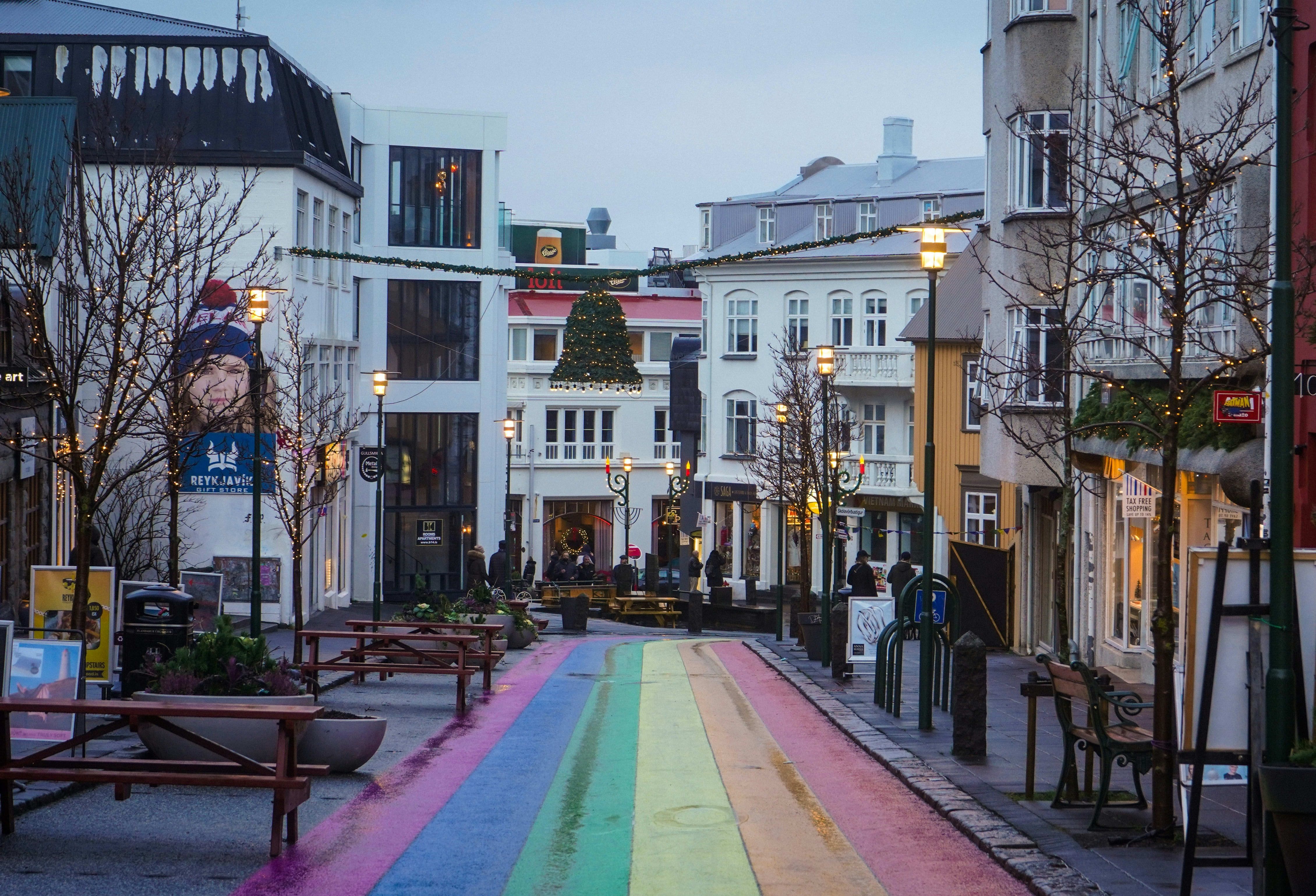
United Kingdom
The UK has some of the strongest legal protections for LGBTQ+ individuals in the world, including marriage equality, adoption rights, and anti-discrimination laws. Brighton, in particular, is known as the LGBTQ+ capital of the UK, with a rich queer history and welcoming community.
Top cities: London, Brighton, and Bristol
Schools: Outstanding state schools are available, but many expats opt for international or independent schools (especially in London). Ofsted ratings help guide public school selection.
Housing: High cost in major cities. Expect to rent first. Consider securing short-term furnished rentals via Rightmove or Zoopla before transitioning to long-term housing.
Potential visa pathways:
Global Talent Visa (ideal for high-skill professionals)
UK Ancestry Visa (if you have a grandparent born in the UK)
Skilled Worker Visa (if you have a UK job offer)
Portugal
Portugal is one of the most progressive countries in Europe for LGBTQ+ rights. Same-sex marriage has been legal since 2010, and discrimination protections are strong. Lisbon and Porto both have vibrant queer communities and family-friendly atmospheres.
Top cities: Lisbon, Porto, and Cascais
Schools: Portugal offers free public education and a wide range of international schools (American, British, and IB curriculum).
Housing: Much more affordable than major cities in the US. Lisbon and Porto are rising in cost, but smaller towns offer great value.
Potential visa pathways:
D7 Visa (for retirees or those with passive income)
Digital Nomad Visa (for remote workers earning foreign income)
Golden Visa (real estate investment-based, now restricted to inland areas)
Germany
Germany legalized same-sex marriage in 2017 and offers adoption rights and anti-discrimination protections. Berlin has long been a hub for LGBTQ+ culture, activism, and nightlife. The country also has increasing legal recognition for nonbinary and trans individuals.
Top cities: Berlin, Hamburg, and Munich
Schools: Free, high-quality public schools. Many international schools are available, especially in larger cities. Some expats choose bilingual private schools to ease the transition.
Housing: Rent-controlled markets in major cities. May require up to 3 months of proof of income and a local bank account to secure a lease.
Potential visa pathways:
Job Seeker Visa (allows six months to find work)
Blue Card EU (for highly skilled professionals with a job offer)
Freelance Visa (popular in Berlin for creatives and consultants)
Uruguay
Uruguay is a global leader in LGBTQ+ rights. Same-sex marriage and adoption have been legal since 2013, and anti-discrimination laws are robust. The country has a secular culture and progressive social policies, making it one of the most inclusive nations in Latin America.
Top city: Montevideo
Schools: Strong network of private, bilingual, and international schools (many with European curricula). Public education is universal and free—but taught in Spanish.
Housing: Affordable rentals and property ownership available to foreigners. Family-friendly coastal neighborhoods are a draw.
Potential visa pathways:
Residency Visa (straightforward path; proof of income required)
Citizenship is possible after three to five years of residency
No special investor or talent visas—Uruguay emphasizes equality in its immigration system
Spain (Basque Country)
The Basque Country has a deep-rooted culture of political progressivism and social tolerance. Cities like Bilbao are known for their inclusive policies, Pride events, and visible LGBTQ+ community. Spain legalized same-sex marriage in 2005 and offers full adoption rights.
Top cities: Bilbao, San Sebastián (Donostia), and Vitoria-Gasteiz
Schools: Public schools are free and offer Basque and Spanish language instruction. Many families opt for trilingual (Basque/Spanish/English) or international schools, especially in Bilbao and San Sebastián.
Housing: The Basque Country has a high quality of life and more stable housing markets than Madrid or Barcelona. Coastal towns offer walkability, culture, and access to nature.
Potential visa pathways:
Non-Lucrative Visa (for those with passive income or remote work not tied to Spain)
Digital Nomad Visa (recently introduced, good for remote workers)
Golden Visa (for property investments of €500,000+)
Canada
Canada consistently ranks among the most LGBTQ+ friendly countries globally. Same-sex marriage has been legal nationwide since 2005, and trans rights and healthcare access are well-protected. Major cities have large, visible queer communities, and public support is strong.
Top cities: Toronto, Vancouver, and Montreal
Schools: Free public education is high-quality and inclusive. Many provinces offer French immersion or fully bilingual programs. International and alternative schools are widely available.
Housing: Housing is expensive in Toronto and Vancouver but generally more stable and predictable than in US urban centers.
Potential visa pathways:
Express Entry (point-based system for skilled workers)
Family Sponsorship
Start-up Visa (for entrepreneurs with a viable business idea and Canadian backing)
Of course, all of these options change frequently, so it’s important to work with a team of advisors to confirm which options make sense for you.
Need to know
If you’re seriously considering relocation, here’s what I recommend to every family:
Build a timeline. A well-paced plan (12–24 months) creates room for visa approvals, home prep, and emotional readiness.
Consult professionals. Immigration lawyers, tax advisors, and relocation experts can save you from expensive missteps.
Don’t just Google—get grounded. Scouting trips are invaluable. Spend time walking around local neighborhoods, talking to parents, and visiting schools.
Prioritize inclusion. LGBTQ+ rights, reproductive freedom, and racial equity vary by country. Dig deeper than just legal frameworks—ask what lived experience looks like.
Stay flexible. Your “dream country” might surprise you. Sometimes the best fit is the one that aligns with your daily life, not your Instagram feed.
Consider Schengen Area access. Moving to a country within the Schengen Zone (like Portugal, Germany, or France) allows visa holders and their families to travel freely across 26 European countries—an incredible lifestyle perk and a major bonus for international schooling, family vacations, or future relocation flexibility.
For more inspiration or insider recommendations, visit our Europe page.


Travel Advisor
Leyla Farah

Leyla Farah

Get in touch with Leyla Farah
Did you like this guide? Reach out to customize and book your own experience. Or, just to chat about travel in general.