



Curator’s statement
I figured out how to manage jet lag the hard way. For years I flew back and forth between London and Philadelphia, and later between Edinburgh and Philly, trying to land and immediately operate at full speed. It never worked. Eventually I stopped treating jet lag as an inconvenience and started treating it as part of the travel plan. That shift changed everything.
The Fora Difference
Book with Leave the Room Travel to access exclusive perks and experiences on your trip.

Killer perks
Free upgrades, spa credits and more—we got you

Personalized recs
Customized travel planning for your style

Insider knowledge
Expert advice from people who’ve actually been there
Where to stay
Unlock perks by contacting Leave the Room Travel to book your trip.
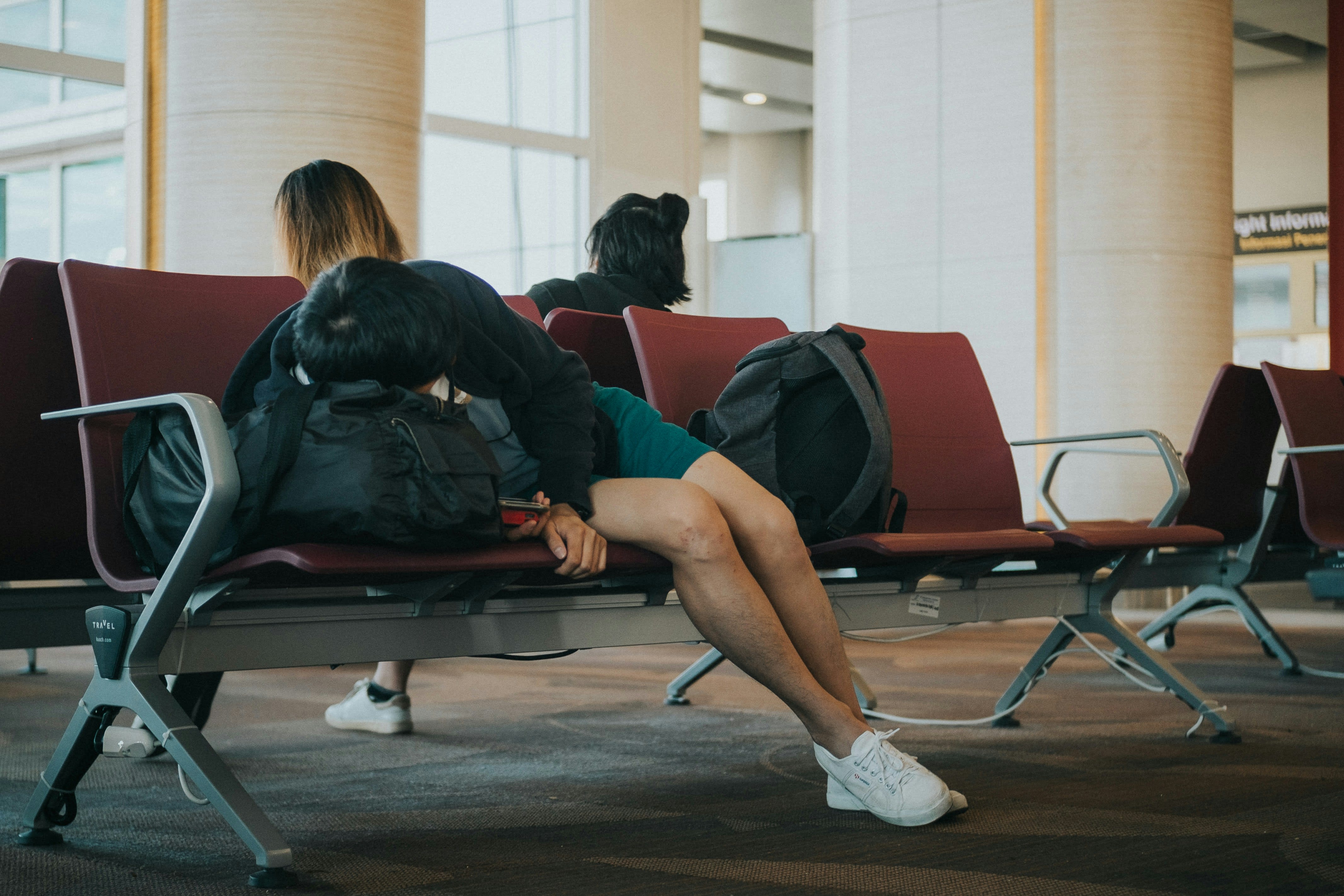
When I was flying regularly between London and Philadelphia, I would land determined to push through. I would schedule meetings, stack dinners, and promise myself I would sleep later. By day two, I was exhausted and behind. The same thing happened when traveling between Edinburgh and Philly. The time difference is not extreme, but it is enough to disrupt sleep, focus, and energy.
Now, I approach those flights differently.
As soon as I board, I change my watch to the destination time zone. I eat and sleep based on where I am going, not where I am leaving. On eastbound flights to the UK, I treat the plane as my first night in London or Edinburgh. Even if I only sleep a few hours, I create a wind-down routine. Eye mask, water, limited screens. No heavy meals. Minimal alcohol.
Hydration became my biggest adjustment. Cabin air is incredibly dry, and I learned quickly that dehydration amplified every jet lag symptom. I drink water consistently during the flight and again immediately upon landing.
When I arrive in the UK, I go outside, even if I feel tired. A walk through the neighborhood, coffee outdoors, or even a short stroll near the hotel helps reset my internal clock. I avoid long naps. If I rest, it is brief and intentional. I aim for an early dinner and a full night’s sleep.
Coming back to Philadelphia from London or Edinburgh requires a different mindset. Westbound travel is usually easier, but I still plan my first evening lightly. I avoid late social plans and let my body recalibrate naturally.
Hotels matter more than people think. A quiet room, quality bedding, and proper blackout curtains can make the difference between a rough first night and a smooth reset.
Additional tips
If possible, begin adjusting your sleep schedule two to three days before departure. Even one hour helps.
Choose flight times strategically when booking. Overnight flights are usually best heading east.
Hydrate throughout the flight and limit alcohol.
Use caffeine carefully and avoid it after noon on arrival day.
Keep your first day flexible and lighter than the rest of your itinerary.
Need to know
Jet lag is not something you eliminate entirely—it is something you manage. Once I started planning for it on those London and Edinburgh routes, travel became smoother, more productive, and far more enjoyable.
For more inspiration and customized recommendations, connect with this Fora Advisor.


Travel Advisor
Leave the Room Travel


Erica Wright

Get in touch with Leave the Room Travel
Did you like this guide? Reach out to customize and book your own experience. Or, just to chat about travel in general.