

Disney Decoded: Financial Strategies for Neurodivergent Families Traveling Without DAS
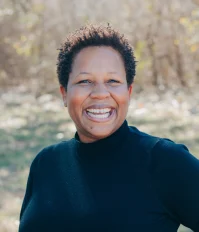
Curated By
Travel with Makini

Curator’s statement
As an annual passholder mom of a neurodivergent child and a Certified Autism Travel Professional, I know how emotionally loaded a Walt Disney World Resort trip can feel—especially now that many autistic children, teenagers with severe ADHD, and intellectually and developmentally delayed individuals are no longer approved for Disability Access Service (commonly known as DAS or a DAS pass). I live in Orlando for half the year and spend more time in the Disney parks than some Cast Members, and I’ve learned that creating successful, calm, sensory-aware Disney World trips without DAS is absolutely possible. It just requires a different kind of planning. My goal is always to give families the same guidance I use myself: honest, budget-conscious strategies that make Disney feel doable and magical again for neurodivergent travelers and their groups.
The Fora Difference
Book with Travel with Makini to access exclusive perks and experiences on your trip.

Killer perks
Free upgrades, spa credits and more—we got you

Personalized recs
Customized travel planning for your style

Insider knowledge
Expert advice from people who’ve actually been there
Where to stay
Unlock perks by contacting Travel with Makini to book your trip.
Understanding today’s DAS reality
In recent years, DAS approvals at Disney World have become more restrictive. Families often describe the DAS interview as stressful or even traumatic, especially when children must be present to discuss their hardest moments. And for many conditions—including autism spectrum presentations, ADHD, PTSD, sensory processing disorder, and severe anxiety—the outcome often feels inconsistent.
But DAS denial does not mean Disney is off-limits.
It simply means your approach needs to shift. The most successful neurodivergent families I work with (and the ones who end their trip smiling instead of overwhelmed) rely less on a single tool like DAS and more on a combination of timing, paid services, pacing, and realistic expectations. Think of these strategies as rebuilding accessibility in a different way.
Where a specialized travel advisor fits in
My own child’s sensory needs change week to week, and I bring that lived insight to every family I support. When I help plan autism-friendly Disney trips, I walk families through decisions like:
Which paid options are truly worth it for your child?
Is a certain resort going to reduce overall sensory load?
Do you need a Lightning Lane strategy, or will Early Entry do the job?
Should you invest in a VIP tour—or skip it entirely?
I don’t believe in one-size-fits-all recommendations. Neurodivergent individuals have different triggers: crowds, unpredictability, waiting, enclosed spaces, noise; and every family needs a unique mix of supports.
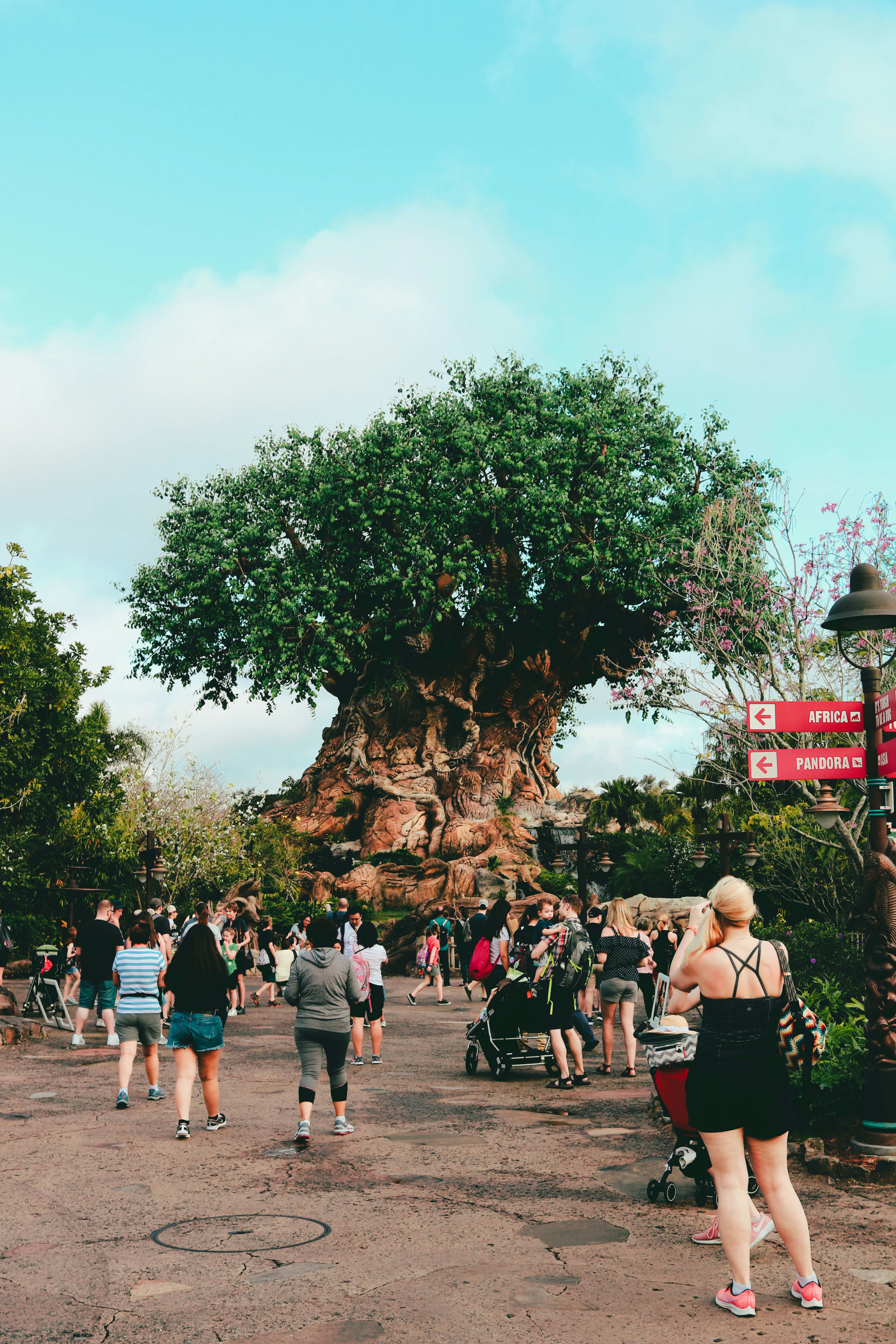
The Tree of Life at Disney's Animal Kingdom
Premium accessibility tools & when they make sense
Disney VIP tours
VIP tours are the closest thing to a customized accessibility plan. You’re paying for time, control, and flexibility. A VIP guide keeps waits short, adjusts the day when your child needs breaks, steers you away from crowds, and quietly warns you about potential sensory triggers. For families with children who struggle across multiple domains—noise, heat, transitions, long days—VIP tours can be a game changer.
These tours cost several thousand dollars per day, but for families who want a predictable, supported day that meets a child exactly where they are, the value can outweigh the cost.Premier Pass
The Premier Pass (when offered) essentially gives your group all-day Lightning Lane access. Prices vary dramatically and can reach several hundred dollars per person on peak days. This is often a smart choice when waiting in lines, not the park environment itself, is the main challenge.
For autistic persons who struggle specifically with enclosed queues or ADHD kids who need consistent movement, a Premier Pass can reduce the hardest moments of the day without the formality of a VIP tour.Lightning Lane Multi-Pass and individual Lightning Lanes
These services offer budget-friendly ways to cut wait times. The key with neurodivergent travelers is not to buy everything—it’s to buy intentionally. I often help families map out which rides create the biggest sensory challenges, which are must-dos for the child, and which can be skipped entirely.
For example, a child who loves visual stimulation but struggles with dark, enclosed queues might need Lightning Lane for only a handful of attractions. You don’t have to overspend to achieve a smoother day.An extra adult for neurodivergent support
This is one of the most underrated strategies. Adding a caregiver, grandparent, therapist, or trusted family friend gives you flexibility, reduces pressure on siblings, and allows one-on-one support during transitions, dysregulation, or ride differences.
An extra adult means:Someone can accompany a family member for a sensory break
Remaining family members can still experience rides
Parents aren’t stretched thin all day
You can divide and conquer when energy levels vary
If your family dynamic feels stretched during outings at home, it will feel even more stretched at Disney. Having extra support makes the whole vacation smoother.
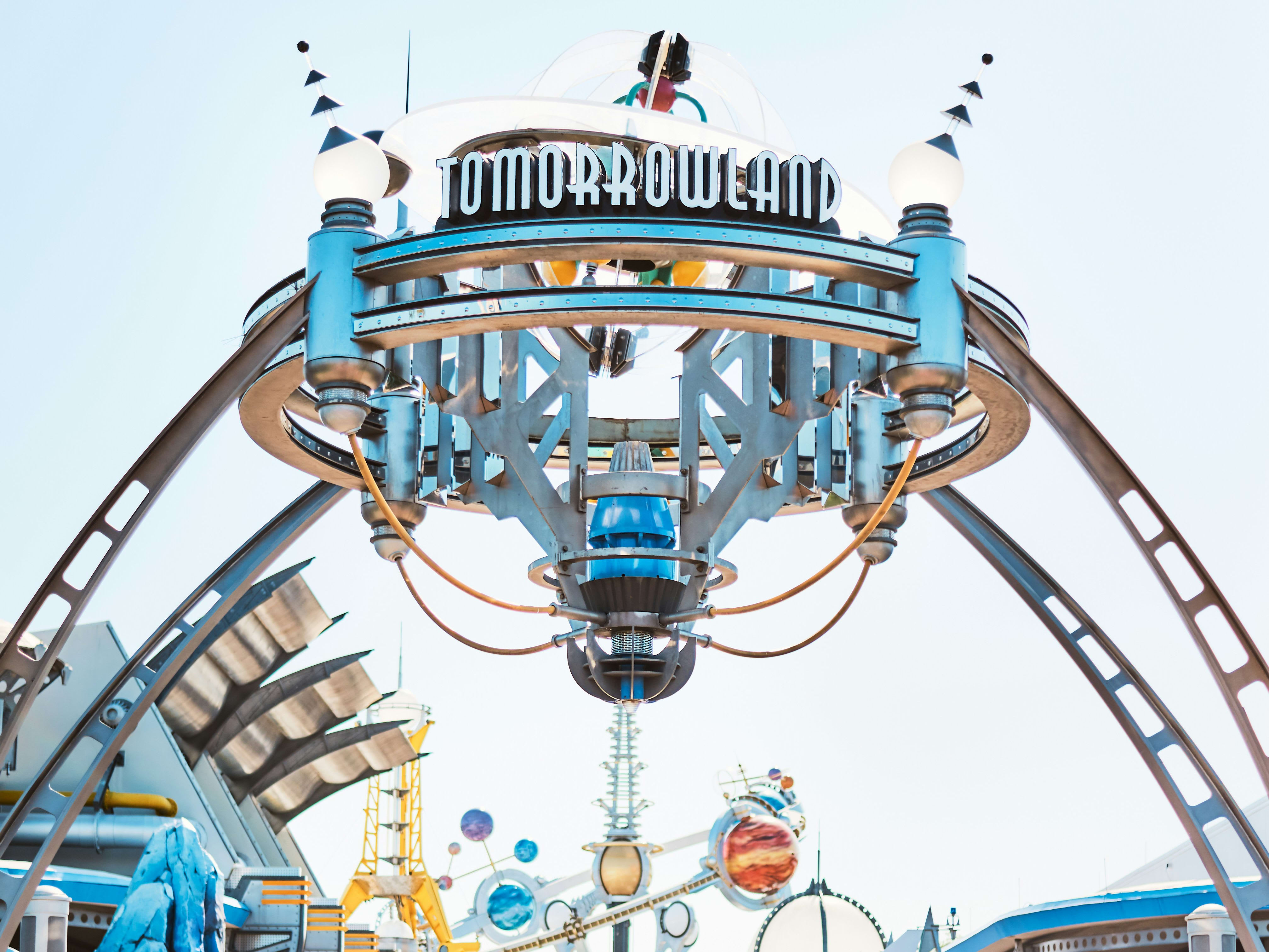
Entering Tomorrowland at Magic Kingdom Park
Why travel insurance matters for neurodivergent families
Disney trips include many nonrefundable expenses: tickets, hotel nights, VIP tours, special dining, and sometimes airfare. Neurodivergent families face additional unpredictability. Meltdowns, anxiety spikes, medication adjustments, sensory overload, and sleep disruptions can all derail plans unexpectedly.
Cancel for Any Reason (CFAR) insurance gives families room to pivot without losing everything. It’s more expensive than standard trip insurance, but in my experience, families often end up grateful they had it.
Budgeting honestly & strategically
One of the most important conversations I have with families is the difference between the cost of a “typical” Disney trip and the cost of an “accessible” or “sensory-friendly” one. Neurodivergent needs don’t disappear just because you’re on vacation, and planning with those needs in mind leads to fewer surprises.
Typical financial ranges:
High-budget: VIP tour days, deluxe resort, Lightning Lane every day
Moderate budget: Moderate resort, Lightning Lane on key days
Lower budget: Off-property hotel, early entry strategy, fewer park days
Budget-conscious: Off-peak dates, two to three park days, slow pacing
The goal isn’t to push families to spend more. It’s to help them spend wisely: paying for the things that matter, skipping the things that don’t, and designing a trip that aligns with the child you actually have—not the one the marketing brochures assume.

View of the Monorail in transit
When paid tools still aren’t enough
Some individuals simply cannot tolerate theme parks, no matter how many supports you add. And that’s okay. It’s not a failure. It’s information. I help families identify when Disney may not be the right choice and explore sensory-friendly alternatives like cruises, beaches, national parks, or interest-based destinations.
Need to know
Financial planning for autism-friendly Disney travel is less about money and more about clarity. When you understand your child’s sensory needs, your tolerance as a family, and what supports actually matter, you can build a trip that feels empowered instead of overwhelming.
If you need help building that plan, I’m here. Disney is my second home, and I love helping neurodivergent families see that the magic can absolutely be theirs too—DAS or no DAS.
For more inspiration and insider recommendations, visit our accessible travel page.


Travel Advisor
Travel with Makini


Makini Bridgewater

Get in touch with Travel with Makini
Did you like this guide? Reach out to customize and book your own experience. Or, just to chat about travel in general.