



Curator’s statement
Sonoma County, California, is best known for outstanding wines in a laid-back atmosphere, a delightful contrast to neighboring Napa Valley. But Sonoma is also notable for another reason: with over 99 percent of its vineyards third-party-certified sustainable, it is often considered the most sustainable wine region in the world. Yet, among the over 400 wineries, discerning which truly embody their sustainable status while offering an unforgettable visitor experience can be a challenge. I have curated this list of some of the most green, regenerative, and overall planet-friendly wineries worth a visit in Sonoma County. I have focused on the charming hub of Healdsburg, just 15 minutes from the Sonoma County airport and a little over an hour from San Francisco. Prepare to relax into beautiful Sonoma and to feel good about your winery choices with this list and my help. Cheers!
The Fora Difference
Book with Caroline Ebinger to access exclusive perks and experiences on your trip.

Killer perks
Free upgrades, spa credits and more—we got you

Personalized recs
Customized travel planning for your style

Insider knowledge
Expert advice from people who’ve actually been there
Where to stay in Sonoma County
Unlock perks by contacting Caroline Ebinger to book your trip.
Quivira Vineyards
Certified organic, land-first ethos, family-owned, Dry Creek Valley AVA
At Quivira, the land comes first and the wine comes second—an ethos that ultimately makes for some pretty spectacular wines, too! Touring past solar panels, compost piles, healthy riparian zones, and even a 150-year-old fig tree, you will find that the winery’s sustainability philosophy is evident all around you. The Quivira estate is certified organic (CCOF*), and it goes above and beyond by using select biodynamic practices. Quivira is not only home to wine grapes, but also to vegetable gardens, garden-waste-fed chickens, bees, and native wildlife like salmon and trout. In fact, Quivira was the first Dry Creek winery to assist in fish habitat restoration efforts. The winery also supports the community by partnering with a local food bank. In everything that Quivira does, you can feel its ultimate goal: to become self-sustaining. Quivira is a must-visit winery for anyone who wants to feel and taste the love of the land in a serene setting—and for anyone who wants to meet a 150-year-old fig tree!
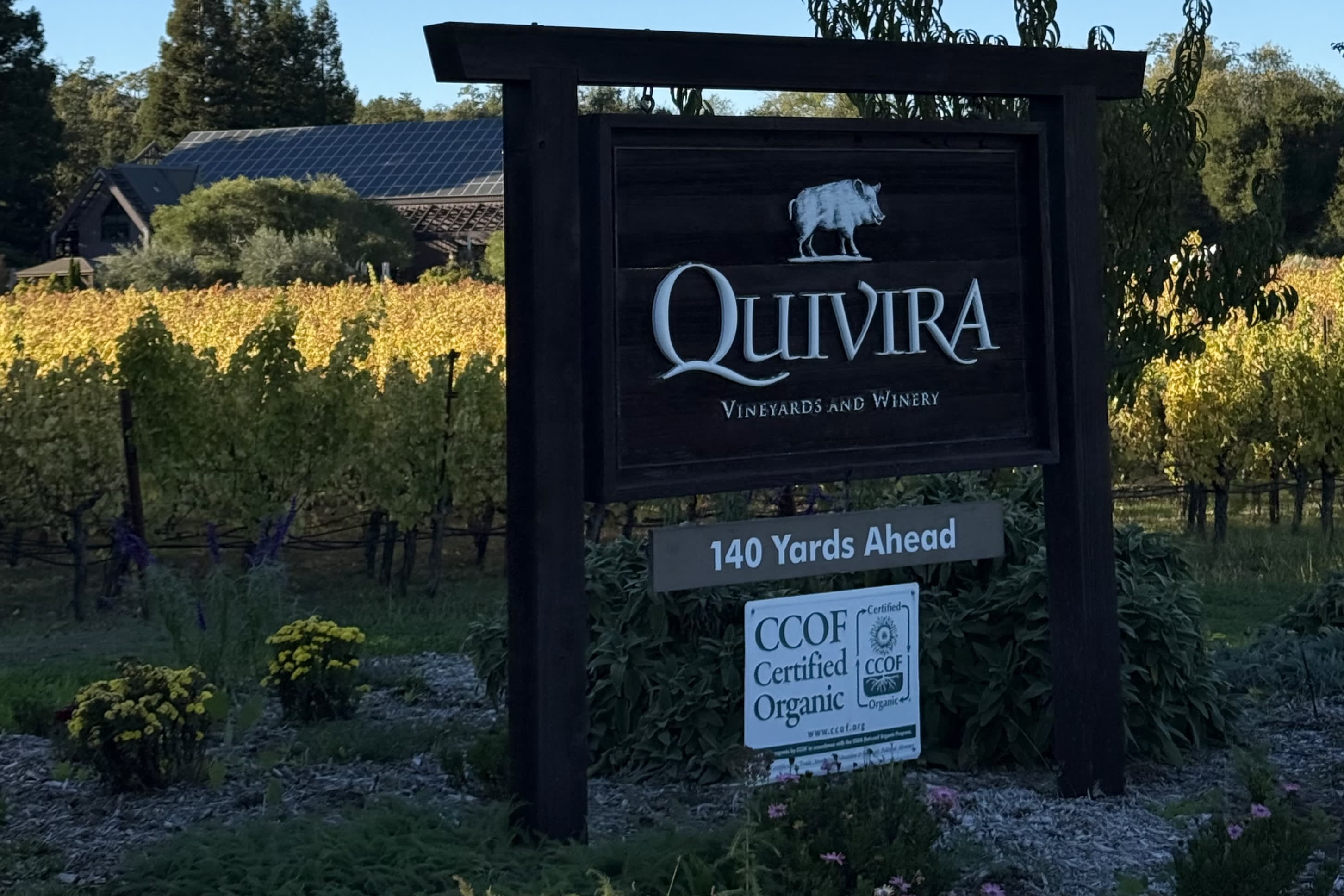
Quivira
DaVero Farms & Winery
Certified biodynamic, certified organic, family-owned, Italian varietals
To walk into DaVero is to walk into another world. Surrounded by fruits and vegetables, olive trees and grape vines, pollinators and even pigs, you will feel as if you’ve finally found a true farm—and right in the heart of Healdsburg! Certified organic (CCOF) and biodynamic (Demeter*), this farm is anything but conventional. DaVero’s founder-owner team has embraced regenerative agricultural practices for over 15 years. With these practices, it aims to build soil health, increase biodiversity, promote ecosystem health, improve water management, and enhance carbon sequestration. DaVero’s holistic approach to farming and commitment to the land is truly unique in the region. DaVero is a perfect option for those who want to see how responsible farming can improve the land—and for anyone craving Italian varietals!
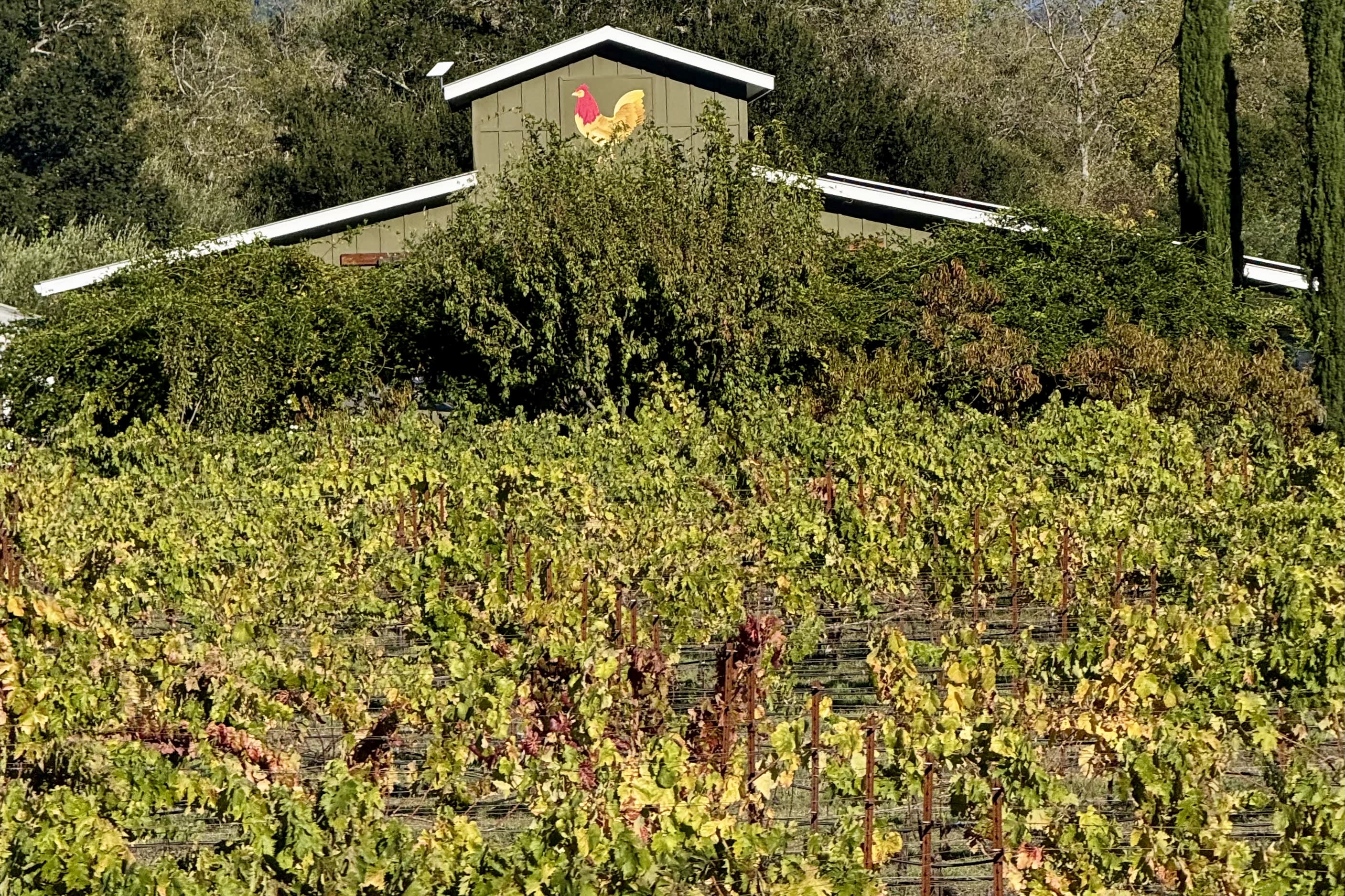
DaVero
Ridge Vineyards Lytton Springs
Certified organic, net zero climate commitment, woman winemaker, single-vineyard wines
At Ridge Lytton Springs, you will taste single-vineyard wines in a facility made of vineyard clay and straw bales while looking out over century-old vines that are farmed organically. This experience perfectly encapsulates three aspects of Ridge that have secured it a spot on this list: its commitment to the climate, its “pre-industrial” approach to winemaking, and its organic farming. Ridge as a whole, which includes three estates, is one of the largest growers of certified organic grapes in Sonoma County. The winery’s climate measures are also impressive, and include efforts to reduce packaging and transportation emissions, which account for 40 percent of a winery’s total emissions; the 2023 creation of a sustainability committee and subsequent sustainability report; and an International Wineries for Climate Action (IWCA) commitment to decarbonize by 2050 and to cut emissions in half by 2030. The list of actions Ridge takes to support the land, the climate, and the community might fill this page! Visit Ridge Lytton Springs for a relaxed yet elevated experience that showcases how wineries can work for the planet—or to see if you can tell that their facility is made of straw!
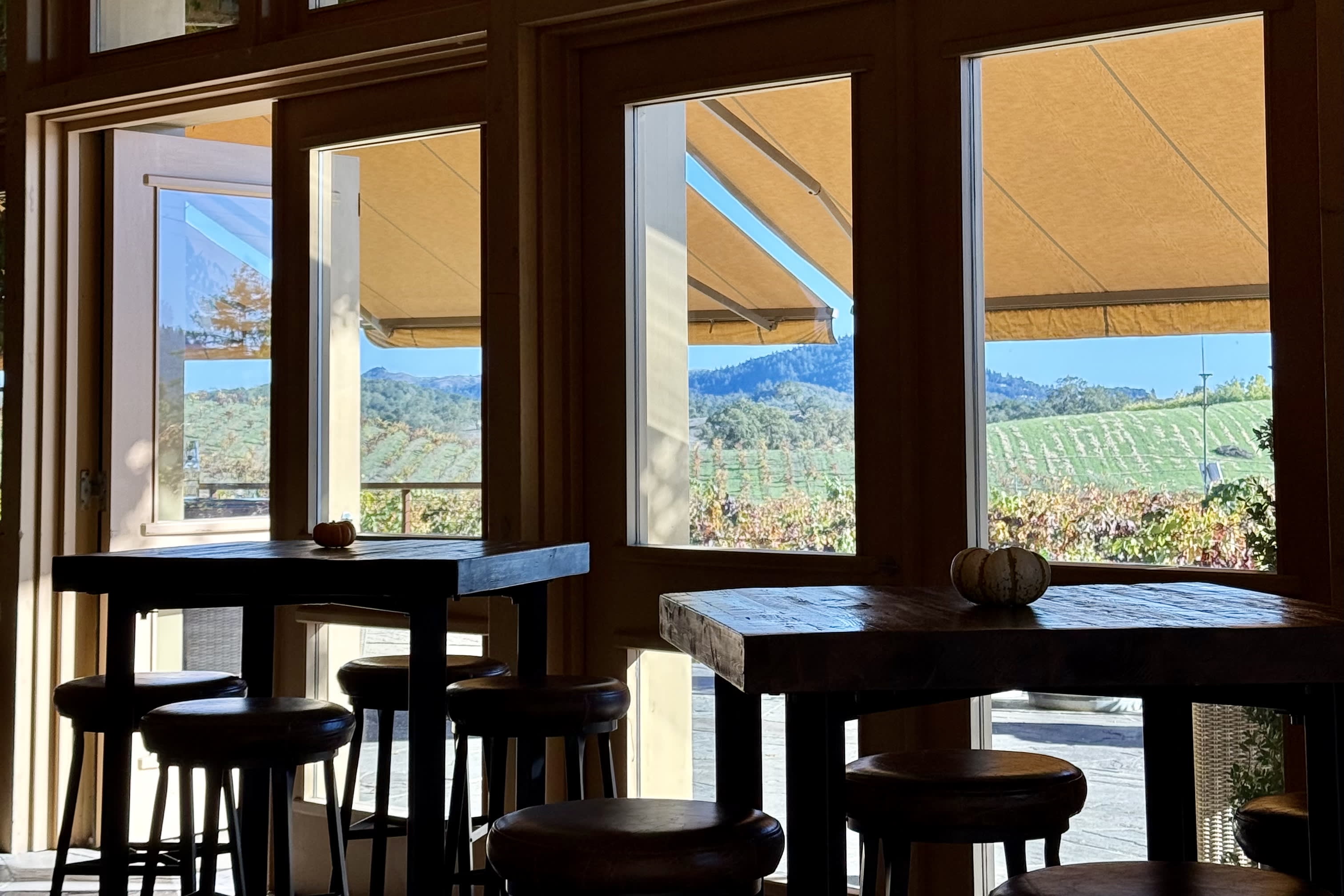
Ridge
Porter Creek Vineyards
Certified organic, biodynamic practices, family-owned, Russian River Valley AVA
Tasting at Porter Creek, you will feel like part of the family. You might meet the family dogs, the kids preparing to take over as the next-generation winery leaders, or the second generation owner-winemaker Alex, himself. You will almost certainly meet Paul, a true character who has worked with the family in the tasting room for 20 years and is passionate about Porter Creek’s “ecologically-minded farming approach.” Porter Creek’s vineyards are certified organic (CCOF) and were, until 2024, certified biodynamic (Demeter). But Alex’s disenchantment with the certifier does not mean a disenchantment with the philosophy of regenerative agriculture, and Porter Creek still uses primarily biodynamic practices. When Alex wandered through the tasting room holding a paper bag full of mushrooms he had just foraged, I knew that regenerative farming wasn’t just a buzzword for Porter Creek, but truly a way of life. In place of the Demeter label on its bottles, Porter Creek has shifted to a voluntary ingredient list that showcases the winery’s “traditional old world” winemaking methods. Porter Creek is ideal for people looking to experience that quintessential casual Sonoma County experience—and at a planet-friendly winery, to boot!
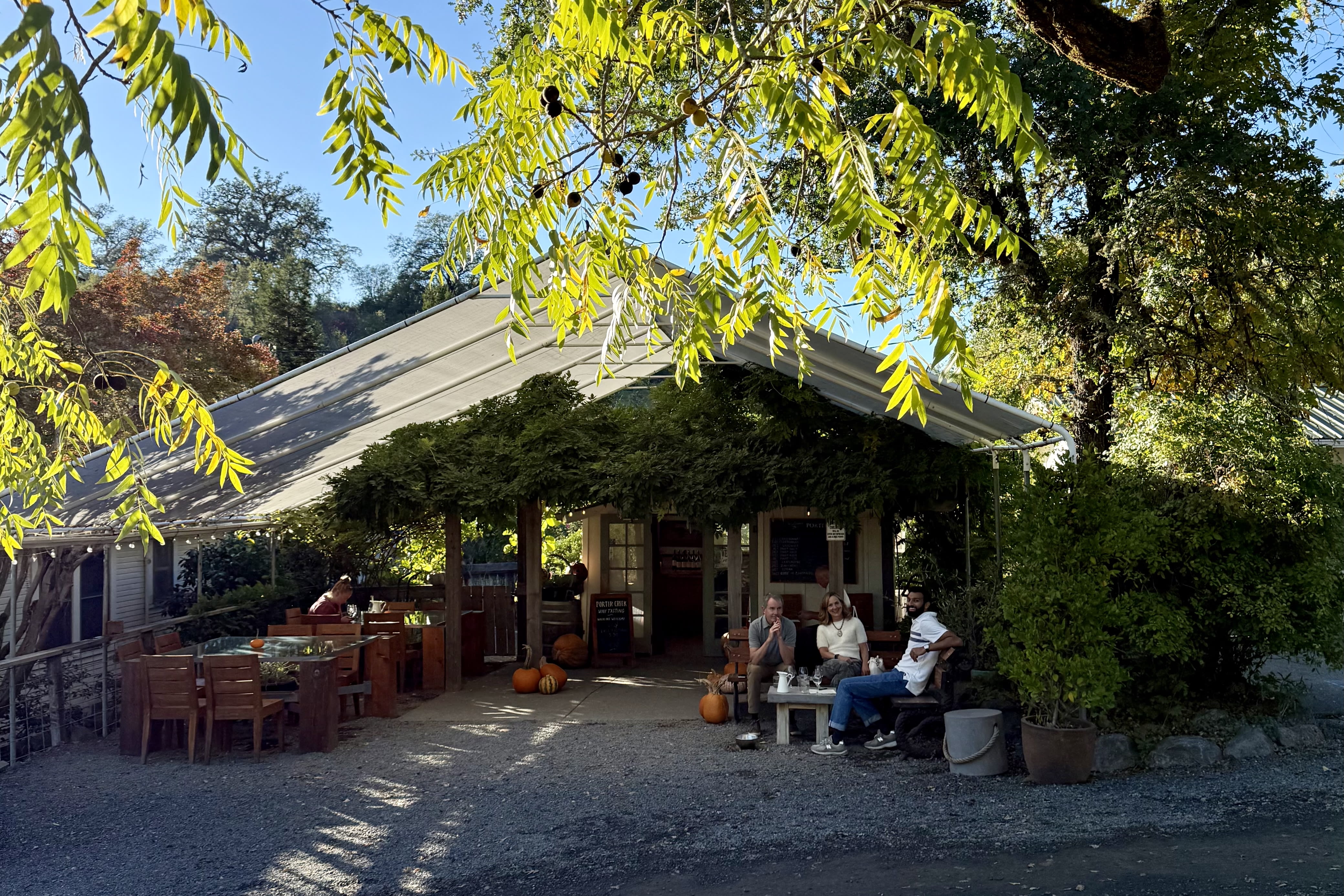
Porter Creek
AMISTA
Certified organic, vegan, women-run, sparkling wines
Amista is the first and only certified organic sparkling wine house in Sonoma County. So pop a bottle and take in the vineyards that surround you at this stunning Dry Creek winery! Amista’s estate vineyard, from which the winery makes all of its sparkling and Rhone wines, may have just received its organic certification (CCOF) in 2024, but the winery has been working toward the certification for years. Amista also uses solar, visible atop its chic barn, and was one of the first wineries to work with the county on fish habitat restoration. Amista is proudly owned and run by women, which is all too uncommon in the wine industry. For vegan oenophiles, this winery also has you covered! Amista is a great spot to relax into a sustainable winery—and to enjoy bubbly!
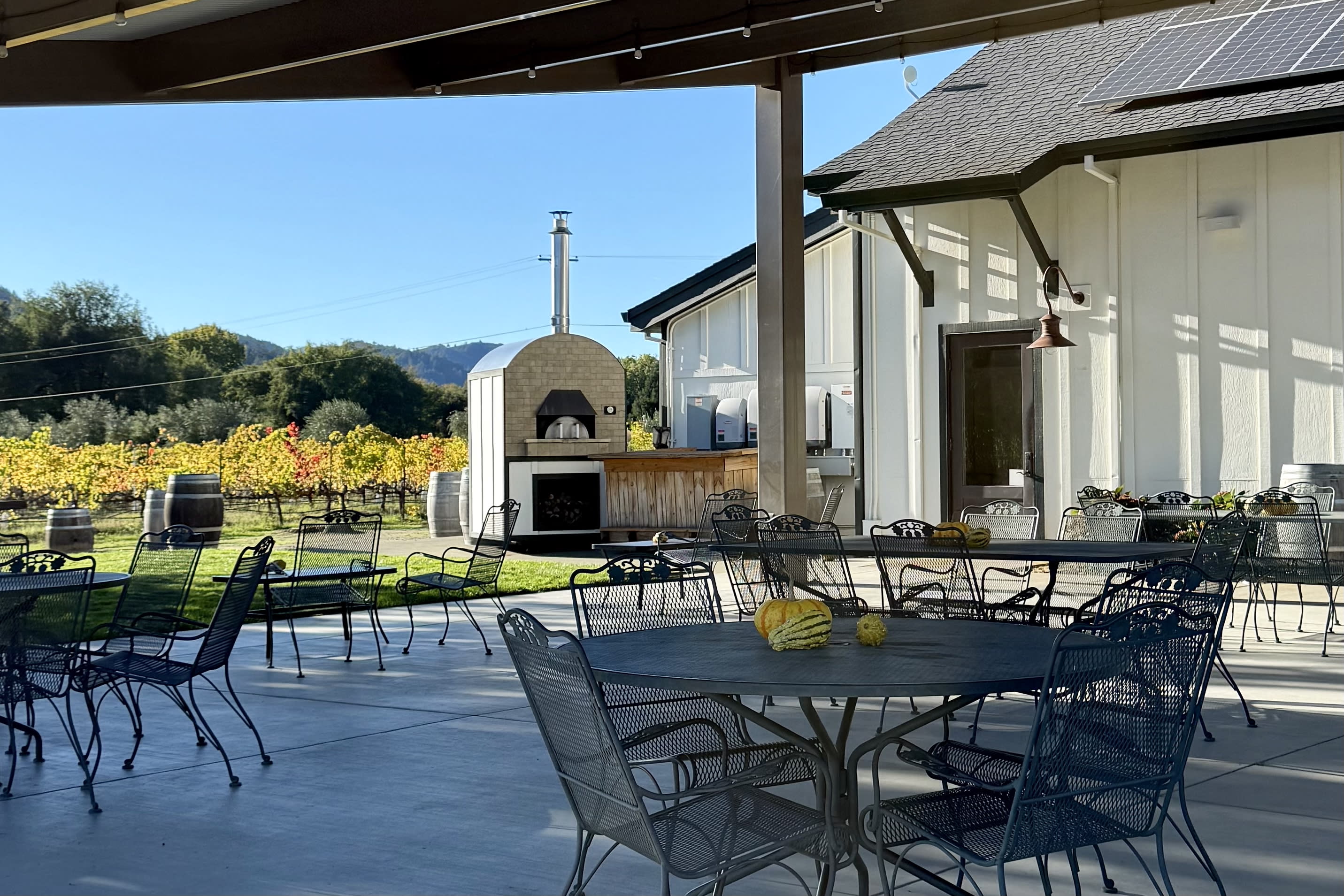
Amista
Honorable mention: Jackson Family Wines
Jackson Family Wines is an impressive example of a wine conglomerate that is using its scale for good. The ninth largest producer of wines in the US, JFW is committed to transitioning all of its estate vineyards to regenerative farming by 2030 and to becoming net zero by 2050. The winery has already made significant strides toward both goals and is, in fact, a founding member of the IWCA. In Healdsburg, you can visit their impressive Copain and Stonestreet wineries.
Need to know
For clarification, CCOF (California Certified Organic Farmers) is a USDA-accredited organic certifying agency of farms and vineyards. Demeter is the only US certifier of biodynamic farms and products (including wine), encompassing and extending beyond organic requirements with a holistic, ecosystem-focused approach to farming.
For more inspiration and insider recommendations, visit our Sonoma page.


Travel Advisor
Caroline Ebinger

Caroline Ebinger

Get in touch with Caroline Ebinger
Did you like this guide? Reach out to customize and book your own experience. Or, just to chat about travel in general.