



Curator’s statement
Nicknamed Turkey’s culinary capital and designated a UNESCO City of Gastronomy in 2015, Gaziantep—also known as Antep—is one of the oldest continuously inhabited cities in the world, with a history stretching back nearly 10,000 years. While it’s a beloved destination for Turkish travelers, it remains under the radar for most international tourists who usually flock to Turkey’s more iconic landmarks. I had the unique opportunity to live and work here, and I instantly fell in love with the city’s warm hospitality, rich culture, and mouthwatering food scene.
The Fora Difference
Book with Anuradha Mundra to access exclusive perks and experiences on your trip.

Killer perks
Free upgrades, spa credits and more—we got you

Personalized recs
Customized travel planning for your style

Insider knowledge
Expert advice from people who’ve actually been there
Where to stay
Unlock perks by contacting Anuradha Mundra to book your trip.
Discovering Antep: My time in Turkey’s culinary heartland
I was posted in Gaziantep for my work with UNICEF, supporting operations for North-West Syria. Given its proximity to the Syrian border, Gaziantep offers strategic access—but what truly struck me was how quickly this city began to feel like home.
From the moment I landed, I felt like I’d walked into a boutique old-town postcard: cobblestone alleys, weathered stone buildings, and a slow, charming pulse. The warmth of the locals was immediate: smiles, greetings, and endless invitations for çay (Turkish tea). Even if all we shared was laughter and gestures—thanks to my zero Turkish.
Despite being a vegetarian, I was surprised (and thrilled) by the variety of meatless delights that this famously meat-heavy region had to offer.
The city split in two: Old meets new
Gaziantep is divided into the new town and the old town.
The new town is modern, with public transportation, cafés, restaurants, and hotels—though less saturated than cities like Antalya or Izmir. It has that in-between vibe: part metro, part rural.
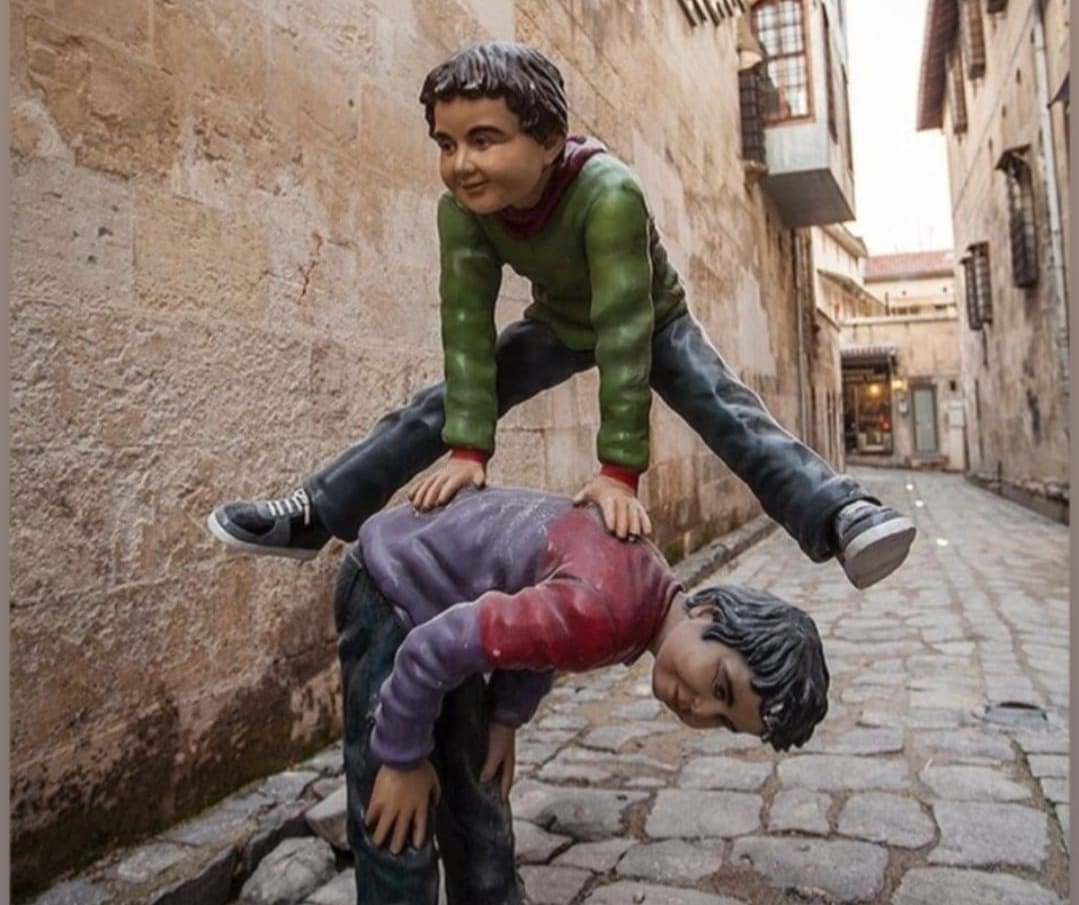
You will find many such figurines while strolling the old streets of Antep.
The old town is built around the majestic Gaziantep Castle, and it’s here that the city’s magic really unfolds.
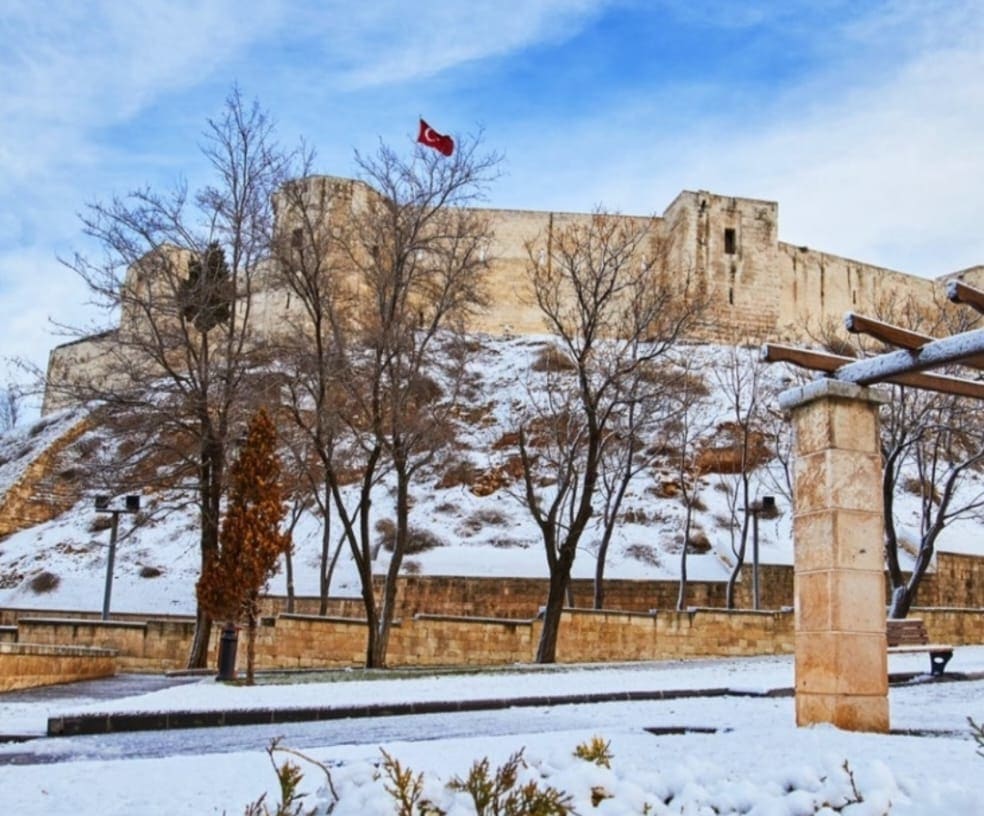
The old castle view in winter
A great starting point is Hisvahan Hotel, a beautifully restored heritage property directly facing the castle. Grab a strong Turkish coffee in its courtyard before wandering into a maze of bazaars—Gümrük Han, Coppersmith Bazaar, and Zincirli Bedesten—each filled with handcrafted copperware, spices, antiques, and traditional textiles.
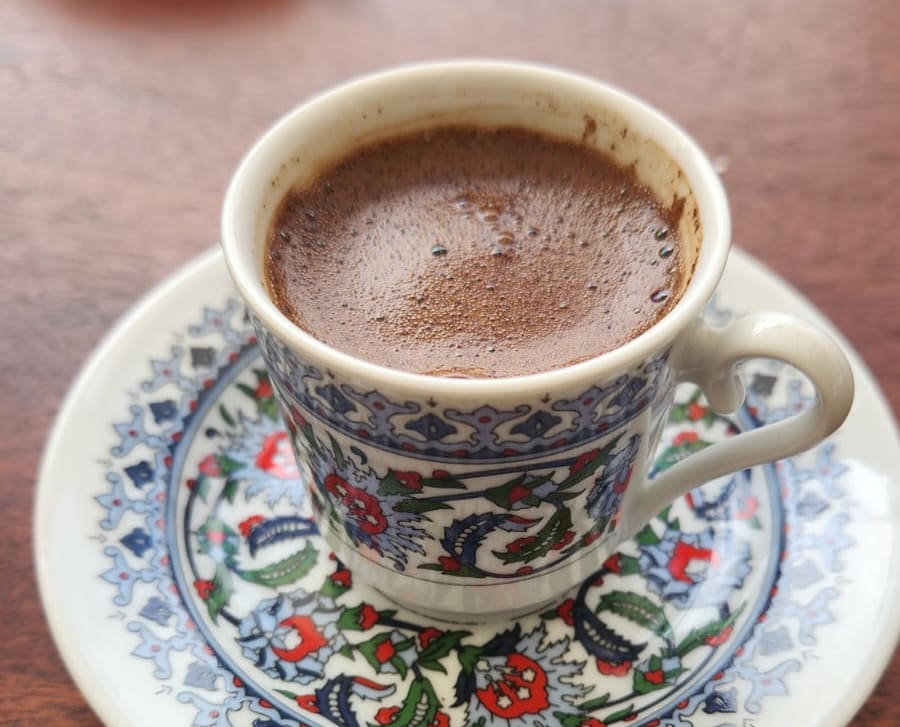
Turkish coffee—this one is with pistachio. I loved it.
The museums are tiny—and terrific
Gaziantep is full of museums, both big and small—but it’s the small ones that left the biggest mark on me.
My favorite? The Hamam Museum. It opened my eyes to how deeply the traditional Turkish bath is embedded in the culture. Before weddings, brides and grooms gather separately with their friends here—cleansing, gossiping, laughing, and eating in a ritual that’s as much about connection as it is about cleanliness.
The Real Star: THE FOOD. Let’s not kid ourselves—the real soul of this city is its food.
Gaziantep is home to over 400 regional dishes, more than any other city in Turkey. The cuisine is bold, spice-forward, smoky, and deeply satisfying. It’s a crossroads of Ottoman, Arabic, Kurdish, and Armenian culinary influences.
Every local you meet will passionately debate whether Antep kebabs or Urfa kebabs are superior.
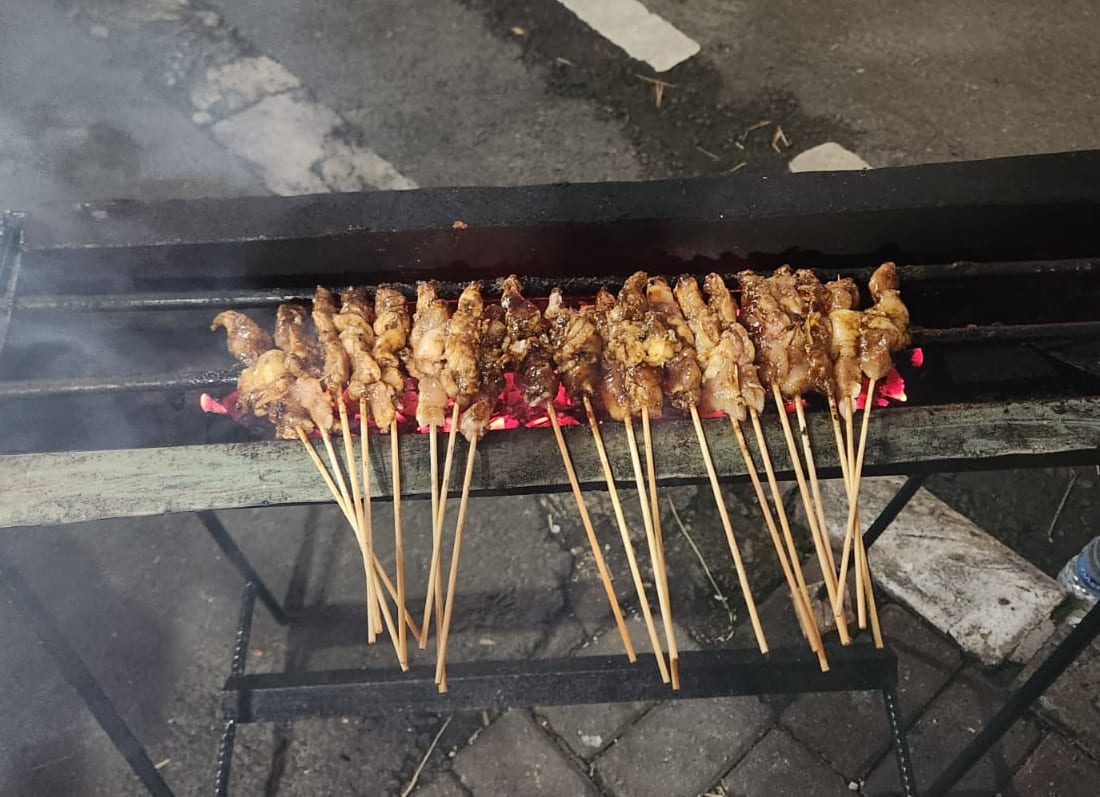
The famous Antep kebabs. You will not be able to resist the smell.
Here’s what not to miss:
Lahmacun: Thin, spicy, herb-filled Turkish flatbread
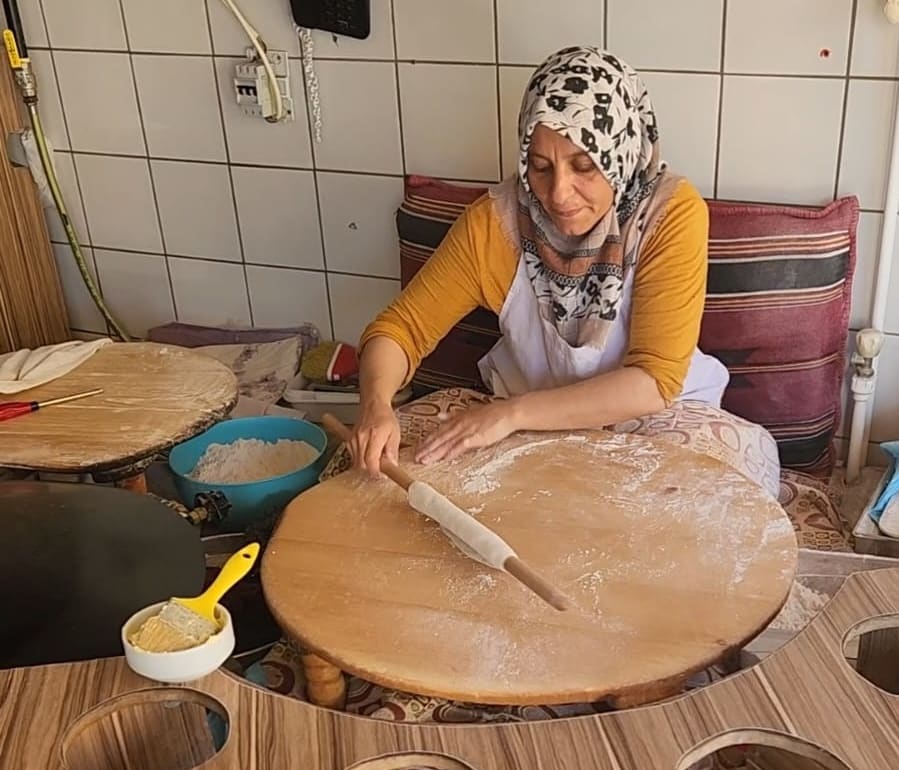
Anne (old mother) making lahmacun
Ali nazik: Smoky eggplant purée topped with lamb and yogurt
İçli köfte: Stuffed bulgur shells with seasoned meat
Yuvalama: A yogurt-based lamb soup with chickpeas
Katmer: Flaky pastry with pistachio and clotted cream
And, of course, the legendary baklava: sweet, nutty, and layered to perfection with Antep pistachios.
Pro tip: In Antep, everything is shared. You’ll find cold starters, warm kebabs, and desserts all mixed into one glorious meal, chased by endless cups of tea and long conversations. Don’t forget to try the rich, creamy pistachio coffee—a local twist on your caffeine ritual.
Living above a baklava shop (yes, really)
My apartment in Gaziantep was perched right above one of the city’s best-known baklava shops. Every morning, the air was thick with the sweet, buttery smell of pastries baking; by evening, it was replaced by the smoky aroma of kebabs grilling on charcoal.
Friends who visited me would say, “Anu, how do you live here and not get fat?” Honestly? I have no idea.
Easy day trips from Antep
One of the best things about being based in Gaziantep is how close you are to some spectacular, lesser-known places:
Rumkale & Halfeti (one to one and a half hours away): Take a boat ride through emerald waters past ancient ruins and submerged homes. Halfeti is postcard-perfect and quietly haunting.
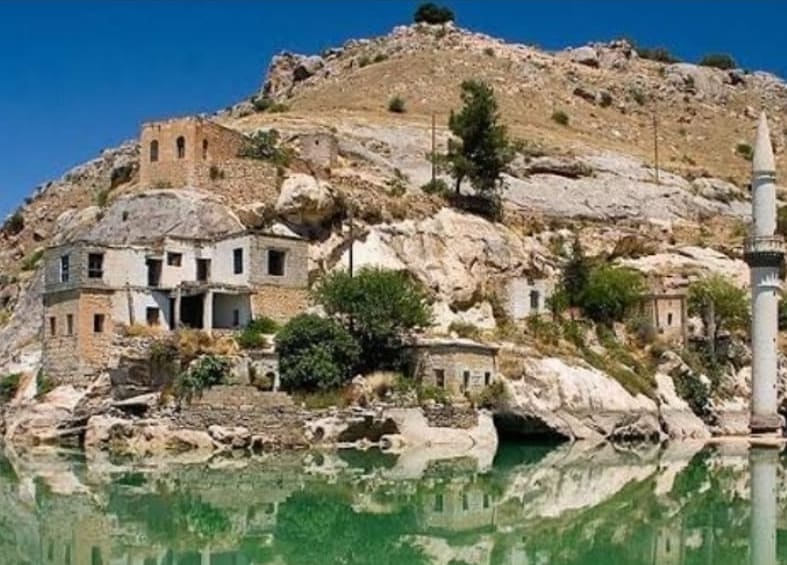
The town of Halfeti
Sanliurfa: Birthplace of Prophet Abraham and home to sacred fish pools, this spiritual city is just a couple of hours away.
Carchemish & Zincirli Höyük: Explore Bronze Age ruins and Silk Road relics in these archaeological sites along the Euphrates.
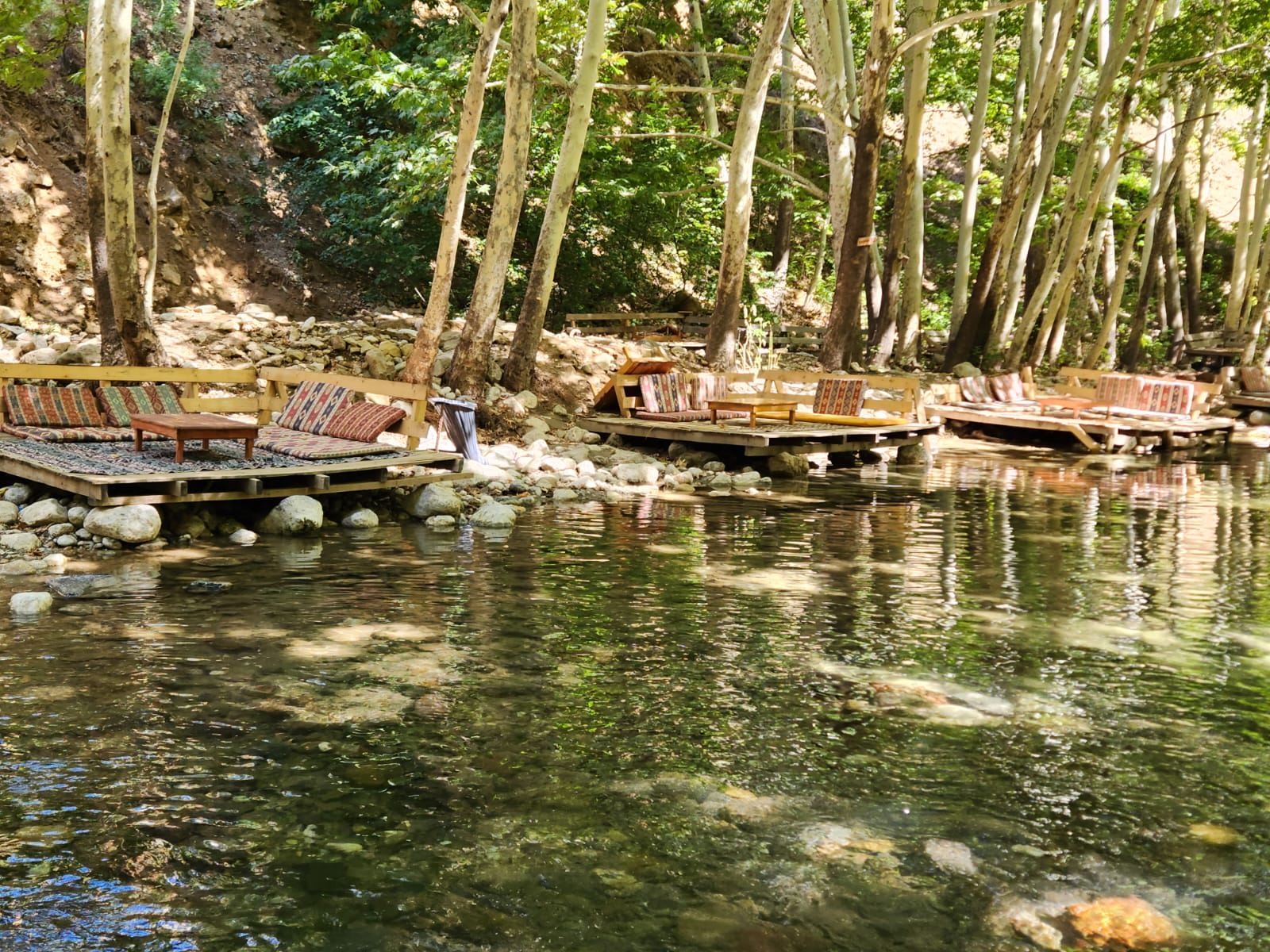
Kavaklık or “poplar grove” tea gardens found just outside Gaziantep
Need to know
Don’t leave Antep without picking up a pair of handmade leather shoes from the local artisans. They’re stylish, traditional, and stitched with stories.
If you’re feeling adventurous, try your luck with a Turkish coffee reading—locals will often read your future from the coffee grounds left behind in your cup. It’s quirky, fun, and surprisingly spot-on at times.
Shop till you drop in the bazaars, and when your feet give up, it’s time for a very local experience: Rakı.
Rakı is Turkey’s beloved national spirit. It starts off clear like water, but when mixed with water, it turns milky white—earning it the nickname “lion’s milk.” The best way to enjoy it is in a “meyhane” setting: friends gather at a local tavern, order a bottle of Rakı and feast on a spread of meze—small, flavorful dishes served in hand-painted ceramic bowls.
The vibe? Talk endlessly. Eat slowly. Sip even slower.
But a warning: Rakı is deceptively strong. If you’re new to it, pace yourself, and never try to match the locals shot-for-shot—they’ve had years of training.
For more inspiration and insider recommendations, visit our Turkey page.


Travel Advisor
Anuradha Mundra
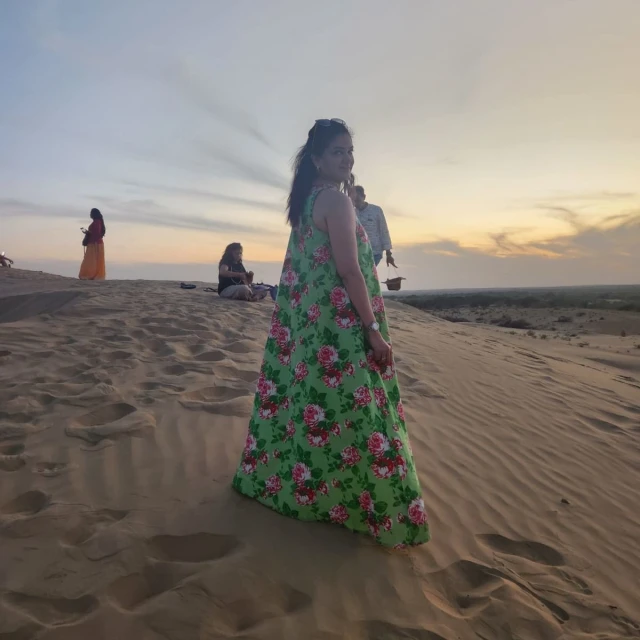
Anuradha Mundra

Get in touch with Anuradha Mundra
Did you like this guide? Reach out to customize and book your own experience. Or, just to chat about travel in general.