

Curator’s statement
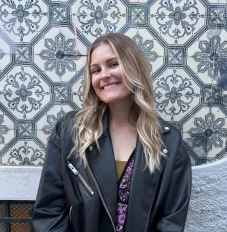
Budapest was the starting point for my train travels through Central Europe, and let me tell you, it did not disappoint. This city is full of charm, and it has an incredibly accessible public transportation system, delicious food, and just all around plenty to see and do. If Budapest is not currently on your list, let me change your mind.
The Fora Difference
Book with Reagan Roams to access exclusive perks and experiences on your trip.

Killer perks
Free upgrades, spa credits and more—we got you

Personalized recs
Customized travel planning for your style

Insider knowledge
Expert advice from people who’ve actually been there
Where to stay in Budapest
Unlock perks by contacting Reagan Roams to book your trip.
Budapest is the kind of city that has something for everyone. Whether you're a history buff, a foodie, a lover of architecture, or simply a lover of thermal baths, you're set.
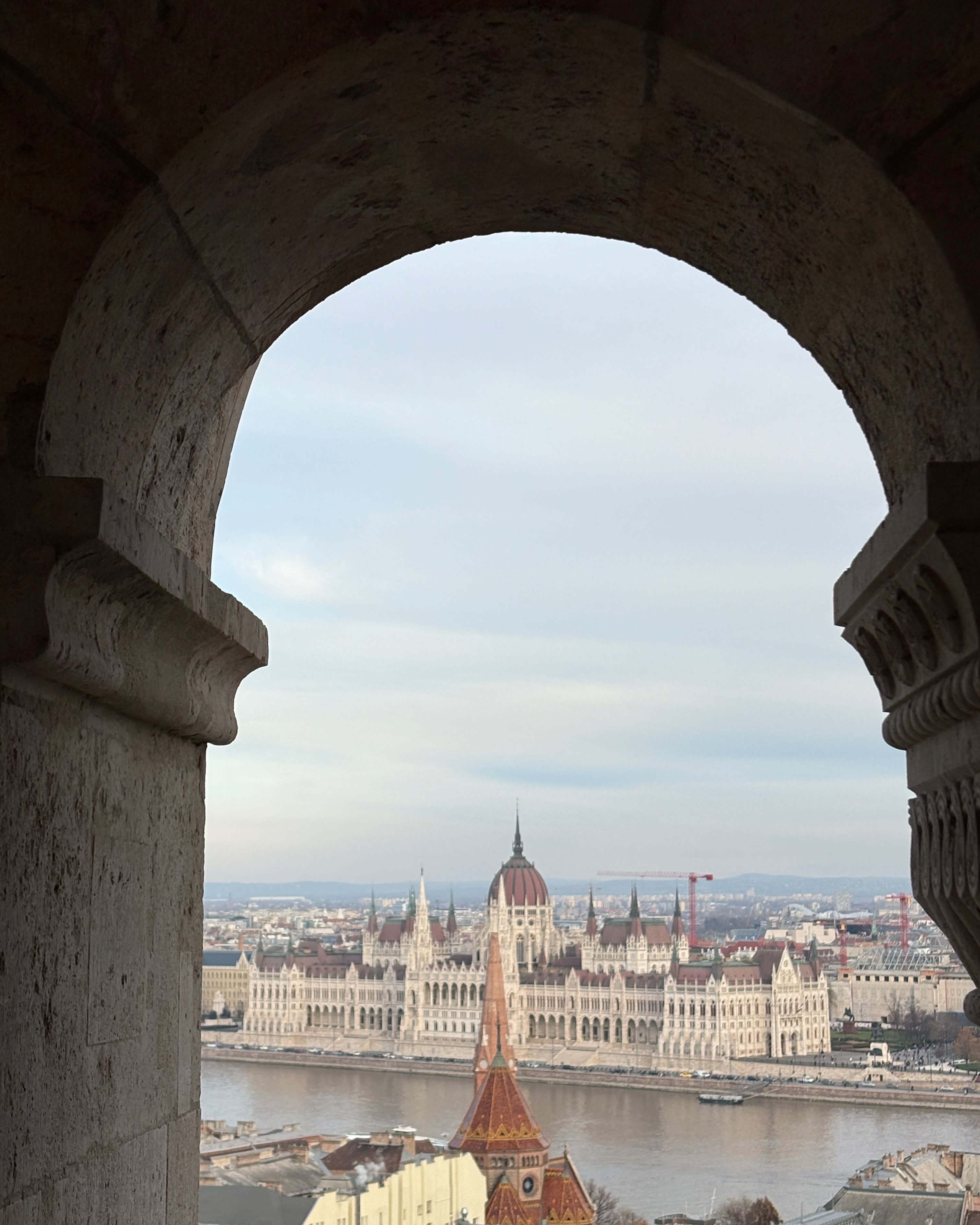
What you'll immediately notice about Budapest is the stunning architecture. Every street you walk down and every corner you turn, you’re presented with buildings that all fit into the same 19th-century architecture category. Each building has character, somehow making a big city feel cozy and intimate.
I learned that there are many UNESCO World Heritage Sites that exist within Budapest (such as the Danube riverfront, Buda Castle, and Andrassy Avenue). With this distinction comes strict rules and guidelines when it comes to new builds or renovations in the city, hence why you aren’t going to stumble into a neighborhood that has a flashy, modern townhouse that popped up out of nowhere and fails to make sense.
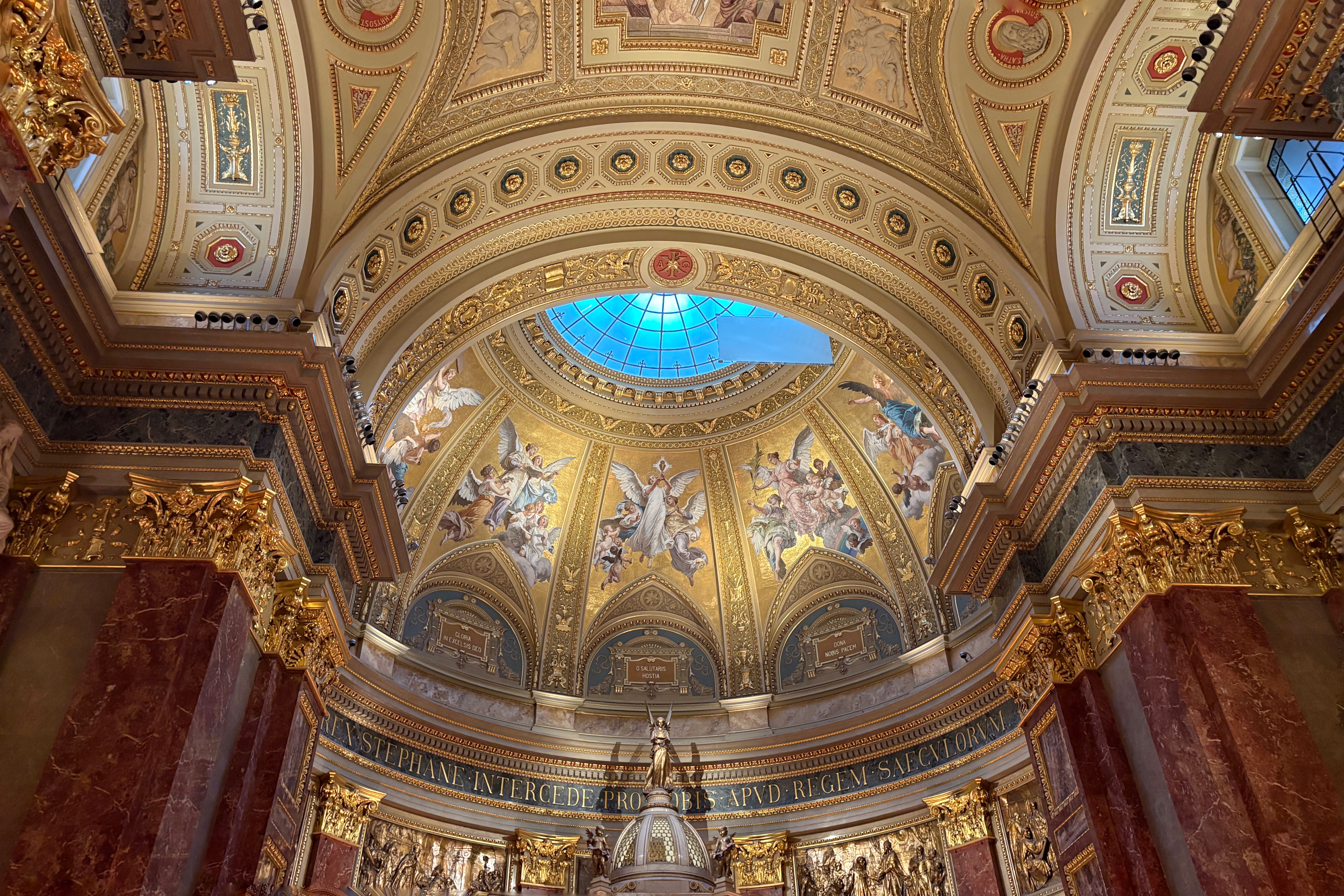
St. Stephen's Basilica
Getting around
Budapest is a huge city, so although it is walkable in the sense that it has large sidewalks and there’s a fun or yummy stop on every corner, it would be difficult to rely on only foot travel.
Which leads me to the city’s very impressive public transportation system. Over the course of seven days, we used their metro, tram, bus, and train to get around. As someone who didn’t grow up using public transportation, I was blown away at how user-friendly each of their transit systems were.
The best part is you only have to purchase a single pass to use all of their public transportation systems. Download the Budapest Go app and purchase the pass that best fits your trip (single day, two-day, three-day, or two-week pass). The moment you complete your purchase, your ticket is validated, so be sure to buy it right before using. If you’re over the age of 65, public transportation is free to use (however, I still think there is a pass of some sort that is necessary to show you can ride for free).
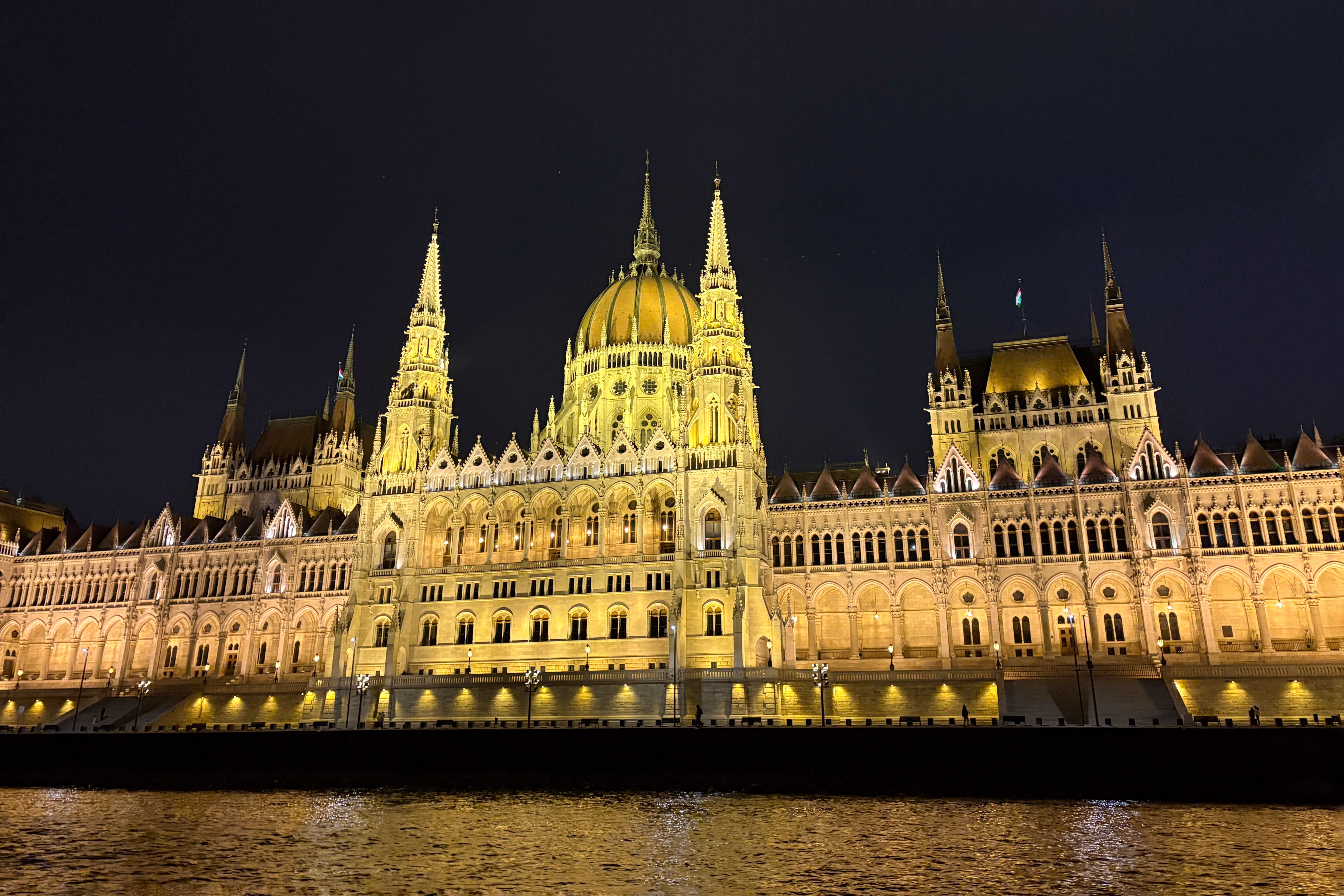
Views of the Hungarian Parliament building from a Danube River night cruise
Once your pass is purchased, you are free to hop on and off as you please! There are workers who will occasionally get onto the trams or will be standing at the exits of the metro to check tickets, so be sure to be a good patron and purchase your pass (this happened to us about five times).
If you get caught on public transportation without a pass, you’ll have to pay a fine, so just do the right thing and buy a pass.
The Budapest Go app also works as a navigation tool, giving you every option of how to successfully get to your destination, so I definitely recommend downloading before your trip.
Where to stay
I had the pleasure of visiting three different hotels during my time in Budapest. Each has something unique to offer, but they are all consistent in having great service and stunning design. Be sure to book with me so that I can ensure you're treated like the VIP you are.
The W Budapest (directly across from the Hungarian Opera House)
The Aria Hotel (steps from St. Stephen's Basilica, and one of the city's best Christmas markets if you're visiting over the holidays)
Parisi Udvar Hotel (the entryway speaks for itself—stop by their cafe and have a coffee even if you decide to not stay here)
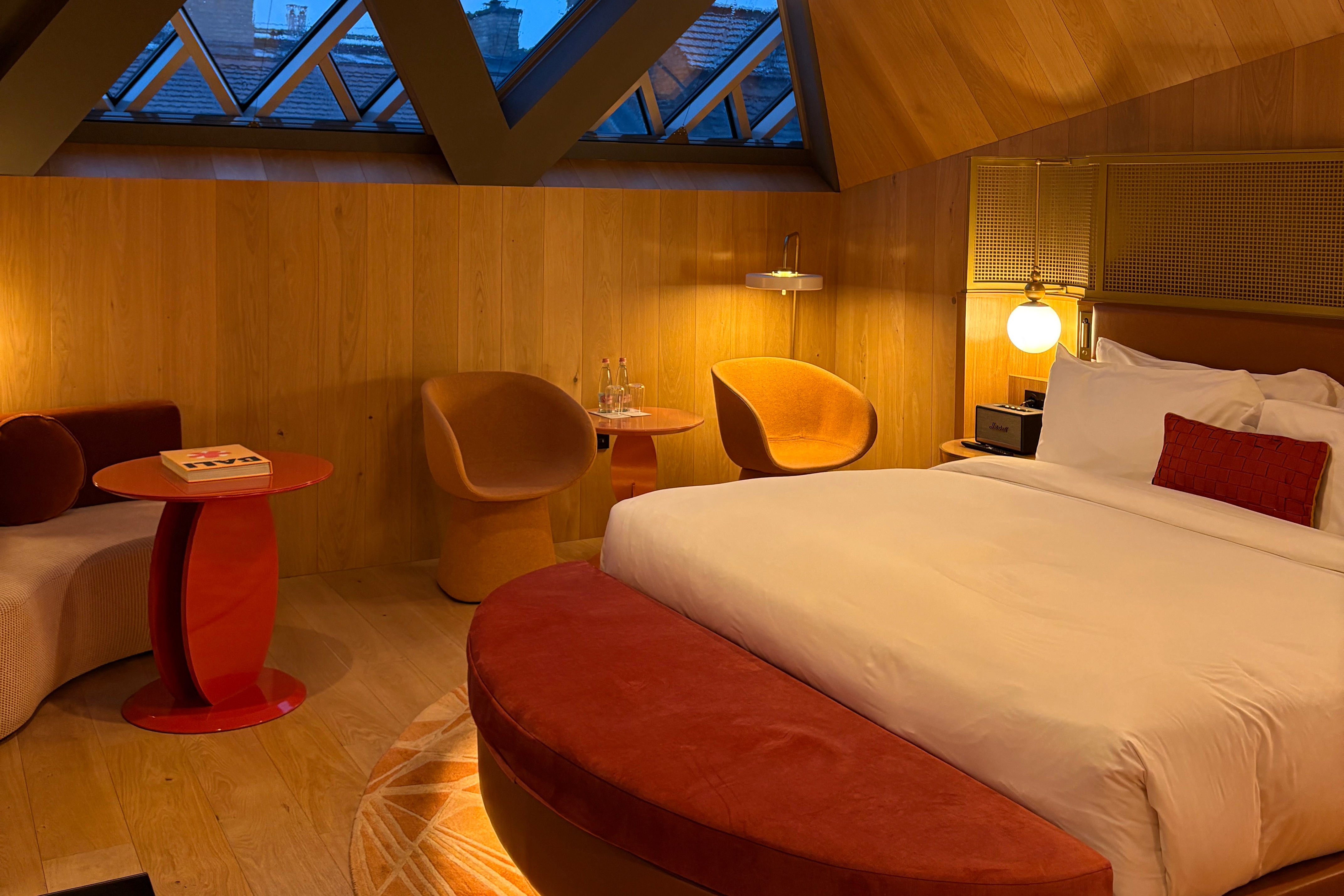
The W Budapest Hotel
Where to eat
The Hungarian dishes we tried were truly delicious. There was not one dining experience we had where I didn’t want multiple items on the menu. I will say, I’m curious if I’d have the same opinion if we were in Budapest in the peak of summer rather than in the winter season, being that many of the local dishes we ate were warm and heavy—goulash, chicken paprikash with dumplings, langos, and strudel (savory and sweet) are a few of the regional dishes that we loved.
As for restaurant & cafe recommendations:
Menza Etterem (reservation recommended)
Strudel House
Central Grand Cafe & Bar
Retek Bisztro
Mama Goulash (almost always a line! We showed up 10 minutes after opening and got a table, so I recommend for lunch versus dinner)
TATI Farm to Table
Laget Pekseg (I was so impressed with Budapest’s pastry game)
Twentysix (brunch or dinner)
Indian Palate
Frici Papa
Paprika Vendeglo
Cookie Beacon Brunch (you’ll see this spot all over social media, so anticipate a line. I’m adding it simply because we walked by the window and saw the cookies and gasped! They looked heavenly.)
Szimpla Kert (not a spot to eat, but rather to drink. This famous ruin bar is open from 3 pm until 4 am daily, so stop by at whatever hour suits you the most)
High Note SkyBar (on the rooftop of The Aria Hotel with stunning views of St. Stephen's Basilica)
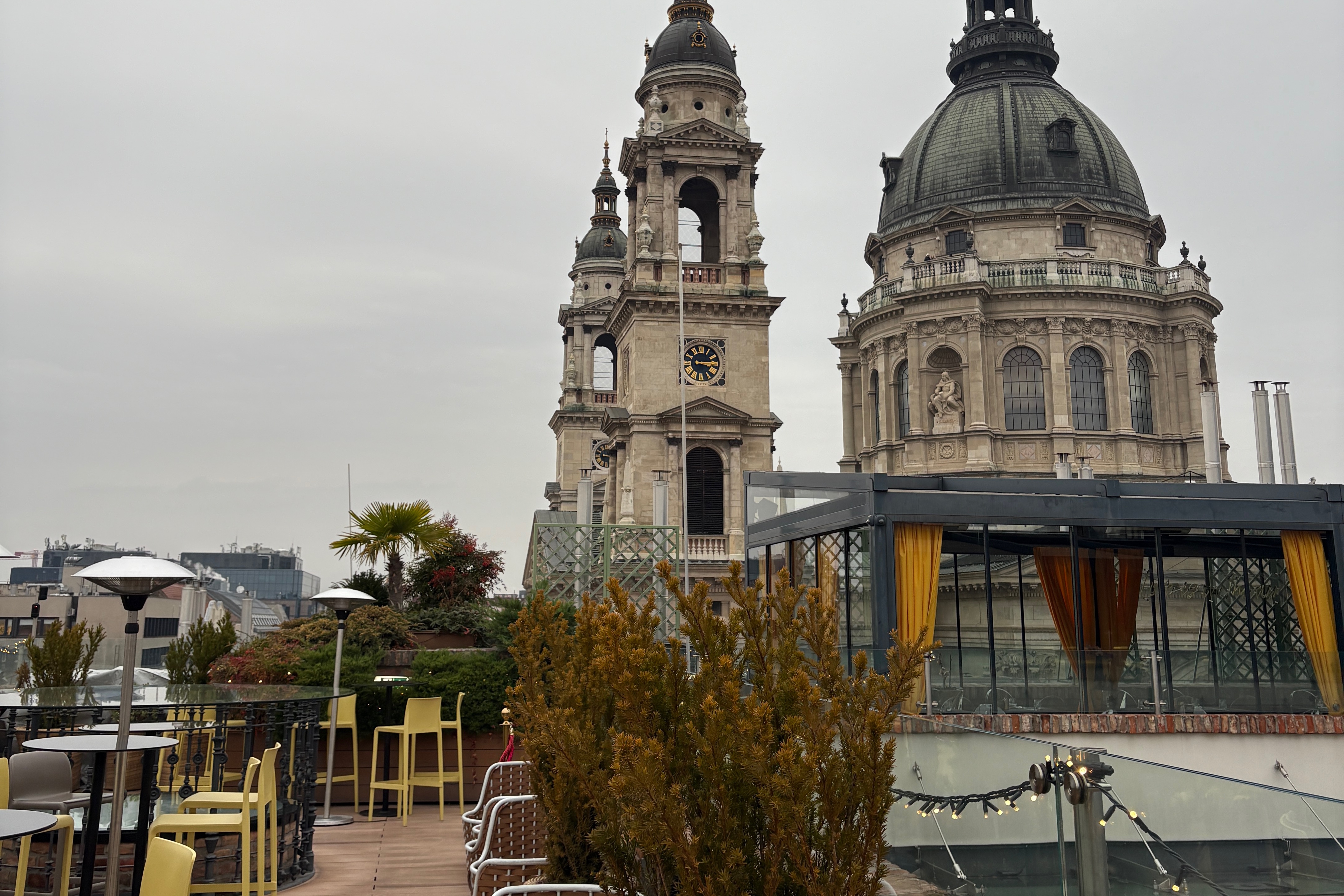
The High Note SkyBar at The Aria Budapest Hotel
What to do
There is no shortage of sites and tourist attractions in this city. It blows my mind that the average tourist only visits Budapest for two to three nights because there is so much to see and experience.
I recommend making reservations in advance (I can help with that). Here are a few things to see or do:
Buda Castle & Fisherman’s Bastion (you can spend the whole afternoon on the Buda side of the river)
Visit the Thermal Baths (Szechenyi, Rudas, and Gellert are popular, however Gellert is closed for renovations until 2027)
House of Terror Museum (buy tickets at time of arrival)
Danube River night cruise
Hungarian State Opera House (they offer three English tours per day, so be sure to book in advance)
St. Stephen’s Basilica
Hungarian National Museum (closed on Mondays)
Dohany Street Synagogue
Hospital in the Rock Museum (on the Buda side)
Heroes Square and City Park (same area as Szechenyi Thermal Baths)
Central Market Hall
Liberty Square
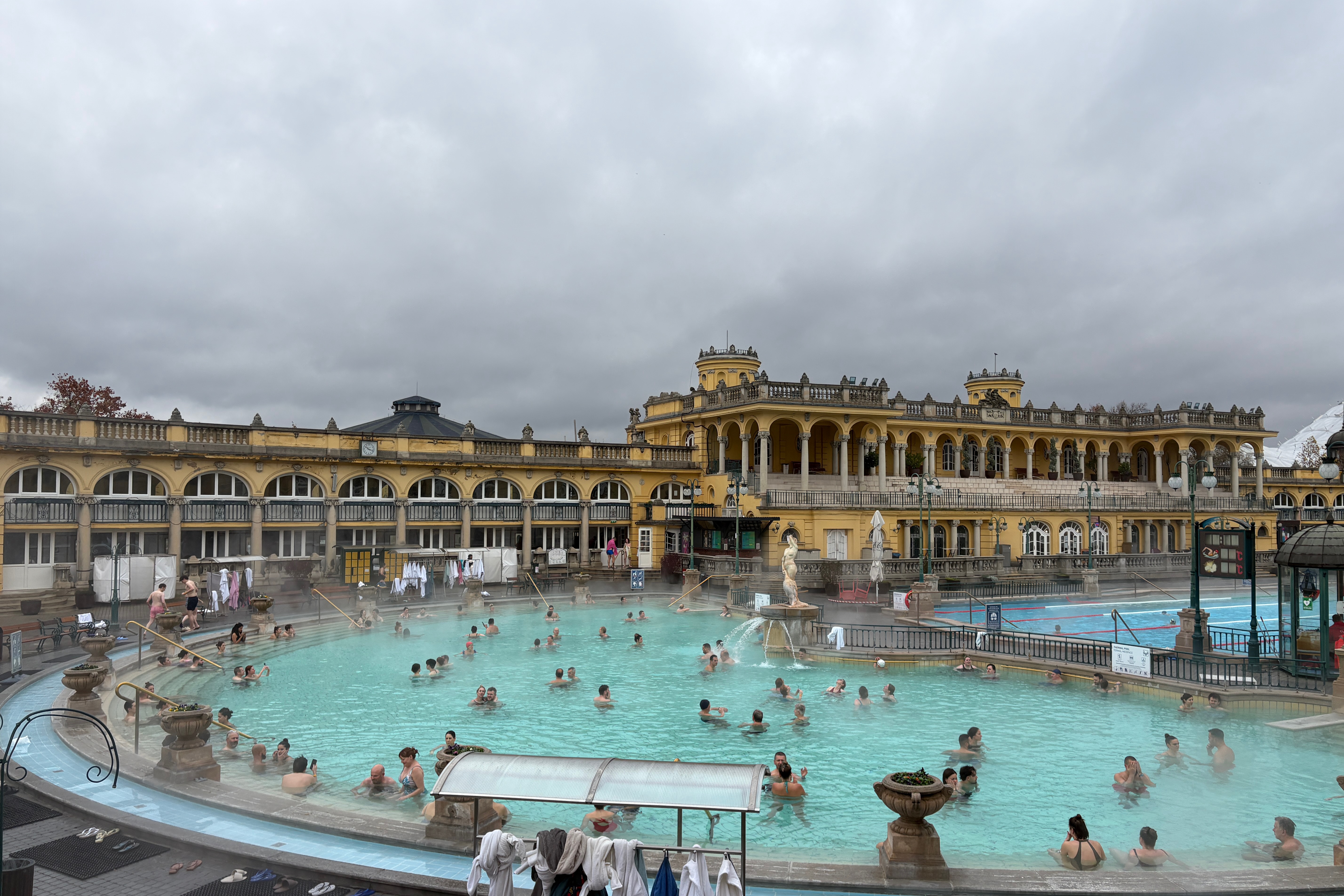
Szechenyi Thermal Baths
Need to know
With such great public transportation, I doubt you'll need to utilize ride share, but if you do, Budapest uses both Uber and Bolt. They are all taxis per city regulation, but they will show you an estimated price range for your ride when ordering.
The currency is a Hungarian Forint—I recommend getting some cash from your local bank before your trip.
For more inspiration and insider recommendations, visit our Budapest page.


Travel Advisor
Reagan Roams
Reagan Keller

Get in touch with Reagan Roams
Did you like this guide? Reach out to customize and book your own experience. Or, just to chat about travel in general.