



Curator’s statement
Namibia came as a complete surprise to me. For work, I’m often stationed in different parts of the world. When I was posted to Namibia, I expected just another dull African country. But that idea changed the moment I stepped into my Airbnb in Windhoek—my home for the next six months. What I found was calm, solitude, wildlife, wilderness, and a series of breathtaking natural and cultural experiences. By the time you leave this country, you won’t just be mesmerized—you’ll be changed.
The Fora Difference
Book with Anuradha Mundra to access exclusive perks and experiences on your trip.

Killer perks
Free upgrades, spa credits and more—we got you

Personalized recs
Customized travel planning for your style

Insider knowledge
Expert advice from people who’ve actually been there
Where to stay
Unlock perks by contacting Anuradha Mundra to book your trip.
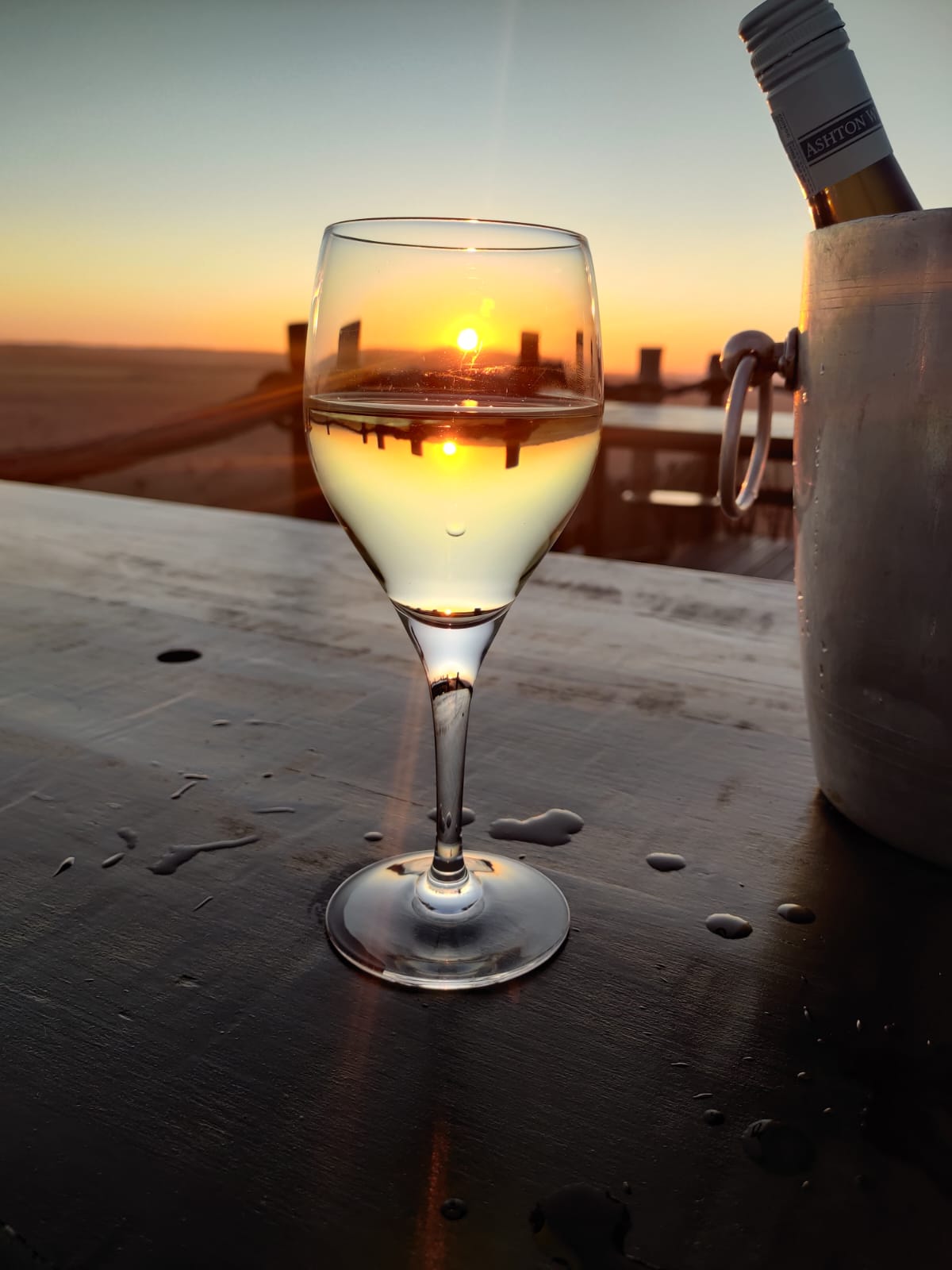
View from Moon Mountain Lodge lobby
Let’s start with the basics. Once you arrive in the capital city of Windhoek, you begin exploring a place that surprises you more with every turn. It has a touch of European charm, South African trademarks, and a unique terrain that shifts from urban to wild within minutes. The city offers boutique restaurants, cultural stops, and scenic escapes—both within its heart and on its outskirts.
After getting a feel for the city, you must venture into a different part altogether—the township of Katutura. Born out of apartheid-era displacement, Katutura now pulses with resilience, culture, and everyday vibrance. (I’ll let you dive into the heavier history of this place on your own terms.)
Walk its rugged streets and you’ll hear music, smell braai smoke, see children laughing, and sense a fierce pride in a community that refuses to be forgotten.
You’ll also immediately notice a stark contrast from the rest of Windhoek—here, the township is still loosely divided by tribes. People coexist in harmony, as long as they respect the invisible lines between neighborhoods. What surprised me most was that many locals from Windhoek had never really visited Katutura. And when they finally did—with me—they were astonished.
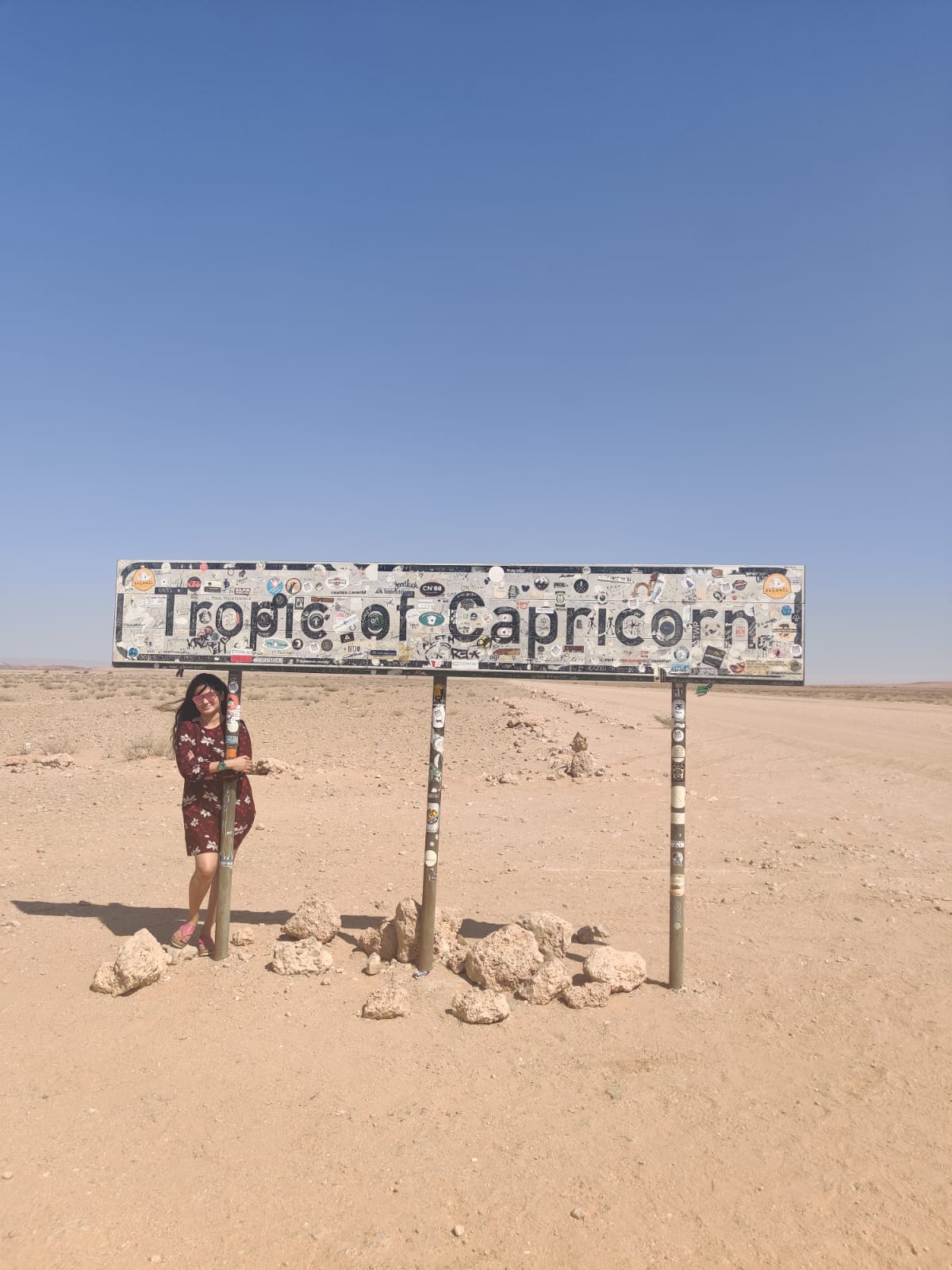
At the Tropic of Capricorn
Swakopmund
Now that you’ve settled in, it’s time to hit the road—about a 4-hour drive west—to Swakopmund, an absolute must on any Namibian journey.
Swakopmund is where Namibia softens—a whimsical coastal town where German colonial architecture meets the crashing waves of the Atlantic.
It’s quirky, fog-kissed, and oddly comforting. A former outpost turned adventure hub, you’ll be sandboarding by day and eating schnitzel by night.
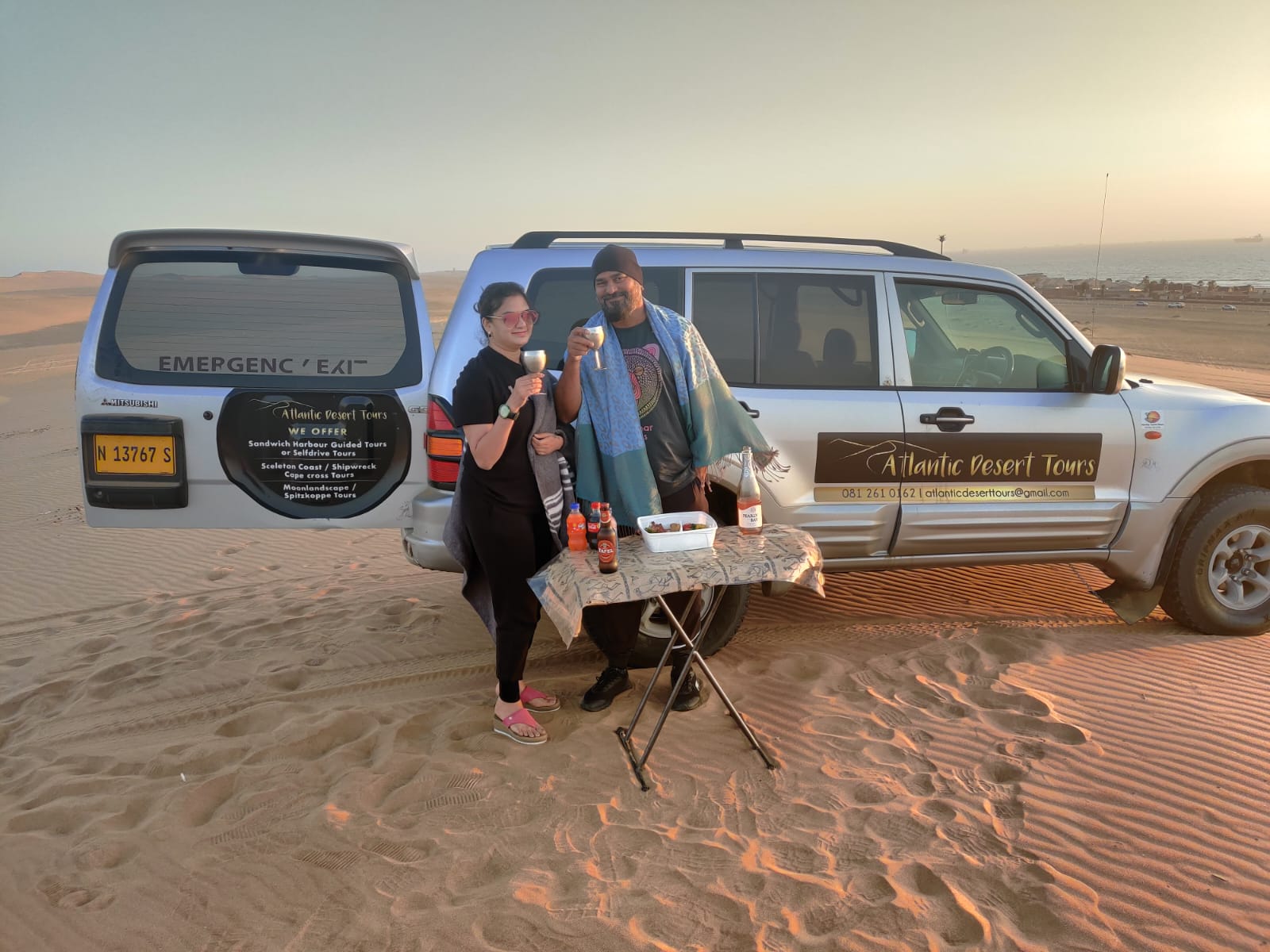
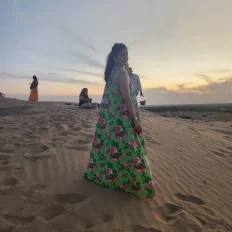
Second time at Sanwich Harbour with my husband
Once you’ve explored the town, it’s time for the real reason you came—the dunes. Specifically, the Sandwich Harbour Tour, where the Namib Desert meets the Atlantic Ocean in a way that is truly otherworldly.
No place I’ve been has compared to this raw, natural setting. This tour, whether you do the half-day or full-day version (I highly recommend the latter), begins in Swakopmund and takes you past stunning sights—flamingos, pelicans, and pink salt lakes. Sometimes, you’ll spot wild animals, too.
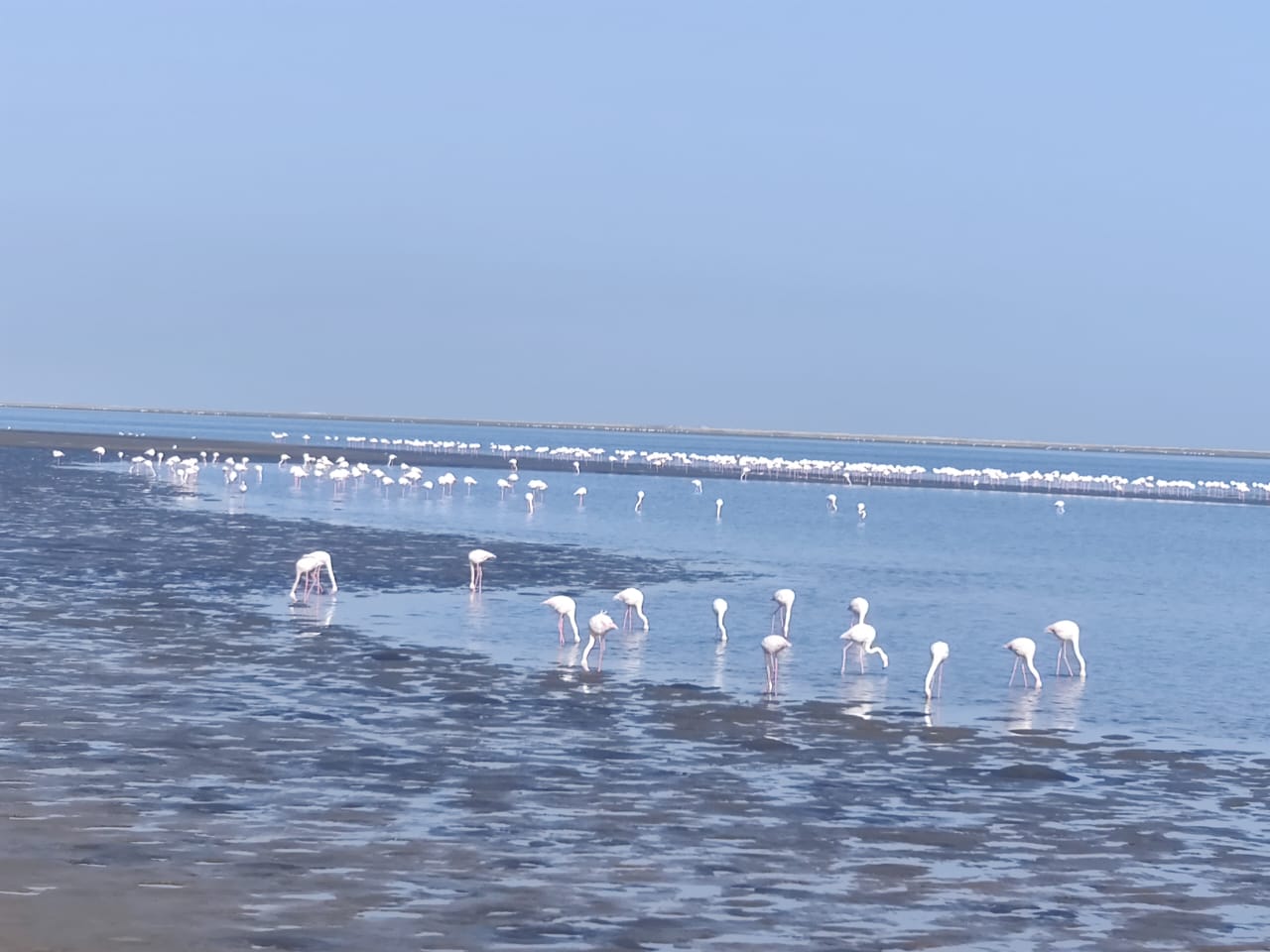
Flamingoes at Sanwich Harbour
But the true magic begins when your 4x4 enters the shoreline, navigating the narrow stretch between the crashing ocean and the towering dunes. Your regular car won’t survive here—trust me. Extreme care is needed on this stretch to avoid being pulled into the sea.
Once across, you ascend the dunes for what I can only describe as a roller-coaster ride through Mars.
At the top, the view—endless sky above, the Atlantic below—is soul-altering.
I loved it so much that I convinced my husband to fly in from wherever he was and do the entire experience all over again with me. He didn’t want to leave. The rest, as they say, is history.
Kolmanskop
Further south from Windhoek—about an hour’s flight away—is the quiet town of Lüderitz. Book your stay there, but the real destination is 15 km inland: Kolmanskop—a town swallowed by sand and time.
Once a booming diamond mining town in the early 1900s, Kolmanskop emerged out of nowhere when a railway worker stumbled upon a diamond in the desert. What followed was a mad rush of wealth, extravagance, and European opulence in the middle of one of Earth’s harshest landscapes.
At its peak, Kolmanskop had everything: a ballroom, a hospital (with Africa’s first X-ray machine), a casino, champagne delivery routes—even an ice factory. But as richer deposits were found further south in Oranjemund, the town was abandoned almost overnight in the 1950s. Now, the desert has reclaimed it. Wind and sand have swept through homes and hallways, creating dreamlike ruins that blur the line between structure and landscape.
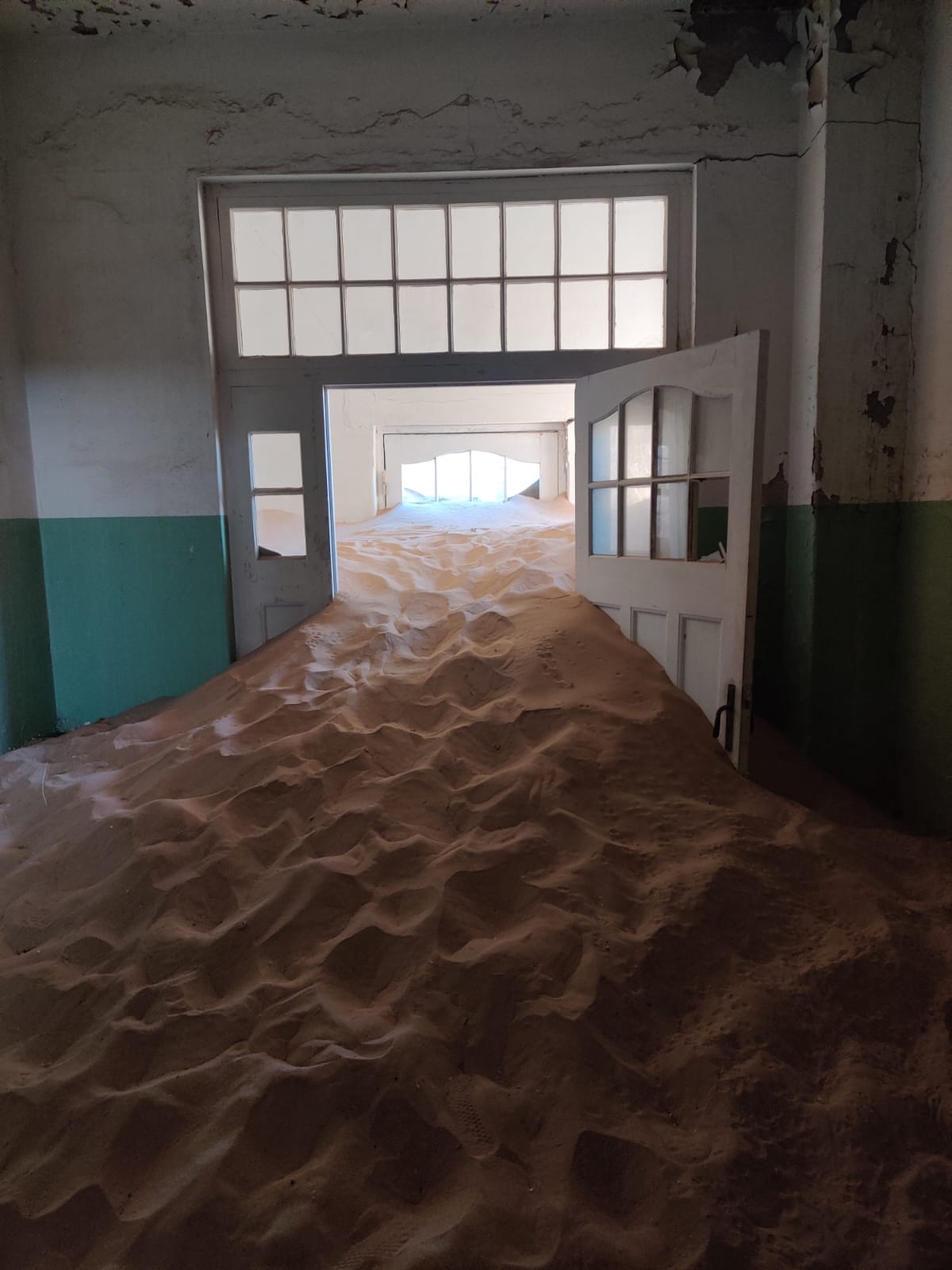
Kolmanskop
Today, Kolmanskop stands as a haunting monument to human ambition—and the quiet power of nature.
Fun fact: Its iconic sand-filled interiors were used for Tame Impala’s The Slow Rush album cover, shot by photographer Neil Krug.
Sossusvlei
Sossusvlei is the soul of Namibia—a surreal salt-and-clay pan surrounded by some of the world’s tallest dunes, reaching up to 325 meters.
At sunrise, these dunes ignite in brilliant hues of red, ochre, and gold, casting shifting shadows like nature’s brushstrokes.
This is a place where silence speaks louder than words.
Climb the famous Dune 45, or wander into the eerie beauty of Deadvlei, where 900-year-old camelthorn trees stand fossilized against white cracked clay under a piercing blue sky.
But the most magical moment? A few hours away at Sandwich Harbour, where the dunes spill directly into the ocean—one of the only places on Earth where desert meets sea. It’s wild, powerful, and unforgettable.
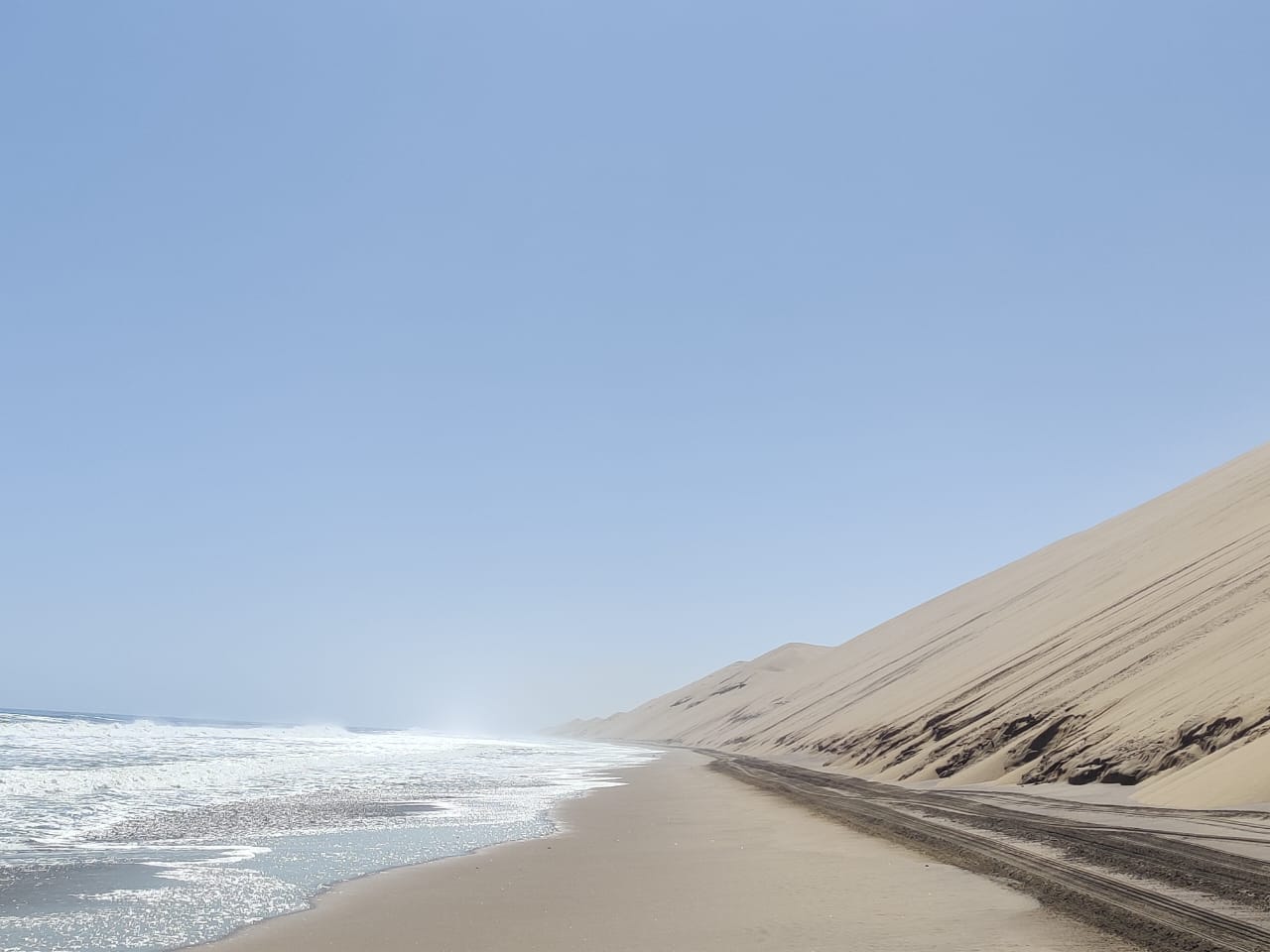
Sandwich Harbour—where the ocean meets the dune
And while the views are majestic, it’s the stay that took our breath away. We checked into Moon Mountain Lodge, tucked high in the hills and entirely secluded. Each lodge offers complete privacy, your own outdoor plunge pool, and panoramic views across endless desert plains.
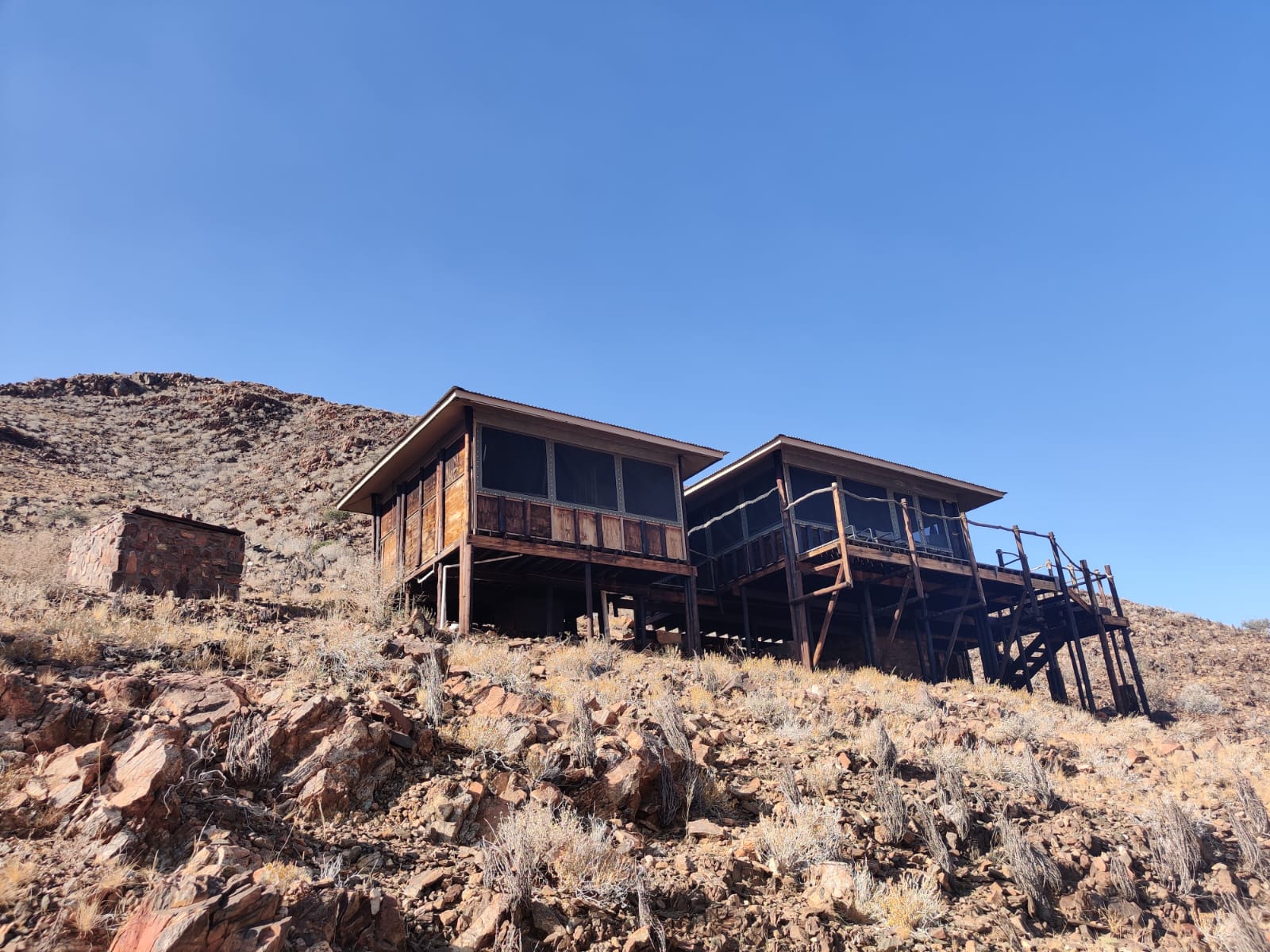
Moon Mountain Lodge—Sossusvlei
Our bathroom had a tub that opened out to the vastness—and yes, we did wonder at night whether some curious animal might show up at the plunge pool... not just for water, but for a snack! But sitting in silence, watching wildlife move across the plains, I felt more connected than ever.
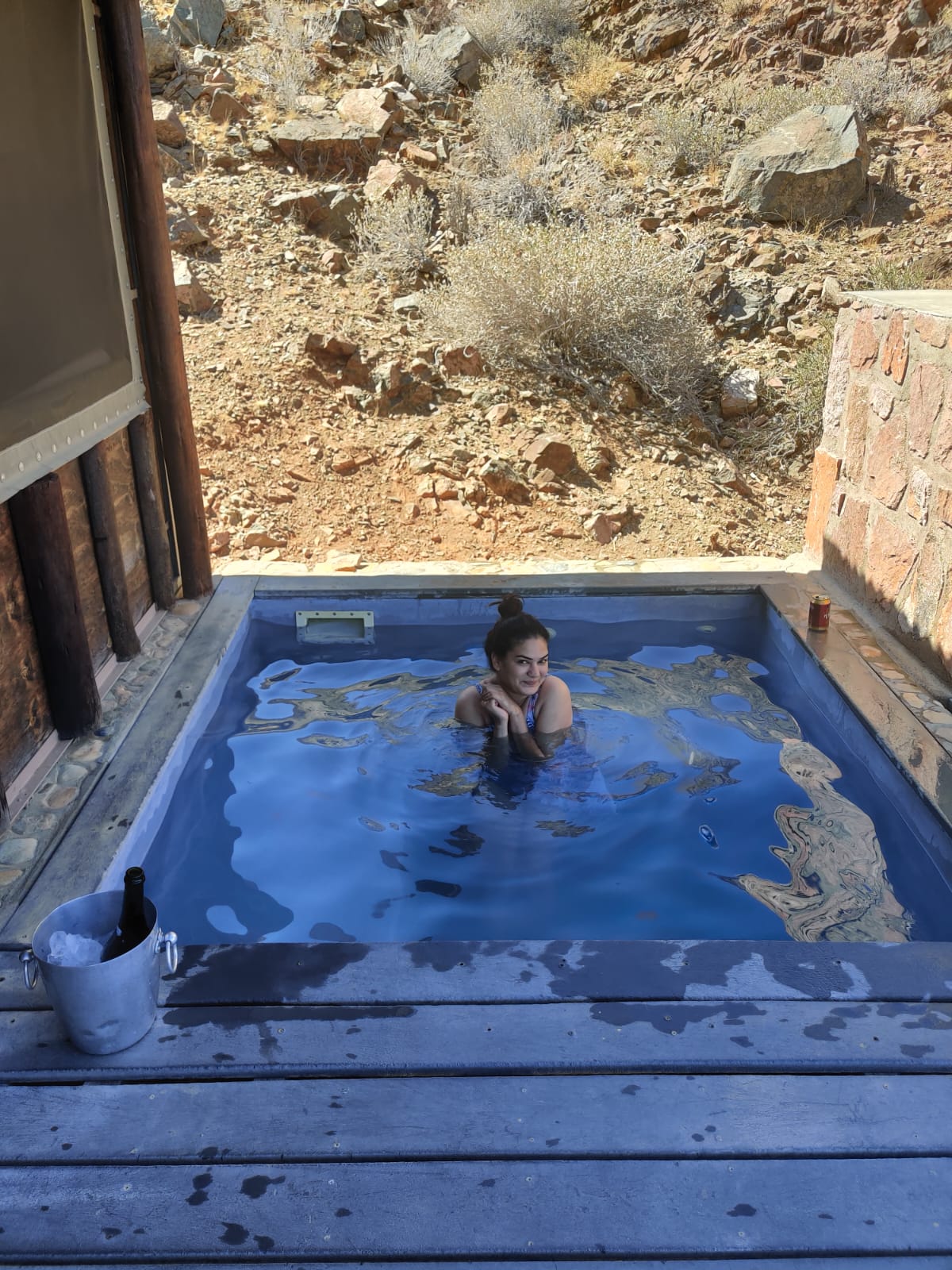
Plunge pool in the room of Moon Mountain Lodge
Need to know
While there are countless astonishing experiences in Namibia, I highly recommend exploring its wildlife sanctuaries—it’s almost a given in this part of the world. You can choose based on your interests and proximity to where you’re staying. I did them all, but if you can, spend at least one night at one of the reserves.
My favorite was Okaukuejo Camp in Etosha National Park. It’s famous for its floodlit waterhole located right within the camp, where guests can sit in silence and watch wildlife come and go—even at night. You might see elephants, rhinos (especially black rhinos), lions, giraffes, hyenas, and antelope gathering under the stars. The camp offers a range of accommodation, from basic chalets to premium rooms that overlook the waterhole. The viewing area, surrounded by a low stone wall in a circular amphitheater-like setup, feels like a natural wildlife theater.
After dinner, you’ll find almost every guest quietly assembled at the viewing spot, wrapped in blankets, gazing into the darkness, waiting for animals to appear. There’s something deeply moving about that shared silence—waiting, under the stars, for the wild to come to life.
Another must is visiting the Living Museum of the Ju/’Hoansi-San, located near Tsumkwe in northeastern Namibia (Otjozondjupa region). This immersive cultural project is run by the San (Bushmen) themselves and gives you a rare opportunity to learn about their traditional way of life—including tracking, fire-making, hunting techniques, storytelling, music, dance, and medicinal knowledge.
It’s not a staged performance, but a participatory and respectful space for cultural preservation and sustainable tourism.
Throughout the trip, I was reminded of my favorite childhood film—The Gods Must Be Crazy. I must have watched it over a hundred times. Little did I know then that it was actually filmed in Namibia. Seeing the San Bushmen in person felt like the movie was coming alive before my eyes.
I’ll leave you with one final fun fact:
The actor from The Gods Must Be Crazy, Nǃxau ǂToma, was a real-life San farmer from the Omaheke region of Namibia. Before the film, he had little exposure to the outside world. He was reportedly paid just $300 for the first movie—which later became a global hit.
Despite the fame, Nǃxau stayed deeply rooted in his traditional lifestyle and chose to live simply, in rural Namibia. He passed away in 2003, likely due to tuberculosis, but is still remembered as an accidental star—someone who brought international attention to the San people, even if through a lens that has been both celebrated and critiqued for its portrayal of indigenous life.
For more inspiration and insider recommendations, visit our Namibia page.

Travel Advisor
Anuradha Mundra
Anuradha Mundra

Get in touch with Anuradha Mundra
Did you like this guide? Reach out to customize and book your own experience. Or, just to chat about travel in general.