


Curator’s statement
After shooting documentaries in Japan of craftspeople that make Japanese tools for food, I have a deep passion for their food culture. From three gloriously long trips in the country, I have travelled from West to East and have extensive knowledge of the regions, must-eat foods, and essential dining experiences.
The Fora Difference
Book with Corinne Mynatt to access exclusive perks and experiences on your trip.

Killer perks
Free upgrades, spa credits and more—we got you

Personalized recs
Customized travel planning for your style

Insider knowledge
Expert advice from people who’ve actually been there
Where to stay in Japan
Unlock perks by contacting Corinne Mynatt to book your trip.
Unique foods to eat in Japan
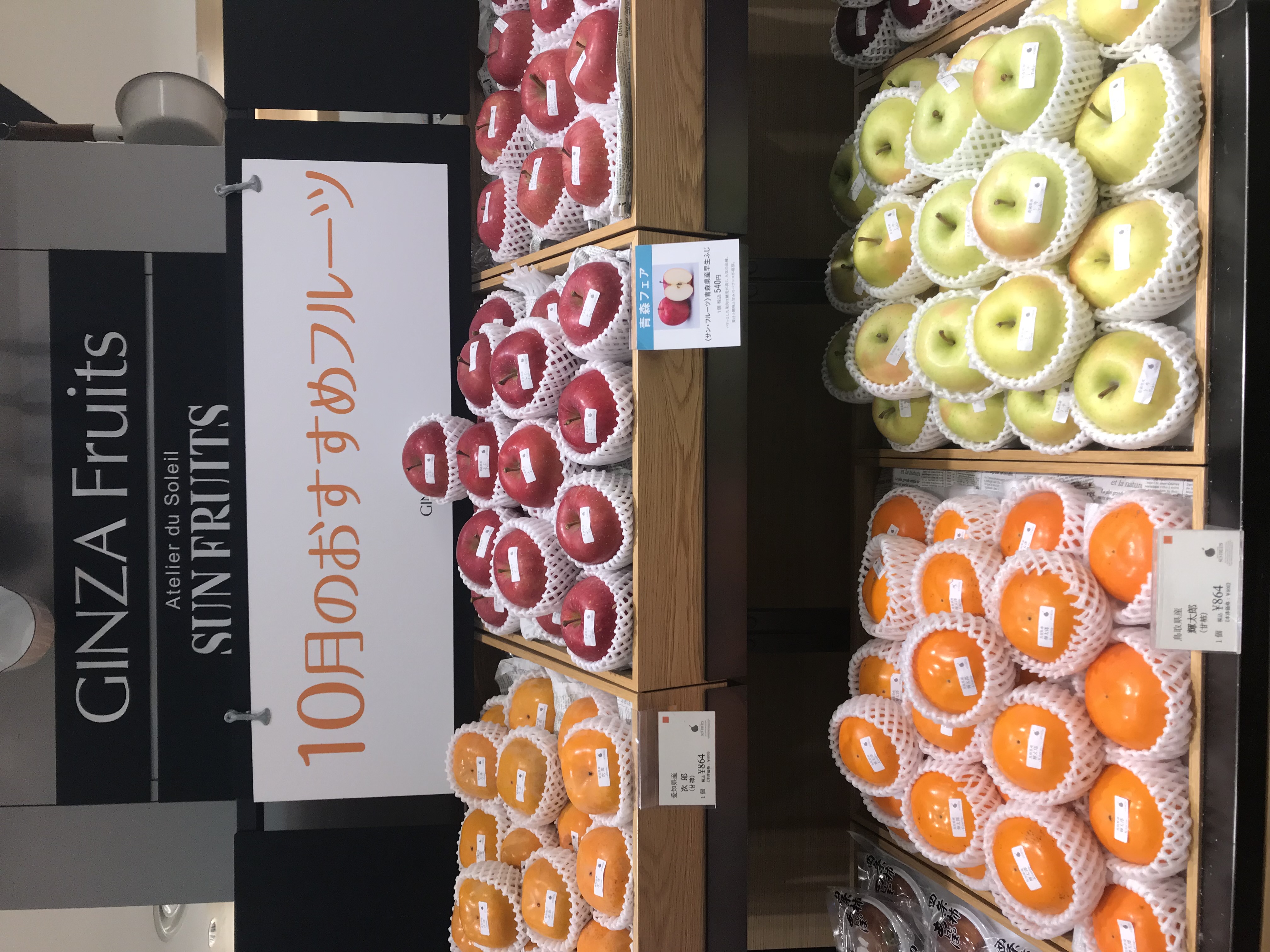
The best thing to do in Japan is eat seasonally—it’s a passion and will help you discover unique cuisine, not to mention eating ingredients at their peak.
Autumn street foods are found ad hoc, or in built-up places such as dedicated markets. Outside of the bamboo forest in Kyoto, pick up a dried persimmon to snack on, or find one of the rare remaining sweet potato sellers on the street, selling warm baked potatoes straight from their portable black iron ovens.
Ramen goes without saying—you are never too far from a ramen shop, and some operate a vending-machine-type ordering system. There are a few essential types you should try whilst in the country, but you’ll never be short of options when looking for this essential dish.
Tonkotsu (pork broth)
Fish ramen – nagi (Golden Gai) and Sapporo-style with butter
Keika Ramen Shinjuku or Afuri Ramen Shinjuku
Japan is famed for their expensive fruits—square watermelons, strawberries for $50—but what is important here is they are selling the best of the best, at the peak of the season. In autumn, the mandarins or mikan are highly prized for example, and are sold in different price grades depending on their quality.
What is known as "temple food": places where the food is vegetarian, served on the basis of Buddhist principles. Often the chefs try to emulate non-vegetarian foods, and you’ll be impressed and amazed by the presentation and invention. Try Daigo in Minato City in Tokyo.
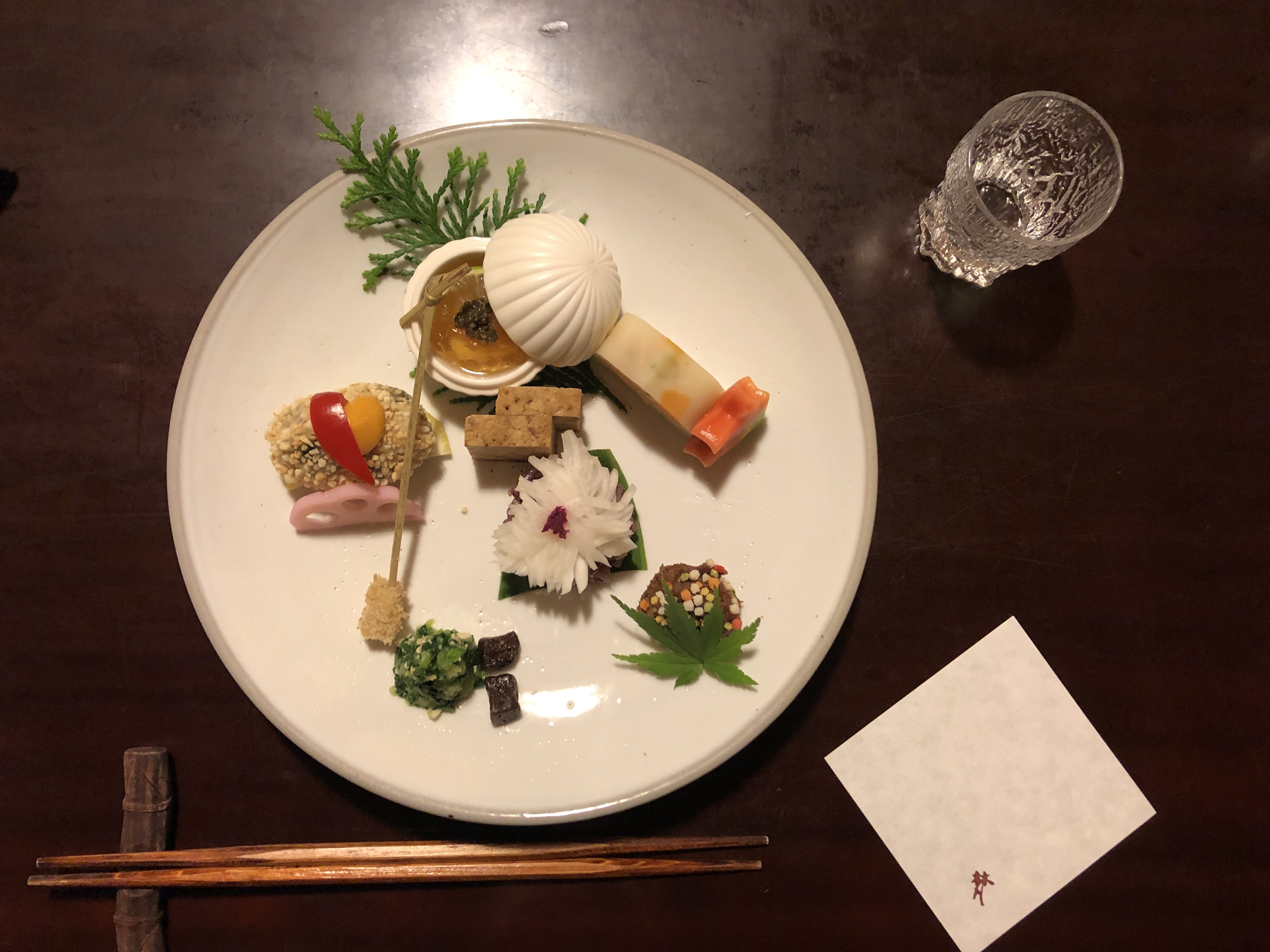
Temple food in Tokyo
Key dining experiences to try in Japan
There’s nothing better than discovering a local spot, wandering markets and street food destinations, and ticking off your list some of the finest Japan has to offer in food. Dig a bit deeper and learn about their kitchen tools, take a cooking class, or attend a tea ceremony to learn about their reverence for dining and drinking.
Tonkotsu pork is extremely tender pork fried in panko breadcrumbs. Pull up a chair at Maisen, and wonder at the chefs preparing your meal diligently, in well-rehearsed and dedicated silence. It is a must every time I go, as much as for the stellar quality as for the witnessing of respect to food and culture in Japan. So loved is Maisen, you can even buy their products at train stations to enjoy on long journeys. However, I recommend the IRL experience wholeheartedly.
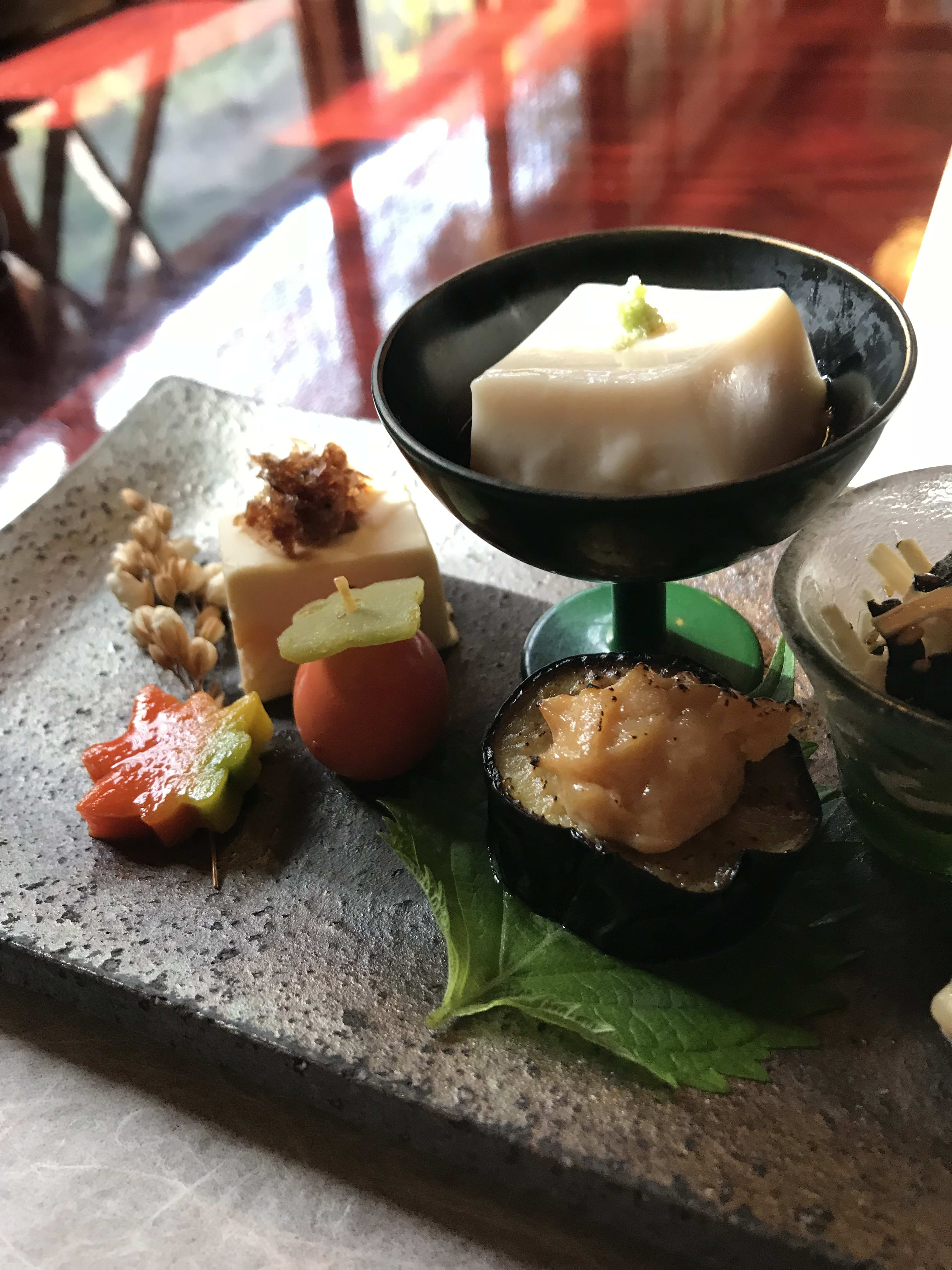
On my first trip to Kyoto, I had a riverside meal at Shoraian, dedicated to tofu. Next to the peaceful jade-colored river, the multicourse kaiseki meal championed this humble ingredient in all its guises. This is not just for vegetarians—it is about seasonality, respect, and reverence.
Izakayas are not to be missed: small skewers cooked over a grill, from vegetables to meat to even gingko nuts. In Tokyo, wander Golden Gai and Omoide Yokocho for tiny alleyway bars serving up this food and drinks.
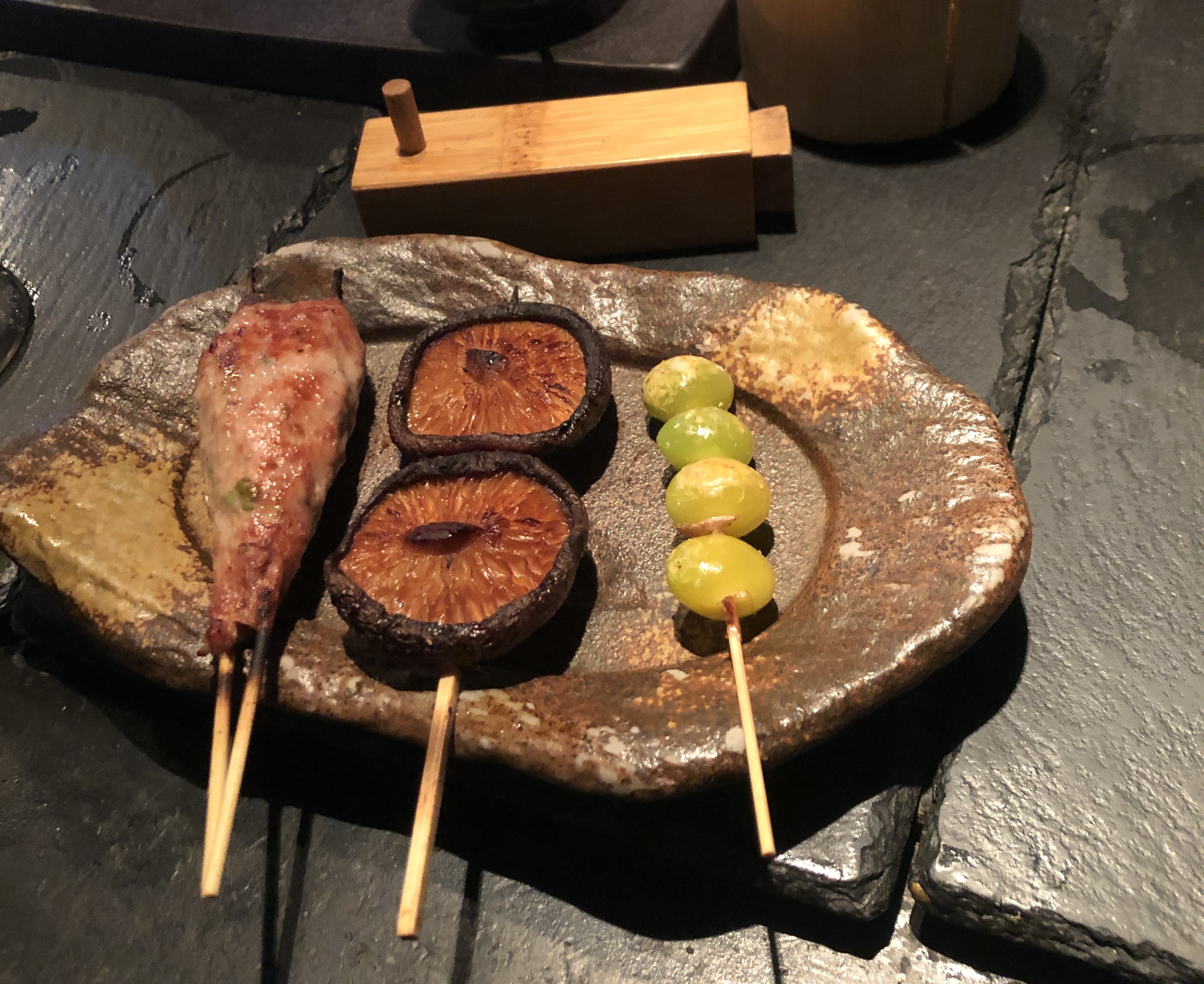
Izakaya in Tokyo
Kissatens are peaceful Japanese coffee shops with an old-school feel and calming music. Go for an essential experience, often with brown interiors and strong but delicious filter coffee. Try Marafuku coffee in Osaka.
Street food is a must of course. In Osaka, head to Namba/Tsutenkaku for takoyaki octopus balls, dango chewy rice treats, or okonomiyaki savory pancakes.
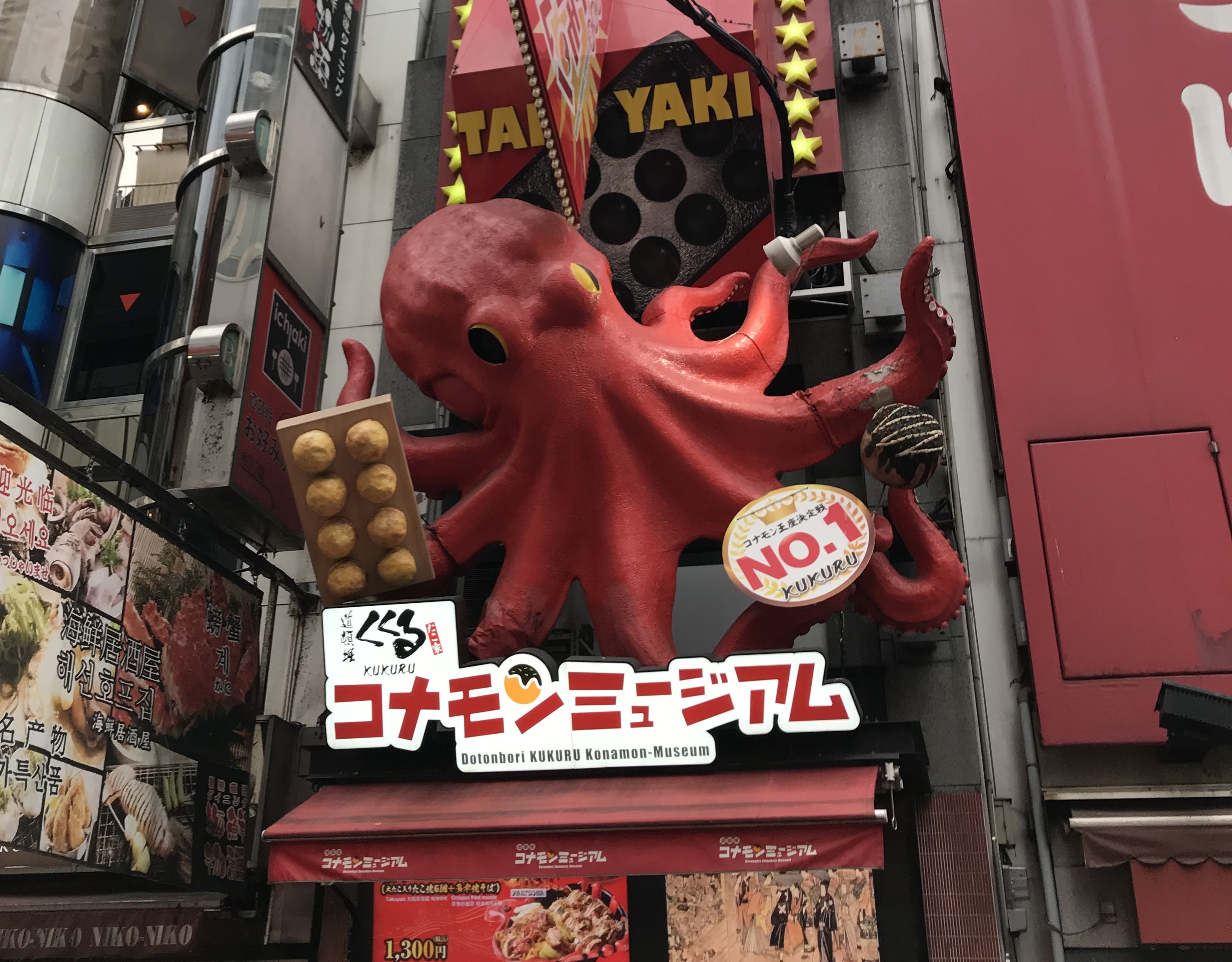
Takoyaki stall in Osaka
Need to know
Try everything! If you don’t know what it is, give it a go. Wander into unexpected doorways and alleyways to find local spots.
Kaiseki meals will need booking well in advance, but most other things can be booked a few weeks in advance, or are walk-ins.


Travel Advisor
Corinne Mynatt

Corinne Mynatt

Get in touch with Corinne Mynatt
Did you like this guide? Reach out to customize and book your own experience. Or, just to chat about travel in general.