


Curator’s statement
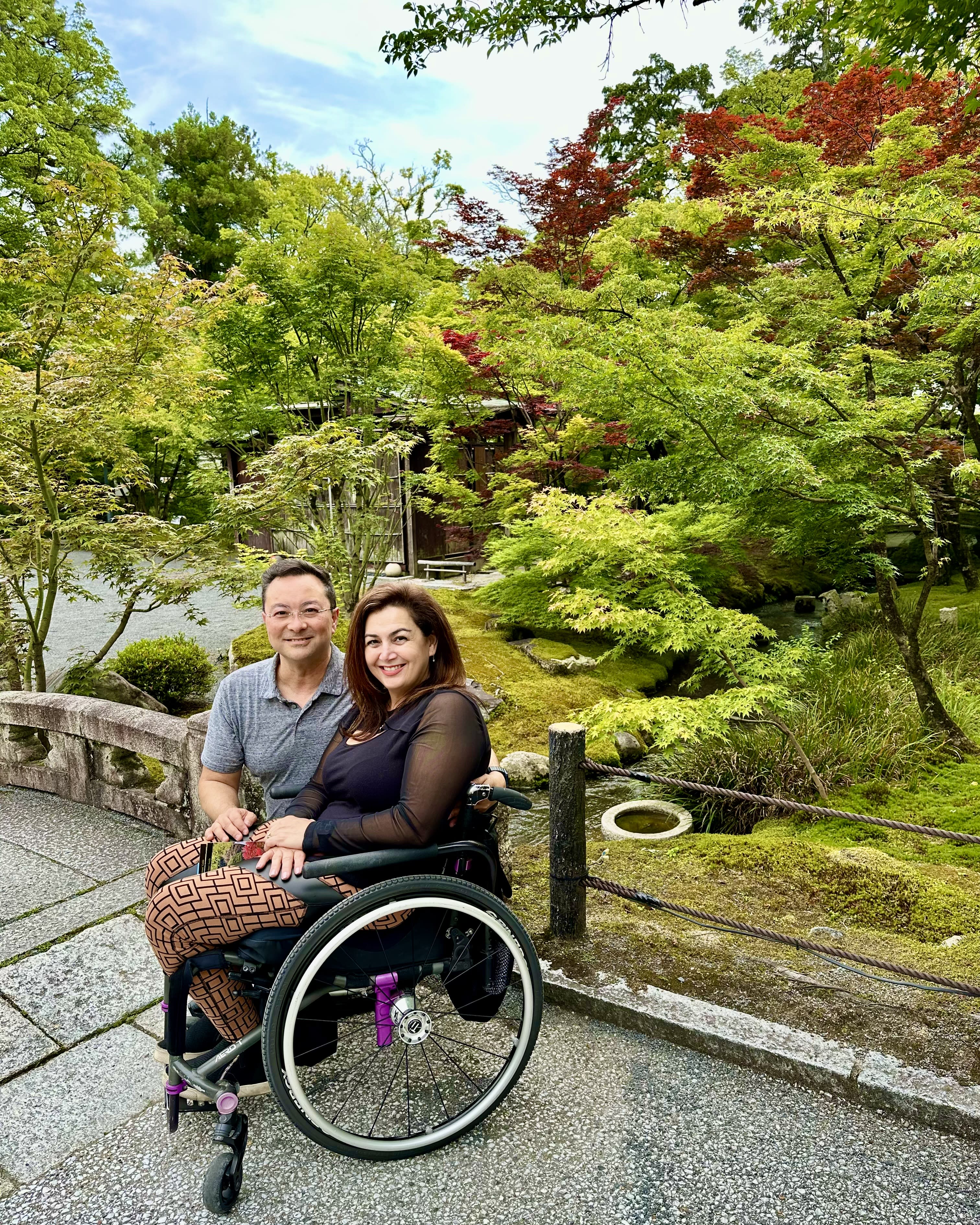
Kyoto is a place that is rightfully at the top of most visitors’ bucket lists, and honestly, it should be. It’s a place where ancient traditions aren’t just preserved. They’re a living, breathing part of daily life. For us, what makes Kyoto so special is how it so beautifully balances its rich history and natural beauty with a forward-thinking commitment to hospitality and accessibility. It’s a city where luxury and convenience blend effortlessly, making it the perfect destination for anyone who values a refined and seamless travel experience.
The Fora Difference
Book with TudorTravels to access exclusive perks and experiences on your trip.

Killer perks
Free upgrades, spa credits and more—we got you

Personalized recs
Customized travel planning for your style

Insider knowledge
Expert advice from people who’ve actually been there
Where to stay in Kyoto
Unlock perks by contacting TudorTravels to book your trip.

Sunset overlooking Kyoto
Favorite luxury hotels that are accessible:
Banyan Tree Higashiyama Kyoto: Opened in 2024, this hotel is located in the historic Higashiyama Ward and is the only hotel in Kyoto with a Noh stage. It also has a private onsen and an on-site bamboo garden. As one of our favorite hotel brands from Thailand, the Banyan Tree’s newest property was designed with a core principle of accessibility from the ground up.
Four Seasons Kyoto: Our stay at the hotel was a dream from the moment we arrived. We were immediately captivated by the hotel’s beautiful design, which feels like a contemporary oasis nestled around a stunning 12th century (yes, 800 year-old) heritage pond garden. The level of service here is truly exceptional, and we were so impressed by how their unwavering commitment to our needs ensured every detail of our visit felt seamless and luxurious.

Our suite with a truly authentic Japanese experience and design
The Ritz-Carlton Kyoto: Overlooking the Kamogawa River, this hotel is a masterpiece of design and hospitality. It provides a truly luxurious experience with accessible rooms and an unwavering commitment to accommodating all guests. The hotel’s staff is famous for their exceptional service and attention to detail.
Six Senses Kyoto: Located in the heart of historic Higashiyama, this new luxury hotel offers a holistic wellness experience, blending modern comforts with traditional Japanese aesthetics. Again, as a newly built hotel, accessibility and wellness are key factors and make the property truly shine.

Walking the Higashiyama district
Park Hyatt Kyoto: Located on a hillside in the Higashiyama district, this hotel offers breathtaking views and a tranquil, luxurious atmosphere. While some of the surrounding areas can be hilly, the hotel itself is designed to be accessible, with an elevator and dedicated facilities to ensure a comfortable stay. One of our key memories of this hotel is the view from their bar overlooking the city at sundown.
Amazing sights and experiences, accessible to all:
Kyoto Imperial Palace: Explore the former residence of Japan’s Imperial Family. The palace grounds are vast, and while some areas have a lot of gravel, the main routes are generally manageable, and the staff is often available to assist. The serene gardens and historic buildings offer a peaceful glimpse into Japan’s imperial history.

A geisha in training called a maiko
Kyoto Railway Museum: A fantastic and fully accessible museum for all ages, the Kyoto Railway Museum showcases the history of Japan’s world-famous train system. The facility is well-designed with ramps and elevators, allowing visitors to explore a wide variety of trains, from steam locomotives to the modern Shinkansen (bullet train).
Fushimi Inari Shrine: Famous for its thousands of vibrant red torii gates, this shrine is a must-see. The main path leading up to the main hall is accessible, as are the first few hundred gates. While the full mountain trail is not accessible, the initial section offers a spectacular experience and an iconic photo opportunity.

The famous Arashiyama Bamboo Grove
Arashiyama Bamboo Grove: This is one of Kyoto’s most enchanting natural wonders. While the path has a slight incline, it is relatively smooth and manageable. The surrounding area, including the Tenryu-ji Temple, which is a UNESCO World Heritage Site, offers a beautiful and serene experience.
Nijo Castle: This UNESCO World Heritage Site was the former residence of the Tokugawa Shogun. While the interior of the main building has some challenges, the surrounding gardens are a delight to explore. The main routes are wide and flat, though there are areas with gravel, and the staff will provide assistance and guidance.

Less known temples are the best way to avoid crowds
Kinkaku-ji Temple (Golden Pavilion): The path from the entrance to the main temple building, which is famously covered in gold leaf, is packed with gravel and is accessible. Visitors can enjoy the stunning view of the temple reflected in the pond. However, some parts of the surrounding garden have stairs and are not accessible. We did love the accessible restrooms that are available on-site.

Eikan-do Temple
Eikan-do Temple: Famous for its stunning autumn colors and unique statue of the Amida Buddha looking over his shoulder, this temple is located just south of the Philosopher’s Path. We were so impressed by how accessible it is, with elevators and even a wheelchair stairlift cleverly integrated into the buildings. We were able to enjoy a large portion of the beautiful temple and its grounds. While some areas are not accessible, such as the tatami rooms and a bridge in the garden, we felt we got a complete experience.
Heian Jingu Shrine: With its massive torii gate and beautiful courtyard, this shrine is an incredible sight. We found the main grounds to be accessible, with ramps leading to the courtyard area. We should note that the courtyard itself is covered in thick gravel, which can be challenging for manual wheelchairs. A small portion of the garden is also accessible, but requires some navigating. We found that for us, the beauty of the main shrine and its imposing gate was the main draw, and that it was very accessible.
Elevated and interesting dining experiences Gion:
While the historic Gion district is known for its narrow, crowded alleys, there are quite a few restaurants that are accessible. Look for modern establishments or those located in luxury hotels. Some traditional restaurants may have private rooms on the ground floor. Your hotel concierge can assist in securing accessible reservations.
The Brasserie: Located in the Four Seasons Hotel Kyoto, this elegant restaurant offers a captivating dining experience with floor-to-ceiling windows overlooking the hotel’s stunning 800-year-old pond garden. The hotel’s commitment to accessibility extends to this beautiful restaurant, ensuring a seamless and luxurious visit from the moment you arrive.
SUI Fine Dining Restaurant: Located in the heart of Gion, this restaurant offers an exquisite ten-course “Omakase” dinner. The restaurant is wheelchair-accessible and has an elegant atmosphere with English-speaking staff, making for a seamless and luxurious dining experience.
Ichishun: An izakaya (Japanese pub) located near Kyoto Station, Ichishun is known for its fresh, seasonal ingredients and a wide variety of local sake. It is located on the second floor, but a small elevator is available, and it provides a great opportunity to enjoy authentic Japanese cuisine in a welcoming environment.
Saryo Tsujiri: For a truly iconic Kyoto experience, visit this famous tea house specializing in matcha sweets. While they have several locations, the branch inside Kyoto Tower is particularly convenient and accessible. It’s an ideal spot to indulge in their visually stunning and delicious matcha parfaits and other traditional desserts.
Kyoto Yakiniku Hiro: This is a popular spot for Japanese barbecue. With private rooms and a welcoming environment, it is a great option for a high-end, hands-on dining experience. As a modern and well-regarded restaurant, they were accommodating and can assist with accessibility needs.

Approaching the Yasaka Pagoda
Accessibility
While Kyoto’s ancient character presents some unique accessibility challenges, the city has made a concerted effort to improve infrastructure. Public transportation is a mix of old and new. The city buses are a great way to get around, with many equipped with ramps, and drivers are very helpful. The subway system has elevators at all stations, but finding the right entrance can sometimes require navigating longer routes.
For a truly seamless experience, a private accessible van service is highly recommended for day trips and getting to and from more remote attractions. Taxis can also be a great way to get around if you are able to transfer.
Many of Kyoto’s historic temples and shrines, with their beautiful but often-uneven gravel paths and stairs, are a challenge. However, like in Tokyo, many have designated wheelchair-friendly routes, ramps, and sometimes even elevators for the main halls. It is always a good idea to research specific sites beforehand or ask a staff member upon arrival, as they are often eager to help and show you a designated path.
Need to know
Due to the immense popularity of Kyoto, the city has been proactive in addressing overtourism and its impact on residents and infrastructure. The local government has instituted a new, significantly higher lodging tax, especially for luxury accommodations. This tax is tiered and can be as high as 10,000 yen per night for stays costing 100,000 yen or more. This revenue is intended to fund improvements to public services and manage the effects of overtourism. Furthermore, in an effort to curb tourist harassment of geiko and maiko (geishas and their apprentices), and to protect the privacy of residents, certain private streets in the Gion district have been restricted to tourists, with signs posted to warn against trespassing. Be mindful of these new restrictions and show respect for the local culture and residents’ privacy.
To truly enjoy Kyoto’s luxury and accessible offerings, a little planning goes a long way. Consider visiting during the shoulder seasons (essentially early spring or late autumn, skipping the very busy cherry blossom season and fall foliage season) to avoid the peak crowds. Japan’s famous “omotenashi” (hospitality) is alive and well in Kyoto, and you’ll find locals are incredibly helpful and accommodating.
Flying into Kansai International Airport (KIX) is the most common and convenient option for Kyoto. From there, you can take a limited express train (Haruka Express) directly to Kyoto Station, which is a modern, accessible, and user-friendly transport hub. Flying into Tokyo and taking the Shinkansen train is also a great option if you are looking to visit Tokyo as well.
Similar to Tokyo, a Suica or Pasmo card is invaluable for public transportation. While Kyoto’s city bus system is the most extensive way to get around, having a private taxi or van on hand can save time and energy, especially on busy days. Don’t forget to carry cash, as many smaller, traditional establishments still operate on a cash-only basis.
What we’ve learned from our own personal travels is that the magic of a place like Kyoto lies in its details. Having a detailed plan in place is key to having a smooth and seamless experience, especially in a very popular city with so much to see and do. As travel advisors, we specialize in crafting personalized journeys just like this one and would love to assist you in planning and executing your own unforgettable trip, ensuring every detail is tailored to your needs. Whether you need our expertise on accessible travel or just want to ensure a perfectly seamless trip, let us help you experience the city that holds such a special place in our hearts.
For more travel inspiration and insider recommendations, check out our Kyoto page.


Travel Advisor
TudorTravels


Judy Tudor
Get in touch with TudorTravels
Did you like this guide? Reach out to customize and book your own experience. Or, just to chat about travel in general.