

Crossing the Atlantic with Little Ones: A Transatlantic Cruise with a Toddler

Curated By
A + E Travel NJ
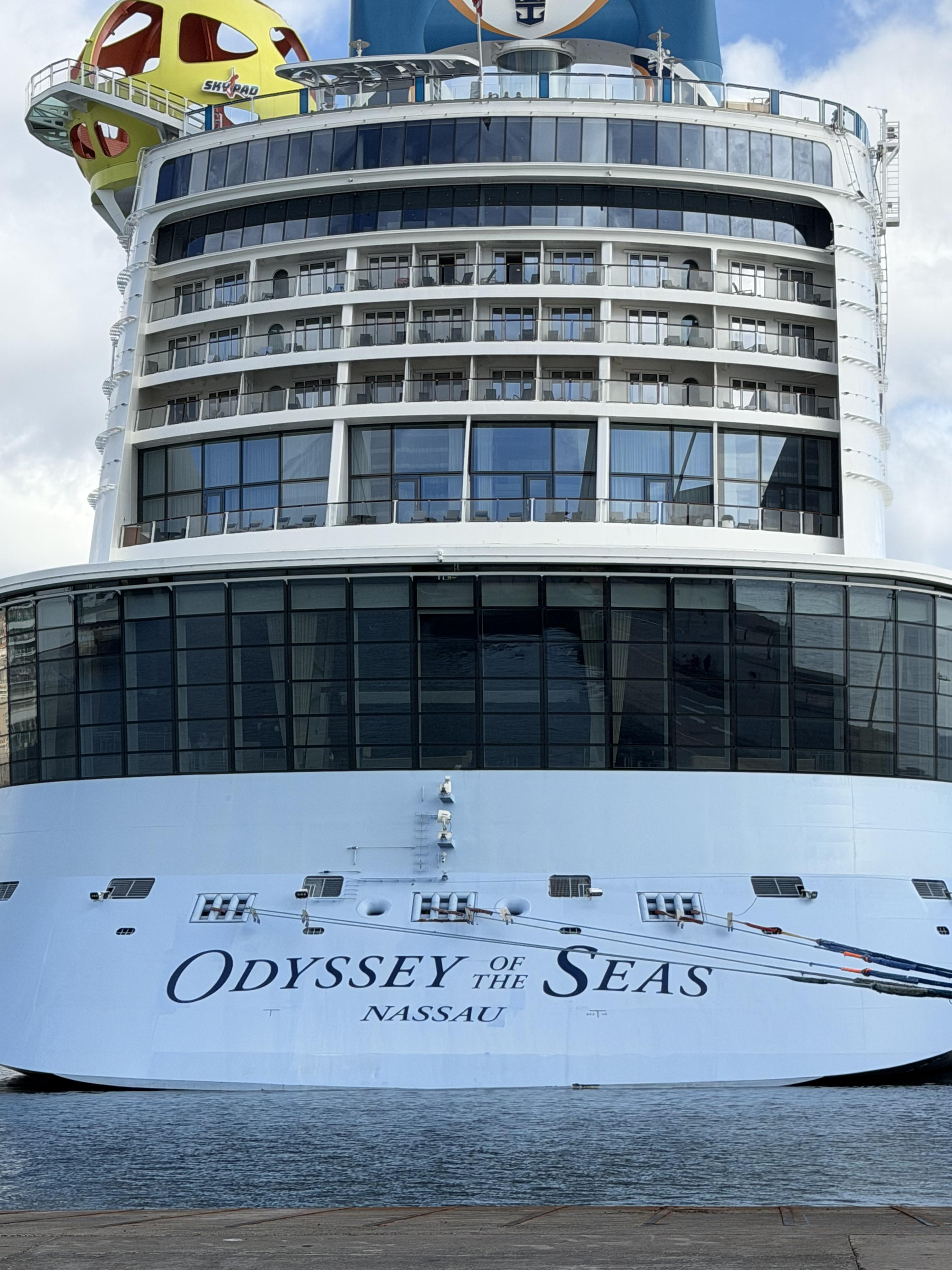
Curator’s statement
There’s something uniquely magical about watching the sun rise and set over open ocean for days at a time—especially when you’re sharing it with a little one. Crossing the Atlantic by ship gave our family time to breathe between busy travel days, reset our routines, and experience a different rhythm of travel altogether. With thoughtful planning, a great kids’ program, and realistic expectations, a transatlantic cruise with a toddler can be not only doable, but downright delightful. This report is my honest look at what it’s really like, from nap schedules and kids’ clubs to sea days and port adventures.
The Fora Difference
Book with A + E Travel NJ to access exclusive perks and experiences on your trip.

Killer perks
Free upgrades, spa credits and more—we got you

Personalized recs
Customized travel planning for your style

Insider knowledge
Expert advice from people who’ve actually been there
Where to stay
Unlock perks by contacting A + E Travel NJ to book your trip.
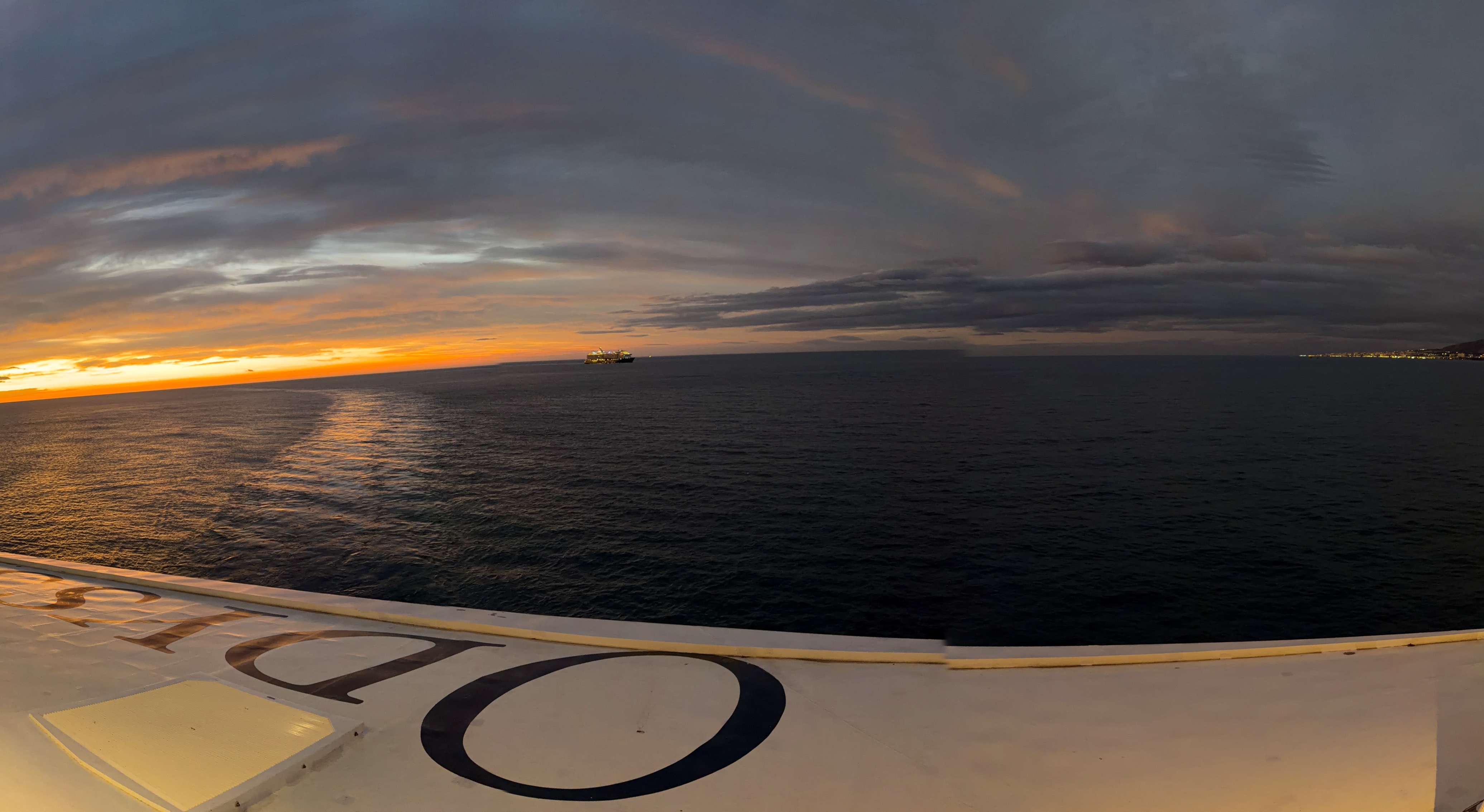
Why a transatlantic with a toddler actually works
On paper, an 11–14 night transatlantic sailing with a toddler sounds intense. In practice, it felt like one long exhale. Instead of packing and unpacking every few days, we settled into one floating “home,” with familiar faces, routines, and spaces that our toddler quickly claimed as her own. Breakfasts at the same sunny table, daily walks on deck, and a favorite corner in the kids’ playroom became our anchors.
The biggest win? Time. Time to adjust to jet lag, time to recover after busy port days, and time for all of us to rest in between big moments. Sea days gave our daughter the chance to nap when she needed to, explore the ship when she was curious, and enjoy predictable meals and bedtimes—things that can be hard to manage on a land-heavy itinerary.
Leaning on the kids’ programming: AO Babies and AO Kids
On our sailing, the ship’s kids’ program was split by age: AO Babies for the under-three crowd (fee-based and reservation-only) and AO Kids for children three and up (complimentary). This structure is a game-changer for families.
For toddlers, AO Babies functions like a cozy, supervised playroom. We reserved blocks of time when we knew our daughter would be happiest—usually late morning or early evening. She played with age-appropriate toys, climbed on soft structures, and bonded with the counselors while we snuck in things like a quiet cocktail, a dinner that didn’t involve cutting anyone else’s food, or a turn on the adults-only attractions.
For families with slightly older kids, AO Kids opens up an entirely different level of freedom. Programming runs throughout the day with themed activities, crafts, games, dance parties, and sometimes even science or adventure-style sessions. Parents can drop their kids off for a few hours, knowing they’re entertained and supervised, while they enjoy live music, specialty dining, or simply reading a book on the balcony. Even though our daughter was still in the baby/toddler category, it was reassuring to see how the program would grow with her.
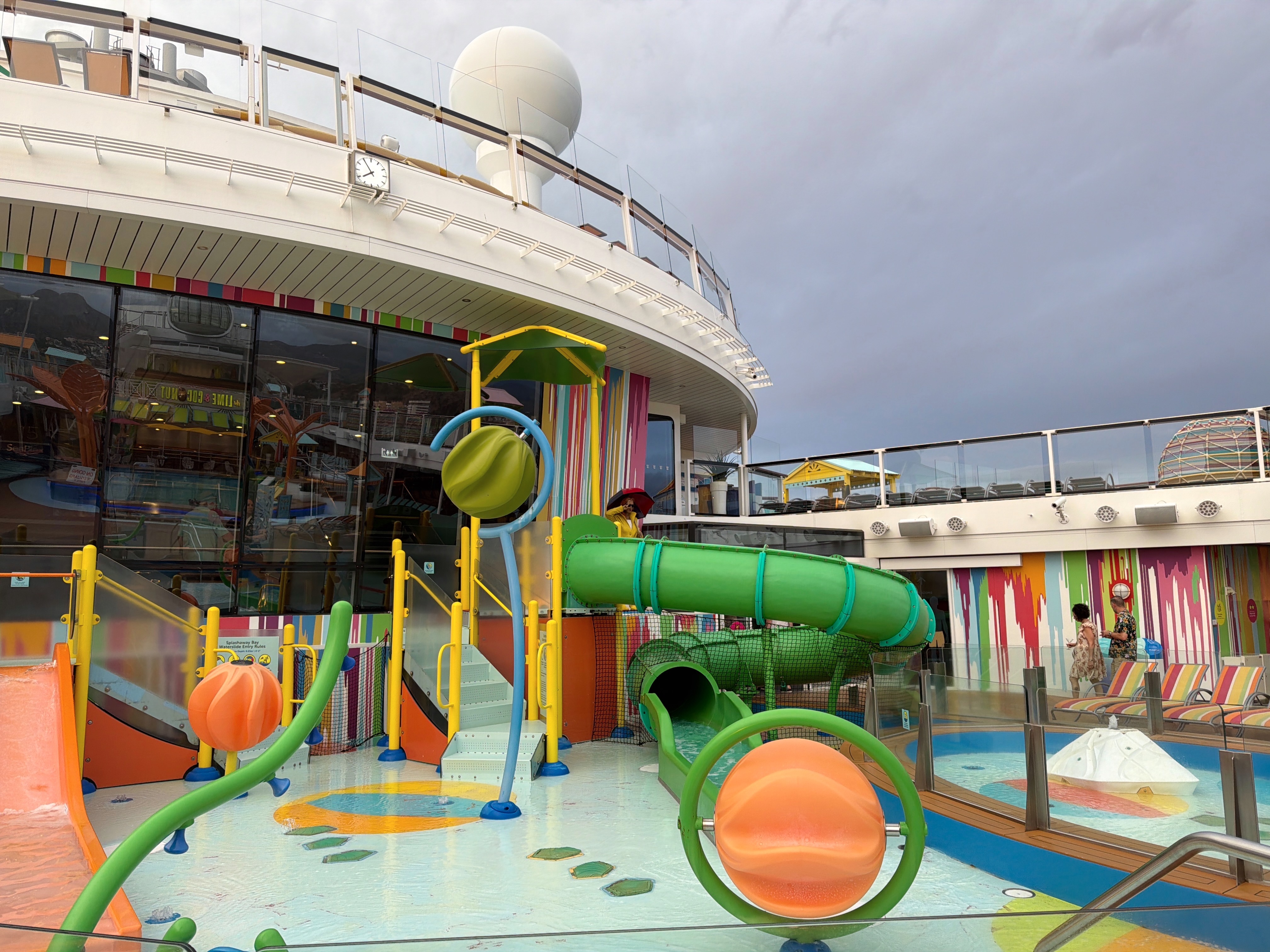
Kids play area
Designing a toddler-friendly rhythm on sea days
Sea days can either feel endless or blissfully relaxing—the difference is all about rhythm. We kept our schedule simple and predictable:
Mornings: Breakfast, then stroller or carrier walk on deck, a visit to the indoor play area, and, if the weather cooperated, some time at the splash pad or shallow end of the pool.
Midday: An early lunch followed by naps in the stateroom. This was when one parent often went off-duty—to the gym, spa, a lecture, or simply some quiet balcony time.
Afternoons: More low-key activities like crafts, watching the wake from the aft of the ship or exploring different lounges. If we had an AO Babies reservation, we’d use it here.
Evenings: Early dinner in the main dining room or buffet with a focus on “toddler-friendly” staples (plain pasta, grilled chicken, steamed veggies, fruit). If our toddler was in good spirits, we’d pop into the early show or listen to live music for a few songs before heading back for bath and bedtime.
This routine gave structure to days that could otherwise feel unstructured, and it allowed all of us to enjoy the ship without rushing.
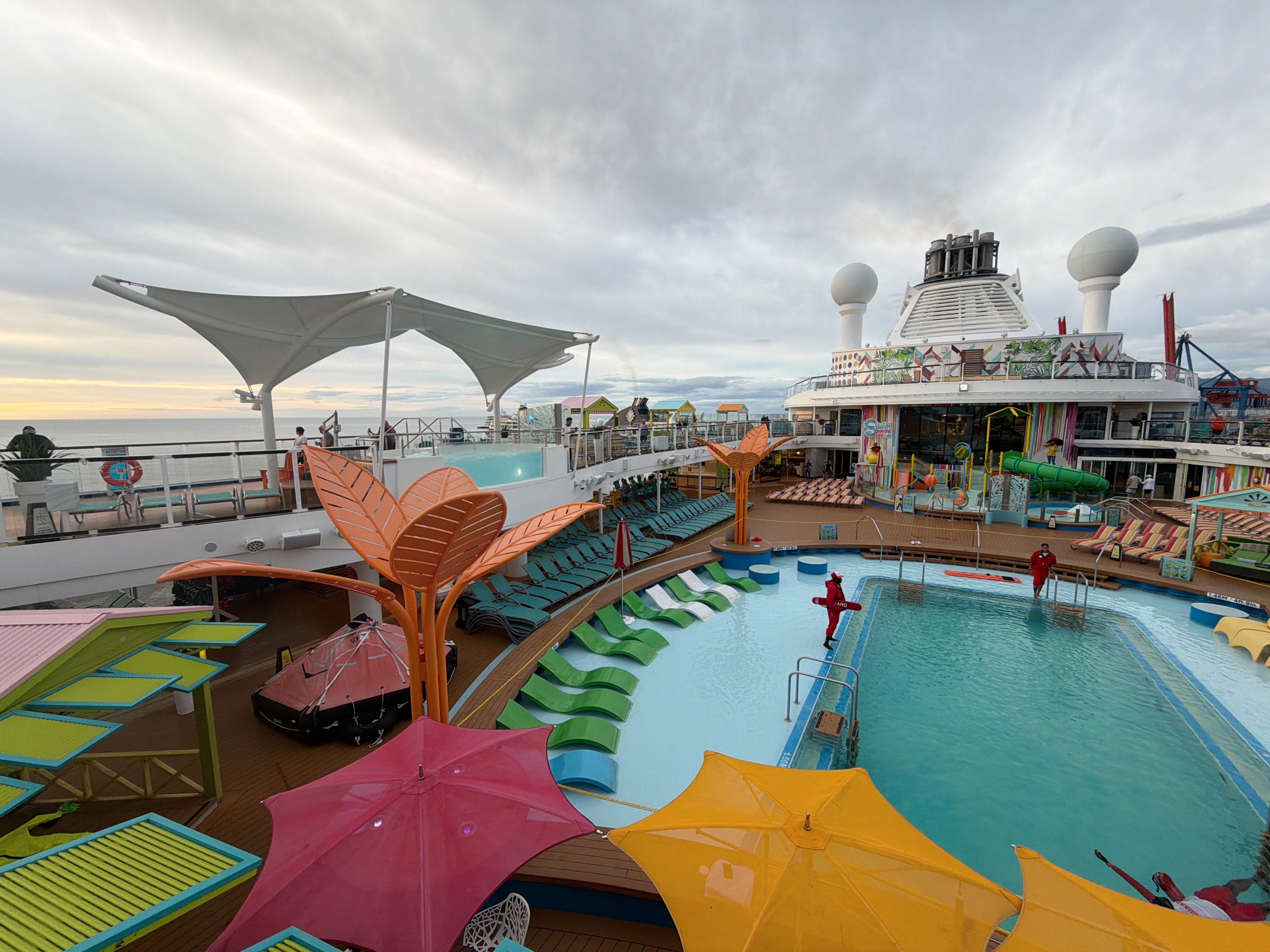
Pool Deck
Port days with a little one in tow
One of the most surprising benefits of a transatlantic route is how “gentle” the port lineup can be if you choose wisely. Instead of trying to see everything in each city, we picked one main goal per port: a stroll through an old town, a visit to a playground, a family-friendly food tour, or a short panoramic excursion with plenty of bathroom breaks.
We relied heavily on carriers for cobblestone streets and uneven terrain, but brought a compact stroller for longer days or nap-on-the-go moments. Whenever possible, we chose ship-sponsored excursions or trusted local providers that were clear about stroller access, walking distances, and bathroom availability. The result was a series of “highlight reel” days that gave us a taste of each destination without exhausting our toddler.
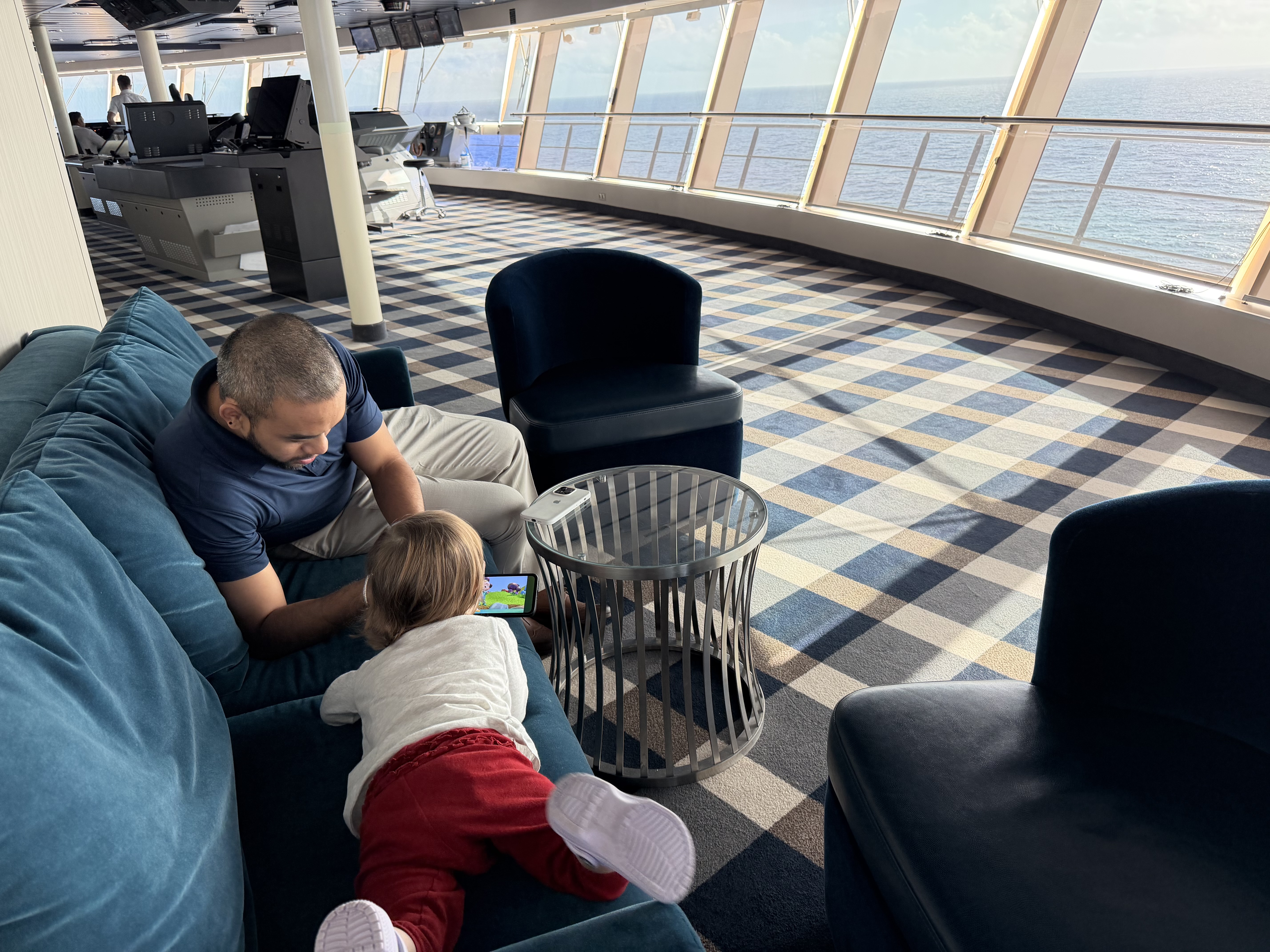
Toddler on the Bridge
What surprised me most
The biggest surprise? How many crew members and fellow passengers genuinely enjoyed having our toddler onboard. From waiters who brought her sliced fruit the moment we sat down, to room stewards who arranged her stuffed animals like VIP guests, the ship felt incredibly welcoming.
Were there meltdowns? Of course. Did we occasionally leave dinner early or abandon a show halfway through? Definitely. But the combination of built-in childcare options, walkable ship spaces, and endless small distractions (elevators! lamps! artwork! stairs!) turned what could have been a stressful trip into one of our favorite family experiences.

Flowrider and iFly

Towel animals
Need to know
Book kids’ club times early: AO Babies slots can fill up quickly on sea days. Reserve preferred times (like pre-dinner) as soon as reservations open.
Choose your cabin thoughtfully: If budget allows, consider a balcony or slightly larger stateroom so there’s space for a crib and a small play area. Being able to sit outside during nap time is priceless.
Pack familiar comfort items: A small blanket, favorite stuffed animal, sound machine, and a few familiar books help make the stateroom feel like home.
Don’t overschedule port days: Pick one “big thing” and leave room for naps, snacks, and unplanned stops.
Manage expectations: Some days will feel magical; others will be about survival and snacks. Both are normal.
Work with an advisor: Between choosing the right ship, cabin type, route, and pre-/post-cruise stays, having an advisor who understands family cruising can make all the difference.
For more inspiration and insider recommendations, visit our cruises page.


Travel Advisor
A + E Travel NJ


Danielle Mutovic

Get in touch with A + E Travel NJ
Did you like this guide? Reach out to customize and book your own experience. Or, just to chat about travel in general.