
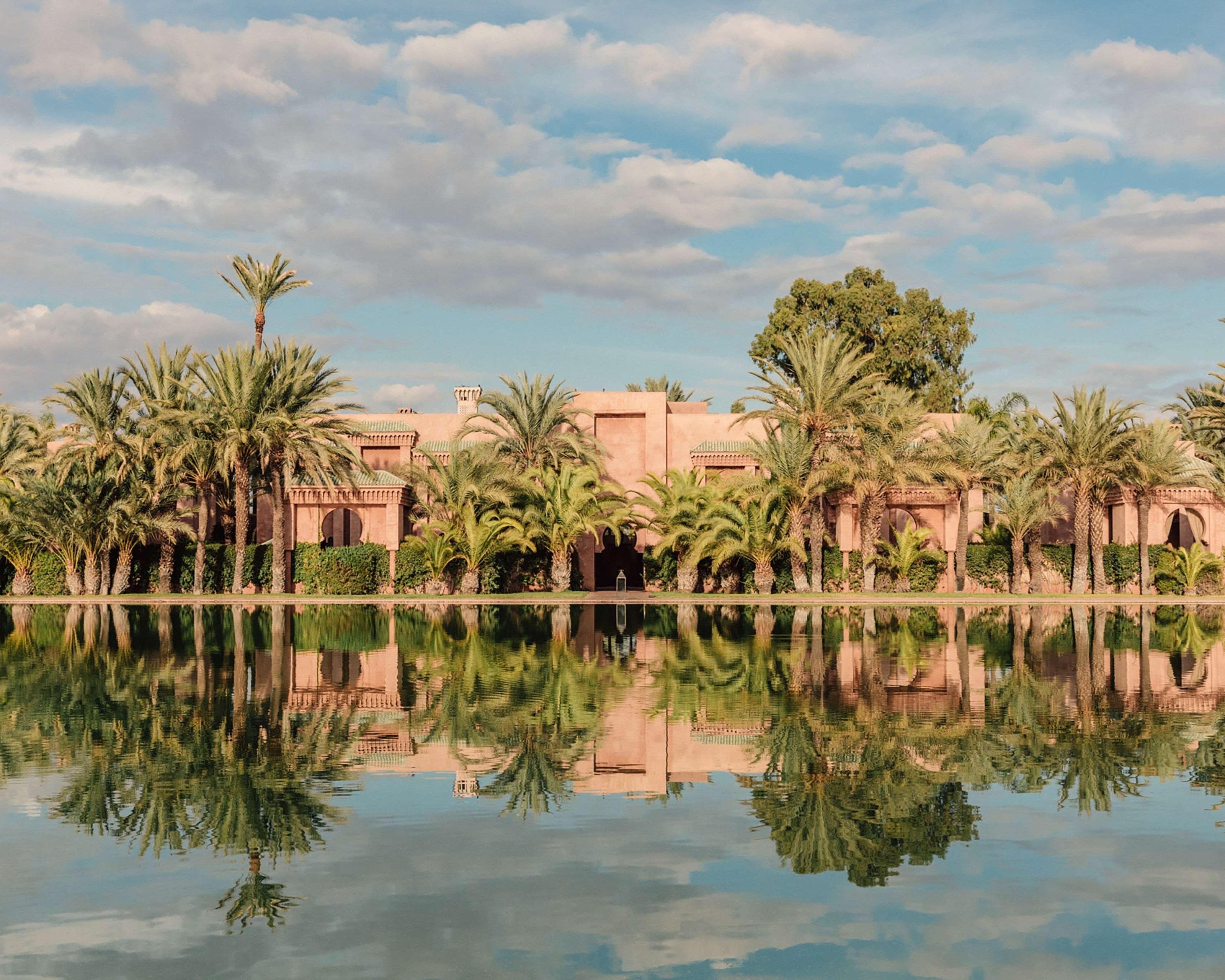
Image courtesy of Amanjena
Morocco is a sensory journey that involves historic cities and dramatic landscapes. Casablanca is well known for the striking Hassan II Mosque. Fes pulls you deep into history with its labyrinthine medina, traditional tanneries, and centuries-old craftsmanship. In Marrakech, travelers discover riads with courtyards and rooftops, plus the bustling souks within the walled Medina. The Atlas Mountains slow the pace with scenic views, Amazigh villages, and mountain air. Venture even further by exploring the infamous Sahara Desert, the blue-washed mountain town of Chefchaouen, or the windy beach city of Essaouira.
Expect richly layered culture, bold flavors, and days that balance guided exploration with quiet moments of reflection. Morocco rewards curiosity with a destination that feels both timeless and alive.
Need to know
Practical details will ensure a respectful and memorable trip to Morocco. Become familiar with local customs and expectations. Understand the differences with the Islamic calendar, and the effect on holidays and business closures. Bring a power adapter if coming from North America.
Currency: Morocco uses the Moroccan Dirham (MAD). Credit and debit cards are widely accepted in hotels, restaurants, and shops in bigger cities. Cash is essential for souks, small cafés, and rural areas. ATMs are available in cities, but carry local currency in rural areas. Tipping is customary in restaurants and for guides, usually 5–10%.
Languages: Moroccan Arabic and French are the main languages, with Amazigh spoken in rural and mountain regions. English is increasingly common in tourist areas, but learning a few key phrases go a long way with Moroccans, who value politeness, greetings, and hospitality.
Key phrases: salam/as-salaam alaykum (hi/hello), beslama (goodbye), afak (please), shukran (thank you), smahli (sorry), al'afw (excuse me), wah/la (yes/no).
Airports: Casablanca (CMN) is the main gateway, with flights to North American hubs like New York, Toronto, Miami, and Los Angeles. Marrakech (RAK) offers connections to Montreal, plus seasonal routes to Newark and Atlanta. Europe is well connected to both airports, as well as Fes (FEZ), Agadir (AGA), Rabat (RBA), and other cities across Morocco.
Transportation: Navigating is straightforward, and a guide can streamline the experience. Internal flights are best for traveling between major cities like Casablanca, Marrakech, and Agadir. The Al Boraq high-speed train connects northern cities, while ONCF links Marrakech and other destinations. Trams and taxis are common in cities, including Casablanca and Rabat.
Best time to visit: A year-round destination, experiences are shaped by its varied destinations. Spring (March–May) and fall (September–November) offer the most balanced conditions, with mild temperatures ideal for exploring medinas, the Atlas Mountains, and the Sahara. Summer (June–August) brings intense heat, though coastal cities are hot but breezy. Winter (December–February) is generally mild along the coast, snowy in the High Atlas, and crisp in the desert, creating beautiful conditions for trekking, stargazing, and quieter travel.
Ideal length of stay: Thanks to more nonstop flights, a Moroccan city can be enjoyed with a long weekend stay. A trip of eight to 10 days allows visitors time to experience multiple cities with either the desert or the mountains at a comfortable pace. With more time, experience all three while also adding the coast for a slower, more immersive journey.
Signature dishes and drinks:
Tagine: Slow-cooked stews of meat, fish, or veggies with saffron, cinnamon, and lemon.
Couscous: Steamed semolina served with seasonal vegetables, meats, or seafood.
Pastilla: Savory-sweet pie with spiced poultry or seafood, almonds, and a dusting of sugar and cinnamon.
Lamingtons: Chocolate-and-coconut–coated sponge cake.
Harira: Tomato, lentil, and chickpea soup, often served during Ramadan or as a starter.
Atlantic seafood: Fresh sardines, sole, or calamari, grilled or tagine-style.
Chebakia: Deep-fried rose-shaped pastries coated with honey and orange blossom water syrup, then topped with sesame seeds.
Mint tea: Sweet, fragrant herbal tea poured with flair.
Coffee: Strong and spiced, sometimes with orange blossom water.
Juices: Freshly made from locally grown oranges, pomegranates, and figs.
What to wear: Light layers and breathable fabrics for daytime sightseeing; polished casual or smart attire for evenings. Modest coverage is recommended for religious sites. Comfortable shoes are essential for medinas, markets, and mountain walks.
Travel tips:
Visa: Many nationalities can enter Morocco visa-free for short stays, but check requirements in advance.
Safety: The Moroccan sun can be intense, come prepared with hats, high-SPF sunscreen, sunglasses, and light protective clothing. Be sure to drink bottled water.
Medications: Bring prescriptions in original packaging, as not all U.S. medications are available locally. Pharmacies in cities are reliable.
Shopping: Bargaining is common in markets and souks, but do so politely.
Alcohol: Legal drinking age is 18, and sold in licensed restaurants, bars, and select shops. Public drinking is not permitted, and respect for local customs is expected.
Smoking: Banned in many indoor public spaces; follow local signage in restaurants, hotels, and transportation.
Marrakech
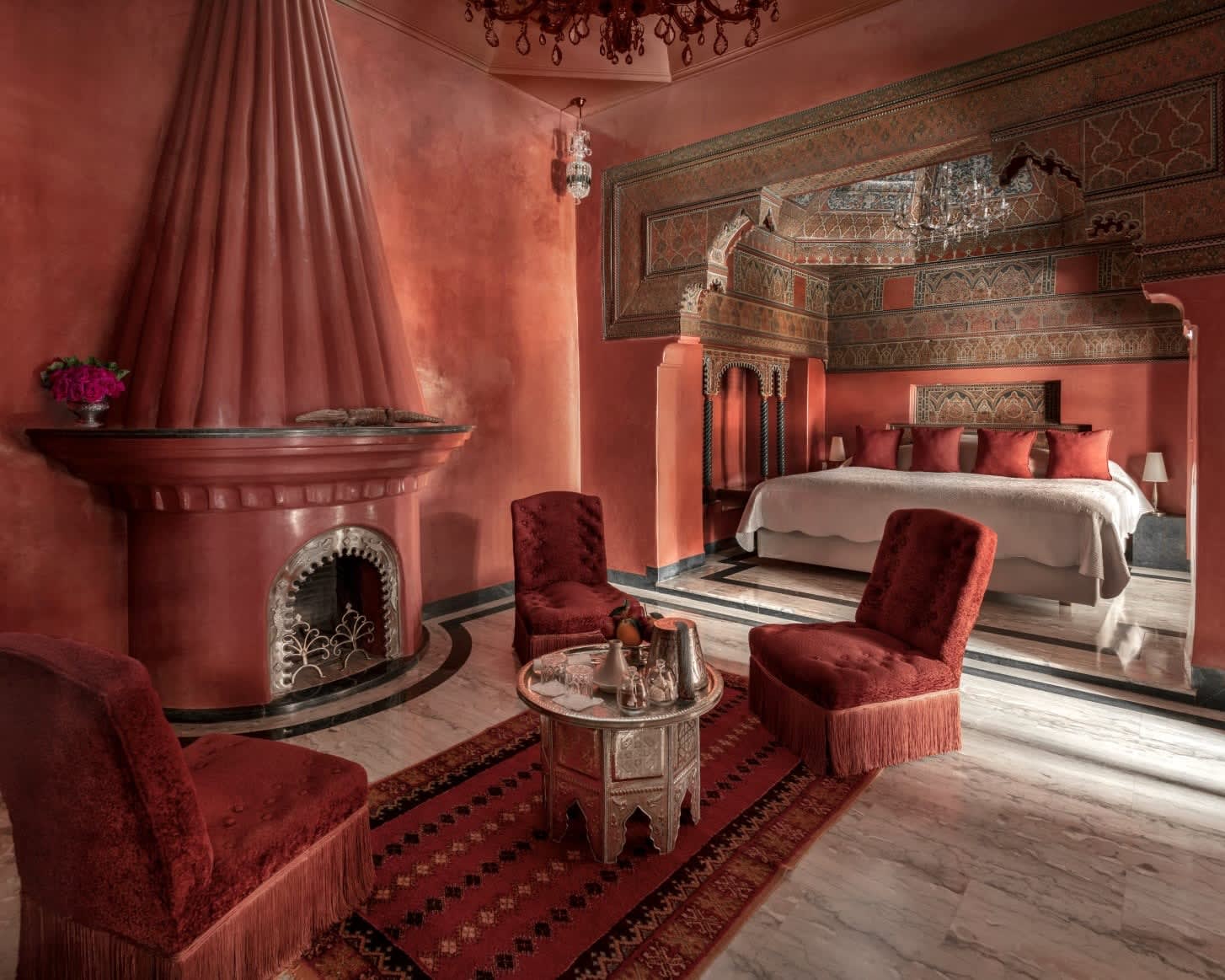
Image courtesy of La Sultana Marrakech
Energetic and theatrical, Marrakech blends imperial history with modern creativity. Palaces, gardens, and souks buzz with color and movement inside the medina. Jemaa el-Fnaa comes alive each evening with performers, food stalls, and music. Beyond the old city walls, contemporary hotels, galleries, and restaurants reflect the city’s cosmopolitan edge.
Where to stay
La Mamounia: A legendary Marrakech icon set among royal gardens, fusing historic opulence with contemporary indulgence. Mosaic-lined corridors, tranquil palm-shaded pools, and destination dining create an atmosphere that feels both cinematic and undeniably Moroccan.
Fora Perks include a $100 food and beverage credit, daily breakfast, an upgrade, and extended check-in/out whenever possible.
Park Hyatt Marrakech: A sleek and stylish escape framed by Atlas Mountain views and set away from the city’s buzz. This modern resort pairs expansive suites and contemporary design with manicured gardens, thoughtful craftsmanship, and a serene spa.
Fora’s Hyatt Privé partner perks include a hotel credit, welcome amenity, daily breakfast, an upgrade, and extended check-in/out whenever possible.
Amanjena: A desert-inspired oasis defined by spacious courtyards, reflecting pools, and soft, cinematic architecture. Peaceful and refined, it offers discreet service, refined dining, and a sense of calm that invites deep restoration just outside Marrakech’s energetic center.
Fora Perks include a $100 food and beverage credit, daily breakfast, an upgrade, and extended check-in/out whenever possible.
Mandarin Oriental, Marrakech: Private villas, olive grove paths, and refined Arab-Andalusian design bring intimate luxury to life. Wellness experiences, standout culinary offerings, and stunning pools make it a sophisticated haven where relaxation reigns.
Fora’s Mandarin Oriental Fan Club partner perks include a hotel credit, daily breakfast, an upgrade, and extended check-in/out whenever possible.
La Maison Arabe Hotel, Spa and Cooking Workshops: A boutique gem in the Médina known for warm hospitality and immersive culinary experiences. Elegant rooms, a serene spa, and celebrated cooking workshops offer an inviting blend of culture and refined comfort.
La Villa Des Orangers - Relais & Châteaux: A peaceful riad-style sanctuary with leafy courtyards, intimate pools, and polished Moroccan design. Personalized service and gourmet dining make it a sophisticated hideaway steps from the city’s vibrant heart.
Fora Perks include a $100 hotel credit, welcome amenity, an upgrade, and extended check-out whenever possible.
La Sultana Marrakech: An ornate and atmospheric retreat set within the Kasbah. Sculpted details, rooftop views, and a lavish spa evoke regal romance, creating a lavish base for exploring the city’s timeless architecture and lively souks.
Fora Perks include a $100 hotel credit, daily breakfast, an upgrade, and extended check-out whenever possible.
Atlas Mountains
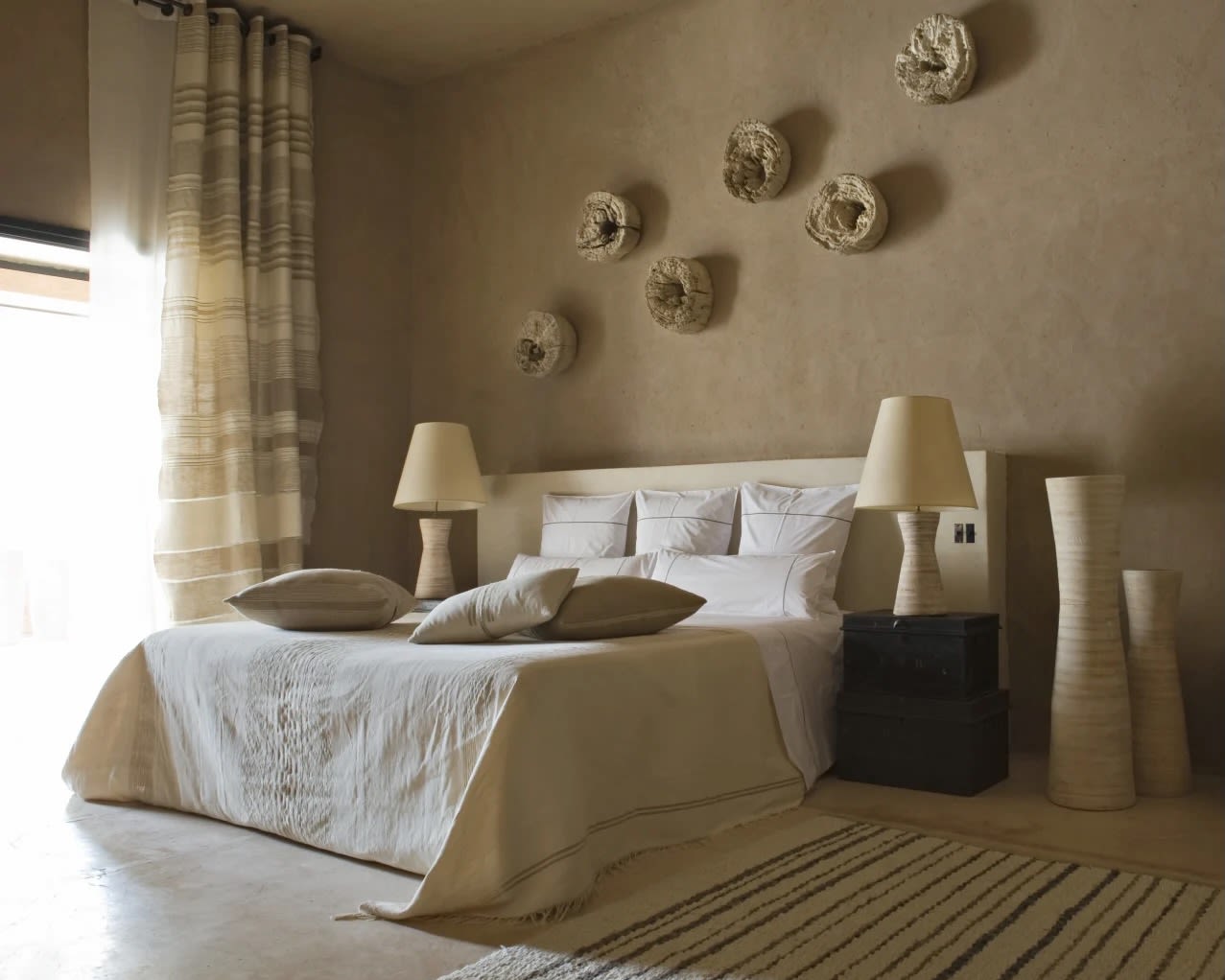
Image courtesy of Dar Ahlam
The Atlas Mountains offer a slower pace shaped by village life and dramatic landscapes. Imlil, Ouirgane, and the Ourika Valley serve as gateways to hiking trails, terraced farmland, and panoramic viewpoints. Days might include guided walks, village meals, and quiet moments overlooking valleys and peaks, providing a serene contrast to Morocco’s urban energy.
Where to stay
Dar Ahlam: Ultra-exclusive retreat in the foothills, set within a restored kasbah at the edge of the Sahara. Individually designed suites, ever-changing dining settings, and deeply personal service create an atmosphere that’s intimate, immersive, and theatrical.
Fora Reserve perks include all-inclusive amenities, one massage per guest, an upgrade, and flexible check-in/out whenever possible.
Essaouira
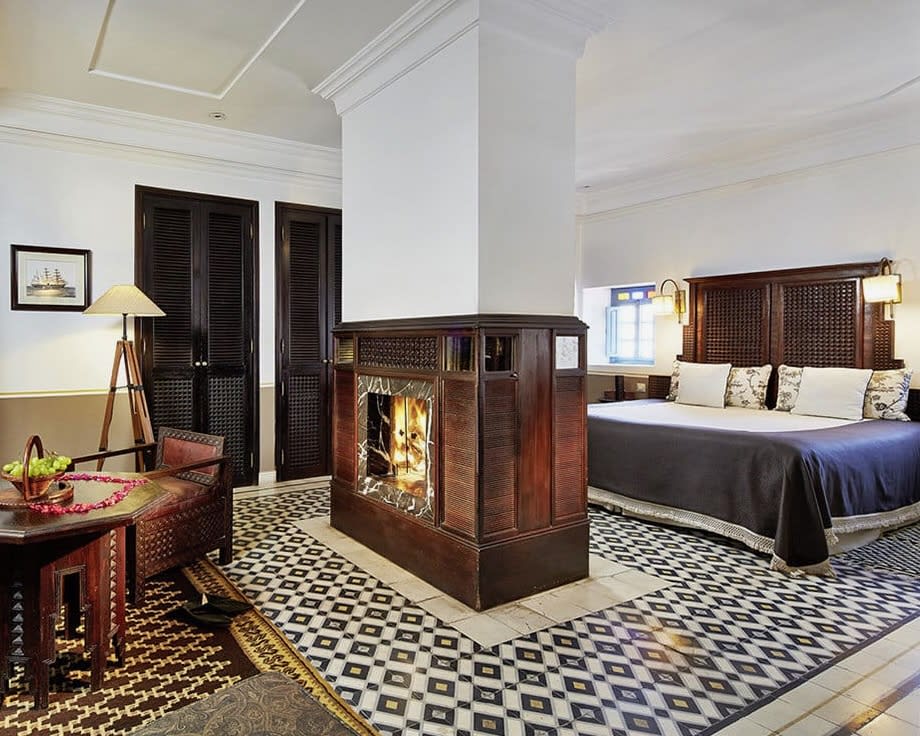
Image courtesy of Heure Bleue Palais
Relaxed and Atlantic-facing, Essaouira unfolds at an unhurried pace. Sea air drifts through the compact medina, where whitewashed facades, blue shutters, and working fishing boats define the waterfront. Days revolve around wandering the ramparts, lingering over fresh seafood, and tapping into a creative spirit shaped by artists, musicians, and the steady presence of the ocean.
Where to stay
Heure Bleue Palais: Refined riad-style retreat tucked inside Essaouira’s medina, blending Moorish architecture with an intimate, residential feel. Elegant rooms, a central courtyard, and a rooftop terrace create a calm counterpoint to the city’s lively streets.
Fora’s Relais & Châteaux partner perks include daily breakfast.
Fes
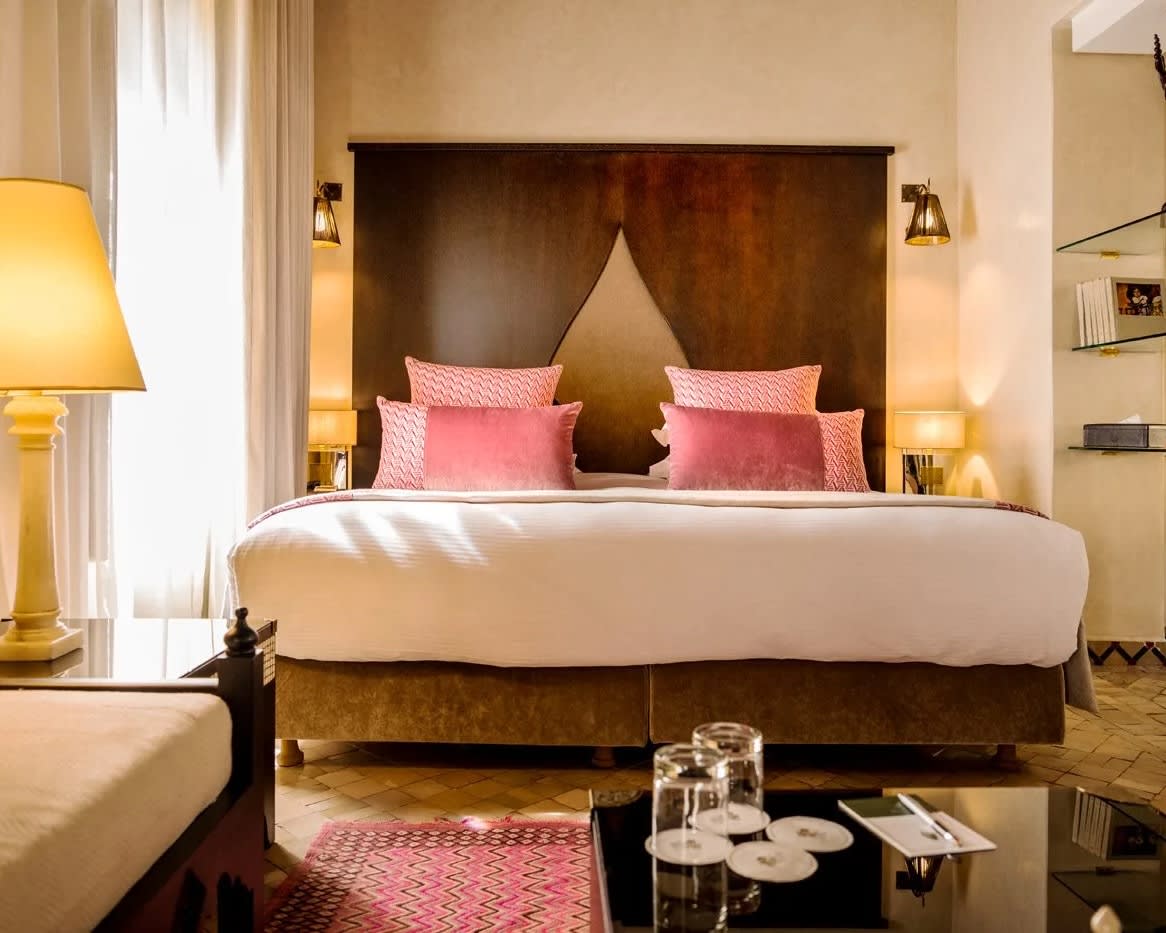
Image courtesy of Riad Fes - Relais & Châteaux
Layered, intricate, and deeply atmospheric, Fes feels like stepping into a living museum. Its medieval medina is a maze of souks, mosques, and workshops where artisans continue centuries-old crafts. Wander tiled courtyards, madrasas (Islamic educational institutions), and hidden riads. Fes rewards with cultural depth, from intellectual to spiritual history.
Where to stay
Riad Fes - Relais & Châteaux: A jewel within the medina, where traditional Moroccan craftsmanship pairs with refined luxury. Intricate zellige (Moroccan tiles), serene courtyards, and a rooftop overlooking the ancient city create a romantic atmosphere.
Fora Perks include a $100 hotel credit, daily breakfast, an upgrade, and extended check-in/out whenever possible.
Palais Faraj Suites & Spa: Set above the old city, this restored Arab-Andalusian palace offers sweeping views, creative architecture, and spacious suites. The hammam and spa provide a tranquil retreat after days navigating the winding medina streets.
Fora Perks include a $100 hotel credit, daily breakfast, an upgrade, and extended check-in/out whenever possible.
Casablanca
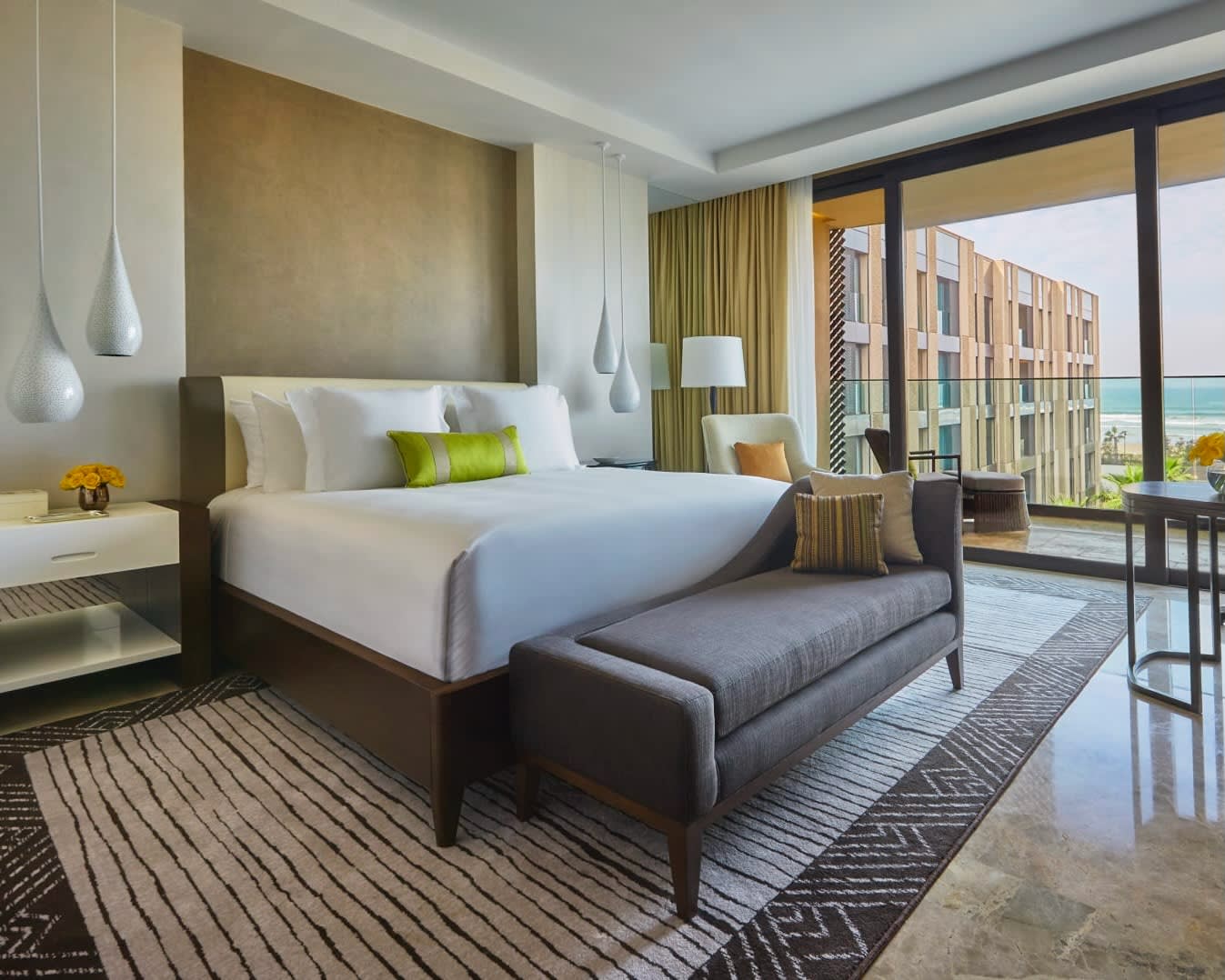
Image courtesy of Four Seasons Hotel Casablanca
Perfect as a one-night stopover, Morocco’s largest city moves to a modern rhythm shaped by the Atlantic. Art Deco facades line the city center, and cafés spill onto wide boulevards. Spend time along the Corniche for ocean views and the dramatic Hassan II Mosque. Explore markets, galleries, and neighborhoods that reveal Casablanca’s contemporary side alongside its deep-rooted traditions.
Where to stay
Four Seasons Hotel Casablanca: A modern oceanfront sanctuary set along the Corniche, with breezy terraces, contemporary design, and impeccable service. Relax by the Atlantic-facing pool or indulge in refined dining that blends Mediterranean influence with Moroccan warmth.
When you book Four Seasons with Fora, you’ll enjoy exclusive Four Seasons Preferred Partner benefits.
Royal Mansour Casablanca: Timeless elegance meets cosmopolitan sophistication in this polished retreat steps from the city’s business and cultural heart. Plush interiors, attentive hospitality, and elevated dining create a stay defined by upscale comfort and quiet grandeur.
Fora Perks include a $100 food and beverage credit, daily breakfast, an upgrade, and extended check-in/out whenever possible.
Cruising to and around Morocco
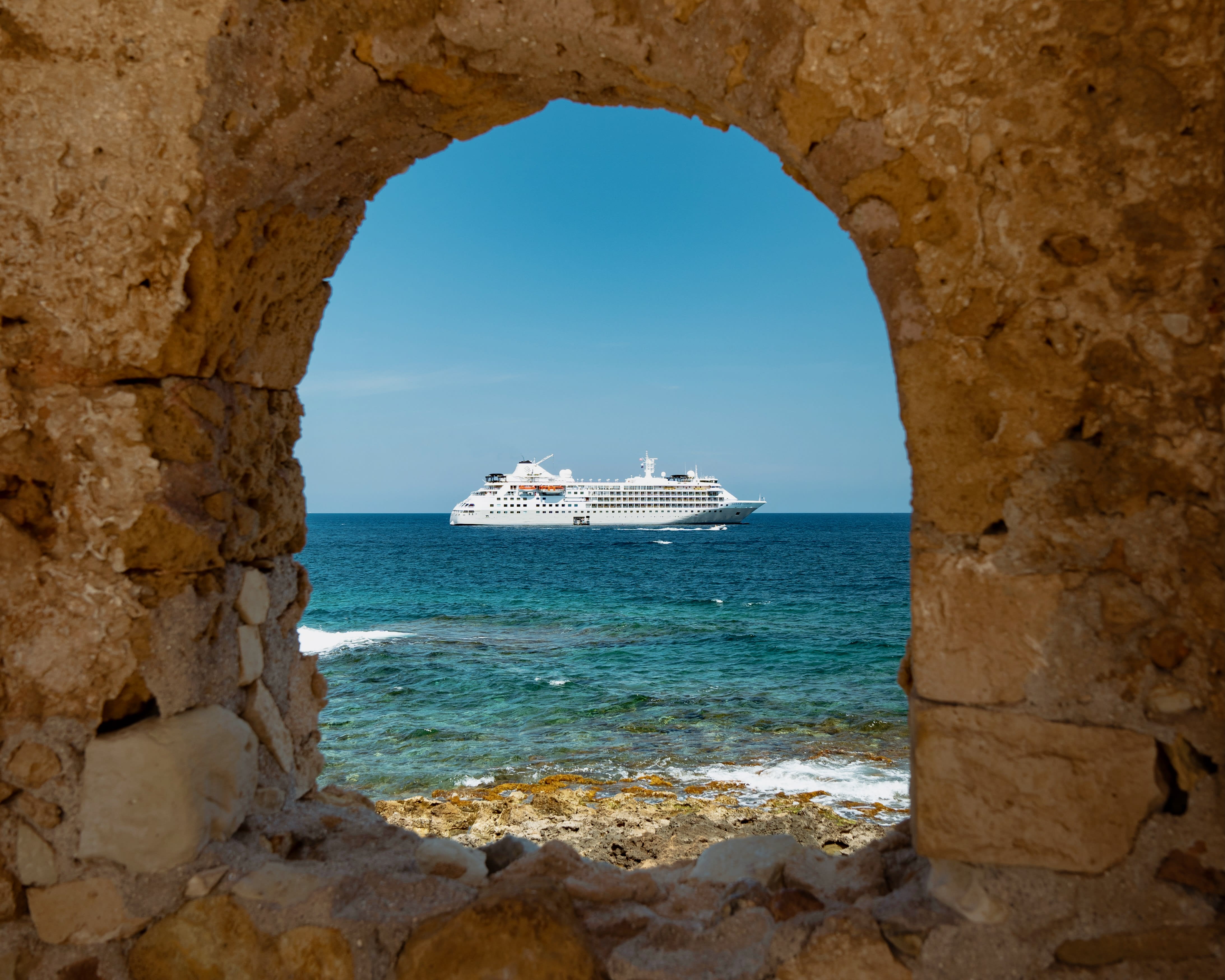
Image courtesy of Silversea
Cruises to Morocco offer a seamless way to experience the coastal gateways of Tangier or Casablanca. Blending history, architecture, and daily life through these well-positioned ports combine with itineraries across Europe. From the Canary Islands to the Iberian Peninsula, and transatlantic crossings or repositioning cruises, Moroccan ports are a common addition. The result is a journey that balances relaxed sea days with culturally rich ports, connecting North Africa and Europe in a single, well-paced itinerary.
Popular itineraries
Canary Islands: Volcanic landscapes, coastal towns, and relaxed sea days between ports. Typical sailings are roundtrip from Southampton (London) or Barcelona, pairing sun-soaked Atlantic islands with select calls in Morocco.
Iberian Peninsula: One-way sailings between Barcelona and Lisbon, weaving through southern Spain and Portugal with stops in Morocco. A culturally rich route that blends historic cities, Moorish influences, and varied coastal scenery.
Transatlantic: Repositioning voyages linking Europe with North or South America, often calling in Morocco en route. Long sea days set the pace, balanced by historic ports and a sense of classic ocean travel.
UK to Mediterranean: One-way sailings from Southampton to Mediterranean hubs like Barcelona or Civitavecchia. Ports across France, Spain, Portugal, and Morocco offer a scenic transition from northern Europe into warmer Mediterranean waters.
Notable cruise lines
Viking Cruises: Refined, destination-focused line with elegant ships, regional cuisine, and immersive itineraries place culture and connection at the forefront.
Fora Perks include up to $200 onboard credit per stateroom on select departures.
Virgin Voyages: Stylish, adults-only brand that centers modern design, creative entertainment, and a playful atmosphere for a fresh and fun take on cruising.
Fora Perks include up to $400 Sailor Loot per stateroom.
Celebrity Cruises: Modern premium line combining contemporary design, standout dining, and warm service for all-around comfort with a creative edge.
Fora Perks include up to $200 onboard credit per stateroom on select sailings.
Silversea: Ultra-luxury line with spacious all-suite accommodations, polished service, and bespoke itineraries that offer adventure wrapped in sophistication.
Virtuoso Voyages Hosted Benefits available on select sailings.
Oceania Cruises: Premium line known for its boutique ships that prioritize gourmet dining, relaxed elegance, and port-intensive itineraries.
Virtuoso Voyages Hosted Benefits available on select sailings.
Crystal Cruises: Iconic luxury brand with spacious suites, exceptional dining, and personalized attention that create an atmosphere of timeless indulgence at sea.
Fora Perks include up to $250 shipboard credit per stateroom.
History and culture
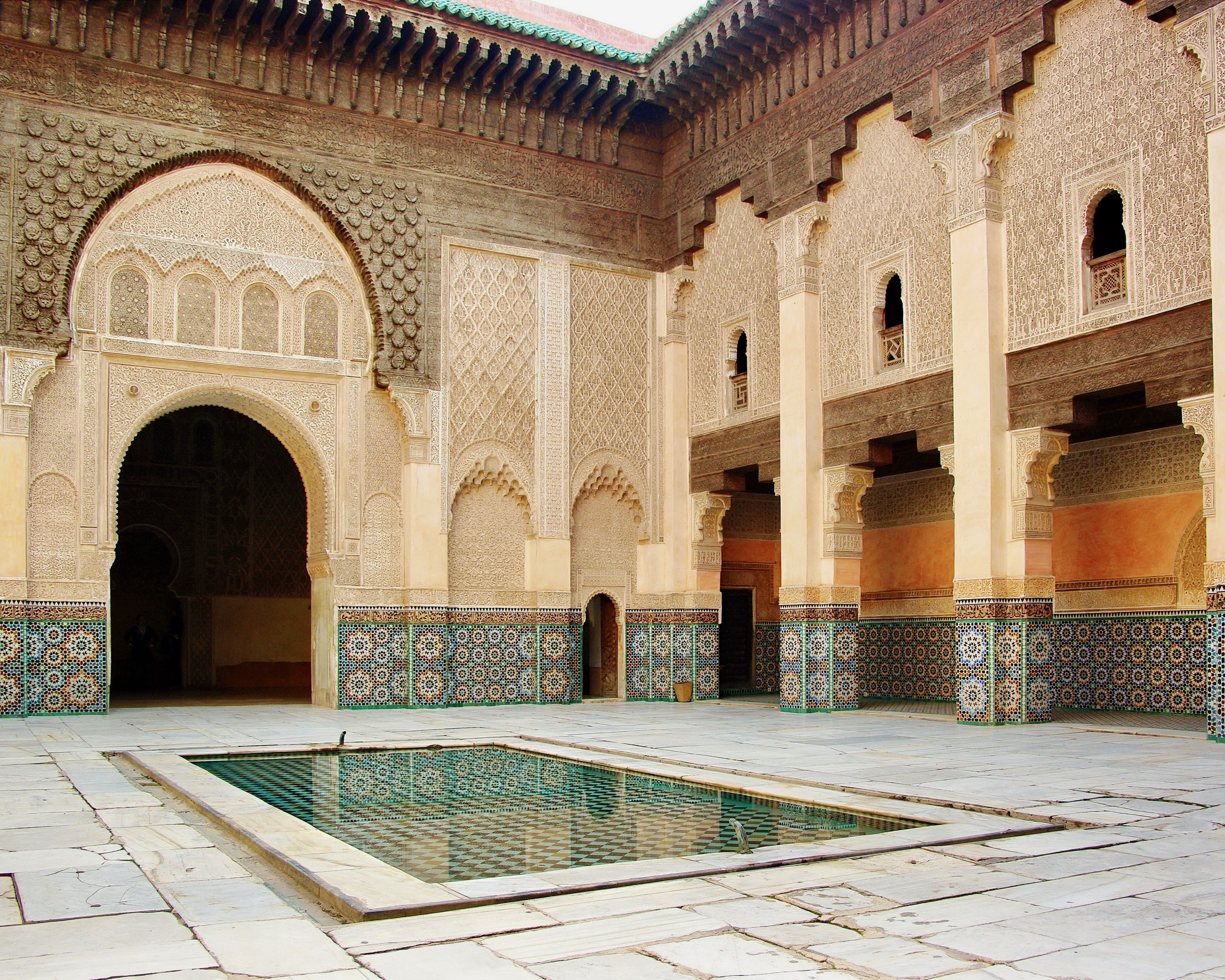
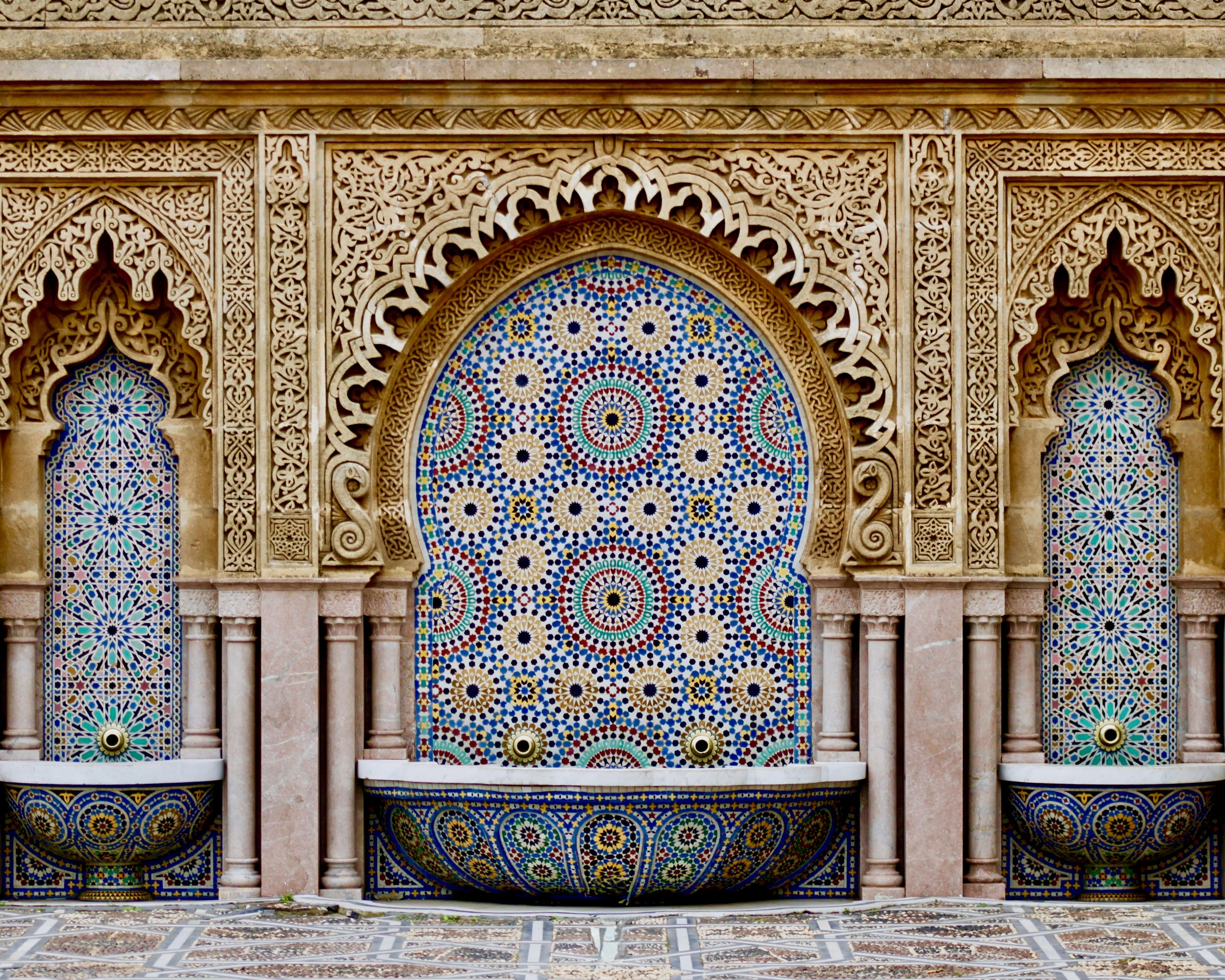
Morocco’s cultural history spans thousands of years, shaped by Indigenous Amazigh (Berber) communities. Their deep connection to the land still infuses daily life, art, and storytelling. Over centuries, traders and travelers from Phoenician, Roman, and Arab civilizations brought influences that made Morocco a crossroads of Africa, Europe, and the Middle East. The rise of historic imperial cities like Marrakech and Fes introduced grand palaces, intricate medina architecture, and lively souks that remain vibrant community centers. Islamic artistry flourished, expressed through calligraphy, zellige tilework, and the daily rhythm of prayer.
Today, travelers can experience these living histories across the country. In the High Atlas and Sahara, Amazigh heritage continues through music, seasonal festivals, and a respect for ancestral customs. The red sandstone walls of Marrakech’s old city, the spiritual resonance of the Hassan II Mosque, and the UNESCO-listed medina of Fes showcase Morocco’s layered past. Morocco’s history is not just preserved in monuments, but in the rituals, hospitality, and pride shared by the communities who call it home.
Cultural celebrations and events
Rose Festival (May, Kelaa M’Gouna and Dades Valley): Honors the harvest of roses with parades, concerts, and craft markets in Morocco’s “Valley of Roses.”
Gnaoua World Music Festival (June, Essaouira): Celebrates Gnaoua music, jazz, and global fusion for a lively, music-centered coastal experience.
Fez Festival of World Sacred Music (June, Fez): Combines Sufi, traditional, and contemporary music in historic venues across the medina.
Marrakech International Film Festival (December, Marrakech): Prestigious festival celebrating global and Moroccan cinema with red-carpet premieres.
Eid al-Fitr (date varies with Islamic calendar, nationwide): Marks the end of Ramadan with family gatherings, feasts, and special prayers.
Eid al-Adha (date varies with Islamic calendar, nationwide): Important religious festival with traditional meals, charity, and community rituals.
What to do in Morocco
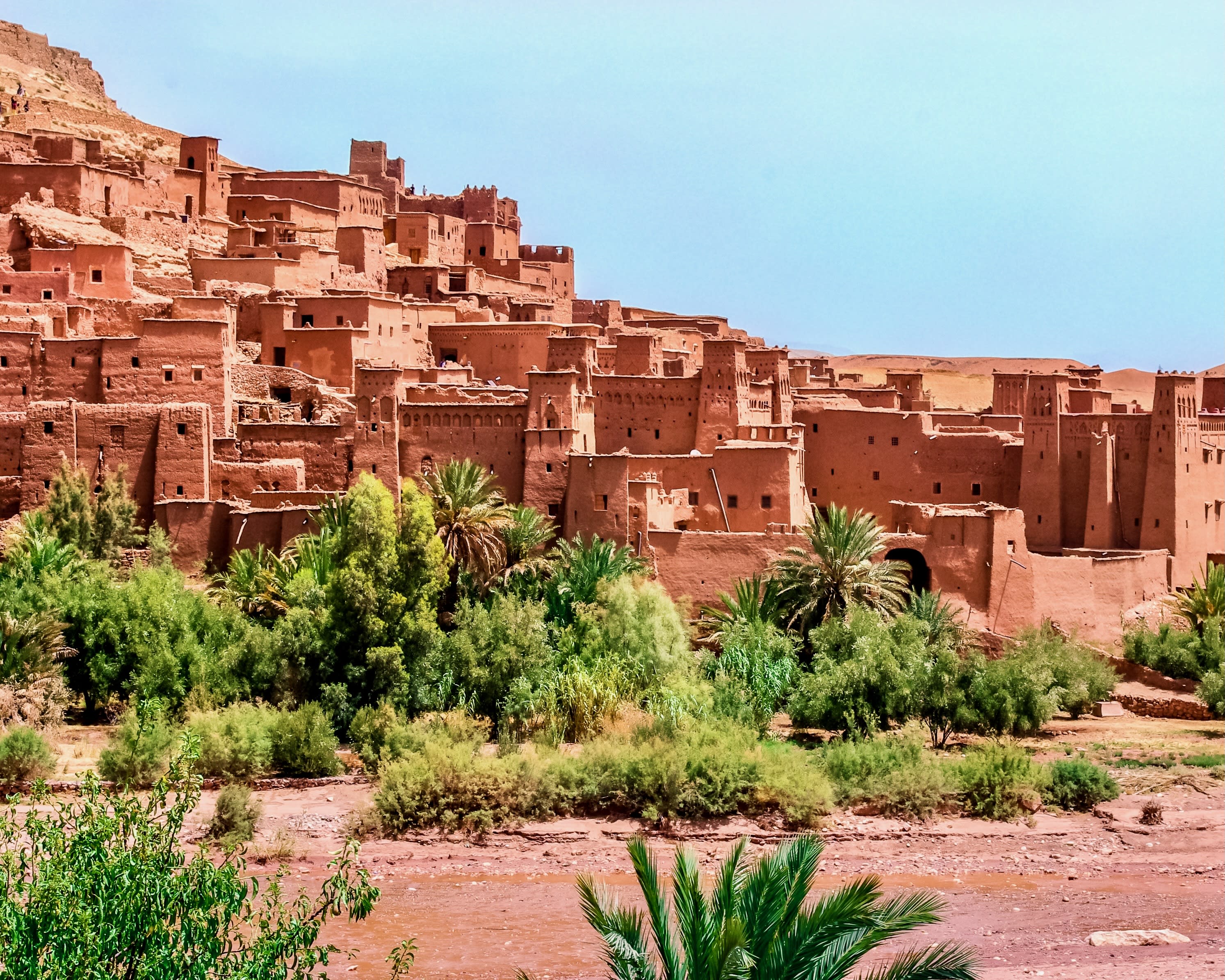
From bustling medinas to sweeping desert dunes, Morocco’s history, vibrant culture, and stunning landscapes converge in unforgettable ways.
Marrakech
Souks: Navigate winding markets with an expert guide, meeting skilled artisans and selecting handcrafted ceramics, woven textiles, and leather goods.
Jardin Majorelle: Wander tranquil gardens framed by bold cobalt walls, then explore Amazigh jewelry, textiles, and design at the nearby Pierre Bergé Museum.
Yves Saint Laurent Museum: Explore the designer’s creative legacy through couture, sketches, and immersive exhibits that trace his deep artistic connection to Morocco.
Anima Garden: Wander a whimsical landscape created by artist André Heller, where botanical beauty, colorful sculptures, and quiet corners offer a refreshing retreat.
Moroccan cooking experience: Join a chef in a riad kitchen to prepare classic dishes, finishing with a relaxed tasting paired with mint tea and local wines.
Rooftop medina views: See Marrakech from above on a guided rooftop walk, taking in a tapestry of rooftops, minarets, and distant Atlas peaks.
Jemaa el-Fna: Experience the electric pulse of the main square as musicians and market stalls transform it into an open-air spectacle.
Agafay Desert: Trade the medina for starlit silence on a day trip to rocky desert dunes. Stay overnight at Caravan Agafay by Our Habitas for sunset dinners and camel rides.
Hammam & spa: Unwind with a private hammam in a boutique riad, blending time-honored Moroccan treatments with contemporary wellness practices.
Atlas Mountains
Mountain trekking: Hike North Africa’s two highest peaks, Mount Toubkal and M’goun Massif, for dramatic vistas and remote villages.
Water adventures: Paddle through the Ourika River on a rafting trip or cool off beneath the cascading Ouzoud Falls, North Africa’s tallest natural waterfalls.
Imlil: Use this picturesque village as a base for Toubkal treks, village walks, and immersive encounters with Amazigh culture.
Ourika Valley: Meander through lush valleys and waterfalls, and visit cultural sites such as Anima Garden for a blend of nature and art.
Todgha Gorge: Explore towering canyon walls for hiking, rock climbing, or, in winter, ice climbing, amid the rugged High Atlas landscape.
Dades Valley: Drive or hike the “Valley of Roses,” famous for its fragrant blooms, winding roads, and dramatic cliffside scenery.
Aït Benhaddou: Step into cinematic history at this UNESCO World Heritage ksar, whose fortified earthen buildings have starred in countless films.
Amazigh artisan workshops: Visit small workshops in the mountains, learning traditional techniques and commissioning handmade pottery, textiles, or jewelry.
Wellness & views: Join guided photography walks or yoga sessions on panoramic terraces, pairing creative focus with the calm of High Atlas mountain landscapes.
Essaouira
Medina: Stroll Essaouira’s compact medina, where whitewashed walls, blue shutters, and artisan workshops invite a slow, unplanned rhythm.
Skala de la Ville: Walk the historic sea walls and ramparts for sweeping Atlantic views and a glimpse into Essaouira’s past as a fortified trading town.
Bayt Dakira: Visit Bayt Dakira and restored synagogues to understand the city’s Jewish history and its lasting influence on local culture, trade, and music.
Artisans: Spend time with marquetry craftsmen and weavers by day, then seek out live Gnawa performances in the evening.
Harbor: End the day near the port, selecting fresh fish straight from the boats and enjoying a simple, flavorful meal that feels local and relaxed.
Fes
Fes el-Bali Medina: Navigate the maze of narrow alleyways with a knowledgeable guide, uncovering hidden workshops, aromatic spice shops, and ornate architecture.
Chouara Tannery: Watch artisans craft leather using generations-old techniques, and commission a piece made just for you.
University of al-Qarawiyyin: Wander the courtyards of the world’s longest continually operating university, admiring carved plasterwork and exquisite calligraphy.
Merenid Tombs: Hike to this hilltop site for sweeping views across the city’s sea of rooftops, best experienced in the golden light of late afternoon.
Volubilis and Meknes: Wander the countryside ruins of Volubilis, then stop in the imperial capital of Meknes to explore grand gates and monumental squares.
Street food: Wander the souks and market stalls with a local guide, sampling freshly made classics from longtime vendors and neighborhood cooks.
Casablanca
Downtown art deco: Stroll wide boulevards lined with 20th century façades, historic cinemas, and classic cafés that reflect European influences and creative revival.
Marché Central: Wander the city’s central market, learning how residents shop for spices, produce, and daily staples.
Habous Quarter souks: Browse a calmer, thoughtfully planned market district known for refined artisan goods, leather slippers, and ceramics.
Museum of Moroccan Judaism: Discover a quieter side of Casablanca’s history through intimate exhibits exploring centuries of Jewish life and cultural exchange.
Derb Ghallef: Explore one of the city’s most authentic markets, uncovering vintage finds, electronics, and everyday curiosities amid its energetic stalls.
Hassan II Mosque: Enter Morocco’s iconic seaside mosque, taking in intricate zellige tilework, carved marble, and sweeping views over the Atlantic.
The Corniche: Spend a relaxed afternoon along the waterfront, pairing a seaside walk with a long lunch or sunset cocktail at a local favorite.
Art galleries: Step into independent art galleries and modern concept spaces that showcase Casablanca’s evolving creative scene.
Where to eat in Morocco
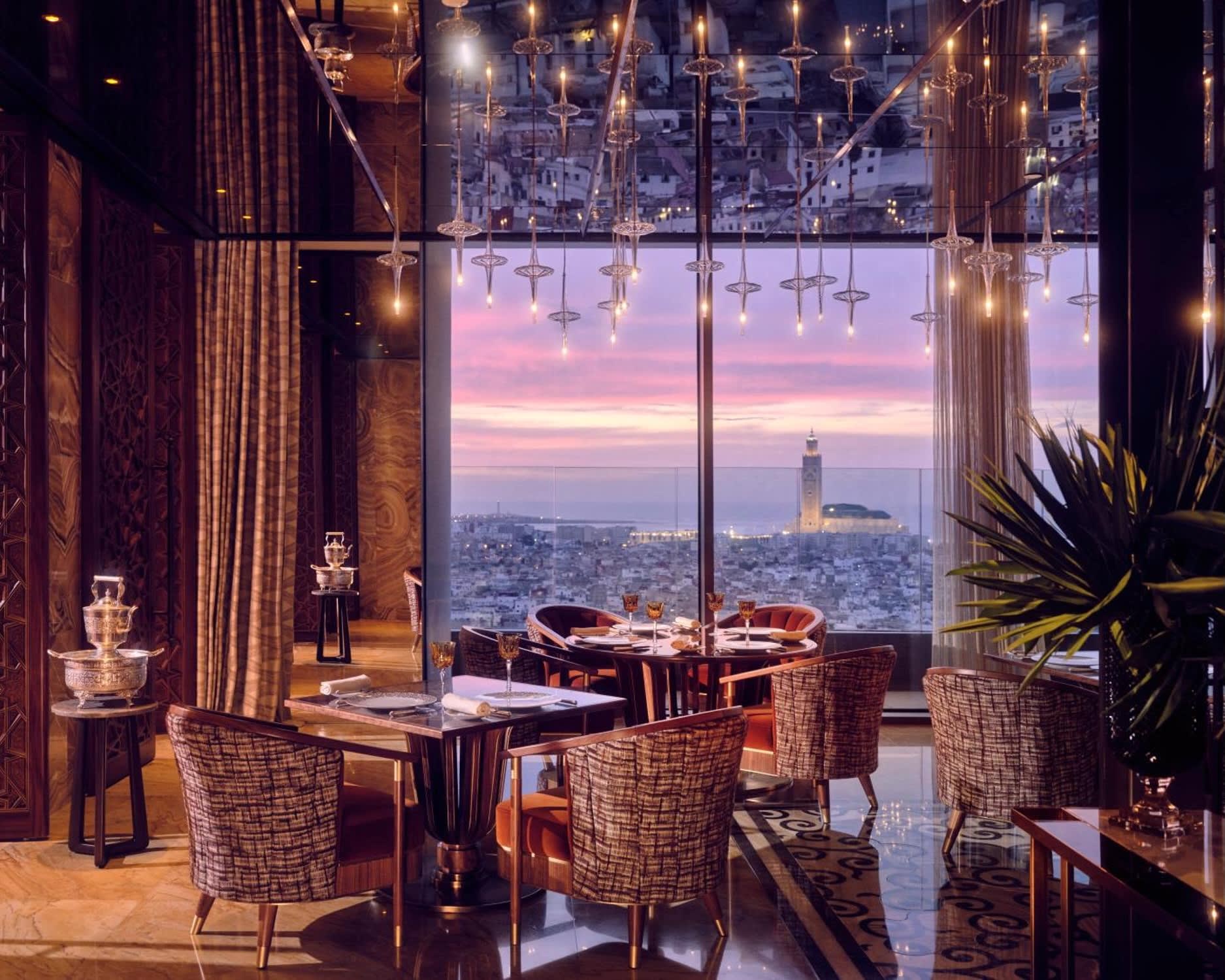
Image courtesy of La Grande Table Marocaine at Royal Mansour Casablanca
From bustling souks to elegant riads, Morocco’s dining scene blends time-honored recipes, regional flavors, and refined settings.
Marrakech
Le Jardin: Leafy courtyard restaurant in a restored historic building pairing classic Moroccan dishes with a relaxed, stylish setting.
Nomad Marrakech: Casual and contemporary, with a focus on seasonal local ingredients and modern Moroccan flavors.
Bacha Coffee: A vibrant café known for its colorful interiors, house-roasted coffees, and refined pastries.
Dar Yacout: Atmospheric fine-dining in a traditional riad with a multi-course Moroccan feast served in candlelit, ornate salons.
La Terrasse des Épices: A lively rooftop with medina views, serving locally sourced dishes and creative cocktails.
Kabana: Energetic rooftop hotspot blending sushi, cocktails, and music with sweeping views over the city.
Rivayat at The Oberoi Marrakech: Elevated Indian cuisine led by a Michelin-starred chef in a refined, contemporary setting.
Comptoir Darna: Glamorous dining with a blend of Moroccan and international dishes, live performances, and an elegant nightlife atmosphere.
Al Fassia Aguedal: A women-led restaurant celebrated for its authentic Moroccan cuisine, polished service, and tranquil garden setting.
Pepe Nero: Delivers refined Moroccan-Italian fusion in a historic riad, where elegant décor and intimate dining spaces create a memorable culinary experience.
Fes
Nur: A modern standout in Fes offering a thoughtfully composed tasting menu that’s intimate and creative, focused on technique and storytelling.
Gayza at Riad Fes: Moroccan cuisine with a refined edge, served in a colorful, design-forward riad.
L’Amandier at Palais Faraj: Rooftop with sweeping medina views, blending French, Jewish, Arab, Moorish, and Amazigh influences into elevated, heritage-driven dishes.
Eden at Palais Amani: Refined international cuisine with Moroccan and French touches, set within a serene riad known for polished service.
The Ruined Garden: A relaxed garden hideaway filled with greenery and quiet corners known for comforting Moroccan dishes and an easygoing pace.
Essaouira
Dar Baba: A lively, colorful spot in the medina serving Mediterranean-inspired dishes with Moroccan touches.
La Clé de Voûte: Casual and welcoming, this small restaurant is known for its relaxed feel and straightforward cooking.
Le Domaine du Val d’Argan: Located just outside Essaouira, this winery offers tastings of its organic wines produced on site.
The restaurants at Heure Bleue Palais: Enjoy a refined diner at Salon Oriental, poolside lunch at the Terrace Grill, and fireside cocktails at the English Lounge.
La Table Madada: A go-to for fresh seafood and well-executed Moroccan and Mediterranean dishes in a warm, established setting.
Caravane Café: Eclectic and energetic, this longtime favorite pairs a wide-ranging menu with live music and a lively, art-filled atmosphere.
Casablanca
La Sqala: Classic Moroccan dishes served in a leafy, open-air courtyard inside the old medina.
Dar Dada: Refined Moroccan cuisine in an elegant riad setting inside the medina with attentive service, and a serene atmosphere.
La Grande Table Marocaine at Royal Mansour Casablanca: Sophisticated Moroccan fine dining, where heritage recipes are elevated through technique and presentation.
Rick’s Café: A cinematic icon inspired by the film Casablanca with a menu that leans American and European and live piano music.
Trips to add on
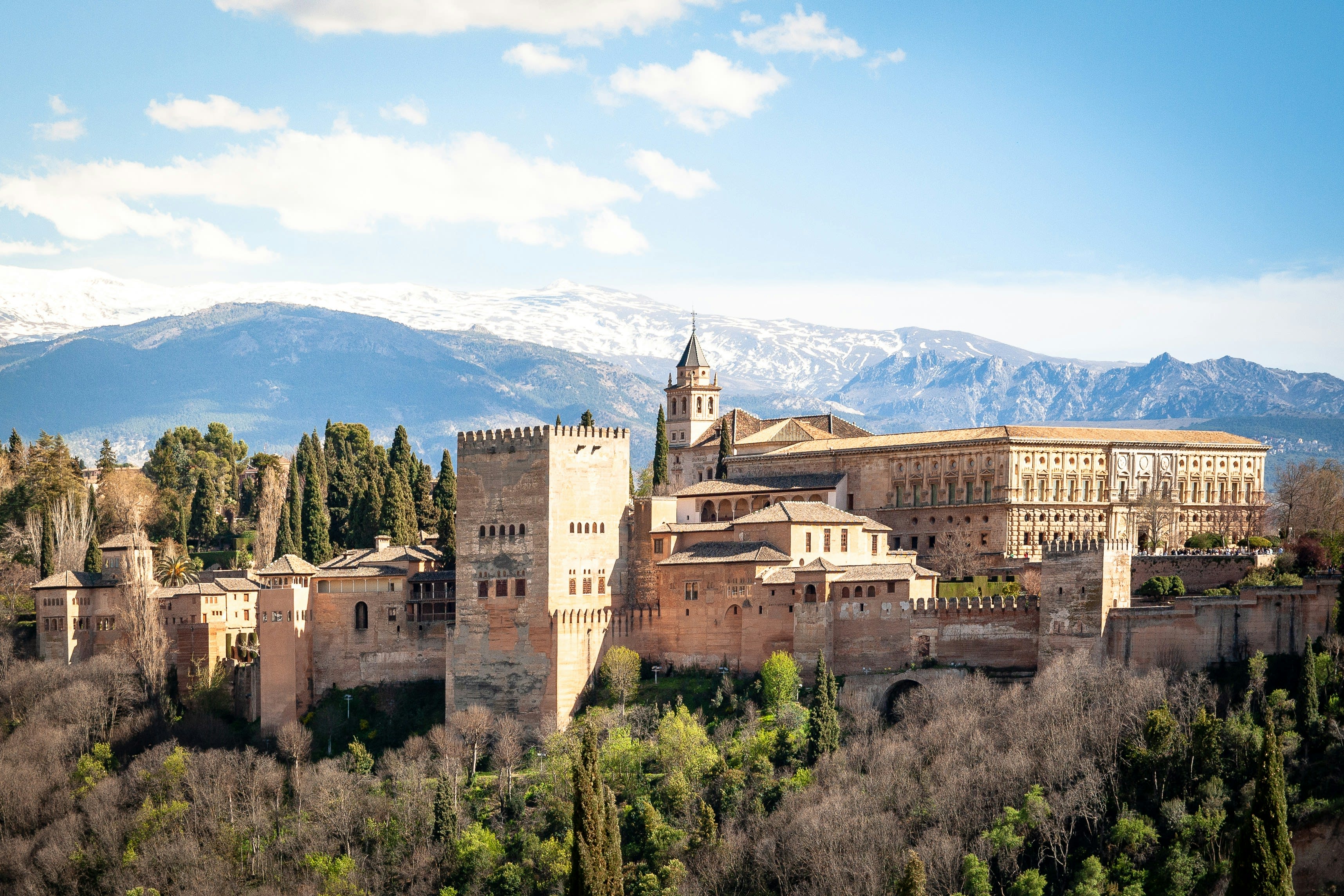
These nearby destinations offer cultural, historical, and architectural experiences that complement any Moroccan itinerary.
Southern Spain (1–2 hour flight): Explore Moorish heritage in Granada, Seville, and Córdoba. Ornate palaces, gardens, and historic quarters echo Morocco’s own architecture.
Portugal (2 hour flight): Discover Lisbon and Porto’s colorful streets, historic tilework, and coastal scenery, with subtle architectural connections to Morocco’s shared influences.
France (3 hour flight): Combine Moroccan exploration with Parisian elegance. From world-class art and haute cuisine to charming neighborhoods and riverside promenades.
If not Morocco…
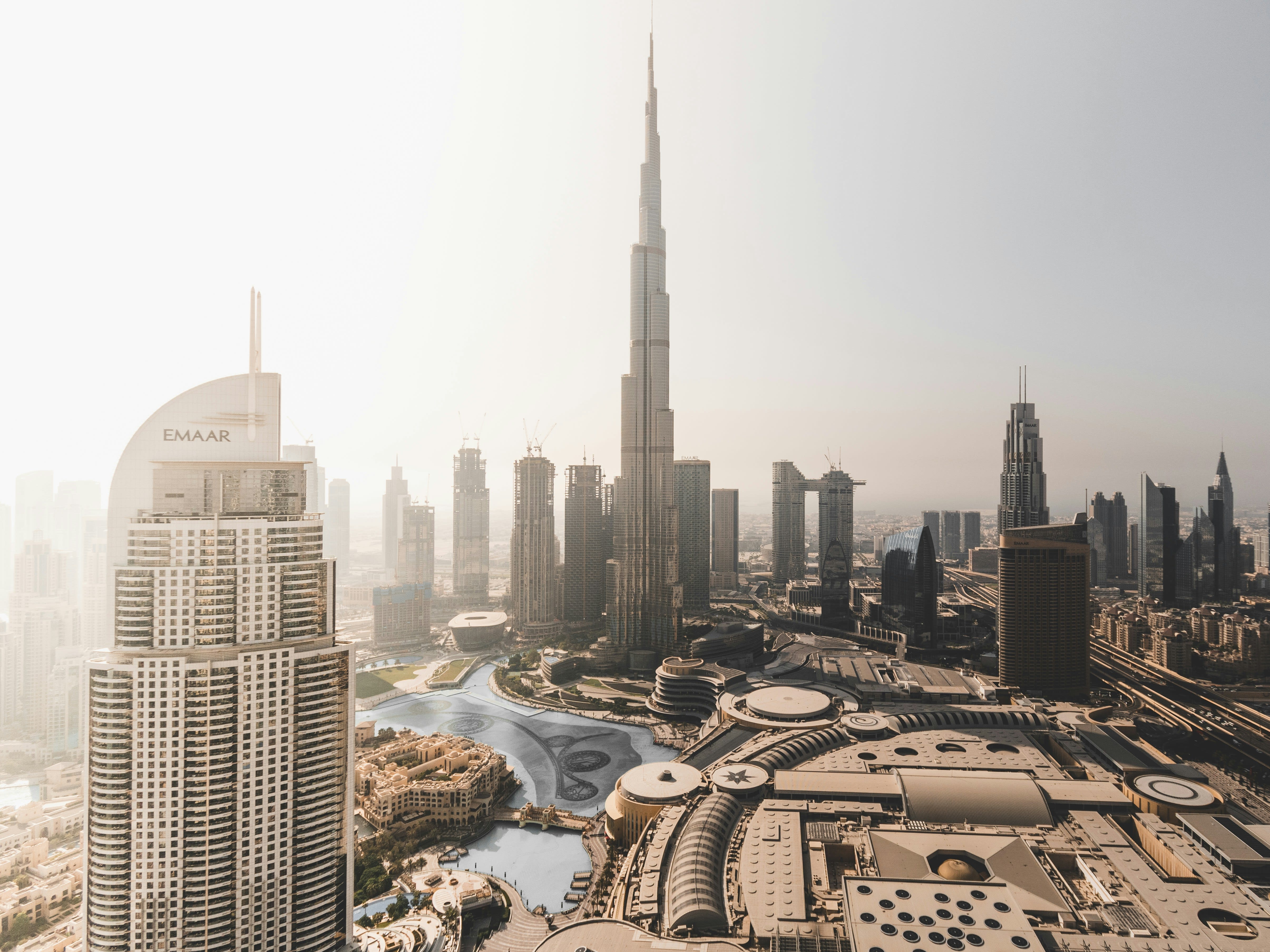
For a mix of history, urban culture, and desert landscapes, these destinations offer similar experiences with their own unique twists.
Spain: Andalusia’s cities showcase Moorish palaces, intricate tilework, and winding medinas reminiscent of Morocco’s architectural heritage. Pair Granada, Seville, and Córdoba with coastal towns for a mix of culture and sun.
Egypt: Ancient monuments and history define this destination. From Cairo’s bustling streets and pyramids to Luxor’s temples and scenic Nile cruises, Egypt delivers immersive cultural exploration.
United Arab Emirates: Modern cities meet desert landscapes in the U.A.E., which is home to luxury hotels, high-end shopping, and desert adventures. Dubai and Abu Dhabi offer opulent city experiences with opportunities to explore dunes and traditional Emirati culture.
Oman: Rugged mountains, desert plains, and pristine beaches create a serene escape. Muscat’s historic forts, desert camps, and luxury resorts provide an elegant combination of adventure and relaxation.
