


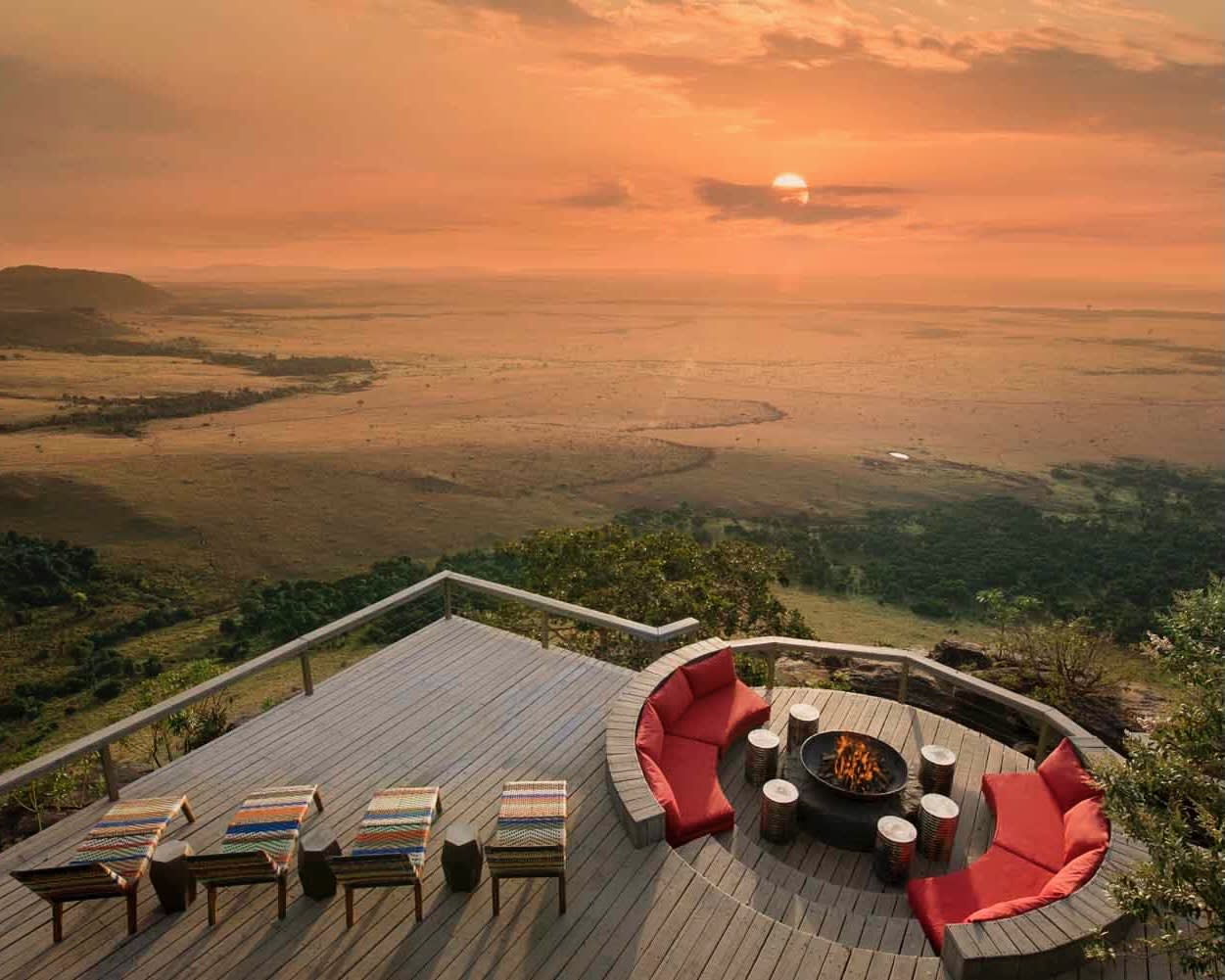
Image courtesy of Angama Mara
Kenya is a country of marked contrasts that reward curious travelers at every turn. Its cities teem with creative energy and culinary ambition, while its conservancies foster groundbreaking conservation efforts and unmatched wildlife encounters. Within 48 hours of arriving in the East African nation, you might watch a lion stalk a kill across the Masai Mara at dawn, then sit down to a multi-course dinner at a sleek rooftop restaurant with the Nairobi skyline behind you.
Whether you’re embarking on your honeymoon, turning the Great Migration into a family adventure, or celebrating retirement with your first-ever game drive, Kenya’s singular mix of cosmopolitan energy, rugged wilderness, and deep cultural roots will stay with you long after you’ve returned home. This guide covers everything you need to know to plan your trip, from the best time to visit and where to stay, to the cultural moments and safari experiences that make Kenya so unforgettable.
Need to know
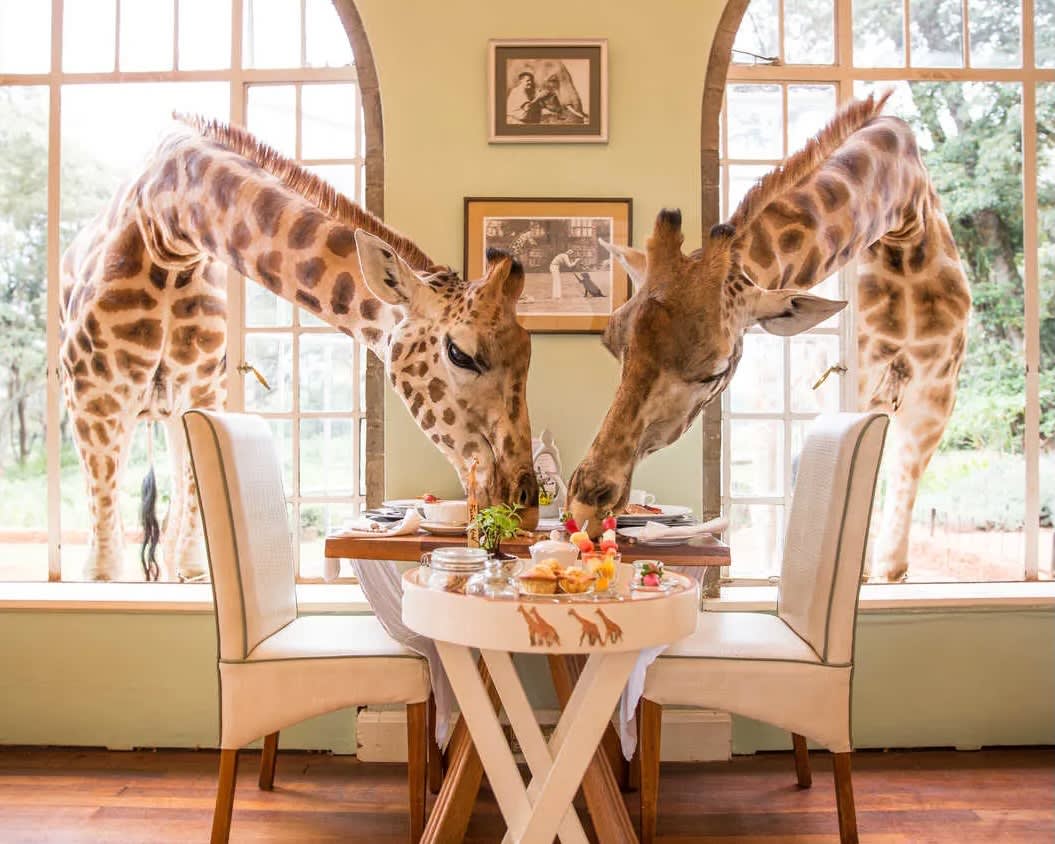
Image courtesy of Giraffe Manor
Thoughtful planning ensures a safe, seamless, and deeply rewarding journey. While larger cities provide modern medical facilities and pharmacies, getting travel insurance to cover emergencies is encouraged.
Currency: Kenya uses the Kenyan Shilling (KES). Credit cards are widely accepted in hotels and safari lodges, but cash is useful for markets, smaller local shops, and tipping. Many lodges provide general guidelines for tipping guides, trackers, and camp staff. These tips, shared through a staff pool, are typically given in cash (USD or Kenyan shillings) at the end of a stay.
Languages: Swahili and English are Kenya’s official languages, though English is widely spoken in cities and tourism settings. Learning a few Swahili phrases is always appreciated.
Key phrases: jambo (hello), asante (thank you), tafadhali (please), samahani (excuse me/sorry), habari yako? (how are you?), ndiyo/hapana (yes/no), sizungumzi Kiswahili (I don’t speak Swahili), unazungumza Kiingereza? (do you speak English?)
Airports: Nairobi’s Jomo Kenyatta International Airport (NBO) serves as Kenya’s main international gateway, while Wilson Airport (WIL) is the primary domestic hub for flights to safari destinations and coastal cities like Mombasa (MBA). International nonstop flights operate from New York City; most other routes will connect through hubs like London, Paris, or Dubai.
Transportation: Private vehicles with drivers are the most practical way to cover longer distances and reach safari regions. Domestic flights between parks and conservancies typically operate on small aircraft or helicopters.
Best time to visit: Kenya is a year-round destination with steady temperatures but shifting rainfall patterns. Dry seasons last June to October and January to February, with cooler conditions from June to August, and warmer temps from December to February. The Great Migration occurs from July to October, with August to September offering the best chances to see Mara River crossings.
Ideal length of stay: Seven nights is a solid minimum—enough to combine Nairobi with one safari region or conservancy without feeling rushed. Ten to fourteen nights opens up multiple ecosystems, allowing time for photography, cultural visits, and more conservation experiences.
Signature dishes and drinks:
Nyama choma: Grilled meat, usually goat or beef, cooked over an open flame
Ugali: Kenya’s staple maize dish; served with vegetables, stews, or nyama choma
Irio: Comforting side dish of mashed green peas, potatoes, and corn
Sukuma wiki: Collard greens sautéed with onions, tomatoes, and spices
Coastal seafood: Fresh fish grilled or stewed with coconut and spices
Mandazi: Fried dough lightly sweetened with coconut or cardamom
Matoke: Steamed or boiled green bananas, often mashed and seasoned
Githeri: Beans and maize seasoned with onions and spices
Coffee and tea: Rich, bold coffee and strong, sweet black tea, often enjoyed with milk and sugar
Dawa: The national cocktail; a refreshing mix of vodka, honey, lime, and crushed ice
What to wear: Pack lightweight, breathable clothing in neutral tones for game drives and outdoor adventures. Casual attire works well during the day, while smart casual is ideal for evenings at lodges or restaurants. Modest clothing that covers shoulders and knees is recommended when visiting local communities or cultural sites. Don’t forget a wide-brimmed hat and sunglasses for sun protection and sturdy walking shoes for uneven terrain.
Ethical practices and safety: Safari experiences vary between national parks and private conservancies. Each has their own rules and access levels, but responsible wildlife viewing and safety standards remain essential.
Ethical safari practices: Travel with operators who prioritize conservation, maintain respectful distances, use well-maintained vehicles, and employ trained guides.
Wildlife respect: Quietly observe animals, and avoid feeding or approaching wildlife. Wear neutral colors that blend into surroundings. Always give animals the right of way.
Waste management: Protect fragile environments by disposing of waste properly, minimizing plastic use, and choosing biodegradable products whenever possible.
Travel tips:
Health: Vaccines and preventive medication may be recommended. Check entry requirements, which vary by country of origin, and consult with your doctor.
Visa: Most visitors require a visa to enter Kenya. Apply easily online via the official eCitizen portal ahead of your trip to ensure smooth entry.
Nairobi
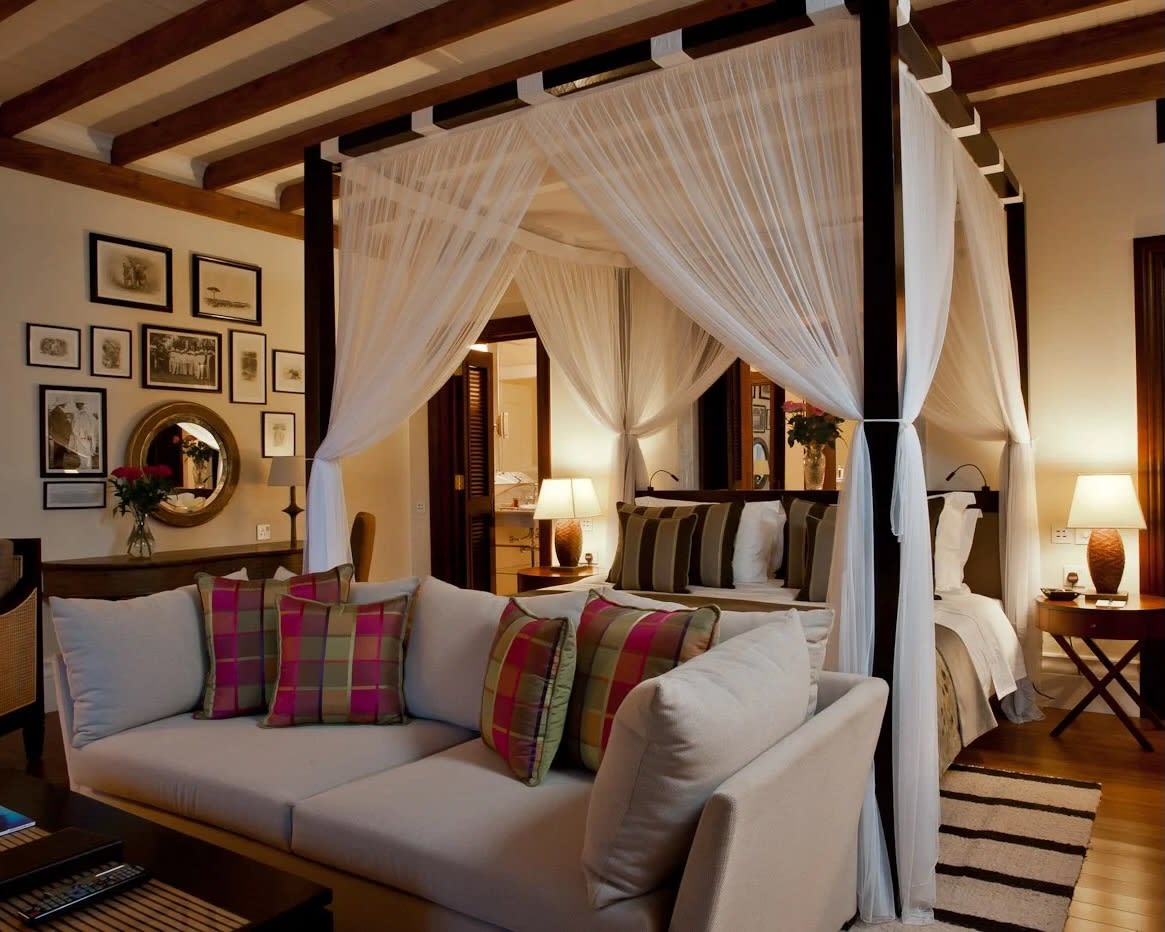
Image courtesy of Hemingways Nairobi
Energetic and cosmopolitan, Nairobi pulses with a modern rhythm. Skyscrapers and boutique hotels sit beside bustling markets and green spaces. Museums and galleries highlight Kenya’s cultural and historical depth, while the Giraffe Centre and vibrant culinary scenes underscore how multifaceted the Kenyan capital is.
Where to stay
Hemingways Nairobi: This sophisticated urban retreat in Nairobi’s leafy suburb of Karen offers spacious suites, floor-to-ceiling windows, and golf-course views. Its refined dining outlets, serene spa, and attentive service add up to the kind of hospitality that’s hard to leave.
Fora Perks include a 50-minute massage for two, daily breakfast, an upgrade, and extended check-in/out whenever possible.
Giraffe Manor: Resident Rothschild giraffes wander the grounds and often visit guests during breakfast at this iconic boutique property. Heritage-style rooms, intimate gardens, and personalized service make for a whimsical yet elevated experience.
Villa Rosa Kempinski: Elegant European design and warm Kenyan hospitality create a comfortable base from which to explore the city’s highlights. The spacious rooms are well-appointed; seven dining venues span a variety of cuisines; and the full-service spa offers ample opportunity for relaxation.
Fora’s Kempinski Club 1897 partner perks include up to a $100 hotel credit, daily breakfast, an upgrade, and extended check-in/out whenever possible.
The Laikipia Plateau
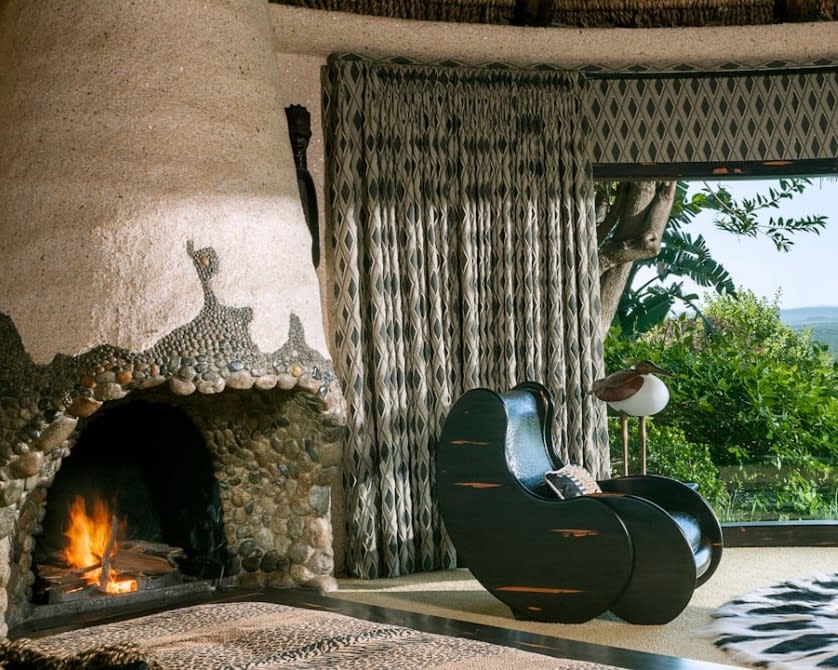
Image courtesy of Ol Jogi Wildlife Conservancy
The Laikipia Plateau encompasses several private conservancies where wildlife moves freely across rolling hills and open plains. Lewa Conservancy is one of the most important sanctuaries for black rhino and Grevy's zebra in the region. Ol Pejeta is one of the few places in East Africa where you can see both Big Five wildlife alongside rescued chimps. Ol Jogi operates as a private, elevated experience with some of the plateau's most exclusive game viewing. Conservation work runs through all of the activities, from game drives and walking safaris to anti-poaching education.
Where to stay
Ol Jogi Wildlife Conservancy: At this secluded, family-run property within a private wildlife reserve, contemporary interiors are grounded by traditional Kenyan touches. Personal service, expansive grounds, and direct access to wildlife encounters make the experience feel both private and deeply connected to the landscape.
Fora Perks include a 1-hour massage per adult, daily breakfast, and extended check-in/out whenever possible.
Sirikoi Lodge: Set within a private conservancy near the Ol Pejeta Wildlife Reserve, Sirikoi delivers understated luxury without sacrificing a sense of place. Between the thatched suites with private decks and infinity pools and open-air communal spaces, guests feel truly immersed in nature.
Asilia Ol Pejeta Bush Camp: This intimate camp keeps the focus squarely on the bush, with excellent guiding and a setting within one of Kenya's most important rhino sanctuaries. It’s unpretentious, well-run, and all the better for it.
Tambarare Camp, an A&K Sanctuary: Chic, spacious tents and suites open onto sweeping plains and views of the Mara River. The thoughtful service and curated game drives of this contemporary lodge take the experience to the next level.
Segara Retreat: The exceptional art collection, organic gardens, and elegant cottages distinguish this design-forward property. Game viewing, cultural visits, and wellness programming are enhanced by a commitment to community and conservation.
Siruai Mobile Camp: This low-impact mobile camp follows seasonal wildlife movements, offering an intimate and immersive safari. Simple but comfortable tents place guests close to nature, and guides tailor guest experiences to each location’s peak wildlife activity.
andBeyond Suyian: Modern design pairs with rugged landscapes at this contemporary lodge, situated within a 44,000-acre private conservancy. Activities range from classic game drives to horseback riding and cultural encounters, delivering a diverse and less expected safari experience.
Amboseli National Park
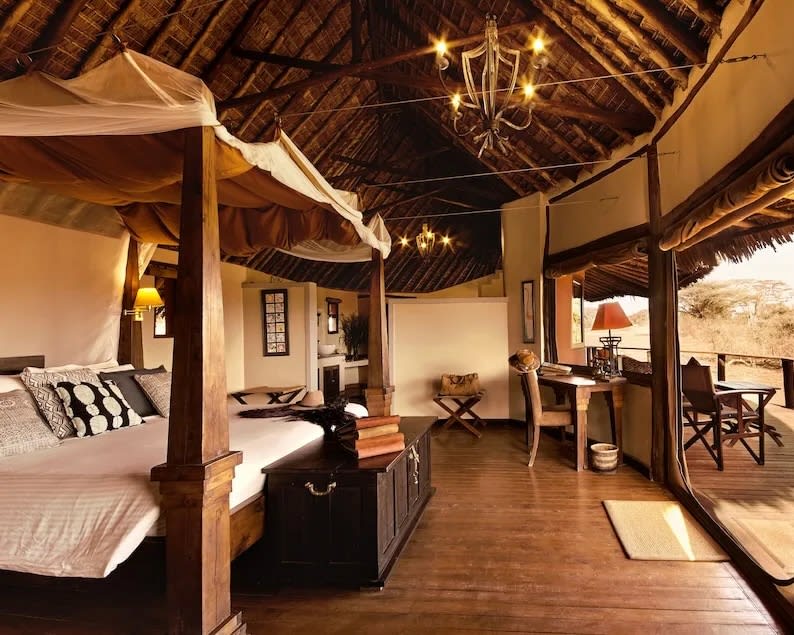
Image courtesy of Tawi Lodge
Amboseli is defined by dramatic views of Kilimanjaro across golden plains. Elephant herds move gracefully against the backdrop of towering peaks, while seasonal swamps attract flocks of birds. Safari lodges and tented camps emphasize openness and light, providing a front-row seat to legendary wildlife spectacles.
Where to stay
Tawi Lodge: Hidden in a 3,000-acre private conservancy, Tawi Lodge offers tented suites with floor-to-ceiling views of the savanna and nearby Kilimanjaro. Safari enthusiasts will appreciate its modern interiors, personalized service, and focus on wildlife encounters.
Campi ya Kanzi: This community-owned eco-lodge in the Chyulu Hills couples sustainability with deep cultural connection. Guests explore on foot, by vehicle, or horseback while engaging with guides, creating a safari experience grounded in conservation and local partnership.
Elewana Tortilis Camp Amboseli: Positioned in a private conservancy bordering Amboseli, this tented camp puts Mount Kilimanjaro front and center. Access to both park and private lands allow for rewarding wildlife encounters away from crowds.
Maasai Mara National Reserve
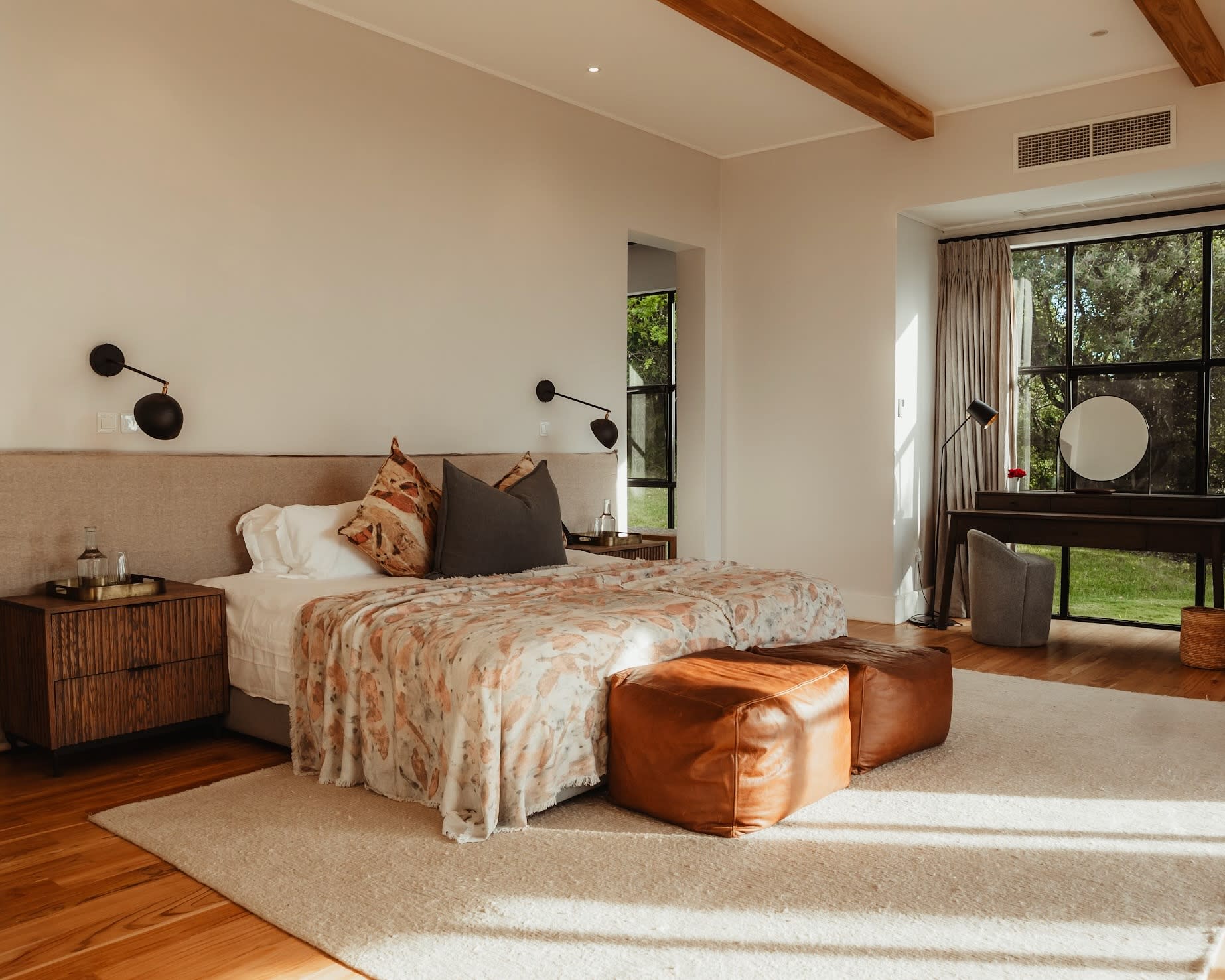
Image courtesy of LOIRIEN Mara
The Maasai Mara lives up to its storied reputation as one of Africa’s most majestic safari destinations. Lions, cheetahs, and elephants inhabit the open savanna year-round, while a staggering number of wildebeest and zebras pass through during the annual Great Migration. Visits to local villages deepen the experience as Maasai people share the traditions they’ve nurtured for hundreds of years.
Where to stay
Olonana Lodge, an A&K Sanctuary: From riverfront breakfasts to guided game drives and indoor A/C, this property on the Mara River delivers immersive wildlife experiences in a stylish, service-forward setting. The design is thoroughly modern, but the use of local wood and stone, richly patterned textiles, and African art ensure the spaces reflect a sense of place.
andBeyond Bateleur Camp: Elegant safari tents overlook the Mara plains at this high-end tented camp. Experienced guides, curated activities, and understated luxury make it ideal for those seeking a traditional yet refined safari immersion.
LOIRIEN Mara: Standalone luxury villas provide panoramic wildlife views. Minimalist interiors, attentive service, and exceptional guides focus attention on the natural surroundings and private safari experience.
Angama Mara: Perched on a clifftop overlooking the Great Rift Valley and the Mara plains, this lodge features airy suites and floor-to-ceiling windows that bring the landscape inside. Its modern design, world-class dining, and curated experiences make it visually stunning and deeply immersive.
A&K Exclusive Tented Camp: As a private, mobile-style camp with luxury tents, this camp gives travelers exceptional access and service while staying low-impact. Personal guides, tailored game drives, and intimate communal spaces create a bespoke experience that feels both adventurous and meticulously curated.
Mahali Mzuri: Richard Branson's Kenyan outpost sits on a ridge above the Maasai Mara. Twelve tented suites, attentive service, and a prime location for the Great Migration make it polished and well-regarded.
Fora Perks include a $100 gift shop or spa credit, daily breakfast, an upgrade, and extended check-in/out whenever possible.
Mara Plains Camp: This low-footprint camp keeps guest numbers small, so travelers can enjoy its game-viewing areas and wilderness without encountering main-reserve congestion. Its elegant tented suites and excellent guiding are backed by a strong conservation ethos.
Samburu National Reserve
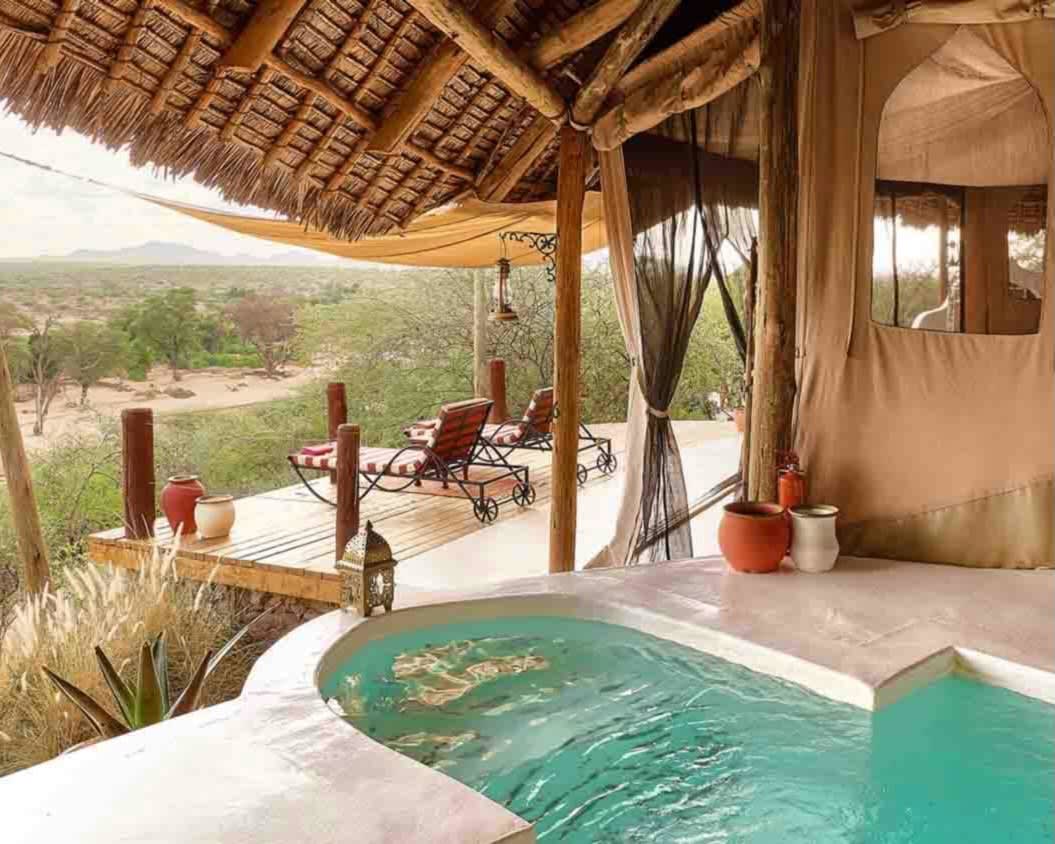
Image courtesy of Sasaab
Samburu National Reserve sits in Kenya’s arid north, where the Ewaso Ng’iro river cuts through a dry, sun-bleached landscape, unique to anywhere else in the country. The reserve is known for its “Special Five”—Grevy’s zebra, reticulated giraffe, Beisa oryx, Somali ostrich, and gerenuk—species rarely found elsewhere on a standard safari circuit. Game drives run along the riverbanks, where the Samburu people have lived for generations and where elephants, lions, and leopards congregate still today.
Where to stay
Sasaab: Guests at this striking Moroccan-inspired lodge overlooking the Ewaso Nyiro River stay in open-air villas featuring private plunge pools and expansive views. Camel safaris, cultural visits, and exceptional guiding add depth to this remote northern Kenya experience.
Sarara Wilderness: Dramatic mountains meet open savanna at this remote tented camp in the Mathews Range. Guests enjoy walking safaris, visits with Samburu communities, and wildlife viewing centered around a natural rock pool that attracts elephants and other wildlife.
Elephant Bedroom Camp: This Samburu favorite is set directly on the Ewaso Ng'iro riverbank, where elephants come to drink. Comfortable, well-located, and run with a warmth that keeps guests returning, it’s one of the most atmospheric stays in northern Kenya.
Cruising to and around Kenya
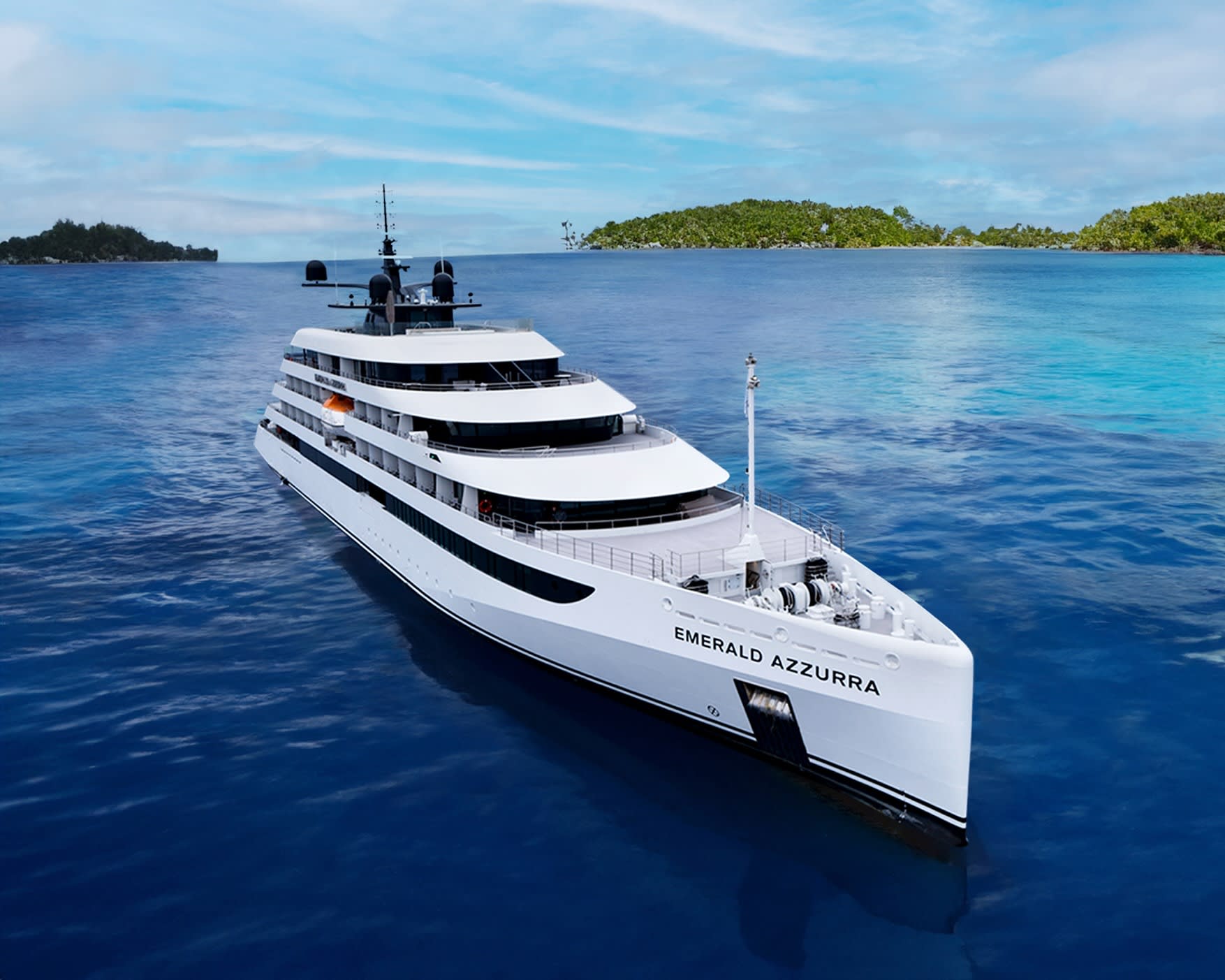
Image courtesy of Emerald Cruises
Ships dock in Mombasa, where many travelers pair their voyage with inland safari extensions. Due to the distance between ports, itineraries tend to be longer. Routes often connect Kenya with neighboring islands and nations, combining marine landscapes, cultural ports, and opportunities to experience both safari and beach destinations in one trip.
Popular itineraries
Indian Ocean: Typically two to three weeks long, these itineraries link Kenya with ports in places like Tanzania, Seychelles, and Madagascar. Sailings combine cultural cities, island beach stops, and wildlife-focused shore experiences.
World cruises: These extended sailings can range from 30 to 150 or more nights. Routes may run between Cape Town and Dubai, or continue onward to Asia. Some will circumnavigate the globe roundtrip from a city in Europe, North America, or Australia.
Notable cruise lines
Crystal Cruises: A refined, all-suite experience pairs attentive service with spacious ships and thoughtfully designed itineraries. Guests enjoy strong culinary programming, enrichment offerings, and port experiences that balance marquee destinations with less-visited stops.
Fora Perks include up to $250 shipboard credit per stateroom.
Emerald Cruises: This contemporary small-ship line focuses on yacht-style cruising and relaxed exploration. Expect marina platforms for water access, active excursions, and itineraries that bring travelers closer to coastal landscapes and smaller ports.
Viking Cruises: The adults-only line is known for destination-focused voyages and understated Scandinavian design. Inclusive shore excursions, onboard lectures, and culturally immersive programming create a calm, enriching experience.
Fora Perks include up to $200 onboard credit per stateroom on select departures.
History and culture
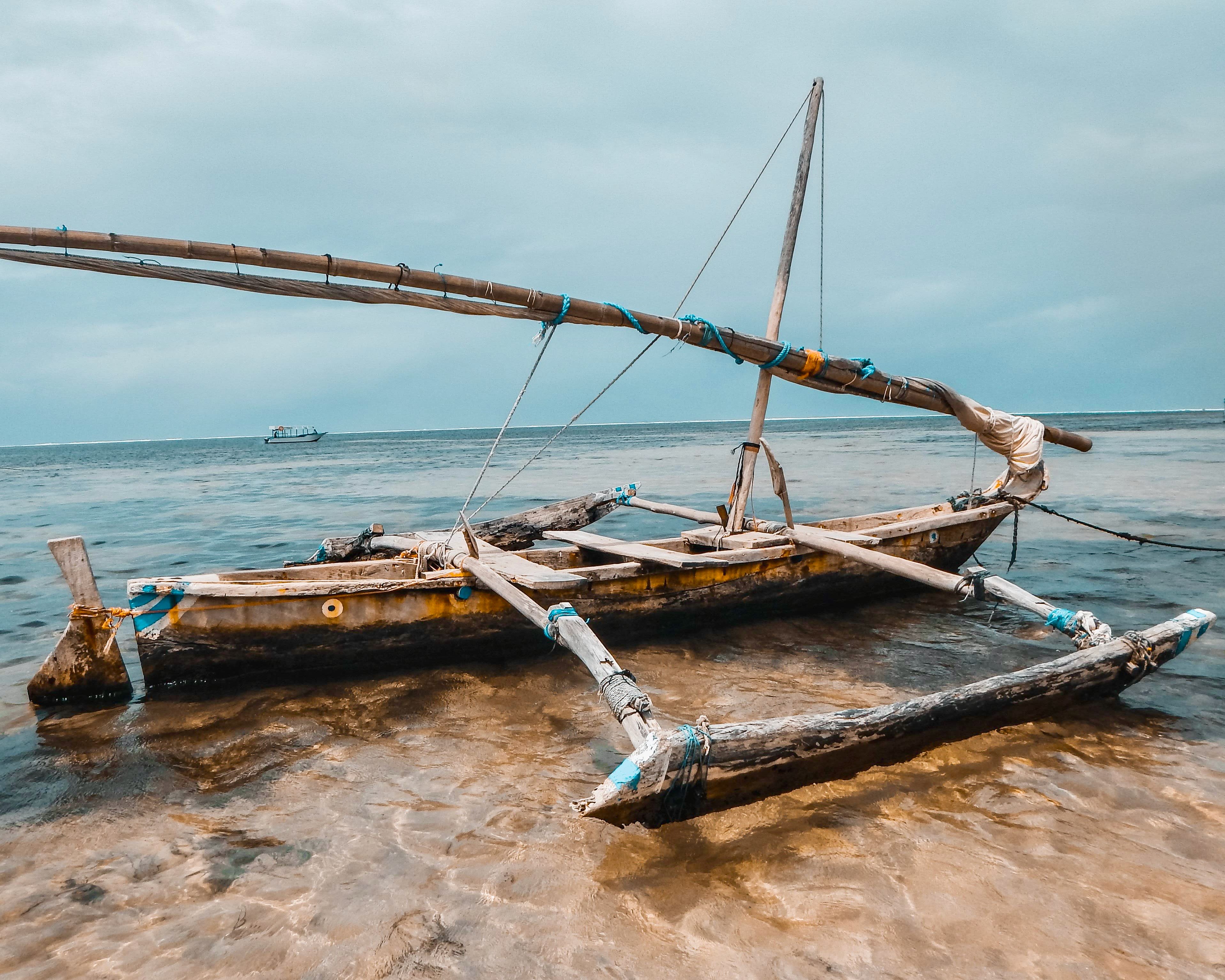
Kenya’s story begins with some of the earliest evidence of human life, discovered in the Great Rift Valley. For centuries, diverse communities including the Maasai, Kikuyu, and Swahili peoples developed distinct languages, trade networks, and traditions shaped by the country’s varied landscapes. Towns along the Indian Ocean grew into important trading ports that incorporated Islamic culture in ways that remain visible in the country's architecture, cuisine, and culture. What followed—British colonial rule in the late 19th and early 20th centuries—was a darker chapter with consequences that can still be seen in modern Kenyan society.
Travelers encounter this layered history across the country. Visiting Maasai or Samburu lands offers opportunities to learn about pastoral lifestyles, beadwork, and ceremonies that honor community and connection to nature. Historic Lamu Old Town, a UNESCO listed settlement, preserves Swahili heritage through carved wooden doors, mosques, and dhow sailing traditions. Nairobi’s museums and conservation centers reflect Kenya’s leadership in wildlife protection. Land, wildlife, and community remain deeply interconnected, shaping the experiences visitors encounter both on safari and in everyday life.
Cultural celebrations and events
Nairobi Restaurant Week (January, Nairobi): Sample the city’s vibrant culinary scene with special menus and discounts at top restaurants across Nairobi.
Lake Turkana Festival (May, Lake Turkana): Celebrate the cultural richness of communities around Lake Turkana through traditional music, dance, and local cuisine.
Lewa Marathon (June, Lewa Wildlife Conservancy): Take part in a unique marathon supporting wildlife conservation along the way.
Kenya Safari Rally (June, varies): Experience the thrill of this World Rally Championship event, attracting motorsport fans from across the globe.
Rhino Charge (June, varies): Join an off-road motorsport event that combines adventure with fundraising for wildlife conservation initiatives.
Mombasa Carnival (November, Mombasa): Immerse yourself in vibrant parades, traditional music, dance, and colorful costumes celebrating the city’s diverse cultures.
What to do in Kenya
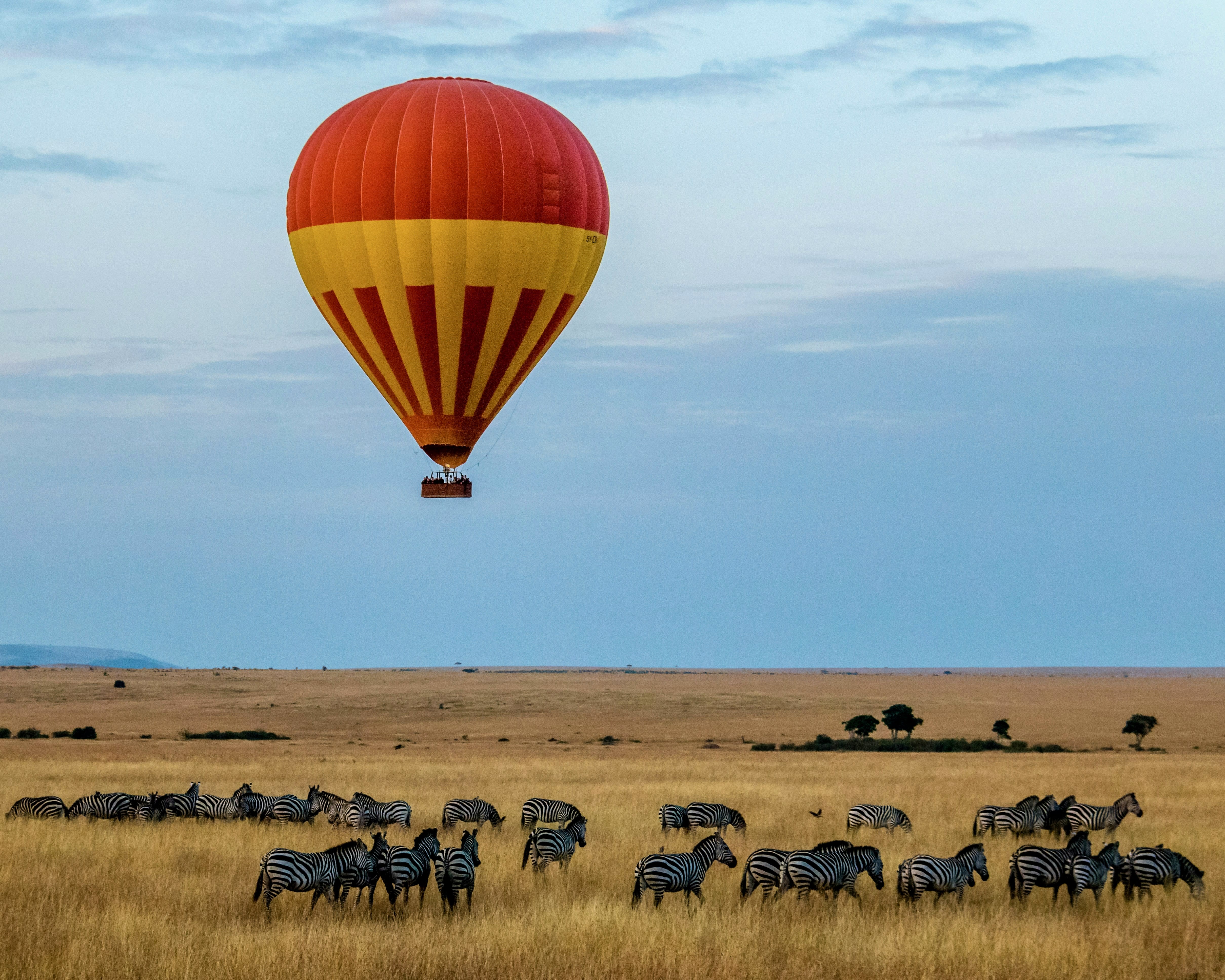
Serious wildlife viewing, rich cultural experiences, and increasingly dynamic urban food scenes make Kenya one of the most compelling destinations on the African continent.
Game drives: Head out at dawn or late afternoon to spot elephants, lions, and rhinos, across vast plains in Kenya’s national parks and private conservancies.
Walking safaris: Explore on foot with knowledgeable guides who reveal smaller details often missed by vehicle, from wildlife tracks to medicinal plants.
The Great Migration: Witness millions of wildebeest, zebra, and gazelle crossing the Maasai Mara between July and October in one of the world’s most dramatic wildlife spectacles.
Hot air balloon: Drift above the Mara at sunrise, watching wildlife move across golden plains before landing for a champagne bush breakfast in the wilderness.
Bush dining experiences: Enjoy breakfasts, picnics, or candlelit dinners in remote settings, with sweeping savanna views or star-filled skies.
Amboseli’s elephant herds: Watch some of Africa’s largest elephant populations roam beneath Mount Kilimanjaro—an especially striking sight in early morning light or at sunset.
Community and cultural visits: Spend time with Maasai or Samburu communities to learn about pastoral traditions, daily life, and cultural practices. In Nairobi, the Karen Blixen Museum traces the legacy of the author behind Out of Africa.
Conservation encounters: Visit conservation centers and anti-poaching initiatives to learn about wildlife protection efforts and meet the last two northern white rhinos.
Helicopter and scenic flights: From Mount Kenya and the Aberdares to northern Kenya’s dramatic terrain, witness vast open wilderness rarely seen from the ground.
Nairobi wildlife: Visit Nairobi National Park, where lions and rhinos roam with the city skyline in view. Stop at the David Sheldrick Wildlife Trust or Giraffe Centre to support conservation while meeting rescued elephants and Rothschild giraffes.
Artisan workshops and markets: Explore Nairobi’s creative side through stops at Kazuri Beads, Kitengela Hot Glass, Ocean Sole, and lively markets showcasing crafts, recycled art, and locally made goods.
Nairobi National Museum & Arboretum: Get a thorough introduction to East Africa’s natural and cultural history. The nearby Arboretum showcases 350 indigenous and exotic plant species.
Trips to add on
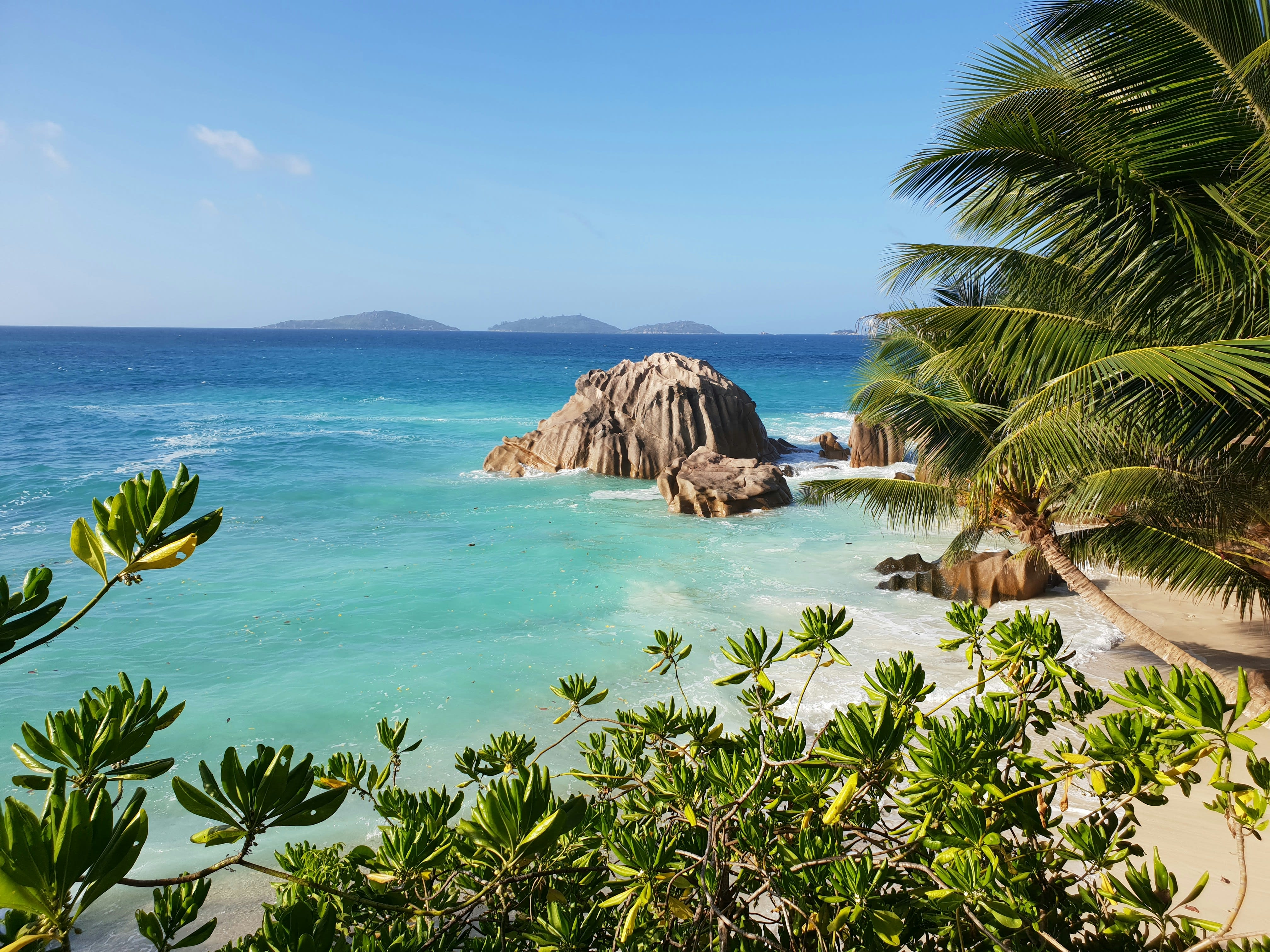
These extensions complement a Kenyan safari by tacking on beaches, culture, and wildlife experiences within a short flight.
Kenya’s beaches (1 hour flight from Nairobi): Swap safari plains for the Indian Ocean, with easy access to the palm lined beaches of Diani Beach, Watamu, and Lamu. Expect Swahili-influenced cuisine, dhow sailing, and relaxed coastal stays.
Tanzania (1–2 hour flight): Follow the Great Migration from the Mara to Tanzania’s Serengeti. Continue to the Ngorongoro Crater to see dense wildlife against volcanic landscapes, or explore Tarangire National Park for baobab-dotted plains and elephant herds.
Seychelles (3-hour flight): Granite boulders, powdery beaches, and clear waters define this island escape. Ideal for slow paced beach time, sailing, and diving, with secluded resorts and marine life experiences that pair naturally with a safari adventure.
Madagascar (3-hour flight): Add quiet beaches, colonial history, and seasonal whale watching on Nosy Boraha (Île Sainte-Marie). For a high end private island experience, stay at Miavana by Time + Tide for exceptional service and rare wildlife.
Mauritius (4-hour flight): The polished island destination is known for its beaches, mountain scenery, and multicultural influences. Resorts range from family-friendly to honeymoon-focused, with options for golf, hiking, and water sports readily available.
Rwanda and Uganda (1.5-hour flight): Continue the wildlife journey with an unforgettable gorilla trek in Volcanoes National Park for one of Africa’s most moving animal encounters.
Victoria Falls, Zimbabwe/Zambia (3-hour flight): One of the world’s largest waterfalls contrasts dramatically with the Kenyan savanna. Enjoy helicopter flights, white water rafting, and bungee jumping, balancing natural beauty with adrenaline.
Stopovers (5–9 hour flight): Many flights to Kenya connect through cities like Dubai, London, Paris, or Amsterdam, making it easy to build in a few nights before or after your safari.
If not Kenya…
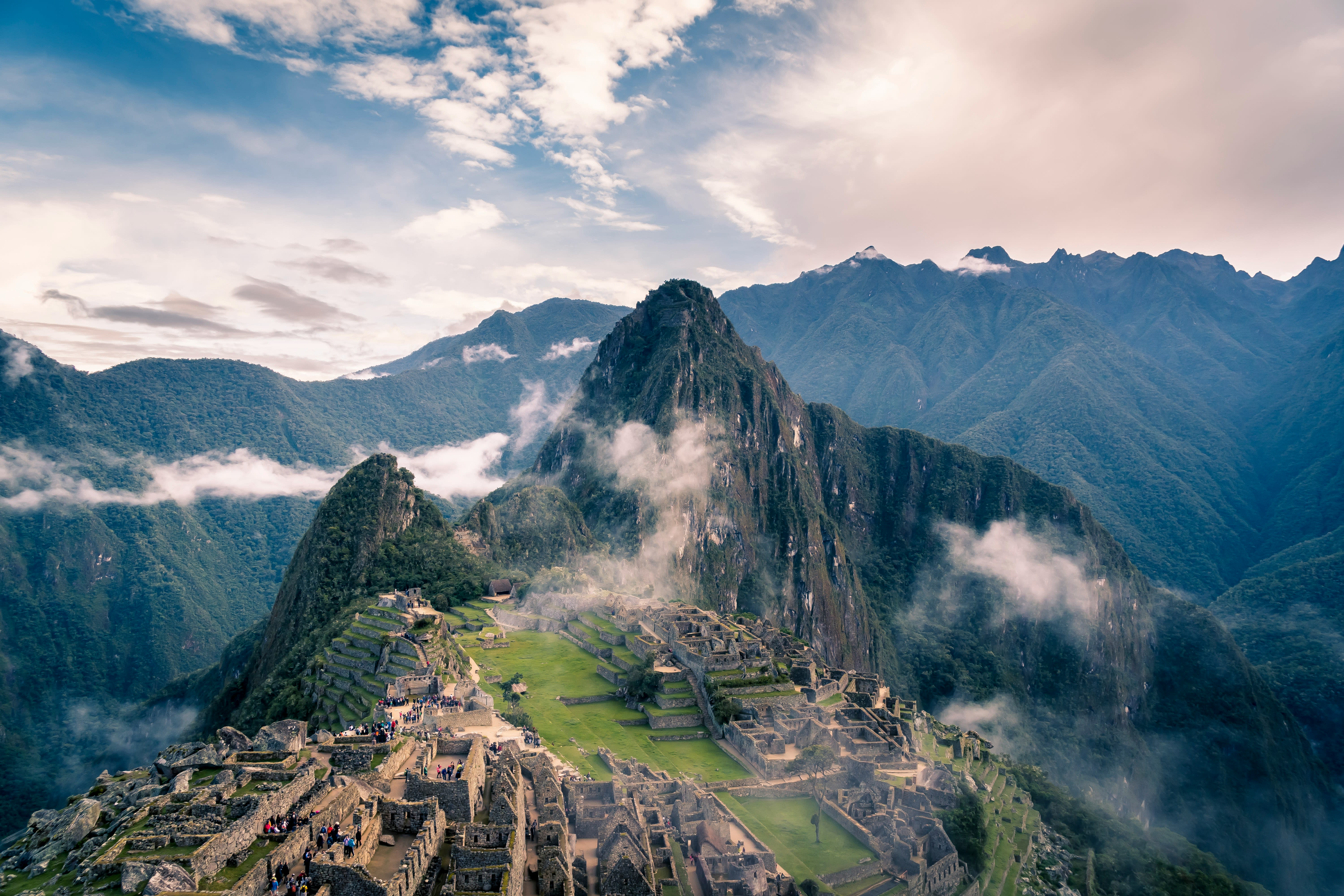
These destinations echo the wildlife encounters and sense of adventure that make Kenya so compelling, while offering fresh alternatives to nearby safari hotspots.
Ecuador: Walk among unique wildlife found nowhere else on earth in the Galápagos Islands, or wander the cobblestone streets of Quito for a dose of culture.
Peru: Combine Andean trekking and ancient history on routes to Machu Picchu with time in lodges or river cruises along the Amazon basin.
Brazil: Hike through the Amazon, witness the breathtaking Iguazu Falls, and lounge on Rio’s Copacabana Beach.
Australia: Encounter coastal wildlife on Kangaroo Island, snorkel the Great Barrier Reef, and explore cities like Sydney or Melbourne.
Costa Rica: Compact yet incredibly biodiverse, the Central American country impresses with rainforest hikes, close encounters with wildlife, and volcano landscapes.
Namibia: Dramatic desert landscapes of towering dunes at Sossusvlei, wildlife in Etosha, and the stark beauty of the Skeleton Coast for a remote and cinematic escape.