Iceland feels like a destination in constant motion, where fire and ice shape nearly every experience. Dramatic waterfalls, expansive glaciers, and black-sand beaches are landscape highlights. Reykjavík is the cultural anchor, pairing geothermal pools and walkable neighborhoods. Beyond the capital, road trips past volcanoes, glacier hiking, and watching whales breach offshore are just the start.
Days are often built around natural spectacles, whether it’s chasing the Northern Lights in winter or driving the Ring Road under the midnight sun in summer. Tours are led by expert guides who understand the terrain, and distances between sights deliver a country rich with raw landscapes and wildlife encounters for an unforgettable experience.
Need to know
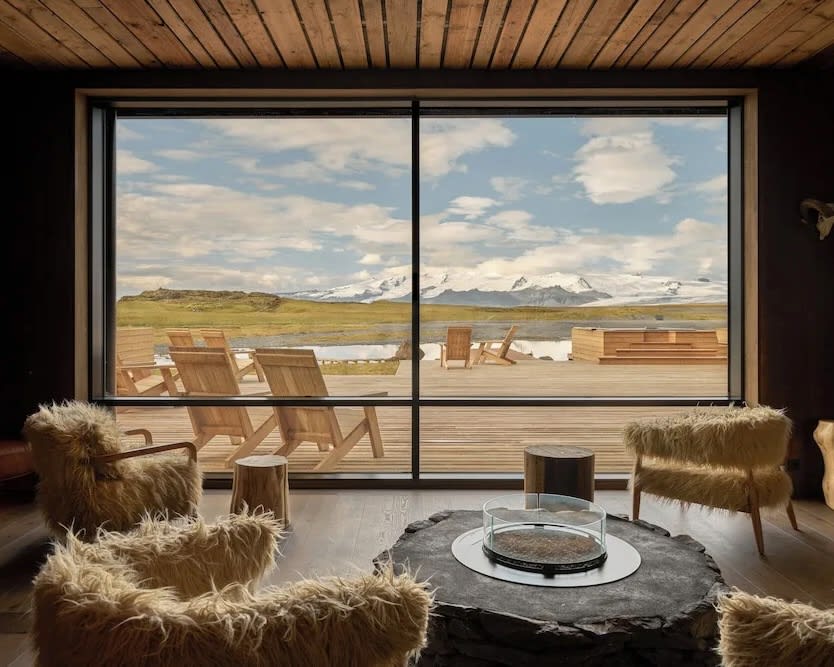
Image courtesy of Hótel Jokulsarlon - Glacier Lagoon Hotel
A little preparation goes a long way when planning a trip to Iceland. Here are some considerations to keep in mind, including the best time to visit and what to expect when you arrive.
Currency: Iceland uses the Icelandic króna (ISK), and credit cards are widely accepted almost everywhere. Tipping is not customary, as service charges are included and wages are built into pricing. Be prepared for higher costs since most goods are imported to the island nation.
Languages: Icelandic is the national language, though English is widely spoken and understood. Travelers can easily get by, but learning a few key Icelandic phrases can be helpful.
Key phrases: halló (hello), takk (thank you), vinsamlegast (please), afsakið (excuse me/sorry), hvernig hefurðu það? (how are you?), já / nei (yes / no), ég tala ekki íslensku (I don’t speak Icelandic), talar þú ensku? (do you speak English?).
Airports: Keflavík International Airport (KEF) is Iceland’s main gateway. Nonstop flights across Europe and North America are year-round, including to New York, Toronto, and Seattle. The smaller, less used Reykjavík Airport (RKV) has domestic flights Akureyri, Ísafjörður, and more.
Transportation: Reykjavik’s compact downtown is very walkable, but renting a car is the most flexible way to explore Iceland. Opt for 4WD vehicles, be prepared for unpaved F-roads, and watch out for sheep on rural routes. For quick access, domestic flights connect Reykjavik and regional airports in northern and eastern Iceland.
Best time to visit: Iceland is a year-round destination, but what you want to see and do plays a major role in timing a visit. Summer (June–August) is the warmest and busiest season, with long daylight hours, peak whale watching, and higher prices. Spring (April–May) and fall (September–October) offer fewer visitors, more moderate pricing, and a balance of daylight and darkness, though weather is very unpredictable. Winter (October–March) is best for Northern Lights viewing but comes with possible road closures and more challenging travel conditions. For wildlife, whale watching peaks April to October, while puffins appear from May to August.
Ideal length of stay: Five days is enough time to explore Reykjavik and highlights of the Golden Circle. One week or more works well for cruises and exploring further afield. Plan at least three nights for the Westfjords, while a full Ring Road road trip requires around 10 days. Reykjavik also makes a convenient stopover for flights between North America and Europe.
Signature dishes and drinks:
Hákarl: Fermented shark with a bold aroma, traditionally sampled in small bites.
Pylsur: Icelandic hot dogs made with lamb, served in a soft bun and topped with sweet mustard, remoulade, and fried or raw onions.
Skyr: Thick and creamy dairy staple similar to yogurt.
Rúgbrauð: Dense, slightly sweet rye bread baked using geothermal heat, often served with butter or smoked fish.
Kleinur: Lightly spiced, twisted fried dough pastries, similar to doughnuts.
Brennivín: Iceland’s signature caraway flavored schnapps, often referred to as Black Death and closely tied to traditional celebrations.
Kókómjólk: A rich chocolate milk found everywhere, from cafés to convenience stores.
AB-mjólk and súrmjólk: Fermented milk drinks.
Angelica tea: A mild herbal tea made from wild angelica.
What to wear: Layering is essential, with windproof outerwear, scarves, and sturdy shoes for hikes, glacier walks, and time spent in town. Smart casual fits well for refined restaurants. Waterproof footwear and warm layers are important near waterfalls, along coastal cliffs, and when weather shifts quickly.
Travel tips:
Driving: Weather changes rapidly, stay up-to-date on driving routes. Gravel damage is common, confirm car insurance coverage. Rural two-way roads can also be very narrow.
Environment: Follow ‘leave-no-trace’ principles and avoid disturbing wildlife.
Reykjavik
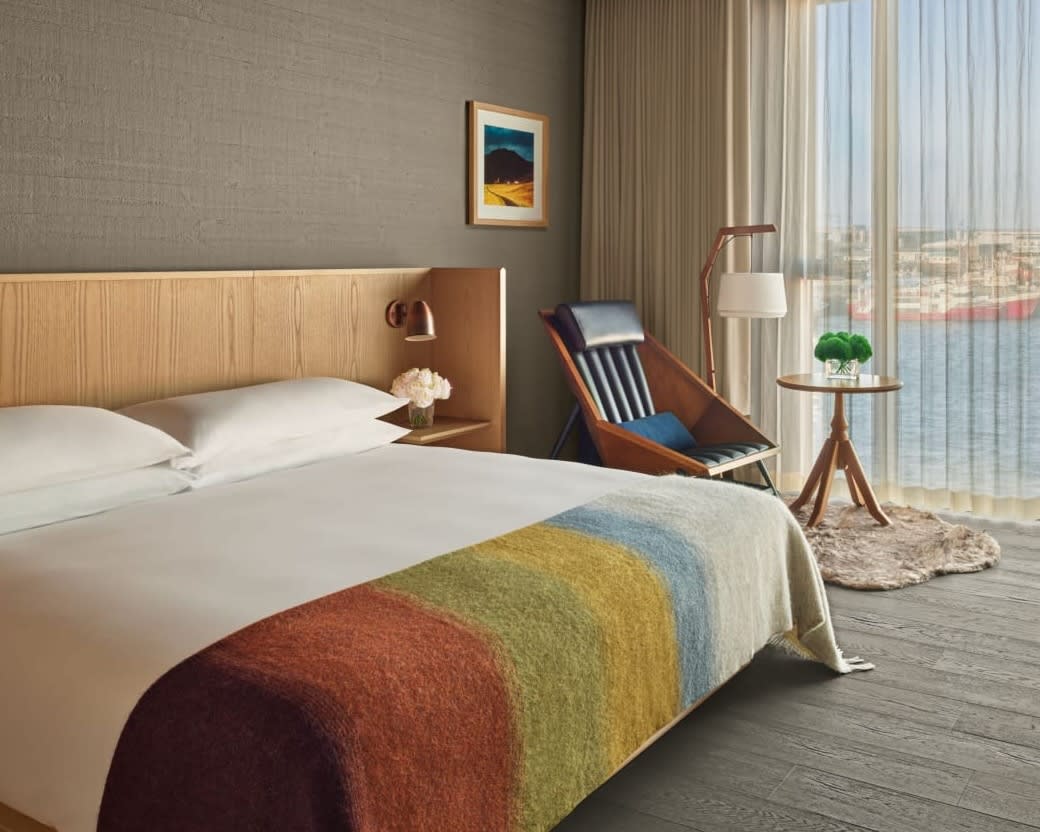
Image courtesy of The Reykjavik EDITION
Iceland’s compact capital blends modern design, colorful streets, and a thriving cultural scene. Stroll from Hallgrímskirkja church to Harpa Concert Hall, linger in shopping boutiques along Laugavegur Street, or explore the old harbor for seafood. The city serves as a hub for excursions across the country while offering a lively urban base with art, dining, and nightlife.
Where to stay
The Reykjavik EDITION: Modern sophistication meets Icelandic charm in the heart of the city. Design-forward rooms, striking communal spaces, and rooftop views complement refined dining and attentive service, making it an ideal base for Reykjavik’s culture and nightlife.
Fora’s Marriott STARS partner perks include a $100 hotel credit, welcome amenity, daily breakfast, an upgrade, and extended check-in/out whenever possible.
Hotel Borg by Keahotels: Iconic Art Deco elegance overlooking Austurvöllur Square. Stylish rooms, a refined restaurant, and curated interiors pay homage to Reykjavik’s history, while the central location puts cultural landmarks, cafés, and galleries within easy reach.
Grandi by Centers Hotel: Contemporary comfort in the creative heart of the Grandi Harbor District. Modern rooms, a relaxed atmosphere, and proximity to art spaces, chocolate shops, and waterfront dining make it a convenient and stylish choice.
Western Iceland
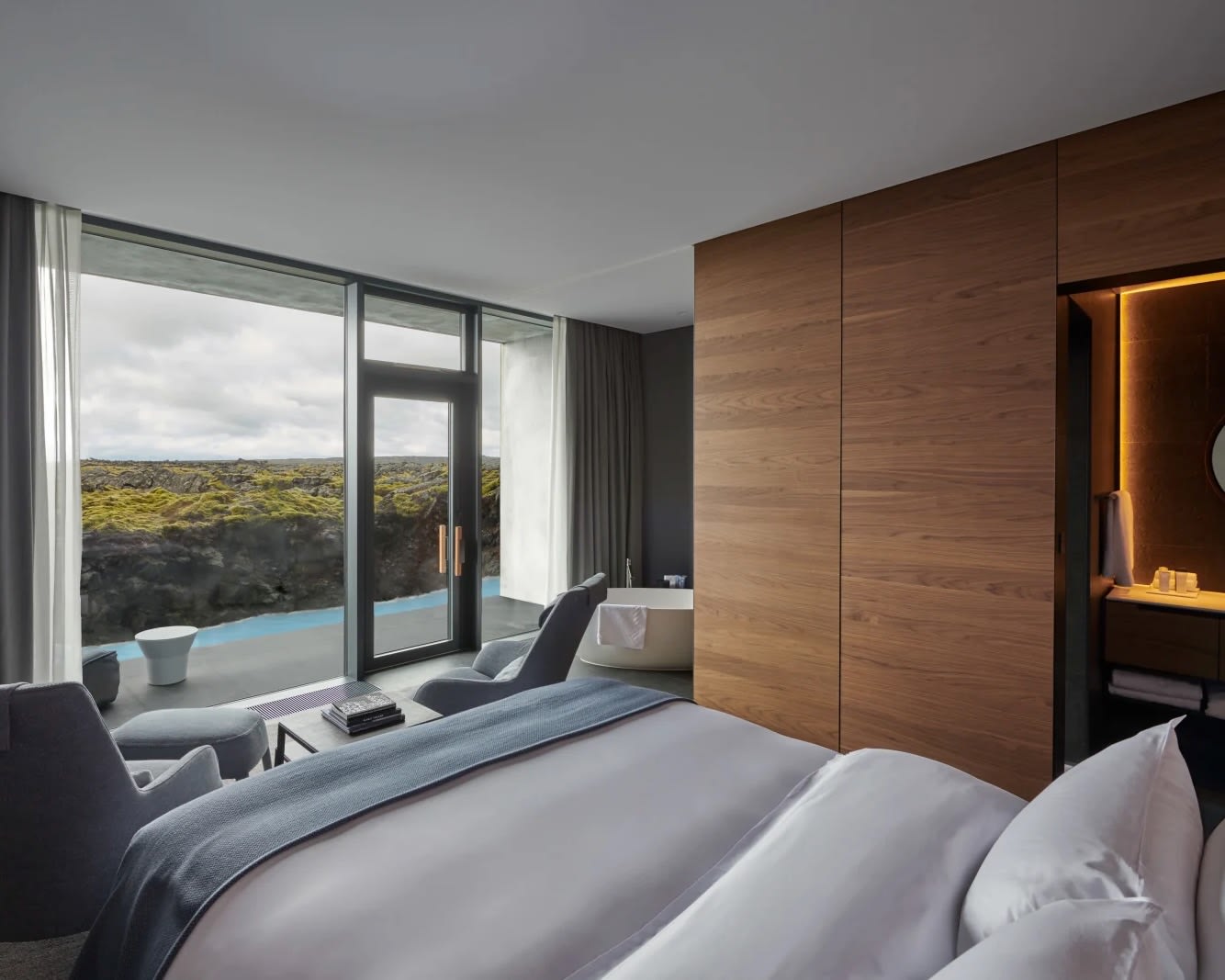
Image courtesy of The Retreat at Blue Lagoon
Rugged coastlines, dramatic cliffs, and remote villages define this region. Explore the Golden Circle’s natural highlights from Þingvellir to Geysir and Gullfoss. Venture to the Westfjords for towering bird cliffs, thundering waterfalls, and quiet red-sand beaches. It’s a haven for hikers, wildlife enthusiasts, and travelers seeking off-the-beaten-path Icelandic landscapes.
Where to stay
The Retreat at Blue Lagoon (Grindavik): Secluded sanctuary above iconic geothermal waters, offering striking modern suites with private lagoon access. World-class spa experiences, immersive wellness rituals, and refined dining make it a transformative escape.
ION Adventure Hotel, a Member of Design Hotels (Nesjavellir): Bold, design-driven lodging amid lava fields and geothermal vistas. Contemporary rooms and striking architecture complement adventure-focused experiences, from hiking glaciers to Northern Lights viewing.
Hótel Búðir (Búðir): Romantic, boutique retreat on the Snaefellsnes Peninsula. Elegant rooms, a famed restaurant, and dramatic ocean views create an intimate setting for slow coastal walks and immersive Icelandic landscapes.
Eastern Iceland
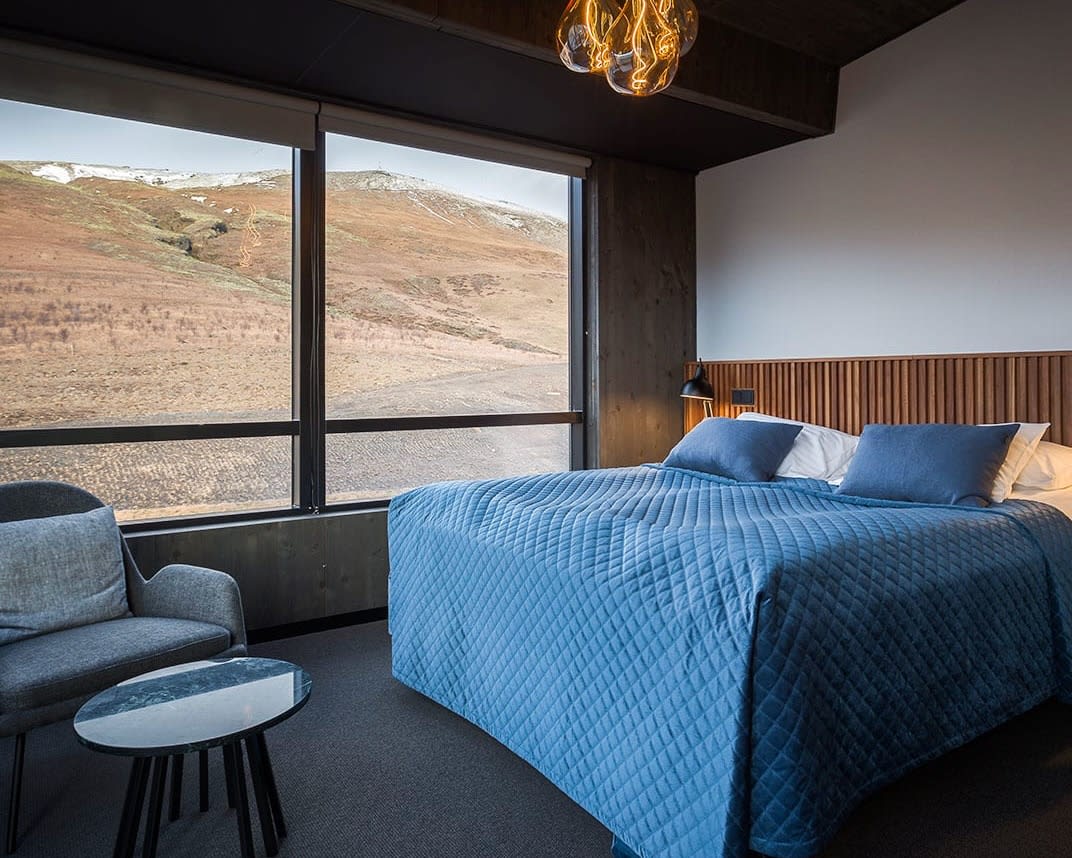
Image courtesy of Fosshotel Glacier Lagoon
Quiet fjords, artistic villages, and rugged landscapes define this corner of the country. Seydisfjordur’s colorful houses and ferry links evoke maritime charm, while Djúpivogur features unique sculptures and Egilsstaðir serves as a regional hub. Reindeer sightings, winding coastal roads, and secluded natural beauty reward travelers willing to explore slowly.
Where to stay
Hótel Jokulsarlon - Glacier Lagoon Hotel (Reynivellir): Cozy, modern lodge just steps from the iconic Jökulsárlón glacier lagoon. Minimalist rooms, an intimate setting, and friendly service make it an ideal base for nature-focused travelers.
Fosshotel Glacier Lagoon (Öræfi): Contemporary, design-forward hotel offering spacious rooms, panoramic windows, and refined amenities. Guided glacier tours, hiking, and wildlife excursions create a comfortable yet adventurous Icelandic retreat.
Southern Iceland
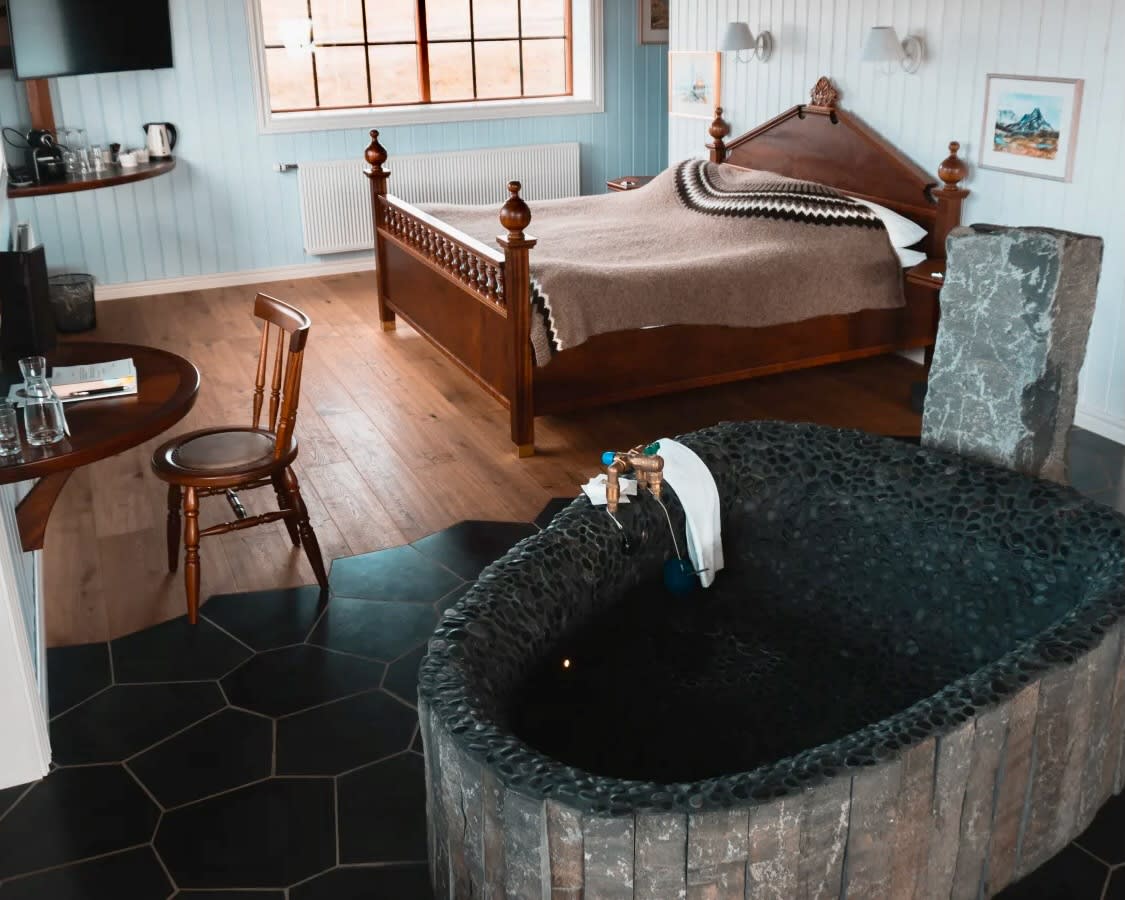
Image courtesy of Hotel Rangá
Iconic waterfalls, black-sand beaches, and glacial landscapes dominate this region. Visit Skogafoss, Reynisfjara, and Vatnajökull National Park, where ice caves, glaciers, and canyons offer immersive outdoor adventures. Puffin colonies, whale-watching excursions, and hiking trails make it one of the country’s most accessible and dramatic areas.
Where to stay
Hotel Rangá (Hella): Luxe countryside lodge celebrated for its exceptional Northern Lights viewing, elegant rooms, and personalized service. Rustic-chic interiors, gourmet dining, and curated excursions make it a refined base for exploring southern Iceland.
Fora’s withIN by SLH partner perks include a hotel credit, daily breakfast, an upgrade, and extended check-in/out whenever possible.
UMI Hotel (Hvolsvöllur): Modern, design-focused retreat blending comfort with Icelandic charm. Spacious rooms, attentive service, and easy access to nearby natural wonders make it an ideal stop for travelers seeking convenience and understated sophistication.
Fora Perks include a $100 spa credit, welcome amenity, an upgrade, and extended check-in/out whenever possible.
Cruising to and around Iceland
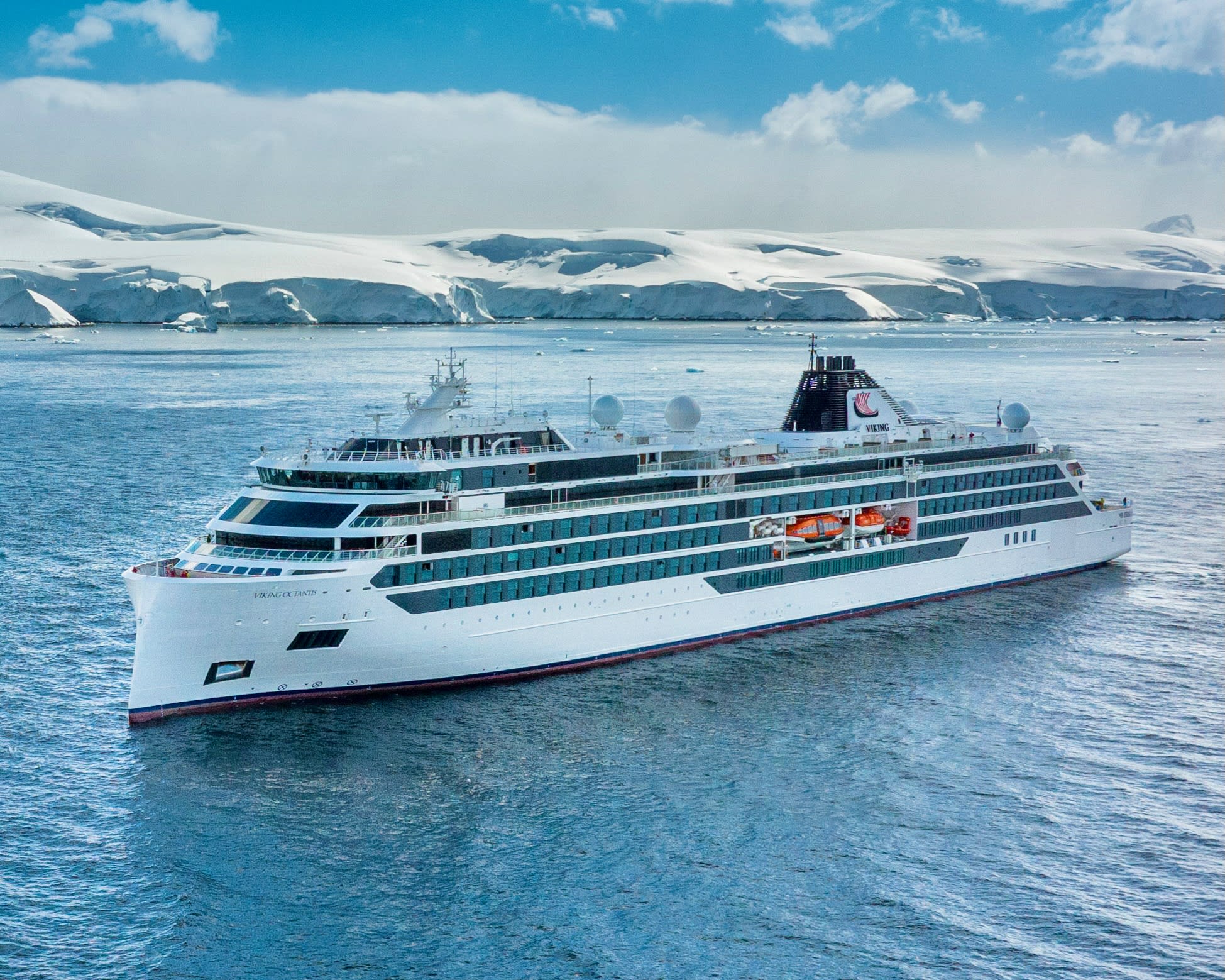
Image courtesy of Viking Cruises
Cruises to and around Iceland operate year-round, with seasonal peaks in summer for calmer seas and wildlife sightings. Expedition-style voyages are common, offering immersive experiences along the coastline. Weather often dictates port changes, and smaller ships provide access to remote harbors while larger vessels focus on main ports. Many stops require tendering, and small-town tours can fill quickly, so early booking is essential. Pairing a cruise with a land extension allows travelers to experience Iceland beyond the coast.
Popular itineraries
Circumnavigation: A complete loop around the island, calling on ports in the Westfjords, North, East, and South. Expect dramatic coastlines, volcanic landscapes, and small towns, with opportunities for whale watching, hiking, and cultural exploration.
Arctic: Expedition style itineraries that pair Iceland with Greenland or Svalbard. Sail past towering icebergs, remote fjords, and wildlife rich waters, with landings by Zodiac and expert led excursions focused on nature, science, and polar history.
Northern Europe: Broader itineraries linking Iceland with Norway’s fjords, the Scottish Highlands, and Northern European capitals. These sailings balance wild scenery with historic cities, offering a contrast between rugged landscapes and cultural landmarks.
Common ports of call
Reykjavik: Iceland’s capital offers a mix of city life, urban life, and natural wonders like easy access to the Golden Circle and the geothermal Blue Lagoon.
Akureyri: Known as Iceland’s “second city,” it serves as a gateway to Lake Mývatn, Goðafoss, and Dettifoss waterfalls.
Heimaey, Westman Islands: A small volcanic island featuring seasonal puffin colonies, dramatic lava fields, and unique geological landscapes.
Ísafjörður: The largest town in the remote Westfjords, offering access to fjords, Dynjandi waterfall, and hiking rugged landscapes.
Húsavík: Iceland’s whale watching capital, with one of the highest sighting rates in the country, or relax in the GeoSea geothermal baths.
Djúpivogur: A serene Eastfjords village known for scenic coastal drives, reindeer sightings, and the Eggin í Gleðivík outdoor sculpture installation.
Notable cruise lines
Viking Cruises: An adults only, culturally focused line known for elegant Scandinavian design, destination driven itineraries, and included shore excursions.
Fora Perks include up to $200 onboard credit per stateroom on select departures.
Hurtigruten (HX): A pioneer of expedition cruising with small, purpose built ships focused on sustainability, science led exploration, and access to remote destinations.
Celebrity Cruises: A modern premium line offering refined design, diverse dining, and thoughtfully curated shore experiences.
Fora Perks include up to $200 onboard credit per stateroom on select sailings.
History and culture
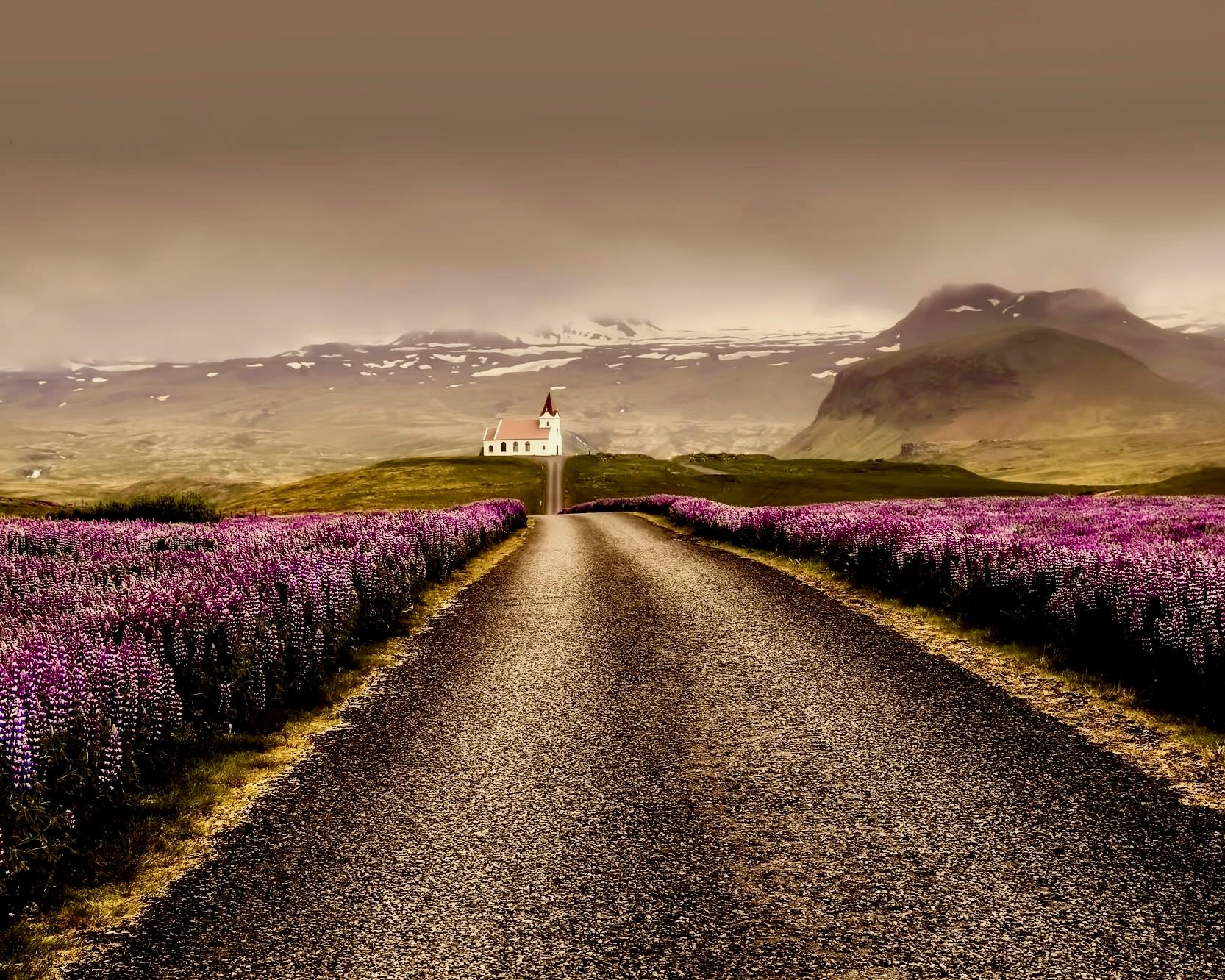
Iceland’s story begins in the late 9th century, when Norse settlers arrived on the uninhabited shores. In 930, they established the Alþingi at Þingvellir, marking one of the world’s oldest parliamentary institutions whose laws still anchor the nation’s identity. Medieval sagas, written centuries later, preserve tales of explorers, feuds, and everyday life, influencing Icelandic storytelling today. Christianity arrived around the year 1000 through a peaceful decision at the Alþingi, with Lutheran traditions later shaping the country’s religious landscape. Folk beliefs also endure, including a widespread respect for huldufólk, or hidden people, which still informs how land and construction are approached. Travelers encounter this layered history in turf houses, coastal churches, and cultural landmarks that connect Iceland’s past with its quietly modern present.
Cultural celebrations and events
Þorrablót (January/February, nationwide): Traditional midwinter festival celebrating Icelandic heritage foods with feasts, folk songs, and playful competitions.
Winter Lights Festival (February, Reykjavik): Illuminations, art installations, and performances brighten the long winter nights.
National Day (June 17, nationwide): Iceland celebrates independence with parades, music, and family-friendly events.
Sónar Reykjavik Music Festival (June, Reykjavik): Eclectic festival of electronic and experimental music from both local and international artists.
Reykjavik Pride (August, Reykjavik): Iceland’s largest LGBTQ+ festival with parades, concerts, and colorful citywide celebrations.
Iceland Airwaves (November, Reykjavik): Premier music festival highlighting emerging artists across genres hosted in bars, theaters, and pop-up spaces.
What to do in Iceland
Reykjavik
Golden Circle: Drive the classic loop from Reykjavík, stopping at the Þingvellir National Park, Geysir Geothermal Area, and ending at the thundering Gullfoss Waterfall.
Reykjavík Old Harbor: Experience the city’s maritime side with working docks, whale watching boats, and seafood cafés that have views across the bay.
Hallgrímskirkja: Visit Reykjavík’s iconic landmark, inspired by basalt columns, and ride the elevator to the top for sweeping views over the city and coastline.
Museums: Explore Icelandic history, creativity, and contemporary design at the National Museum of Iceland or the Reykjavík Art Museum.
Laugavegur Street: Wander the city’s main corridor for Icelandic goods, contemporary galleries, and quaint cafés.
Kolaportið flea market: Browse vintage clothing, local snacks, and artisanal products for souvenirs with a distinctly Icelandic feel, especially lively on weekends.
Western Iceland
Geothermal lagoons: Soak in Iceland’s bathing culture, from the famous Blue Lagoon near the airport to Sky Lagoon, with ocean views and a slower, more local vibe.
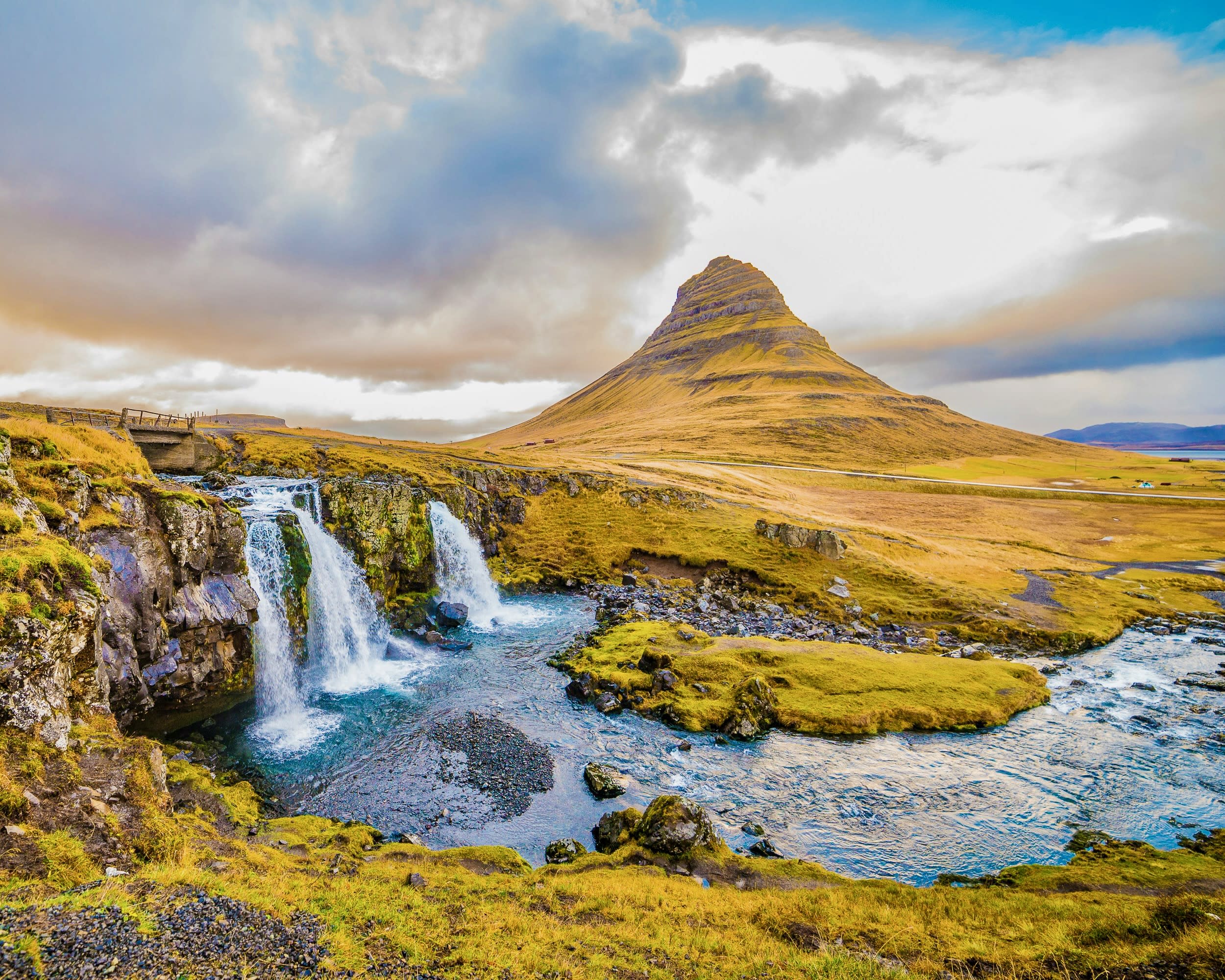
Snæfellsnes Peninsula: Drive a landscape that shifts each mile. Photograph Kirkjufell, walk coastal paths in Hellnar, and cross the black pebbles of Djúpalónssandur Beach.
Borgarfjörður: Stop in Reykholt for medieval history, see the unique ‘Lava Falls’ of Hraunfossar, and stand close to the powerful hot spring at Deildartunguhver.
Húsafell and Langjökull: Use the Húsafell estate as a base and go ‘Into the Glacier,’ an ice tunnel carved deep within Langjökull.
Þríhnúkagígur: Descend by lift into the vast magma chamber of a dormant volcano and one of Iceland’s most unusual experiences.
Westfjords: Venture into Iceland’s most remote region. Stay in Ísafjörður, hike Hornstrandir in search of Arctic foxes, walk the tiered cascades of Dynjandi, spot puffins at Látrabjarg Cliffs, and end on the red and gold sands of Rauðasandur Beach.
Eastern Iceland
Jökulsárlón Glacier Lagoon: Board a Zodiac and weave between drifting icebergs for close views of the glacier as it calves into the lagoon.
Seyðisfjörður: Wander a small fjord town known for its brightly painted houses, independent galleries, and creative energy.
Djúpivogur: Stroll along the waterfront to see the Eggin í Gleðivík sculptures, an outdoor installation of stone eggs representing native bird species.
Fáskrúðsfjörður: Step into Iceland’s French fishing past through preserved buildings and compact museums that tell the story of life along the eastern fjords.
Lagarfljót Lake: Drive along the legendary lake surrounded by forests and farmland that Icelandic folklore says contains a lake monster.
Reindeer: Spot Iceland’s wild reindeer grazing the hills, found exclusively in the east.
Southern Iceland
Skógafoss: Stand at the base of this wide, misty waterfall or climb the steps alongside it for expansive views across the southern plains and toward the coast.
Reynisfjara Beach: Walk the black sand shoreline framed by basalt columns, crashing Atlantic waves, and the dramatic Reynisdrangar sea stacks rising offshore.
Vatnajökull National Park: Explore glacial tongues and ice-carved canyons, or join a guided blue ice cave tour in winter for an otherworldly look beneath the glacier.
Glacier adventures: Hike across Sólheimajökull or Svinafellsjökull, or cross Mýrdalsjökull by snowmobile for a fast-paced view of Iceland’s icy interior.
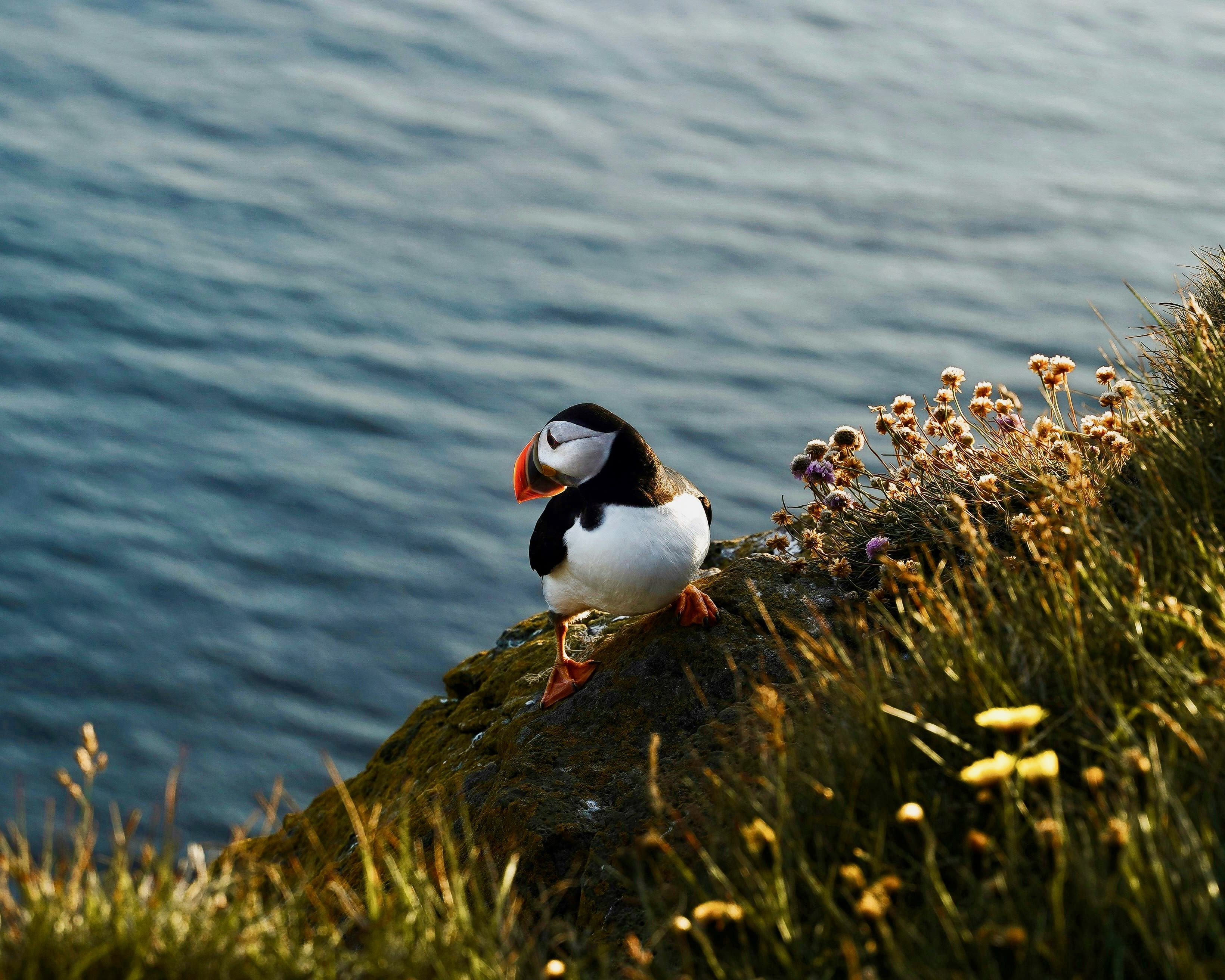
Wildlife: Join seasonal whale-watching tours from coastal towns, and visit the Westman Islands between May and August to see Iceland’s largest puffin colony.
Where to eat in Iceland
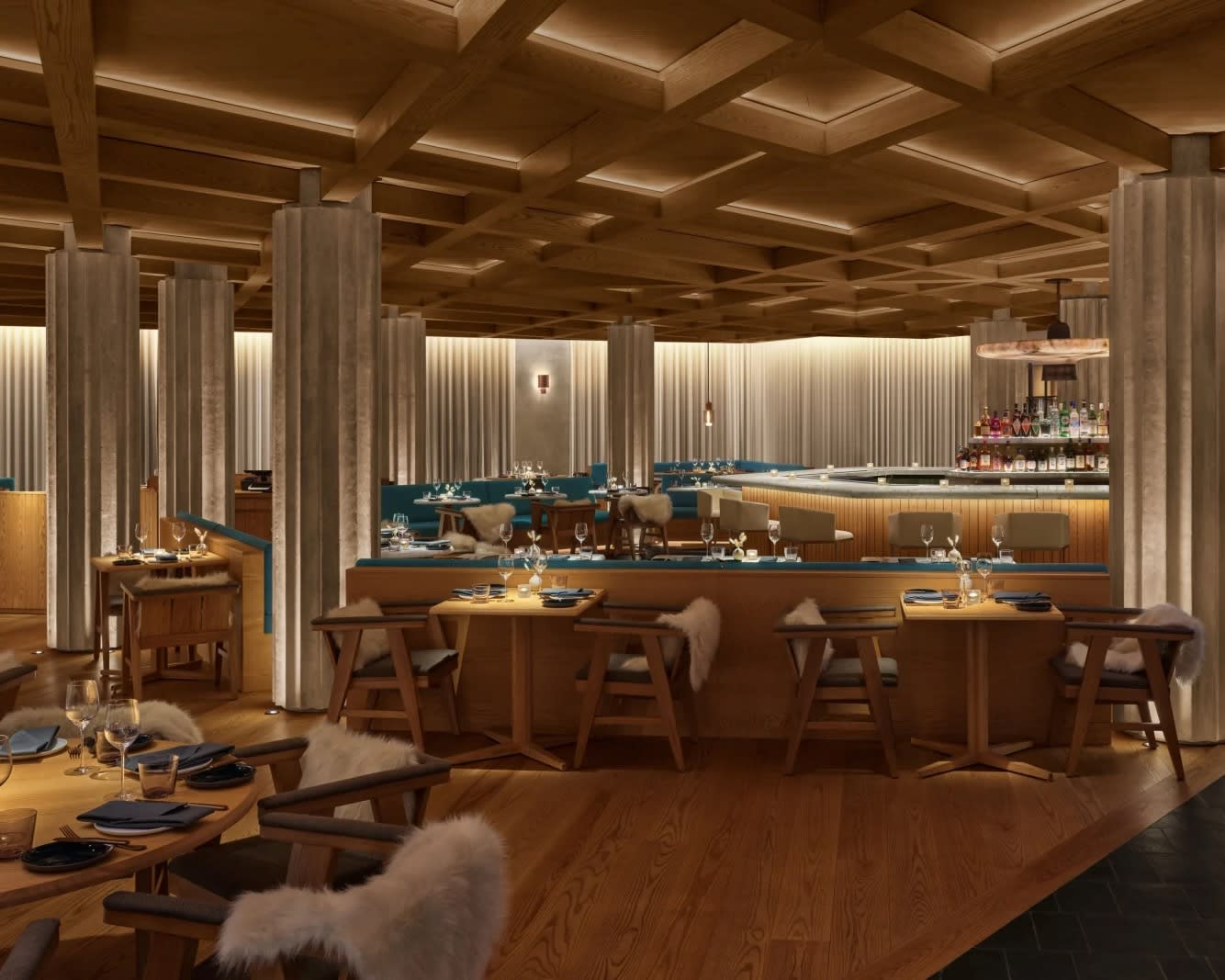
Image courtesy of Tides Restaurant at The Reykjavik EDITION
Iceland’s dining scene reflects its landscape—rooted in tradition, shaped by the elements, and elevated by a modern, chef-driven approach.
Reykjavik
Bernhöftsbakarí: Historic bakery known for its tangy sourdough, fresh pastries, and cozy, local charm.
Dill: Iceland’s first Michelin-starred restaurant, offering a carefully curated tasting menu that emphasizes seasonal, hyper-local ingredients.
ÓX: Small and intimate, this innovative restaurant blends modern techniques with Icelandic ingredients for a refined dining experience.
Tides Restaurant at The Reykjavik EDITION: Contemporary flavors served in a stylish setting, with an emphasis on locally inspired dishes.
Fish Market (Fiskmarkaðurinn): Creative Icelandic-Asian fusion in a sleek, modern space, highlighting fresh seafood and bold flavors.
Apótek: Housed in a former pharmacy, this elegant bistro blends Nordic and European influences in a distinctive setting.
Messinn: Casual yet classic, specializing in pan-fried fish dishes at approachable prices.
Snaps: A French-Icelandic bistro pairing rustic flavors with polished presentation.
Bæjarins Beztu Pylsur: Reykjavik’s iconic hot dog stand since 1937, famous for “one with everything” topped with ketchup, mustard, fried onions, and remoulade.
Outside Reykjavik
Friðheimar (Golden Circle): A greenhouse restaurant specializing in fresh, sun-ripened tomatoes and tomato-focused dishes in a unique farm setting.
Rub23 (Akureyri): Contemporary seafood restaurant highlighting local catches through bold flavors and inventive preparations.
Vogafjós Farm Resort (Mývatn): Farm-to-table dining with rustic charm, panoramic views of cows grazing, and hearty Icelandic fare.
Restaurant at Hótel Búðir (Búðir): Worth the journey, this coastal spot combines dramatic scenery with refined, locally sourced dishes.
Trips to add on
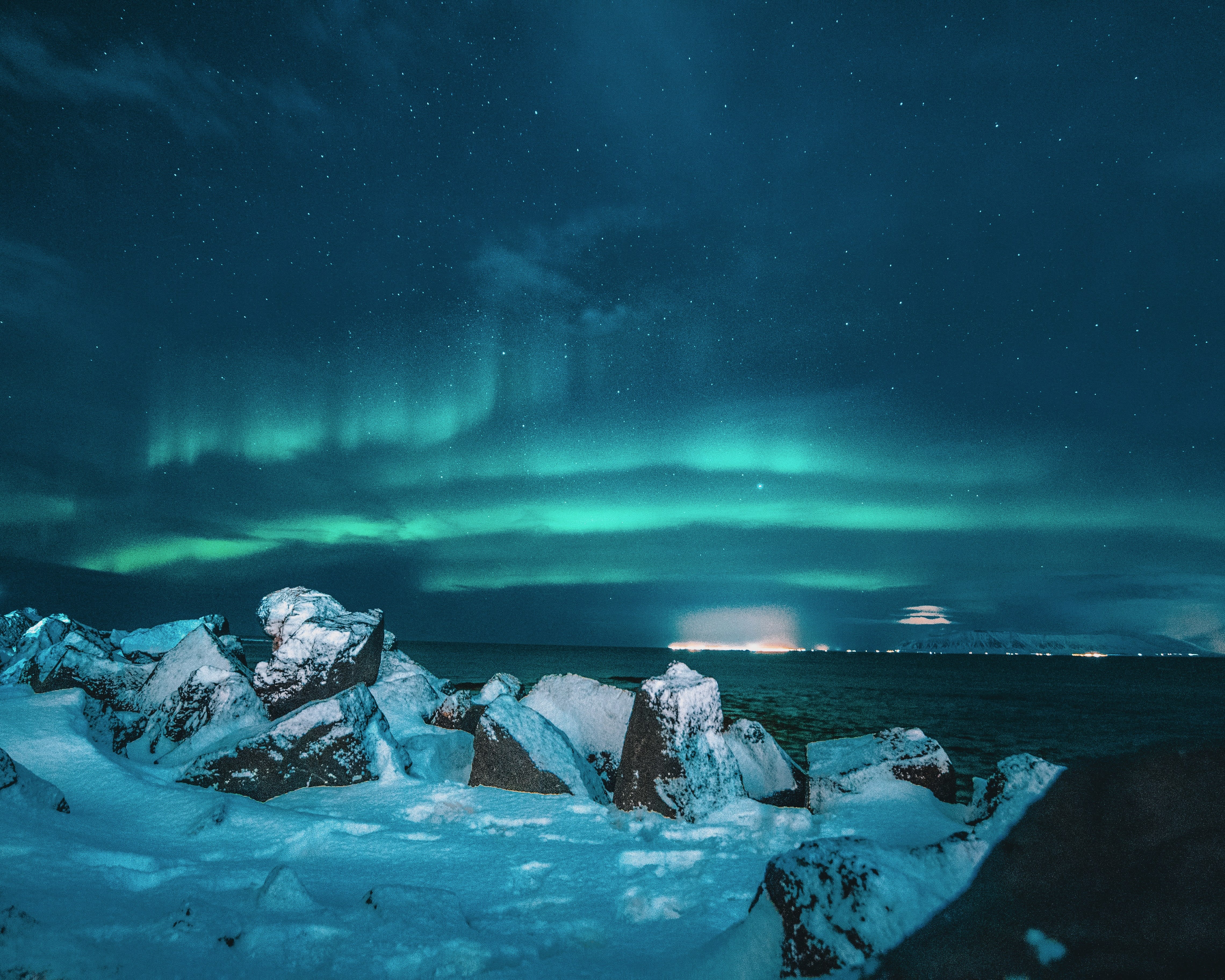
Extend an Iceland itinerary by air or with a cruise add-on into the Arctic, to faraway fjords, or historic cities in mainland Europe.
Greenland (2–3 hour flight): Stark, sweeping landscapes and cultural immersion. Nuuk offers a glimpse into contemporary life, and Greenlandic history in Qaqortoq. Cruising the remote Prince Christian Sound and Ilulissat’s UNESCO-listed iceberg-filled Icefjord are highlights.
Norway (2–3 hour flight): Natural wonder and cultural richness. Explore Oslo’s museums, enjoy Bergen’s waterfront dining, or see the Northern Lights in Tromsø. Sail past waterfalls in Geirangerfjord or unforgettable landscapes in the country’s longest fjord, Sognefjord.
United Kingdom (2–3 hour flight): Blend rugged mountains and scenic vistas in the Scottish Highlands. Head to Edinburgh for historic architecture and literary heritage. Further south is London, coupling easy flight connections with museums, theatre, and iconic landmarks.
Svalbard (7-hour flight): A remote Arctic archipelago where polar bears roam and glaciers dominate the horizon. Adventure-focused travelers can enjoy wildlife excursions, snowmobile tours, and rugged landscapes that feel untouched and vast.
If not Iceland…
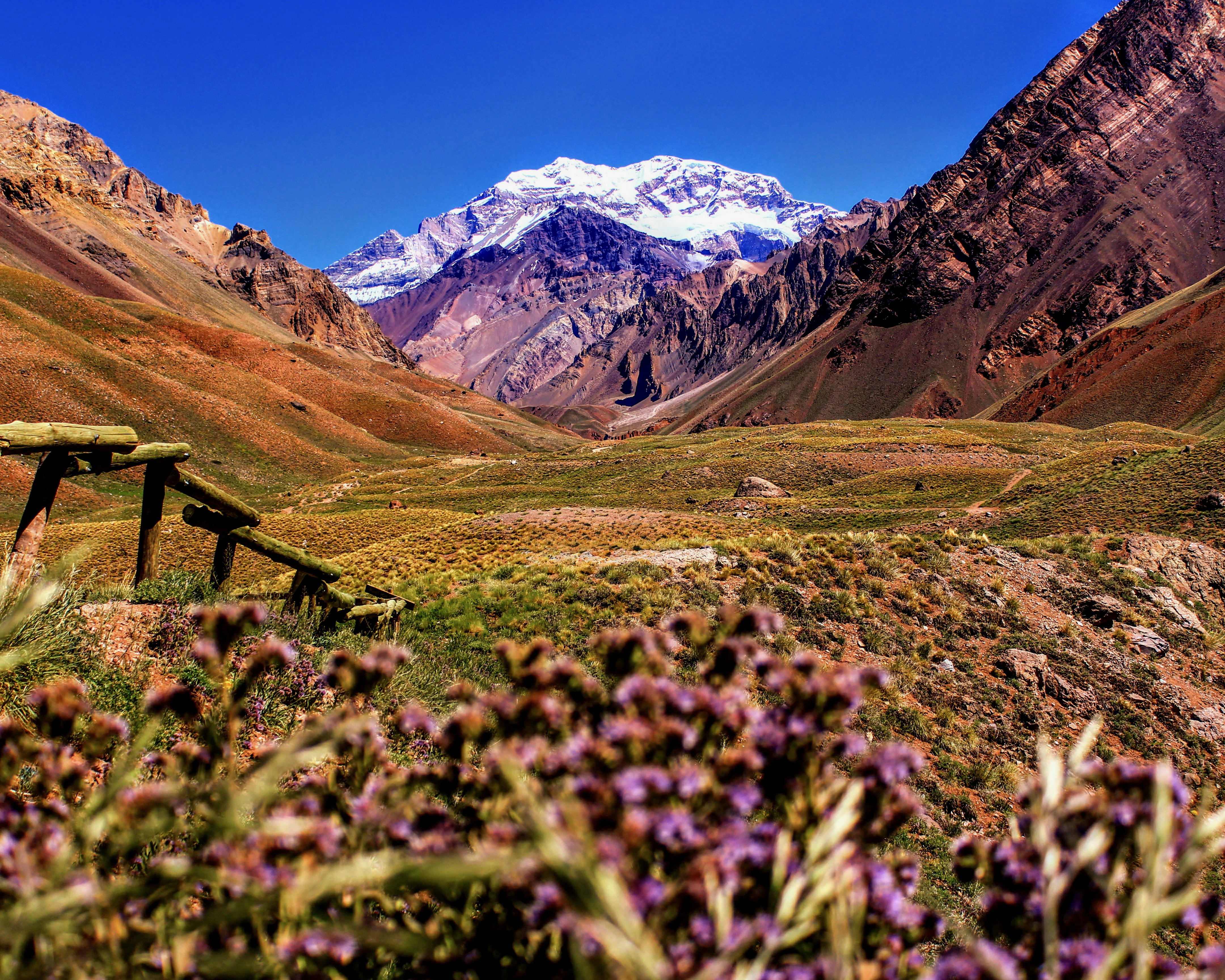
Echoing Iceland’s raw beauty, dramatic landscapes, and immersive nature, these destinations offer a different expression of wild, elemental travel.
New Zealand: Volcanic peaks, glacier-carved fjords, and rolling green valleys create a landscape made for road trips, outdoor adventure, and fjord cruises.
Antarctica: The ultimate frontier, defined by icebergs, wildlife encounters, and vast silence. Expedition cruises deliver zodiac landings, penguin colonies, and otherworldly scenery.
Faroe Islands: Wind-swept cliffs, grass-roofed villages, and a moody atmosphere. Remote and quietly striking, the Faroes appeal to landscape lovers and for something less traveled.
Alaska, USA: Glaciers calving into icy fjords, towering mountains, and abundant wildlife. Cruise or overland routes reveal national parks, frontier towns, and a scale of untamed nature.
Patagonia (Chile and Argentina): Sharp peaks, expansive steppe, and electric-blue glaciers at the edge of the world for hikers and nature lovers.