Every November 1 and 2, Mexico celebrates Día de Muertos (Day of the Dead), a vibrant tradition filled with color, fragrance, and flavor, honoring loved ones who have passed on. The belief is that, for a few hours, their spirits return to spend time with their families once again.
Recognized by UNESCO as Intangible Cultural Heritage of Humanity, Día de Muertos blends ancient pre-Hispanic beliefs with Catholic customs, creating unique rituals that vary from region to region. From marigold-covered altars to cemeteries illuminated by thousands of candles, it’s a deeply moving experience that draws travelers from all over the world.
This guide will show you how to experience the celebration like a local—exploring its history and meaning, the best places to visit, the must-see events, and the seasonal flavors that make this time of year so special.
About the Day of the Dead tradition
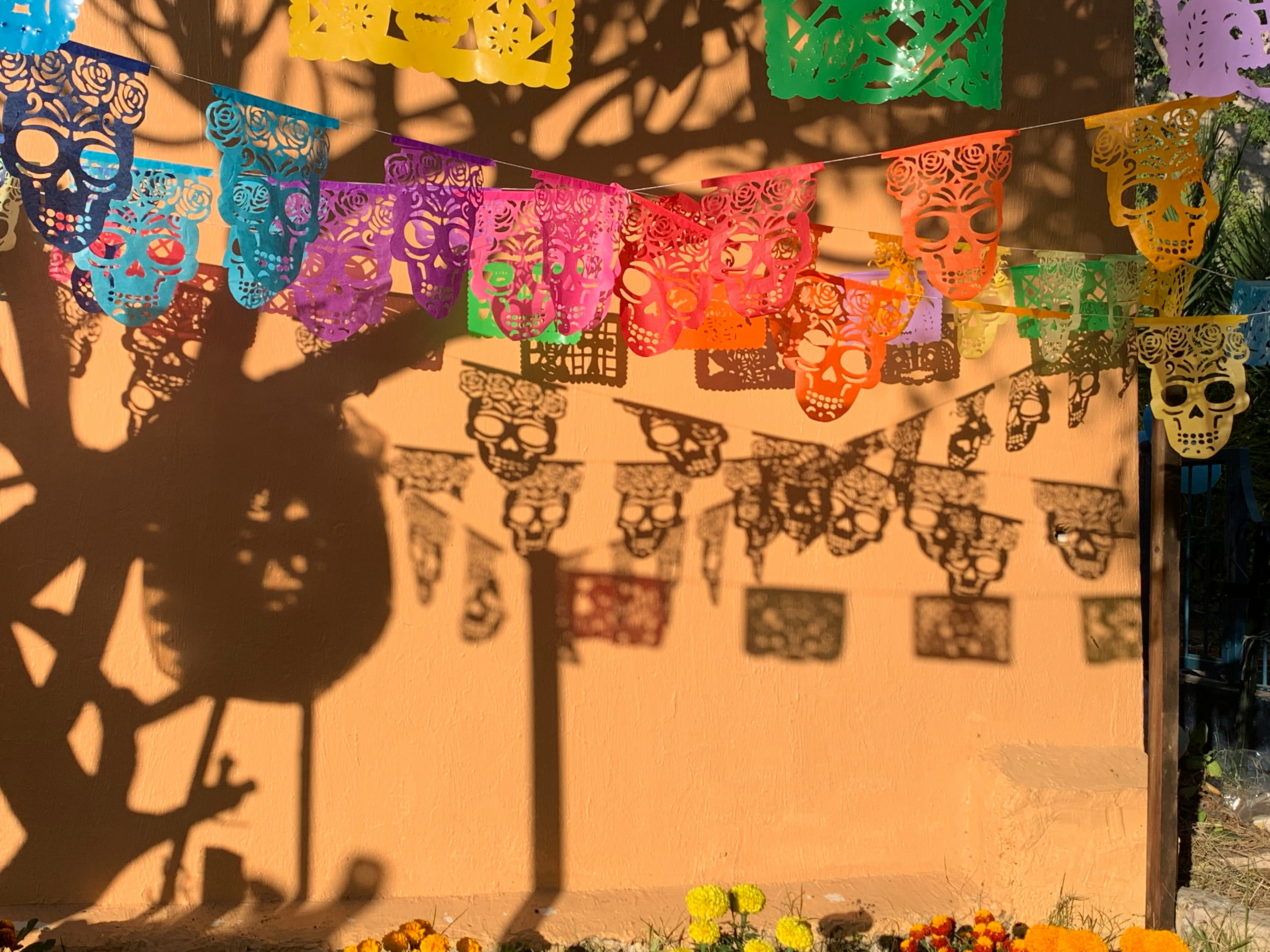
If you’re looking to understand Mexico at its deepest level, Día de Muertos is a window into the country’s soul. It’s more than just a holiday—it’s a cultural expression that spans more than three thousand years, where Indigenous beliefs and Catholic faith intertwine in a unique mosaic of rituals and symbolism.
Before the arrival of the Spanish, Indigenous communities saw death not as an ending, but as another step in the cycle of life—a passage into different realms where ancestors continued to exist in harmony with the living. This worldview gave rise to ceremonies filled with color and meaning: altars decorated with flowers, food, and personal items meant to guide the souls of loved ones home.
With the Spanish conquest, these rituals merged with the Catholic calendar’s All Saints’ Day and All Souls’ Day. Yet what makes Día de Muertos so remarkable is that there isn’t just one way to celebrate it. Each region of Mexico brings its own traditions to life—in some towns, cemeteries glow with thousands of candles; in others, family altars become true works of art. In many Indigenous communities, the festivities last for several days, blending music, dance, and special foods prepared only for this time of year.
To travel during this season is to experience much more than a spectacle—it’s to take part in a dialogue between past and present, between memory and life itself. It’s to witness how Mexico celebrates death as a joyful reaffirmation of the beauty of being alive.
Note: While Pátzcuaro in Michoacán is often considered the heart of the Día de Muertos tradition, it’s not currently recommended to visit. Instead, consider exploring other regions that offer greater accessibility and safety while still capturing the true spirit of the celebration.
Day of the Dead in Mexico City
What to see & do
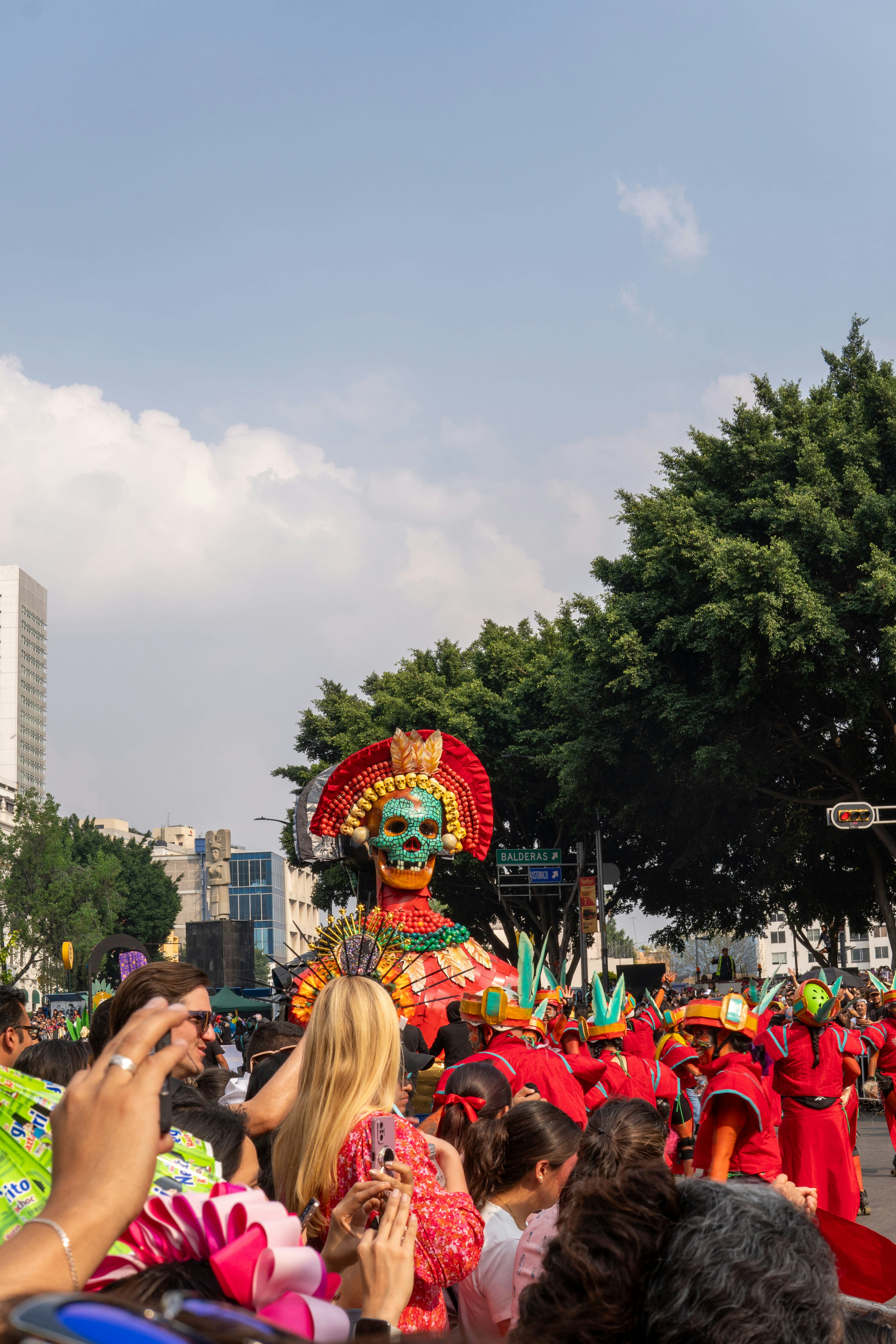
If you’re looking for grand parades, world-class urban performances, and intimate corners of tradition all in one place, Mexico City is the perfect choice. Here, Día de Muertos comes to life in both spectacular and personal ways—from the massive procession of color and music along Paseo de la Reforma to the more traditional celebrations in neighborhoods like Mixquic and on the canals of Xochimilco.
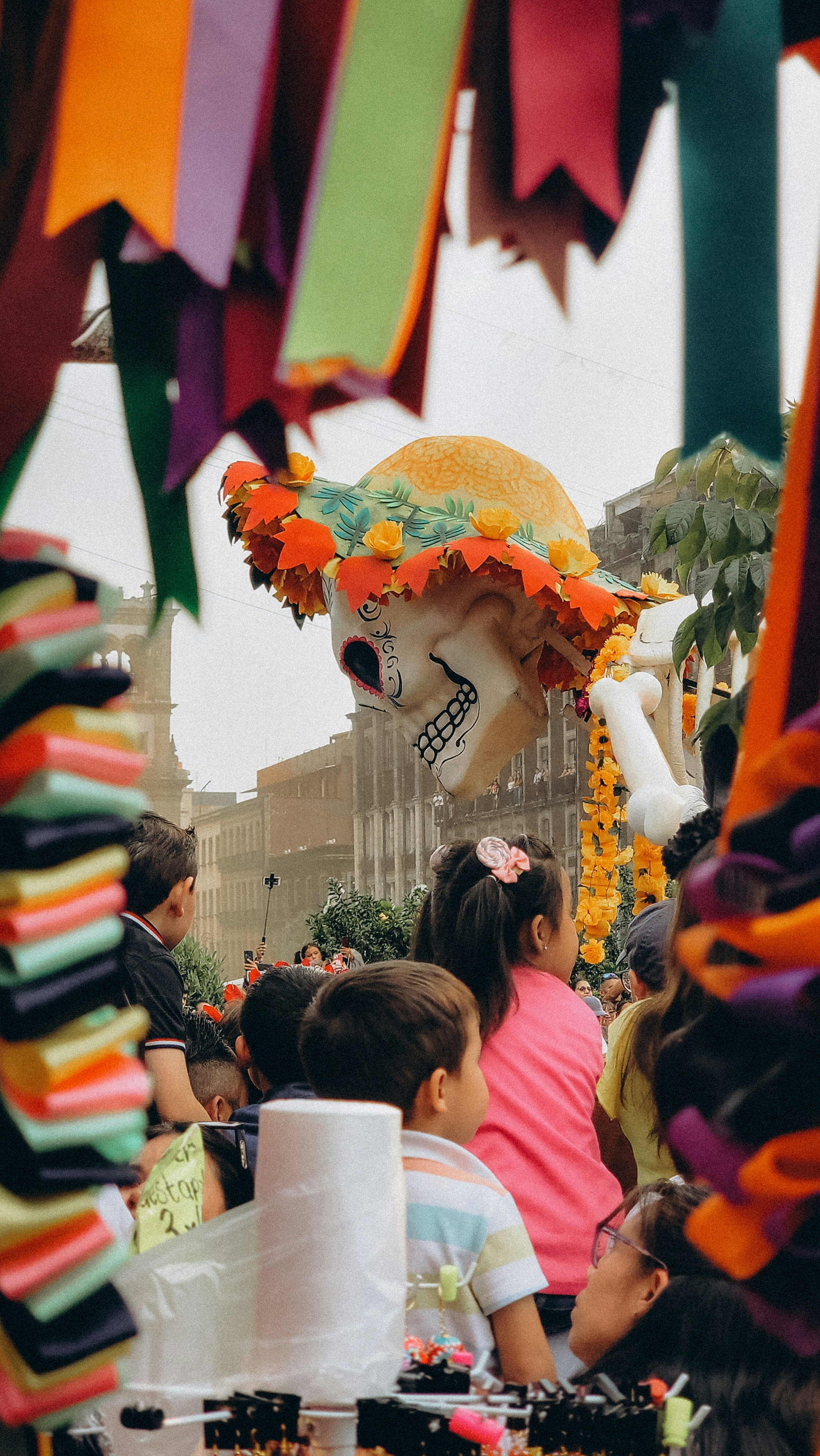
Día de Muertos Parade (Paseo de la Reforma): Created less than a decade ago, this lively procession has quickly become one of Mexico’s most-watched events, featuring floats, towering catrinas, live music, and dance.
Mega Ofrenda at the Zócalo: Installed each year in the city’s historic main square, this large-scale altar changes themes annually and brings together artists, artisans, and families.
Xochimilco – “La Llorona”: A nighttime theatrical and musical performance staged on traditional trajineras (boats), blending pre-Hispanic legends with dance and live music—a hauntingly beautiful experience.
Mixquic (Tláhuac): A UNESCO World Heritage site and one of the most traditional Día de Muertos destinations. During La Alumbrada, thousands of candles light up the local cemetery in a moving tribute to departed loved ones.
What to eat
Pan de muerto: Sweet bread topped with sugar and shaped to resemble bones.
Atole: A warm, thick maize drink flavored with chocolate, vanilla, or fruit.
Tamales: Corn dough filled with meats or vegetables, wrapped in husks, and steamed.
Mole: A rich sauce of chiles, chocolate, and spices, traditionally served with chicken or turkey.
Sugar skulls: Brightly decorated candies in the shape of skulls.
Pozole rojo: A hearty stew made with hominy, pork or chicken, and red chiles.
Where to stay
Andaz Condesa Mexico City: Located in the lively Condesa neighborhood, just two miles from the famous parade route on Paseo de la Reforma, this sleek high-rise hotel pairs bold, modern design with a relaxed, pet-friendly atmosphere. Its rooftop offers sweeping city views, while the rooms strike a balance of style and comfort.
Thanks to its close proximity to Reforma, guests can easily experience the city’s most iconic Day of the Dead parades and festivities just steps from the hotel.
Fora’s Hyatt Privé partner perks include a $100 hotel credit, a welcome amenity, daily breakfast, and an upgrade and extended check-in/out whenever possible.
Hotel San Fernando Mexico City: A boutique Art Deco property in the heart of Condesa, offering an intimate, design-forward stay close to the parade route. With warm service and easy access to the city’s cultural highlights, it’s ideal for travelers wanting to balance authenticity with style.
Another excellent location for those wanting to be near the city’s main Day of the Dead celebrations.
The St. Regis Mexico City: Rising 31 stories above Paseo de la Reforma, this luxury landmark offers elegant rooms with marble bathrooms, city views, and 24-hour butler service. It’s the perfect base for guests wanting sophistication paired with front-row access to the parade.
Special events include an exclusive Día de Muertos brunch at Restaurante Diana, featuring seasonal dishes by Executive Chef Diego Niño, live cooking stations, drinks, and live music—all while watching the parade pass right by the hotel. Reservations via OpenTable are recommended.
Fora’s Marriott STARS partner perks include a $100 hotel credit, a welcome amenity, daily breakfast, and an upgrade and extended check-in/out whenever possible.
Day of the Dead in San Miguel de Allende, Guanajuato
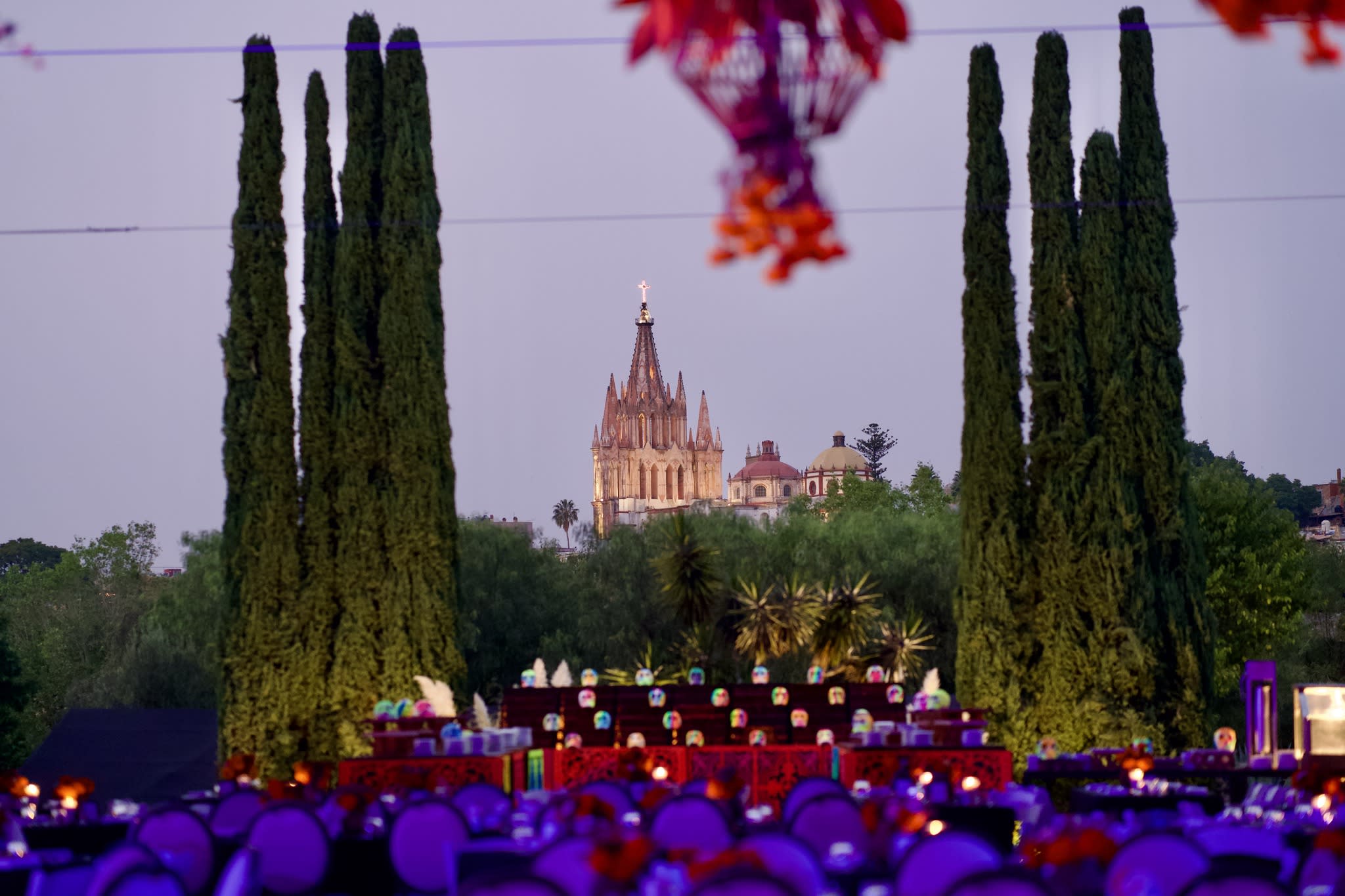
Image courtesy of Rosewood San Miguel de Allende
What to see & do
In San Miguel de Allende, Día de Muertos takes on a distinctly creative twist. The city’s cobblestone streets fill with catrina parades, candlelit processions, and artisan workshops, all set against its famously romantic backdrop.
La Catrina Vive Festival: A lively event featuring catrina parades, concerts, dance, and urban art. It beautifully bridges Mexican tradition and contemporary creativity.
Altars in the Jardín Principal: Families and local artists display colorful, imaginative altars throughout the city’s main square.
Cultural activities and workshops: Including traditional crafts, painting, papier-mâché skulls, and local gastronomy.
Cemetery visits: Local cemeteries glow with candles, music, and offerings, creating an atmosphere that blends reverence and celebration.
What to eat
Regional pan de muerto: Sometimes made with richer flavors like chocolate, coffee, or orange.
Seasonal atoles: Warm maize-based drinks in flavors like chocolate, vanilla, or dried fruits.
Traditional sweets: Handmade treats such as cocadas (coconut confections) and local caramels often used to decorate altars.
Where to stay
Rosewood San Miguel de Allende: A luxurious retreat in the city’s colonial center, where bright rooms, handcrafted details, and sweeping rooftop views capture San Miguel’s creative energy.
On November 1 and 2, the Rosewood Garden hosts family-friendly celebrations and cultural events that capture the spirit of the holiday.
Fora’s Rosewood Elite partner perks include a $100 hotel credit, a welcome amenity, daily breakfast, and an upgrade and extended check-in/out whenever possible.
Day of the Dead in Yucatán
What to see & do
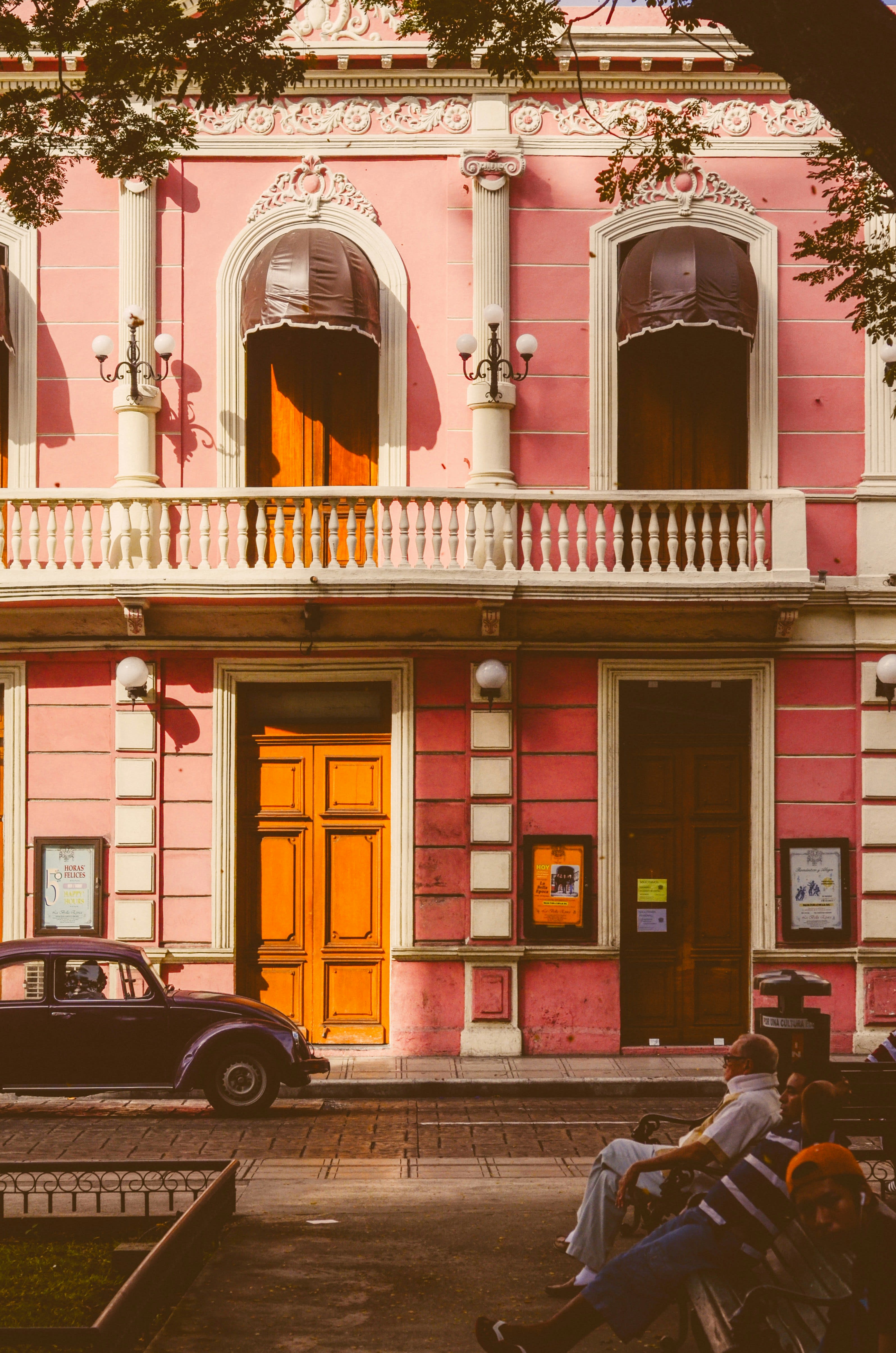
In the Yucatán Peninsula, the Day of the Dead takes a different name and meaning. Here, it’s known as Hanal Pixán—“the food of souls” in Maya—a deeply spiritual tradition rooted in the region’s Indigenous heritage. The celebration brings together ritual, community, and food in an atmosphere rich with symbolism.
Paseo de las Ánimas (Mérida): A nighttime procession where hundreds of locals, dressed as spirits, walk through candlelit streets in honor of their ancestors.
Ceremonies in Maya villages: Offerings are blessed, cemeteries are visited, and rituals blend Maya cosmology with Catholic faith, creating an experience that feels both sacred and communal.
What to eat
Mucbipollo (pib): A large tamal wrapped in banana leaves and baked underground, filled with meat, achiote, and spices—a cornerstone of Hanal Pixán feasts.
Calabaza en tacha: Pumpkin slow-cooked with raw cane sugar and cinnamon, a seasonal staple found across the region.
Atole: A warm maize-based drink, often flavored with chocolate, that accompanies altars and family gatherings.
Where to stay
Chablé Yucatán: Hidden within the Maya jungle, Chablé is a place where modern design and ancient tradition coexist beautifully. Each casita and villa has its own pool and terrace, offering quiet privacy surrounded by nature. The spa, built around a sacred cenote, draws on centuries-old healing rituals, while the restaurant—helmed by acclaimed chef Jorge Vallejo—reimagines Mexican flavors through a Yucatecan lens. Evenings often end with a guided tasting from the resort’s remarkable tequila collection, one of the largest in the country
Hanal Pixán at Chablé is observed with sincerity and reverence. Guests are invited to take part in intimate moments of remembrance and renewal—surrounded by candlelight, forest, and the echoes of living history. It’s an experience that feels less like a performance and more like a connection: a quiet celebration of life, memory, and the enduring link between generations.
Fora Reserve perks include a $100 hotel credit, daily breakfast, and an upgrade and extended check-in/out whenever possible.
Day of the Dead in Oaxaca
What to see & do
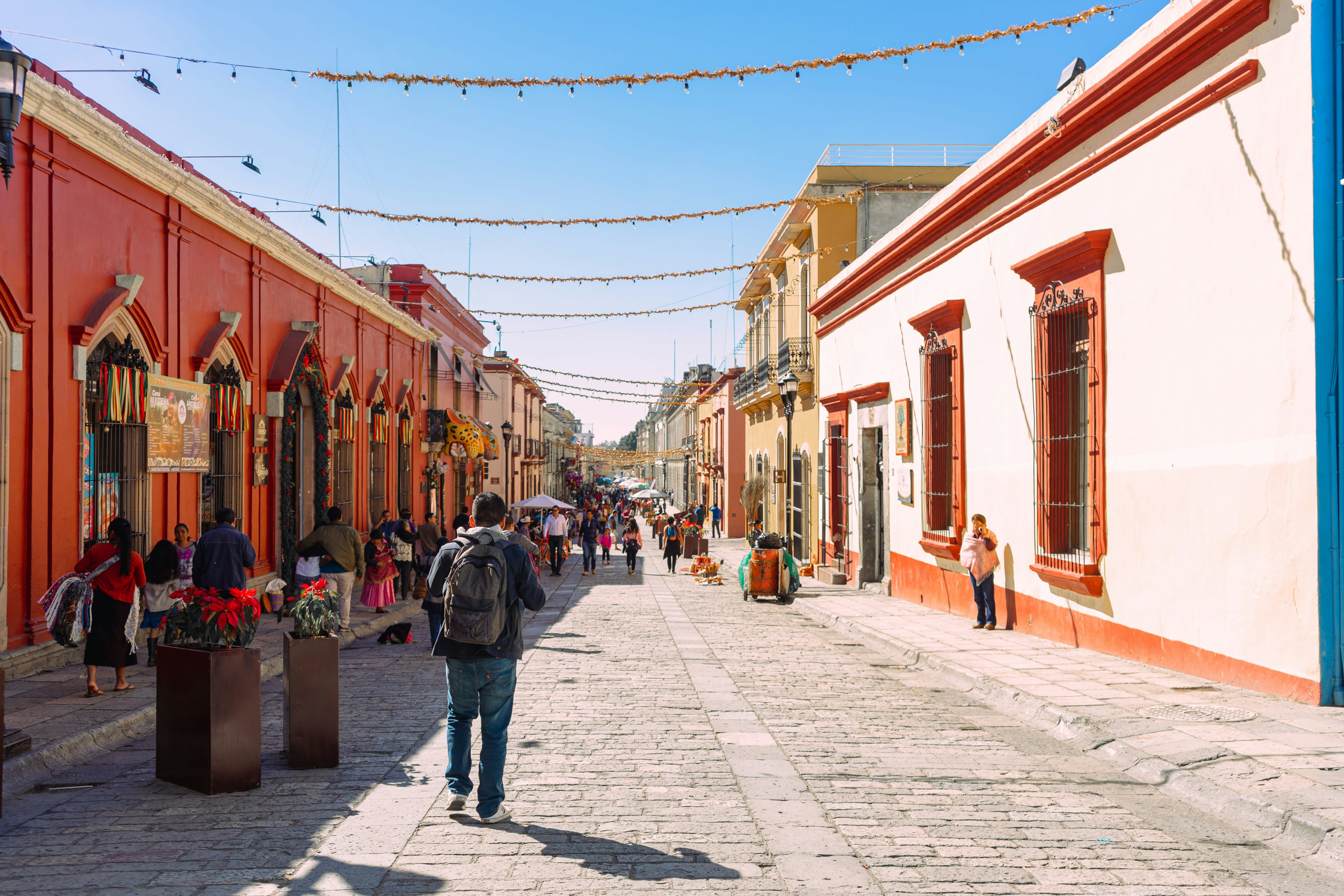
Oaxaca is often considered one of the most authentic places in Mexico to experience Día de Muertos. During this time, the entire city and its surrounding villages transform into a carnival of parades, altars, sand tapestries, and candlelit cemeteries.
Comparsas: Street parades filled with music, dancing, masks, and costumes that wind through entire neighborhoods.
Sand tapestries and altars: Community art projects that fill streets, churches, and plazas with intricate designs and color.
Candlelit cemeteries (Xoxocotlán and Atzompa): Graveyards glow with thousands of candles, flowers, and music—an unforgettable highlight of the celebration.
Traditional markets: Like the Mercado de Abastos, where you’ll find sugar skulls, pan de muerto, and handmade crafts.
Cultural festivals: Expect open-air theater, art exhibitions, and live concerts throughout the week.
What to eat
Oaxacan pan de muerto: Denser and more aromatic than in other regions, sometimes filled with chocolate or piloncillo syrup.
Calabaza en tacha: Pumpkin cooked slowly in cane sugar syrup and cinnamon, a classic altar offering.
Hot chocolate and tejate: Traditional drinks that accompany meals and festivities—rich, spiced, and deeply tied to Oaxacan culture.
Where to stay
Quinta Real Oaxaca: Set in a beautifully preserved 16th-century convent in the heart of the historic center, this elegant hotel blends centuries-old architecture with modern comfort. Its courtyards—especially the Garden of Orange Trees—and spacious rooms make it a serene base within walking distance of the city’s Día de Muertos parades and markets.
Thanks to its prime location, guests can easily join the city’s traditional celebrations and witness Oaxaca’s unique blend of color, music, and ritual firsthand.
Day of the Dead in Quintana Roo
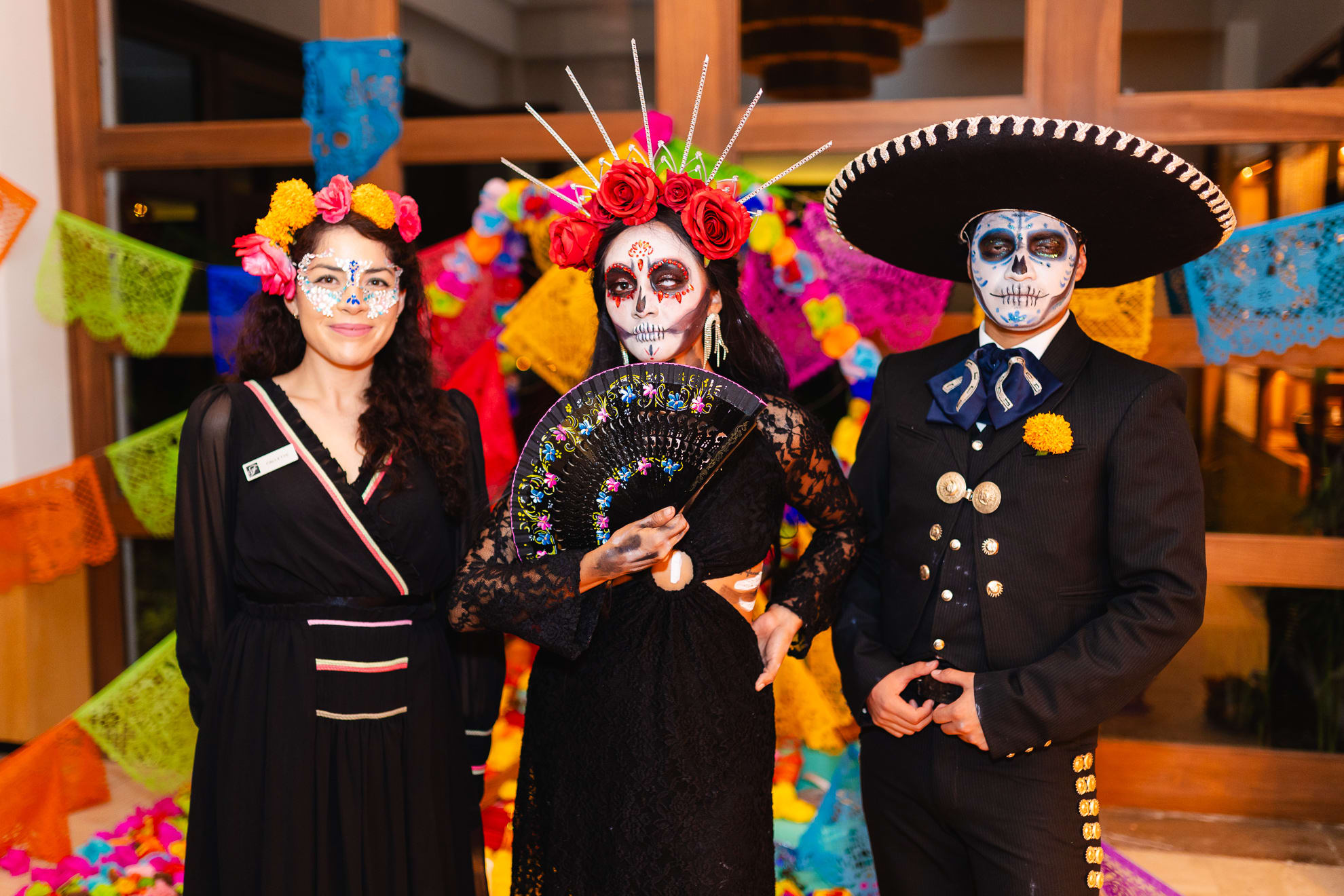
Image courtesy of Fairmont Mayakoba
What to see & do
While better known for its beaches, Quintana Roo has embraced Día de Muertos with its own Riviera Maya flair. The region offers well-organized, family-friendly events that make it easy for visitors to experience the spirit of Día de Muertos.
Festival of Life and Death Traditions (Xcaret): The Riviera’s most famous celebration, featuring music, dance, theater, altars, food, and workshops. Each year spotlights a different guest state.
Community altars: Public installations in Cancún and Playa del Carmen’s plazas and parks.
Events in cenotes and archaeological sites: Rituals that combine Maya beliefs with modern interpretations.
Resort experiences: From themed dinners to altar-making workshops, hotels across the coast bring the celebration to guests in creative ways.
What to eat
Tamales (steamed or baked): Filled with chicken, pork, or vegetables, often served at local festivals.
Regional pan de muerto: Lighter and more tropical, with notes of orange or coconut.
Seasonal drinks: Atole, hot chocolate, and cacao-based beverages spiced with local ingredients.
Where to stay
Fairmont Mayakoba, Playa del Carmen: Surrounded by jungle and crystal-clear lagoons, this contemporary resort blends Riviera luxury with a strong sense of place. Suites and private casitas overlook mangroves or the Caribbean, while multiple restaurants and a destination spa make it a true escape.
Celebrate at La Laguna restaurant with a traditional buffet, live music, dance, and rituals that honor loved ones—an immersive experience that brings the colors and spirit of Día de Muertos to life in the heart of the Riviera Maya.
Fora’s Accor by Preferred partner perks include a $100 hotel credit, daily breakfast, and an upgrade and extended check-in/out whenever possible.