
Curator’s statement
This trip was done in mid-October, right in Costa Rica’s “wet season.” And honestly? It was one of the best parts of the experience. Yes, it rained—however, usually in short bursts and mostly in the evenings or during the night while we slept. What we got in return was lush, green jungles, cooler temperatures, and fewer crowds. It also didn’t hurt to have a sound machine IRL during the night. We planned with the season instead of fighting it, and nothing had to be canceled or rushed because of the weather.
The Fora Difference
Book with Stephanie Beard to access exclusive perks and experiences on your trip.

Killer perks
Free upgrades, spa credits and more—we got you

Personalized recs
Customized travel planning for your style

Insider knowledge
Expert advice from people who’ve actually been there
Where to stay
Unlock perks by contacting Stephanie Beard to book your trip.
Day 1: Arrive & La Fortuna
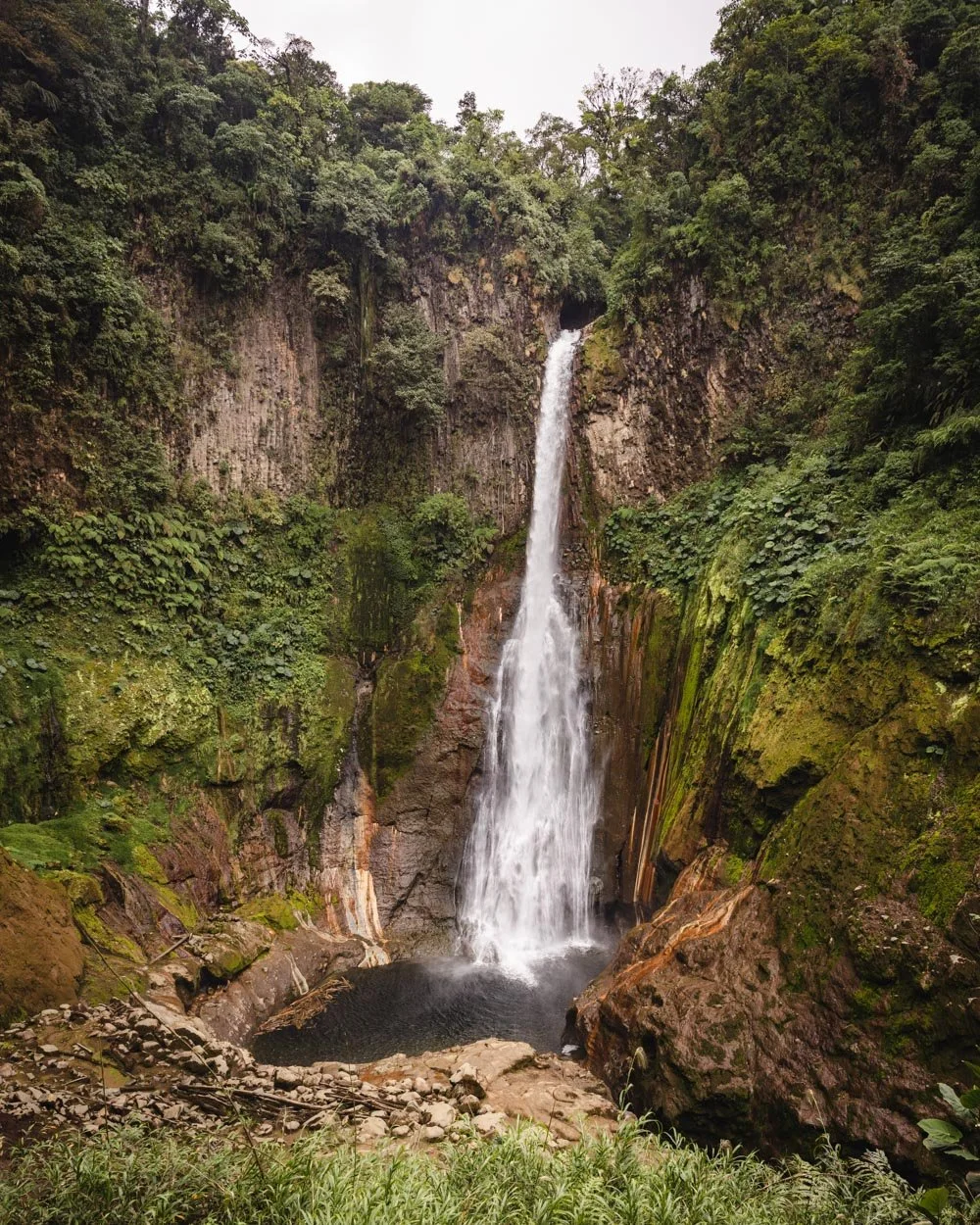
Catarata del Toro
No matter which airport you fly into, there will be significant travel on your first day. I recommend flying into SJO, as it is the main airport in the country and has more rental car options. Pro-tip: Print out your proof of rental car coverage through your travel credit card to avoid paying extra fees for the mandatory collision damage insurance.
Land in San José, grab your rental car, and head north. The drive is longer than it looks on the map—only 90 miles, but about 3.5 hours long. The mountain roads, deep potholes, and slow trucks will keep you humble. Pro-tip: In Costa Rica, most roads (even the main highways) are one lane. Costa Rican locals (or Ticos) will turn on their left-turn signal to tell you that you can pass them. However, make sure they aren’t actually turning left, as there isn’t a way to decipher the difference.
If you have enough daylight hours and are up for it, stop near the halfway point at Catarata del Toro. Catarata del Toro is a stunning waterfall within the crater of an extinct volcano. The hike to the waterfall is 2.15 miles out-and-back with some steep staircases. You’ll be able to see the 270 foot cascade in all its glory!
Take it easy the rest of the day. Grab dinner nearby and hit the hay early. You’ll be very active the next couple of days.
Day 2: Local hot spots
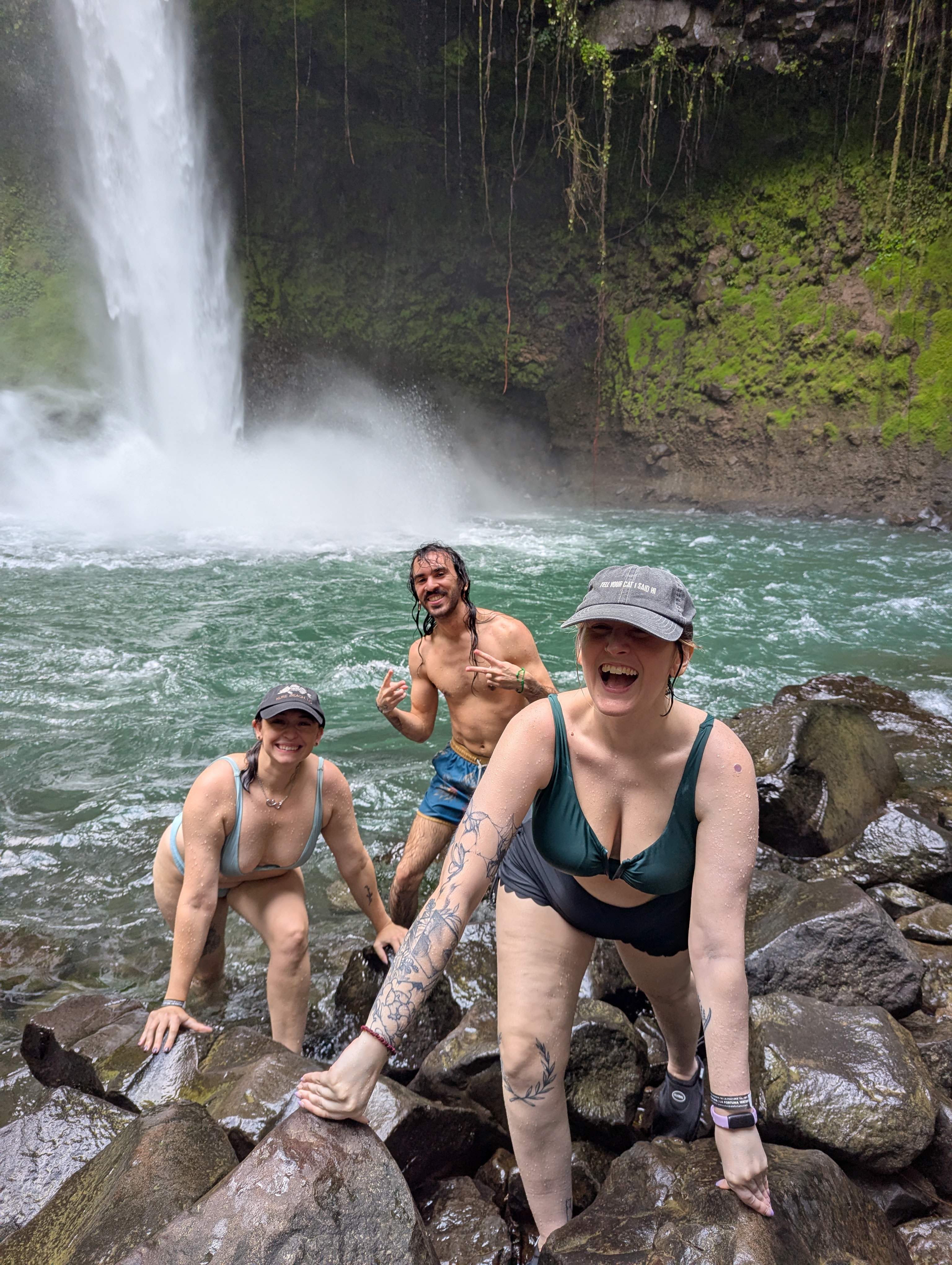
Cold and joyful at La Fortuna waterfall!
La Fortuna may be a small town in Costa Rica, but it has some amazing local spots that you can’t miss!
Start your day off by going to the Feria Farmer’s Market. This market has it all: local art, fresh fruits and veggies, fresh baked breads and pastries, smoothies, juices, cheeses, and even a small restaurant in the back! Make sure to bring your money en efectivo (in cash)!
After you’ve depleted your cash in yummy treats, take advantage of the pre-noon sun and visit La Fortuna waterfall. The hike is short, but strenuous. It’s about 500 steps down and back up. The green season made the waterfall powerful and dramatic without being overcrowded. The crystal clear waters were very cold, but it was a refreshing experience after all of those steps!
Make your way back up the 500 stairs and grab lunch and a cocktail at the bar and restaurant at the top.
To end the day, stop by El Salto. El Salto is a local hot spot for sunbathing, swimming, and rope swings. This is one of the rare free activities in Costa Rica, so take advantage!
Day 3: Río Celeste y Los Teñideros
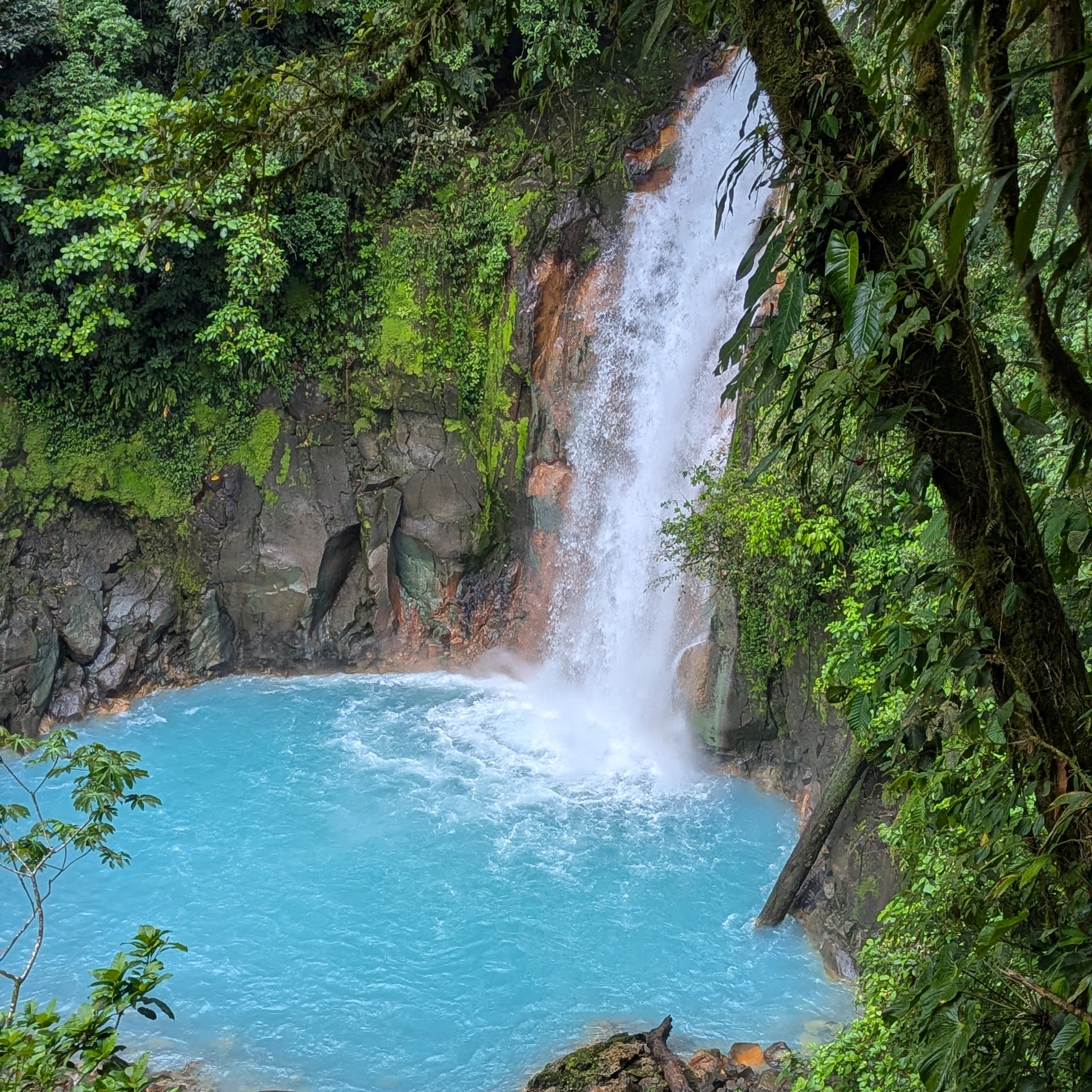
Río Celeste Waterfall
Pile up in the rental and take a one-hour drive north to Onca Tours. The wonderful guides there will shuttle you to the starting point of the river tubing on the Río Celeste. Have you ever rode rapids on an inner tube? Well, now you will! This part of the river delivers level I and II rapids that will guarantee a fun, chaotic time without ever feeling unsafe. The float down the river takes approximately two hours. Onca Tours boasts the longest float in the country.
After you’re shuttled back to Onca Tours HQ, you’ll be greeted with a typical Tico lunch of chicken, rice and beans, salad, and (my favorite) maduros. They were also able to provide two vegetarian meals for those in my group. Pro-tip: Take the 9 am tour so you have time for the next activity without rushing.
While you’re in the area, visit Parque National Volcán Tenorio to see the vibrant blue waters of the Río Celeste waterfall. The hike to Río Celeste waterfall is muddy and humid, but October means the blue color is vibrant and the forest is alive with native birds, monkeys, and sloths!
On the drive back to La Fortuna, stop at Panadería y Cafetería Arte y Sabor. Hands down the best postre de maracuyá (passion fruit dessert) and pastel de pollo (chicken puff pastry) I’ve ever had. This stop alone is worth planning around.
Day 4: Arenal & hot springs
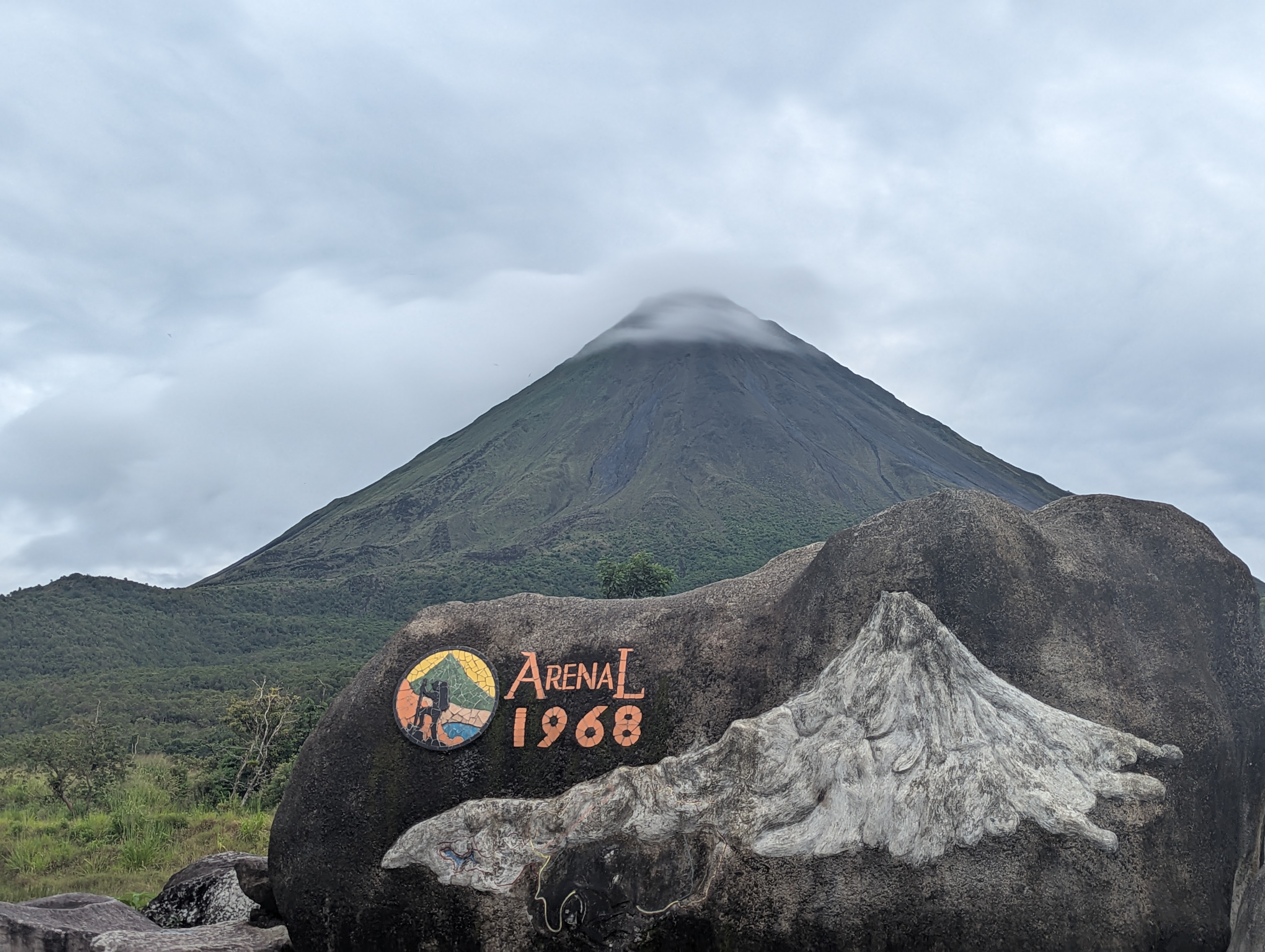
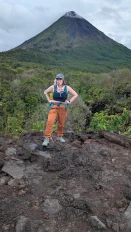
La Fortuna at Arenal 1968
On your last day in La Fortuna, you’re finally going to that volcano you’ve been seeing in the backdrop. Head to Arenal 1968 and hike the Lava Trails. You’ll see native birds, plants, animals, and insects all while you hike through the lava trails of the 1968 Arenal eruption. At the top, you’ll stand on a huge plateau of hardened lava that gives you a wonderful view of the volcano.
At the end of the hike, you’ll end up at Lava '68 Cafetería. Stop for a nice pick-me-up or a full lunch.
In the afternoon, head to Mistico Arenal Hanging Bridges Park. The walk is a slower, more relaxed walk through the forest, with immersive views without requiring much effort.
To end your night, soak in the many volcanic hot springs of Ecotermales. The spa is locally owned by a family with roots dating back to the very founding of La Fortuna. At Ecotermales, you can either reserve just the hot springs or add a buffet dinner. I highly recommend the dinner.
Head back to your Basecamp fully relaxed and ready for the long trip in the morning!
Day 5: On the road again
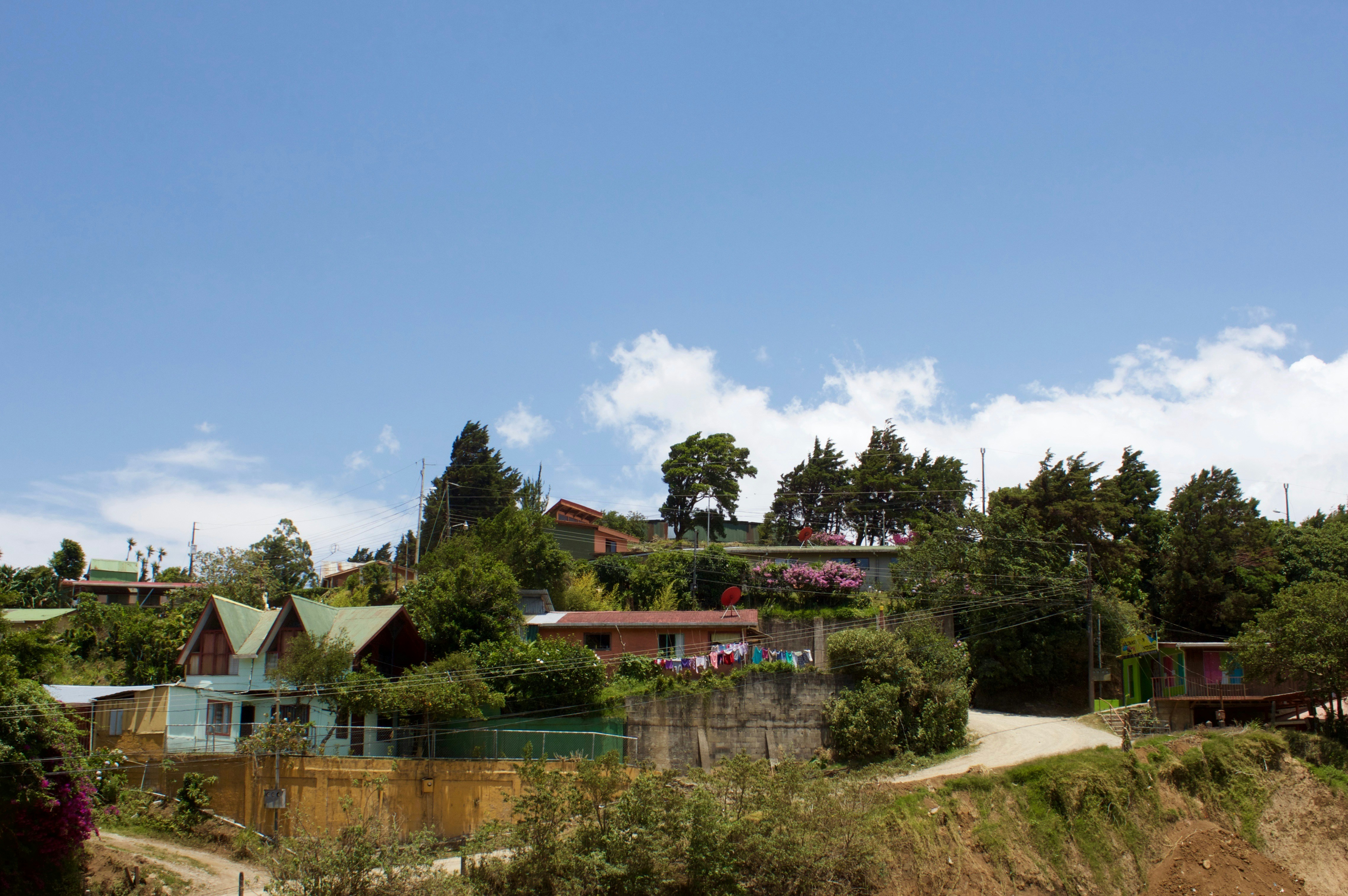
The drive from La Fortuna to Puerto Viejo de Talamanca is long, and there is no real way around that, but breaking it up makes it much more manageable.
About halfway through, stop at Restaurante Donde Ceci in Siquirres for large portions with low prices.
Once you arrive in Puerto Viejo, just hang back and chill for the rest of the day. After several active days, simply checking in, getting settled, and letting the pace slow down is a great way to transition into the slower life on the Caribbean coast.
Day 6: Wildlife up close
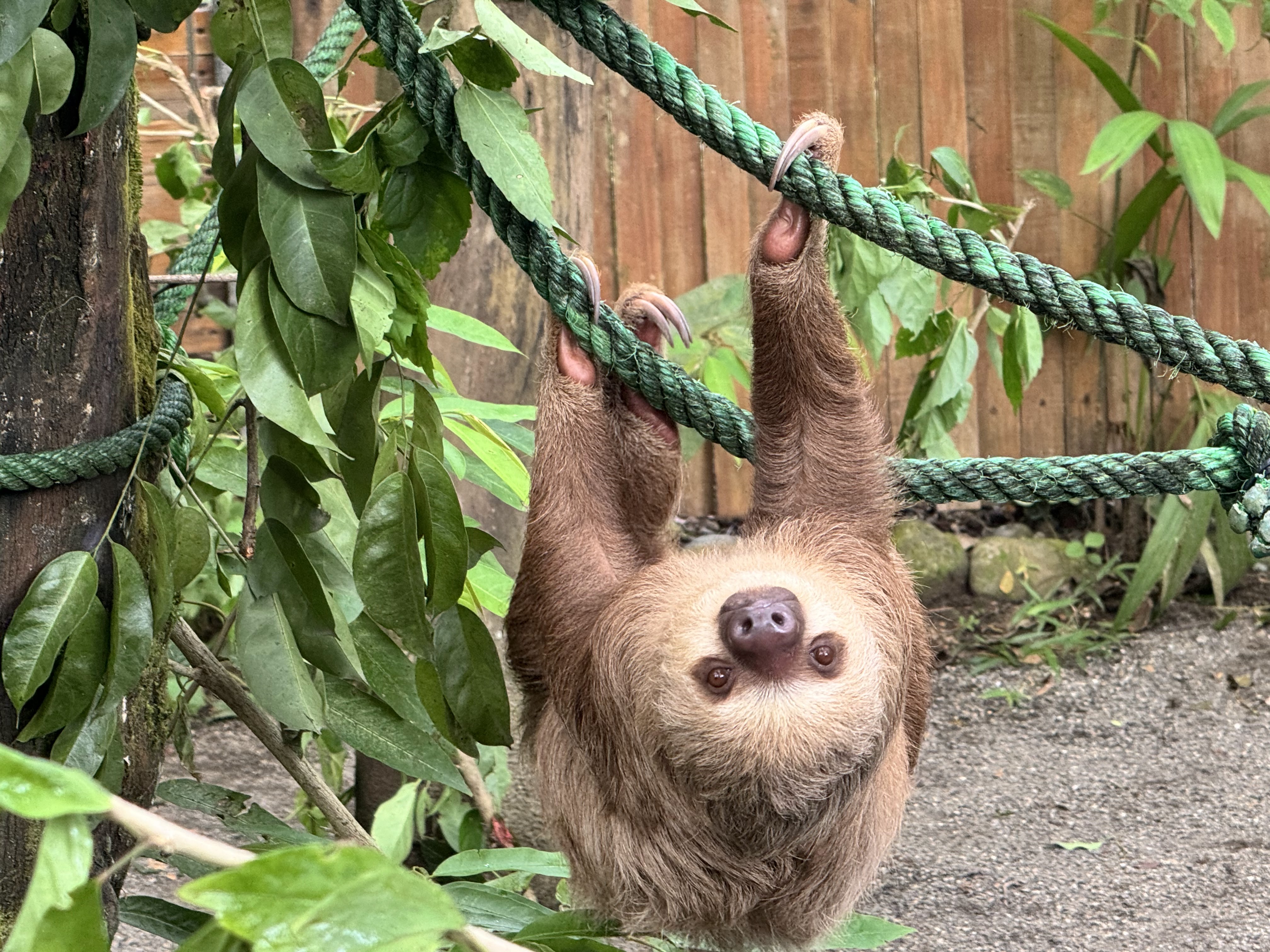
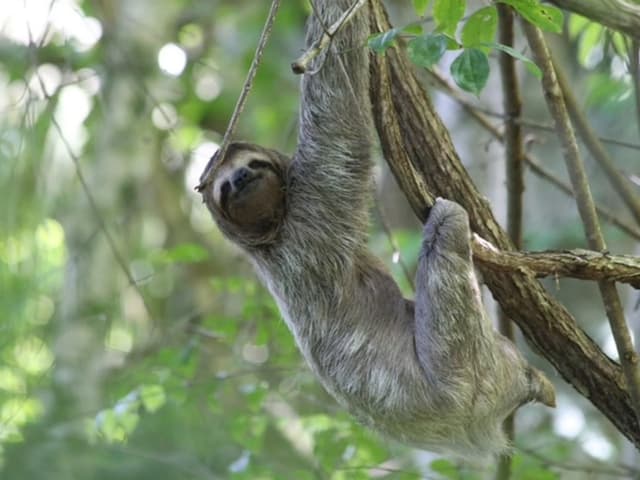
Penne, a permanent resident of Jaguar Rescue Center
Start the day with a visit to the Jaguar Rescue Center. Go in the morning when it’s cooler and the animals are more active. The center is educational and fun for any age, and it’s a good way to understand Costa Rica’s approach to wildlife conservation. You’ll see monkeys, sloths, turtles, plenty of different birds, and even a crocodile! Let them tell you the story of the origin of their name and why they don’t actually have jaguars.
Afterward, pick a beach! Any beach! And let the rest of the day slowly unfold. Playa Cocles and Playa Chiquita are local favorites. Costa Rican beaches are unique in their dramatic transition from jungle to shore. This is the day to lean into the Caribbean pace and stop checking the clock.
For dinner, go to La Nena. It’s a beautiful outdoor restaurant serving up local foods and classic cocktails.
Day 7: Kayaking at Punta Uva
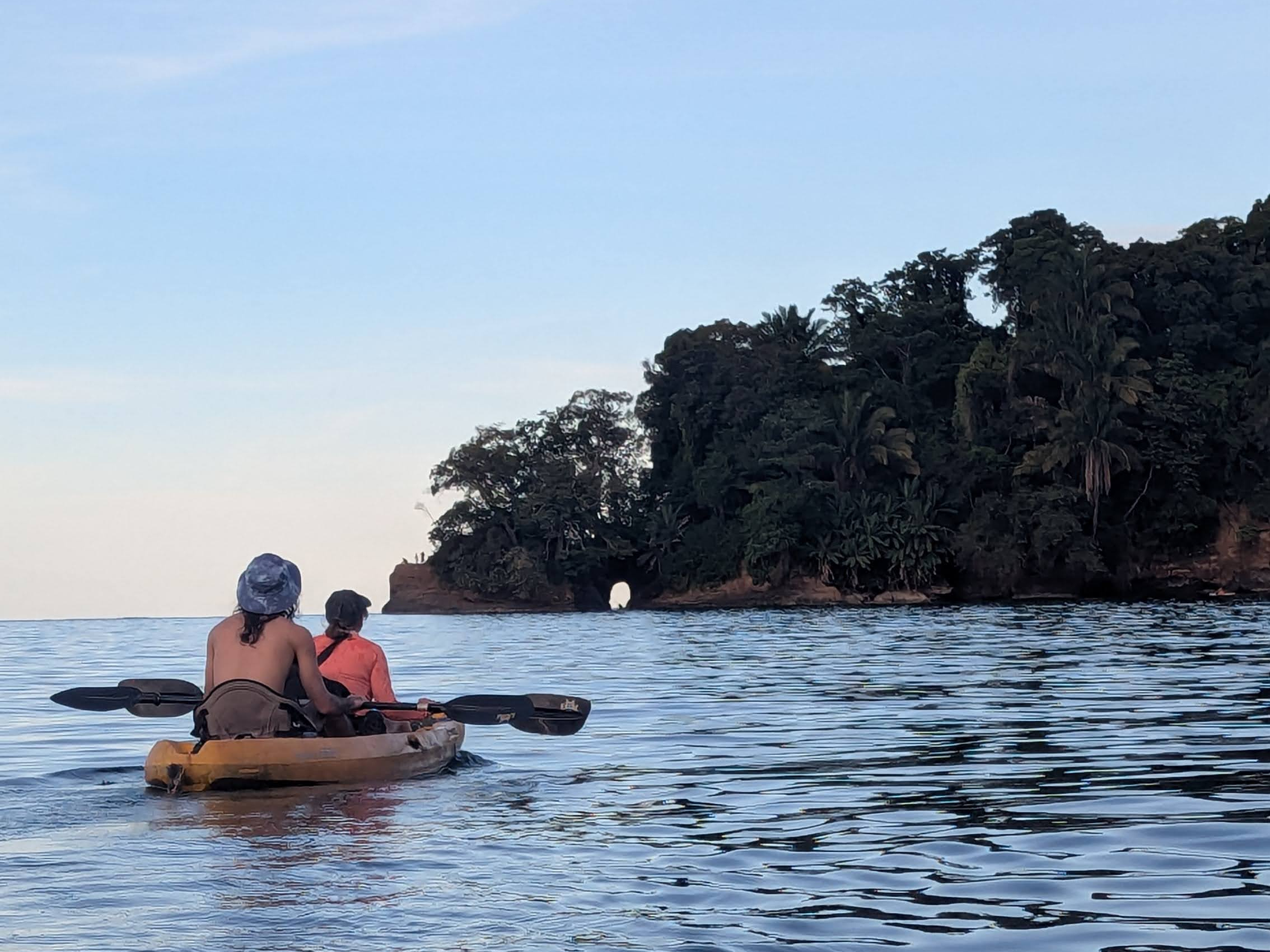
Punta Uva with the Foradada in the distance.
Take the day to embody Pura Vida, or “the pure life.” In Costa Rica, Pura Vida is the national motto, representing the laid-back and optimistic view of the locals.
You can start or end your day kayaking at Punta Uva. During the earlier hours of the day, the ocean is calm and you may see more ocean life; however, the Caribbean sun can be pretty hot. Later in the day, you might encounter some choppier water, but the beaches are less crowded and you are past the hottest point of the day.
Whichever you choose, you’ll be able to easily rent a kayak directly on the beach until sundown. Head out into the Caribbean ocean and take in the views of the beach. Don’t forget to take your kayak through the La Foradada de Punta Uva, a natural rocky tunnel that fills with water on higher tides.
From there, keep the rest of the day flexible. There are a lot of excellent restaurants and beach spots in this area, so choose whatever looks good in the moment. It’s very hard to make a wrong decision here.
Day 8: Manzanilla & the shipwreck
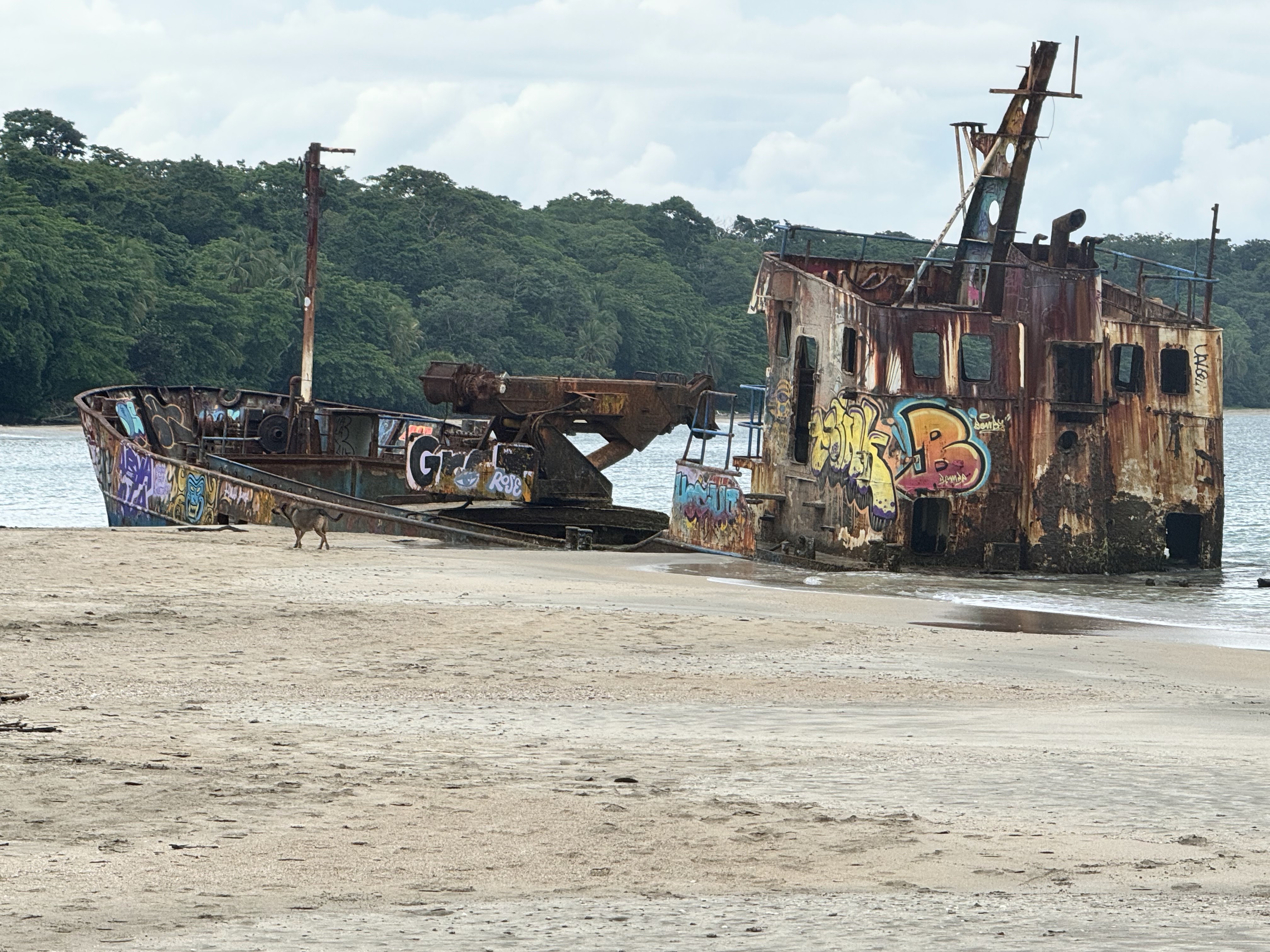
Yicel shipwreck
Head south to Manzanilla and visit the Yicel Shipwreck. The grounded cargo ship is right on the shoreline, giving you a very up-close view. Walk the beach, swim, and take your time. The area is a lot quieter and more laid-back than Puerto Viejo, which makes it perfect for a long, unstructured day.
Plan to eat and drink locally while you’re here. There are plenty of great bars and restaurants, and you really can pick one at random and still have a good experience.
Day 9: Return to San José
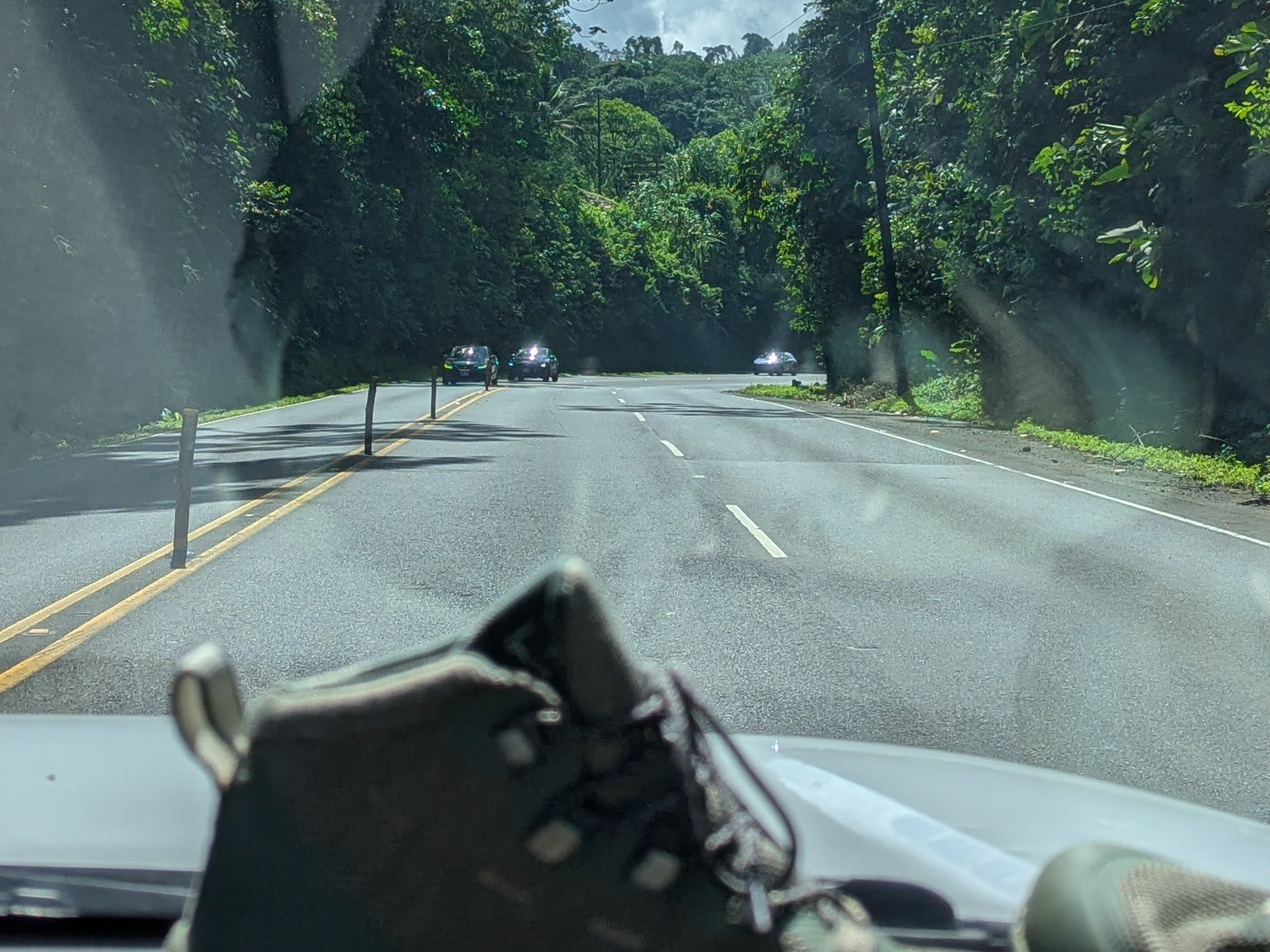
The road to SJO
Start early for the drive back to San José. Traffic and construction can all slow things down, so build in extra buffer time and keep expectations realistic. The drive will take you around five hours.
If you want to avoid the long drive altogether, consider flying out of Limón International Airport instead. It can save hours on the road and is worth looking into if you’re able to return your rental car at another location.
Need to know
Sodas are mom-and-pop restaurants that can be found anywhere in the country. They have cheap prices and big portions. Just be prepared to wait a bit for the food. Pura Vida.
Remember that 25 percent of Costa Rica is protected land, so most areas and National Parks will require a cost of admission.
In 2017, Costa Rica established government guidelines that prohibit taking photos with wildlife. This is often referred to as the “selfie law.” Respect the wildlife in Costa Rica by enjoying it from afar.

Travel Advisor
Stephanie Beard
Stephanie Beard

Get in touch with Stephanie Beard
Did you like this guide? Reach out to customize and book your own experience. Or, just to chat about travel in general.
For more inspiration and insider recommendations, visit our Costa Rica page.